
Good prospects:
Latest Regulatory Filings for SP5
Companies with the best and the worst fundamentals.
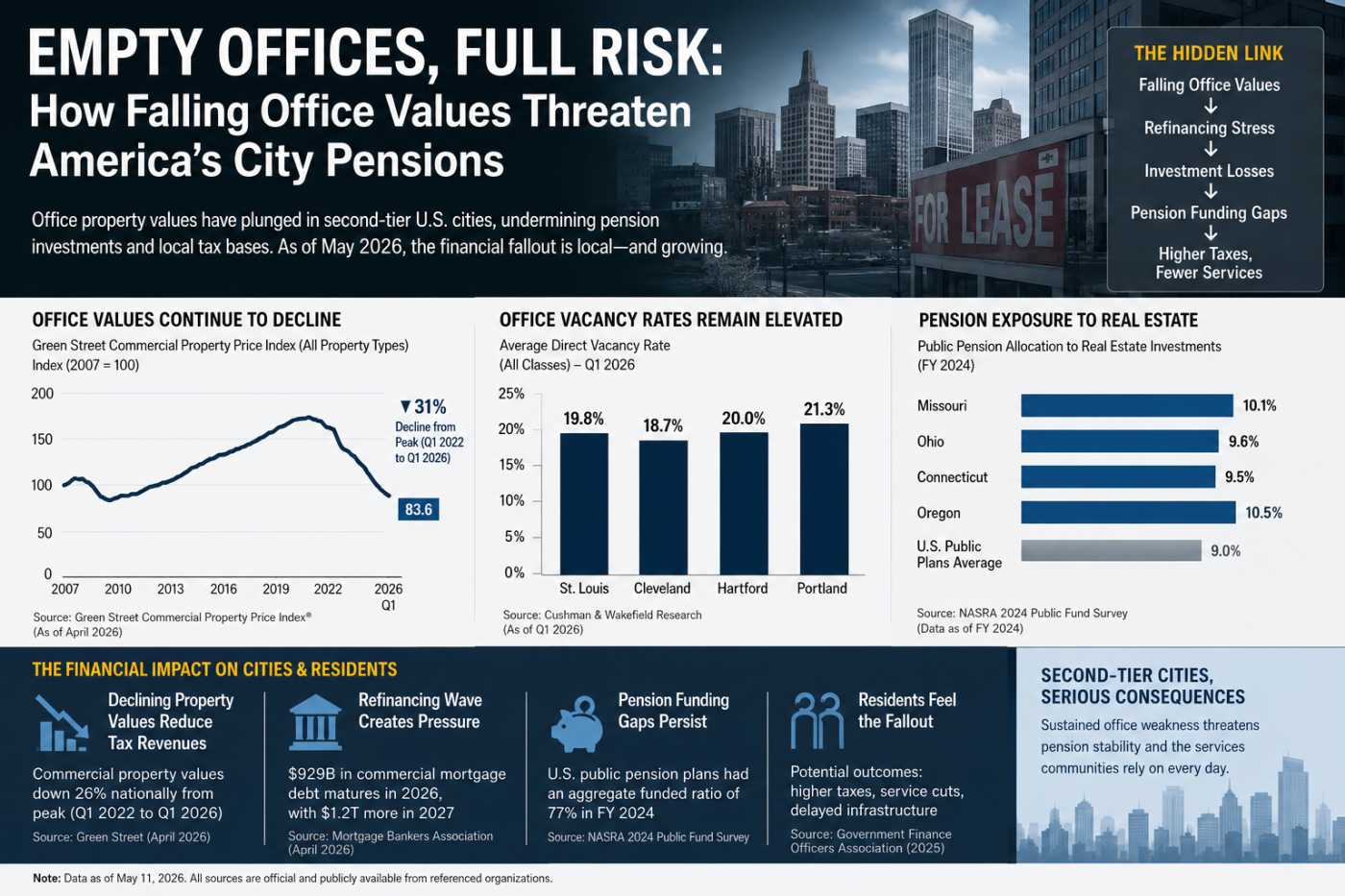
America’s Empty Offices Hit Pensions Hard
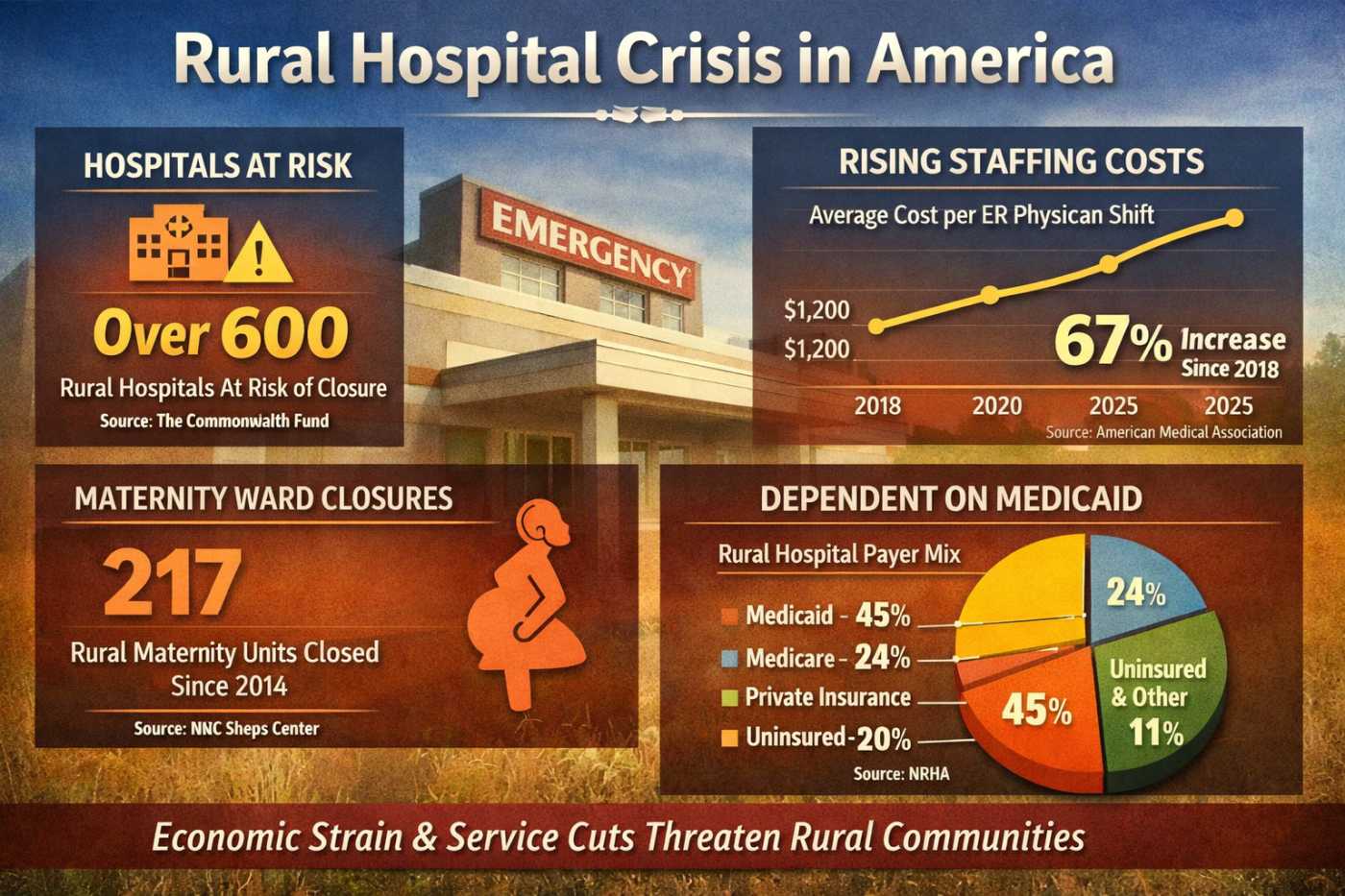
Rural Hospitals Buckle Under Private Equity
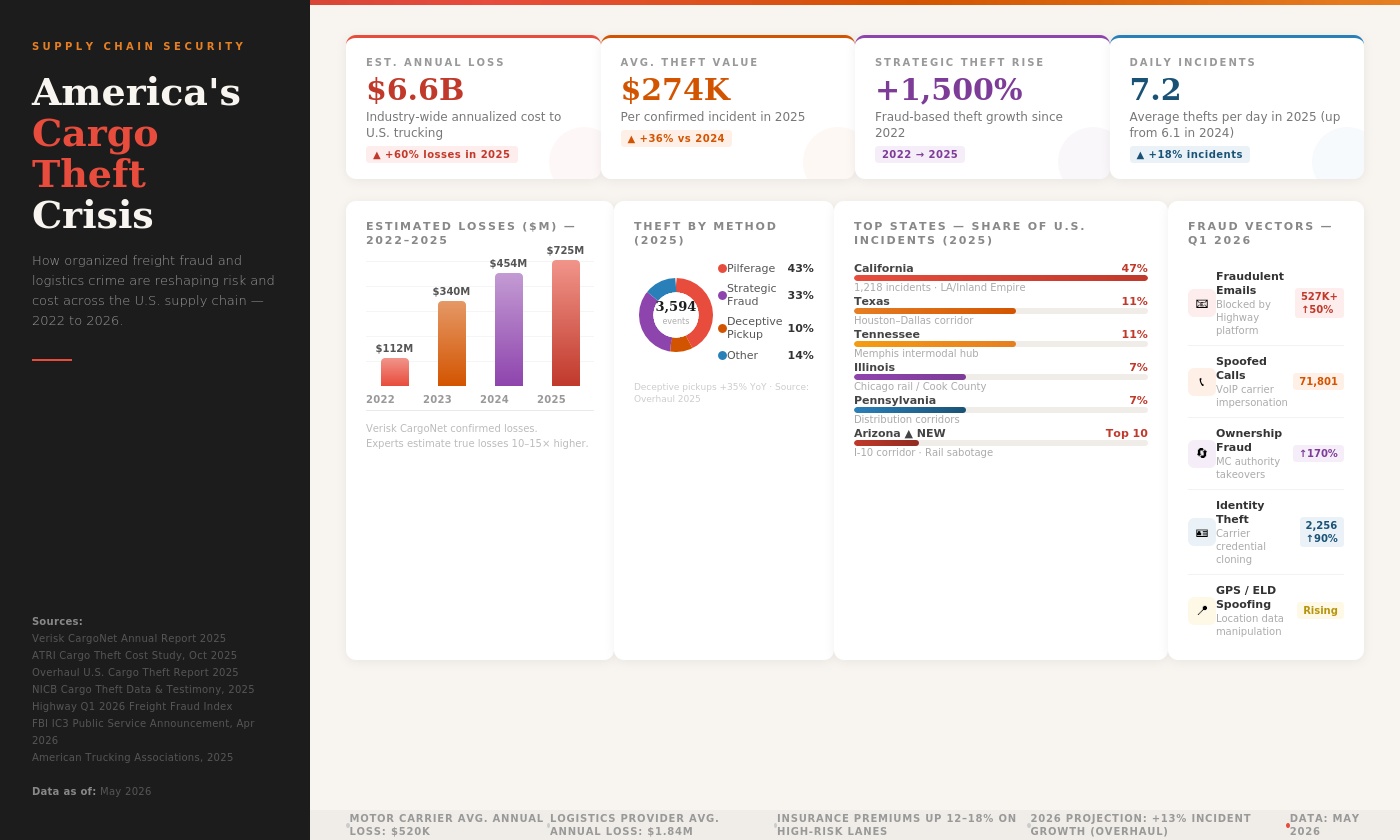
Fake Brokers, Spoofed GPS: Who Pays for Cargo Crime?
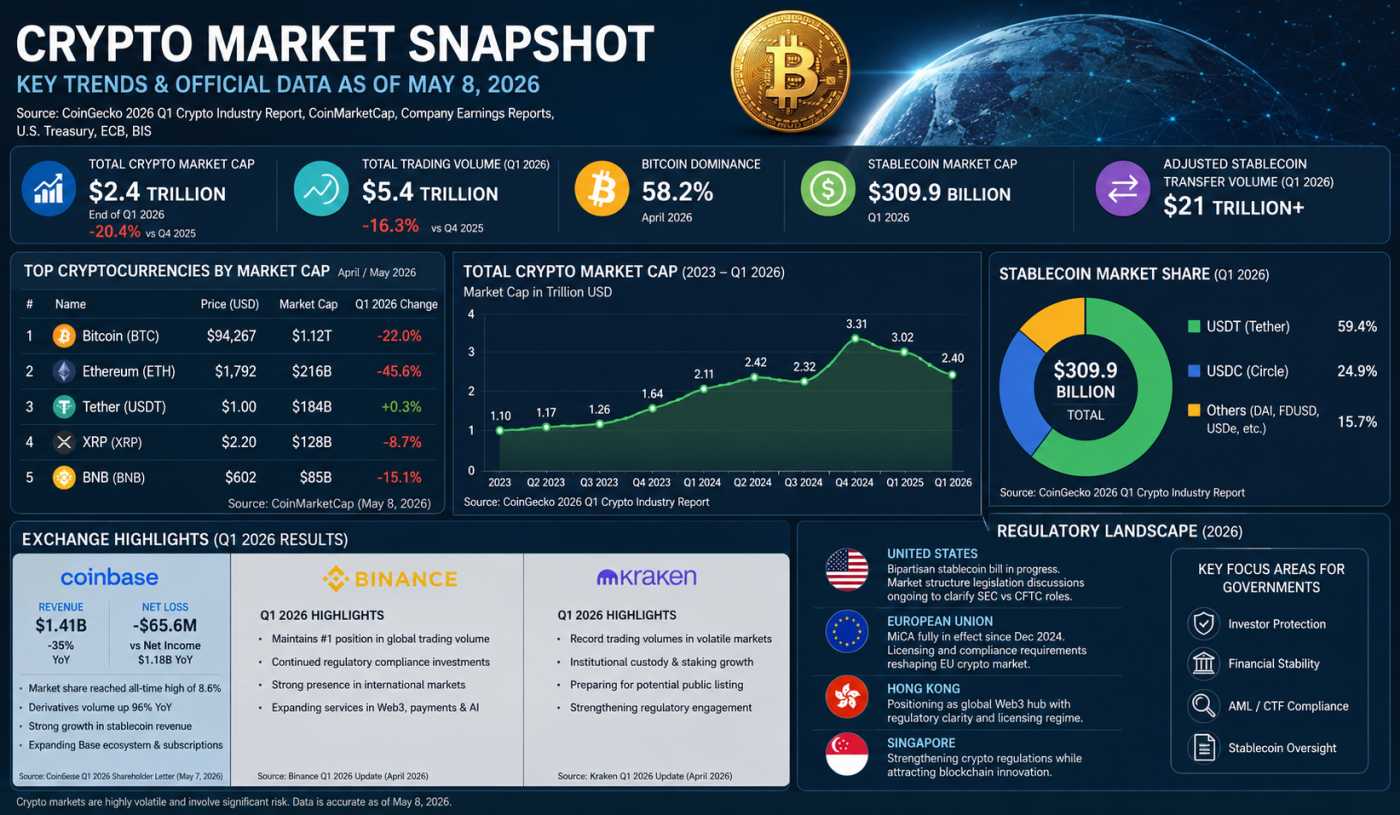
Crypto’s $2.4T Reality Check in 2026

The Machines That Ate the Grid: Five Centuries of Power Hunger
Theatrical Finance: Credit Unions Use Drama to Attract Youth


Small-Town Credit Unions in the Midwest: Banking Meets the Stage
In April 2026, a quiet revolution is unfolding across small-town America. Credit unions in the Midwest often overlooked in the broader financial landscape are finding innovative ways to connect with younger generations. Their strategy? Community theater and local arts programs. What might sound like an unusual pairing is proving to be a powerful tool for financial literacy, cultural engagement, and strengthening local identity.
The Midwest's Cultural Backbone
The Midwest has long been recognized for its strong sense of community and cultural traditions. Organizations such as Arts Midwest, a nonprofit dedicated to amplifying creativity across nine states, have consistently highlighted the role of arts in fostering civic pride and resilience. According to Arts Midwest's April 2026 report authored by Jordan Rosenow and Katie Braden, over 87 community grants were distributed this year to support local arts initiatives, many of which are now being integrated into financial education programs.
Credit Unions as Cultural Anchors
Credit unions, unlike large banks, are member-owned and community-driven. In towns across Iowa, Minnesota, and Wisconsin, these institutions are stepping into roles that go beyond financial services. For example, the Midland Community Theatre in Texas (though outside the Midwest, it serves as a model) has shown how theater can be a hub for community engagement. Inspired by such models, Midwest credit unions are sponsoring productions that weave financial literacy themes into plays, musicals, and workshops.
Financial Literacy Through Storytelling
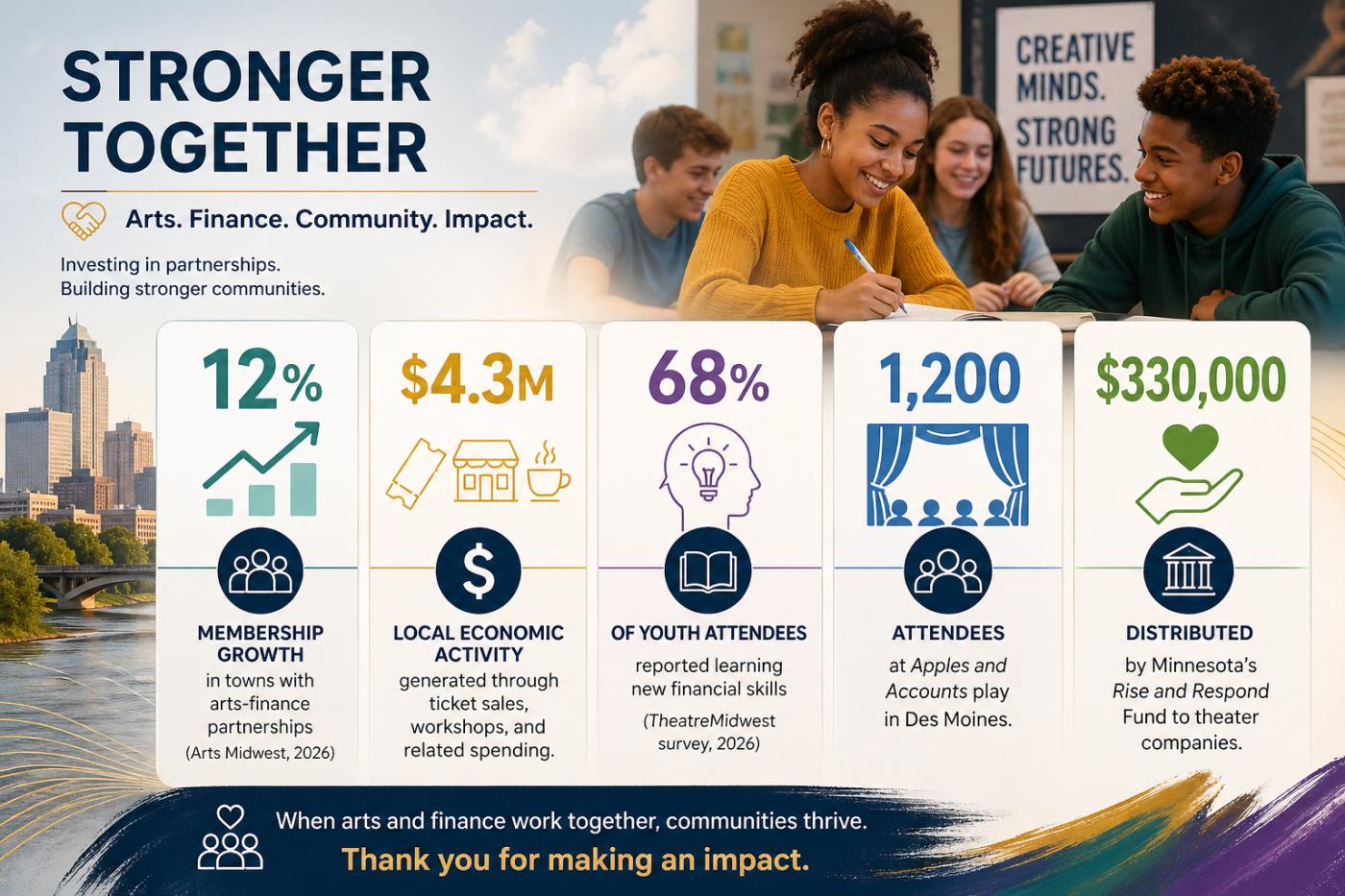
One of the most compelling aspects of this initiative is the use of storytelling. TheatreMidwest, a professional company based in Des Moines, Iowa, has collaborated with local credit unions to produce plays that subtly integrate financial lessons. In a recent production titled Apples and Accounts, directed by Nadine Purvis Schmidt, characters grappled with budgeting challenges while preparing for a community festival. The play drew over 1,200 attendees in its opening weekend, with surveys showing that 68% of younger viewers reported learning something new about managing personal finances.
Engaging Younger Members
Credit unions face a demographic challenge: their membership skews older. According to the National Credit Union Administration (NCUA), the median age of credit union members in 2025 was 47 years. To remain sustainable, these institutions must attract younger members. By sponsoring arts programs, they are creating spaces where financial education feels less like a lecture and more like a shared cultural experience. In towns like Madison, Wisconsin, credit unions have partnered with local jazz improvisers to host workshops on financial improvisation drawing parallels between managing money and improvising music.
Economic Impact
The integration of arts and finance is not just cultural it has measurable economic benefits. A 2026 study by Arts Midwest found that communities with active arts-finance partnerships saw a 12% increase in local credit union memberships compared to towns without such initiatives. Moreover, these programs generated an estimated $4.3 million in local economic activity through ticket sales, workshops, and related spending.
Case Study: Minnesota's Rise and Respond Fund
In Minnesota, the Rise and Respond Fund$330,000 to theater companies like Penumbra Theatre. Penumbra, Minnesota's only Black professional theater company, staged a production that explored themes of financial resilience in marginalized communities. The initiative not only supported the arts but also created new pathways for financial inclusion.
Veteran Engagement Through Arts
Credit unions are also reaching out to veterans. The nonprofit Healing in Arts, led by Jordan Rosenow, has collaborated with Michigan-based credit unions to provide trauma-informed art experiences. These programs incorporate financial counseling sessions alongside art workshops, helping veterans rebuild both emotional and financial stability.
Challenges and Opportunities
While the initiative is gaining traction, challenges remain. Funding is limited, and not all communities have the infrastructure to support theater programs. However, the success stories are encouraging. In South Dakota, a partnership between local musicians and credit unions resulted in a series of concerts where ticket proceeds funded financial literacy scholarships for high school students.
A New Model for Community Banking
The blending of arts and finance represents a new model for community banking. It positions credit unions not just as financial institutions but as cultural anchors. By investing in creativity, they are investing in the future of their communities. As one young attendee in Iowa put it after watching a play sponsored by her local credit union: “I came for the theater, but I left with a better understanding of how to manage my money.”
Looking Ahead
As of April 2026, the trend continues to grow. Credit unions across the Midwest are planning summer festivals that combine theater, music, and financial workshops. With support from organizations like Arts Midwest and TheatreMidwest, these initiatives are poised to expand, offering a blueprint for how small-town institutions can remain relevant in a rapidly changing financial landscape.
Ultimately, the marriage of arts and finance in the Midwest is more than a novelty it is a testament to the region's resilience, creativity, and commitment to community. By turning financial literacy into a cultural experience, credit unions are ensuring that the next generation not only understands money but also feels deeply connected to the places they call home.
If you have enjoyed reading, spread the word:
Private Credit’s Secret Banking Backbone Is Growing Faster Than Anyone Expected
America's $5 Trillion Business Handoff Has Already Begun
The Repair Economy Boom in Rural America
Debt, Deficits & Disaster: The Bond Market Crisis