
Good prospects:
Latest Regulatory Filings for SP5
Companies with the best and the worst fundamentals.
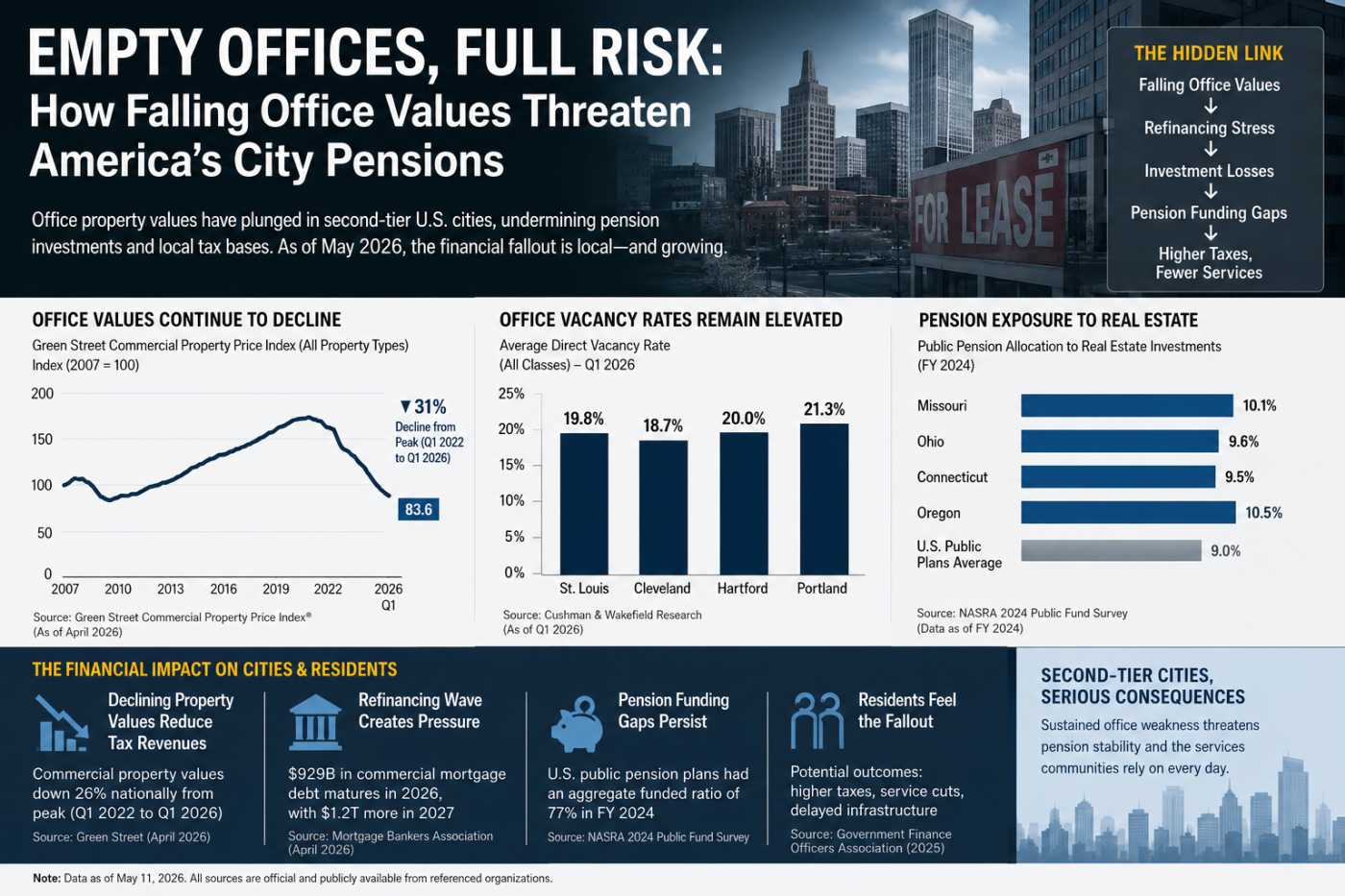
America’s Empty Offices Hit Pensions Hard
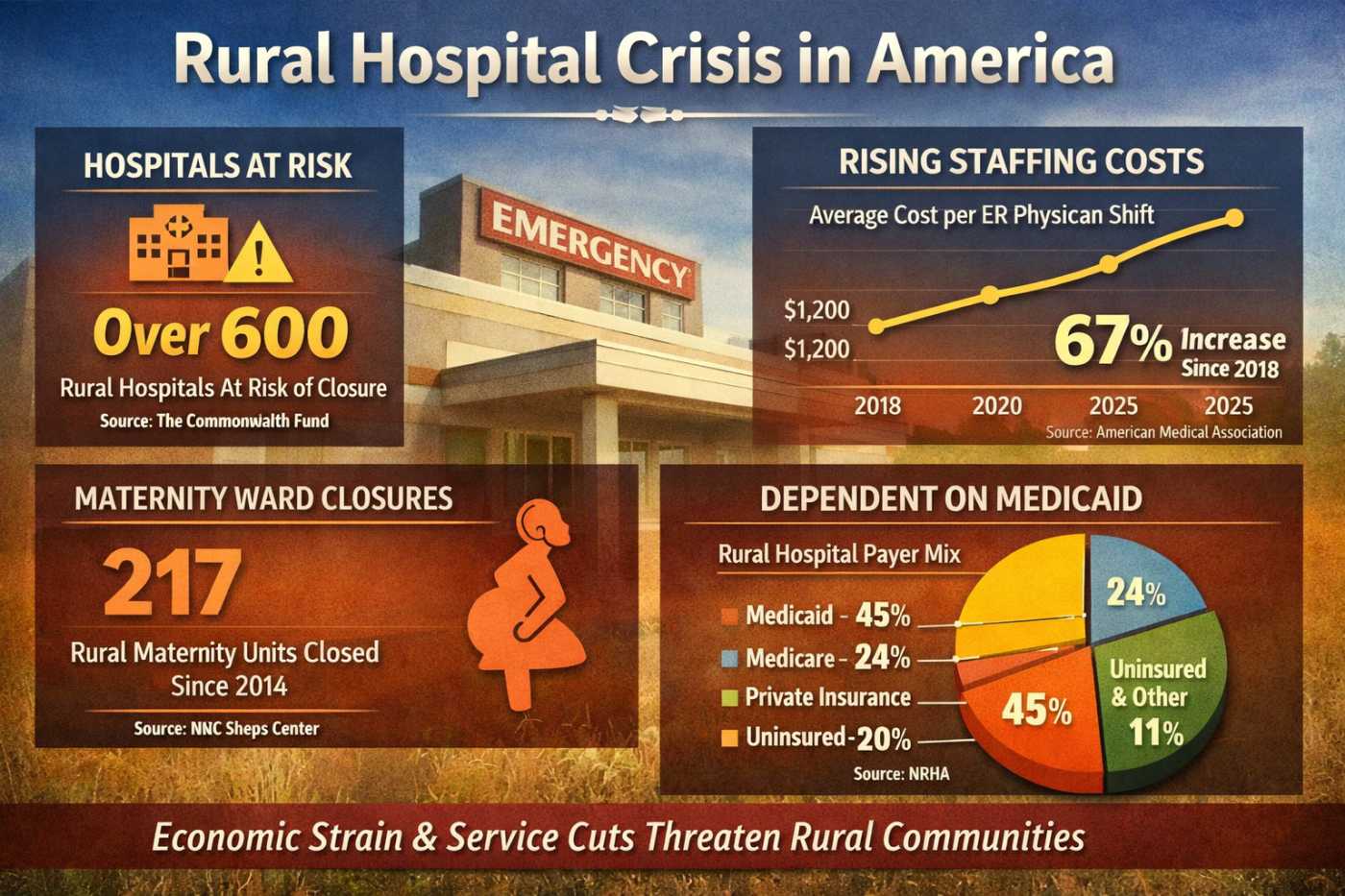
Rural Hospitals Buckle Under Private Equity
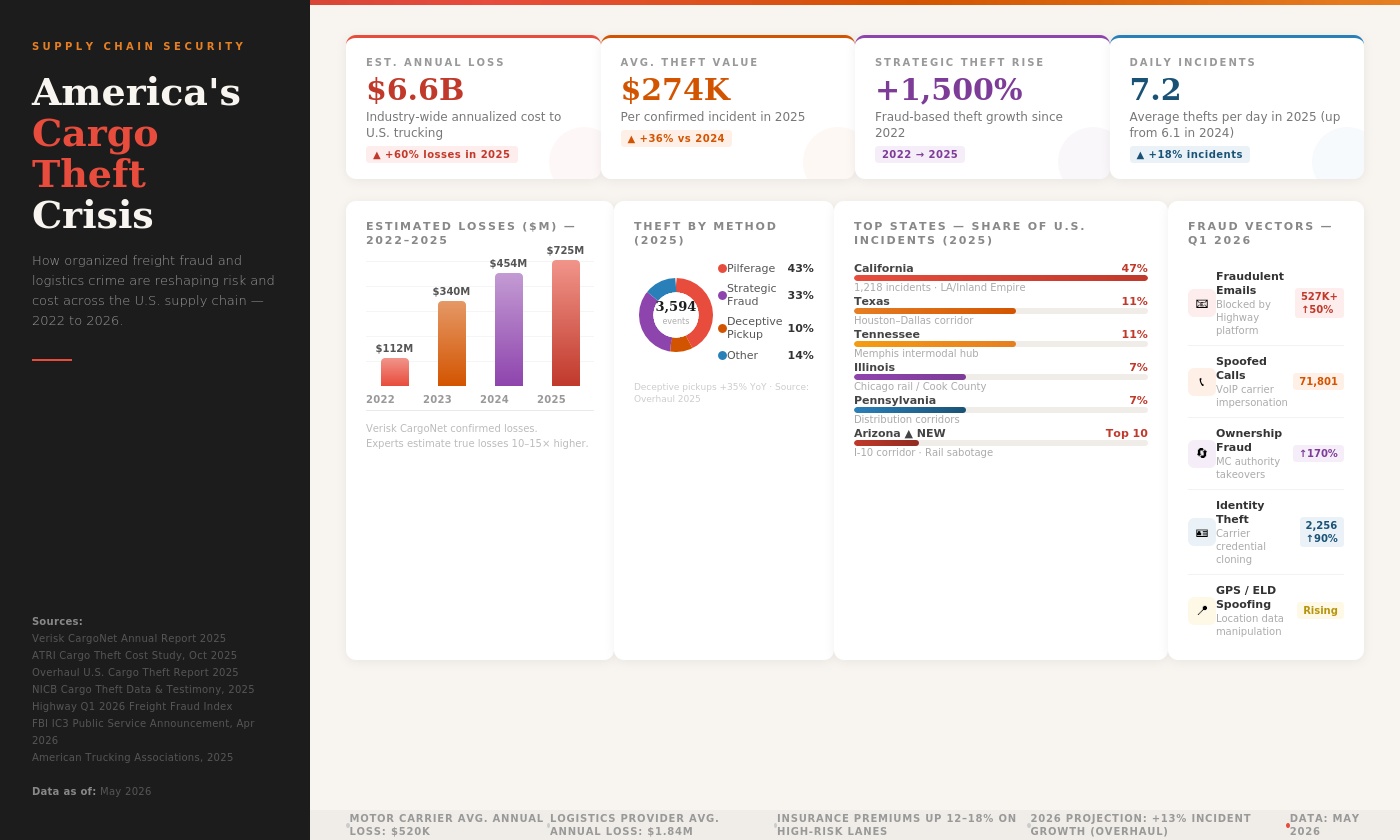
Fake Brokers, Spoofed GPS: Who Pays for Cargo Crime?
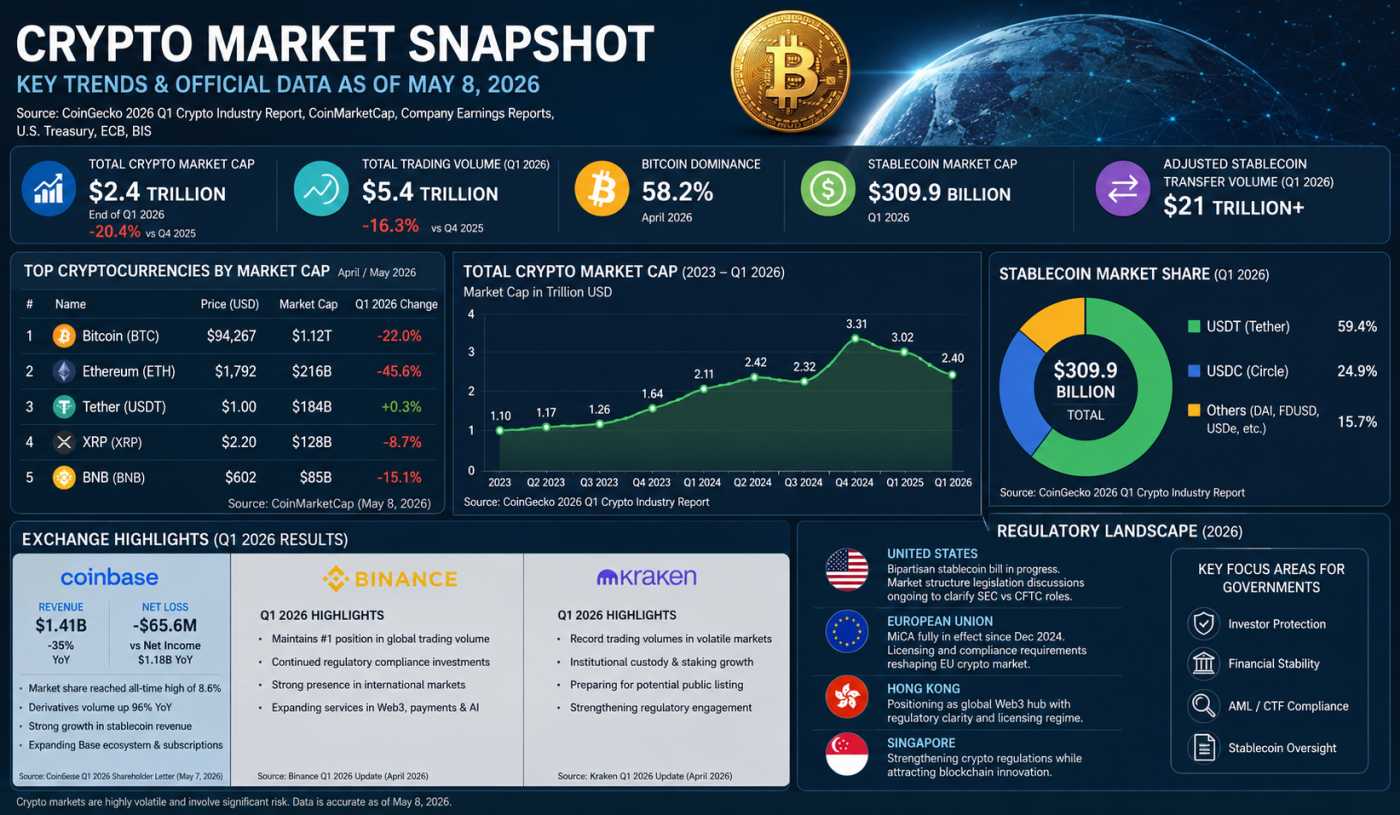
Crypto’s $2.4T Reality Check in 2026

The Machines That Ate the Grid: Five Centuries of Power Hunger
The Fed Study Revealing Tomorrow's Investment Themes


The Market's Hidden Signal: Why Investors Should Track What Economists Are Talking About
Investors spend enormous amounts of time analyzing earnings reports, central-bank statements, bond yields, commodity prices, and geopolitical developments. Yet one increasingly important leading indicator often remains overlooked: the language used inside economic research itself.
A recent study by Enghin Atalay, Economic Advisor and Economist at the Federal Reserve Bank of Philadelphia, offers an unusually large-scale examination of how economic thinking evolves. Using metadata from more than 281,000 economics papers published between 1985 and 2025, Atalay tracked the rise and fall of thousands of phrases appearing in research titles and abstracts. The findings reveal not only how economists react to crises and policy debates, but also how intellectual trends can signal shifts in markets, regulation, monetary policy, and investment opportunities years before they become mainstream.
For investors, the study provides a framework for understanding how academic research, policy discussions, and capital markets interact. In many cases, the evolution of economic language mirrors the evolution of investment themes themselves.
Economics Reacts Fast to Crises, but Slowly to Structural Change
One of the study's most striking findings is that policy-related topics behave like market narratives. They emerge rapidly following major economic events and often fade just as quickly.
Terms such as "global financial crisis," "COVID crisis," "currency crises," and "debt crisis" surged after real-world shocks before gradually declining in frequency. According to the research, the COVID-related literature appeared and faded faster than almost any comparable economic topic, with most research concentrated within the first three years following the pandemic.
This pattern resembles how investors behave. Capital floods into a theme immediately after a major disruption, then gradually shifts toward the next emerging narrative. The same phenomenon can be observed in technology stocks, commodities, and even sovereign debt markets.
However, Atalay's analysis also found that some themes never truly disappear. Debt crises, for example, experienced major peaks during both the Latin American debt crises of the 1980s and the European sovereign debt turmoil following the Global Financial Crisis. The underlying issue remained unresolved, merely reappearing under different institutional and geographic circumstances.
For investors, this distinction matters. Temporary narratives often generate short-term trading opportunities, while recurring structural themes can create multi-decade investment cycles.
The Rise of Inflation Expectations and the Fall of Money Supply
Among the most important findings for macro investors is the changing language surrounding monetary economics.
In the 1980s, discussions about the "money supply" dominated monetary research. Over time, economists increasingly shifted toward concepts such as "inflation targeting," "zero lower bound," and especially "inflation expectations."
This evolution reflects a profound transformation in central banking.
Federal Reserve Chairman Jerome Powell repeatedly emphasized the importance of inflation expectations during the post-pandemic inflation cycle. Modern central banks increasingly focus not merely on current inflation, but on how households, businesses, and financial markets expect future inflation to evolve.
The academic shift documented in the Philadelphia Fed research effectively mirrors this policy transformation.
Investors who continue relying on older monetarist frameworks may therefore miss how contemporary policymakers actually make decisions. The language economists use increasingly reflects the mechanisms through which central banks influence markets.
This becomes particularly relevant as global inflation remains a key macroeconomic risk. The IMF's April 2026 World Economic Outlook warns that geopolitical tensions, supply-chain disruptions, and elevated public debt could create renewed inflationary pressures while slowing global growth. The IMF projects global growth of 3.1% in 2026 and 3.2% in 2027 under its baseline scenario.
The increasing prominence of inflation expectations in economic research suggests economists view future inflation psychology not simply money creation as one of the defining variables of modern monetary policy.
The Credibility Revolution and Why Investors Should Care
Perhaps the most important methodological shift documented in the study is the rise of what economists call the "credibility revolution."
Terms such as "difference in differences," "regression discontinuity design," "instrumental variables," and "randomized controlled trials" experienced explosive growth over the last two decades.
Joshua Angrist and Jörn-Steffen Pischke famously described this transformation as a movement toward research designs that provide more credible evidence about cause-and-effect relationships.
"Better research design is taking the con out of econometrics." Joshua D. Angrist and Jörn-Steffen Pischke, Journal of Economic Perspectives (2010).
For investors, this trend has practical implications.
Markets increasingly react to empirical evidence rather than purely theoretical models. Asset managers, hedge funds, private-equity firms, and policymakers all depend on research that can isolate causal relationships.
The growth of alternative data, machine learning, high-frequency datasets, and causal inference techniques reflects the same broader movement.
The Philadelphia Fed study found that empirical methodologies tend to be adopted more slowly than policy topics, but once adopted they persist for much longer. This means methodological revolutions may create durable competitive advantages.
In investment terms, the lesson is straightforward: understanding how information is generated often matters as much as the information itself.
Artificial Intelligence Is Following a Familiar Pattern
One of the newest policy-related phrases appearing in the dataset is "artificial intelligence."
Its emergence alongside phrases such as "supply chains," "place-based policies," and "global value chains" highlights how quickly economists are adapting to new economic realities.
For investors, this development deserves close attention.
Historically, topics that begin appearing frequently in economic research often become major policy discussions several years later. The study demonstrates that economists increasingly engage with emerging technologies before those technologies become central political issues.
This is particularly relevant given the extraordinary investment activity surrounding AI infrastructure.
Goldman Sachs recently raised its 2026 year-end S&P 500 target to 8,000, citing strong earnings growth and AI-related capital expenditure. The firm estimates that AI infrastructure companies could account for roughly half of projected earnings growth in key sectors. Reuters reported that Goldman expects S&P 500 earnings per share to reach $340 in 2026 and $385 in 2027.
The growing presence of AI in economics research suggests the technology is moving beyond speculative excitement and becoming embedded in long-term economic analysis.
Academic Research Often Leads Policy Discussions
A common criticism of economists is that they are always late.
The study challenges that assumption.
Atalay compared the timing of economic research with mentions of the same topics in The New York Times. While certain events such as the Global Financial Crisis appeared in news coverage before academic literature peaked, many important themes showed the opposite pattern.
Research on venture capital, government debt, and deposit insurance often reached peak academic attention before becoming major public discussions.
This finding has profound implications for investors.
Markets frequently reward those who identify emerging trends before they become widely understood. If academic research is sometimes leading public discourse rather than following it, then monitoring research trends may provide early insight into future policy debates.
In other words, economics papers may function as a slow-moving but valuable form of intellectual market intelligence.
Why Heterogeneity Is Becoming the New Economic Consensus
Another major trend identified in the study is the rise of phrases such as "heterogeneous agent," "heterogeneous firms," "financial frictions," and "information asymmetry."
These concepts reflect a departure from older economic models that assumed representative consumers and representative firms.
Instead, economists increasingly recognize that different households, companies, and regions experience economic shocks differently.
This shift aligns closely with what investors have observed in practice.
The post-pandemic economy demonstrated that inflation, wage growth, housing markets, and productivity gains can vary dramatically across sectors and demographics. The same interest-rate increase can produce vastly different outcomes for technology firms, industrial companies, homeowners, and renters.
Modern economic research increasingly attempts to capture these differences.
For investors, this implies that broad macroeconomic averages may become less informative than understanding how specific groups respond to policy changes.
The Surprising Economics of Innovation
One of the study's most fascinating conclusions concerns professional incentives.
Atalay found that papers using newer and more cutting-edge language received substantially more citations than traditional papers. Yet those same papers were significantly less likely to appear in elite economics journals.
"Cutting-edge research gets more attention, but not necessarily from top economics journals." Enghin Atalay, Federal Reserve Bank of Philadelphia.
This creates an interesting parallel with financial markets.
Disruptive innovations often struggle to gain acceptance from established institutions before eventually reshaping industries. Venture capital, artificial intelligence, fintech, cloud computing, and renewable energy all experienced periods during which market enthusiasm outpaced institutional acceptance.
The academic world appears to exhibit a similar dynamic.
For investors, this finding reinforces the importance of looking beyond traditional gatekeepers when evaluating emerging trends.
The Bigger Investment Lesson
The most important takeaway from the Philadelphia Fed study is not merely that economic language changes. It is that changes in language reveal changes in attention, priorities, incentives, and beliefs.
Economists influence central banks, regulators, governments, corporations, and financial institutions. When economic research begins concentrating on new concepts, investors should pay attention.
Today, the dominant themes include inflation expectations, artificial intelligence, supply-chain resilience, heterogeneous economic outcomes, and causal empirical analysis. These themes increasingly overlap with the forces driving capital allocation across global markets.
At a time when global economic policy uncertainty remains elevated and policymakers face simultaneous challenges involving inflation, debt sustainability, geopolitical conflict, and technological disruption, understanding where economic thinking is heading may become almost as important as understanding where the economy itself is heading. According to the Federal Reserve Bank of St. Louis' Global Economic Policy Uncertainty Index, uncertainty levels remain historically elevated compared with long-term norms.
The next major investment trend may not first appear in a stock chart, earnings report, or policy speech. It may first appear in the language economists choose to use.
If you have enjoyed reading, spread the word:
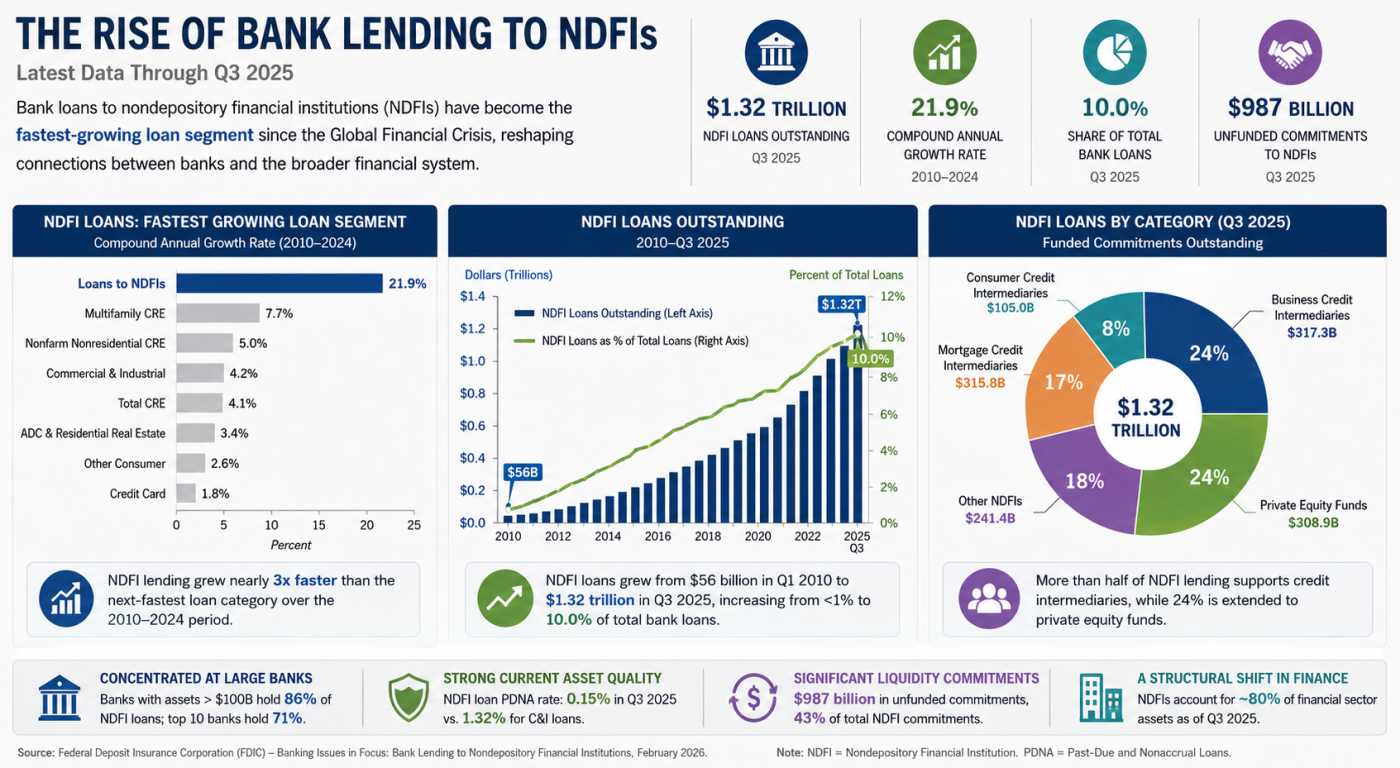
Private Credit’s Secret Banking Backbone Is Growing Faster Than Anyone Expected
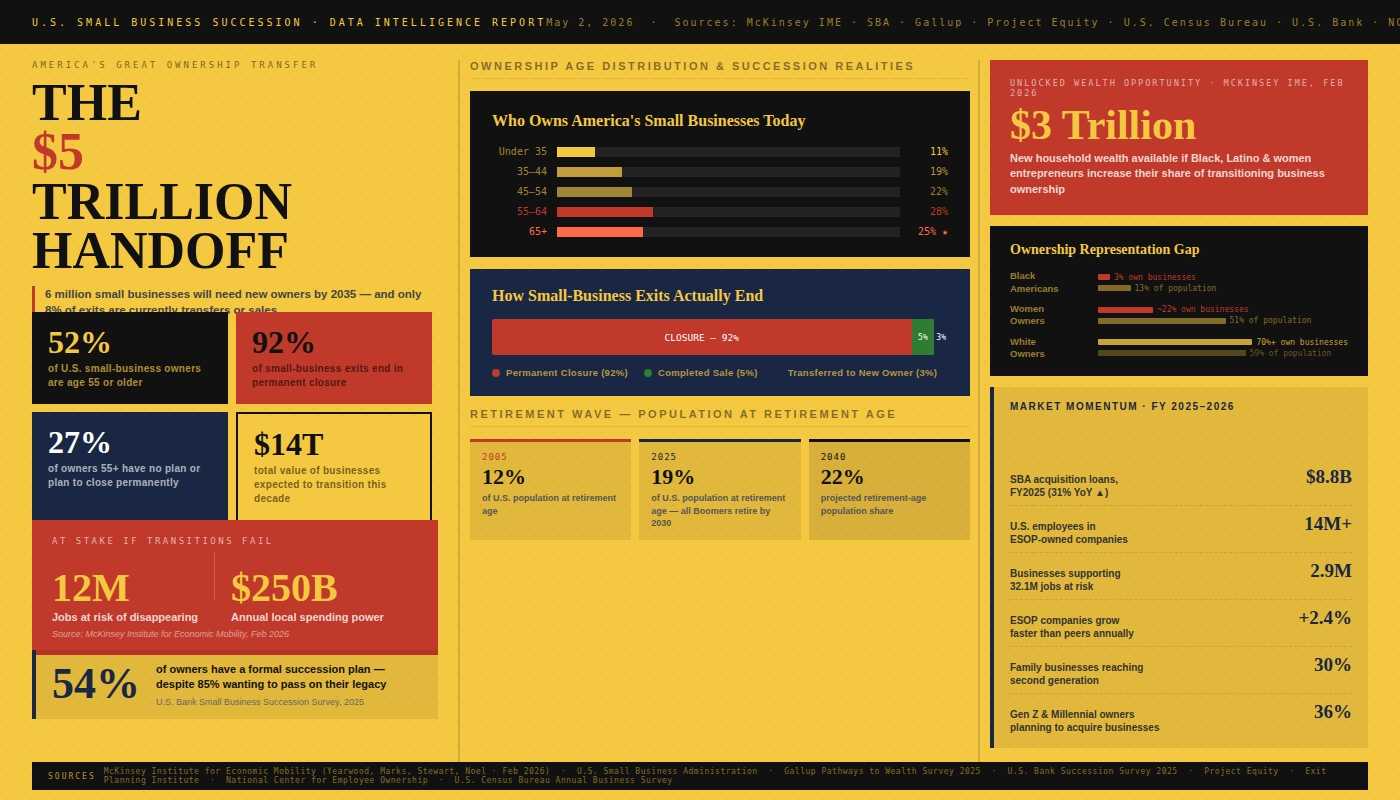
America's $5 Trillion Business Handoff Has Already Begun
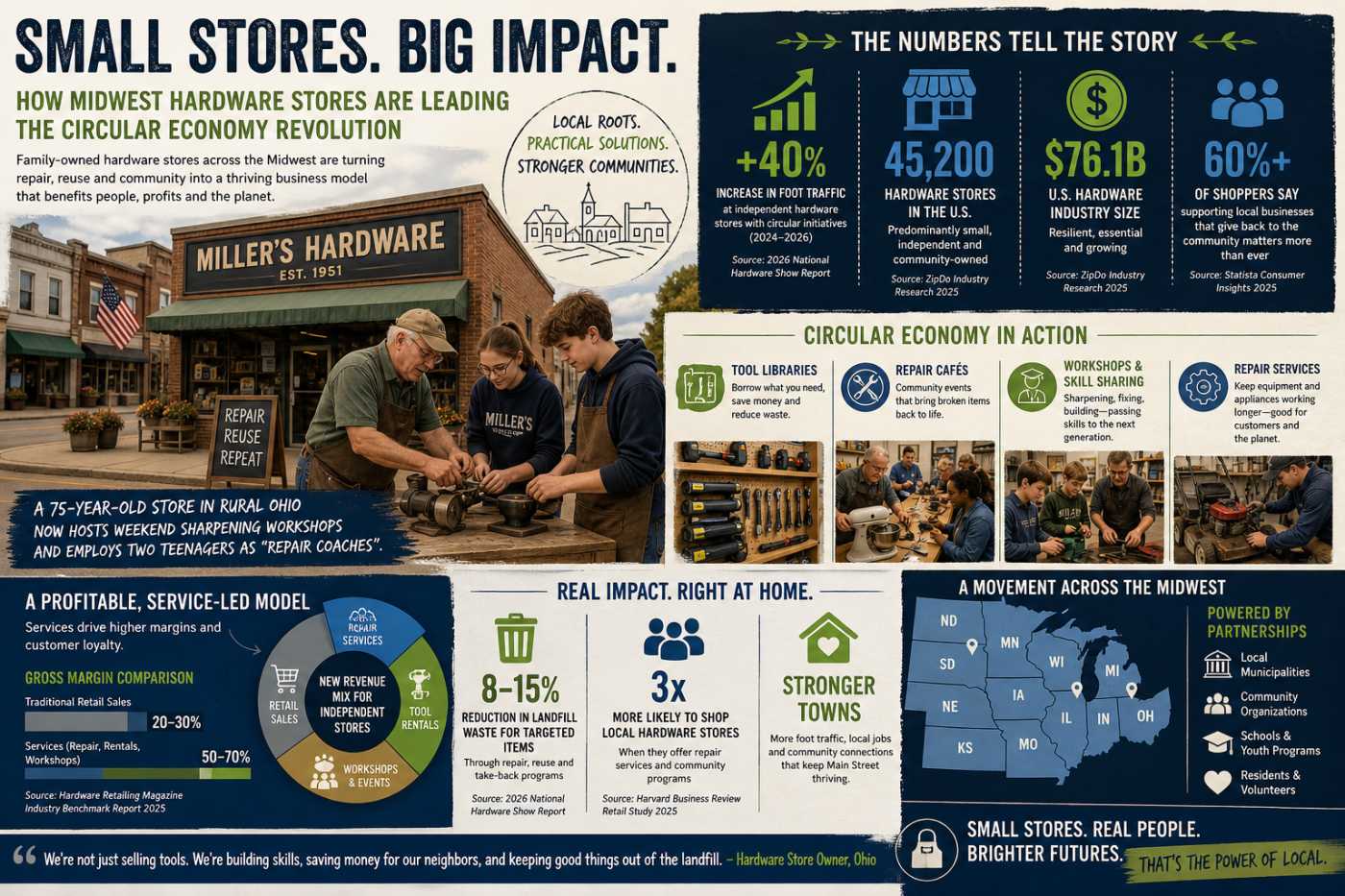
The Repair Economy Boom in Rural America
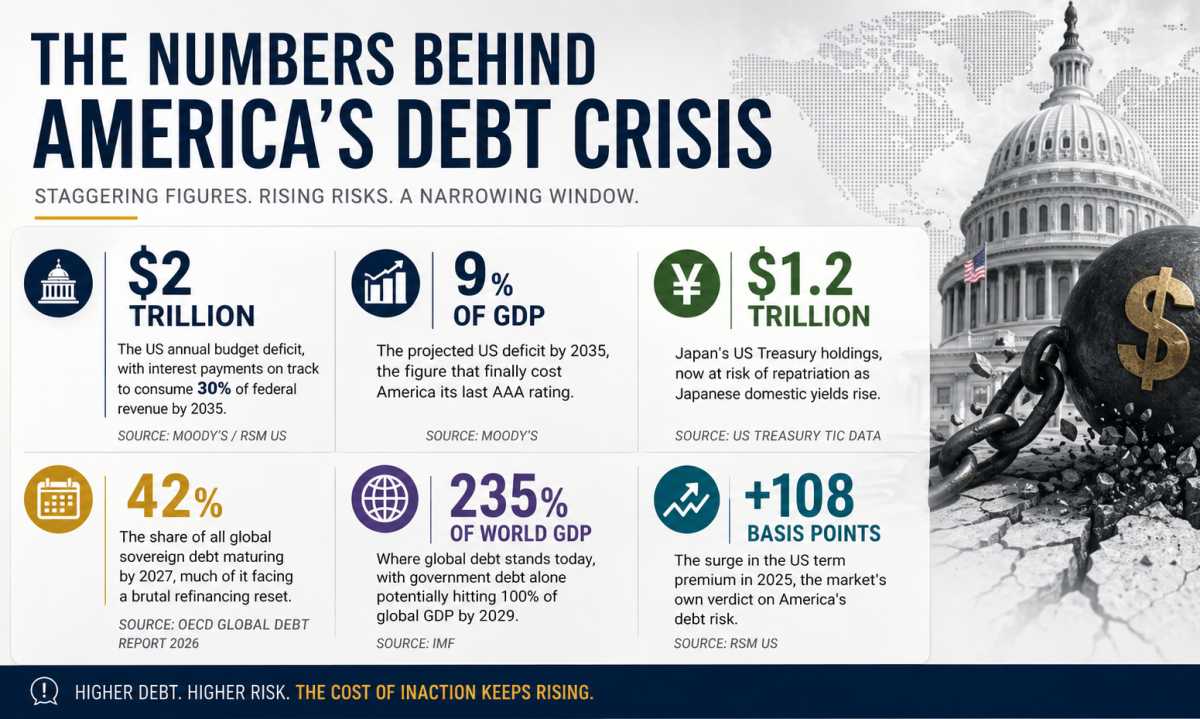
Debt, Deficits & Disaster: The Bond Market Crisis