
Good prospects:
Latest Regulatory Filings for SP5
Companies with the best and the worst fundamentals.
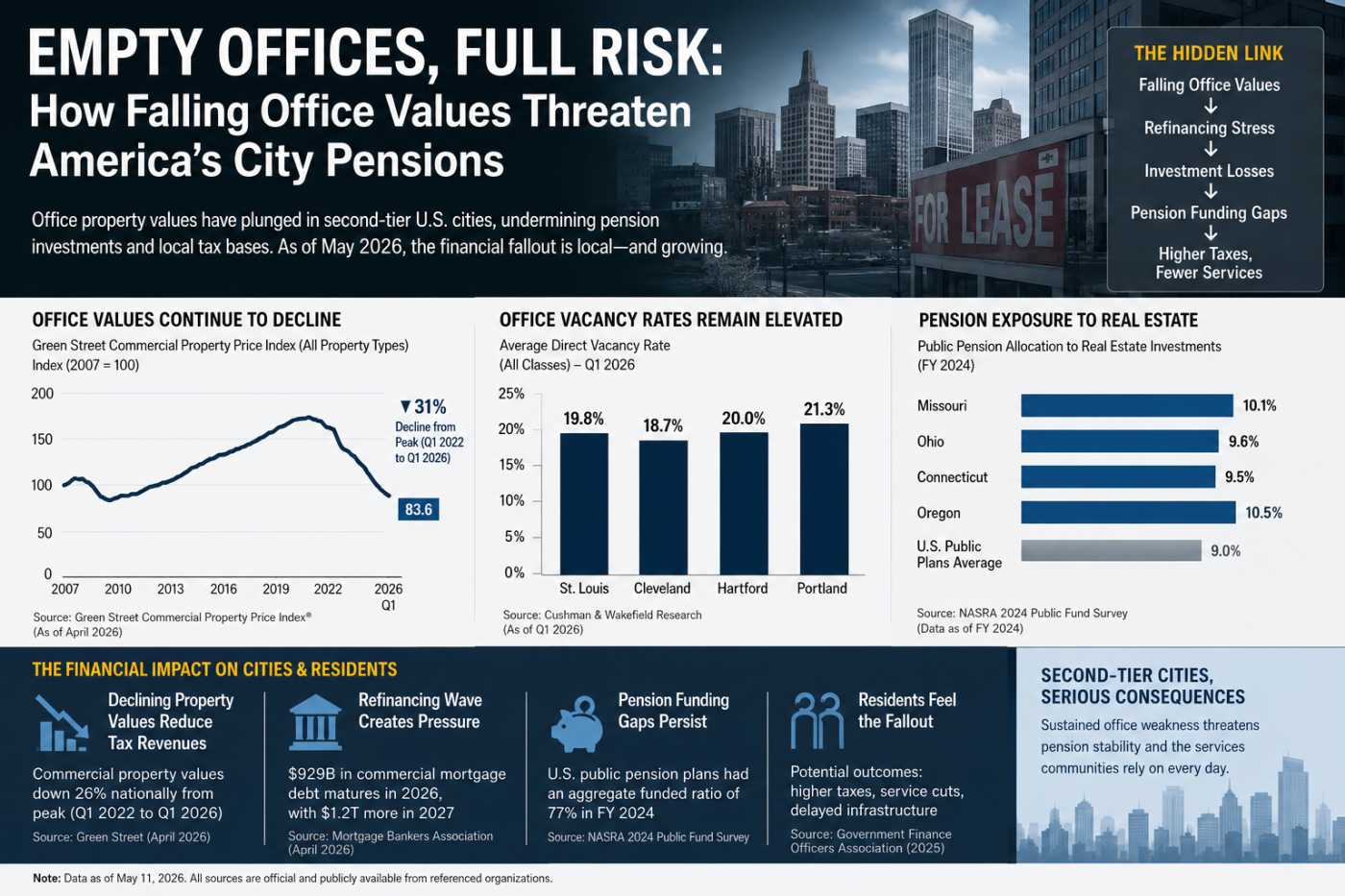
America’s Empty Offices Hit Pensions Hard
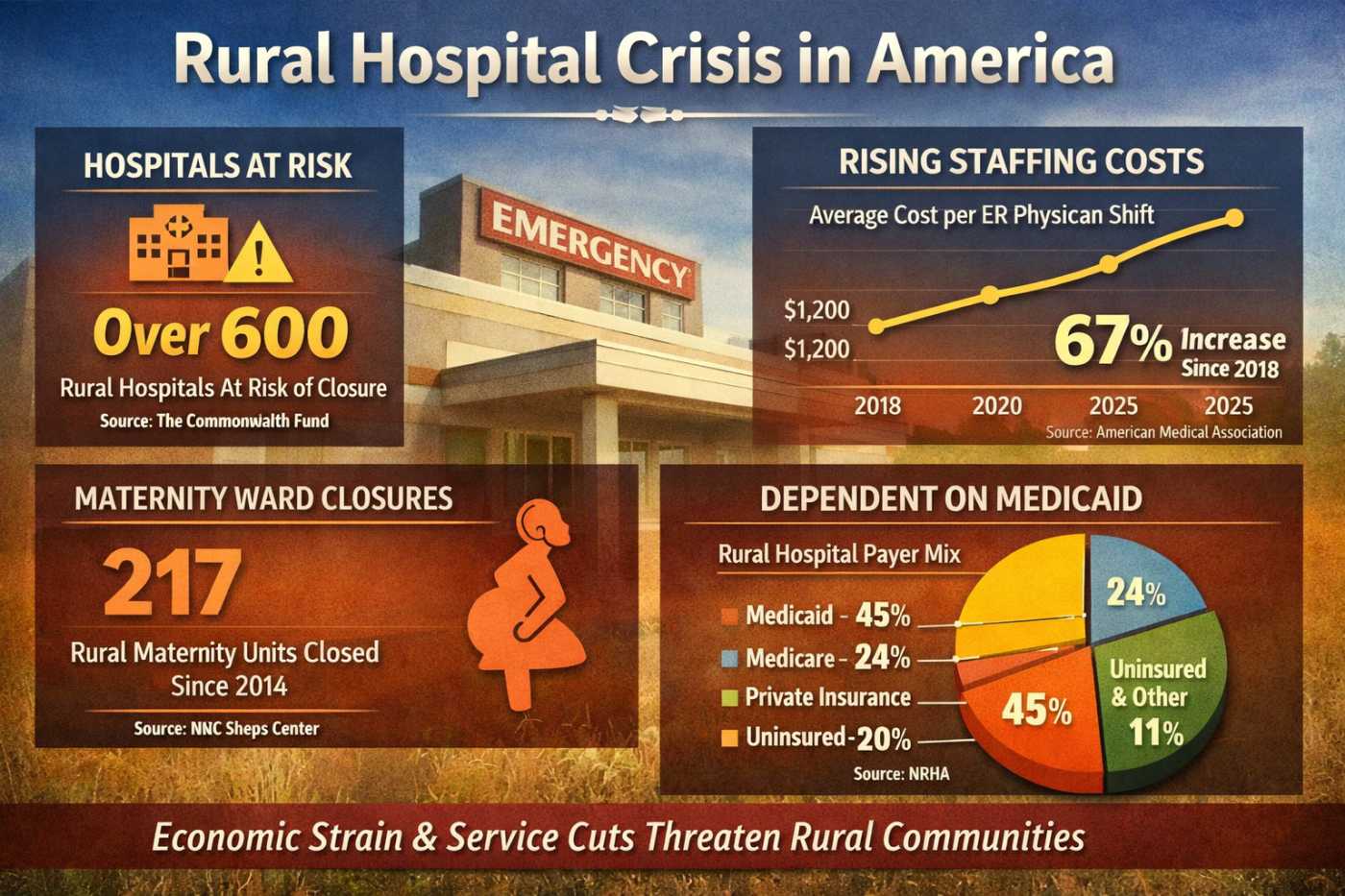
Rural Hospitals Buckle Under Private Equity
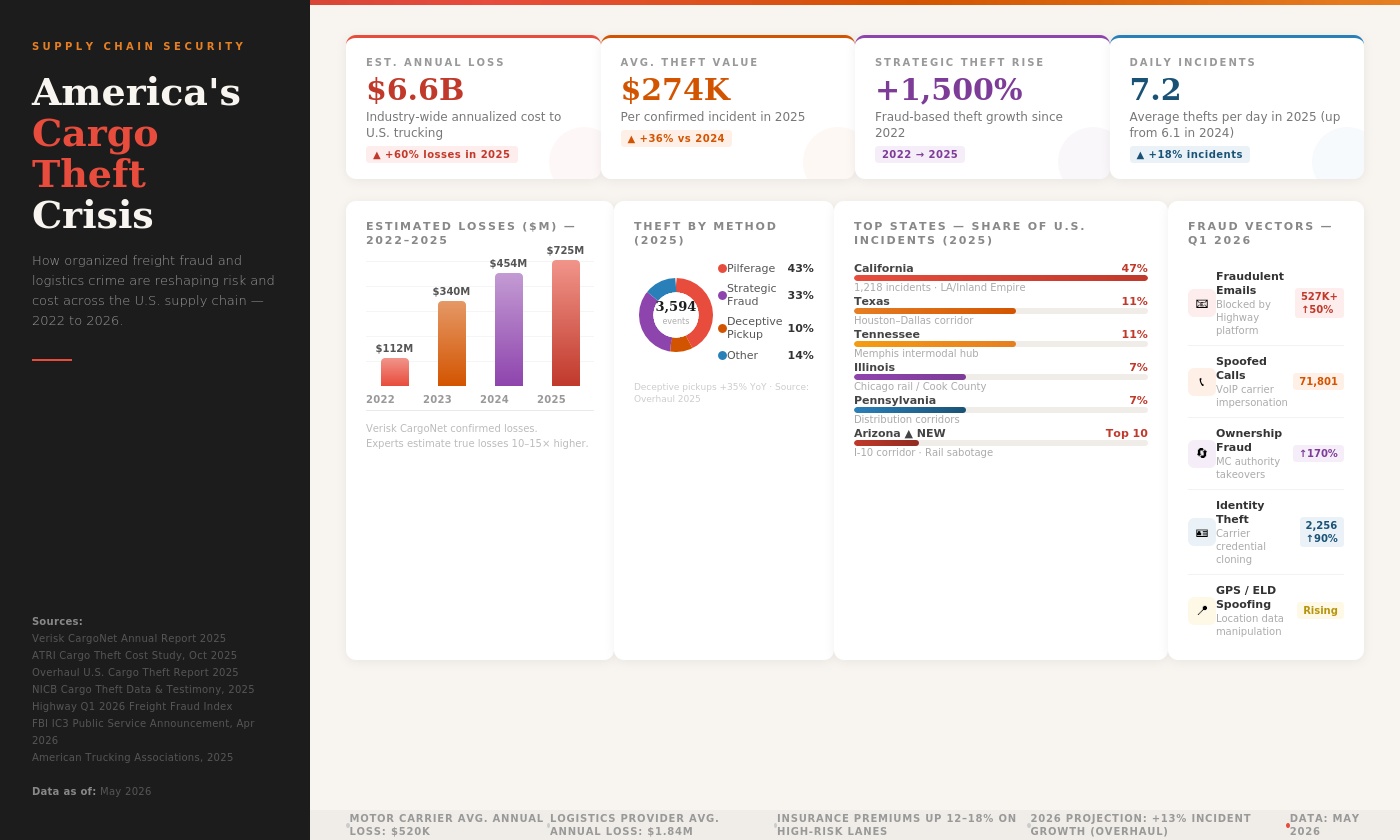
Fake Brokers, Spoofed GPS: Who Pays for Cargo Crime?

Crypto’s $2.4T Reality Check in 2026
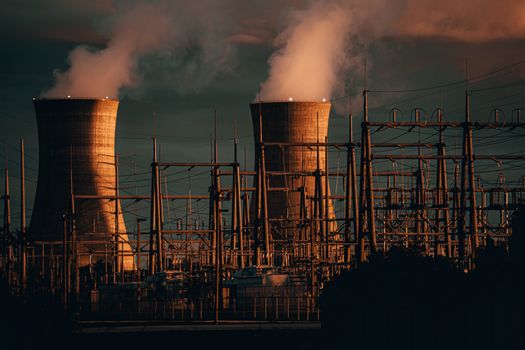
The Machines That Ate the Grid: Five Centuries of Power Hunger
The Appalachian Energy Reboot: Inside the Unexpected Nuclear Startup Boom


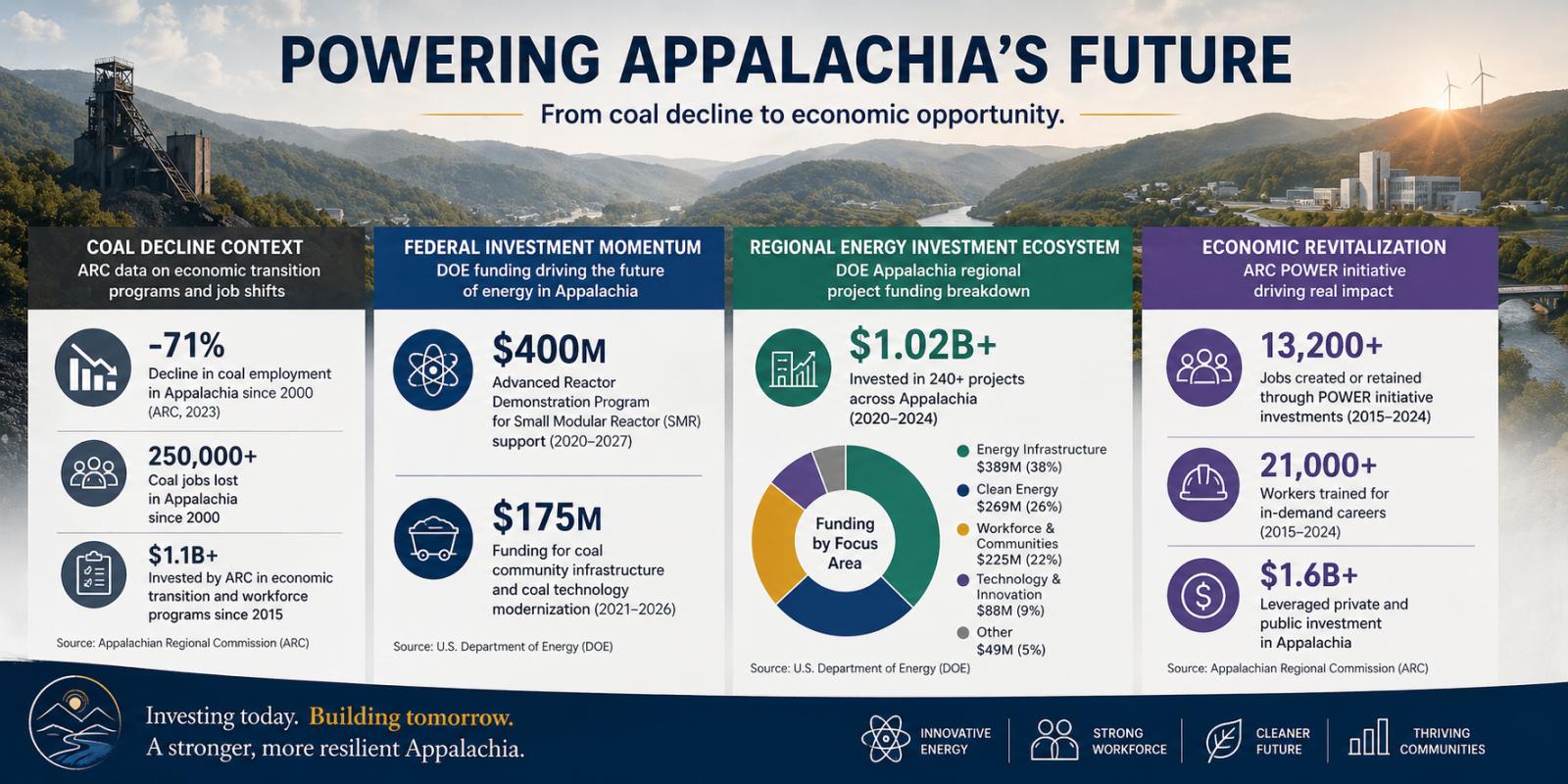
A Quiet Revolution in the Appalachian Hills
In the winding valleys of Appalachia, where coal once defined both livelihood and identity, a quiet but profound transformation is underway. As of April 2026, a new generation of nuclear micro-reactor startups is emerging across former coal towns in states like West Virginia, Kentucky, and eastern Ohio. These ventures are not only reimagining energy production but are also reshaping local economies, attracting global capital, and redefining community pride in regions long associated with industrial decline.
What makes this transformation remarkable is its unlikely setting. Appalachia has historically been synonymous with coal mining, an industry that peaked in the mid-20th century but has steadily declined due to automation, environmental regulations, and competition from natural gas and renewables. Between 2010 and 2024, coal employment in the United States fell by nearly 60%, according to data from the U.S. Energy Information Administration (EIA), with Appalachia bearing a disproportionate share of the losses.
Yet, rather than fading into economic stagnation, these communities are leveraging their industrial heritage to participate in one of the most advanced sectors of clean energy: nuclear micro-reactors.
The Rise of Micro-Reactors: Small Scale, Big Potential
Micro-reactors compact nuclear power systems typically producing between 1 and 20 megawatts of electricity have gained significant traction globally. Their appeal lies in their modular design, lower upfront costs compared to traditional nuclear plants, and ability to provide reliable, carbon-free energy in remote or industrial locations.
According to a 2025 report by the International Energy Agency (IEA), authored by senior analyst Fatih Birol and his team, global investment in advanced nuclear technologies, including micro-reactors, surpassed $18 billion in 2024 a 35% increase from the previous year. The United States accounted for nearly half of this investment, with a notable concentration in regions undergoing energy transition.
Appalachia has emerged as a focal point for this investment, not by coincidence but by design. Former coal sites offer existing grid infrastructure, skilled labor familiar with energy systems, and large tracts of industrial land suitable for redevelopment. These factors significantly reduce the time and cost required to deploy new energy projects.
From Coal Shafts to Control Rooms
In towns like Welch, West Virginia, and Hazard, Kentucky, former coal miners are finding new roles as technicians, safety operators, and maintenance engineers in micro-reactor facilities. Workforce retraining programs, often funded through public-private partnerships, have played a critical role in this transition.
The Appalachian Regional Commission (ARC), a U.S. federal-state partnership, has been instrumental in facilitating this shift. In its 2025 report on energy transition, co-authored by ARC Federal Co-Chair Gayle Manchin, the commission highlighted that over $320 million had been allocated since 2022 toward workforce development and infrastructure modernization in coal-impacted communities.
One notable initiative is the "Energy Futures Initiative," which collaborates with local community colleges to provide certification programs in nuclear technology and advanced manufacturing. Enrollment in these programs has surged by 70% since 2023, reflecting both economic necessity and growing optimism among residents.
Financial Innovation Meets Rural Revival
Perhaps the most unexpected aspect of this boom is the emergence of Appalachia as a hub for clean-energy finance. Venture capital firms, private equity funds, and even sovereign wealth funds are increasingly channeling investments into micro-reactor startups headquartered in the region.
According to data from BloombergNEF, analyzed by lead researcher Claire Curry, clean energy investments in Appalachia reached $6.4 billion in 2025, up from just $1.2 billion in 2020. A significant portion of this capital is directed toward early-stage nuclear startups developing next-generation reactor designs, including molten salt reactors and high-temperature gas-cooled reactors.
Local governments have also played a proactive role by offering tax incentives, streamlined permitting processes, and public financing mechanisms. In West Virginia, the state legislature passed the "Advanced Energy Innovation Act" in late 2024, providing up to $500 million in tax credits for companies investing in small modular and micro-reactor technologies.
This influx of capital is not only funding technological innovation but also revitalizing local economies. New businesses from engineering firms to hospitality services are emerging to support the growing ecosystem. Property values in some towns have increased by as much as 15% over the past two years, reversing decades of decline.
Balancing Innovation with Identity
Despite the rapid pace of change, there is a conscious effort to preserve the cultural identity of these communities. Coal mining is not merely an economic activity in Appalachia; it is a deeply ingrained part of the region's heritage. Recognizing this, many startups are incorporating elements of this legacy into their operations.
For instance, several micro-reactor facilities are being constructed on reclaimed mining sites, with portions of the land preserved as historical exhibits or community spaces. In some cases, former miners are involved in documenting oral histories, ensuring that the stories of the coal era are not lost amid the transition.
This blending of old and new is also evident in branding and community engagement efforts. Companies often emphasize continuity rather than replacement, framing nuclear energy as the next chapter in Appalachia's long history of powering the nation.
Environmental and Regulatory Dimensions
The environmental implications of this shift are significant. Micro-reactors produce zero direct carbon emissions and have a smaller physical footprint compared to traditional power plants. According to the U.S. Department of Energy (DOE), a single 10-megawatt micro-reactor can offset approximately 50,000 metric tons of CO2 annually when replacing coal-fired generation.
However, the deployment of nuclear technology in historically underserved regions also raises questions about safety, waste management, and regulatory oversight. The Nuclear Regulatory Commission (NRC) has been working to adapt its frameworks to accommodate smaller, modular designs. In a 2025 policy update, NRC Chair Christopher Hanson emphasized the importance of maintaining rigorous safety standards while enabling innovation.
Community engagement has been a critical component of addressing these concerns. Public forums, town hall meetings, and transparent communication strategies are being used to build trust and ensure that residents have a voice in the development process.
A Broader Economic Multiplier Effect
The impact of the micro-reactor boom extends beyond the energy sector. As reliable, low-cost electricity becomes available, other industries are beginning to take root in Appalachia. Data centers, advanced manufacturing facilities, and even hydrogen production plants are being planned or constructed in proximity to micro-reactor sites.
This clustering effect is creating a virtuous cycle of investment and job creation. According to a 2026 study by the Brookings Institution, led by economist Mark Muro, regions with emerging advanced energy infrastructure are experiencing job growth rates up to 2.5 times higher than the national average in related sectors.
In Appalachia, this translates into not just employment opportunities but also a diversification of the economic base. For decades, the region's fortunes were tied almost exclusively to coal. Today, it is becoming a multi-faceted energy and technology hub with global relevance.
Challenges Beneath the Surface
Despite the optimism, challenges remain. Access to capital, while improving, is still uneven across different parts of Appalachia. Smaller towns without existing infrastructure or political connections may struggle to attract investment. Additionally, the long-term viability of micro-reactor technology depends on continued advancements in cost reduction and regulatory approval.
There are also social considerations. Not all residents are convinced that nuclear energy is the right path forward. Concerns about safety and environmental impact persist, particularly among older generations. Bridging this divide requires ongoing dialogue and tangible evidence of benefits.
Moreover, the global supply chain for nuclear components remains complex and, at times, constrained. Ensuring that local projects are not delayed by external factors will be crucial for maintaining momentum.
A New Narrative for Appalachia
What is unfolding in Appalachia is more than an economic shift; it is a narrative transformation. For decades, the region has been portrayed as a symbol of decline a casualty of globalization and technological change. The rise of nuclear micro-reactor startups challenges this narrative, positioning Appalachia as a pioneer in the next generation of clean energy.
This transformation is not about erasing the past but building upon it. The same resilience, work ethic, and technical expertise that once fueled the coal industry are now driving innovation in nuclear technology. In this sense, the micro-reactor boom is less a departure from history and more an evolution of it.
As global demand for reliable, carbon-free energy continues to grow, the developments in Appalachia offer a compelling model for other regions facing similar transitions. By combining technological innovation with community engagement and strategic investment, it is possible to create pathways that are both economically viable and socially inclusive.
In the hills where coal once reigned supreme, a new kind of energy is taking root one that promises not only power but also possibility.
If you have enjoyed reading, spread the word:
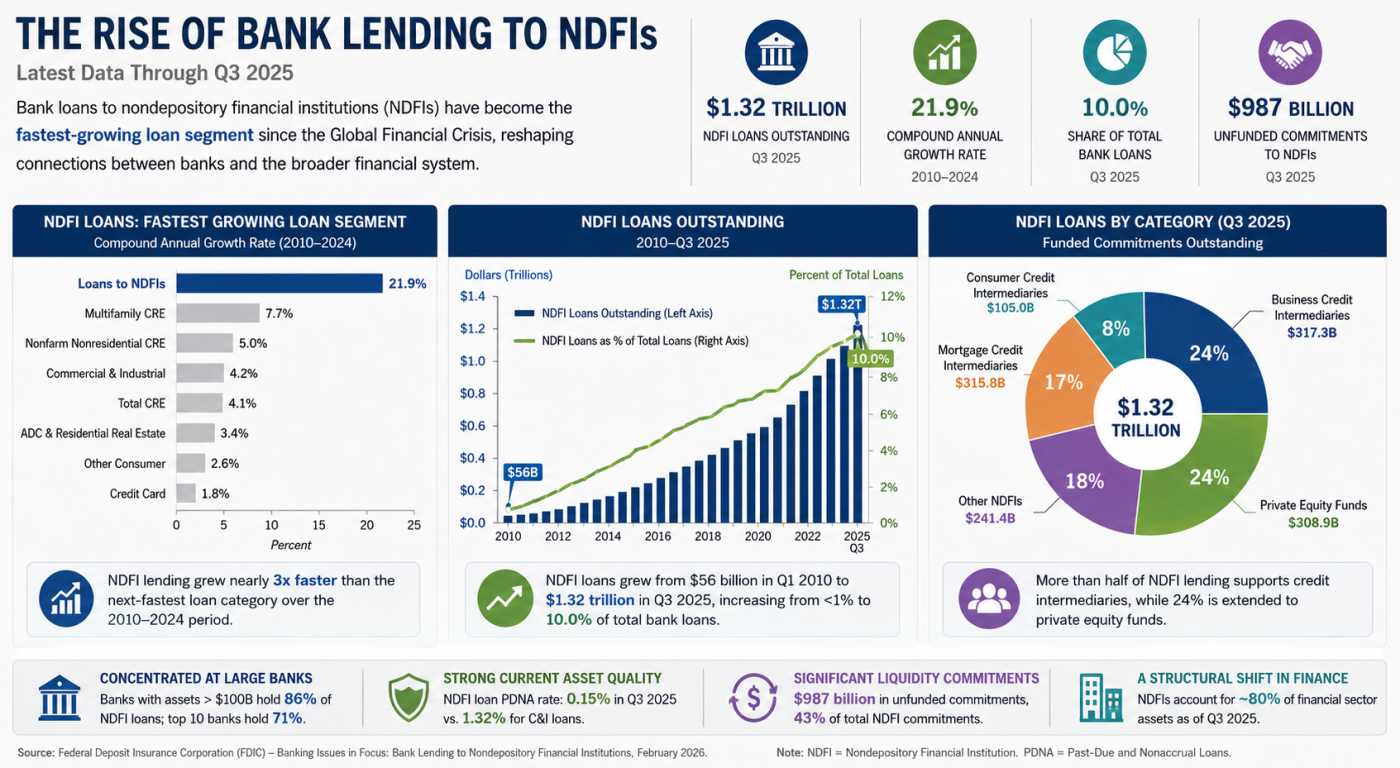
Private Credit’s Secret Banking Backbone Is Growing Faster Than Anyone Expected

America's $5 Trillion Business Handoff Has Already Begun
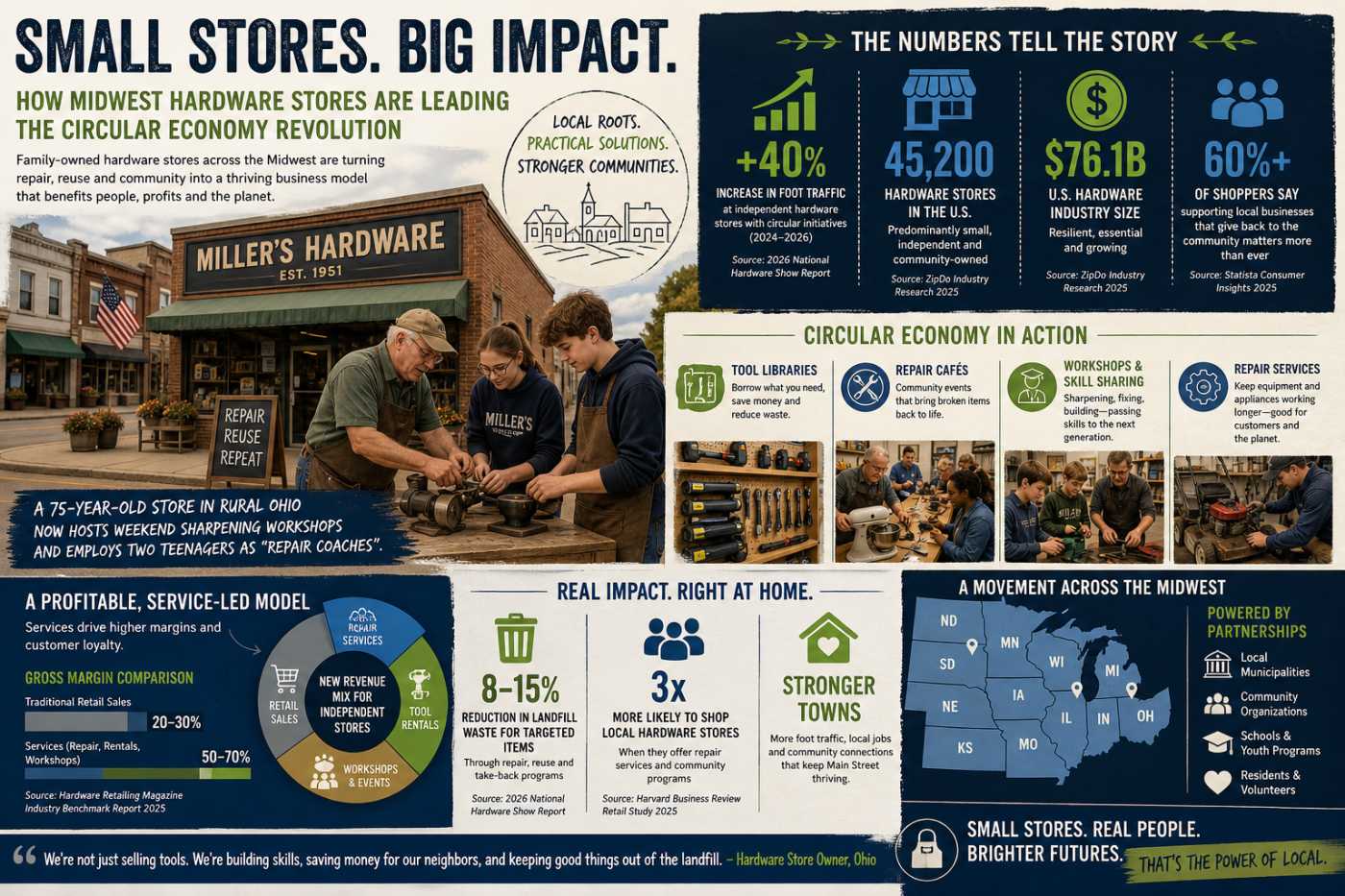
The Repair Economy Boom in Rural America

Debt, Deficits & Disaster: The Bond Market Crisis