
Good prospects:
Latest Regulatory Filings for SP5
Companies with the best and the worst fundamentals.
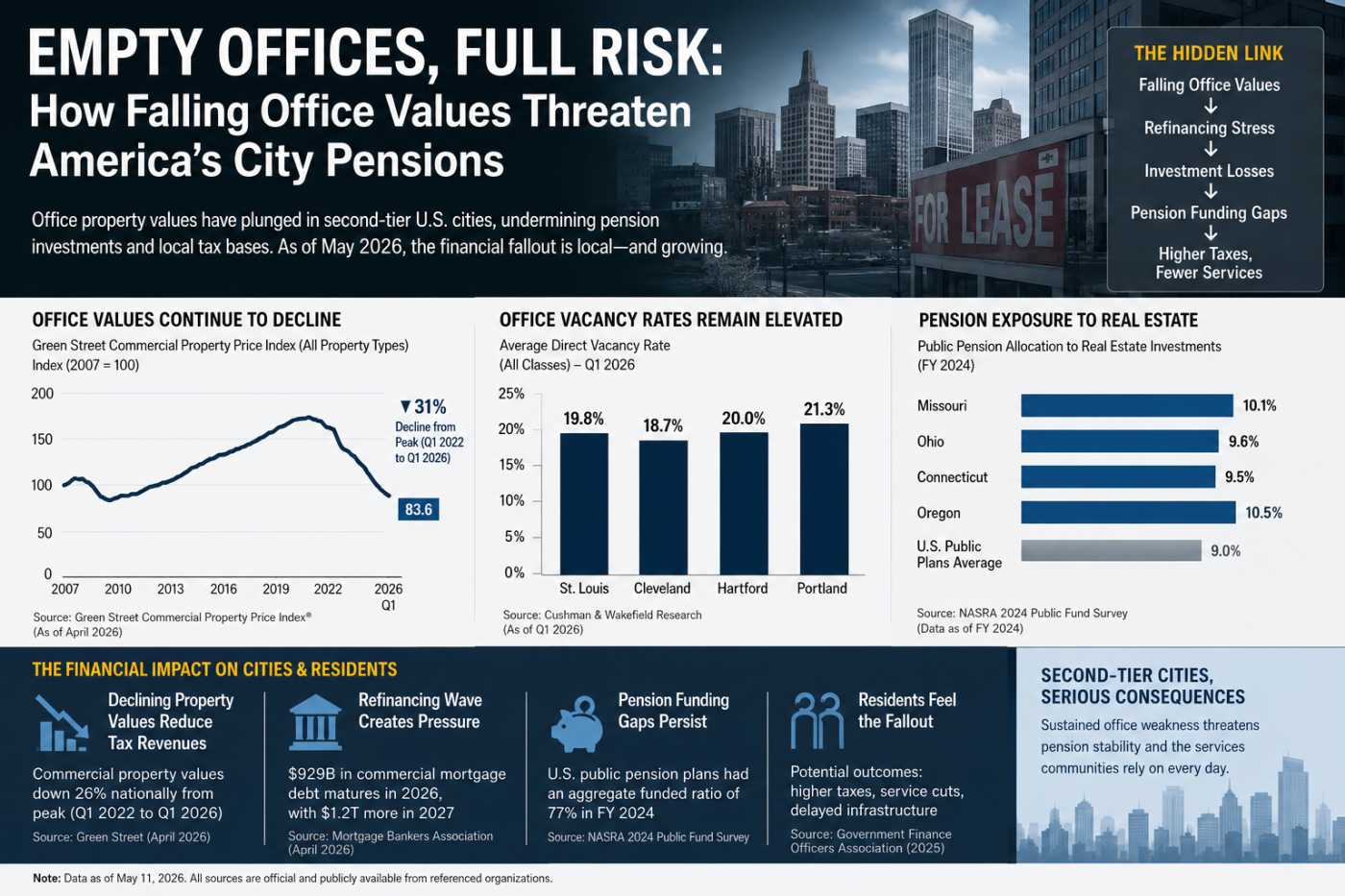
America’s Empty Offices Hit Pensions Hard
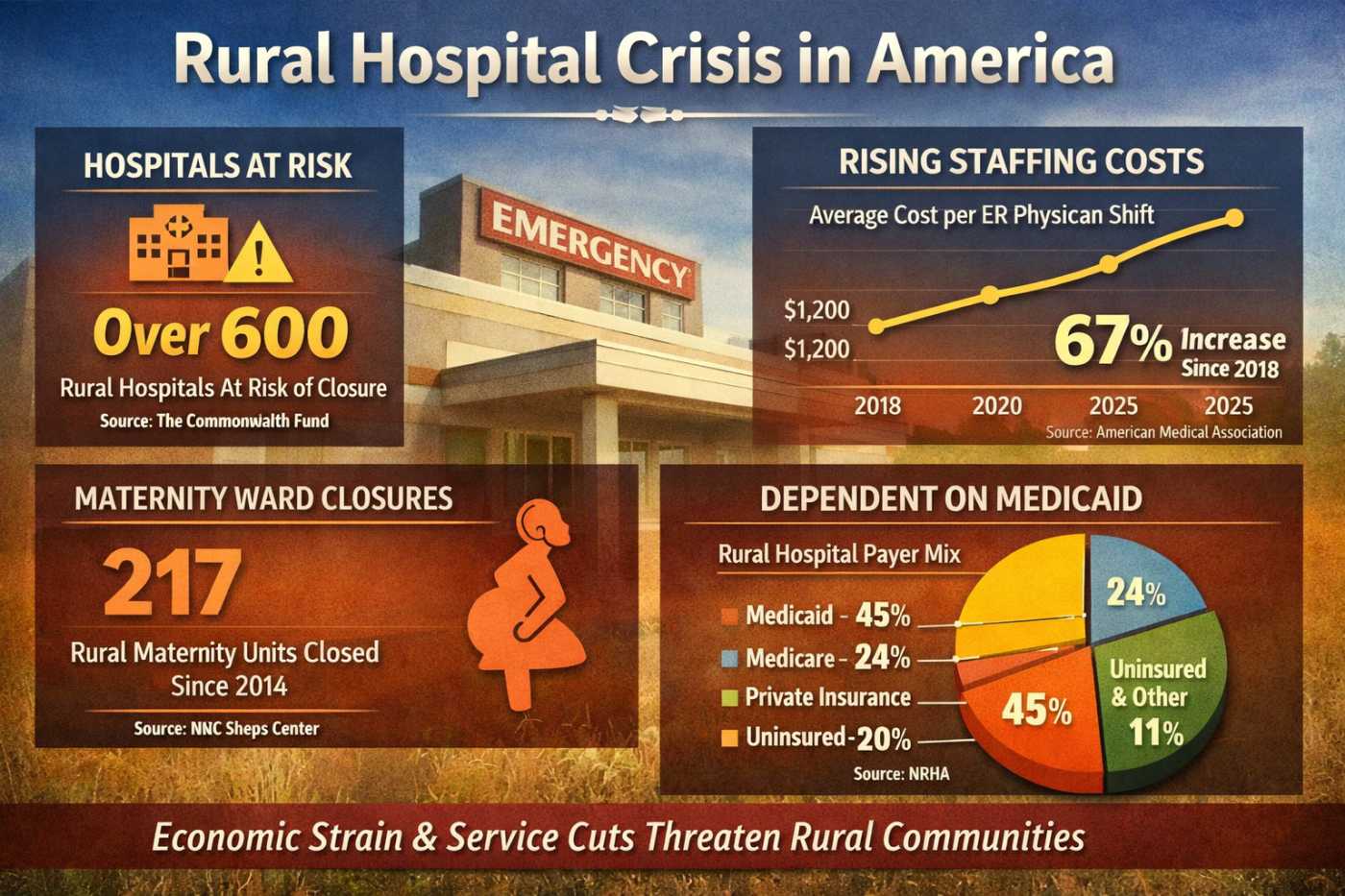
Rural Hospitals Buckle Under Private Equity
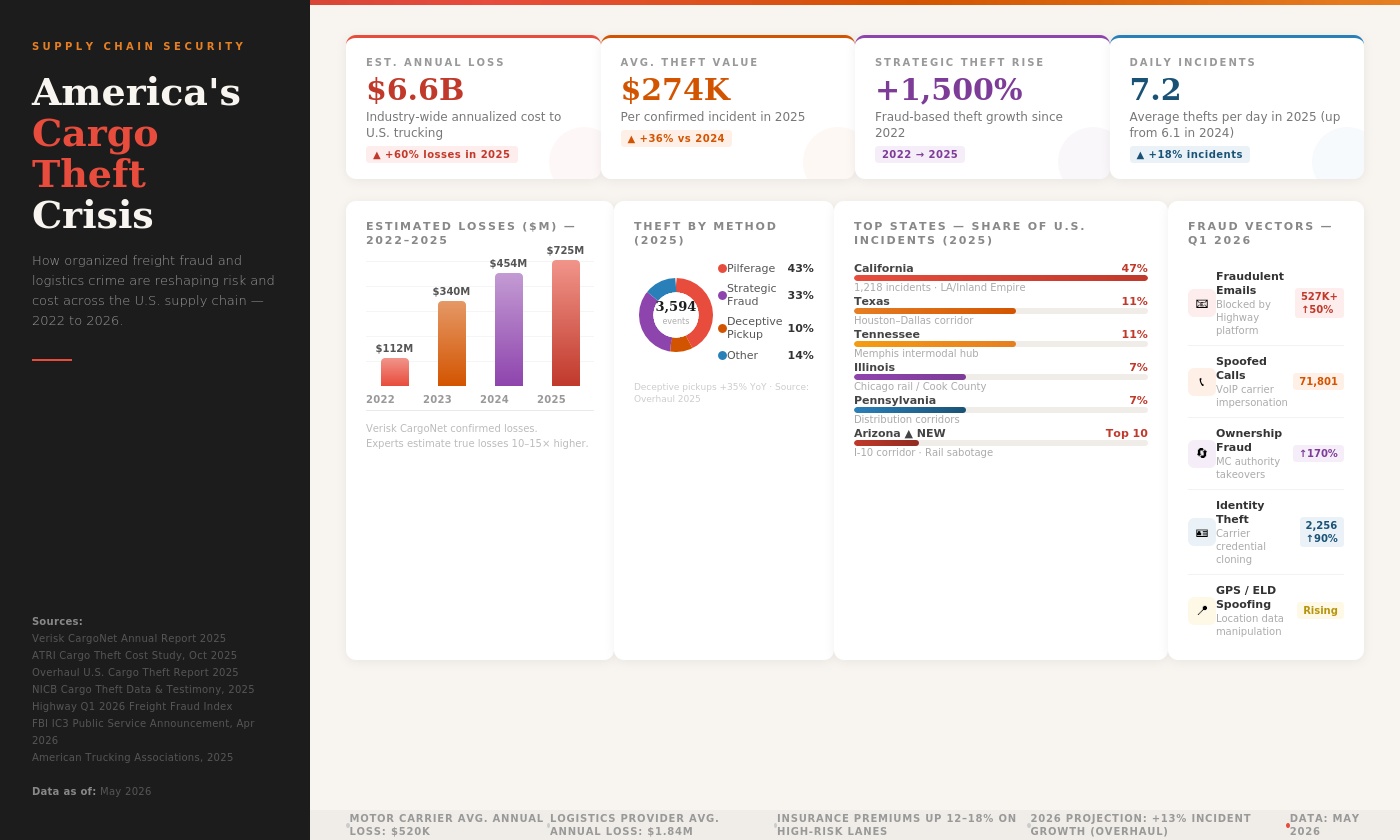
Fake Brokers, Spoofed GPS: Who Pays for Cargo Crime?

Crypto’s $2.4T Reality Check in 2026

The Machines That Ate the Grid: Five Centuries of Power Hunger
Regional Airports Poised for Growth Amid Airline Shakeups


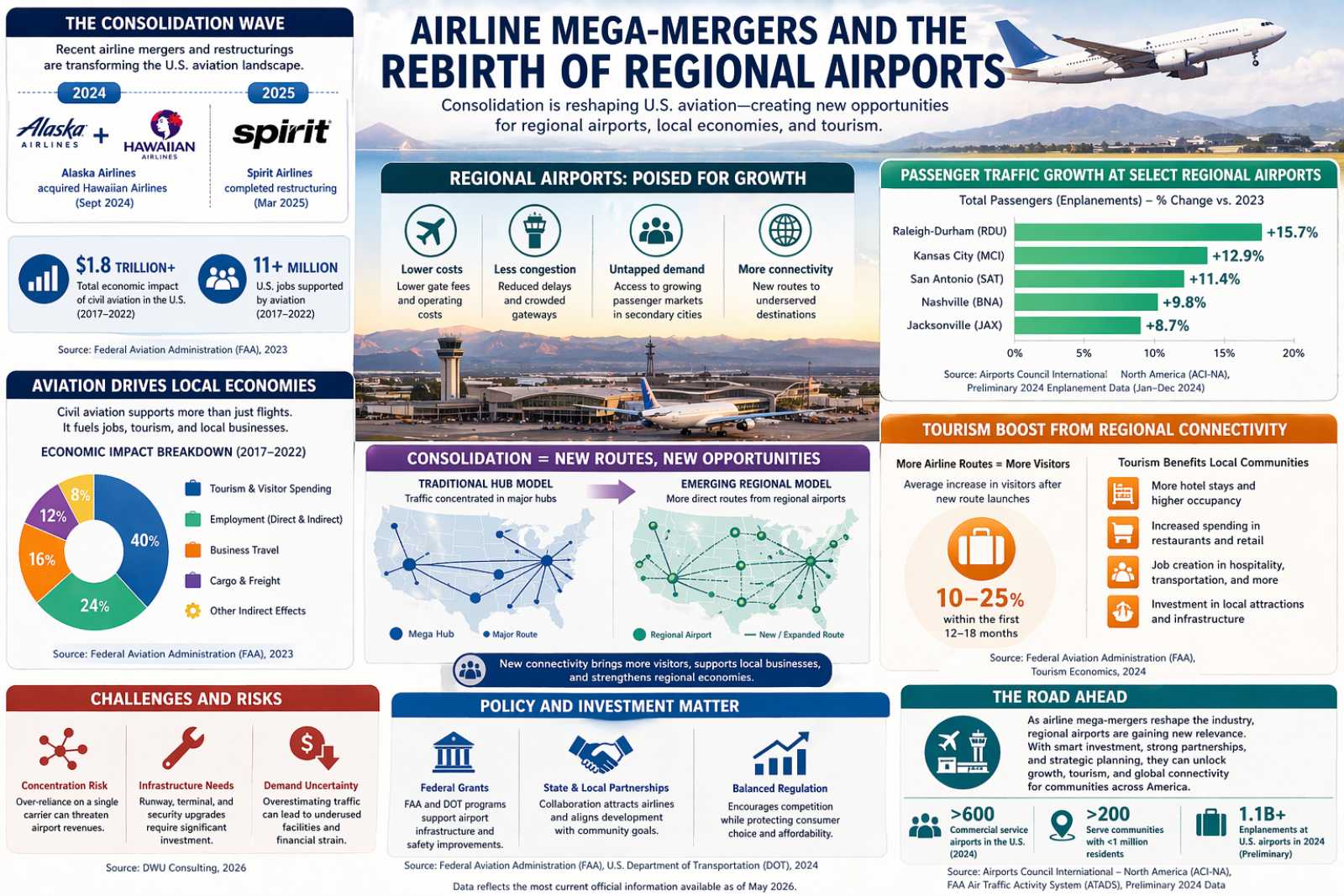
Airline Mega-Mergers and the Rebirth of Regional Airports
The U.S. aviation industry is once again at a crossroads. With consolidation reshaping the competitive landscape, regional airports long overshadowed by major hubs are poised to play a renewed role in driving local economic growth and tourism. Recent developments, including Alaska Airlines' acquisition of Hawaiian Airlines in 2024 and the restructuring of Spirit Airlines in 2025, highlight how mergers and consolidations are altering the dynamics of air travel and airport economics. According to DWU Consulting's 2026 analysis, these shifts are not symmetrical: while some airports face concentration risks, others stand to benefit from new opportunities in connectivity and investment.
The Consolidation Wave in U.S. Aviation
Airline mergers are not new, but the latest wave is distinct in its scale and timing. The Federal Aviation Administration (FAA) notes that civil aviation contributed over $1.8 trillion to the U.S. economy between 2017 and 2022, supporting more than 11 million jobs. Consolidation among carriers is reshaping how this economic footprint is distributed. Larger airlines are streamlining operations, reducing redundancies, and focusing on profitability, which often means rethinking their reliance on major hubs. Secondary cities and regional airports are increasingly attractive as airlines seek to diversify routes and reduce congestion at traditional gateways.
Regional Airports as Economic Engines
Regional airports have historically struggled to compete with mega-hubs like Atlanta, Chicago O'Hare, or Dallas-Fort Worth. However, consolidation is creating new incentives for airlines to expand into secondary markets. The Reason Foundation's 2025 Annual Aviation Infrastructure Report, authored by Marc Scribner, emphasizes that regional airports can serve as cost-effective alternatives, offering lower gate fees, less congestion, and untapped passenger demand. For local economies, this translates into increased tourism, business travel, and cargo opportunities.
For example, airports in cities such as Raleigh-Durham, Kansas City, and San Antonio are already experiencing growth in passenger traffic as airlines recalibrate their networks. These airports are strategically positioned to capture spillover demand from larger hubs while offering travelers more direct connections to underserved destinations.
Tourism and Local Development
The rebirth of regional airports has significant implications for local tourism economies. The FAA's economic impact data shows that aviation supports not only direct employment but also ancillary industries such as hospitality, retail, and entertainment. When airlines introduce new routes to regional airports, local tourism boards often see immediate boosts in visitor numbers. This can revitalize downtown areas, stimulate hotel construction, and encourage investment in cultural and recreational infrastructure.
Consider the case of Hawaii following Alaska Airlines' acquisition of Hawaiian Airlines. While Honolulu remains the primary hub, regional airports on islands like Maui and Kauai are expected to benefit from expanded connectivity. This creates opportunities for smaller communities to attract visitors who might otherwise bypass them in favor of more accessible destinations.
Challenges and Risks
Despite the optimism, challenges remain. DWU Consulting's 2026 report warns that consolidation can increase concentration risk for airports heavily dependent on a single carrier. If that airline reduces service or shifts strategy, the airport's revenue streams may suffer. Additionally, regional airports must invest in infrastructure upgrades to handle increased traffic, including runway expansions, terminal improvements, and enhanced security systems. Without these investments, they risk losing competitiveness.
Another challenge lies in balancing affordability with profitability. While regional airports often offer lower operating costs, airlines must ensure that demand justifies the expansion. Overestimating passenger volumes can lead to underutilized facilities and financial strain.
Policy and Strategic Considerations
Government and regulatory bodies play a crucial role in shaping the future of regional airports. The FAA, in collaboration with the U.S. Department of Transportation and Department of Commerce, continues to monitor aviation's economic impact and provide guidance on infrastructure funding. Federal grants and state-level initiatives can help regional airports modernize facilities and attract new carriers. Policymakers must balance the benefits of consolidation with the risks of reduced competition, ensuring that consumers retain access to affordable and diverse travel options.
Moreover, local governments and tourism boards must align their strategies with airline expansion plans. Coordinated marketing campaigns, investment in visitor amenities, and partnerships with airlines can amplify the economic benefits of new routes. By positioning regional airports as gateways to unique cultural and natural attractions, communities can differentiate themselves in a competitive tourism market.
The Road Ahead
As U.S. aviation continues to consolidate, regional airports stand at the threshold of a renaissance. The interplay between airline strategy, local economic development, and federal policy will determine how effectively these airports can seize the moment. For secondary cities, the opportunity is clear: leverage the shifting dynamics of consolidation to unlock new pathways for growth, tourism, and global connectivity. If managed wisely, the rebirth of regional airports could redefine the geography of American air travel in the coming decade.
If you have enjoyed reading, spread the word:
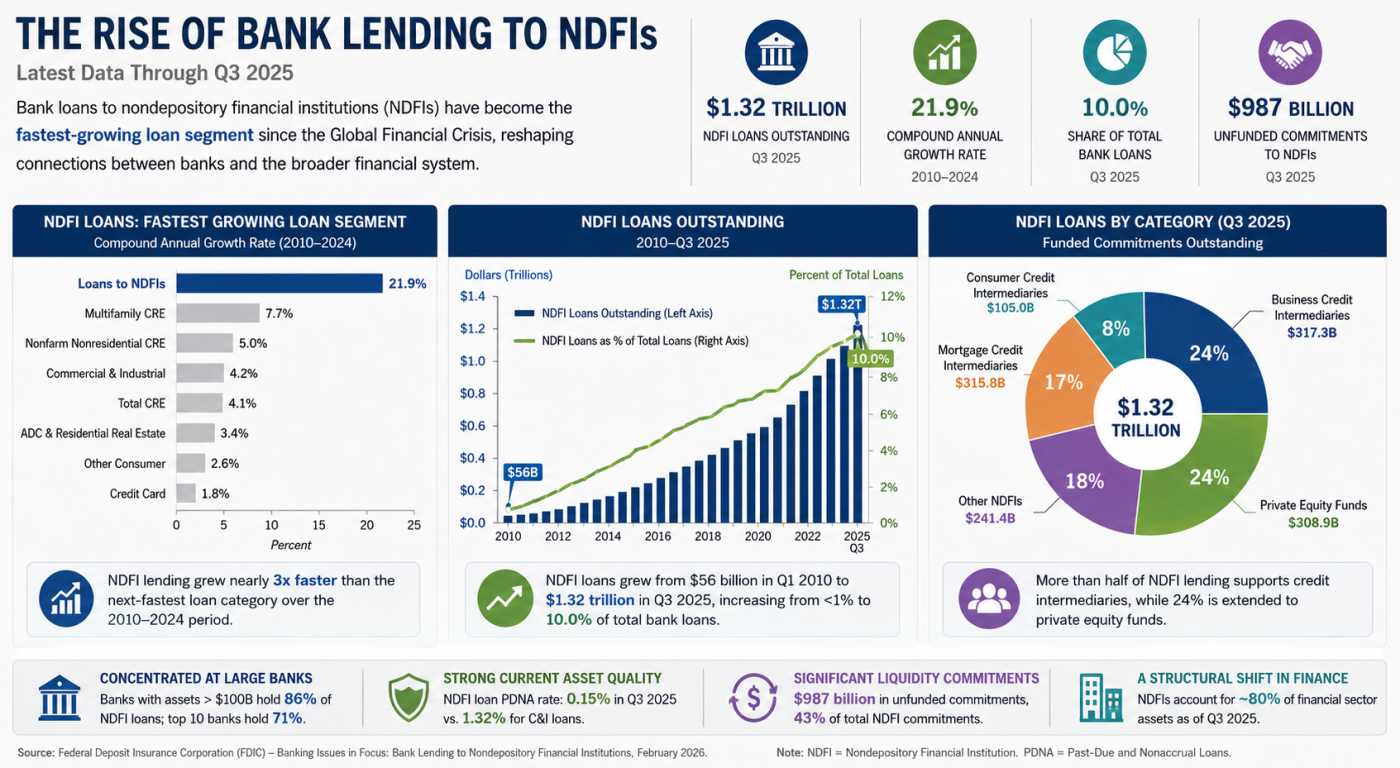
Private Credit’s Secret Banking Backbone Is Growing Faster Than Anyone Expected
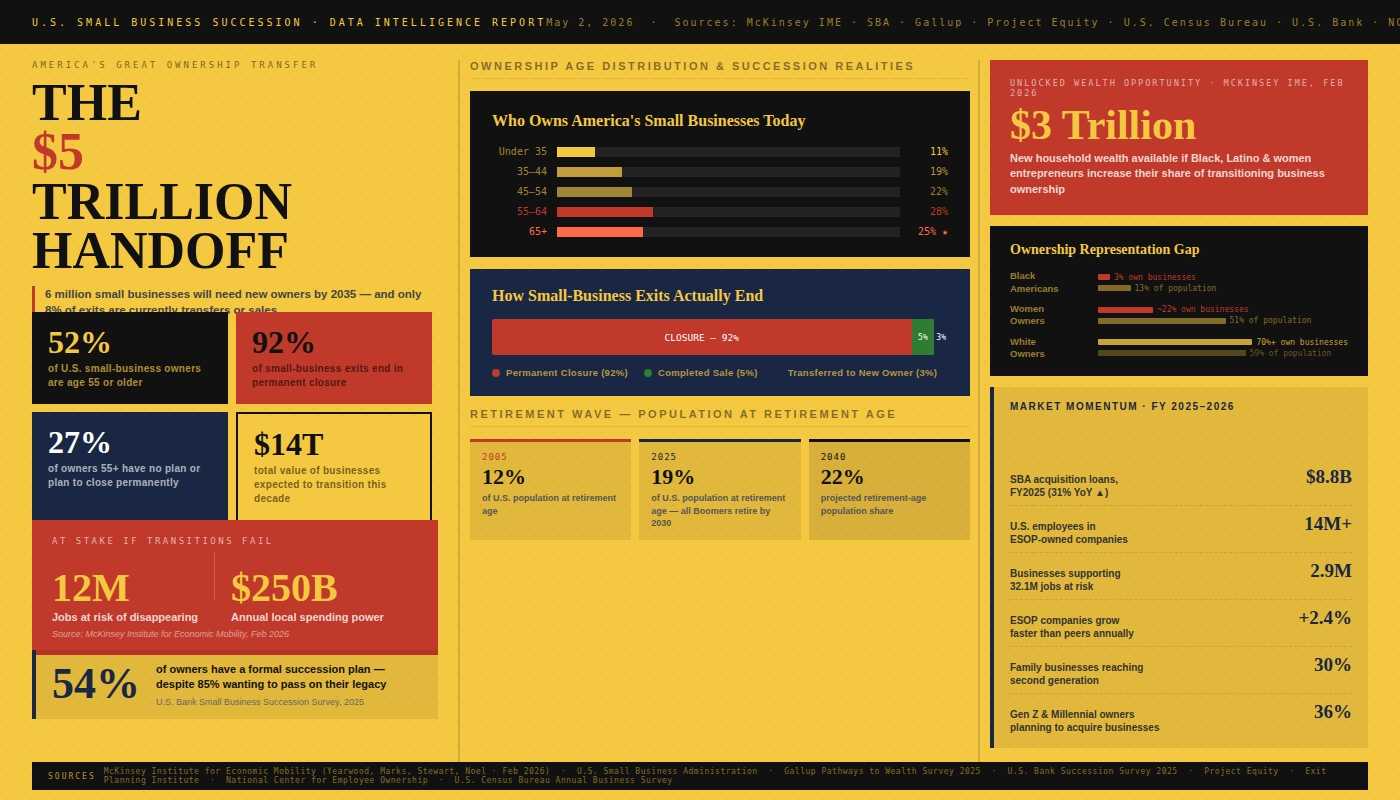
America's $5 Trillion Business Handoff Has Already Begun

The Repair Economy Boom in Rural America

Debt, Deficits & Disaster: The Bond Market Crisis