
Good prospects:
Latest Regulatory Filings for SP5
Companies with the best and the worst fundamentals.
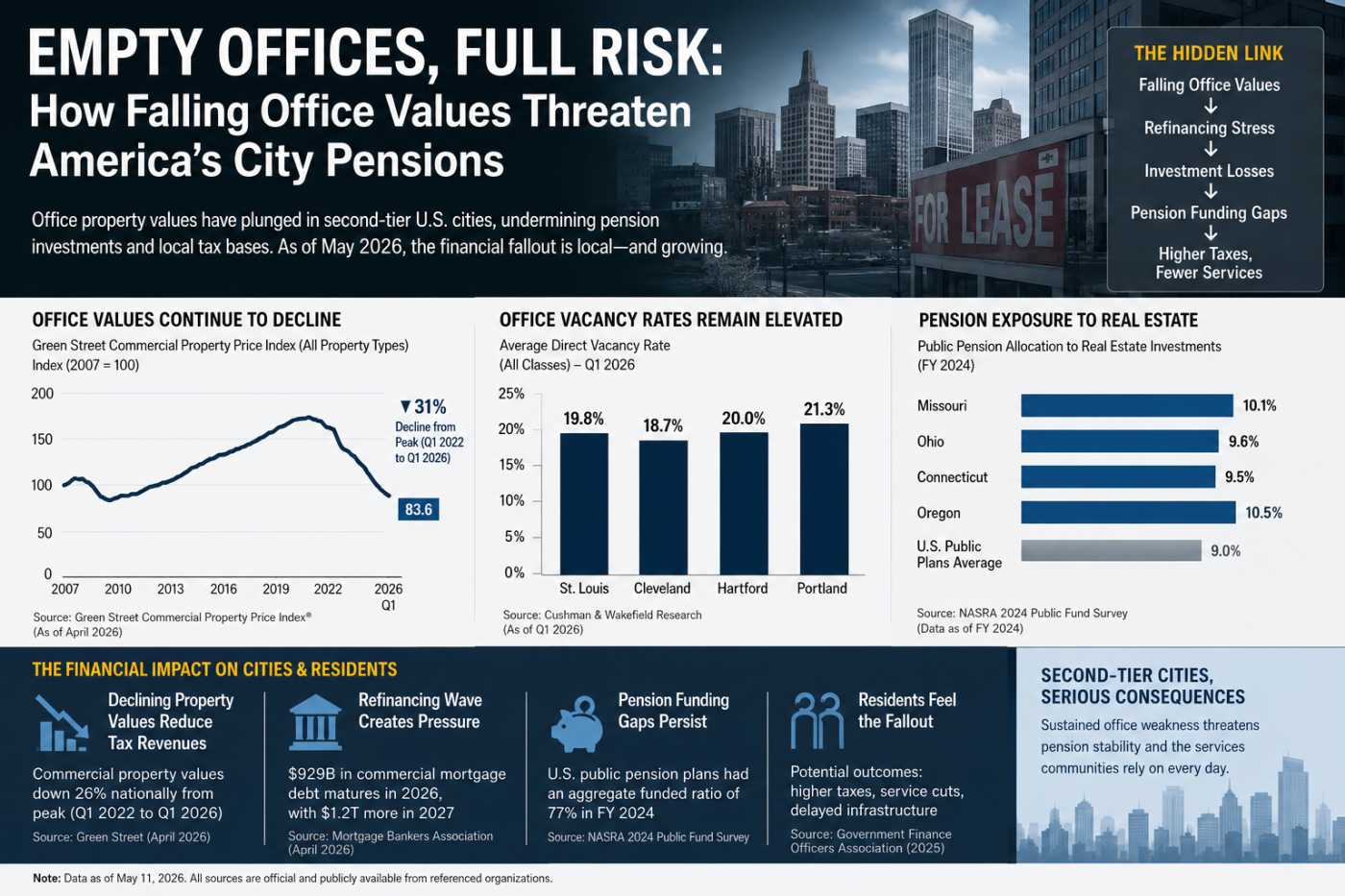
America’s Empty Offices Hit Pensions Hard
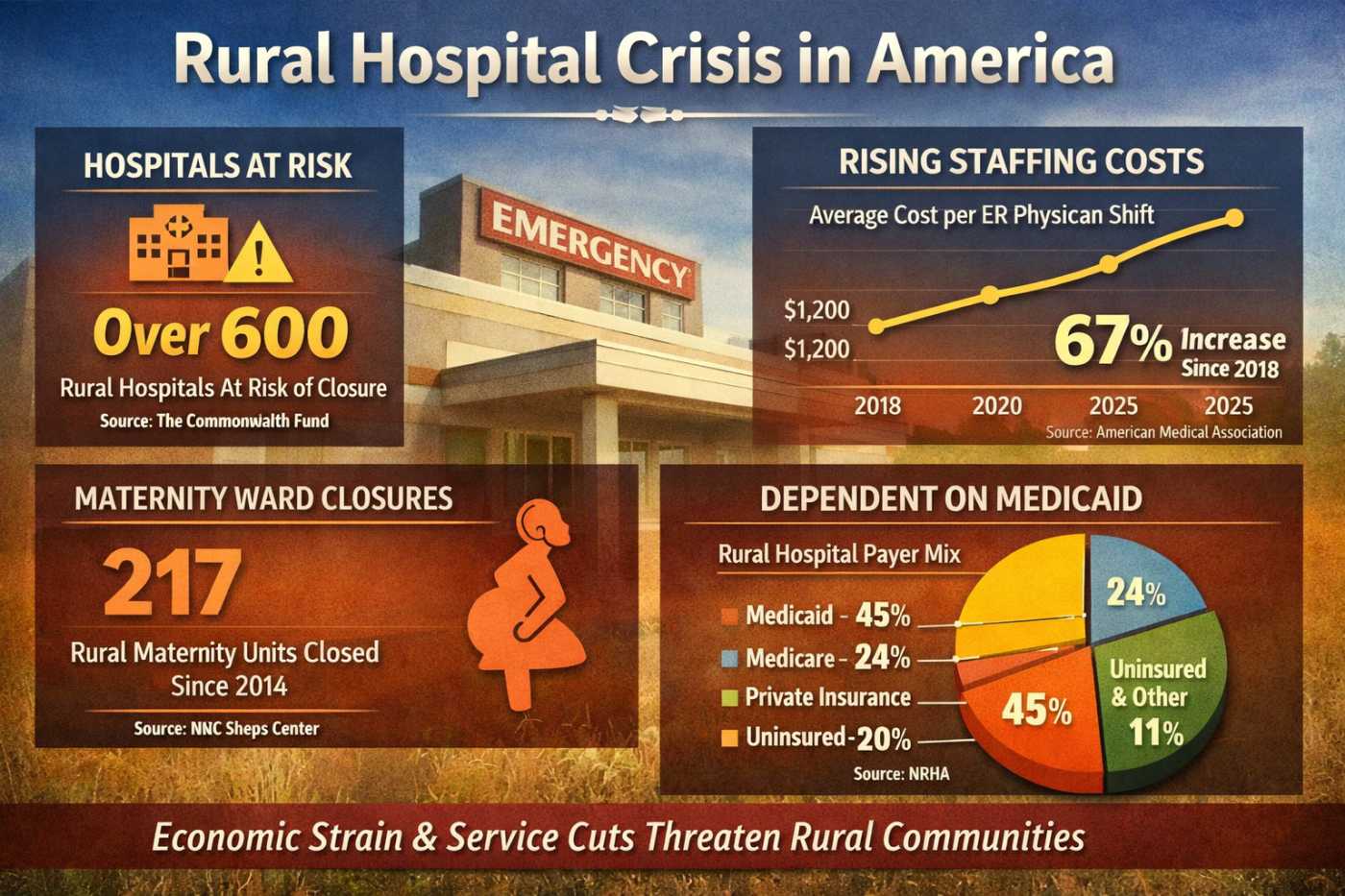
Rural Hospitals Buckle Under Private Equity
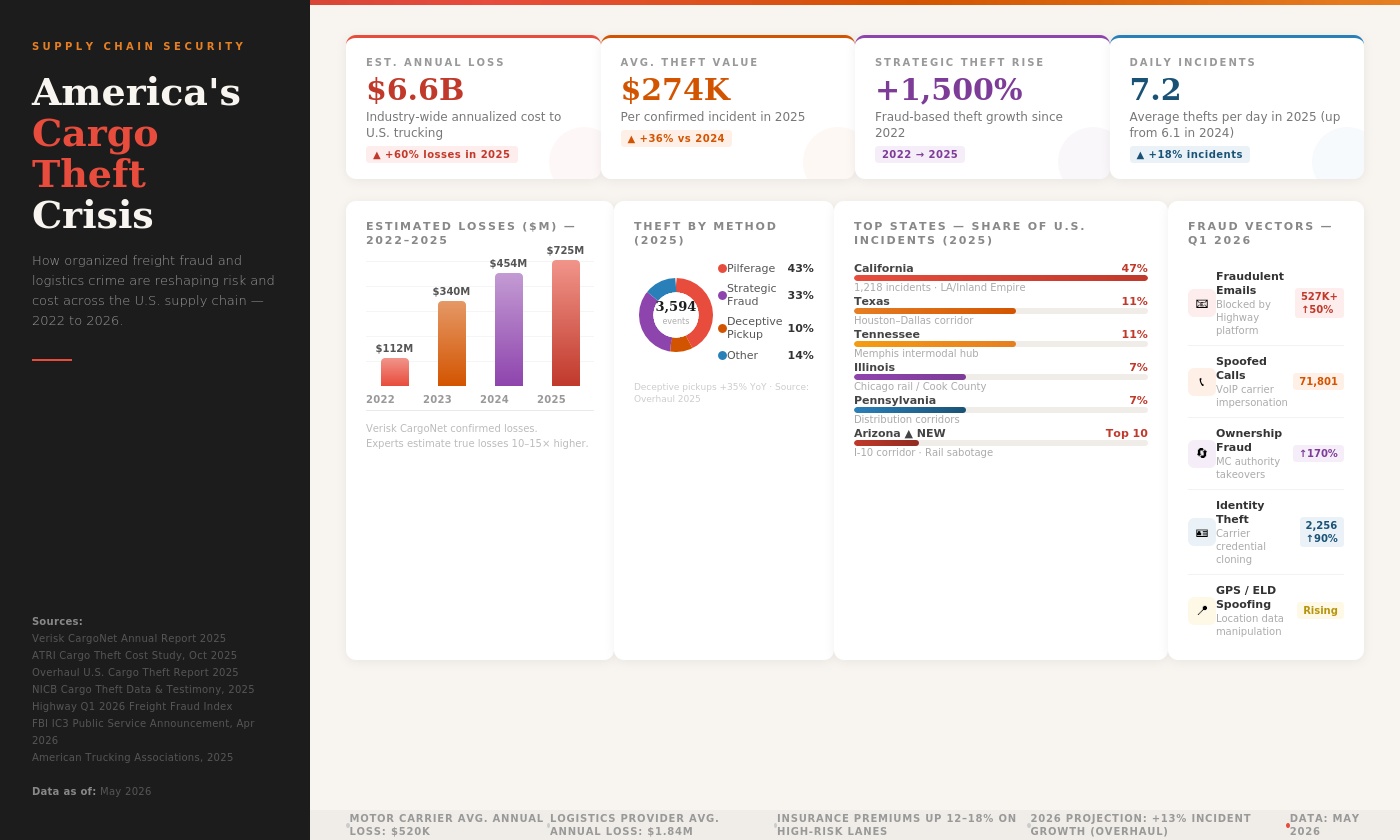
Fake Brokers, Spoofed GPS: Who Pays for Cargo Crime?
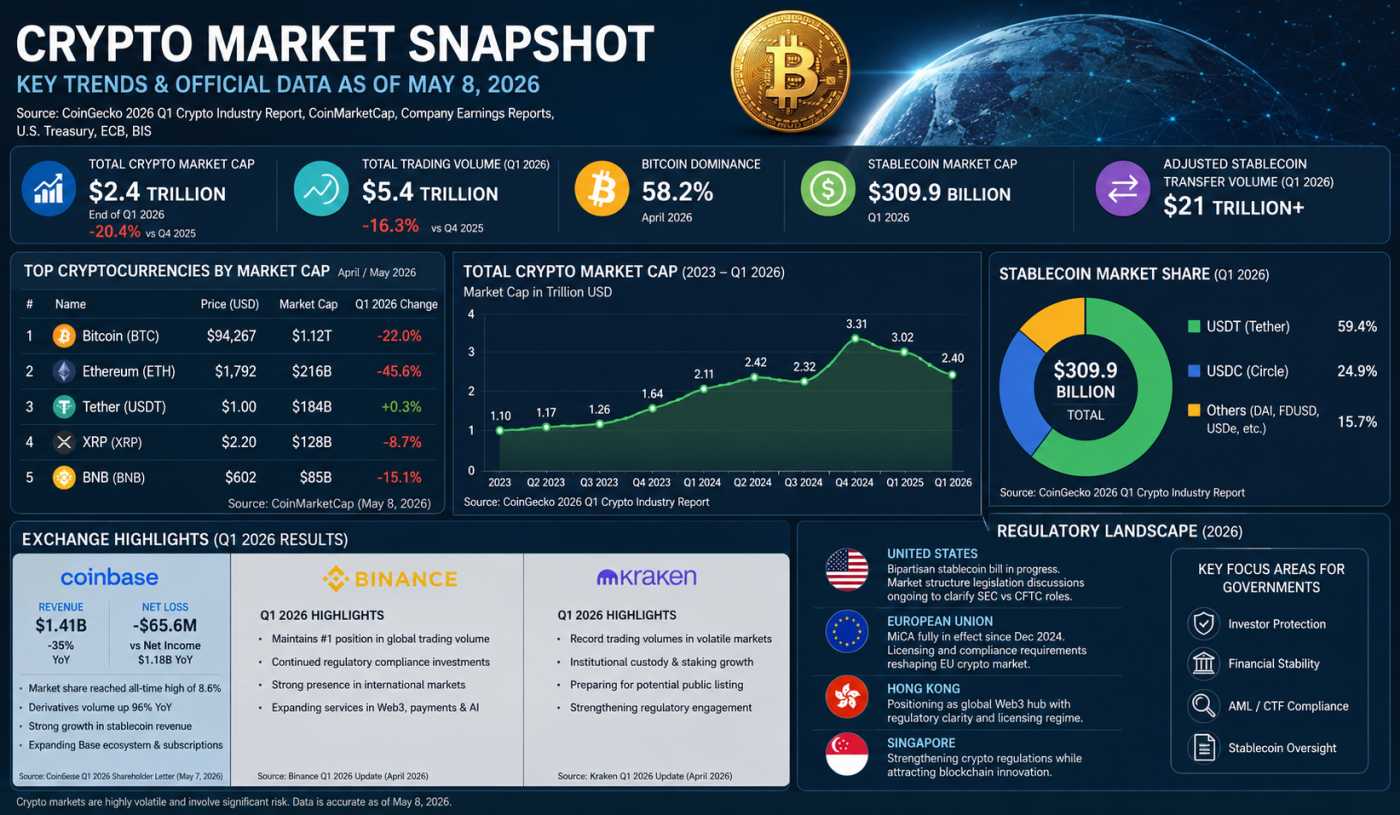
Crypto’s $2.4T Reality Check in 2026

The Machines That Ate the Grid: Five Centuries of Power Hunger
How U.S. Cities Are Turning Data and Infrastructure into Billion-Dollar Opportunities


The Quiet Reinvention of Municipal Revenue Models
Across the United States, municipalities are rethinking how they generate revenue and deliver public services. Faced with persistent budget constraints, rising infrastructure costs, and growing citizen expectations, local governments are increasingly turning to underutilized public assets data, physical infrastructure, and broadband networks as sources of both income and innovation. What distinguishes this trend in 2026 is not merely the pursuit of revenue, but the strategic integration of these assets into broader economic development agendas that aim to empower local entrepreneurs and reshape regional economies.
Unlike traditional revenue streams such as property taxes or municipal bonds, these new approaches are often decentralized, technology-driven, and collaborative. They blur the line between public service provision and market participation, raising important questions about governance, equity, and long-term sustainability.
Data as a Civic Asset: From Transparency to Monetization
Municipal data ranging from traffic patterns and zoning records to energy usage and public safety metrics has long been collected for administrative purposes. However, cities are now recognizing the latent economic value embedded within these datasets. By structuring, anonymizing, and in some cases licensing access to curated datasets, municipalities are creating new revenue streams while also fostering innovation ecosystems.
For example, several mid-sized cities have launched open data platforms that go beyond transparency mandates. These platforms provide machine-readable datasets that local startups can use to build applications in urban mobility, real estate analytics, and environmental monitoring. In certain cases, premium datasets such as real-time transit feeds or detailed land-use analytics are offered under paid licensing agreements to private firms.
According to a 2025 report by the Urban Institute, authored by researchers including Tracy Hadden Loh, cities that actively invest in data governance frameworks are more likely to see downstream economic benefits. These include the emergence of data-driven startups, improved service delivery through predictive analytics, and increased private sector engagement in civic problem-solving.
At the local level, this translates into tangible opportunities. Entrepreneurs can leverage municipal datasets to identify inefficiencies, build niche services, or create hyper-local platforms that address community-specific needs. For instance, real estate startups are using zoning and permit data to forecast development trends, while logistics firms are optimizing routes using city-provided traffic and infrastructure data.
Infrastructure Monetization: Beyond Toll Roads and Parking Meters
Physical infrastructure has traditionally been viewed as a cost center rather than a revenue generator. However, municipalities are increasingly adopting asset monetization strategies that treat infrastructure as a dynamic economic resource. This includes not only conventional assets like roads and parking facilities, but also less obvious ones such as streetlight poles, public buildings, and utility corridors.
One prominent trend is the leasing of public right-of-way and vertical assets to private companies for the deployment of 5G networks and Internet of Things (IoT) devices. Cities are entering into agreements with telecommunications firms to install small-cell antennas on streetlights and utility poles, generating recurring lease income while simultaneously enhancing digital connectivity.
The National League of Cities, in its 2025 policy brief led by program director Christiana McFarland, highlights how these arrangements can be structured to ensure both financial returns and public benefits. For example, revenue-sharing models can be tied to service quality metrics, ensuring that infrastructure monetization does not come at the expense of accessibility or equity.
Another emerging area is the adaptive reuse of public buildings. Underutilized municipal properties such as old administrative offices or vacant schools are being converted into co-working spaces, innovation hubs, or mixed-use developments. These projects often involve public-private partnerships, where private developers invest in renovation in exchange for long-term leases or revenue-sharing agreements.
For local entrepreneurs, these spaces provide affordable access to prime locations and shared resources. They also foster community clustering, where startups, freelancers, and small businesses can collaborate and scale more effectively.
Municipal Broadband: From Utility to Economic Engine
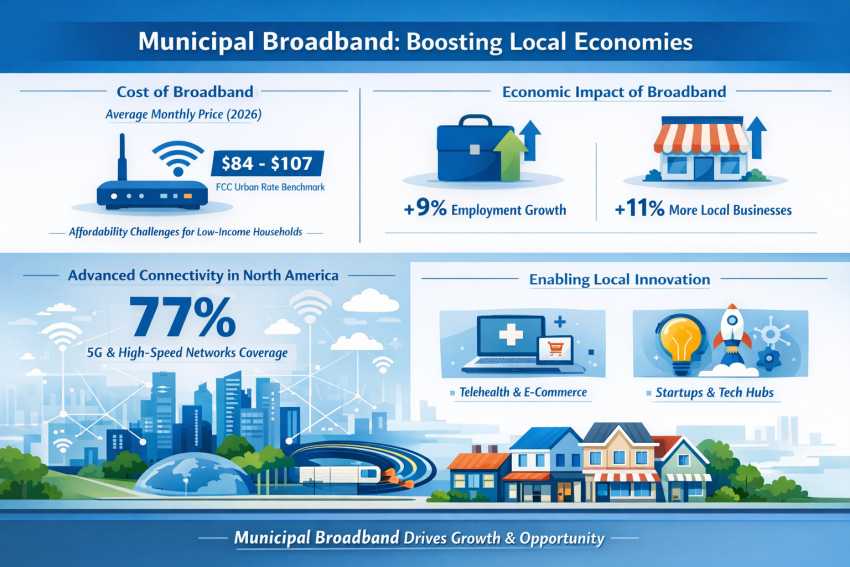
Perhaps the most transformative asset class is municipal broadband. Initially deployed to bridge the digital divide, city-owned broadband networks are increasingly being leveraged as platforms for economic development and revenue generation.
In regions where private internet service providers have been slow to invest, municipalities have stepped in to build and operate their own fiber networks. These networks not only provide high-speed internet to residents and businesses but also create new revenue streams through subscription fees and wholesale access agreements with private providers.
A 2026 analysis by the Federal Communications Commission, drawing on data compiled by its Wireline Competition Bureau, indicates that municipal broadband networks in smaller cities have achieved adoption rates exceeding 60% in some cases. This level of penetration significantly enhances the viability of local digital economies, enabling remote work, e-commerce, and tech-driven entrepreneurship.
Moreover, municipal broadband can act as a foundational layer for other smart city initiatives. High-speed connectivity supports applications in telemedicine, online education, and real-time public service delivery. For startups, this creates a fertile environment for innovation, as reliable infrastructure reduces operational friction and expands market reach.
In certain cases, cities are going a step further by offering tiered services, including premium enterprise-grade connectivity for businesses. This not only diversifies revenue streams but also attracts high-value industries such as data analytics, fintech, and digital media production.
Balancing Revenue Generation with Public Trust
While the monetization of public assets offers clear economic benefits, it also raises important governance challenges. Issues related to data privacy, equitable access, and long-term control over public resources must be carefully managed to maintain public trust.
Municipalities that have been most successful in this space tend to adopt transparent governance frameworks. These include clear policies on data usage, stakeholder engagement processes, and mechanisms for reinvesting revenues into community development. For instance, some cities allocate a portion of revenues from data licensing or infrastructure leases to fund affordable housing, public transit improvements, or digital literacy programs.
The Brookings Institution, in a 2025 report authored by Mark Muro and Joseph Parilla, emphasizes the importance of aligning asset monetization strategies with broader economic inclusion goals. Their research suggests that when municipalities prioritize inclusive growth, the benefits of these initiatives are more widely distributed, reducing the risk of exacerbating existing inequalities.
At the same time, there is a growing recognition that municipalities must build internal capacity to manage these complex arrangements. This includes expertise in data analytics, contract negotiation, and regulatory compliance. Some cities are addressing this by creating dedicated innovation offices or partnering with academic institutions and non-profits.
Local Innovation Ecosystems: A Feedback Loop
One of the most compelling aspects of this trend is the emergence of a feedback loop between municipal asset monetization and local innovation ecosystems. As cities generate revenue and improve infrastructure, they create more favorable conditions for entrepreneurship. In turn, the growth of local startups and businesses increases demand for municipal services and generates additional economic activity.
This dynamic is particularly evident in secondary cities, where the impact of targeted investments can be more pronounced. By leveraging public assets strategically, these municipalities are positioning themselves as competitive alternatives to larger metropolitan areas. Lower costs of living, combined with improved infrastructure and access to data, make them attractive destinations for both entrepreneurs and remote workers.
Furthermore, the integration of public and private sector efforts is fostering new forms of collaboration. Hackathons, public data challenges, and innovation grants are becoming common tools for engaging the local business community. These initiatives not only generate new ideas but also build a sense of shared ownership over the city’s economic future.
In practical terms, this means that a startup in a mid-sized city can now access high-quality data, affordable workspace, and reliable broadband all supported by municipal initiatives. This level of support was previously concentrated in major tech hubs, but is now becoming more widely distributed.
The Road Ahead: Strategic Experimentation
As municipalities continue to experiment with monetizing public assets, the landscape is likely to evolve rapidly. New technologies, regulatory frameworks, and market dynamics will shape how these strategies are implemented and scaled.
What remains clear is that the role of local governments is expanding beyond traditional service provision. By acting as stewards of valuable assets and facilitators of innovation, municipalities are redefining their place in the economic ecosystem. For residents and local businesses, this shift offers both opportunities and challenges, as the boundaries between public and private sectors become increasingly fluid.
The success of these initiatives will depend not only on financial outcomes but also on their ability to enhance quality of life, promote equity, and sustain long-term growth. In this sense, the monetization of public assets is not just a fiscal strategy, but a broader reimagining of how cities create and distribute value in the 21st century.
If you have enjoyed reading, spread the word:
Private Credit’s Secret Banking Backbone Is Growing Faster Than Anyone Expected
America's $5 Trillion Business Handoff Has Already Begun
The Repair Economy Boom in Rural America
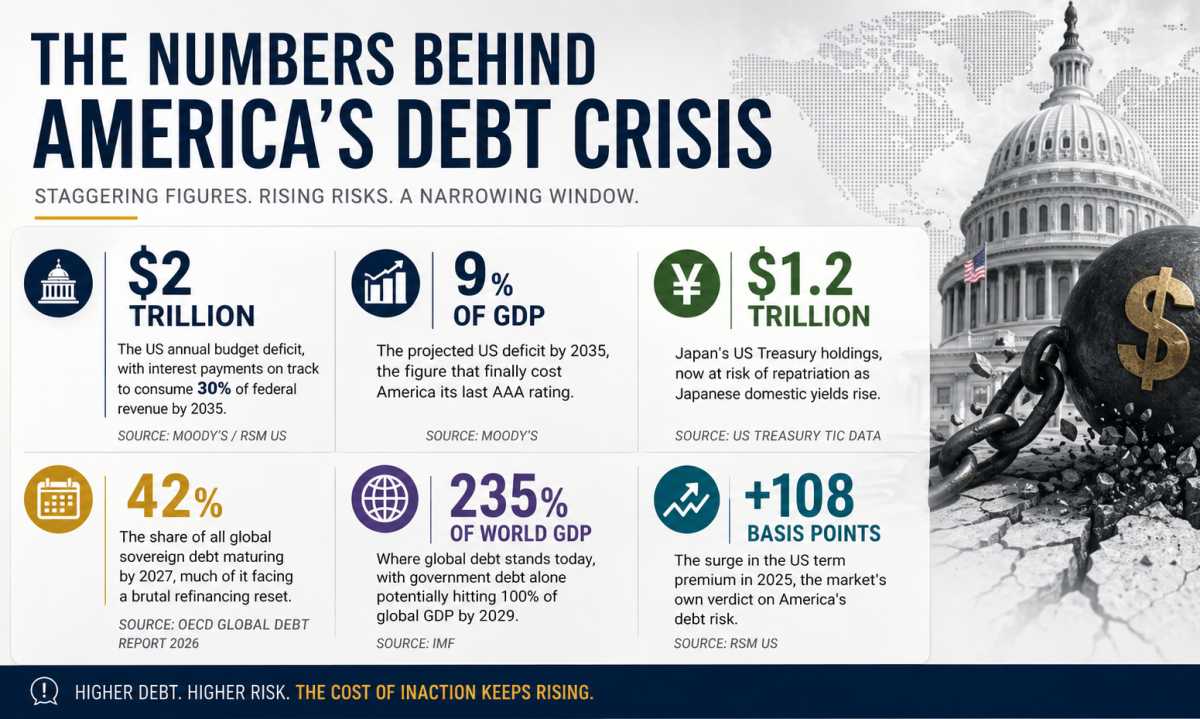
Debt, Deficits & Disaster: The Bond Market Crisis