
More about Yum! Brands, Inc.
Regulatory Filings for Yum! Brands, Inc.
Fundamentals for Yum! Brands, Inc.

AI Learns to Read the Federal Reserve

AI Subscriptions Rewrite the Inflation Playbook

Diversification Shielded U.S. Banks

Repo, Debt and Risk: The Fed's Untold Warning for 2026
Fundamentals for Yum! Brands, Inc.



Business Operations:
Sector: Consumer CyclicalIndustry: Restaurants
Yum! Brands, Inc., together with its subsidiaries, develops, operates, and franchises traditional and non-traditional quick service restaurants in the United States, China, and internationally. The company operates in four segments: KFC Division, Taco Bell Division, Pizza Hut Division, and Habit Burger & Grill Division. It also operates restaurants under the KFC, Pizza Hut, Taco Bell, and Habit Burger & Grill brands, which specialize in chicken, Mexican-style food and pizza categories, made-to-order chargrilled burgers, sandwiches, and other products. The company was formerly known as TRICON Global Restaurants, Inc. and changed its name to Yum! Brands, Inc. in May 2002. Yum! Brands, Inc. was incorporated in 1997 and is headquartered in Louisville, Kentucky.
Revenue projections:

Yum! Brands, Inc.'s revenue is projected to decrease from last year, a development that could lead investors to adopt a more cautious approach. A revenue decline can negatively affect profitability, signaling challenges for the company and making it less attractive for those seeking solid financial performance.
Financial Ratios:
| currentRatio | 0.592000 |
|---|---|
| forwardPE | 19.421824 |
| debtToEquity | 0.000000 |
| earningsGrowth | 1.316000 |
| revenueGrowth | 0.122000 |
| grossMargins | 0.453110 |
| operatingMargins | 0.327800 |
| trailingEps | 7.940000 |
| forwardEps | 7.458620 |
YUM's current ratio of 0.592 highlights potential liquidity issues, as the company's cash reserves and assets may not be sufficient to cover short-term debts. This raises concerns about YUM's ability to handle near-term financial obligations.
YUM's Forward PE being in a good range indicates the stock is priced well relative to its earnings. It is not overvalued, leaving space for future growth, making it an appealing option for investors interested in long-term value appreciation.
With positive earnings and revenue growth, YUM is on a path to expand its business. This strong financial performance suggests the company will continue to grow, as increasing profits and revenue highlight a healthy outlook.
Yum! Brands, Inc.'s positive gross and operating margins indicate that the company is performing profitably. These margins reflect efficient cost control and revenue generation, signaling a strong financial foundation for continued success.
YUM's forward EPS falling below its trailing EPS suggests the company is expected to be less profitable this year. This signals a potential decline in earnings, which may raise concerns about YUM's financial future.
Price projections:

YUM's price has continuously remained near the lower end of analysts' projections, indicating that it may be facing challenges in meeting market expectations. This trend raises concerns about the company's future growth trajectory.
Insider Transactions:

Yum! Brands, Inc. experienced 27 selling transactions, with market price of 152.04296253345632.During the review period, no sell transactions were executed.Yum! Brands, Inc.'s current price levels are seeing more buying activity than selling, which might indicate a bullish sentiment. Investors appear to be confident, interpreting the buying trend as a sign of positive expectations for the stock's future performance.
Recommendation changes over time:

YUM has been receiving a buy bias from analysts, signaling strong confidence in the stock's future performance. This positive outlook might drive investors to view YUM as an attractive option for their portfolios, positioning the company as a stable and profitable investment choice.
If you have enjoyed reading, spread the word:
Good prospects:
Companies with the best and the worst technicals.
Latest Regulatory Filings for SP5
Companies with the best and the worst fundamentals.

When Losing Money Pays: America's Broken Market Logic

The Hidden Time Bomb in AI Finance
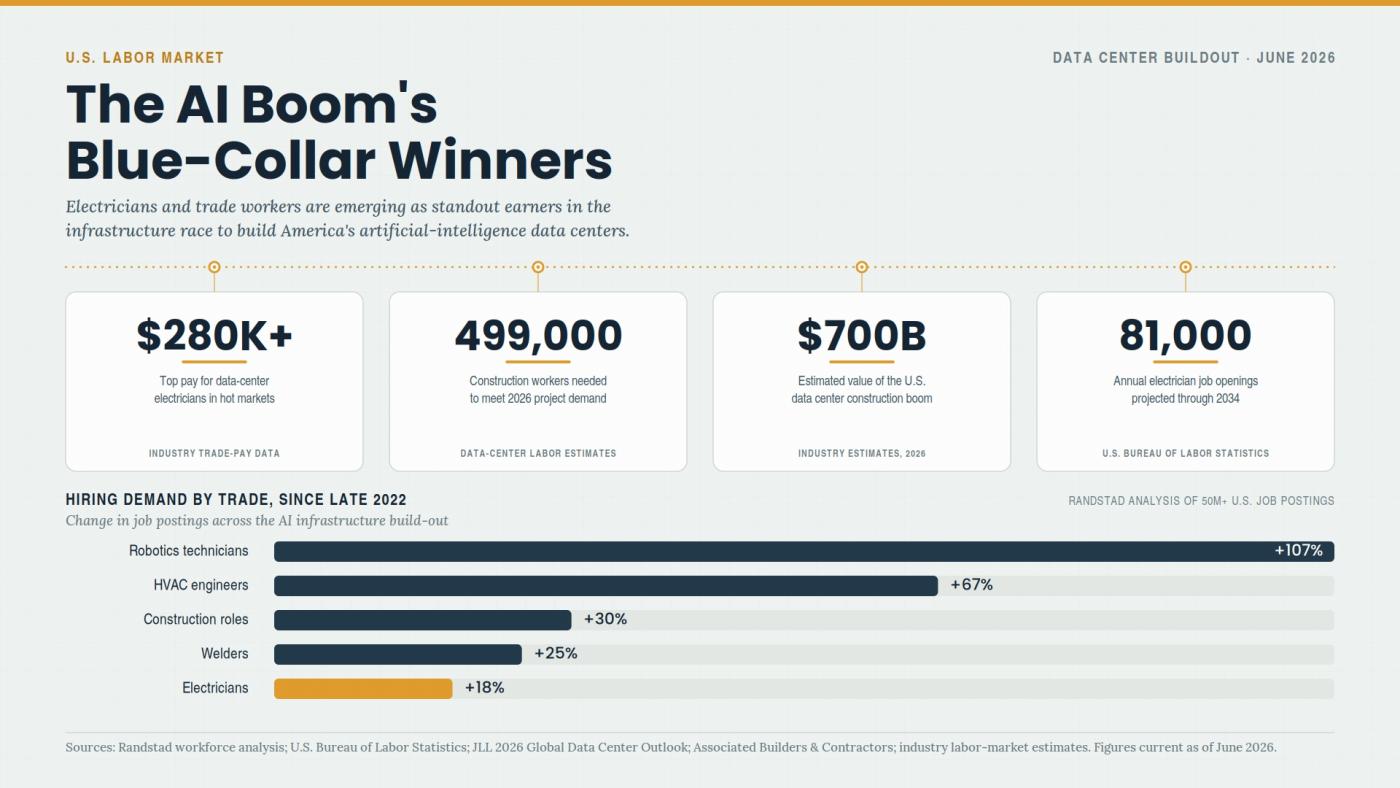
Why Electricians Now Out-Earn Software Engineers