
More about Willis Towers Watson Public Limited Company
Regulatory Filings for Willis Towers Watson Public Limited Company
Fundamentals for Willis Towers Watson Public Limited Company

AI Learns to Read the Federal Reserve

AI Subscriptions Rewrite the Inflation Playbook

Diversification Shielded U.S. Banks

Repo, Debt and Risk: The Fed's Untold Warning for 2026
Technicals for Willis Towers Watson Public Limited Company



Price Summary
On 2026-08-20, Willis Towers Watson Public Limited Company's shares started at 335.46, peaked at 342.76, bottomed out at 333.98, and ended 1.7% higher at 341.15, with 458800 shares traded.Throughout the 52-week period, the stock hit a high of 349.93 and a low of 0.0.
Technicals
Support and Resistance: The price of 341.15 is supported at 304.16 and faces resistance at 343.01. This range suggests key levels for WTW where the price may stabilize, with 304.16 acting as a support and 343.01 as a cap on gains.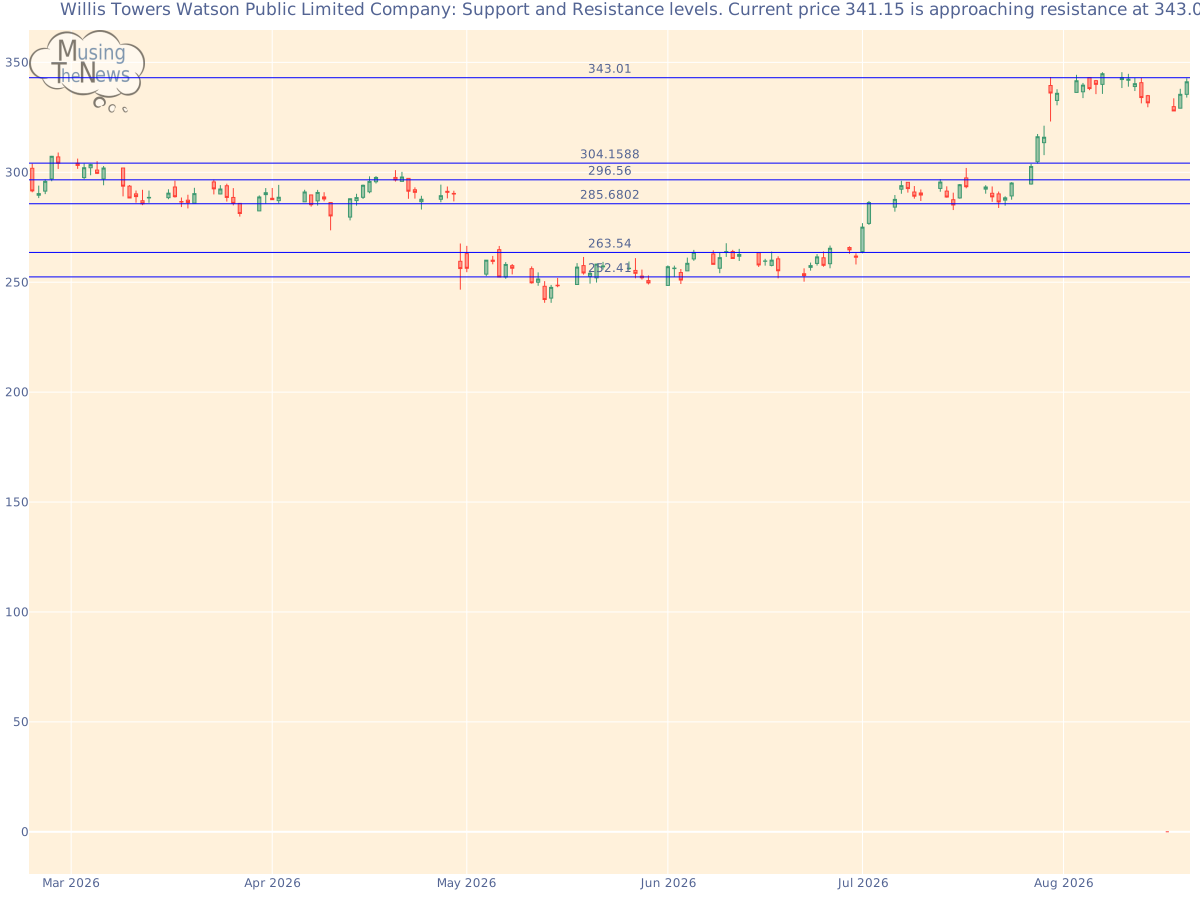
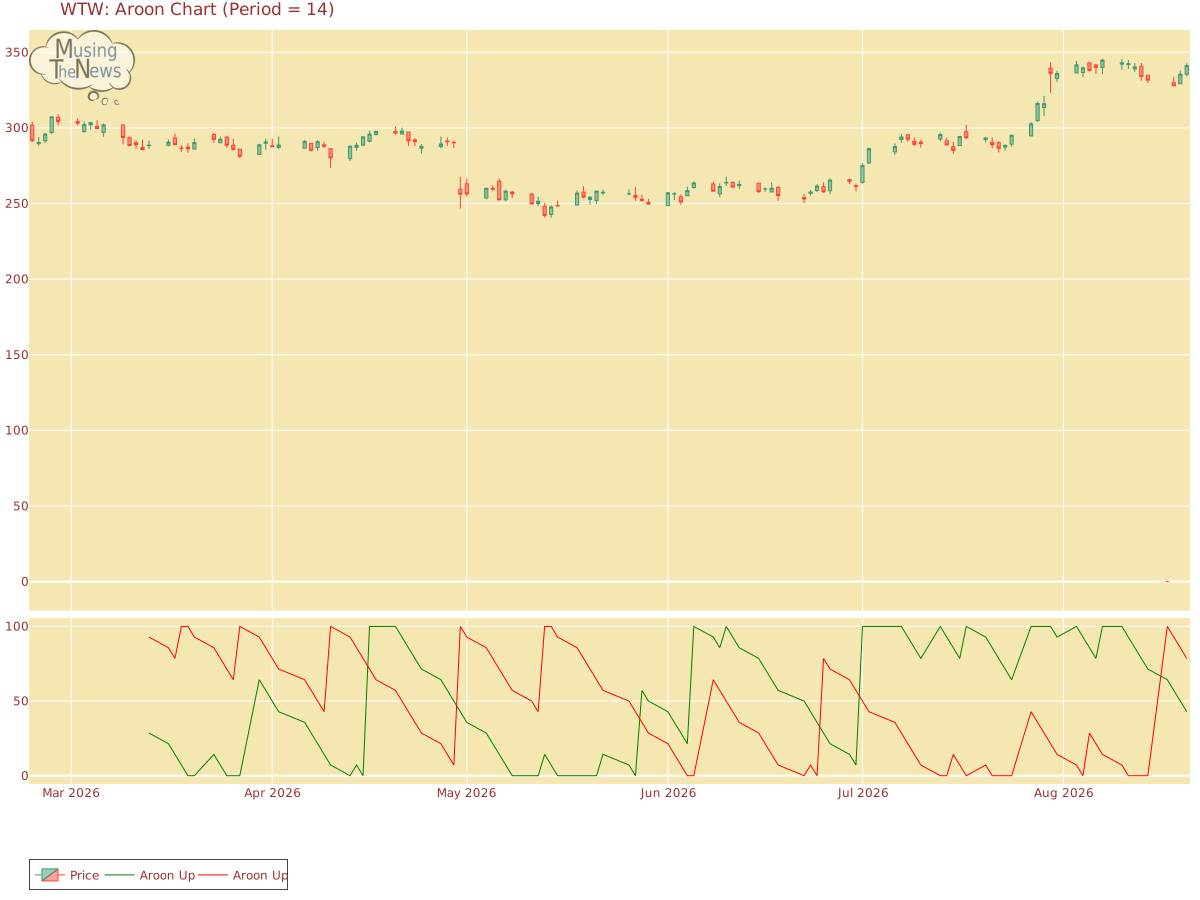
Aroon: The AROON is in a neutral stance, not pointing to a clear trend in either direction. This suggests that the market may be lacking strong momentum, making it difficult to predict the next move.
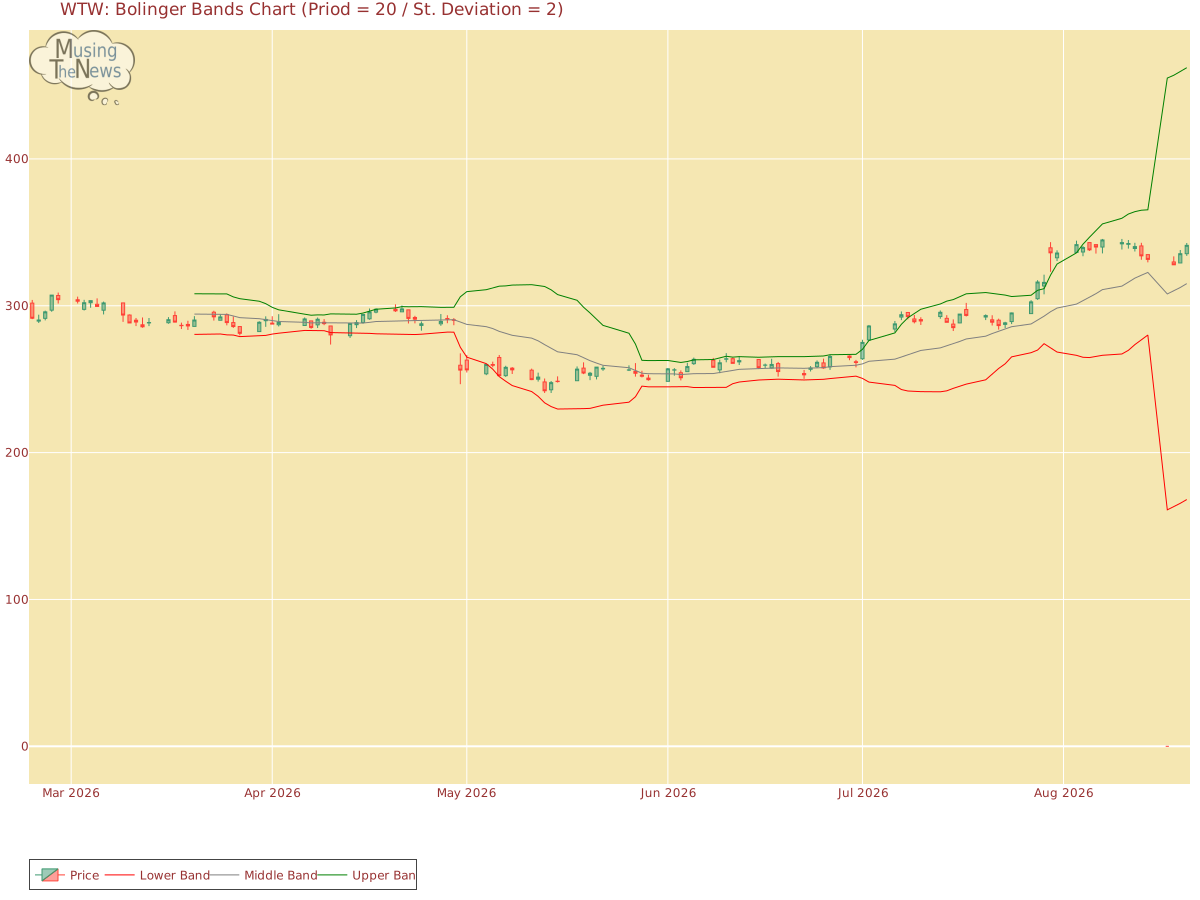
Bol. Bands: The current reading of the BOLL BANDS indicator suggests a neutral stance, with no clear signals indicating an upward or downward direction. This lack of directional bias suggests the market may be in a period of consolidation or uncertainty.
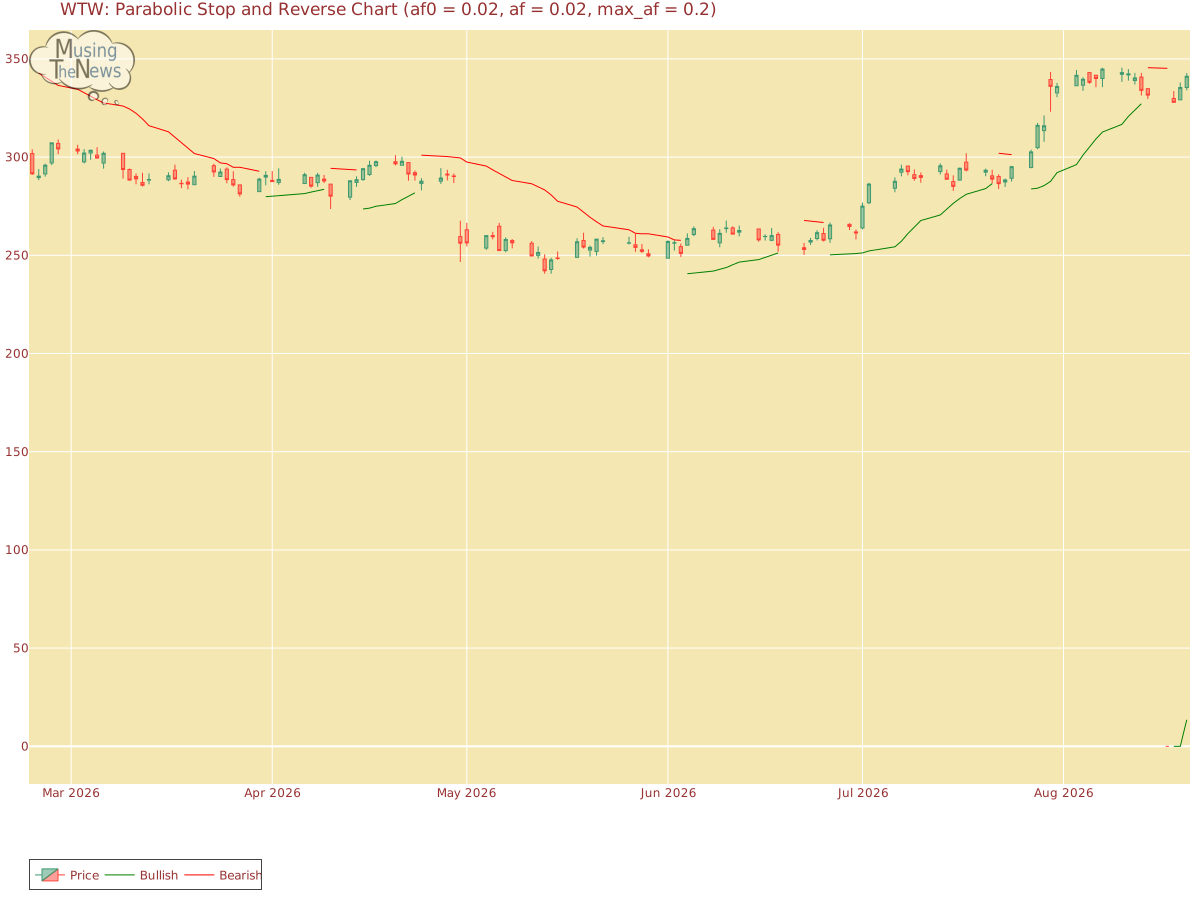
Parabolic SAR: The PSAR for WTW continues to be bullish, establishing a crucial support level that may help maintain the current upward trend. This level of support suggests that the market is poised to continue its positive trajectory, offering a foundation for further growth.
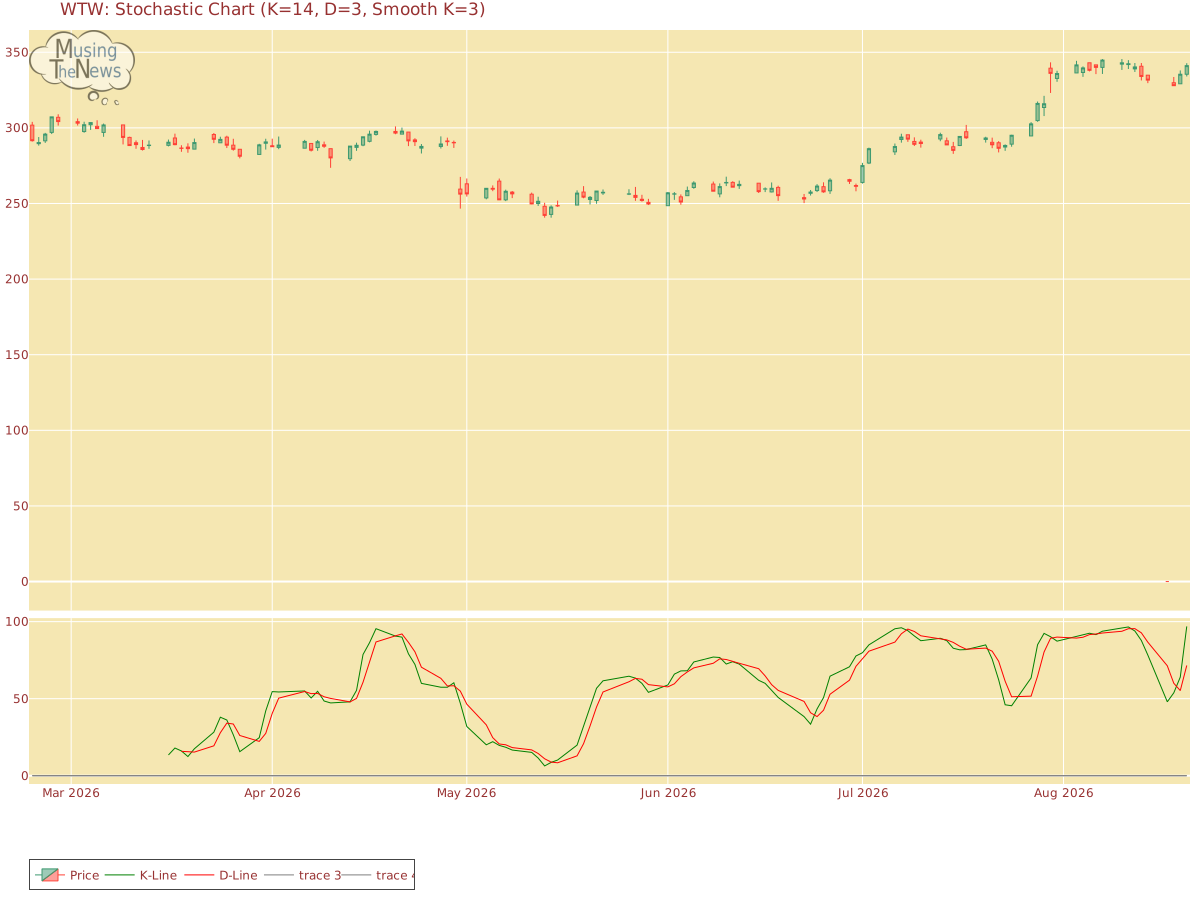
Stochastic: WTW's stochastic indicator reflects a bullish trend, with the K-line positioned above the D-line and surpassing the 80 threshold. This setup suggests strong upward momentum, indicating that the market may continue to rise. Investors could interpret this as a positive signal for further gains.
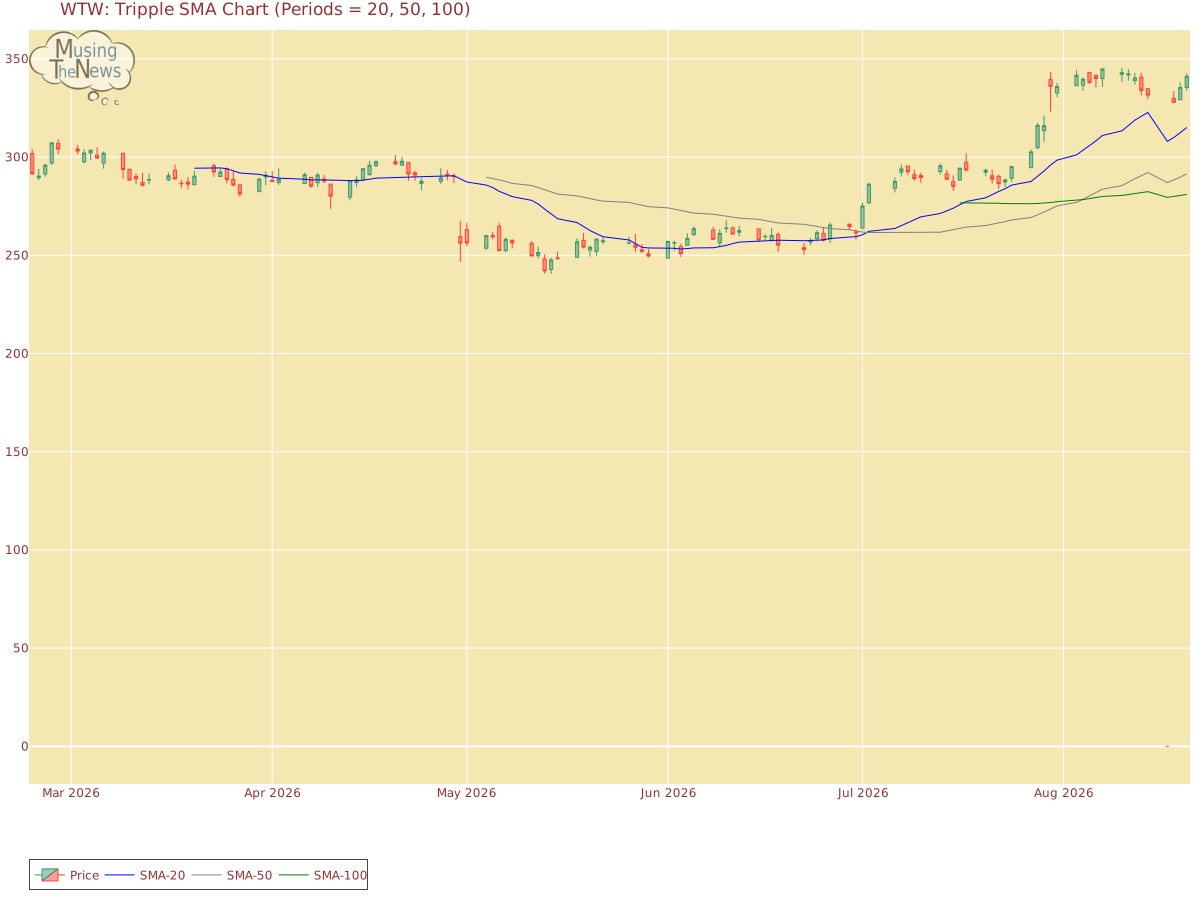
Tripple Moving Agerage: The Tripple MOVING AVG is currently neutral, showing no clear bias toward a rising or falling trend. This lack of directional clarity suggests that the market may be in a holding pattern, awaiting further developments.
The technical analysis of a company's stock performance is valuable, but only when considered in conjunction with the company's fundamentals. These fundamentals, including financial strength, earnings growth, and leadership, provide a foundation for understanding market movements. Additionally, industry trends and competitive pressures play an important role. By integrating both fundamental and technical analysis, one can better evaluate the company's true potential and make more informed investment decisions.
If you have enjoyed reading, spread the word:
Good prospects:
Companies with the best and the worst technicals.
Latest Regulatory Filings for SP5
Companies with the best and the worst fundamentals.

When Losing Money Pays: America's Broken Market Logic

The Hidden Time Bomb in AI Finance
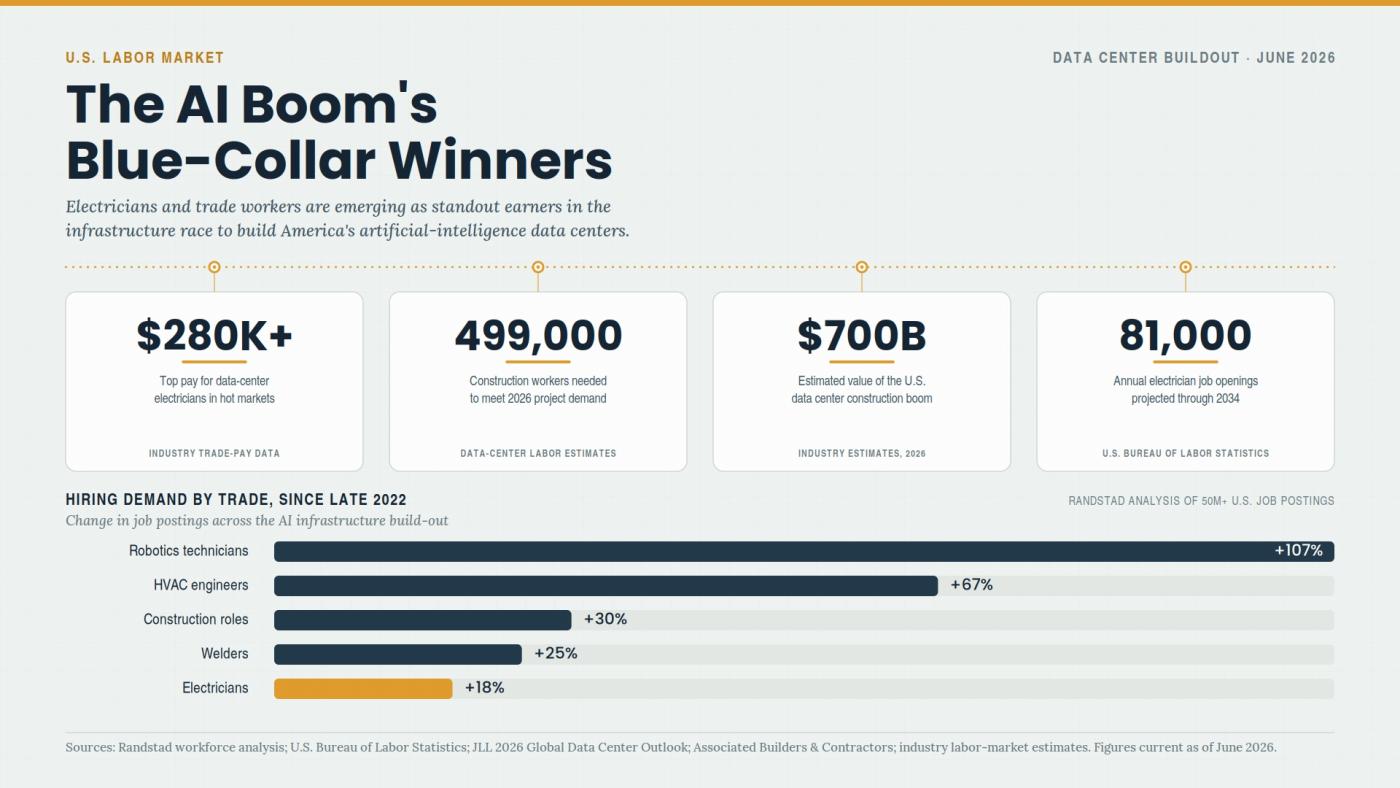
Why Electricians Now Out-Earn Software Engineers