More about Wells Fargo & Company
Regulatory Filings for Wells Fargo & Company
Fundamentals for Wells Fargo & Company

AI Learns to Read the Federal Reserve

AI Subscriptions Rewrite the Inflation Playbook

Diversification Shielded U.S. Banks

Repo, Debt and Risk: The Fed's Untold Warning for 2026
Fundamentals for Wells Fargo & Company



Business Operations:
Sector: Financial ServicesIndustry: Banks - Diversified
Wells Fargo & Company, a financial services company, provides diversified banking, investment, mortgage, and consumer and commercial finance products and services in the United States and internationally. It operates through four segments: Consumer Banking and Lending; Commercial Banking; Corporate and Investment Banking; and Wealth and Investment Management. The company's financial products and services includes checking and savings accounts, and credit and debit cards, as well as home, auto, personal, and small business lending services. It also provides personalized wealth management, brokerage, financial planning, lending, private banking, trust and fiduciary products and services; and financial solutions to private, family owned and public companies through products and services including banking and credit products across multiple industry sectors and municipalities, secured lending and lease products, and treasury management. In addition, it offers a suite of capital markets, banking, and financial products and services, such as corporate banking, investment banking, treasury management, commercial real estate lending and servicing, equity, and fixed income solutions, as well as sales, trading, and research capabilities services to corporate, commercial real estate, government, and institutional clients. Wells Fargo & Company was founded in 1852 and is headquartered in San Francisco, California.
Revenue projections:

Revenues for WFC are forecasted to decline from last year's levels, prompting caution among investors. When revenues fall, it can have a significant negative impact on the company's bottom line, reducing profitability and making the stock less attractive to risk-averse investors.
Financial Ratios:
| currentRatio | 0.000000 |
|---|---|
| forwardPE | 11.062703 |
| debtToEquity | 0.000000 |
| earningsGrowth | 0.250000 |
| revenueGrowth | 0.095000 |
| grossMargins | 0.000000 |
| operatingMargins | 0.373870 |
| trailingEps | 6.880000 |
| forwardEps | 7.900420 |
WFC's Forward PE ratio is favorable, indicating that the stock price is well-positioned in relation to its earnings. It is not overpriced, leaving room for growth, which makes it a solid option for investors seeking both stability and future appreciation.
Wells Fargo & Company's forward EPS exceeds its trailing EPS, indicating that the company is projected to be more profitable in the current financial year compared to the previous one. This suggests positive growth and improved earnings, signaling an optimistic outlook for Wells Fargo & Company's financial performance.
Price projections:

WFC's price projections have consistently been revised higher, indicating growing confidence in the company's future potential. Analysts appear more optimistic about WFC's ability to generate strong results going forward.
Insider Transactions:

In recent market activity, 1 sales of WFC shares took place, with market price at 86.30000305175781.No sell transactions occurred during the period under consideration.The trend of more buys compared to sells around WFC's current price levels may signal investor optimism. This behavior suggests that the market is expecting a favorable outcome for the stock, leading to increased buying activity.
Recommendation changes over time:

A recent buy bias from analysts toward WFC may inspire confidence in investors, who could view the stock as a promising investment. This positive sentiment suggests that WFC might be an appealing option for those looking to grow their wealth through stock market investments.
If you have enjoyed reading, spread the word:
Good prospects:
Companies with the best and the worst technicals.
Latest Regulatory Filings for SP5
Companies with the best and the worst fundamentals.

When Losing Money Pays: America's Broken Market Logic

The Hidden Time Bomb in AI Finance
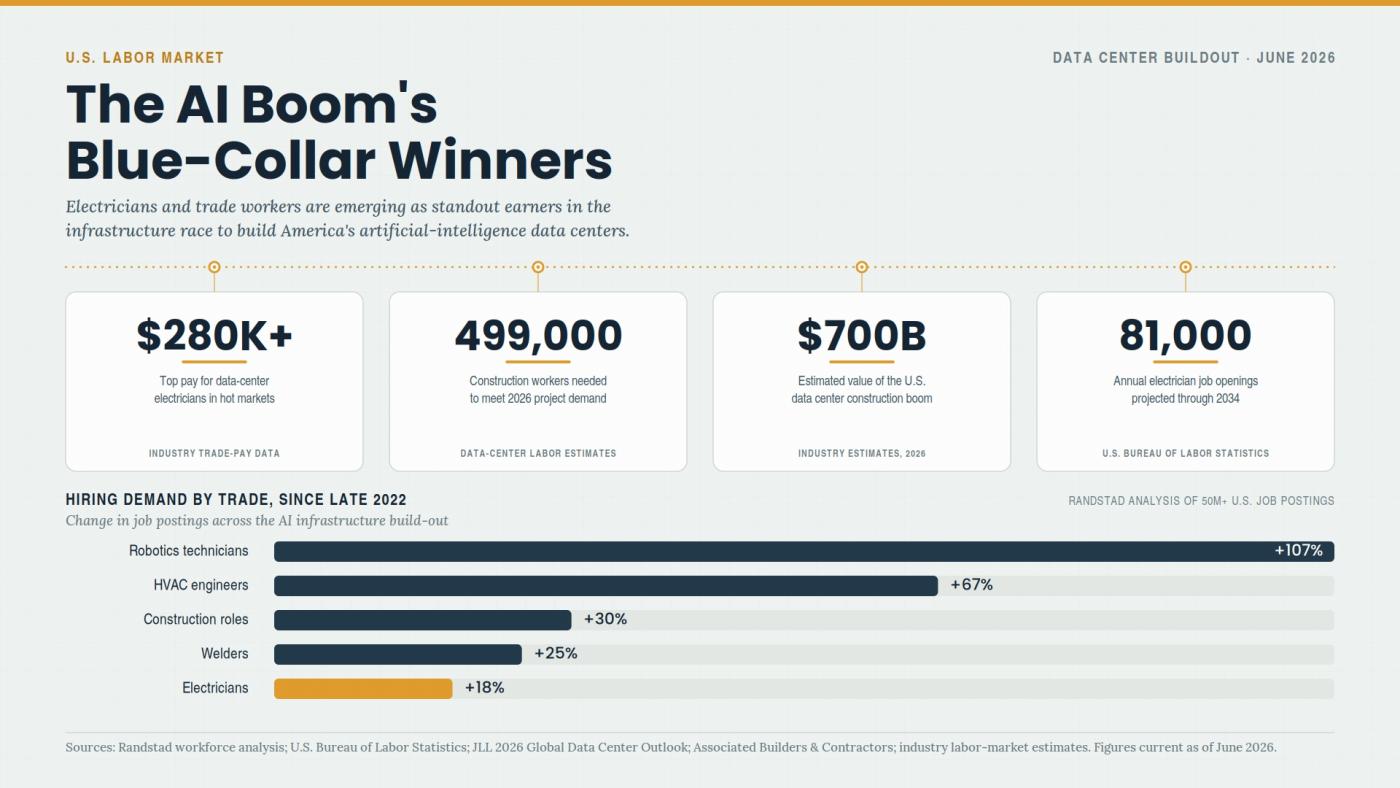
Why Electricians Now Out-Earn Software Engineers