
More about Western Digital Corporation
Regulatory Filings for Western Digital Corporation
Fundamentals for Western Digital Corporation

AI Learns to Read the Federal Reserve

AI Subscriptions Rewrite the Inflation Playbook

Diversification Shielded U.S. Banks

Repo, Debt and Risk: The Fed's Untold Warning for 2026
Technicals for Western Digital Corporation



Price Summary
On 2026-08-20, WDC's stock started at 463.39, reached a high of 477.28, fell to 453.7, and ended 1.22% up at 469.05, with 5358600 shares traded.During the past 52 weeks, the highest stock price was 746.23, and the lowest was 0.0.
Technicals
Support and Resistance: The current price of 469.05 for WDC is supported at 455.8 and faces resistance at 515.83. These levels indicate that 455.8 could act as a floor, while 515.83 might limit any further price increases.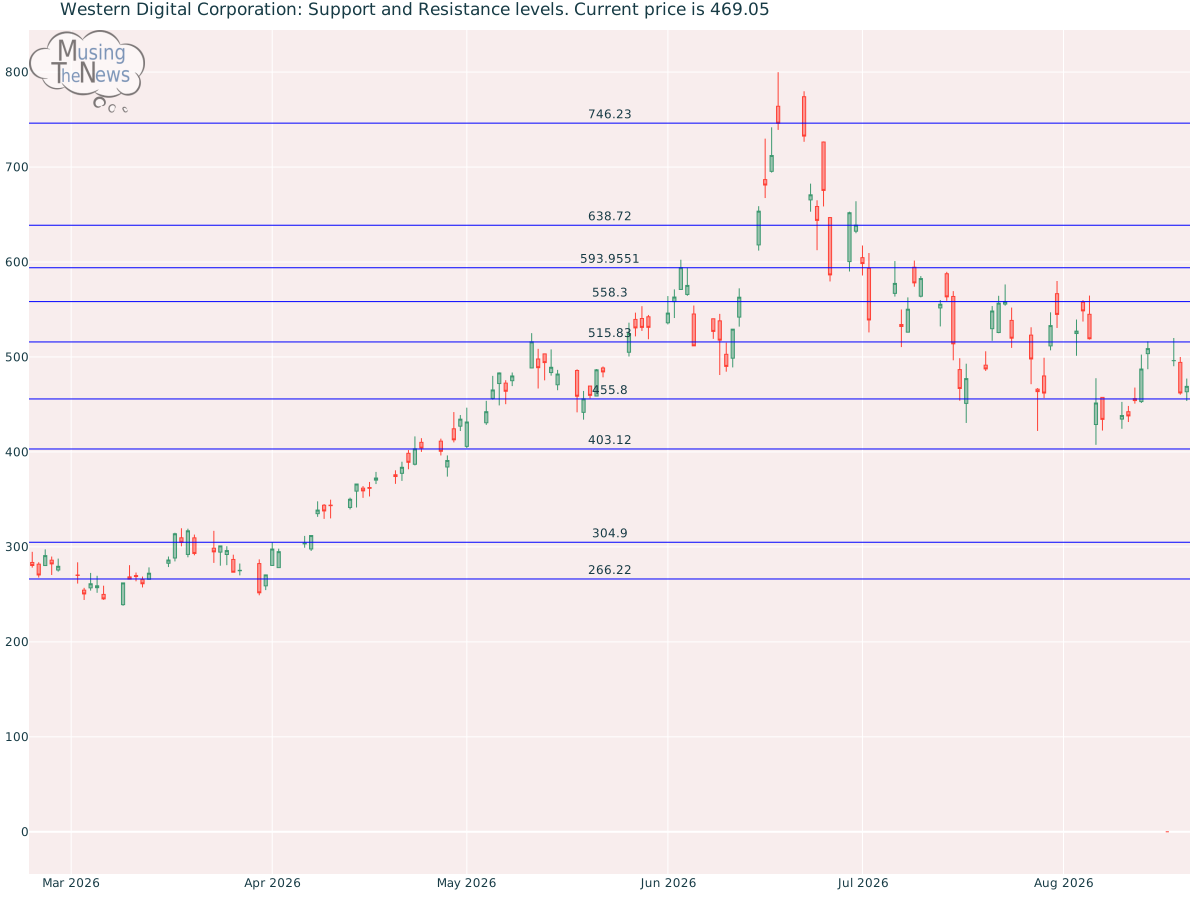
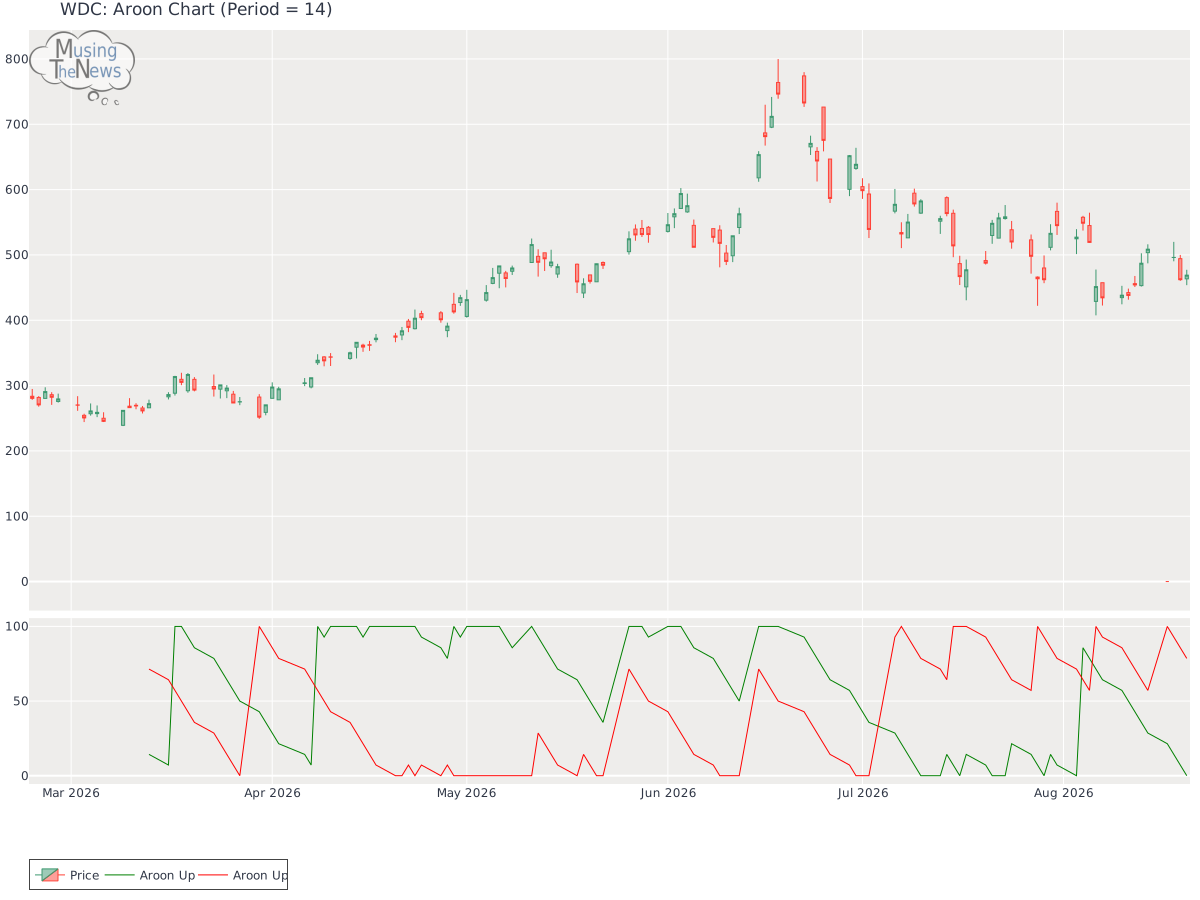
Aroon: The AROON is neutral, showing no definitive signals of a trend either upward or downward. This neutral stance indicates a period of market indecision, where the direction is unclear.
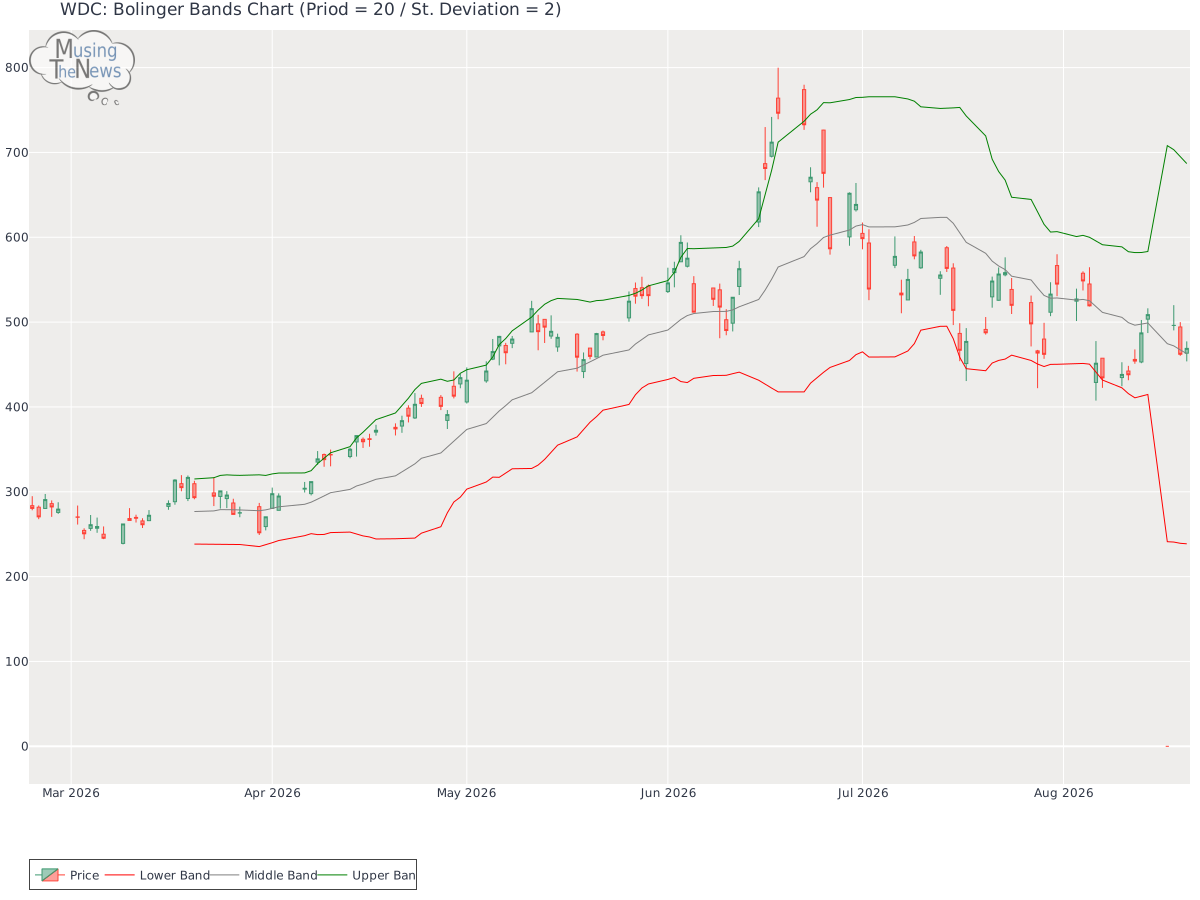
Bol. Bands: The current state of the BOLL BANDS is neutral, providing no clear signals for either an upward or downward movement. This indicates that the market may be in a state of equilibrium, with no strong momentum in either direction.
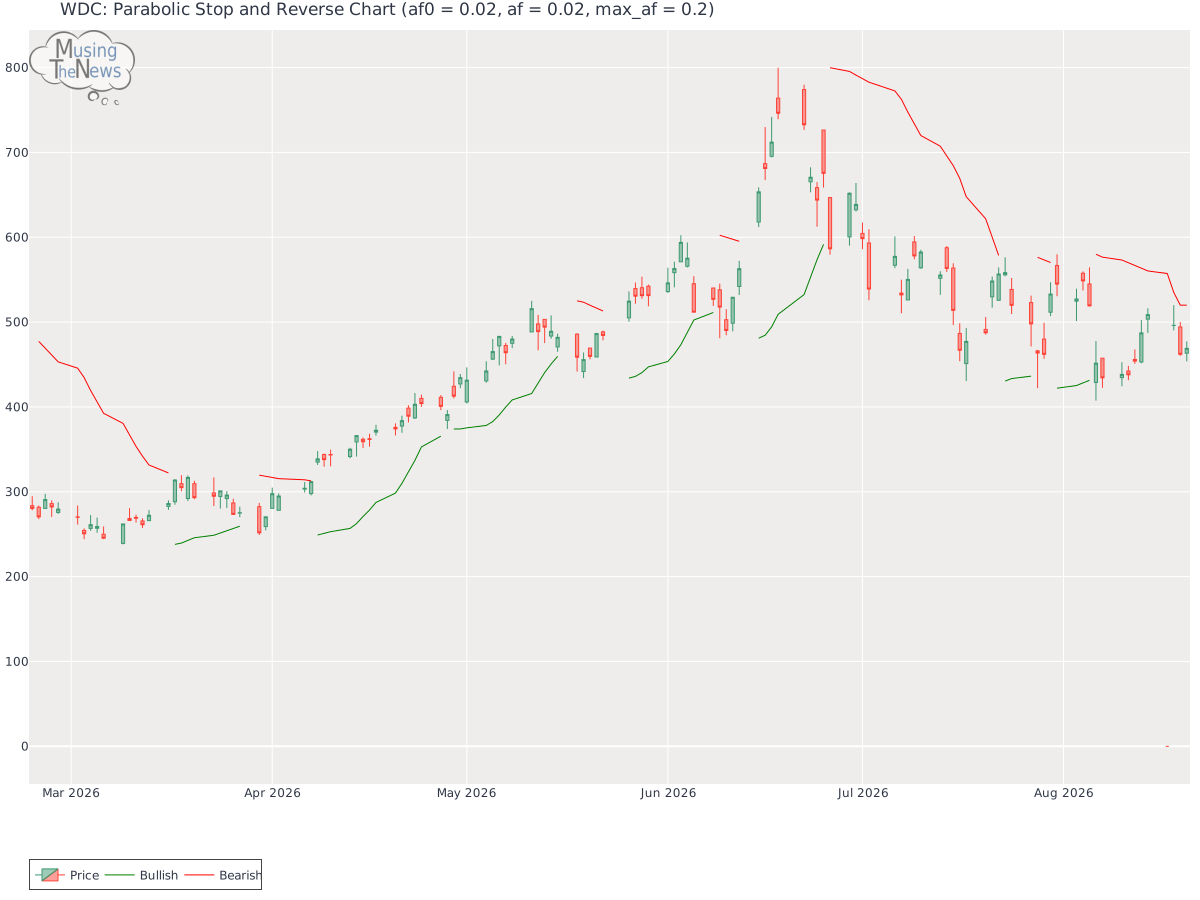
Parabolic SAR: The PSAR remains bearish, reinforcing a resistance level that could restrict any upward movement. This resistance indicates that the market may remain under bearish control, with limited potential for gains.
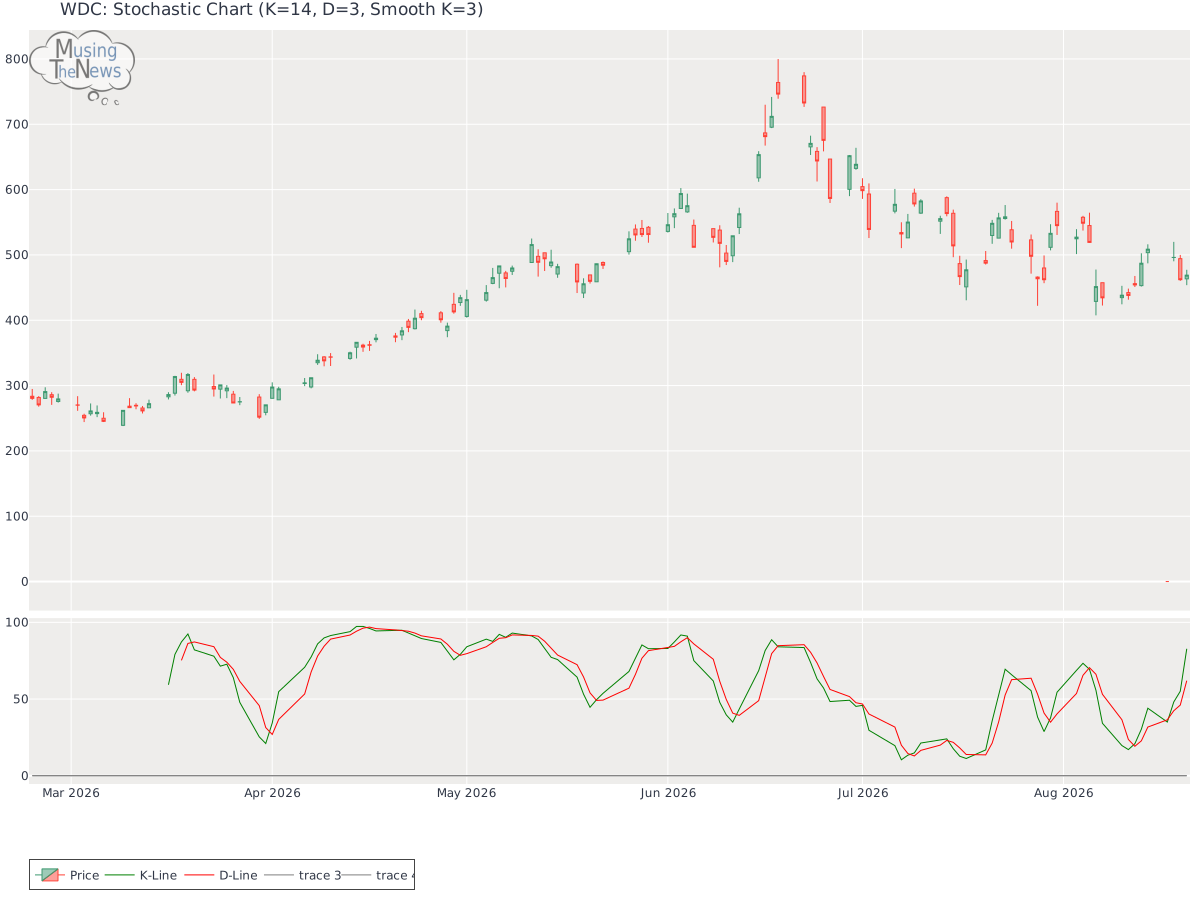
Stochastic: The stochastic indicator signals a bullish mood, with the K-line above both the D-line and the 80 threshold. This configuration indicates strong upward momentum, suggesting that the market may continue its upward trend. Traders could consider this a positive indication of strength for WDC.
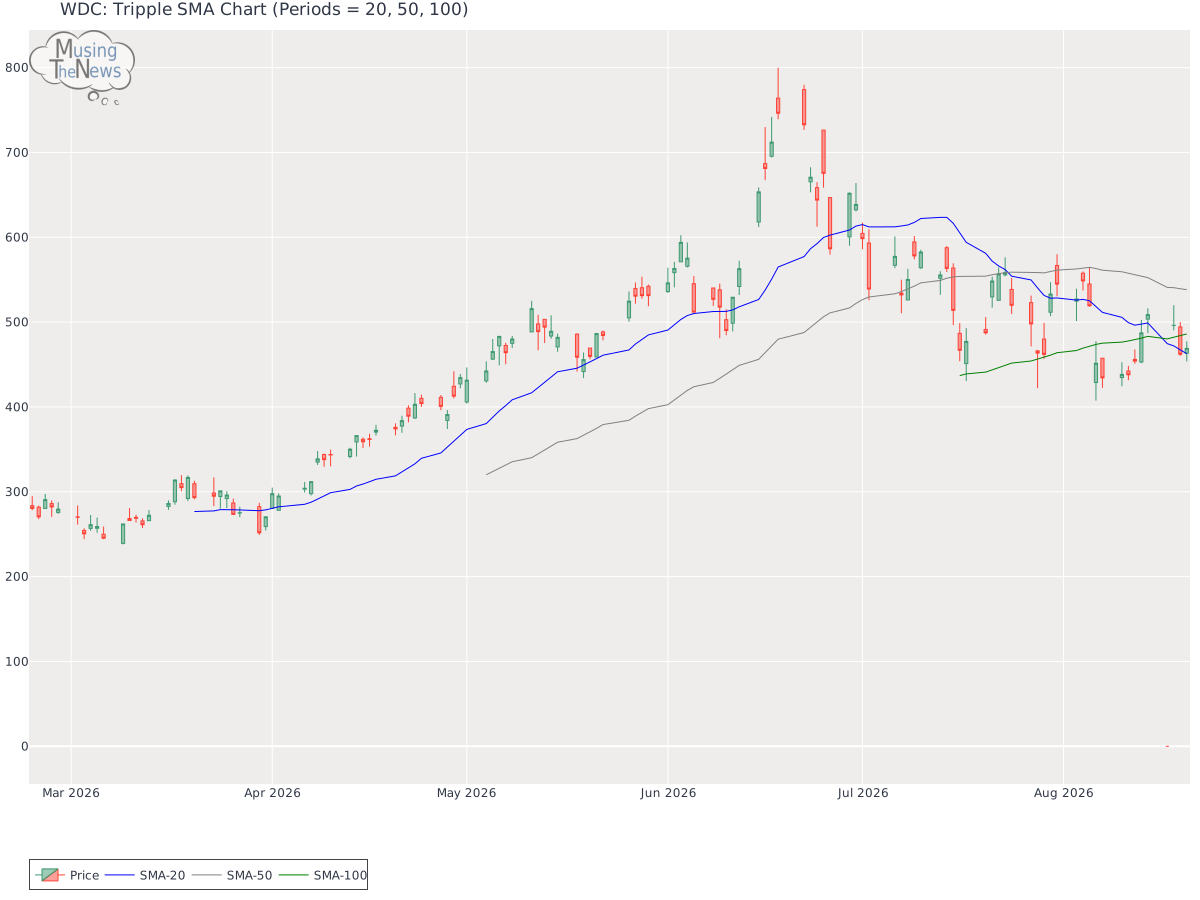
Tripple Moving Agerage: The Tripple MOVING AVG is in a neutral stance, not pointing to a clear trend in either direction. This suggests that the market may be lacking strong momentum, making it difficult to predict the next move.
When evaluating a company's technical indicators like price trends and trading volume, it's important to also assess its fundamentals. Key factors include the company's profitability, growth rate, and financial stability. Furthermore, considering the industry within which the company operates provides additional context, as factors like competition and market demand can affect performance. By combining this analysis, you can make more informed judgments about the company's future prospects.
If you have enjoyed reading, spread the word:
Good prospects:
Companies with the best and the worst technicals.
Latest Regulatory Filings for SP5
Companies with the best and the worst fundamentals.

When Losing Money Pays: America's Broken Market Logic
The Hidden Time Bomb in AI Finance
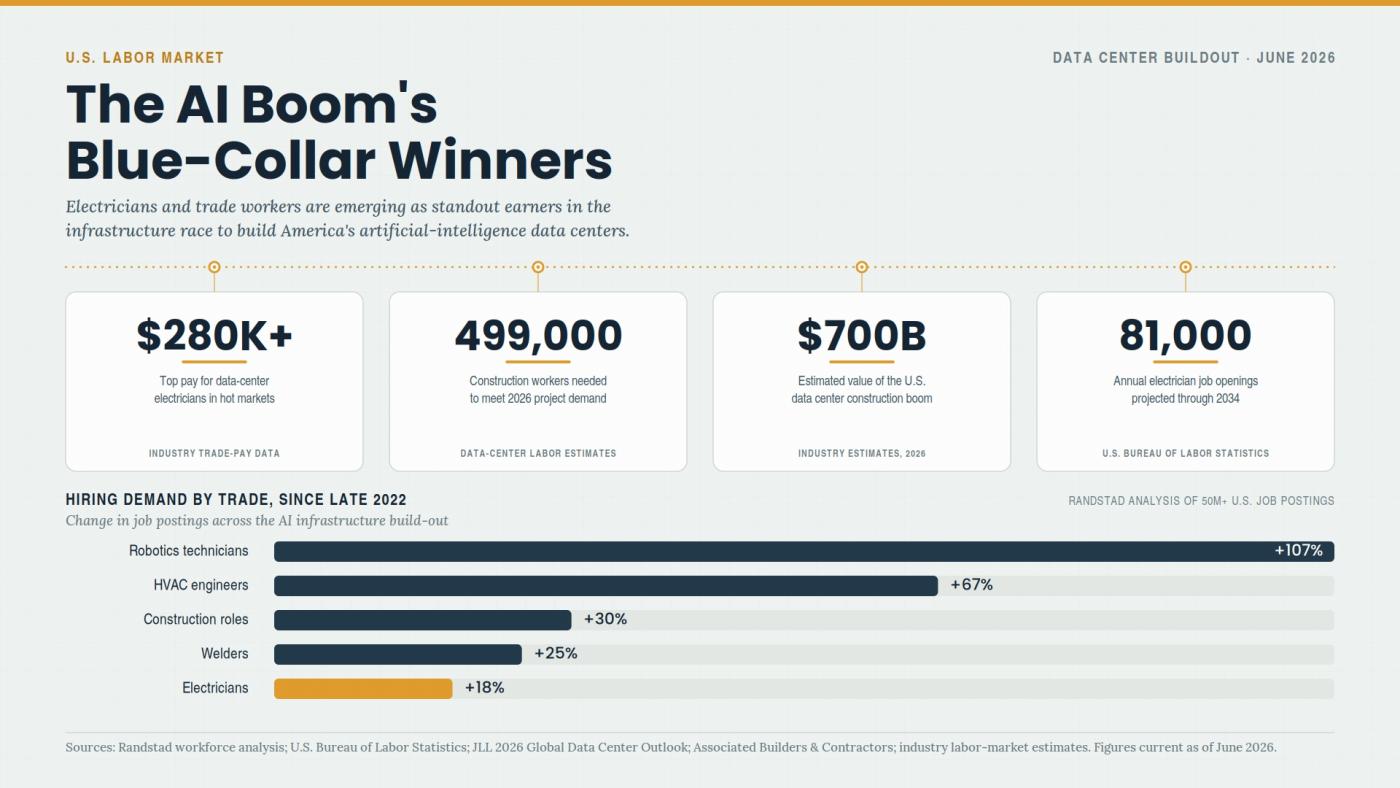
Why Electricians Now Out-Earn Software Engineers