
More about Vulcan Materials Company
Regulatory Filings for Vulcan Materials Company
Fundamentals for Vulcan Materials Company

AI Learns to Read the Federal Reserve

AI Subscriptions Rewrite the Inflation Playbook

Diversification Shielded U.S. Banks

Repo, Debt and Risk: The Fed's Untold Warning for 2026
Technicals for Vulcan Materials Company



Price Summary
On 2026-08-20, Vulcan Materials Company's shares started at 272.01, peaked at 275.1, bottomed out at 270.47, and ended -0.49% down at 270.67, with 583000 shares traded.Over the past 52 weeks, the stock reached a maximum price of 330.37 and a minimum price of 0.0.
Technicals
Support and Resistance: The price of 270.67 is supported at 263.81 and faces resistance at 279.88. This range suggests key levels for VMC where the price may stabilize, with 263.81 acting as a support and 279.88 as a cap on gains.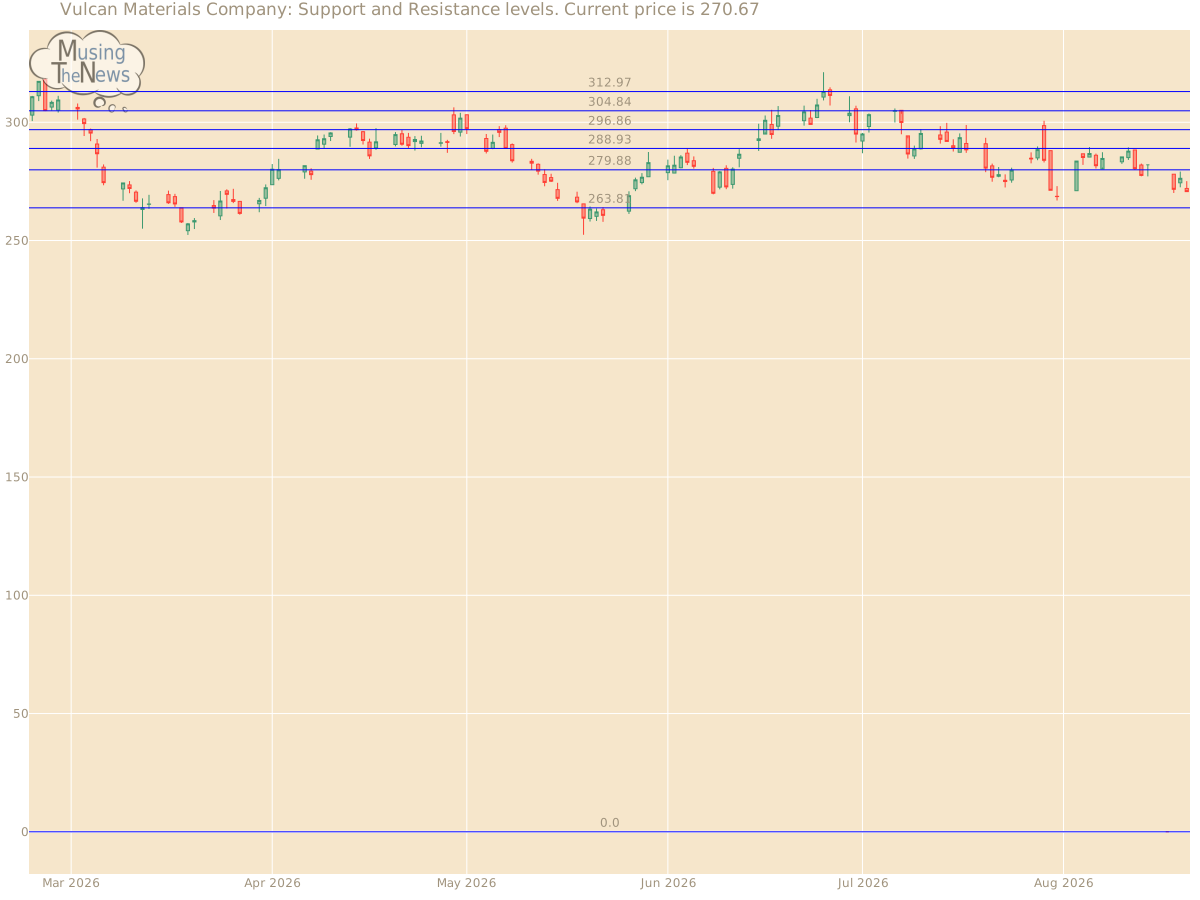
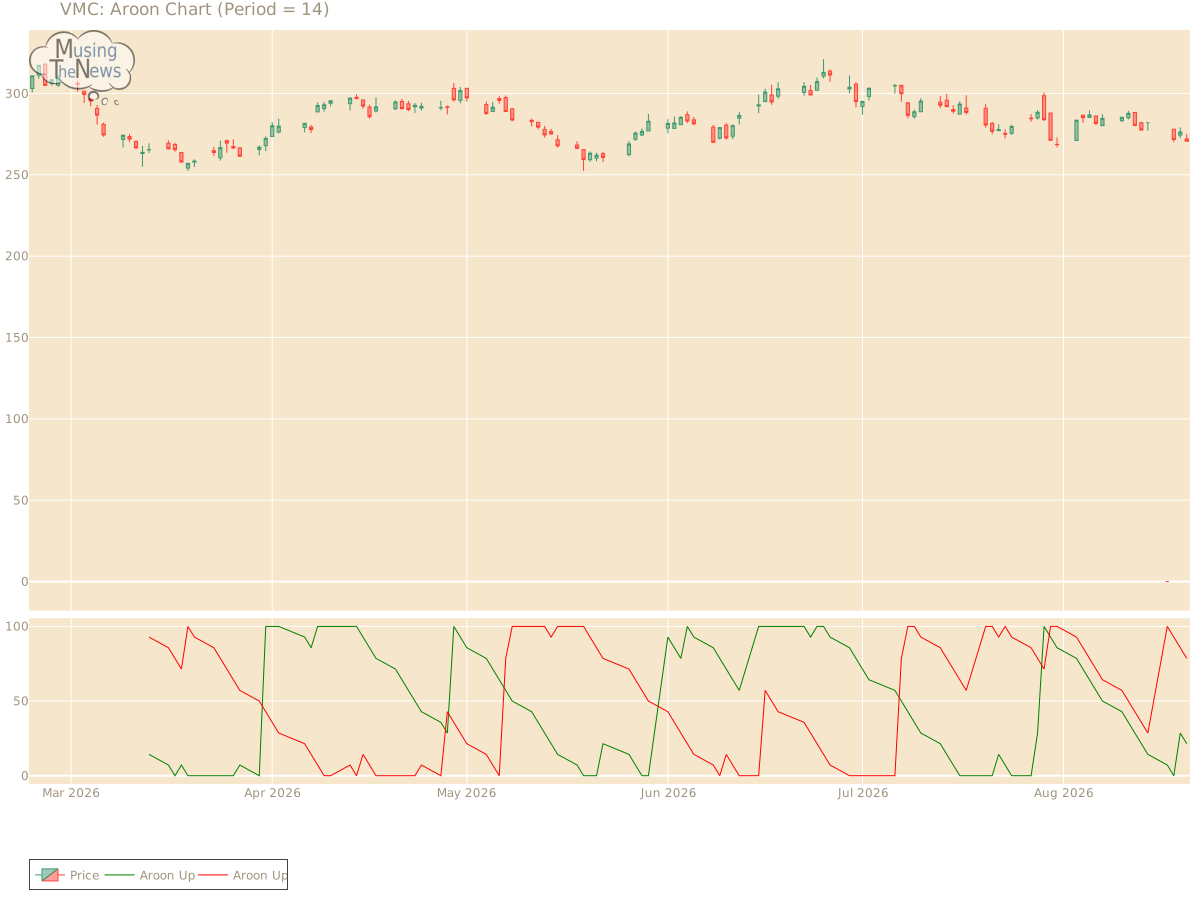
Aroon: The AROON is currently neutral, offering no clear guidance on market direction. This suggests that the market may be in a state of pause, with no strong trend emerging.
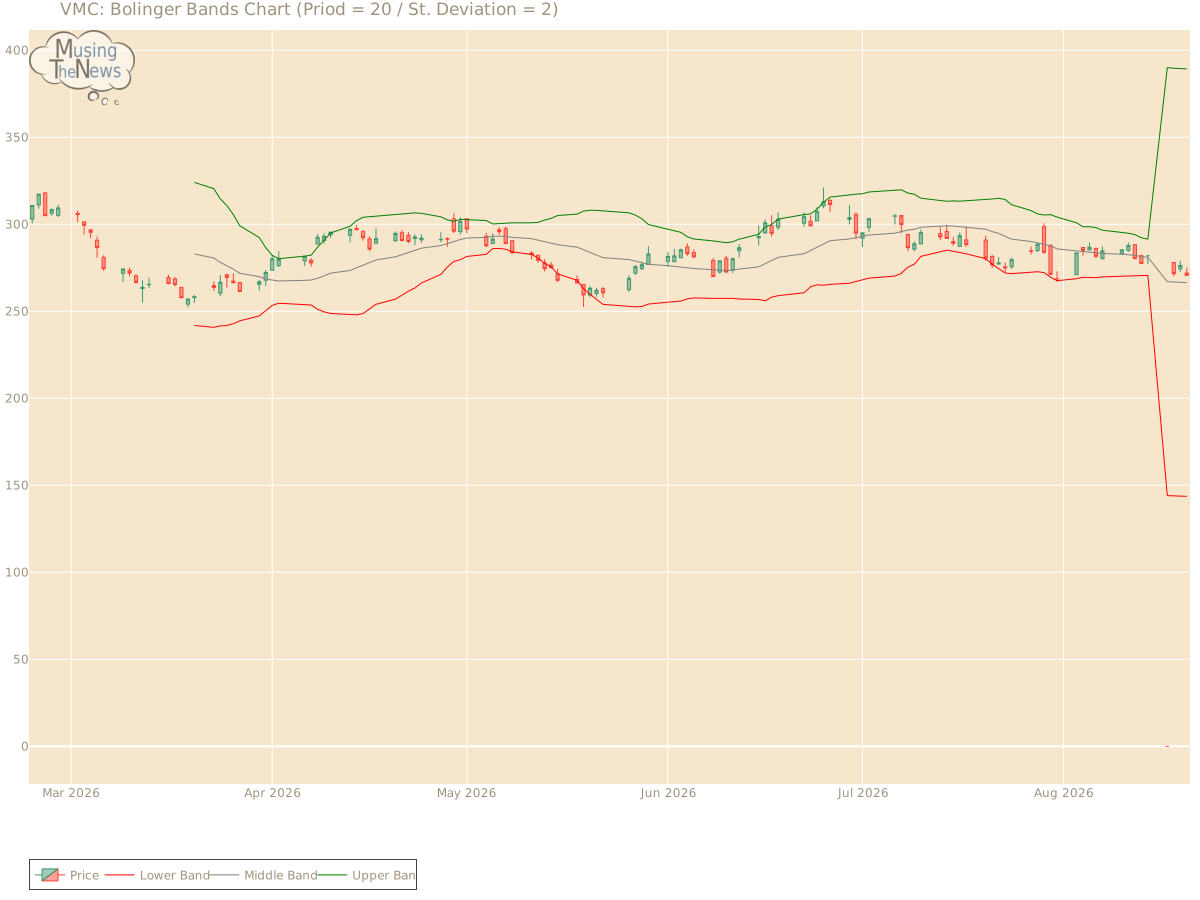
Bol. Bands: The BOLL BANDS is currently neutral, showing no clear bias toward an upward or downward trend. This suggests that the market may be in a phase of indecision or consolidation.
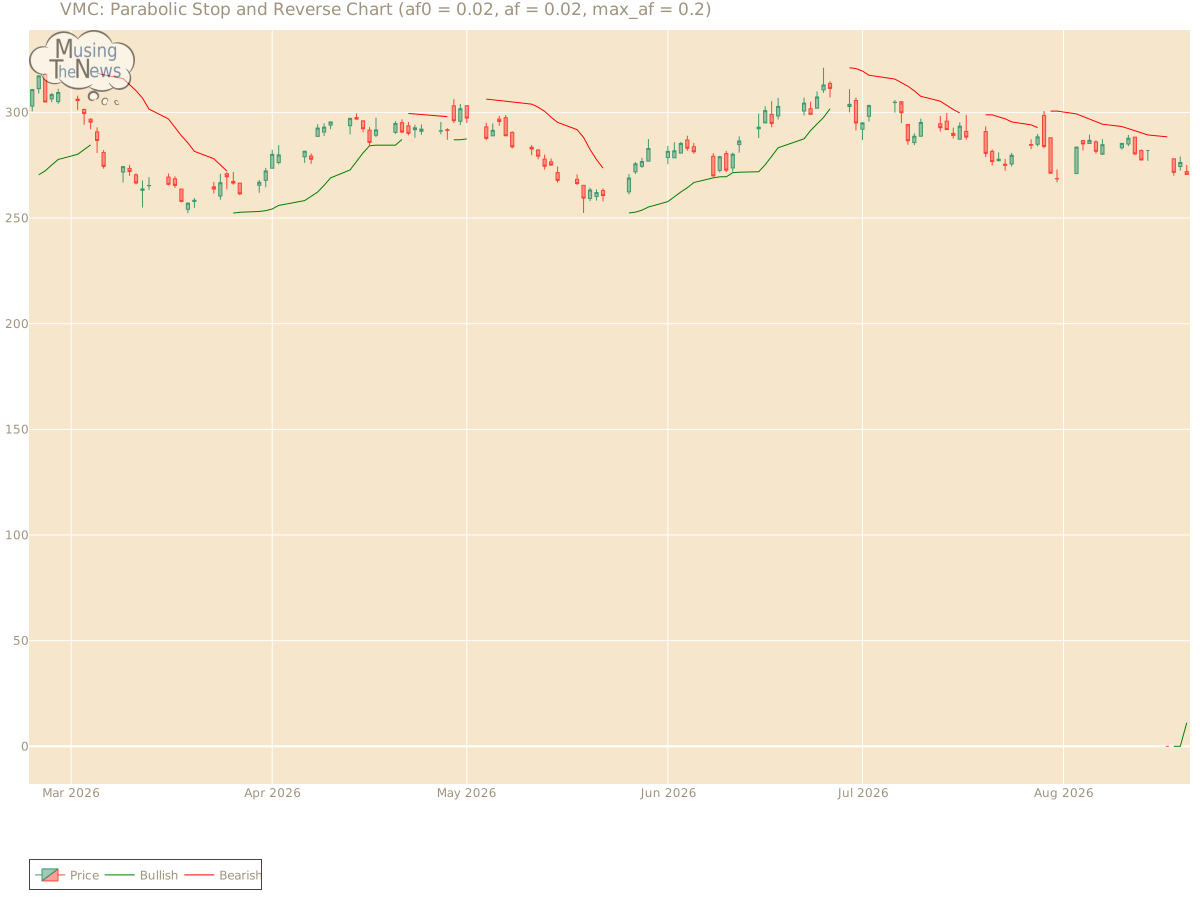
Parabolic SAR: The PSAR for VMC continues to signal a bullish outlook, establishing a crucial support level that may help sustain the current upward momentum. This level of support suggests that the market is likely to continue trending higher, providing a foundation for ongoing bullish movement.
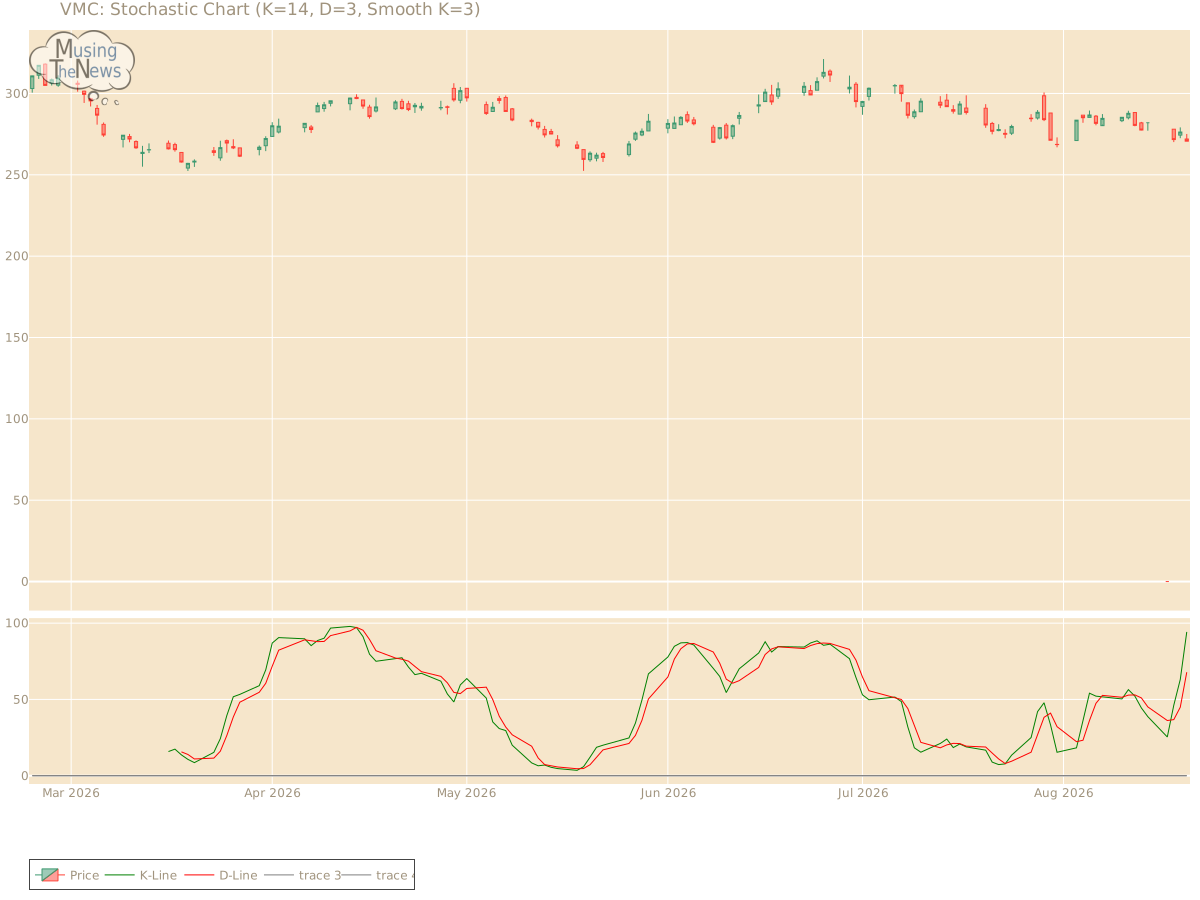
Stochastic: The stochastic indicator for VMC reflects a bullish outlook, with the K-line positioned above the D-line and surpassing the 80 mark. This setup suggests strong upward momentum, implying that the market may continue to rise. Investors may interpret this as a positive signal for further gains.
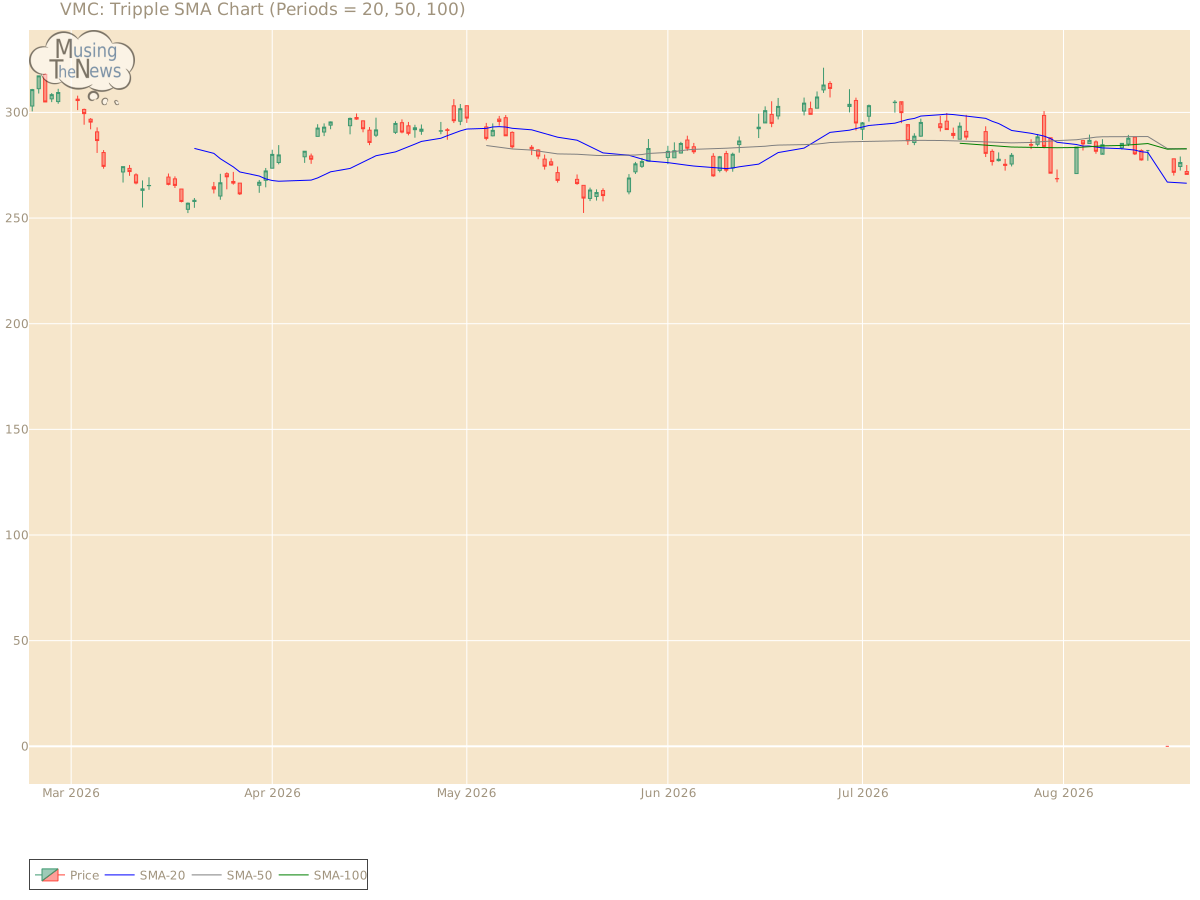
Tripple Moving Agerage: The Tripple MOVING AVG is currently in a neutral position for Vulcan Materials Company, offering no clear guidance on whether the market is likely to move up or down. This neutral stance suggests that further observation may be necessary before a trend becomes apparent.
Before focusing on a company's technical data, such as stock price movements, it's essential to analyze its fundamentals. These include factors like profitability, cash flow, and debt management. Additionally, considering the broader industry landscape—including market trends, competition, and regulatory changes—offers deeper insights. This comprehensive approach allows for a more meaningful interpretation of the company's technical indicators, providing a clearer picture of its financial health and future prospects.
If you have enjoyed reading, spread the word:
Good prospects:
Companies with the best and the worst technicals.
Latest Regulatory Filings for SP5
Companies with the best and the worst fundamentals.

When Losing Money Pays: America's Broken Market Logic

The Hidden Time Bomb in AI Finance
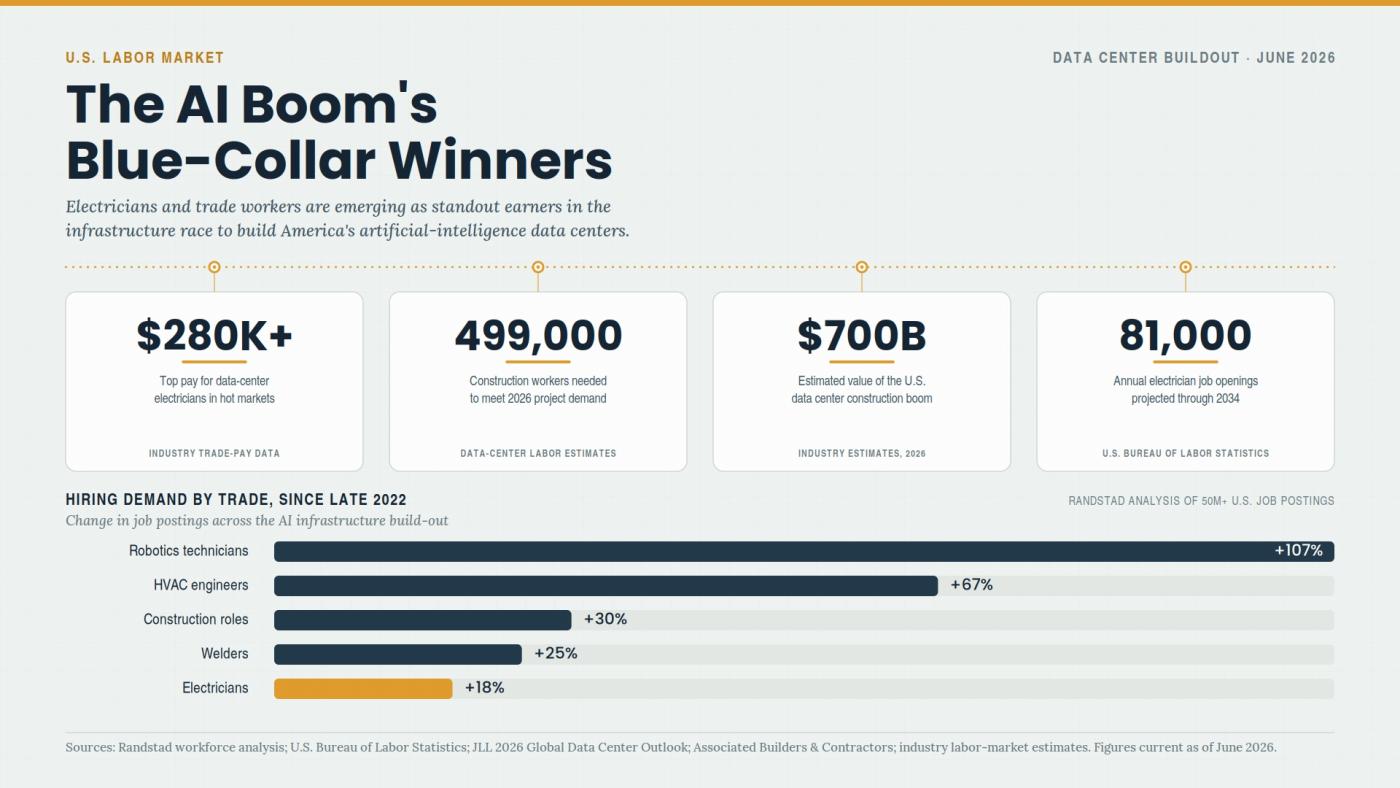
Why Electricians Now Out-Earn Software Engineers