
More about Vulcan Materials Company
Regulatory Filings for Vulcan Materials Company
Fundamentals for Vulcan Materials Company

AI Learns to Read the Federal Reserve

AI Subscriptions Rewrite the Inflation Playbook

Diversification Shielded U.S. Banks

Repo, Debt and Risk: The Fed's Untold Warning for 2026
Fundamentals for Vulcan Materials Company



Business Operations:
Sector: Basic MaterialsIndustry: Building Materials
Vulcan Materials Company produces and supplies construction aggregates in the United States. It operates through three segments: Aggregates, Asphalt, and Concrete. The company provides crushed stone, sand and gravel, sand, and other aggregates for use in construction and maintenance of highways, streets, and other public works, as well as in the construction of housing and commercial, industrial, and other nonresidential facilities; aggregates that are used as ballast for construction and maintenance of railroad tracks; riprap and jetty stones for use in erosion control along roads and waterways; asphalt mix; asphalt construction paving services; and ready-mixed concrete products. The company was formerly known as Virginia Holdco, Inc. and changed its name to Vulcan Materials Company. Vulcan Materials Company was founded in 1909 and is headquartered in Birmingham, Alabama.
Revenue projections:

Revenues for VMC are forecasted to decline from last year's levels, prompting caution among investors. When revenues fall, it can have a significant negative impact on the company's bottom line, reducing profitability and making the stock less attractive to risk-averse investors.
Financial Ratios:
| currentRatio | 1.757000 |
|---|---|
| forwardPE | 25.169744 |
| debtToEquity | 58.220000 |
| earningsGrowth | 0.027000 |
| revenueGrowth | 0.025000 |
| grossMargins | 0.275060 |
| operatingMargins | 0.216110 |
| trailingEps | 8.480000 |
| forwardEps | 10.792720 |
With a current ratio 1.757, Vulcan Materials Company demonstrates the ability to service its short-term debt without difficulty. The company's strong cash reserves and current assets ensure that it can meet its liabilities, reflecting financial stability and healthy liquidity.
VMC's Forward PE is in a favorable range, suggesting the stock is reasonably priced relative to its earnings. This indicates the stock is not overpriced, providing room for potential growth and making it an attractive option for investors looking for solid value and future upside.
VMC's negative gross and operating margins highlight potential financial struggles, as the company is not covering its production or operational expenses. This could lead to broader concerns about its ability to achieve profitability.
VMC's forward EPS exceeding its trailing EPS means the company is expected to be more profitable this year than last. This suggests an upward trend in earnings, with forecasts indicating that VMC's financial performance will improve in the current financial year.
Price projections:

VMC's stock price has repeatedly hovered near the lower end of projections. This trend indicates that the company may be facing obstacles in achieving the growth anticipated by analysts.
Insider Transactions:

11 sell transactions of VMC were recorded, with market price hovering near 292.8145446777344.No sell transactions were carried out during the period under review.VMC is seeing more buys than sells at current price levels, which may indicate a positive market outlook. This trend suggests growing confidence among investors, who appear to expect favorable performance from the stock.
Recommendation changes over time:

The analysts' recent buy bias for Vulcan Materials Company indicates strong confidence in the stock's future performance. This could encourage more investors to view Vulcan Materials Company as a worthwhile investment, positioning the company as a top choice for those seeking financial security and long-term growth opportunities.
If you have enjoyed reading, spread the word:
Good prospects:
Companies with the best and the worst technicals.
Latest Regulatory Filings for SP5
Companies with the best and the worst fundamentals.

When Losing Money Pays: America's Broken Market Logic
The Hidden Time Bomb in AI Finance
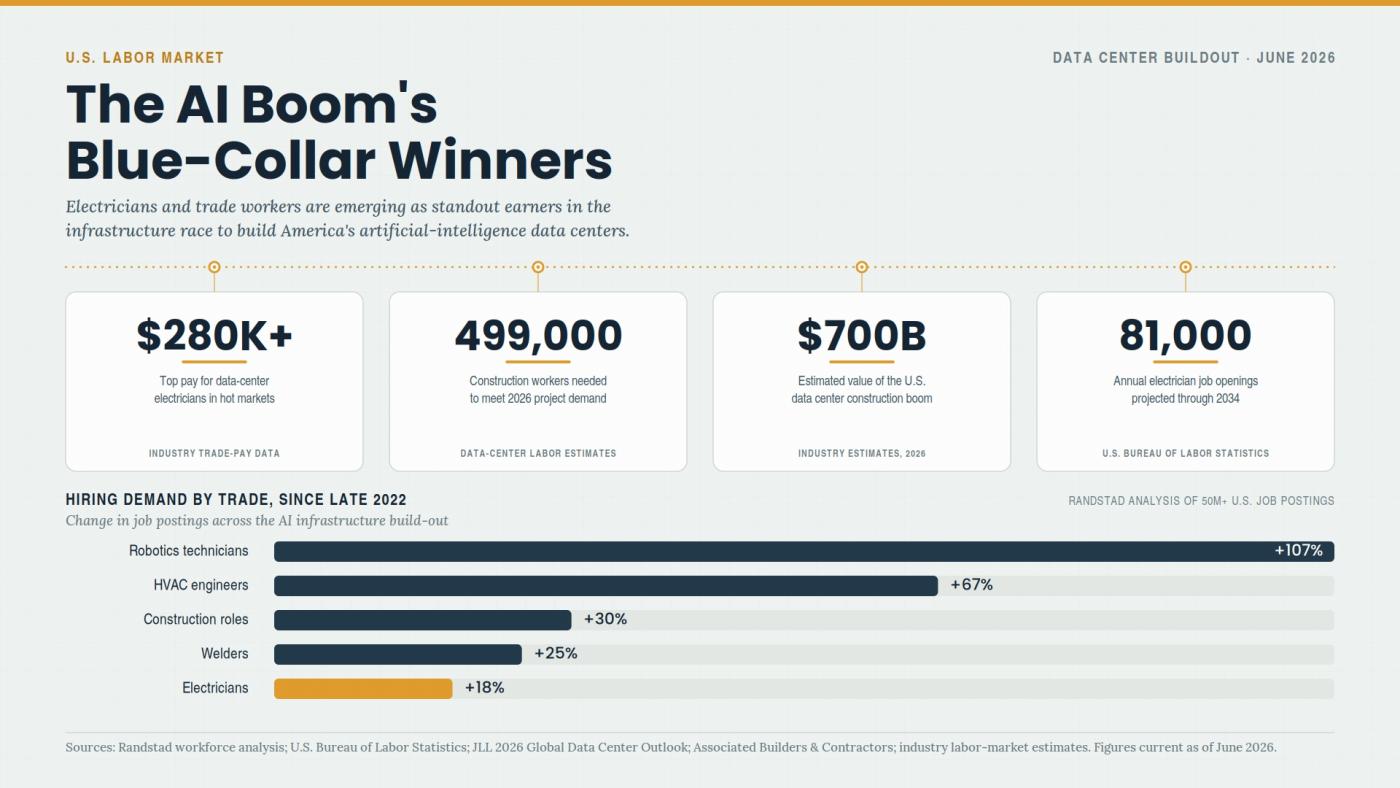
Why Electricians Now Out-Earn Software Engineers