
AI Learns to Read the Federal Reserve

AI Subscriptions Rewrite the Inflation Playbook

Diversification Shielded U.S. Banks

Repo, Debt and Risk: The Fed's Untold Warning for 2026
Technicals for UDR, Inc.



Price Summary
UDR, Inc.'s stock opened at 37.56 on 2026-08-20, surged to 37.97, hit a low of 37.39, and closed up 0.35% at 37.69, with 2052300 shares traded.The stock's highest value over the last 52 weeks is 41.24, and the lowest value is 0.0.
Technicals
Support and Resistance: The price of 37.69 is supported at 37.04 and capped by resistance at 38.09. These levels mark key points for UDR, Inc. where the price could find stability, with 37.04 as a floor and 38.09 as a ceiling.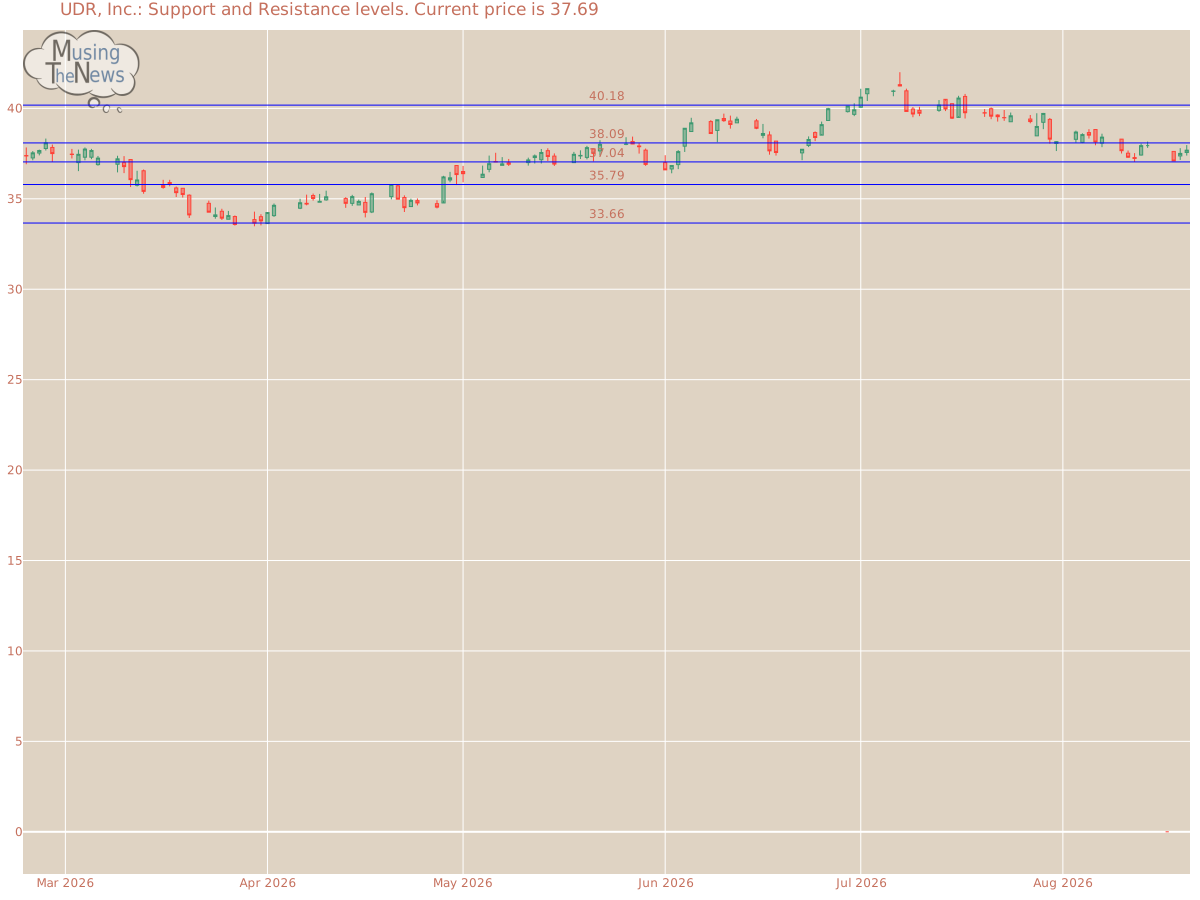
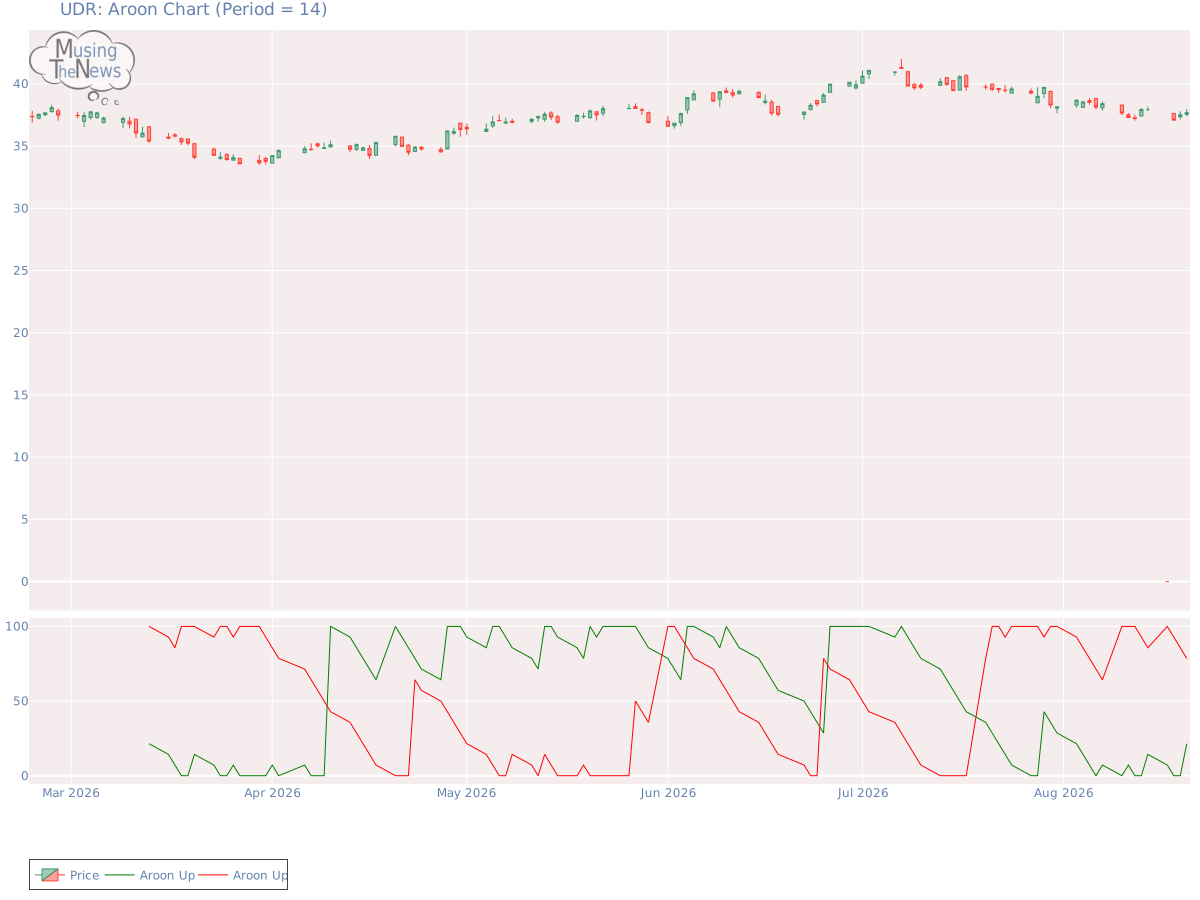
Aroon: The current reading of the AROON is neutral for UDR, with no clear signals for an upward or downward trend. This indicates that the market may be in a state of uncertainty, with no dominant force driving the direction.
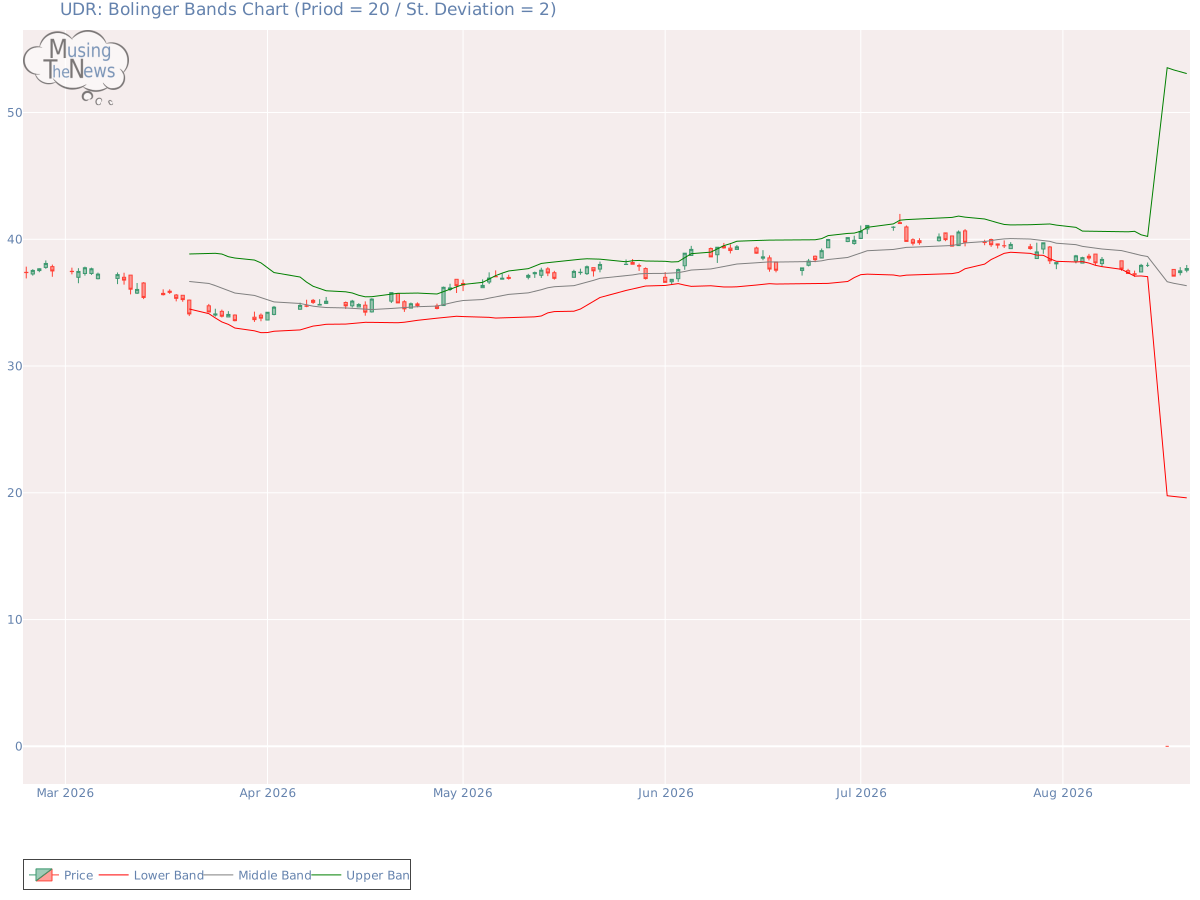
Bol. Bands: The current reading of the BOLL BANDS is neutral, offering no clear signals for a movement in either direction. This suggests that the market may be in a holding pattern, with no dominant trend in place.
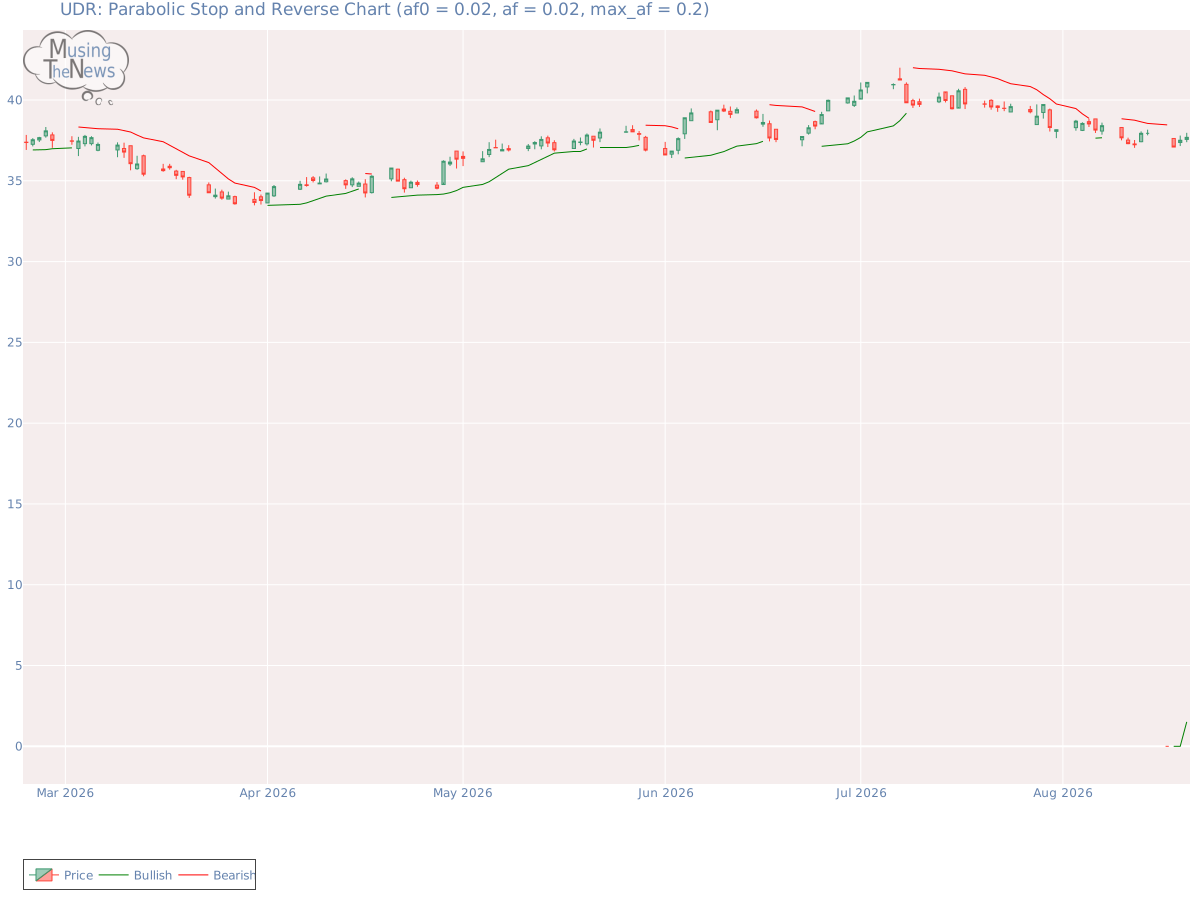
Parabolic SAR: The PSAR continues its bullish outlook, reinforcing a crucial support level that may help sustain the current upward trend. This support suggests that the market is likely to continue climbing, with the bullish momentum remaining strong.
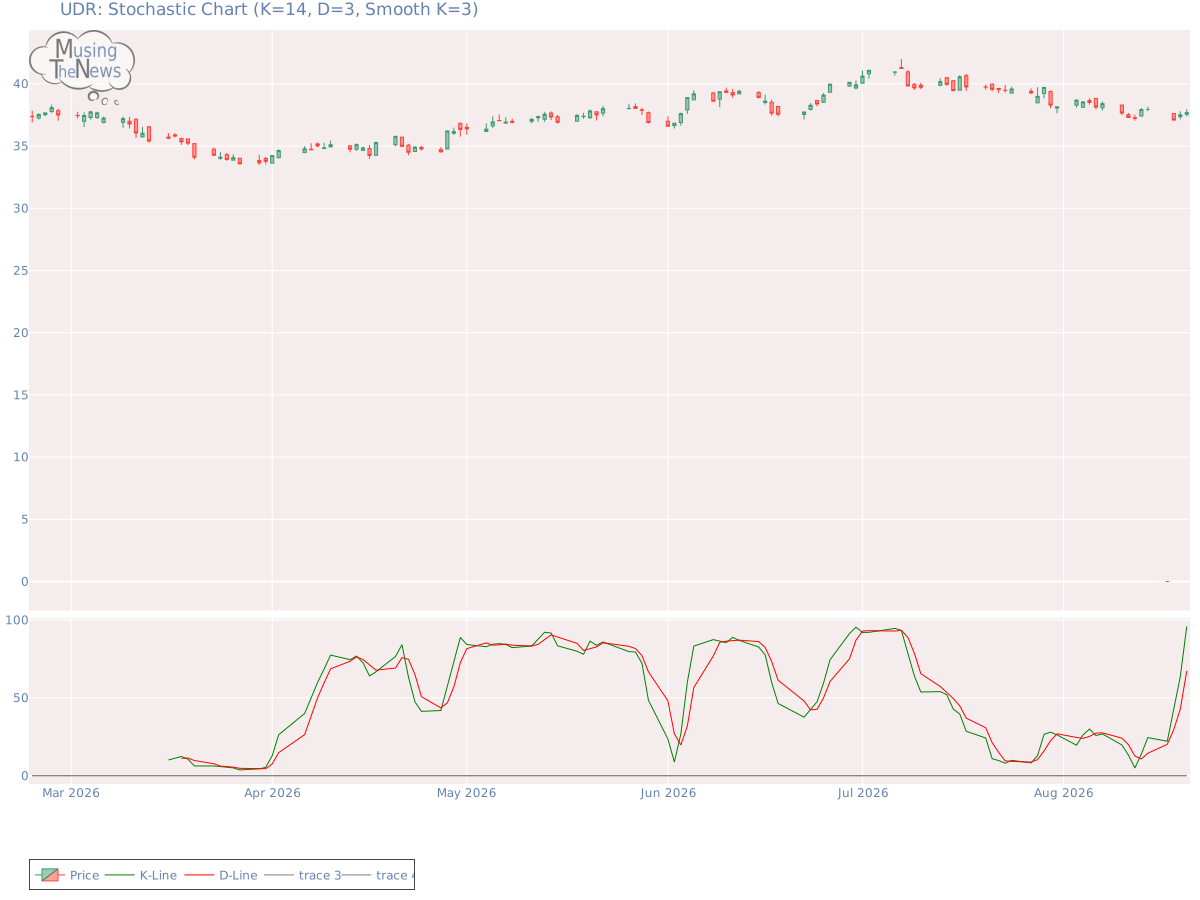
Stochastic: The stochastic indicator shows a bullish sentiment, with the K-line above both the D-line and the 80 level. This configuration indicates strong upward momentum, suggesting that UDR may continue its upward trend. Traders might view this as a sign of sustained strength.
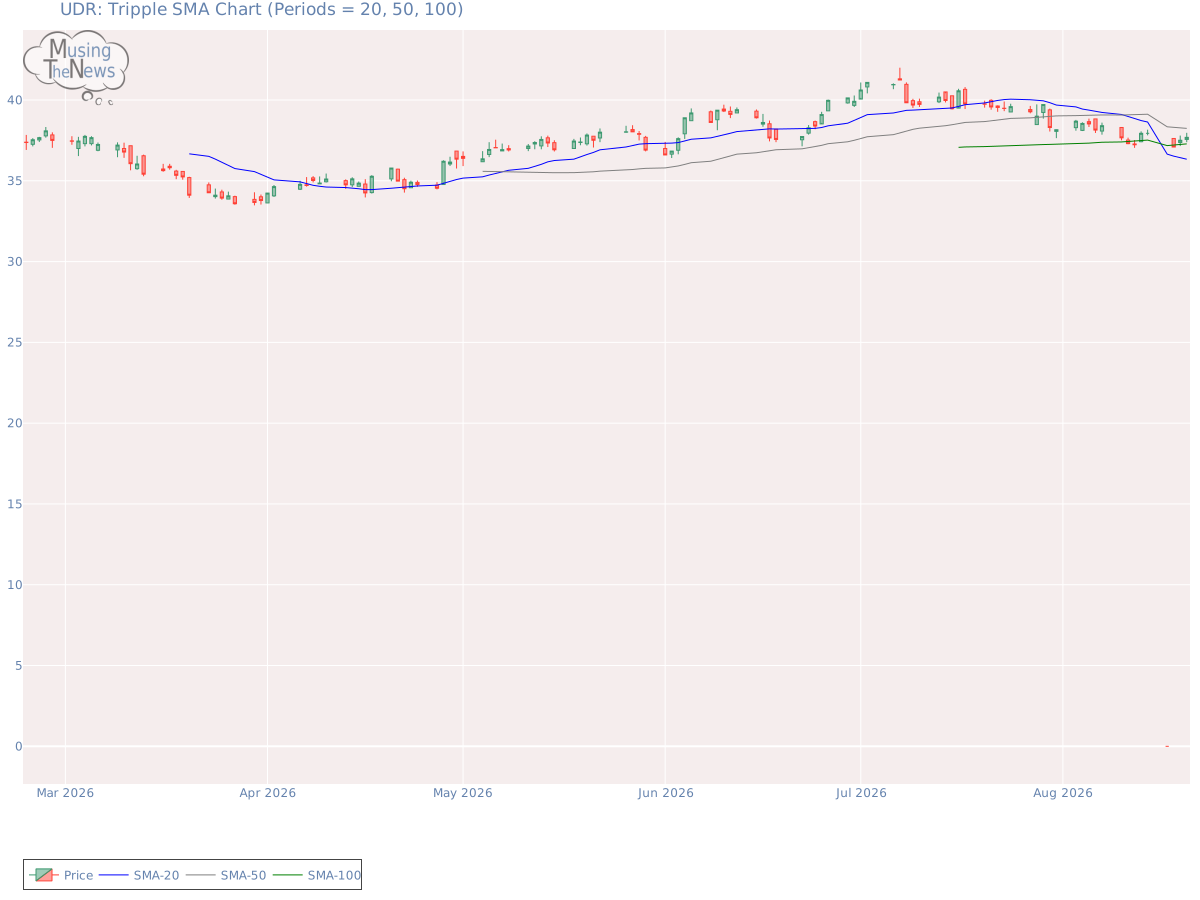
Tripple Moving Agerage: The current state of the Tripple MOVING AVG is neutral, offering no clear signals of movement in either direction. This suggests a potential pause in market activity, with no strong trend emerging at the moment.
A thorough analysis of a company involves looking beyond its stock price movements and trading patterns. You must also examine its fundamentals, which include profitability, growth prospects, and competitive advantages. Additionally, the industry in which the company operates provides important context, as factors like technological innovations, regulation, and market demand influence performance. By integrating this information with technical analysis, more accurate predictions about the company's future can be made.
If you have enjoyed reading, spread the word:
Good prospects:
Companies with the best and the worst technicals.
Latest Regulatory Filings for SP5
Companies with the best and the worst fundamentals.

When Losing Money Pays: America's Broken Market Logic

The Hidden Time Bomb in AI Finance
Why Electricians Now Out-Earn Software Engineers