
More about United Airlines Holdings, Inc.
Regulatory Filings for United Airlines Holdings, Inc.
Fundamentals for United Airlines Holdings, Inc.

AI Learns to Read the Federal Reserve

AI Subscriptions Rewrite the Inflation Playbook

Diversification Shielded U.S. Banks

Repo, Debt and Risk: The Fed's Untold Warning for 2026
Technicals for United Airlines Holdings, Inc.



Price Summary
In today's trading session, UAL's shares dived by -2.15%, marking a lacklustre day.United Airlines Holdings, Inc.'s stock opened at 114.17 on 2026-08-20, surged to 114.17, hit a low of 110.96, and closed up -2.15% at 111.71, with 4098400 shares traded.
The stock reached its highest price of 136.11 and lowest price of 0.0 over the last 52 weeks.
Technicals
Support and Resistance: The price is currently at 111.71, supported by 105.73 and resisted by 116.43. This indicates a range where 105.73 may provide a base for the price, while 116.43 serves as a cap on further upward movement for UAL.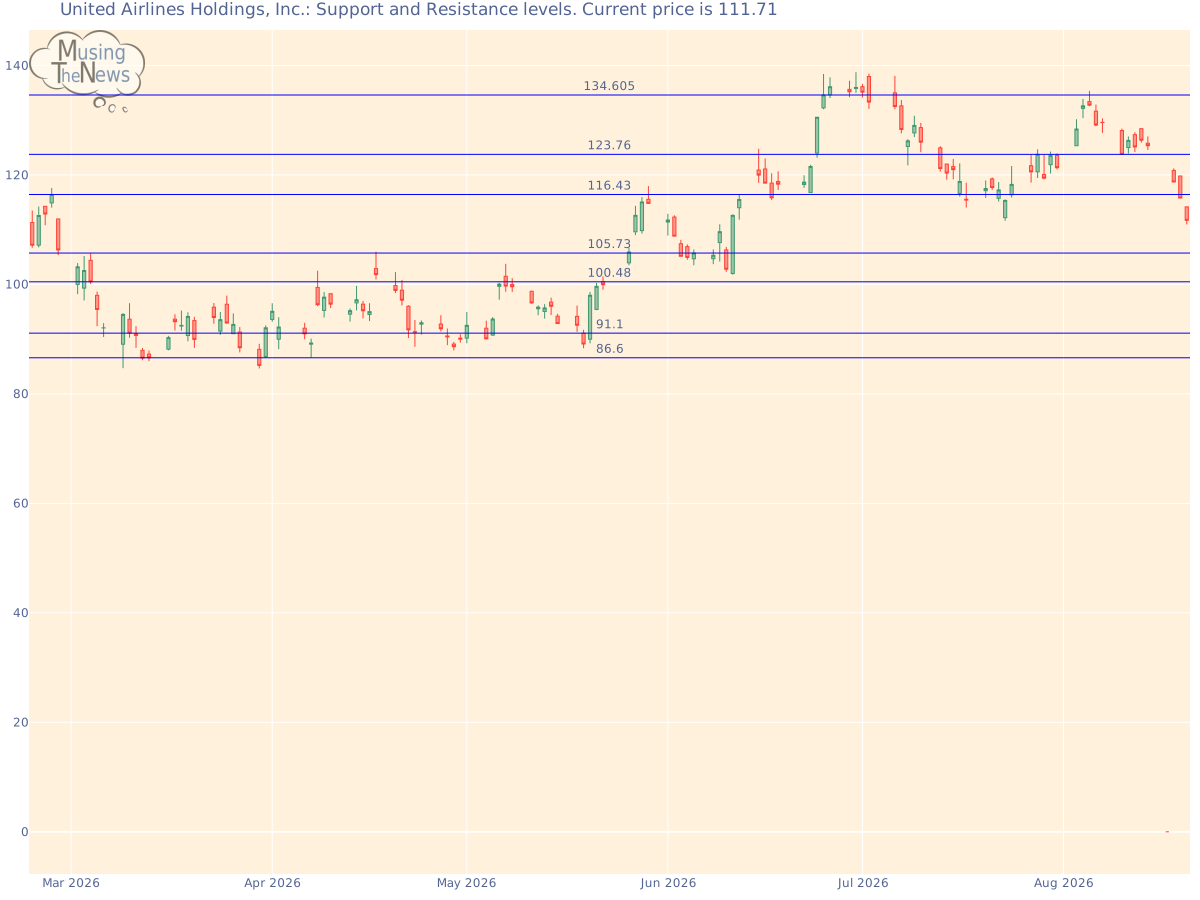
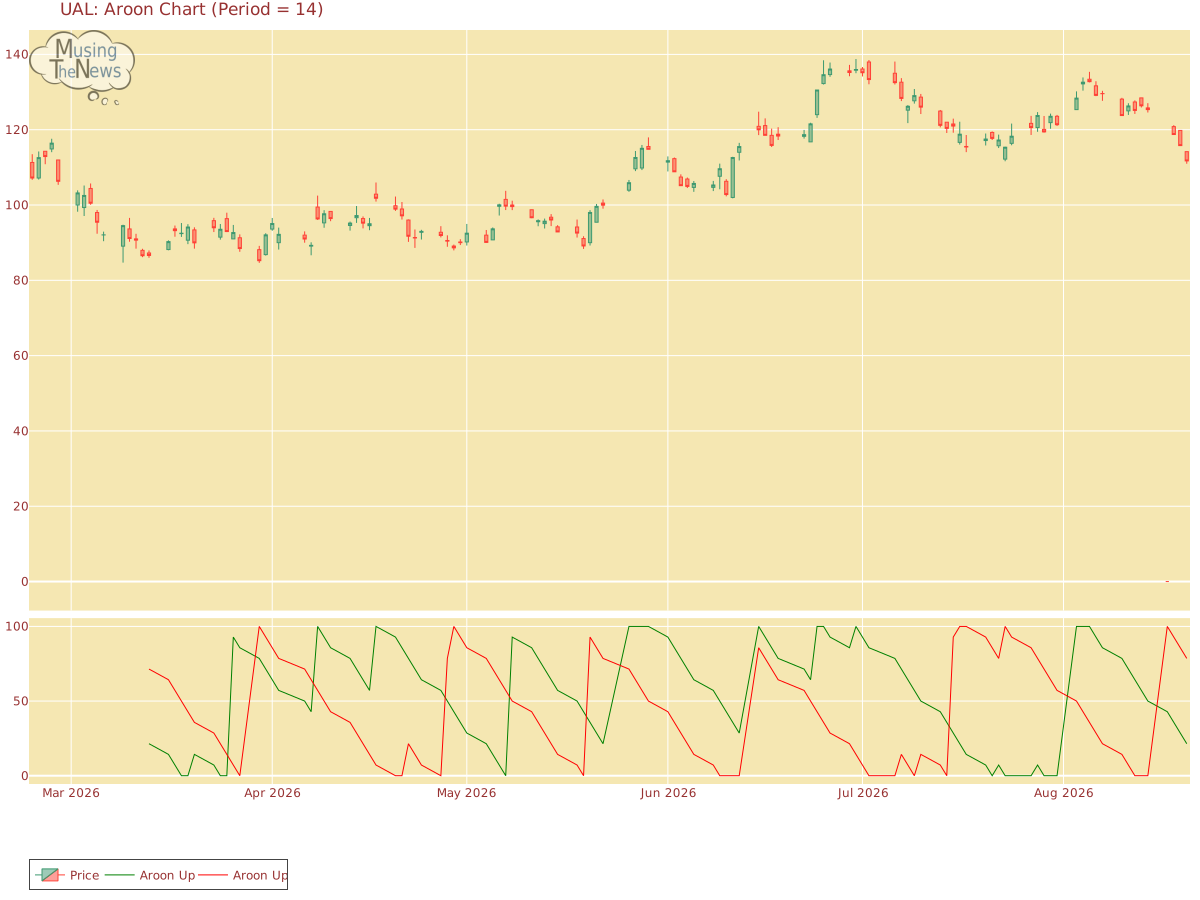
Aroon: The AROON is currently in a neutral position, offering no clear indication of movement up or down. This suggests that the market may be experiencing a period of equilibrium, with no strong trend in play.
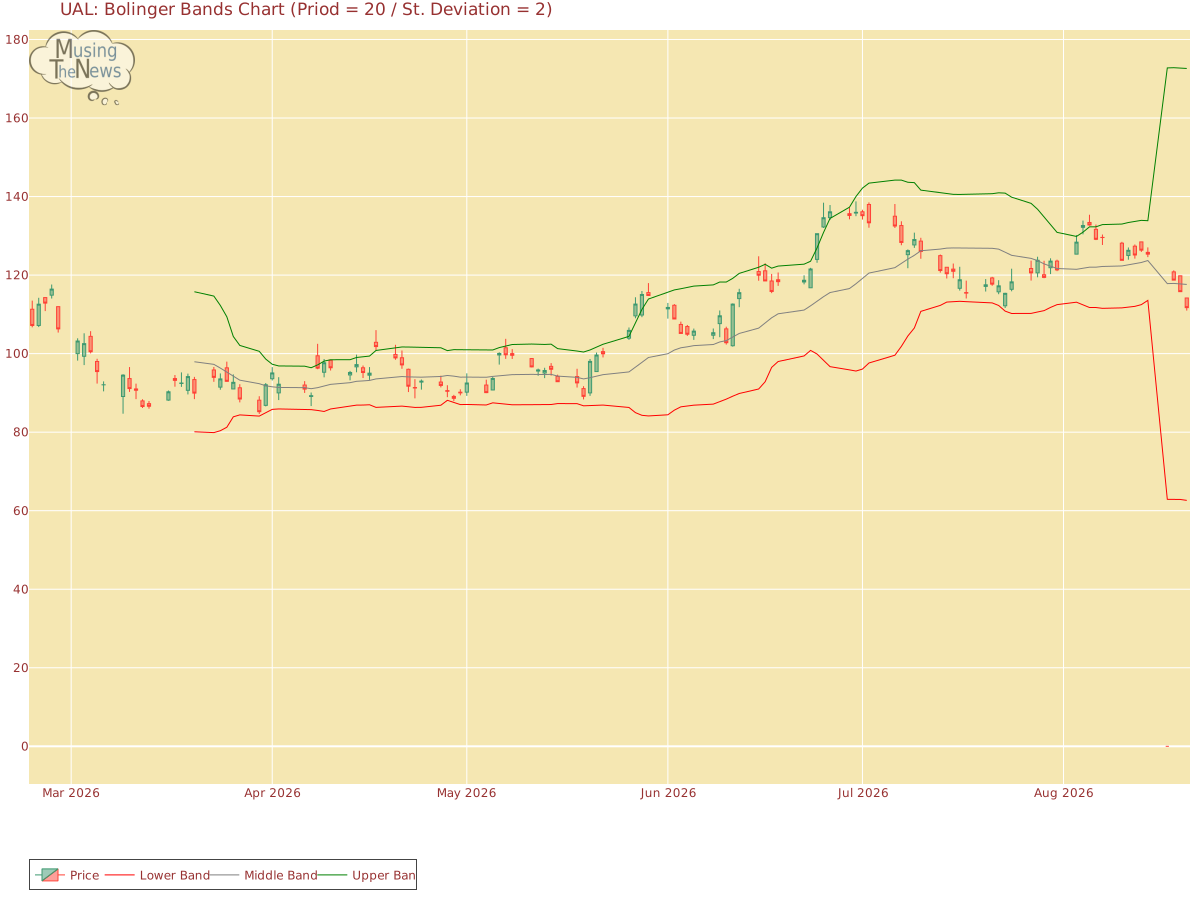
Bol. Bands: The BOLL BANDS is in a neutral stance, with no clear direction indicated for the market. This lack of clarity suggests that the market may be in a state of equilibrium for UAL, with no strong trend emerging.
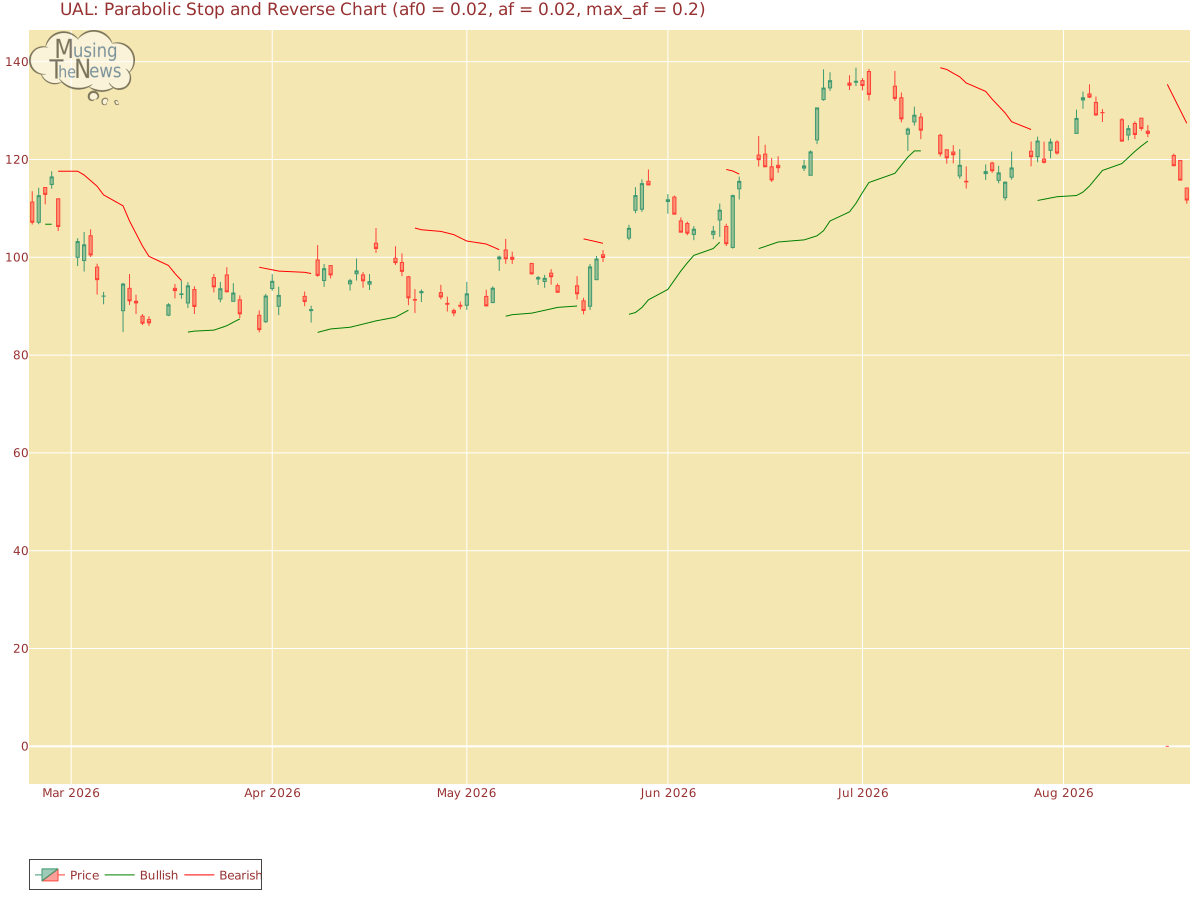
Parabolic SAR: The PSAR continues to signal a bearish outlook, setting a significant resistance level. This resistance could limit upward momentum, indicating that the market may struggle to overcome this bearish pressure in the near term.
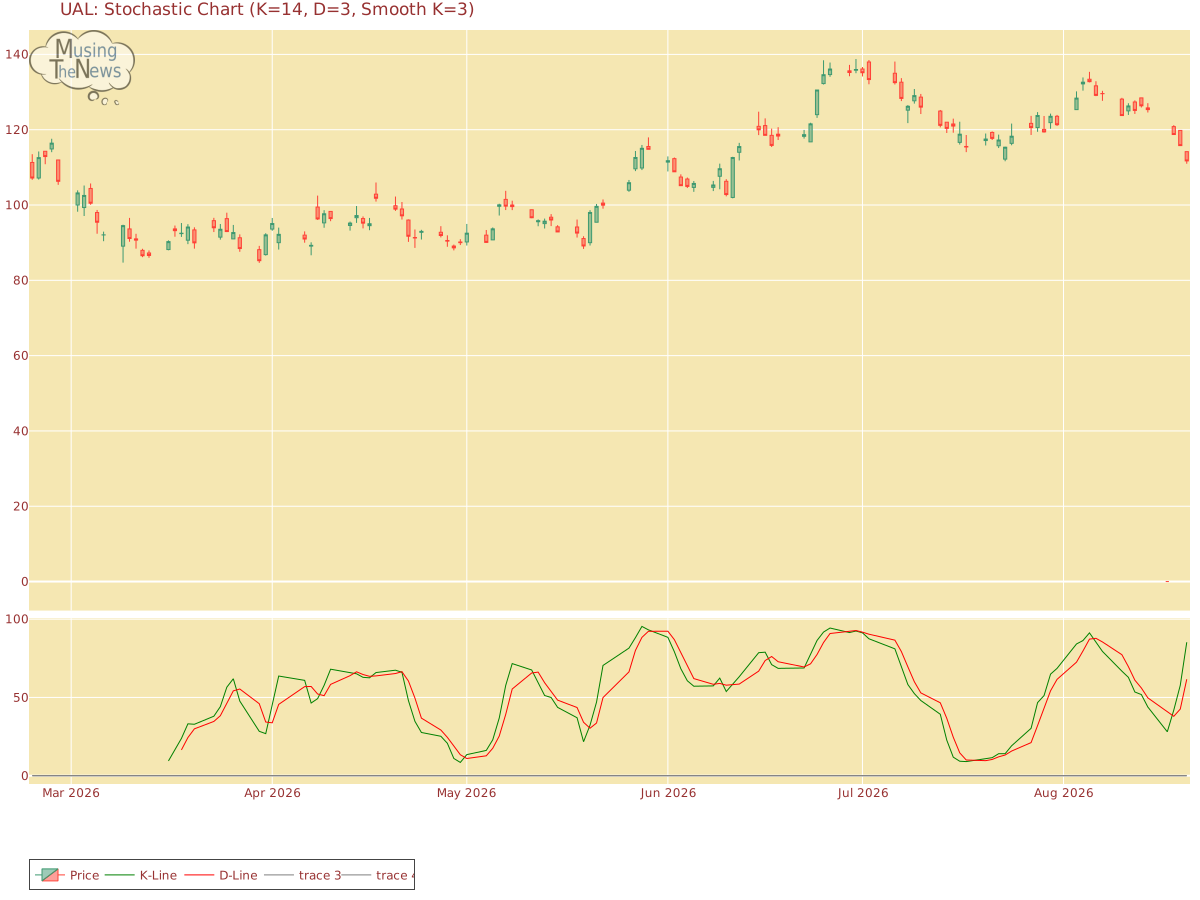
Stochastic: The stochastic indicator shows a bullish trend for UAL, with the K-line positioned above the D-line and surpassing the 80 level. This setup indicates strong upward momentum, suggesting that the market may continue its positive trajectory. Traders might view this as a sign of ongoing strength in the market.
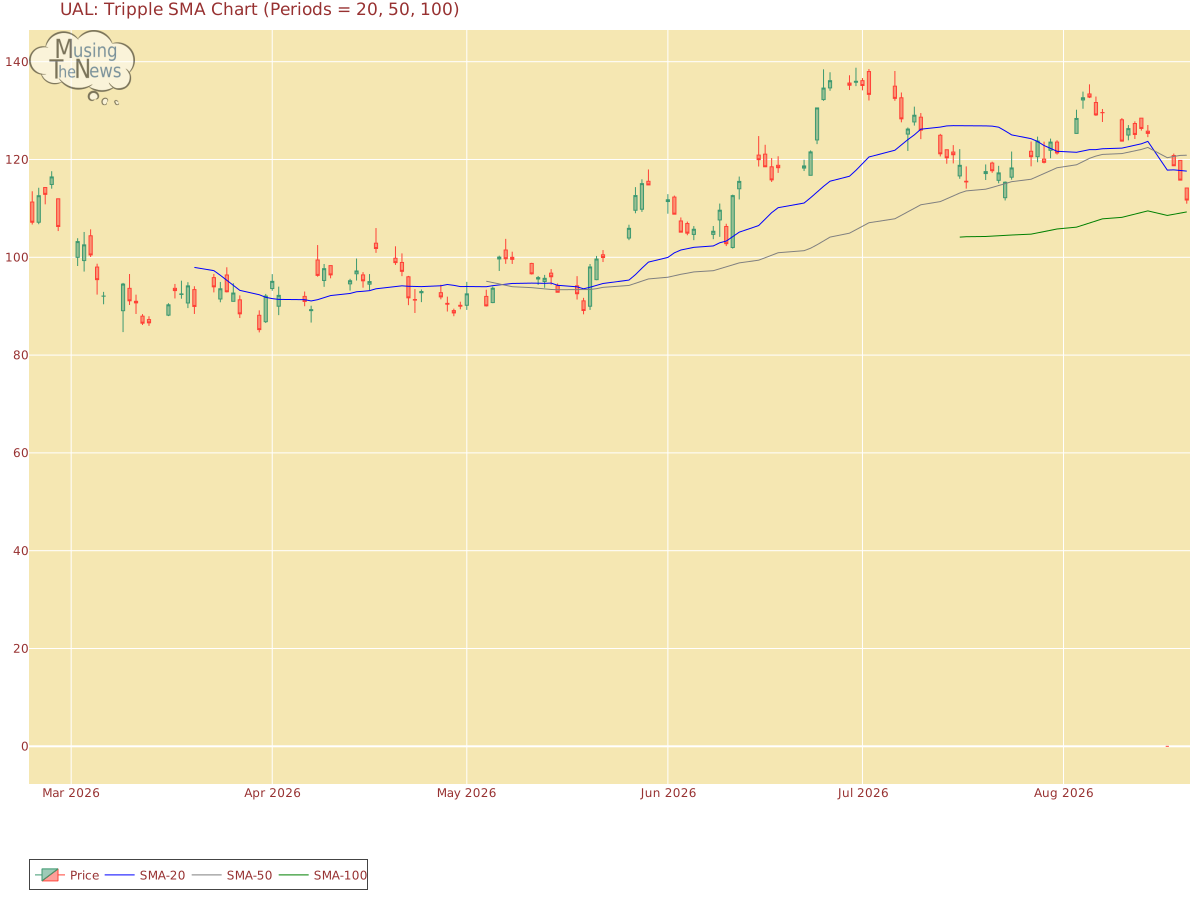
Tripple Moving Agerage: The current state of the Tripple MOVING AVG is neutral for UAL, providing no clear indication of a trend in either direction. This suggests that the market may be lacking momentum, making it difficult to predict future movements.
To accurately interpret a company's technical data, it is important to first examine its fundamentals. These include financial performance, management quality, and growth prospects. In addition, understanding the dynamics of the industry in which the company operates—such as competition, market trends, and regulatory factors—provides further insights. This combined analysis helps create a fuller picture, allowing for more precise conclusions to be drawn from the company's technical performance and stock behavior.
If you have enjoyed reading, spread the word:
Good prospects:
Companies with the best and the worst technicals.
Latest Regulatory Filings for SP5
Companies with the best and the worst fundamentals.

When Losing Money Pays: America's Broken Market Logic
The Hidden Time Bomb in AI Finance
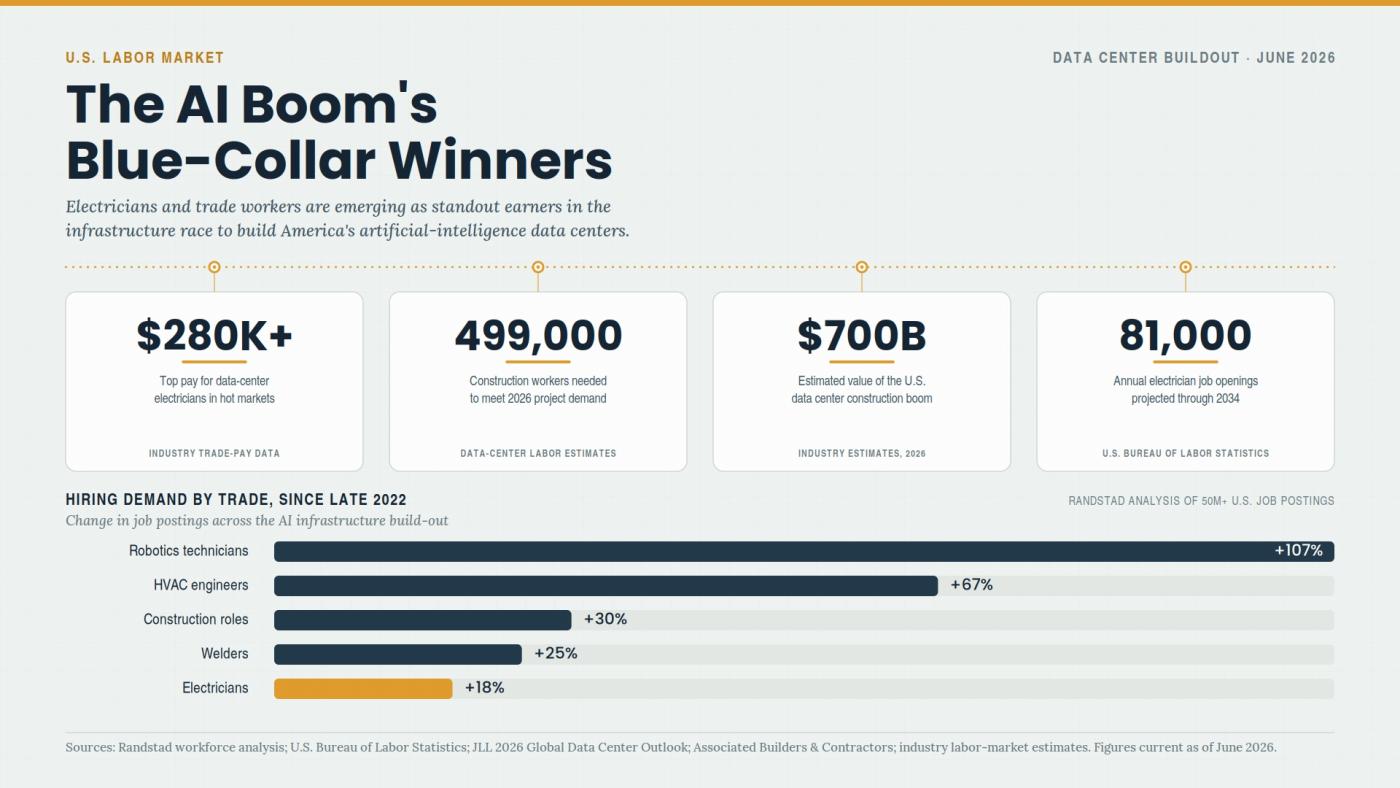
Why Electricians Now Out-Earn Software Engineers