
More about Tyson Foods, Inc.
Regulatory Filings for Tyson Foods, Inc.
Fundamentals for Tyson Foods, Inc.

AI Learns to Read the Federal Reserve

AI Subscriptions Rewrite the Inflation Playbook

Diversification Shielded U.S. Banks

Repo, Debt and Risk: The Fed's Untold Warning for 2026
Technicals for Tyson Foods, Inc.



Price Summary
On 2026-08-20, Tyson Foods, Inc.'s stock began at 58.37, climbed to 59.07, dropped to 57.92, and had 0.05% to end at 58.4, with a volume of 2002900 shares.Over the course of 52 weeks, the stock peaked at 68.75 and hit a low of 0.0.
Technicals
Support and Resistance: The price for TSN at 58.4 finds support at 57.77 and resistance at 59.7. This suggests a trading range, where 57.77 serves as a support level and 59.7 acts as a resistance point, potentially capping further gains.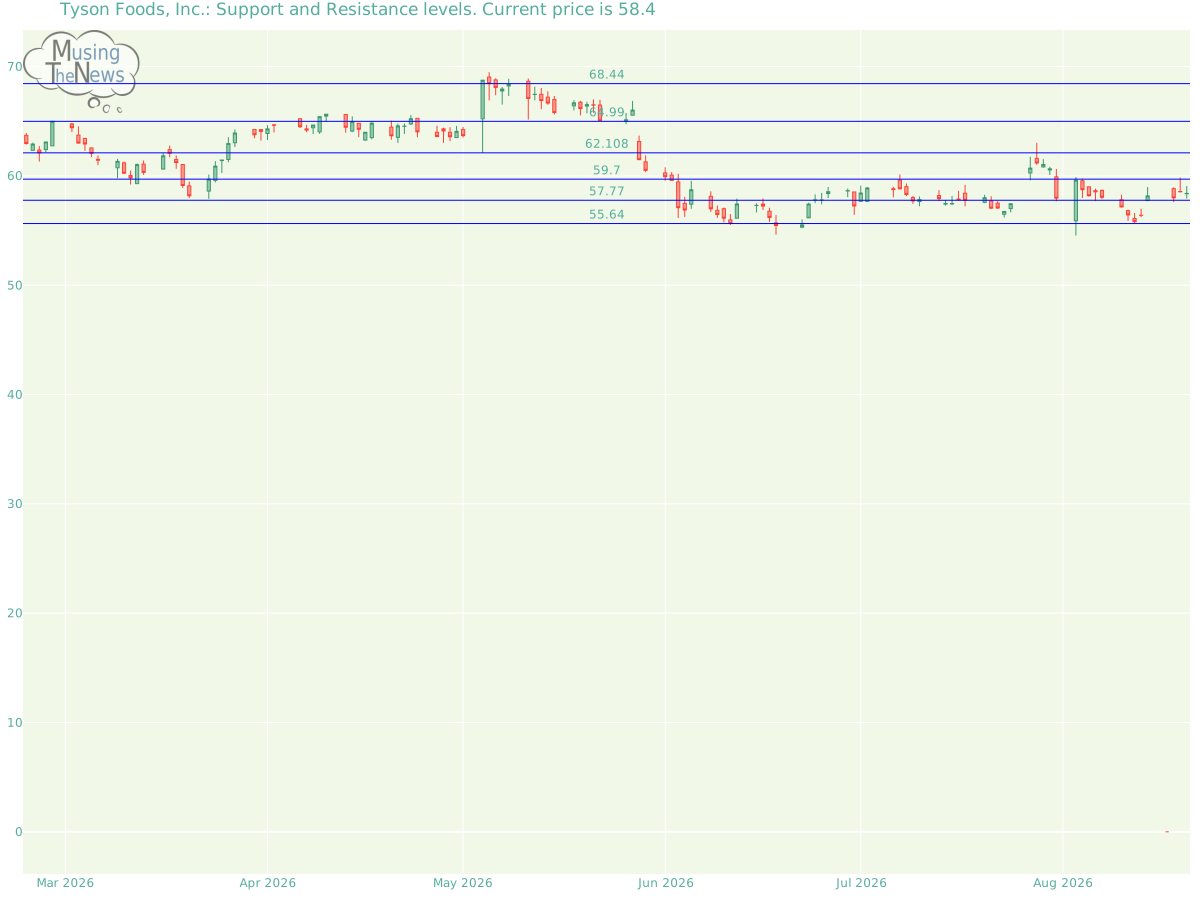
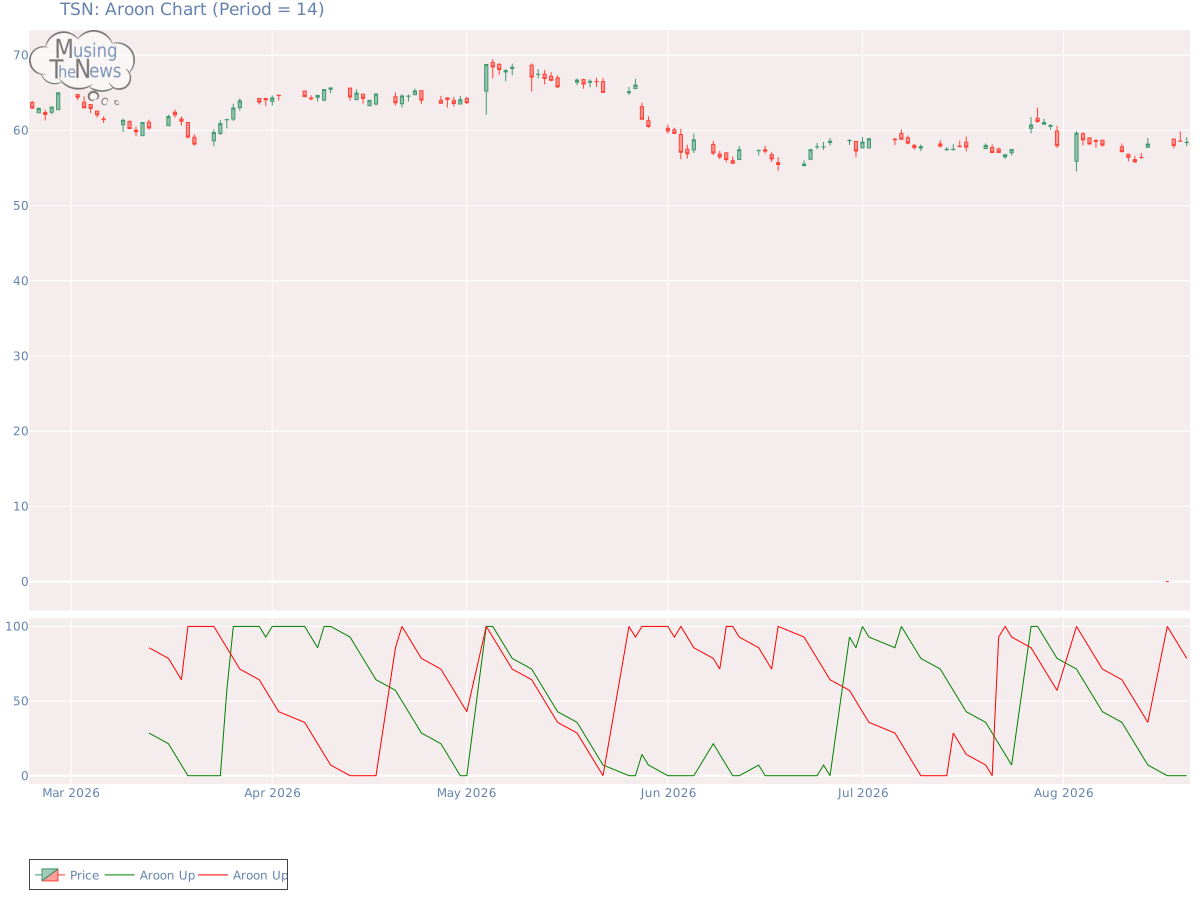
Aroon: The AROON is currently neutral, offering no clear guidance on market direction. This suggests that the market may be in a state of pause, with no strong trend emerging.
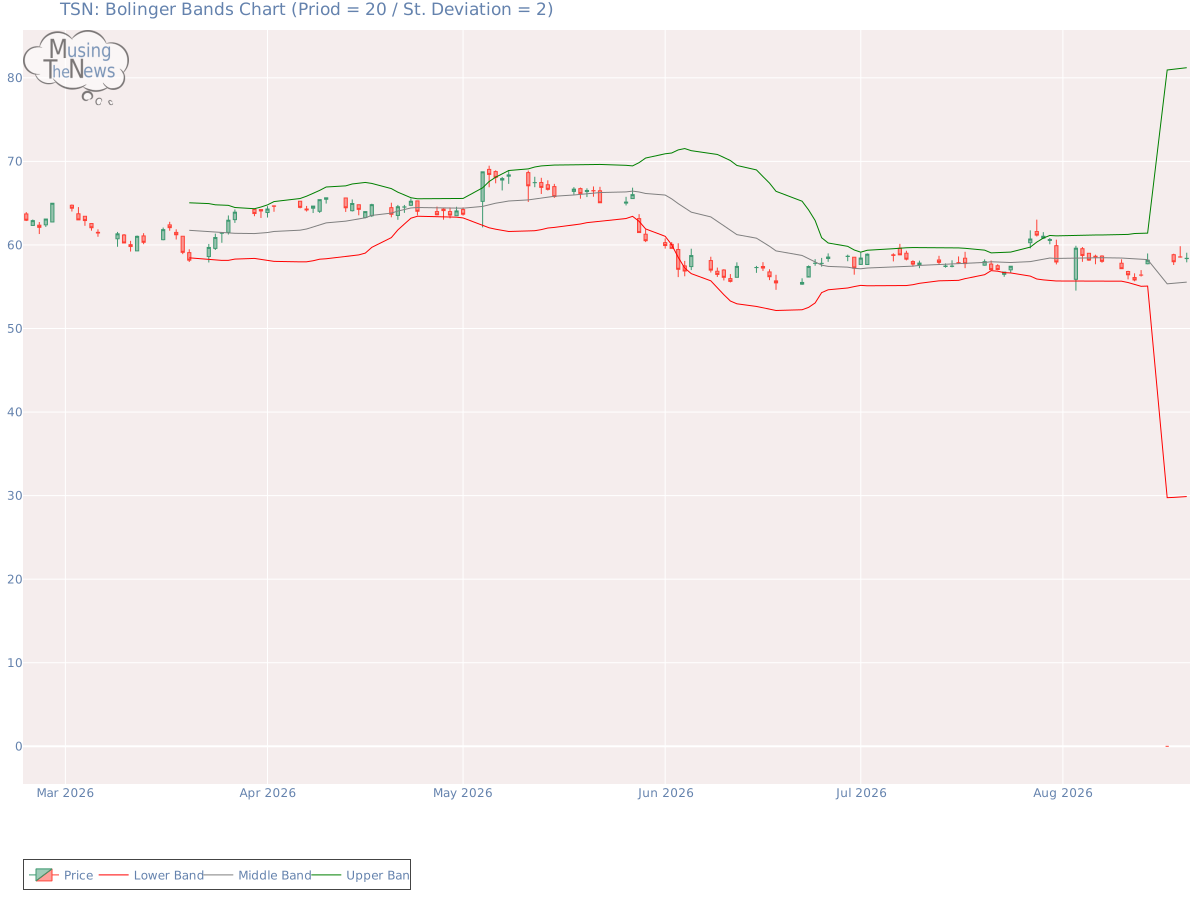
Bol. Bands: The current state of the BOLL BANDS is neutral, with no clear trend direction indicated. This lack of directional bias suggests that the market may be in a phase of consolidation or uncertainty.
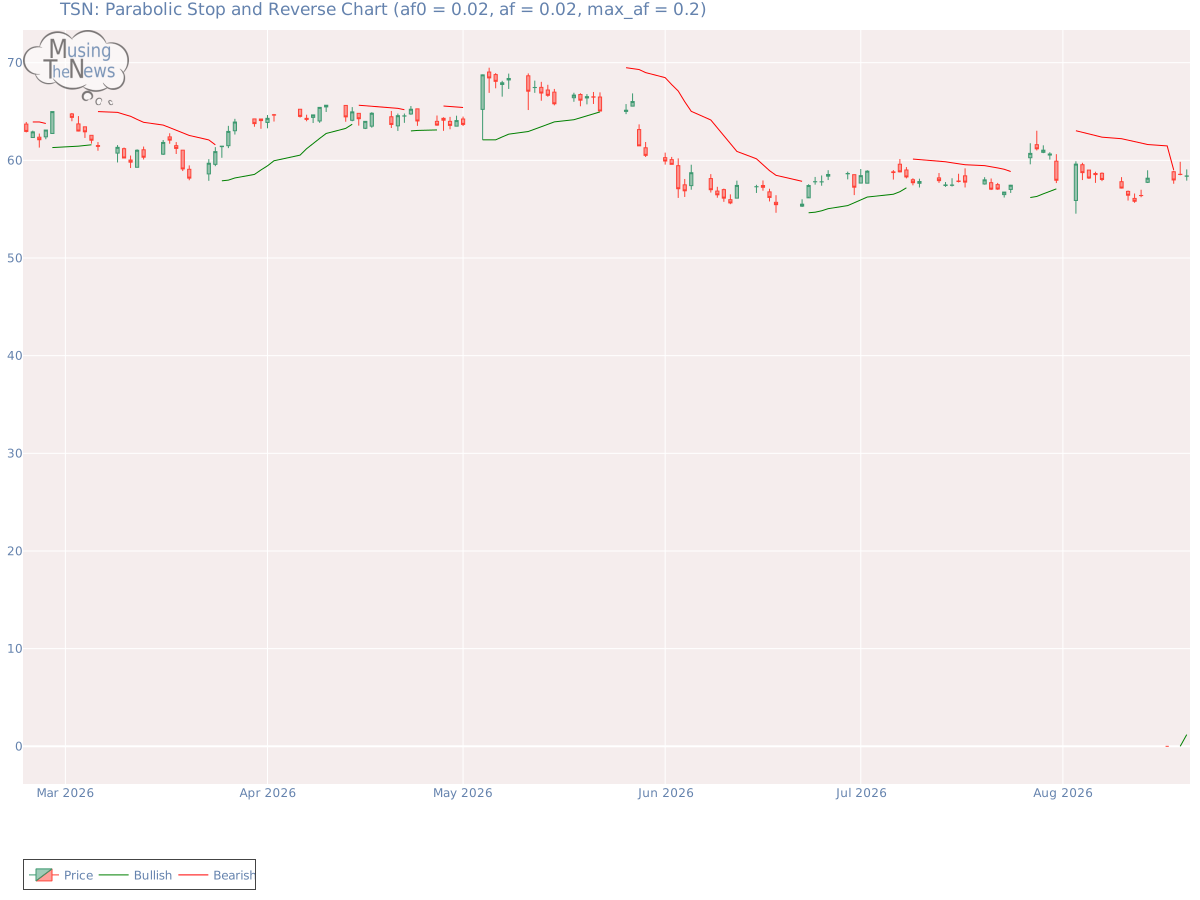
Parabolic SAR: The PSAR for TSN maintains a bullish outlook, establishing a crucial support level that may help maintain the current upward momentum. This strong support suggests that the market is poised to continue its upward trend, providing confidence in the ongoing bullish sentiment.
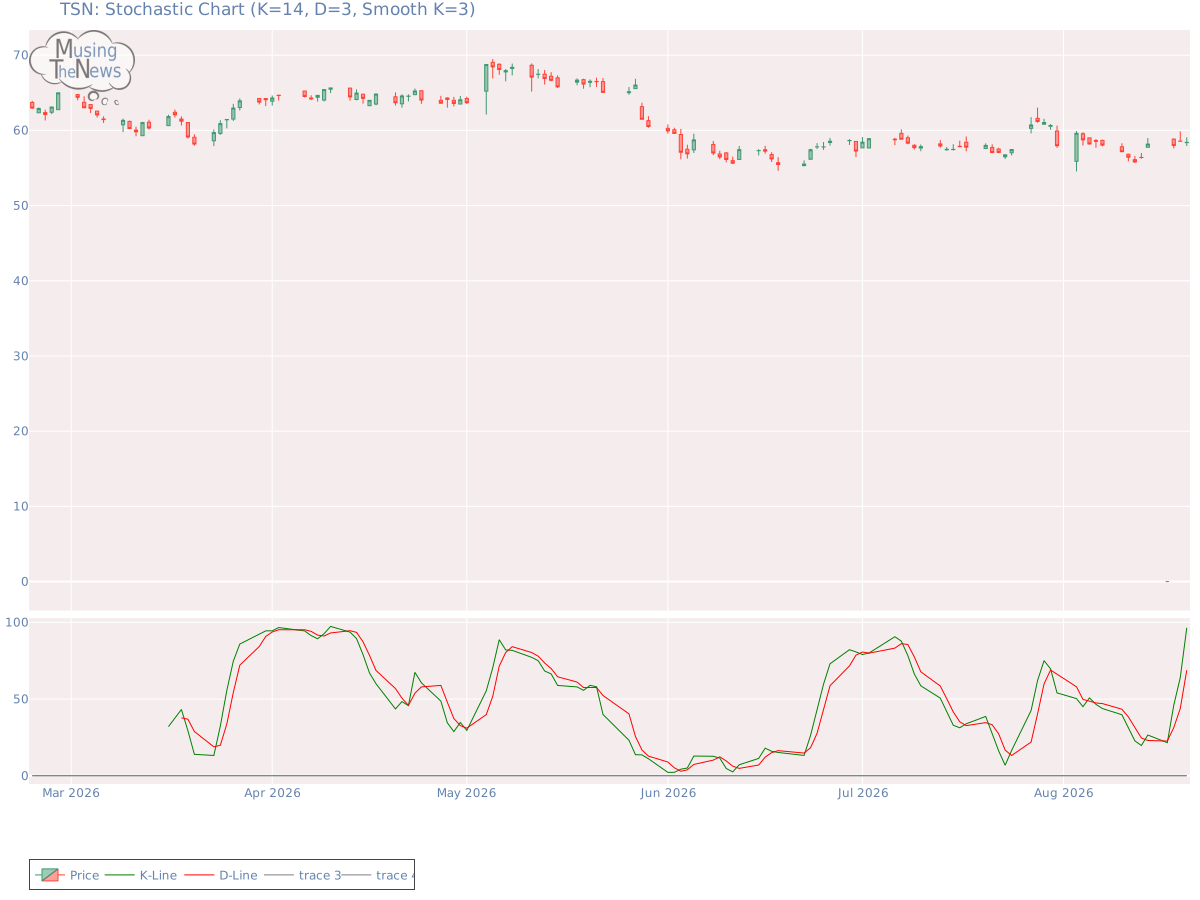
Stochastic: The stochastic indicator signals a bullish mood, with the K-line above both the D-line and the 80 threshold. This configuration indicates strong upward momentum, suggesting that the market may continue its upward trend. Traders could consider this a positive indication of strength for TSN.
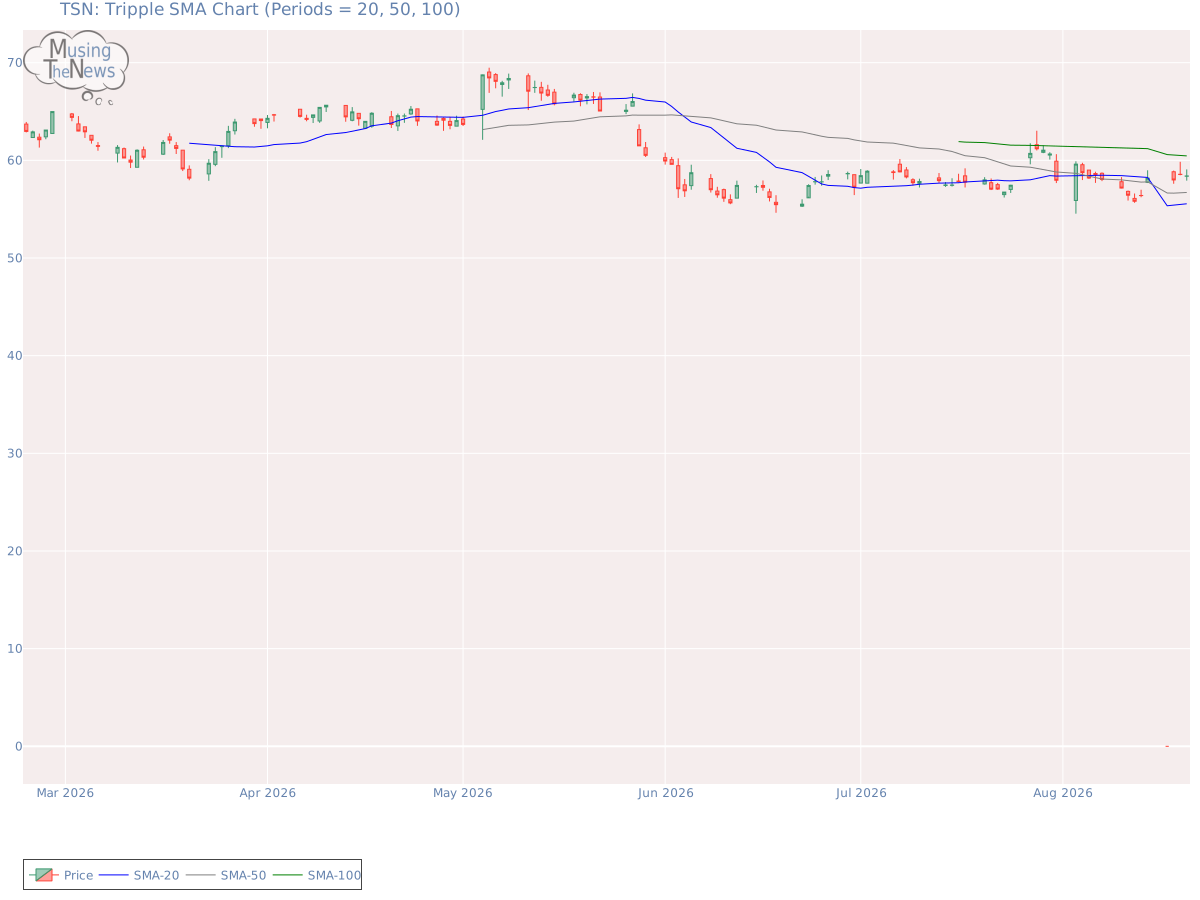
Tripple Moving Agerage: The current state of the Tripple MOVING AVG is neutral, offering no clear signals of movement in either direction. This suggests a potential pause in market activity, with no strong trend emerging at the moment.
In order to draw meaningful inferences from a company's technical data, it is essential to first consider its fundamentals. This includes reviewing financial metrics like revenue, profit margins, and debt-to-equity ratios. Additionally, understanding the broader industry landscape, including market trends and competitive pressures, is crucial. By integrating these insights with the company's technical performance, such as stock price fluctuations and trading volume, one can make more informed investment decisions.
If you have enjoyed reading, spread the word:
Good prospects:
Companies with the best and the worst technicals.
Latest Regulatory Filings for SP5
Companies with the best and the worst fundamentals.

When Losing Money Pays: America's Broken Market Logic

The Hidden Time Bomb in AI Finance
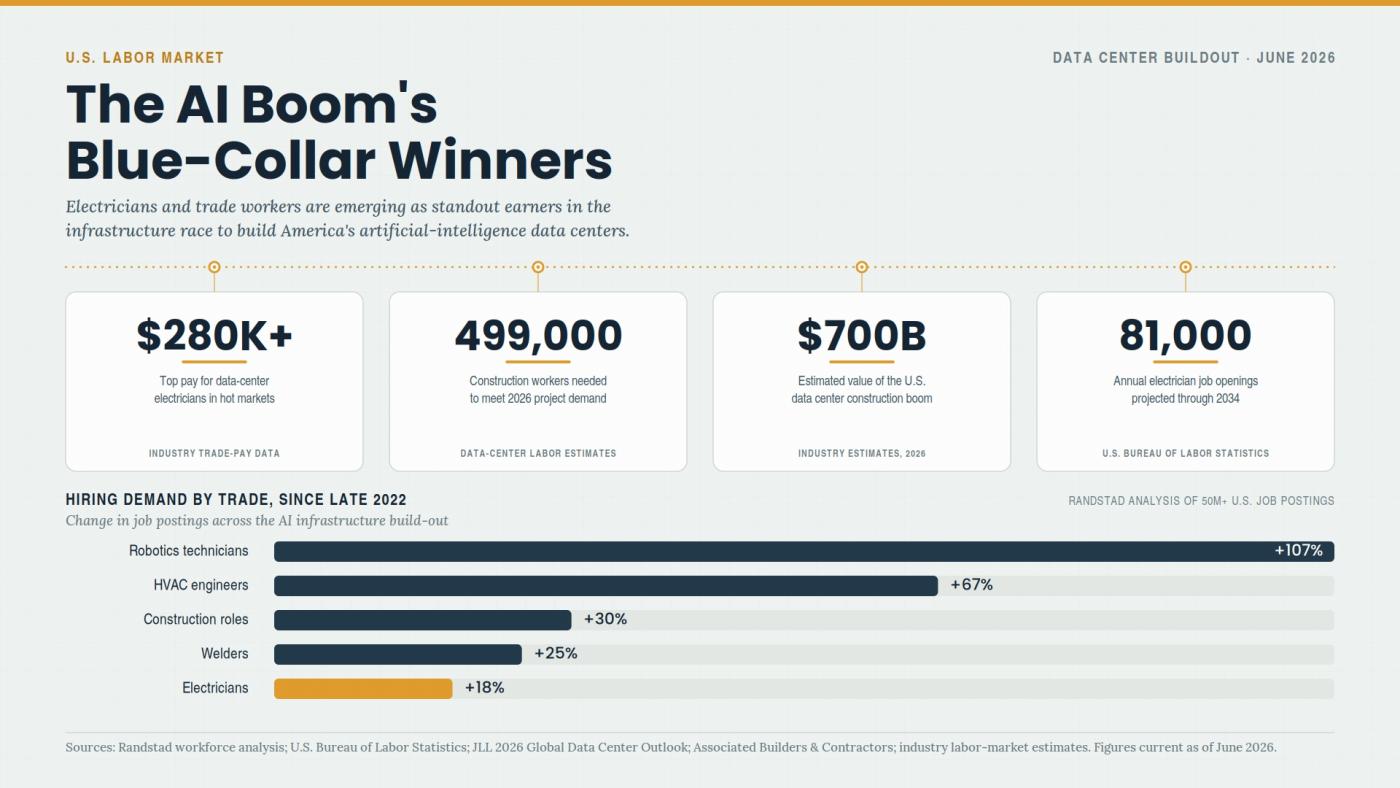
Why Electricians Now Out-Earn Software Engineers