
AI Learns to Read the Federal Reserve

AI Subscriptions Rewrite the Inflation Playbook

Diversification Shielded U.S. Banks

Repo, Debt and Risk: The Fed's Untold Warning for 2026
Technicals for Tapestry, Inc.



Price Summary
On 2026-08-20, Tapestry, Inc.'s stock opened at 130.38, reached a high of 130.98, dropped to a low of 127.94, and closed down -0.43% at 129.82, with a trading volume of 4068900 shares.The highest price the stock achieved in the past 52 weeks is 164.78, while the lowest price it saw is 0.0.
Technicals
Support and Resistance: The price is currently at 129.82, supported by 129.32 and resisted by 136.92. This indicates a range where 129.32 may provide a base for the price, while 136.92 serves as a cap on further upward movement for TPR.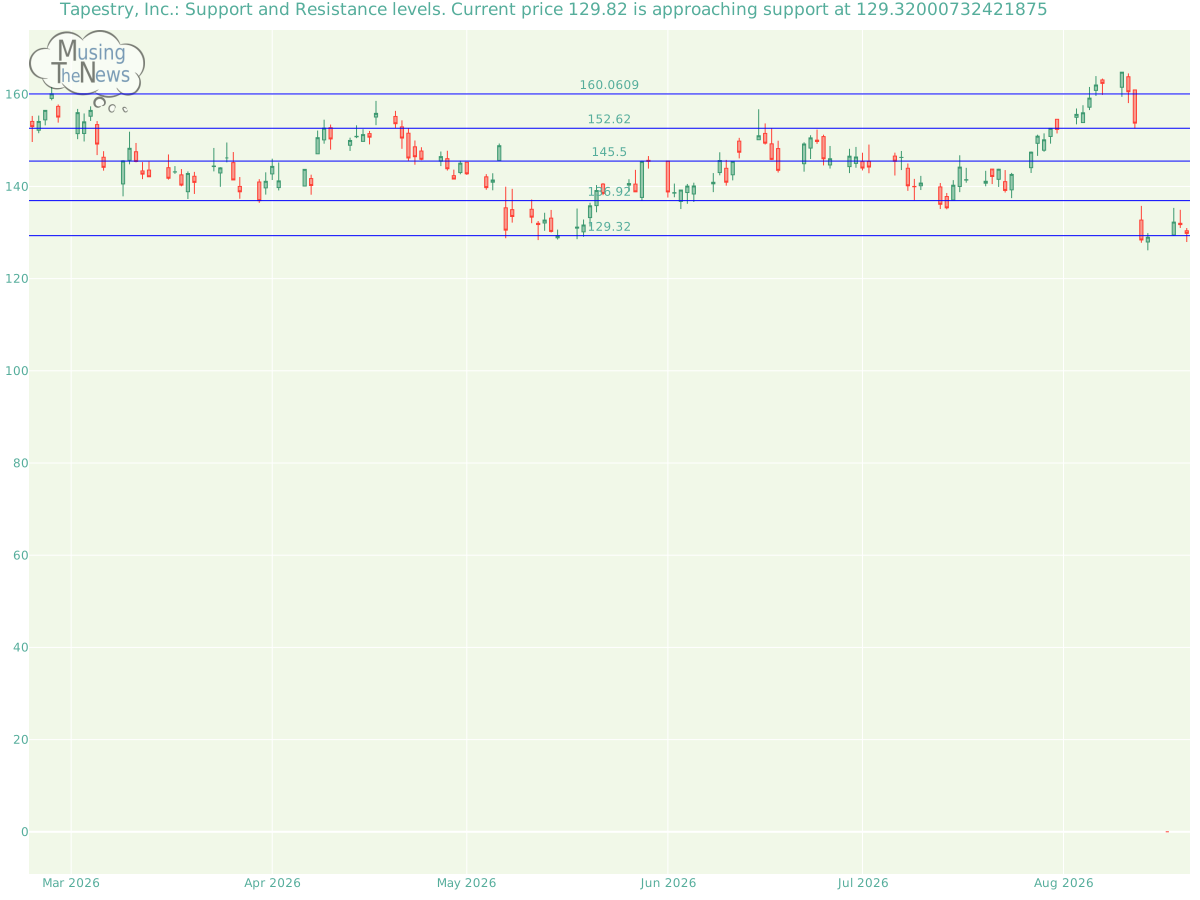
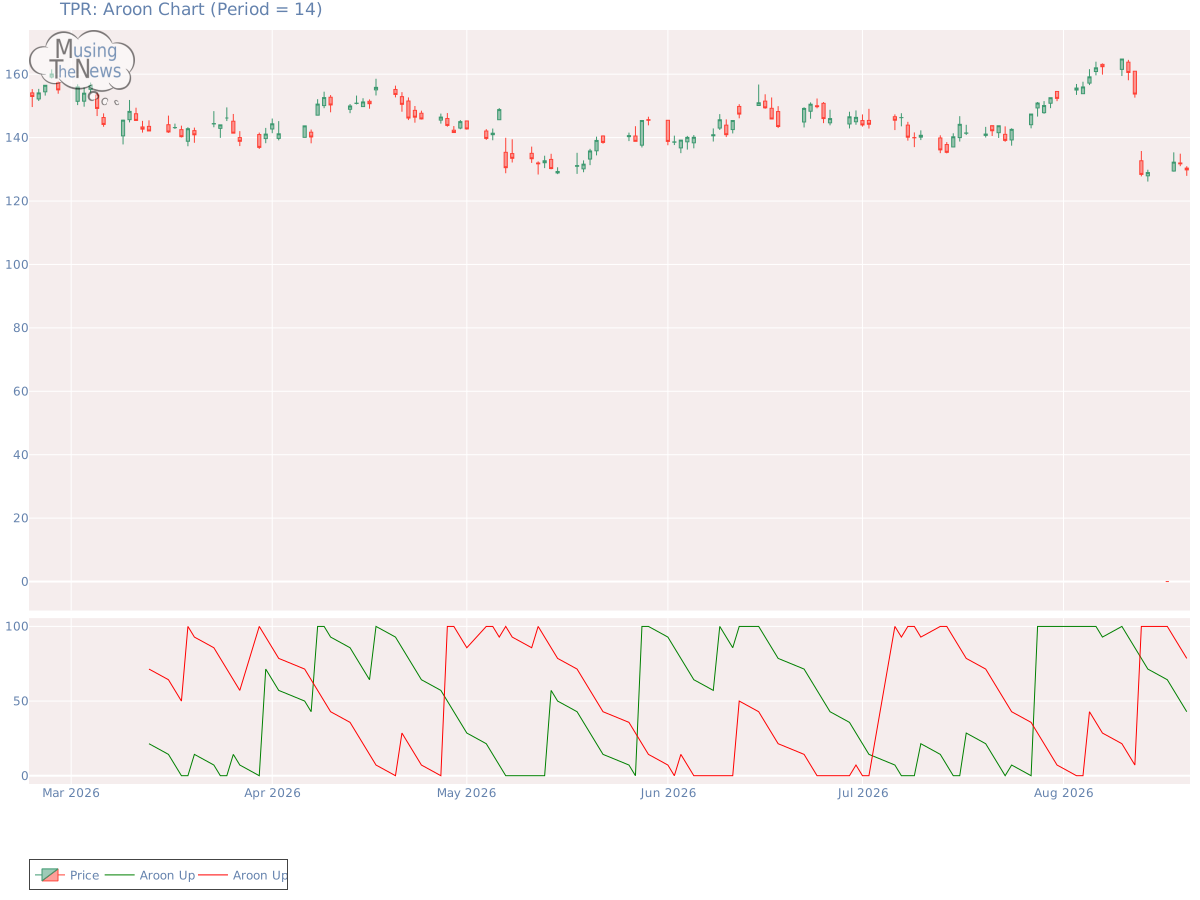
Aroon: The AROON is neutral, showing no definitive signals of a trend either upward or downward. This neutral stance indicates a period of market indecision, where the direction is unclear.
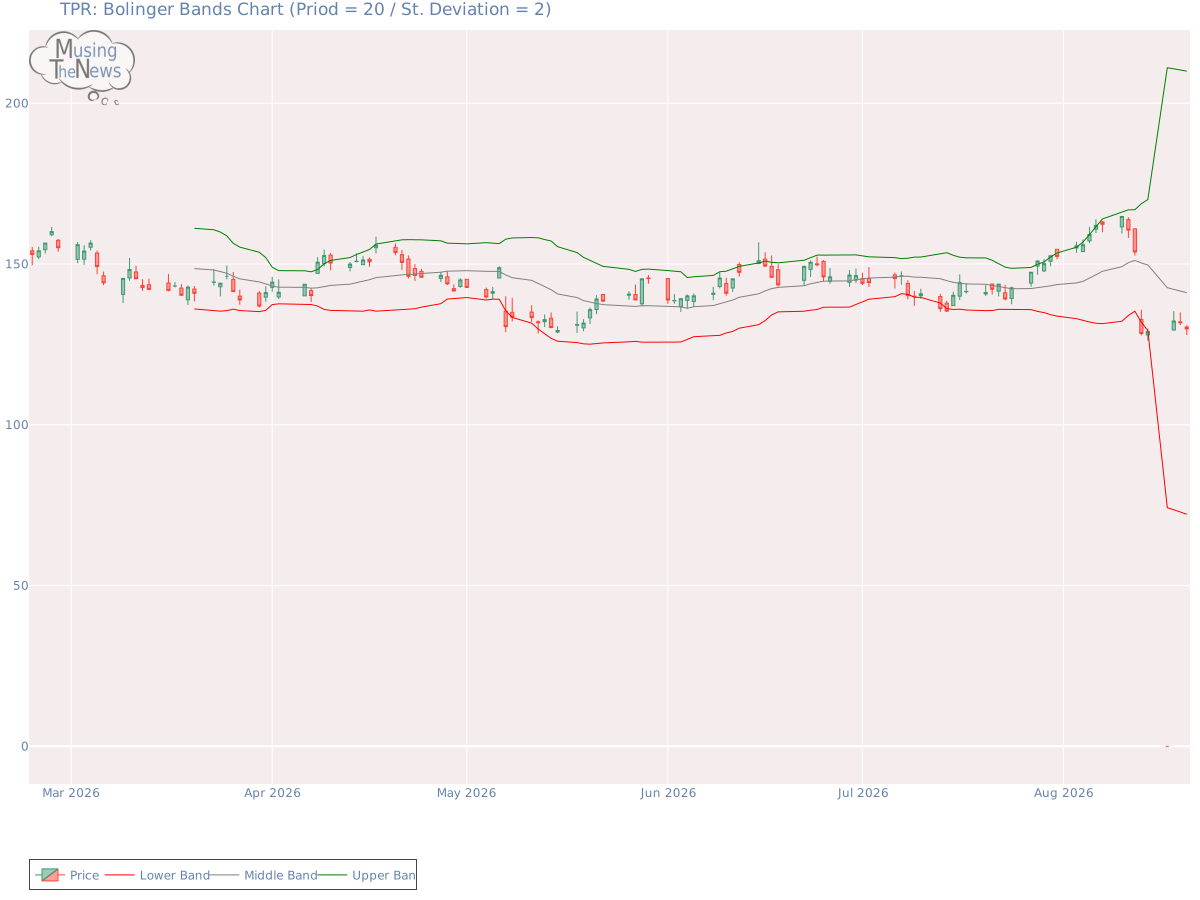
Bol. Bands: The BOLL BANDS is in a neutral stance, not pointing to a clear trend in either direction. This suggests that the market may be lacking strong momentum, making it difficult to predict the next move.
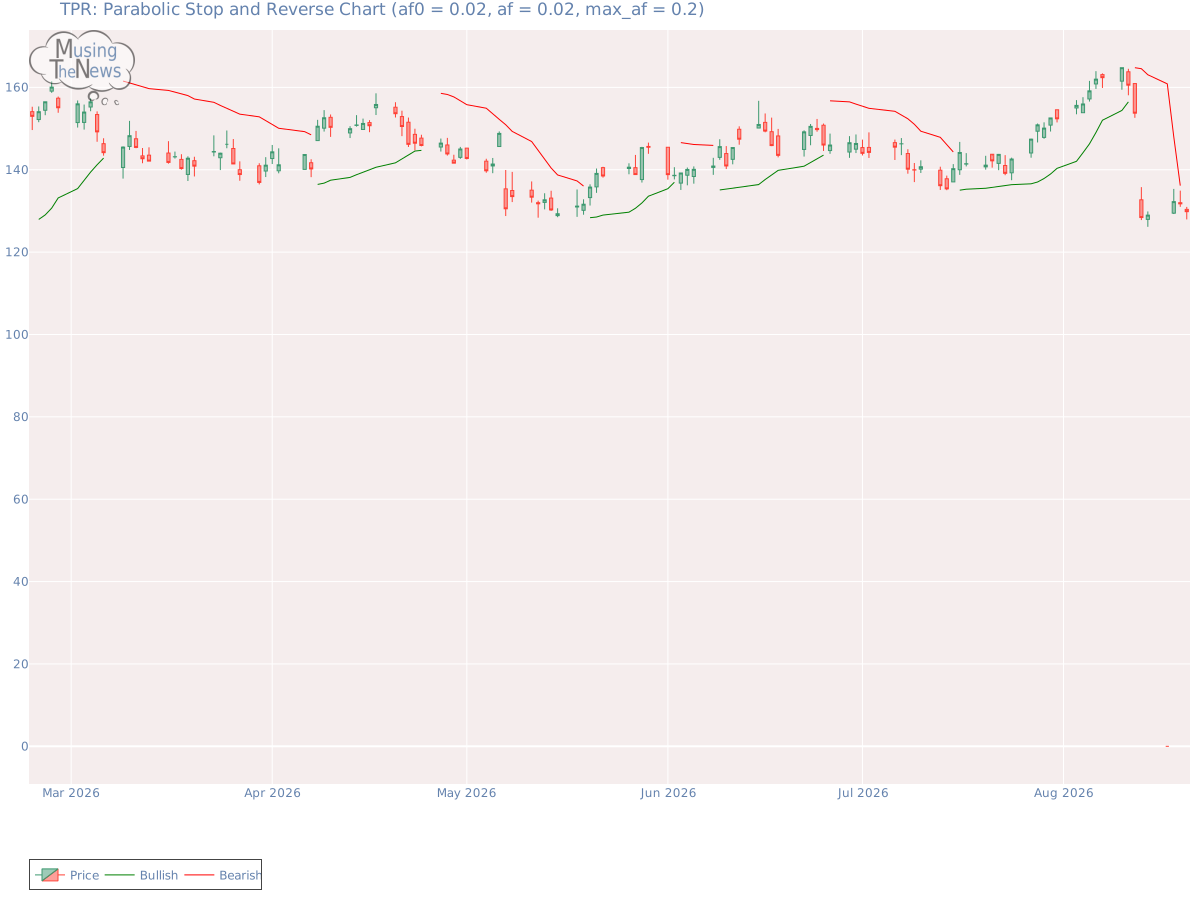
Parabolic SAR: The PSAR for TPR has switched from a bearish to a bullish stance, indicating a potential trend change. If this move is confirmed by other indicators, it could signal a strong bullish trend. Traders should be vigilant in watching for further confirmation from other market signals.
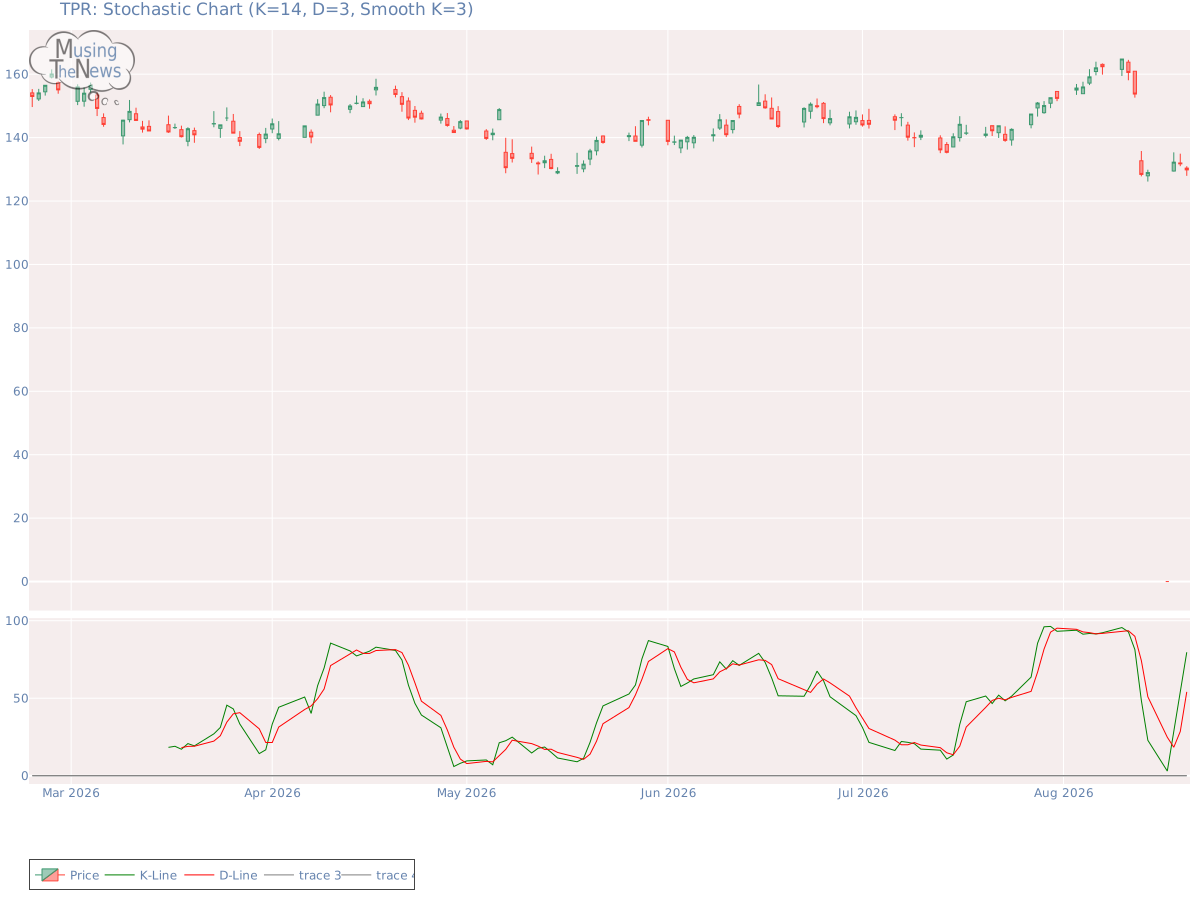
Stochastic: The STOCHASTIC is in a neutral stance, with no clear signals for movement up or down. This neutral position indicates a potential period of consolidation or uncertainty in the market.
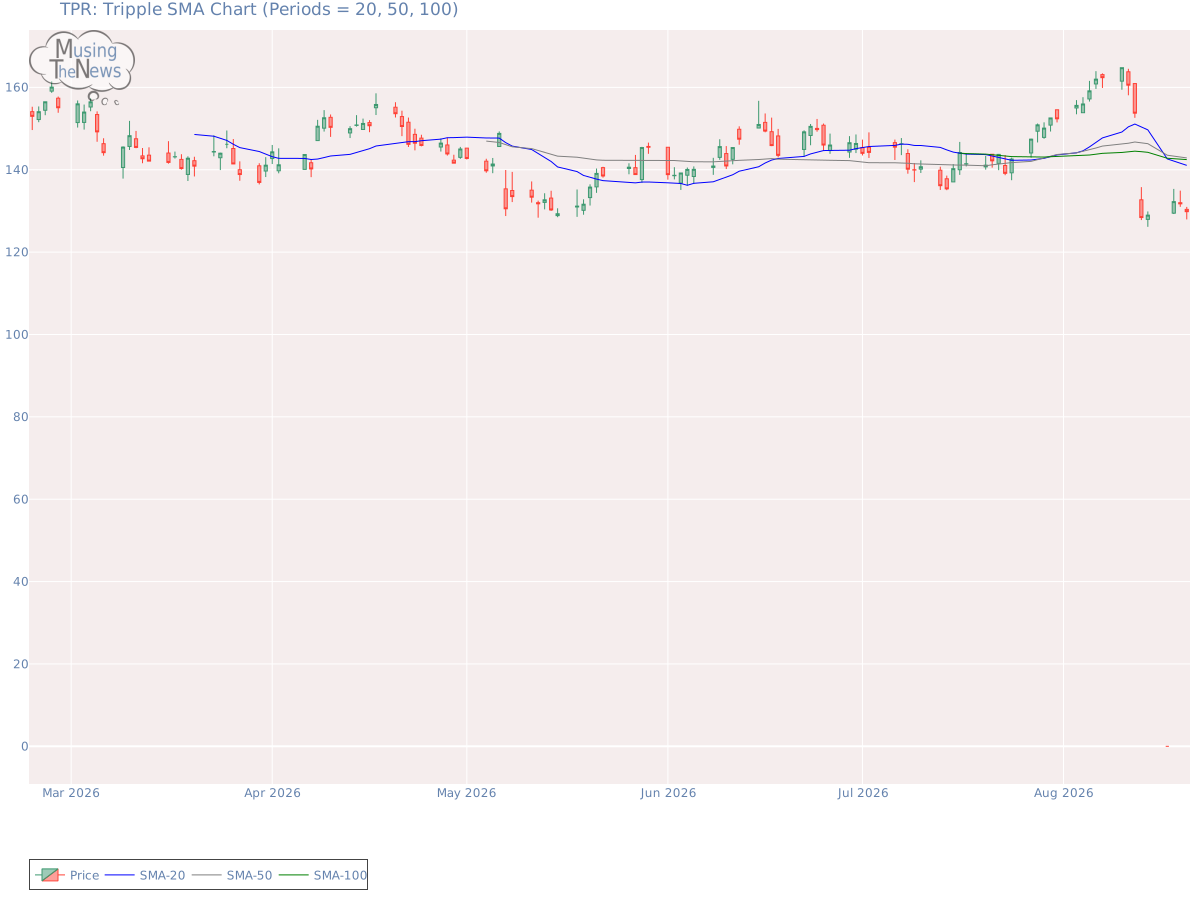
Tripple Moving Agerage: The Tripple MOVING AVG is currently neutral, showing no clear bias toward a rising or falling trend. This lack of directional clarity suggests that the market may be in a holding pattern, awaiting further developments.
Before focusing on a company's technical data, such as stock price movements, it's essential to analyze its fundamentals. These include factors like profitability, cash flow, and debt management. Additionally, considering the broader industry landscape—including market trends, competition, and regulatory changes—offers deeper insights. This comprehensive approach allows for a more meaningful interpretation of the company's technical indicators, providing a clearer picture of its financial health and future prospects.
If you have enjoyed reading, spread the word:
Good prospects:
Companies with the best and the worst technicals.
Latest Regulatory Filings for SP5
Companies with the best and the worst fundamentals.

When Losing Money Pays: America's Broken Market Logic
The Hidden Time Bomb in AI Finance
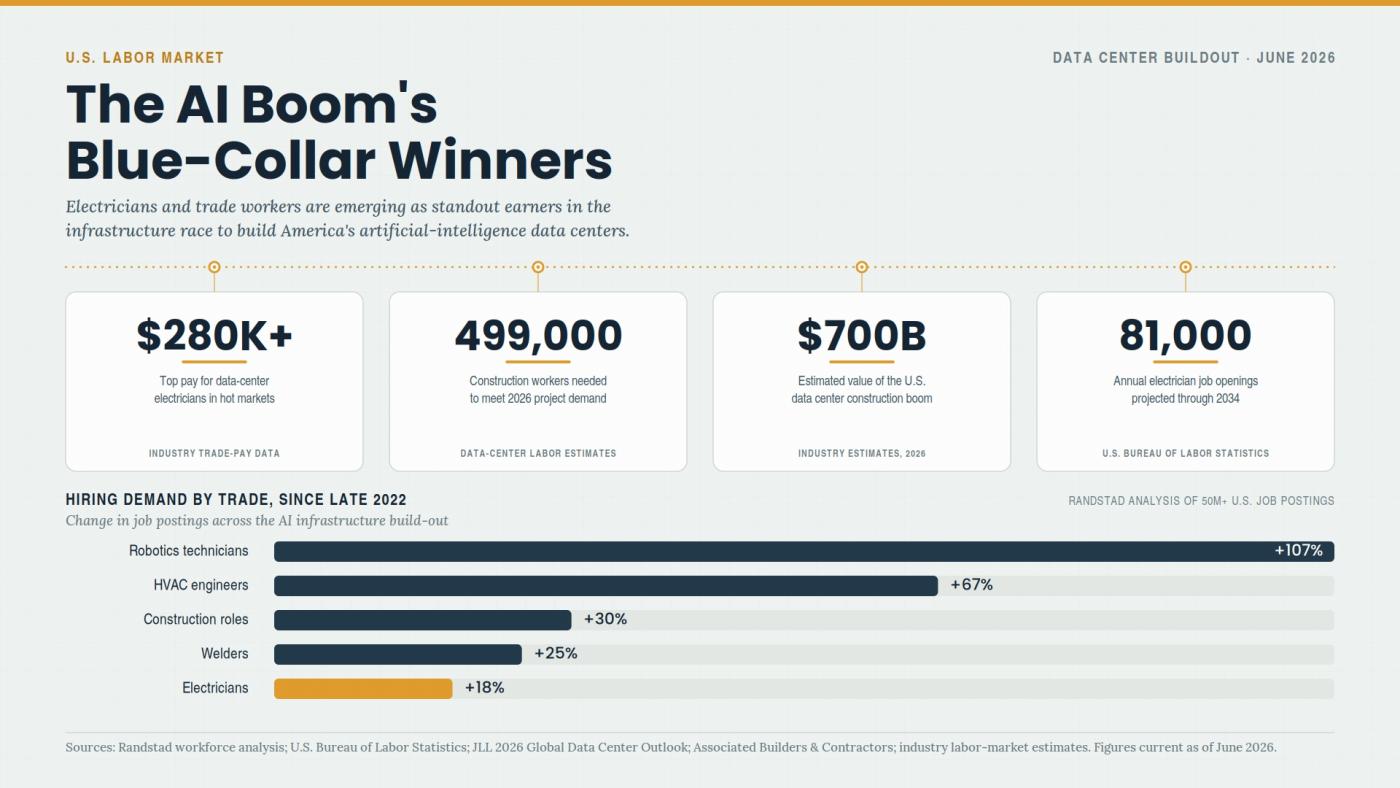
Why Electricians Now Out-Earn Software Engineers