More about Texas Pacific Land Corporation
Regulatory Filings for Texas Pacific Land Corporation
Fundamentals for Texas Pacific Land Corporation

AI Learns to Read the Federal Reserve

AI Subscriptions Rewrite the Inflation Playbook

Diversification Shielded U.S. Banks

Repo, Debt and Risk: The Fed's Untold Warning for 2026
Technicals for Texas Pacific Land Corporation



Price Summary
2026-08-20, saw TPL's stock open at 376.85, hit a peak of 396.78, fall to a low of 357.68, and close down -1.93% at 369.56, with 1095700 shares changing hands.Throughout the 52-week period, the stock hit a high of 539.79 and a low of 0.0.
Technicals
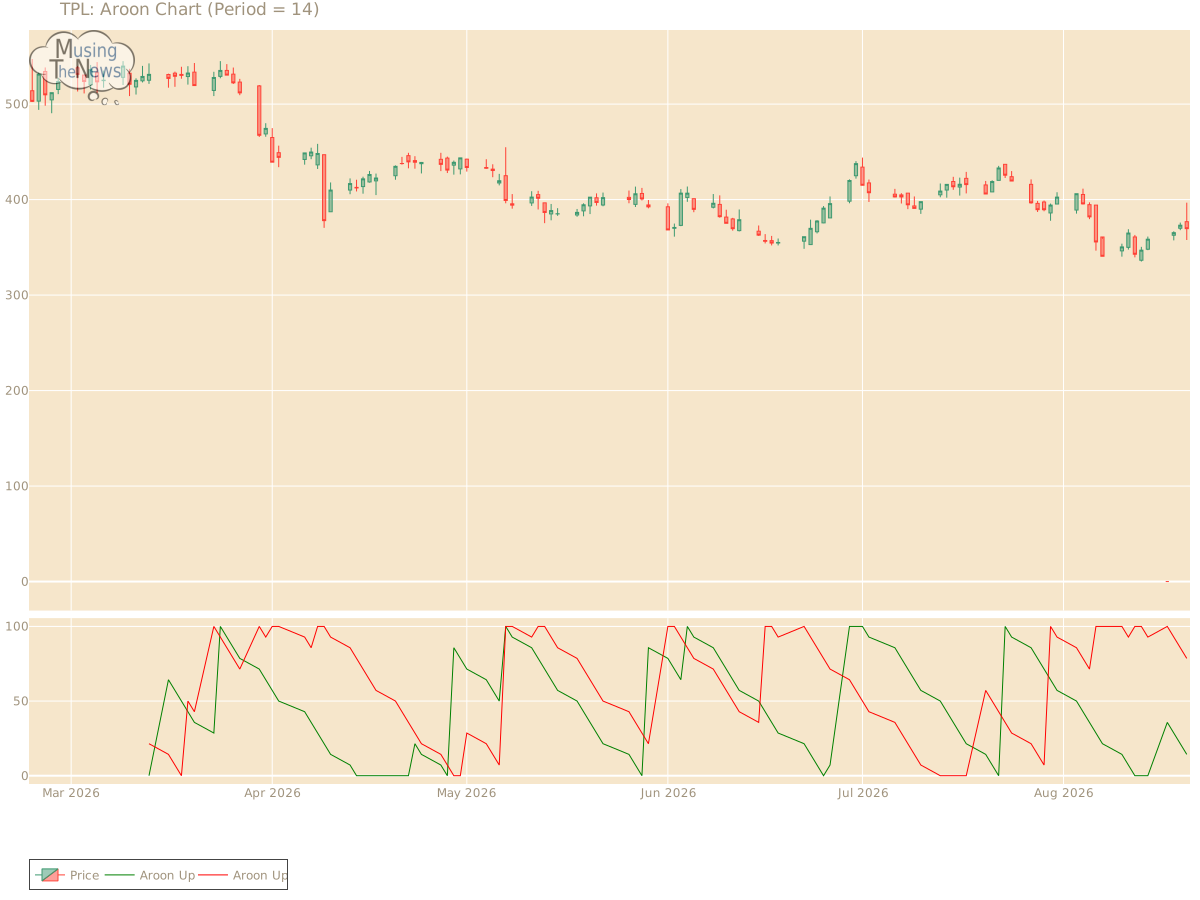
Aroon: The AROON is in a neutral stance for TPL, not indicating a clear upward or downward trend. This suggests a period of market indecision, where neither bulls nor bears have the upper hand.
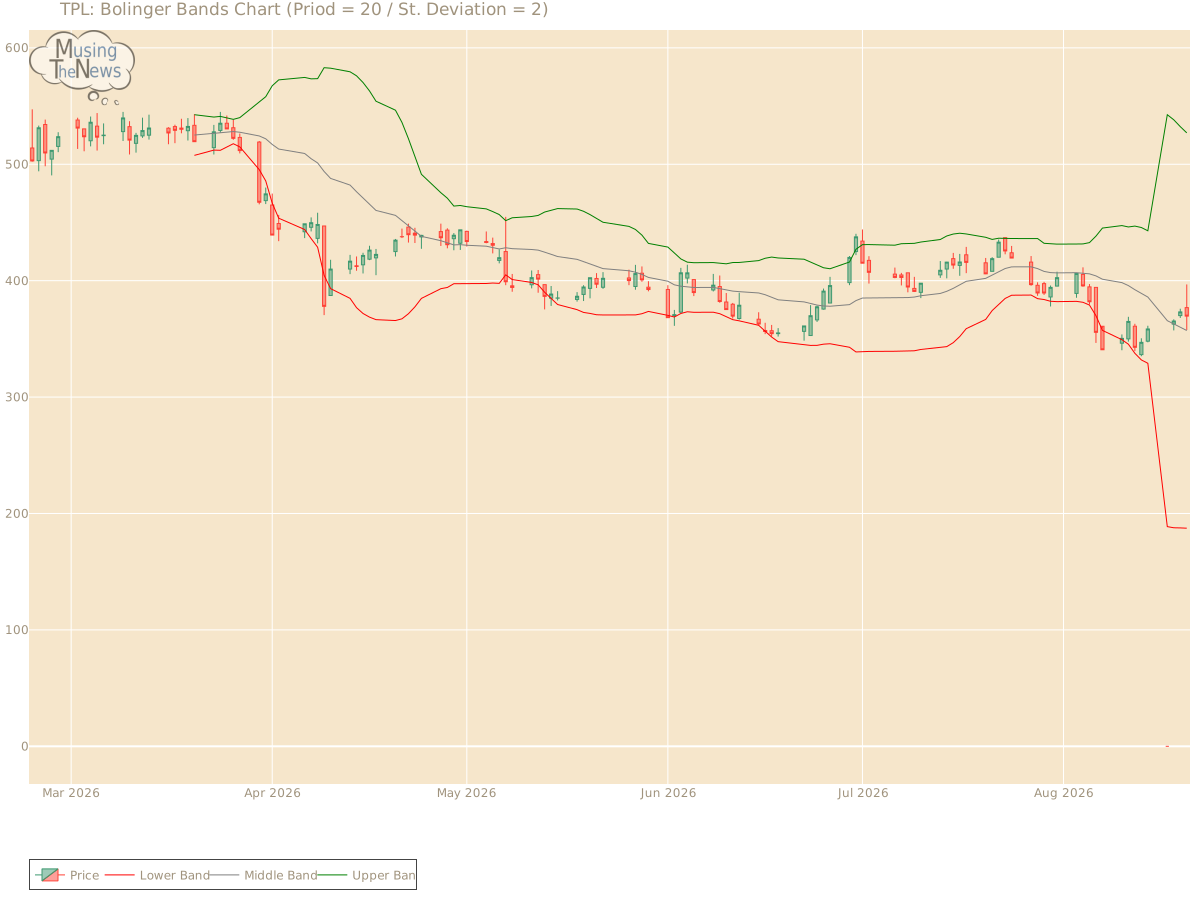
Bol. Bands: The BOLL BANDS is in a neutral stance, with no clear direction indicated for the market. This lack of clarity suggests that the market may be in a state of equilibrium for TPL, with no strong trend emerging.
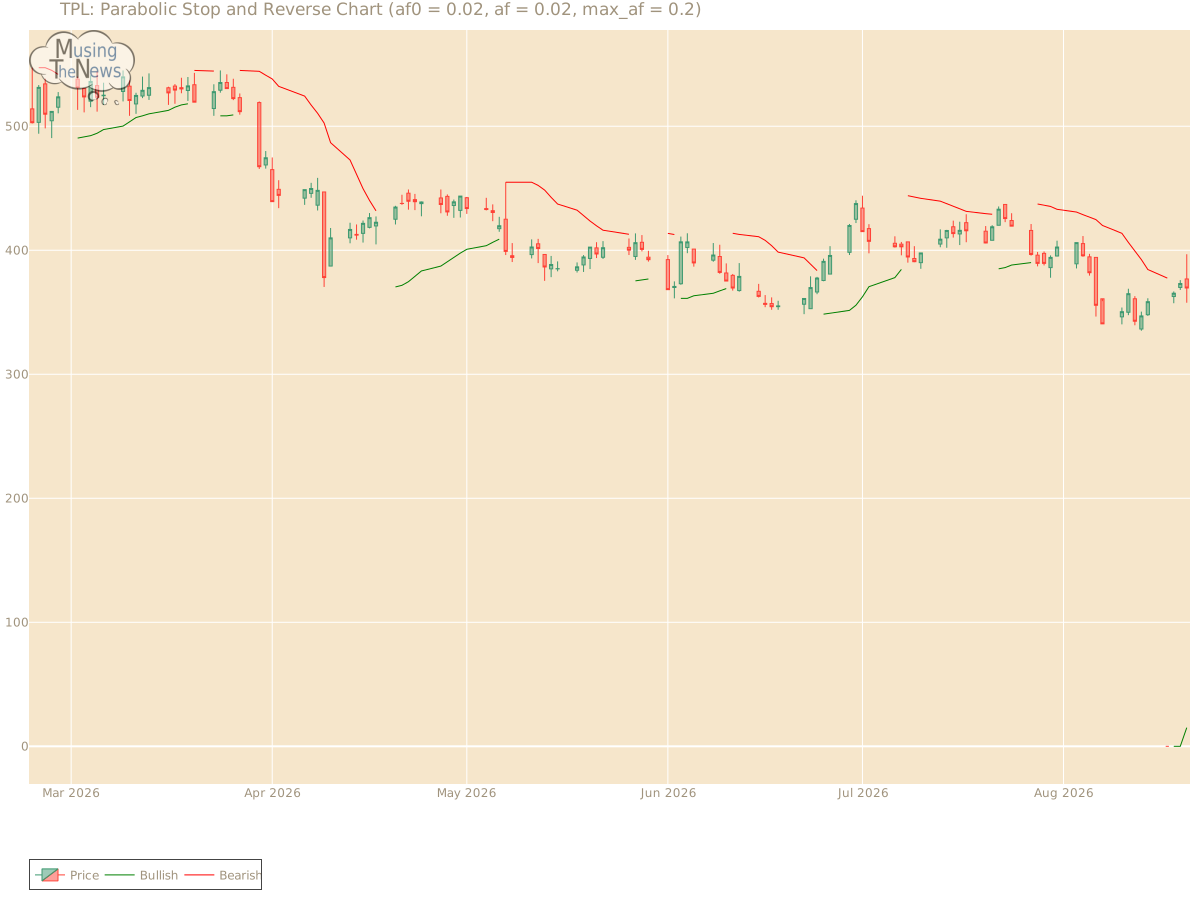
Parabolic SAR: The PSAR remains bullish in its outlook, reinforcing a key support level that could help sustain the market's upward movement for TPL. This support suggests that the bullish momentum is likely to persist, offering a foundation for further growth.
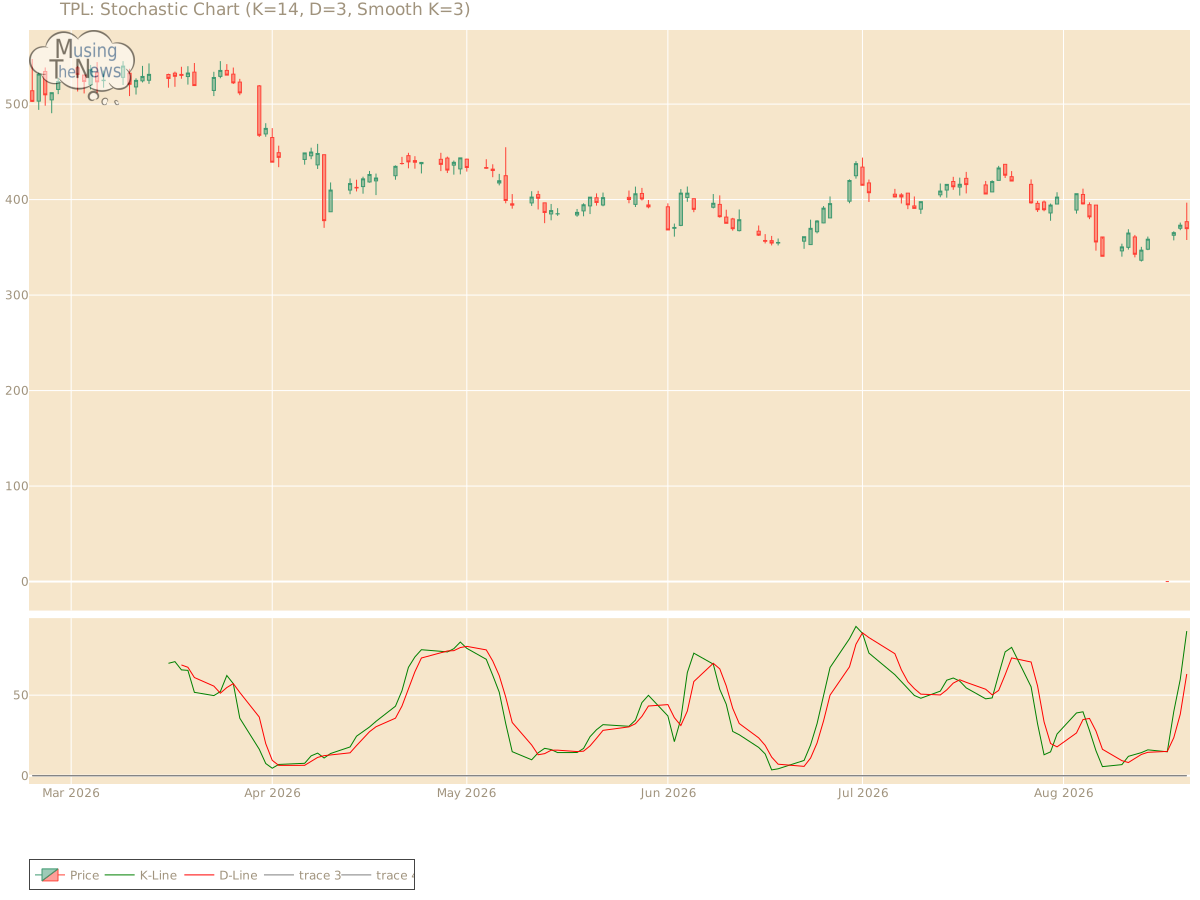
Stochastic: The stochastic indicator shows bullish conditions, with the K-line positioned above the D-line and exceeding the 80 level. This setup suggests strong upward momentum, indicating that the market may continue to rise. Investors might view this as a favorable sign for continued growth.
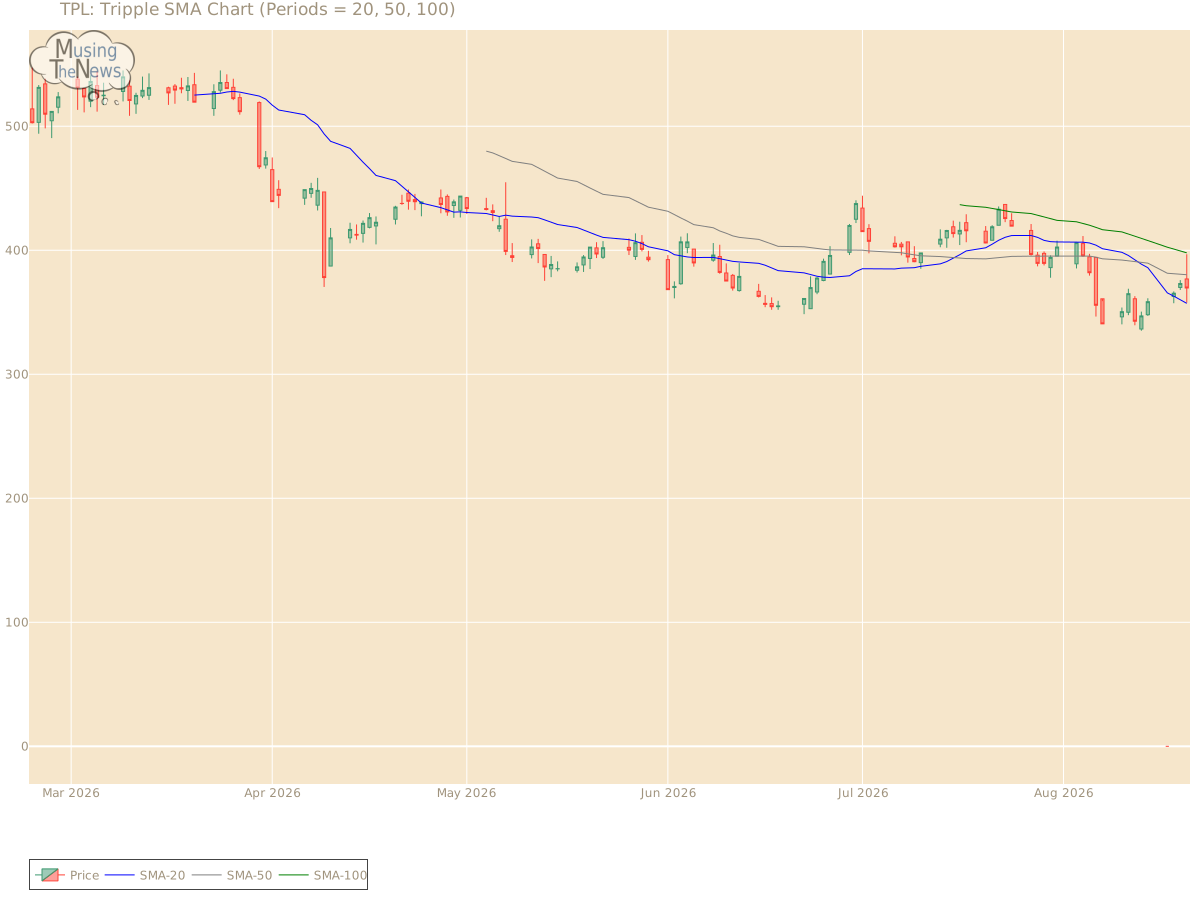
Tripple Moving Agerage: A bullish trend is signaled by the alignment of the 20-50-100 period moving averages, but the slopes of the faster averages suggest a potential reversal. The weakening momentum in the shorter-term averages hints that the current upward trend might be nearing its end, signaling the possibility of a shift in direction.
Before diving into the technical aspects of a company, such as stock price charts or volume trends, it's important to understand its fundamentals. These fundamentals include financial stability, growth potential, and strategic positioning. Additionally, knowing the broader industry landscape, including competitive pressures and regulatory factors, offers deeper insights. When this fundamental analysis is combined with technical indicators, it leads to more informed, accurate evaluations of the company's overall performance.
If you have enjoyed reading, spread the word:
Good prospects:
Companies with the best and the worst technicals.
Latest Regulatory Filings for SP5
Companies with the best and the worst fundamentals.

When Losing Money Pays: America's Broken Market Logic
The Hidden Time Bomb in AI Finance
Why Electricians Now Out-Earn Software Engineers