
More about Synchrony Financial
Regulatory Filings for Synchrony Financial
Fundamentals for Synchrony Financial

AI Learns to Read the Federal Reserve

AI Subscriptions Rewrite the Inflation Playbook

Diversification Shielded U.S. Banks

Repo, Debt and Risk: The Fed's Untold Warning for 2026
Technicals for Synchrony Financial



Price Summary
The stock of Synchrony Financial experienced a -2.73% tumble, showcasing a lacklustre market performance.Synchrony Financial's stock, on 2026-08-20 opened at 78.86, climbed to a high of 79.24, dropped to a low of 75.65, and closed up -2.73% at 76.71, with 4187600 shares traded.
The stock's highest price over the 52-week span is 88.47, while the lowest price is 0.0.
Technicals
Support and Resistance: The current price for SYF is 76.71, supported at 73.98 with resistance at 77.63. This indicates a trading range where 73.98 might prevent further declines, while 77.63 could hinder additional gains.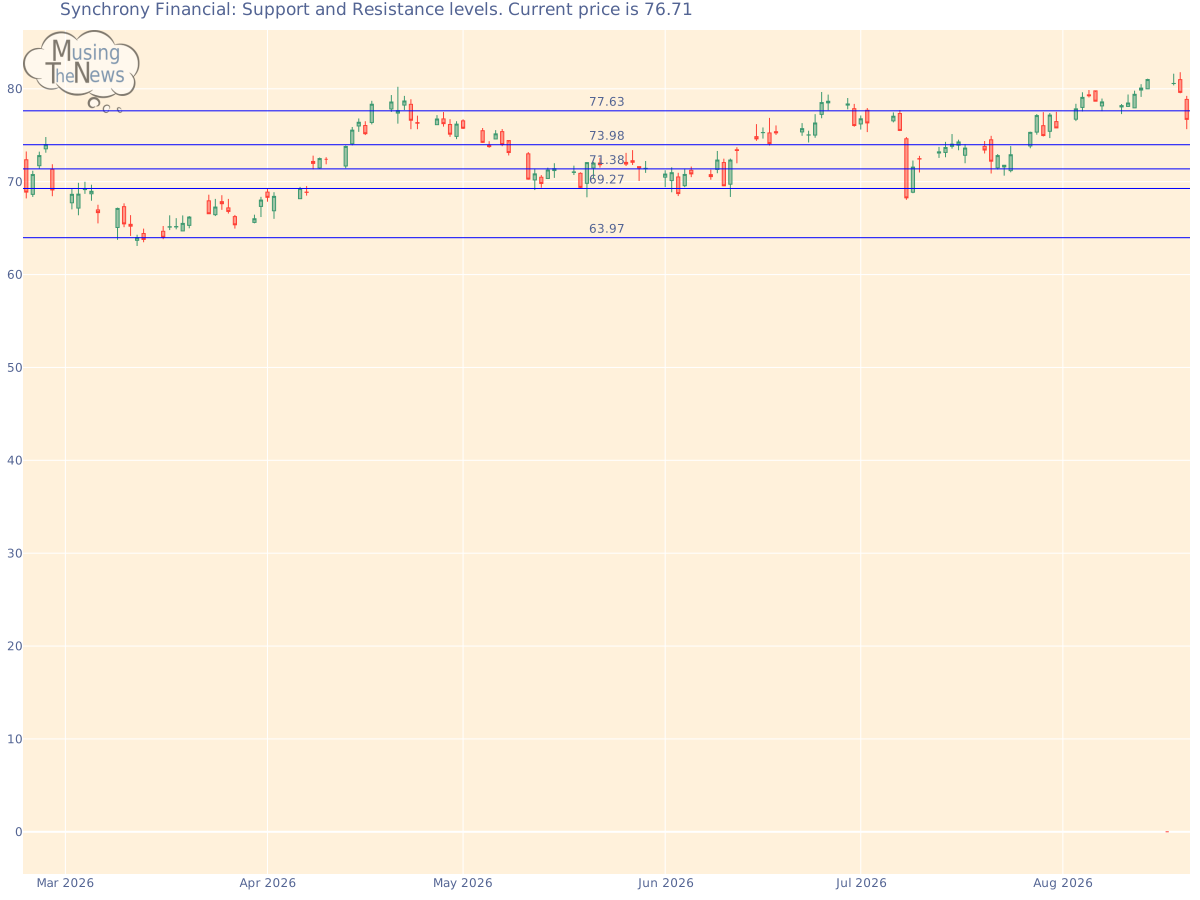
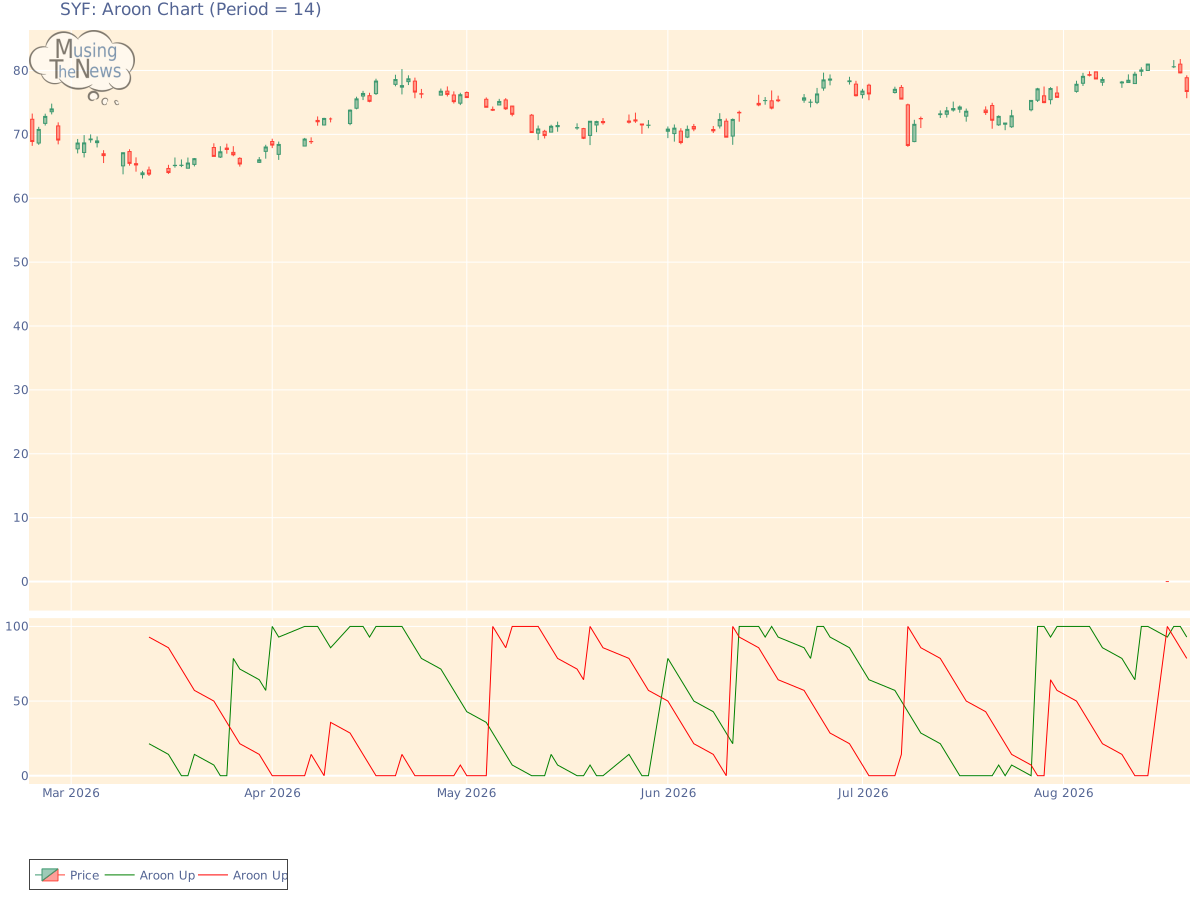
Aroon: The current state of the AROON is neutral, with no clear trend direction indicated. This lack of directional bias suggests that the market may be in a phase of consolidation or uncertainty.
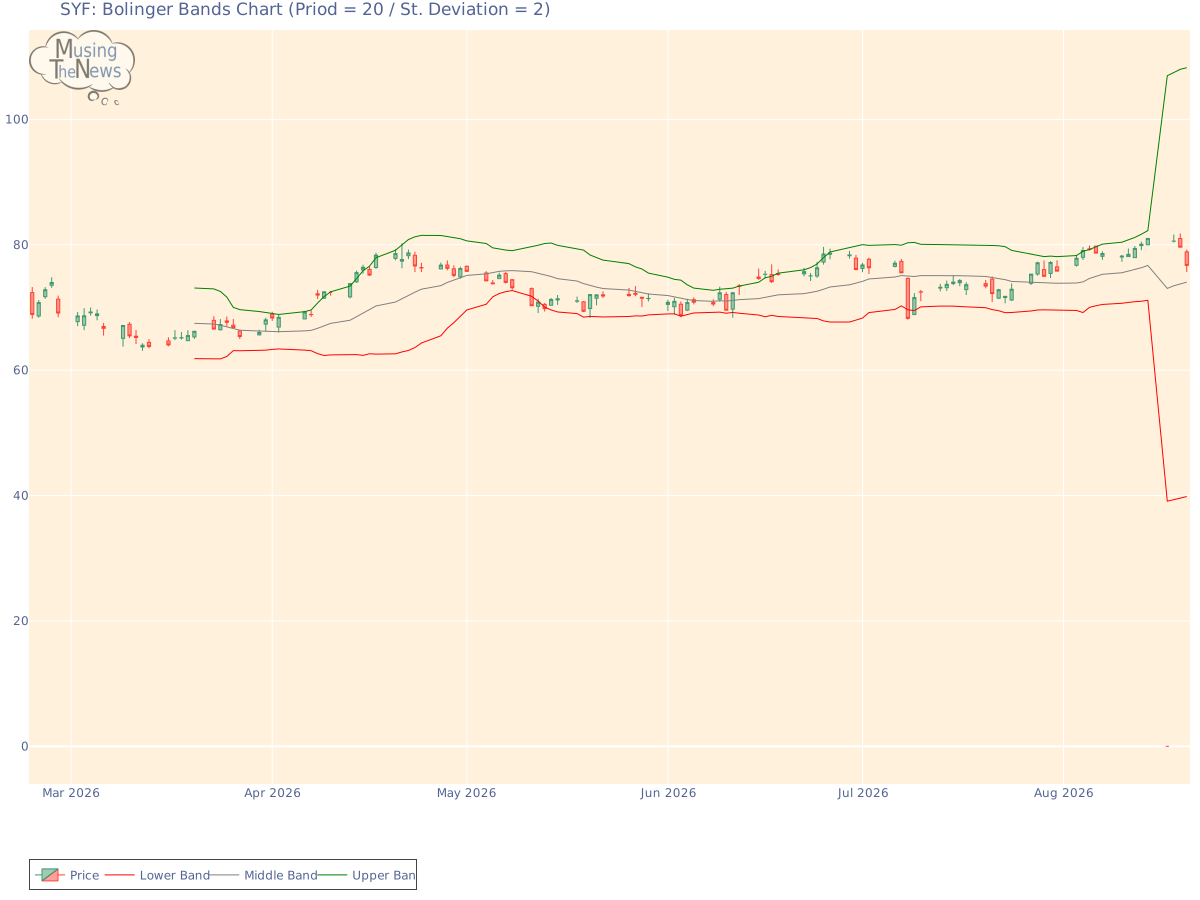
Bol. Bands: The BOLL BANDS is currently in a neutral position, offering no clear indication of movement up or down. This suggests that the market may be experiencing a period of equilibrium, with no strong trend in play.
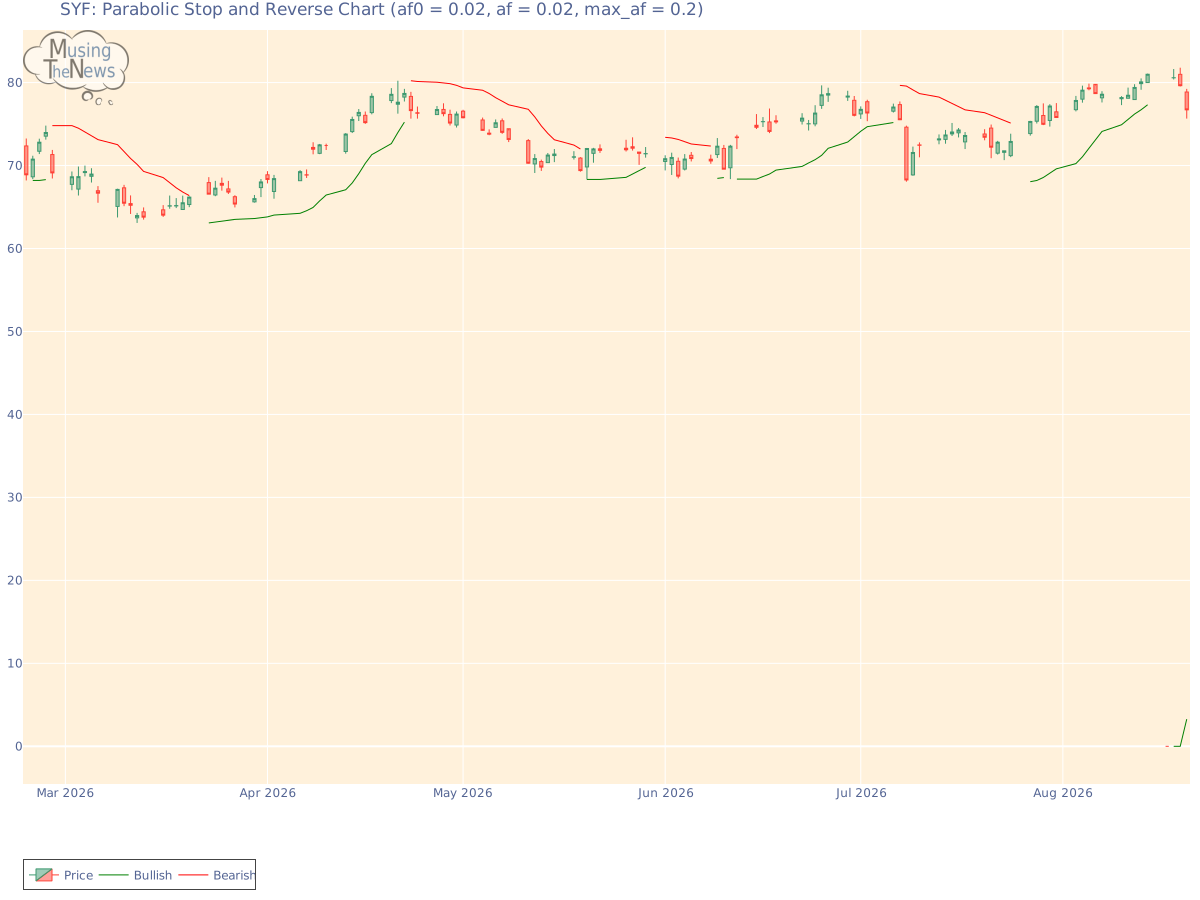
Parabolic SAR: The PSAR continues to indicate a bullish outlook, establishing a key support level that could sustain the market's upward trend. This support suggests that the bullish momentum is likely to persist, offering a foundation for further growth.
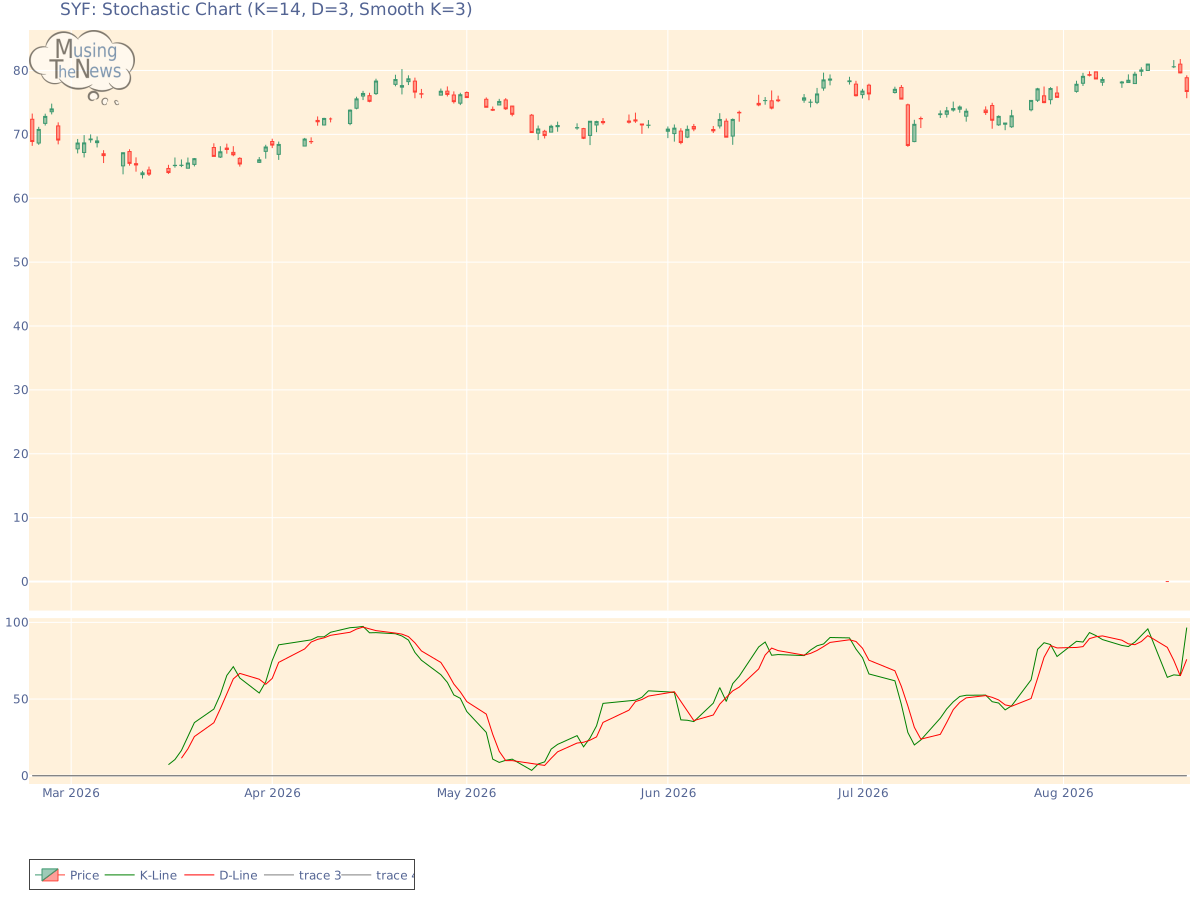
Stochastic: The stochastic indicator shows a bullish trend for SYF, with the K-line positioned above the D-line and surpassing the 80 level. This setup indicates strong upward momentum, suggesting that the market may continue its positive trajectory. Traders might view this as a sign of ongoing strength in the market.
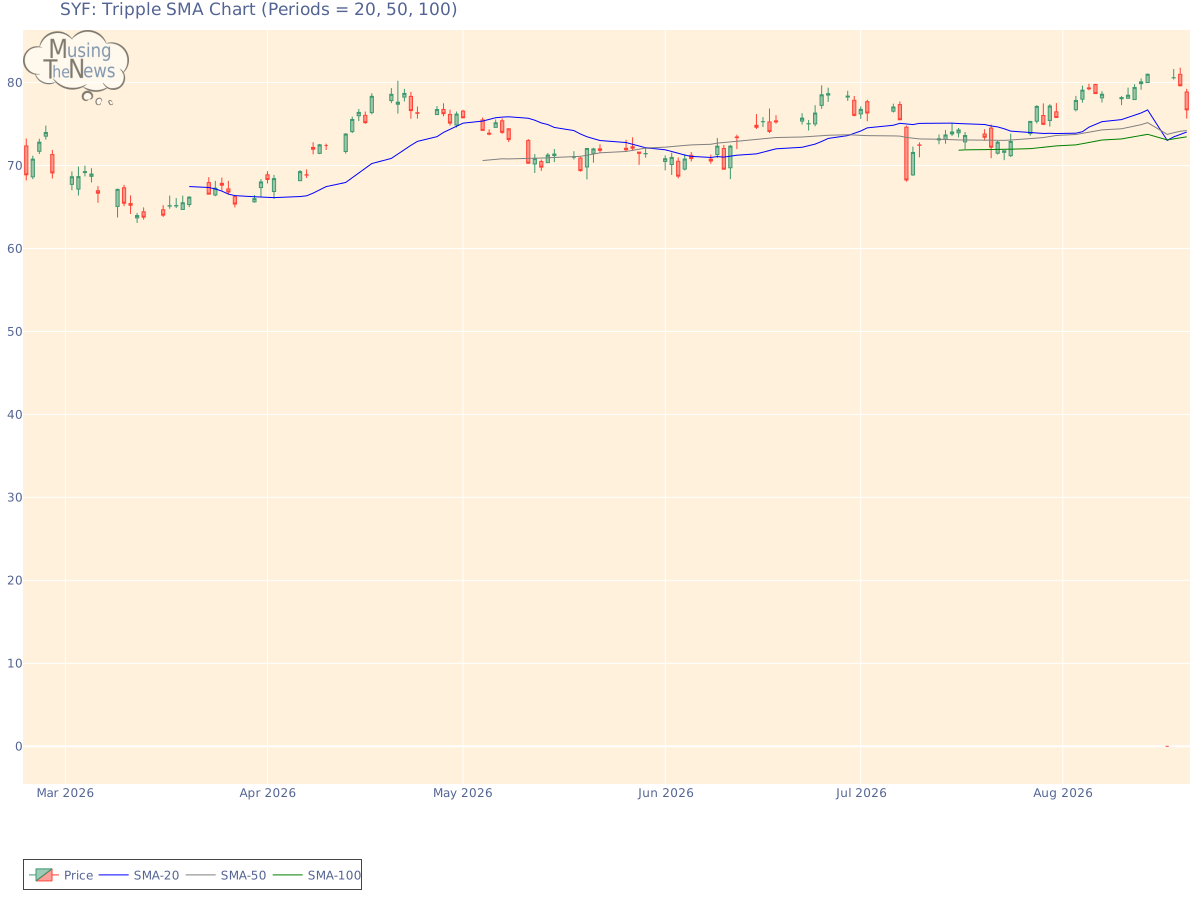
Tripple Moving Agerage: The current reading of the Tripple MOVING AVG is neutral for SYF, with no clear signals for an upward or downward trend. This indicates that the market may be in a state of uncertainty, with no dominant force driving the direction.
To make the most of a company's technical analysis, it's important to start with an understanding of its fundamentals. These include profitability, cash flow, and competitive positioning. Additionally, the industry in which the company operates plays a critical role, as trends and external factors can influence its market performance. By considering both the company's internal fundamentals and the external industry environment, more meaningful and accurate conclusions can be drawn from the technical data.
If you have enjoyed reading, spread the word:
Good prospects:
Companies with the best and the worst technicals.
Latest Regulatory Filings for SP5
Companies with the best and the worst fundamentals.

When Losing Money Pays: America's Broken Market Logic

The Hidden Time Bomb in AI Finance
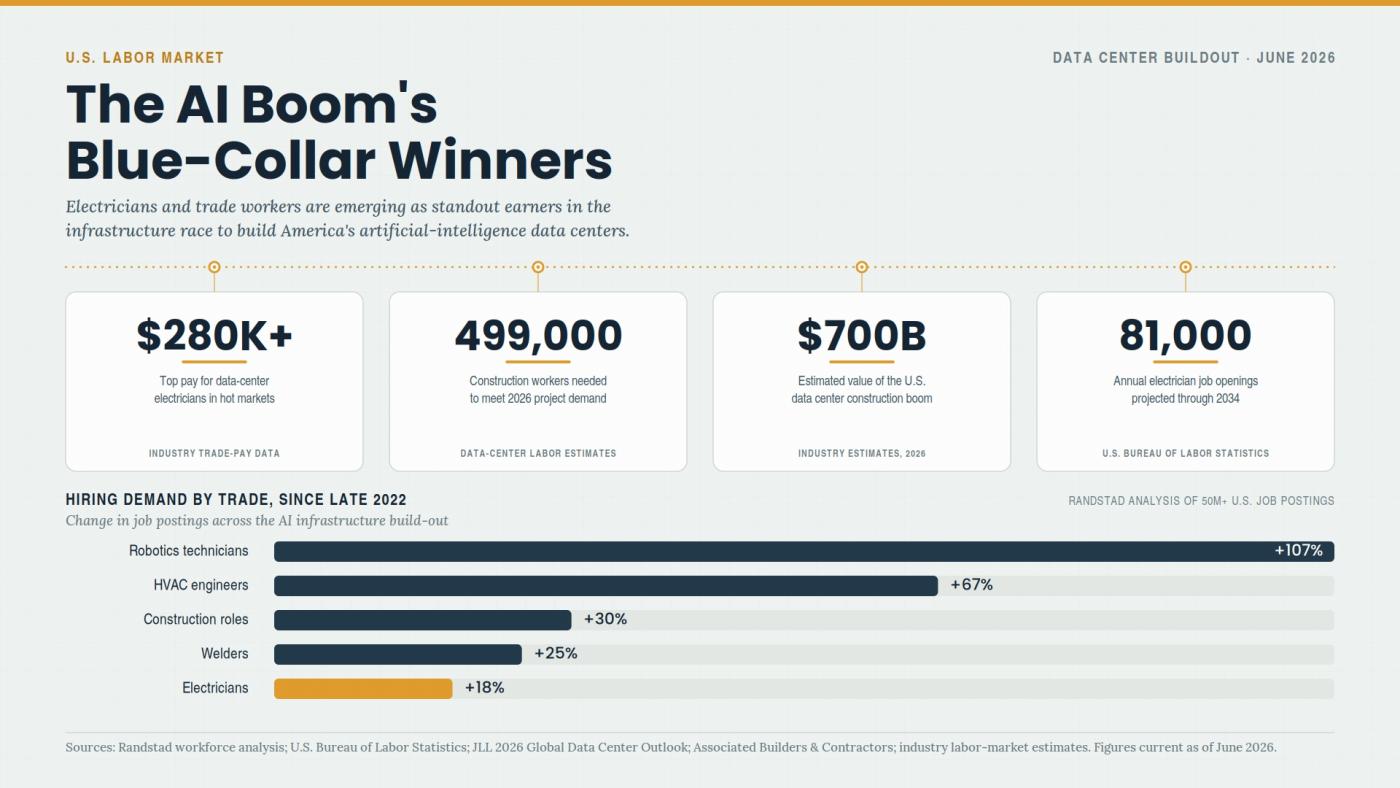
Why Electricians Now Out-Earn Software Engineers