
More about The Sherwin-Williams Company
Regulatory Filings for The Sherwin-Williams Company
Fundamentals for The Sherwin-Williams Company

AI Learns to Read the Federal Reserve

AI Subscriptions Rewrite the Inflation Playbook

Diversification Shielded U.S. Banks

Repo, Debt and Risk: The Fed's Untold Warning for 2026
Fundamentals for The Sherwin-Williams Company



Business Operations:
Sector: Basic MaterialsIndustry: Specialty Chemicals
The Sherwin-Williams Company engages in the development, manufacture, distribution, and sale of paint, coatings, and related products to professional, industrial, commercial and retail customers. The company operates through three segments: Paint Stores Group, Consumer Brands Group, and Performance Coatings Group. The Paint Stores Group segment offers architectural paint and coatings; protective and marine products; and OEM product finishes and related products for architectural and industrial paint contractors, and do-it-yourself homeowners under the Sherwin-Williams brand. The Consumer Brands Group segment supplies a portfolio of branded and private-label architectural paints, stains, varnishes, industrial products, wood finishes products, wood preservatives, applicators, corrosion inhibitors, aerosols, caulks, and adhesives to retailers, including home centers and hardware stores, and dedicated dealers and distributors. The Performance Coatings Group segment develops and sells industrial coatings for wood finishing and general industrial applications; automotive refinish products; protective and marine coatings; coil coatings; packaging coatings; and performance-based resins and colorants. This segment serves retailers, dealers, jobbers, licensees, and other third-party distributors. The company operates in North America, South America, the Caribbean, Europe, Asia, and Australia. The Sherwin-Williams Company was founded in 1866 and is headquartered in Cleveland, Ohio.
Revenue projections:

The Sherwin-Williams Company's projected revenue decline from last year is likely to make investors cautious. Lower revenues often hurt a company's bottom line, leading investors to be concerned about the company's ability to maintain profitability and deliver strong financial results in the future.
Financial Ratios:
| currentRatio | 0.727000 |
|---|---|
| forwardPE | 25.362658 |
| debtToEquity | 389.958000 |
| earningsGrowth | 0.143000 |
| revenueGrowth | 0.075000 |
| grossMargins | 0.489820 |
| operatingMargins | 0.181240 |
| trailingEps | 10.850000 |
| forwardEps | 13.613320 |
SHW's Forward PE ratio suggests the stock price is reasonable in relation to earnings. It's not overpriced, providing room for future growth, making the stock a potentially valuable investment for those seeking long-term gains.
SHW's elevated debt-to-equity ratio suggests the company is highly leveraged, meaning it has significant debt compared to equity. This can be risky, particularly if SHW's cash flow or profits decrease, making it harder to meet debt obligations.
SHW's forward EPS being higher than its trailing EPS signals anticipated growth in profitability for the current financial year. This suggests that SHW is on track to improve its earnings, outpacing the previous year's performance and reflecting positive market expectations.
Price projections:

Over time, price projections for SHW have gradually increased, reflecting rising confidence in the company's future performance. This upward trend suggests analysts expect SHW to continue on a positive growth trajectory.
Insider Transactions:

5 The Sherwin-Williams Company shares were sold in recent transactions, with market price at 361.54906005859374.During the review period, no sell transactions were executed.The recent trend of increased buying at The Sherwin-Williams Company's current price levels may indicate a favorable market sentiment. This could point to a positive outlook for the stock, as investors show growing confidence through higher buy activity.
Recommendation changes over time:

Analysts have been favoring SHW with a buy bias recently, signaling a promising investment opportunity. This optimistic outlook may attract more investors, positioning SHW as a desirable option for those seeking to invest their money in a stable, profitable company with strong growth potential.
If you have enjoyed reading, spread the word:
Good prospects:
Companies with the best and the worst technicals.
Latest Regulatory Filings for SP5
Companies with the best and the worst fundamentals.

When Losing Money Pays: America's Broken Market Logic

The Hidden Time Bomb in AI Finance
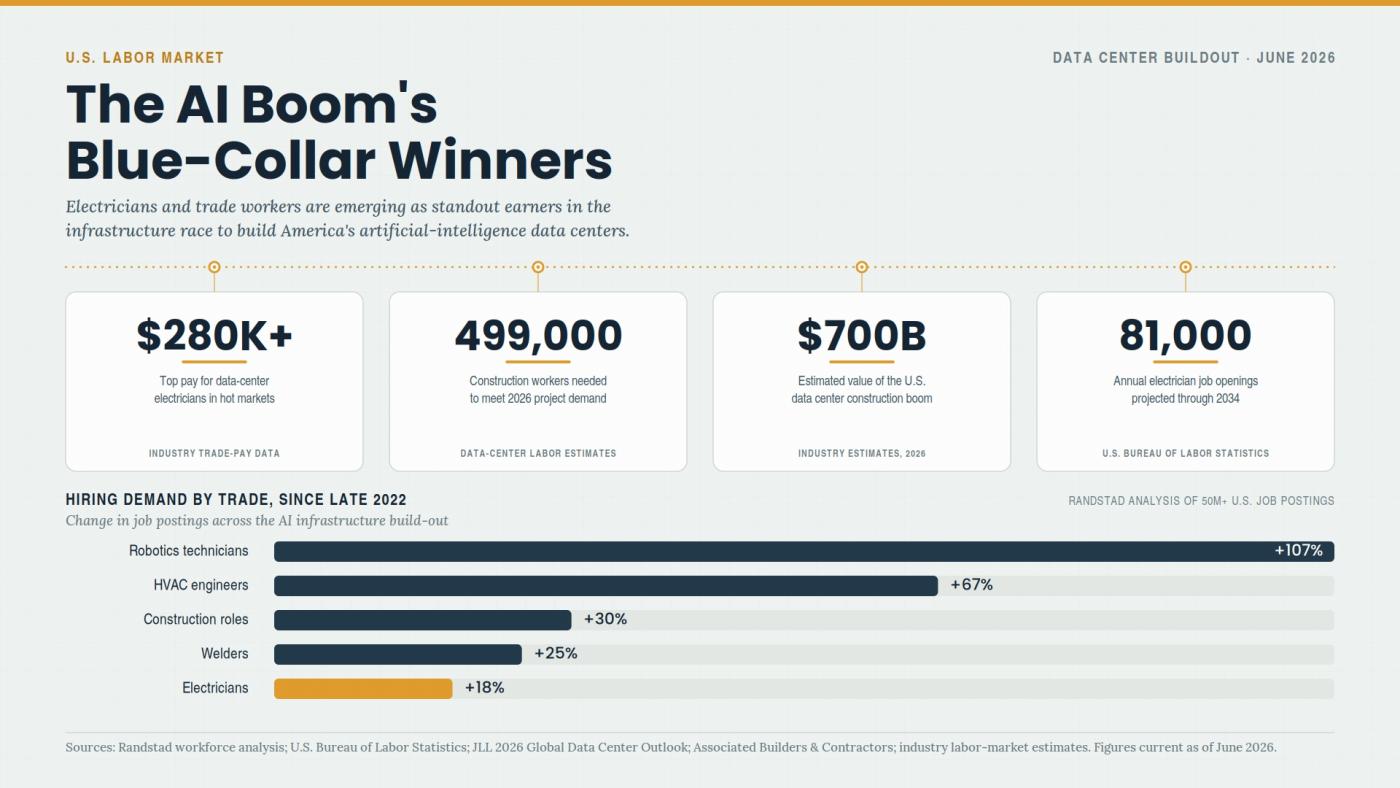
Why Electricians Now Out-Earn Software Engineers