Fundamentals for Royal Caribbean Cruises Ltd.
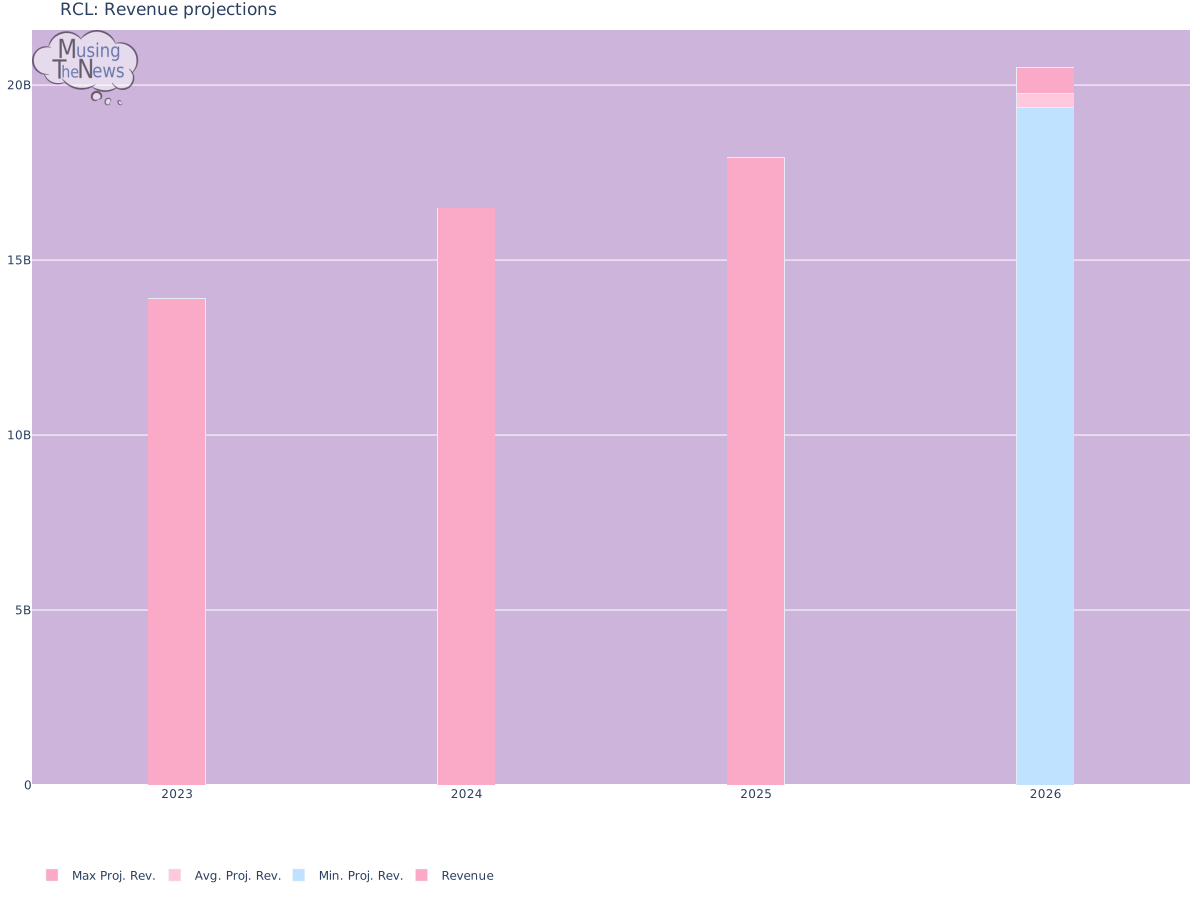
RCL's projected revenue decline from last year is likely to make investors cautious. Lower revenues often hurt a company's bottom line, leading investors to be concerned ab...






Business Operations:
Sector: Consumer CyclicalIndustry: Travel Services
Royal Caribbean Cruises Ltd. operates as a cruise company worldwide. The company operates cruises under the Royal Caribbean International, Celebrity Cruises, and Silversea Cruises brands, which comprise a range of itineraries. As of December 31, 2025, it operated 69 ships. Royal Caribbean Cruises Ltd. was founded in 1968 and is headquartered in Miami, Florida.
Revenue projections:
Financial Ratios:
| currentRatio | 0.209000 |
|---|---|
| forwardPE | 13.458015 |
| debtToEquity | 224.816000 |
| earningsGrowth | -0.046000 |
| revenueGrowth | 0.065000 |
| grossMargins | 0.502840 |
| operatingMargins | 0.270700 |
| trailingEps | 15.790000 |
| forwardEps | 20.382650 |
With a current ratio of 0.209, RCL may face challenges covering its short-term liabilities using available cash and assets. This points to potential liquidity concerns, as the company might need to seek alternative financing to meet its near-term debt obligations.
Royal Caribbean Cruises Ltd.'s Forward PE being in a good range indicates the stock is priced well relative to its earnings. It is not overvalued, leaving space for future growth, making it an appealing option for investors interested in long-term value appreciation.
Royal Caribbean Cruises Ltd.'s high debt-to-equity ratio indicates the company is using significant leverage, relying more on debt to finance its operations. This can lead to higher risk, especially if profitability falters or economic conditions worsen.
Royal Caribbean Cruises Ltd.'s low growth in both earnings and revenue indicates the company's profits may decrease. This trend could signal a downturn in financial performance, suggesting that Royal Caribbean Cruises Ltd. might struggle to maintain its current profit levels.
Royal Caribbean Cruises Ltd.'s positive gross and operating margins suggest strong profitability. These margins reflect effective cost management and revenue generation, indicating that the company is efficiently managing its operations and maintaining financial health.
RCL's forward EPS exceeding its trailing EPS means the company is expected to be more profitable this year than last. This suggests an upward trend in earnings, with forecasts indicating that RCL's financial performance will improve in the current financial year.
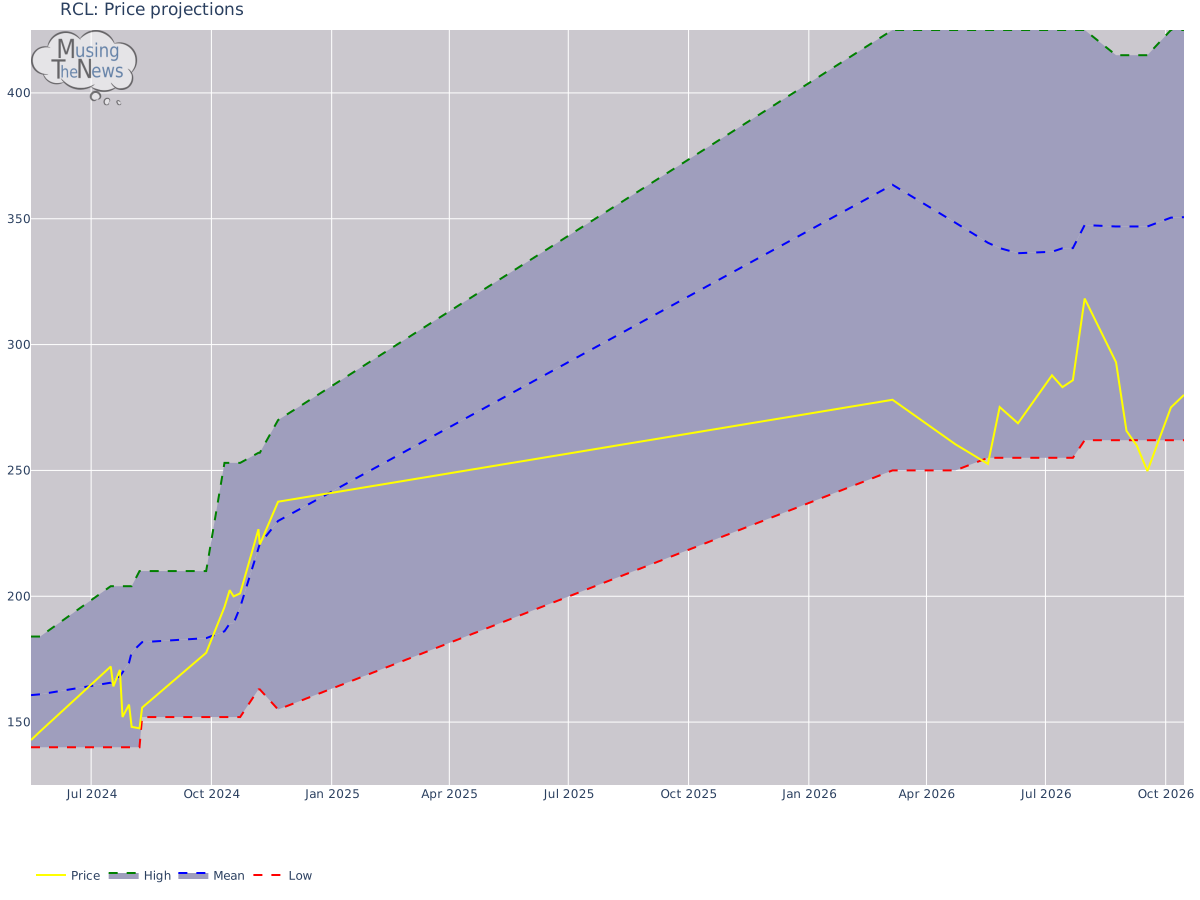
Price projections:
Insider Transactions:
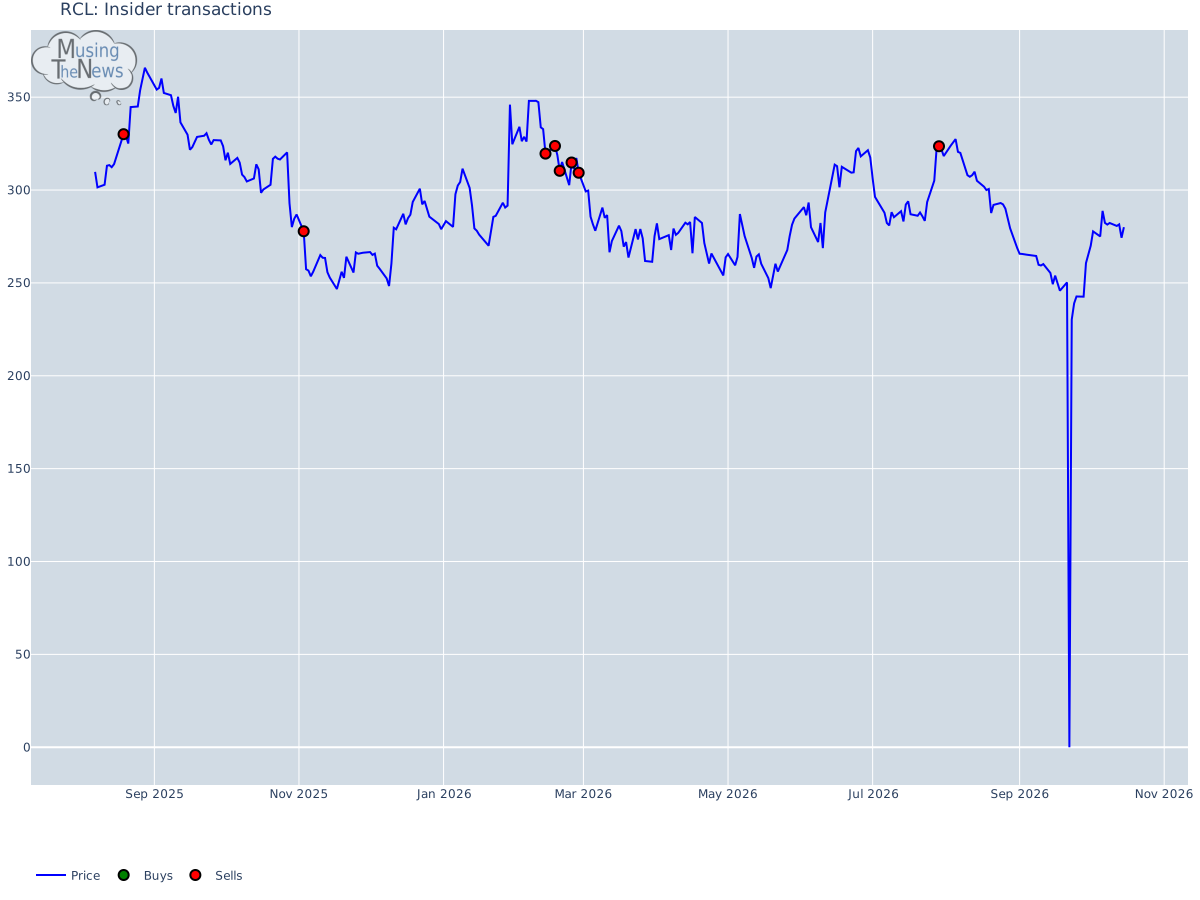
8 transactions to sell Royal Caribbean Cruises Ltd. occurred, with market price at 313.659366607666.No sell transactions occurred during the period under consideration.The trend of more buys than sells at RCL's current price levels suggests a possible bullish sentiment. This could indicate that investors are expecting a favorable outlook for the stock, prompting more buying activity.
Recommendation changes over time:
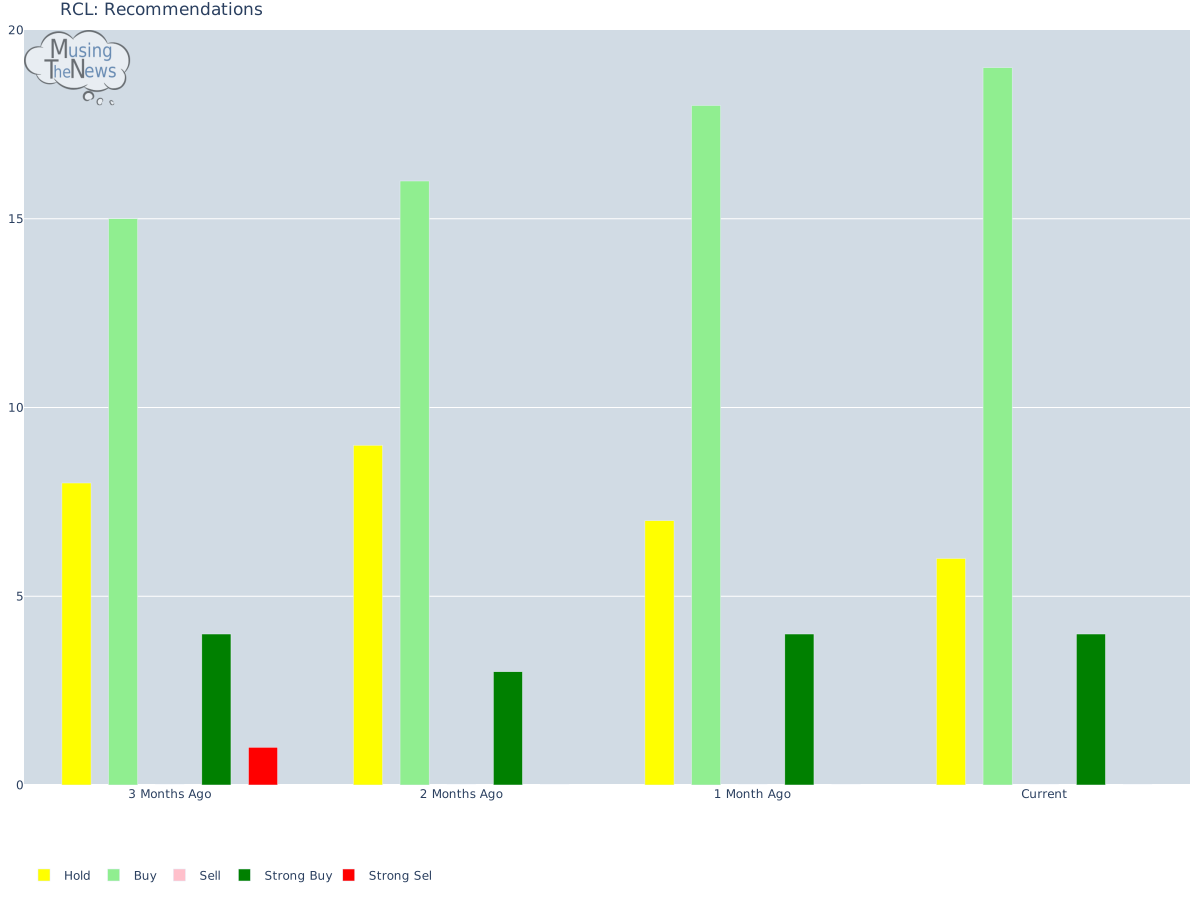
Analysts' buy bias toward Royal Caribbean Cruises Ltd. suggests the stock is seen as a solid investment, potentially motivating investors to consider it for their portfolios. With this positive outlook, Royal Caribbean Cruises Ltd. is likely to be viewed as a secure place to allocate funds, driving further interest in the stock.