Fundamentals for Norfolk Southern Corporation
Norfolk Southern Corporation experienced 1 selling transactions, with market price of 281.7699890136719.3 NSC stock purchases took place, with market price of 285.533335367...






Business Operations:
Sector: IndustrialsIndustry: Railroads
Norfolk Southern Corporation, together with its subsidiaries, engages in the rail transportation of raw materials, intermediate products, and finished goods in the United States. The company transports agriculture, forest, and consumer products comprising soybeans, wheat, corn, fertilizers, livestock and poultry feed, food products, food oils, flour, sweeteners, ethanol, lumber and wood products, pulp board and paper products, wood fibers, wood pulp, beverages, and canned goods; chemicals, including sulfur and related chemicals, petroleum products comprising crude oil, chlorine and bleaching compounds, plastics, rubber, industrial chemicals, chemical wastes, sand, and natural gas liquids; metals and construction materials, such as steel, aluminum products, machinery, scrap metals, cement, aggregates, minerals, clay, transportation equipment, and military-related products; and automotive, including finished motor vehicles and automotive parts, as well as coal. It also transports overseas freight through various Atlantic and Gulf Coast ports; and operates an intermodal network. Norfolk Southern Corporation was incorporated in 1980 and is headquartered in Atlanta, Georgia.
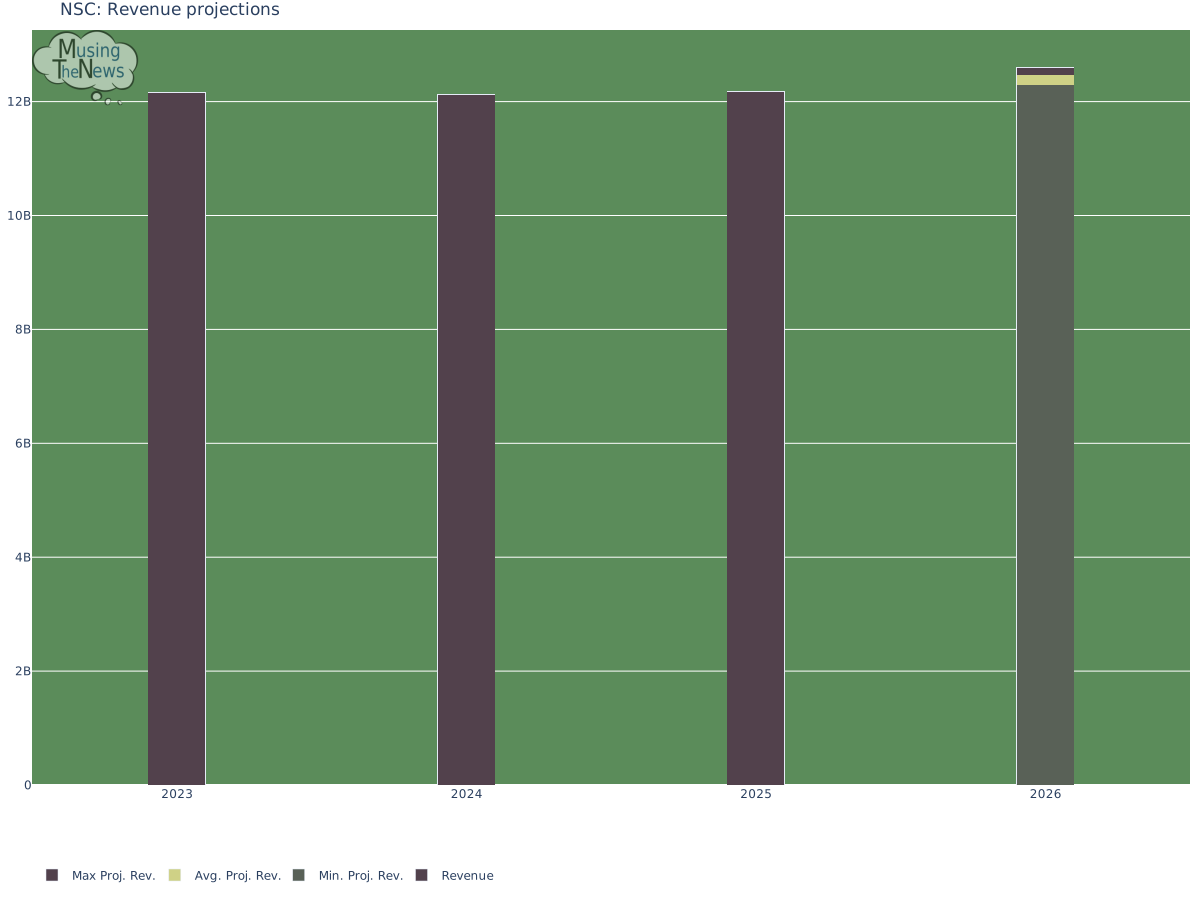
Revenue projections:
Financial Ratios:
| currentRatio | 0.831000 |
|---|---|
| forwardPE | 22.618279 |
| debtToEquity | 105.519000 |
| earningsGrowth | -0.044000 |
| revenueGrowth | 0.114000 |
| grossMargins | 0.451590 |
| operatingMargins | 0.352960 |
| trailingEps | 11.720000 |
| forwardEps | 14.312760 |
Norfolk Southern Corporation's Forward PE is at a healthy level, meaning the stock price is aligned favorably with earnings. This suggests that the stock isn't overpriced, providing room for growth and making it an appealing option for investors looking to capitalize on potential future gains.
Norfolk Southern Corporation's high debt-to-equity ratio signals significant reliance on debt to finance its operations. This heavy leverage can increase financial risk, especially if the company faces a decline in revenue or struggles to meet its debt obligations.
NSC's low growth in earnings and revenue indicates a potential decline in profits. This suggests that the company could be facing financial challenges, making it harder to sustain its current profit margins.
With positive gross and operating margins, NSC's profitability is evident. These metrics suggest the company is efficiently managing its expenses while maintaining strong revenue, highlighting a solid financial foundation.
With a forward EPS greater than its trailing EPS, Norfolk Southern Corporation is expected to see higher profitability this year. The forecasted increase in earnings reflects optimism about the company's financial growth and potential for improved performance over the prior year.
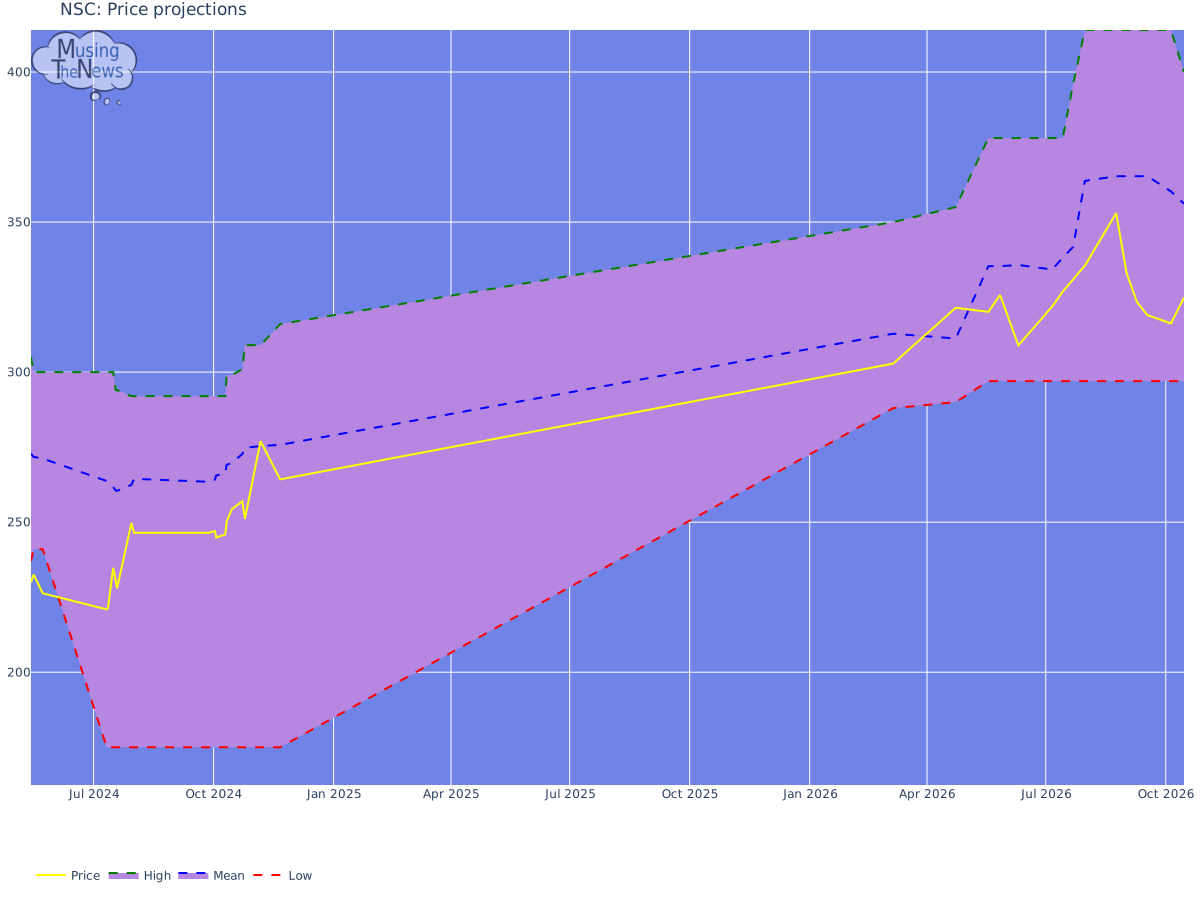
Price projections:
Insider Transactions:
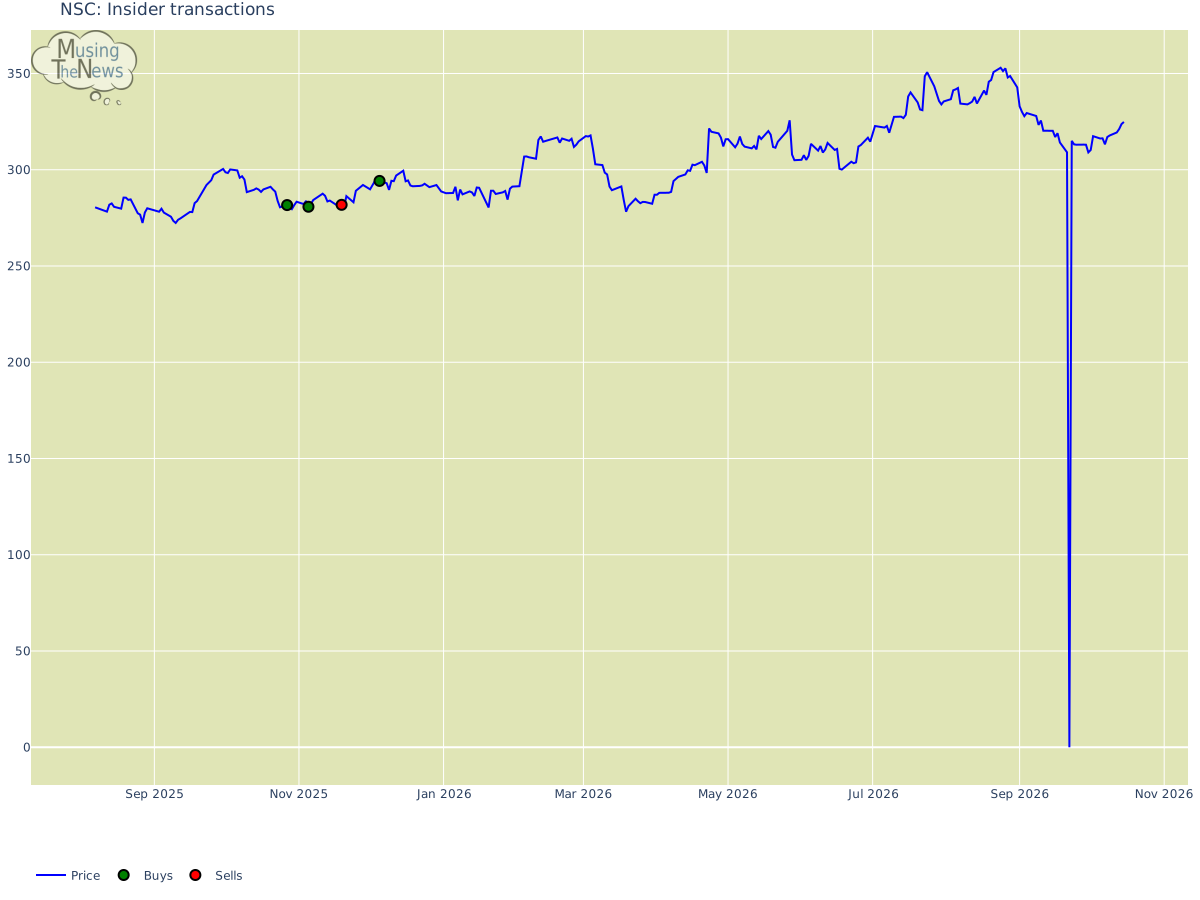
Norfolk Southern Corporation experienced 1 selling transactions, with market price of 281.7699890136719.3 NSC stock purchases took place, with market price of 285.53333536783856.The insider transaction data shows no clear pattern or trend, making it difficult to draw any meaningful conclusions about the company's current direction based on this information.
Recommendation changes over time:
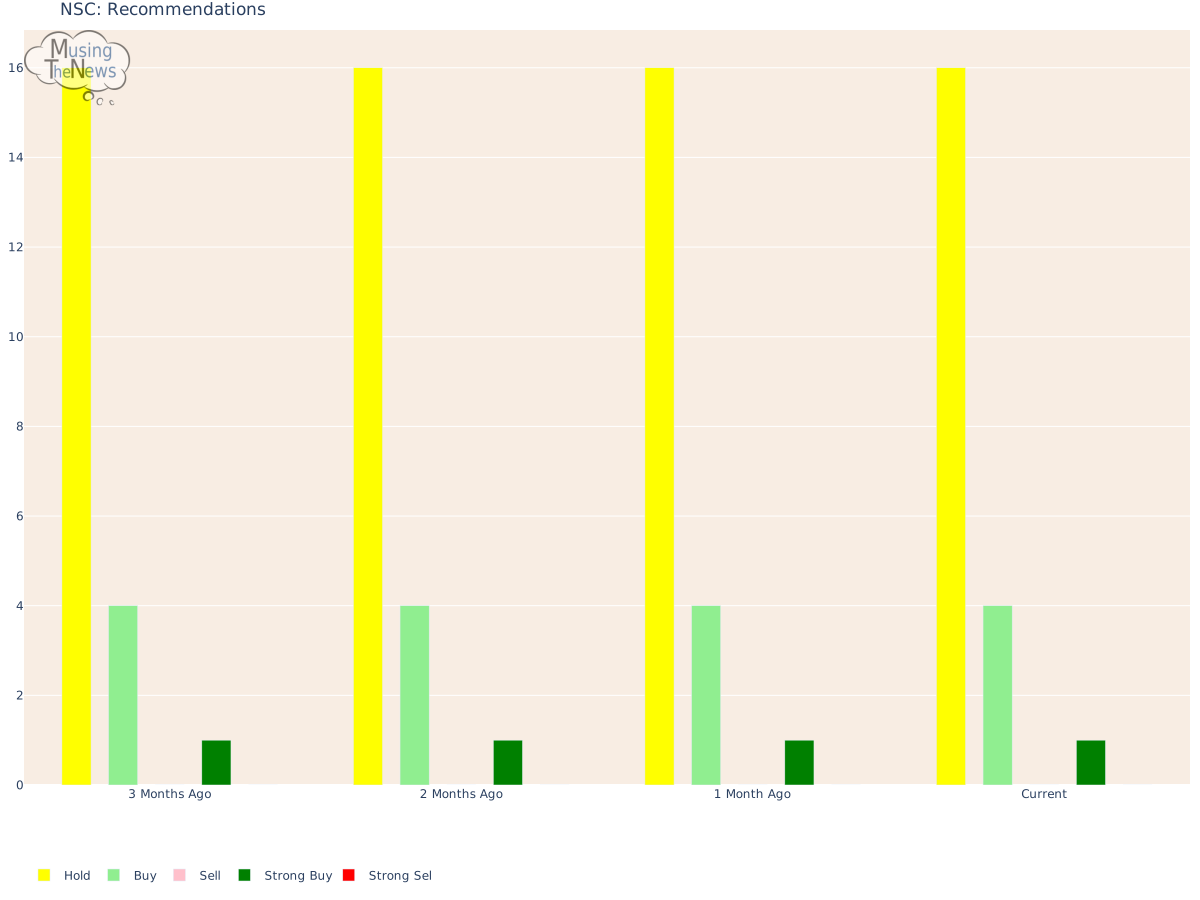
Norfolk Southern Corporation has been receiving a buy bias from analysts, indicating confidence in its investment potential. This could drive more investors to view Norfolk Southern Corporation as a reliable choice for their money, offering a promising avenue for future growth and financial gains.