Fundamentals for Nasdaq, Inc.
NDAQ's positive gross and operating margins suggest that the company is operating profitably. These strong margins indicate effective cost management and revenue generation...






Business Operations:
Sector: Financial ServicesIndustry: Financial Data & Stock Exchanges
Nasdaq, Inc. operates as a technology company that serves capital markets and other industries in the United States and internationally. It operates through three segments: Capital Access Platforms, Financial Technology, and Market Services. The company distributes historical and real-time market data; develops and licenses Nasdaq-branded indices and financial products; provides investor relations intelligence, governance solutions, and sustainability solution products for public and private companies, and organizations, as well as insights and workflow solutions; and operates listing platforms. It also offers Verafin, a cloud-based platform to detect, investigate, and report money laundering and financial frauds; AxiomSL, a risk data management and regulatory reporting solution; cloud-enabled and on-premises surveillance solutions to assist in complying with market rules, regulations, and internal market surveillance policies; Calypso, a platform providing cross-asset, front-to-back trading, treasury, risk, and collateral management solutions; and trade management and colocation services, as well as handles assets comprising cash equities, equity derivatives, currencies, various interest-bearing securities, commodities, energy products, and digital currencies. In addition, the company provides equity derivative trading and clearing, cash equity trading and fixed income, currency and commodities trading, and fixed income trading and clearing services, as well as tape plan data services; operates various exchanges, including derivatives, commodities, cash equity, debt, structured products, and exchange traded products; and offers clearing, settlement, and central depository services. The company was formerly known as The NASDAQ OMX Group, Inc. and changed its name to Nasdaq, Inc. in September 2015. Nasdaq, Inc. was founded in 1971 and is headquartered in New York, New York.
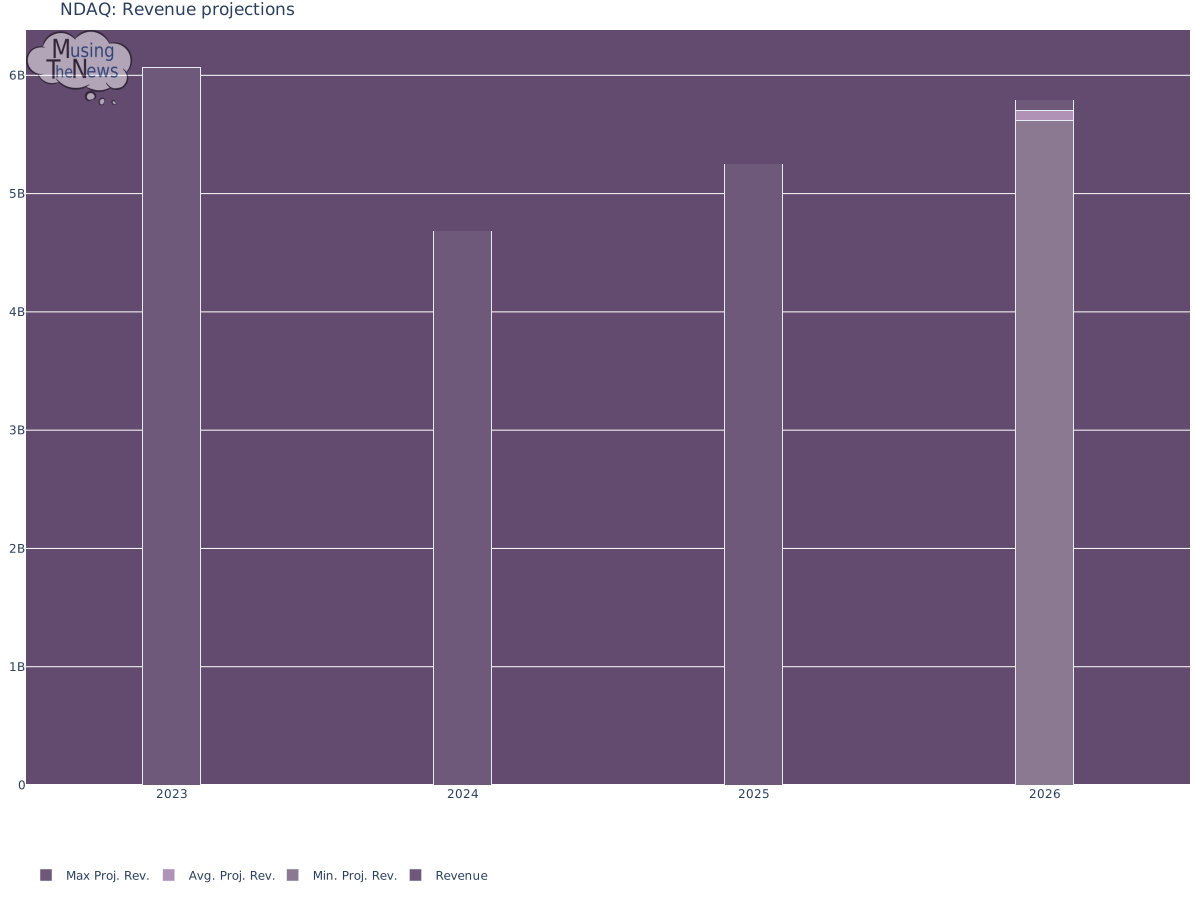
Revenue projections:
Financial Ratios:
| currentRatio | 1.006000 |
|---|---|
| forwardPE | 19.657846 |
| debtToEquity | 77.687000 |
| earningsGrowth | 0.141000 |
| revenueGrowth | 0.149000 |
| grossMargins | 1.000000 |
| operatingMargins | 0.493330 |
| trailingEps | 3.370000 |
| forwardEps | 4.678030 |
NDAQ's current ratio being 1.006 suggests the company will have no issues paying off its short-term debt. With sufficient cash reserves and current assets, NDAQ can easily cover its immediate liabilities, reflecting solid financial health.
Nasdaq, Inc.'s Forward PE being in a good range indicates the stock is priced well relative to its earnings. It is not overvalued, leaving space for future growth, making it an appealing option for investors interested in long-term value appreciation.
With positive growth in both earnings and revenue, NDAQ is expected to grow its business. These indicators highlight a strong financial outlook, with the company on track for continued expansion and increasing profitability.
NDAQ's positive gross and operating margins suggest that the company is operating profitably. These strong margins indicate effective cost management and revenue generation, contributing to a solid financial foundation.
With a forward EPS greater than its trailing EPS, NDAQ is expected to see higher profitability this year. The forecasted increase in earnings reflects optimism about the company's financial growth and potential for improved performance over the prior year.
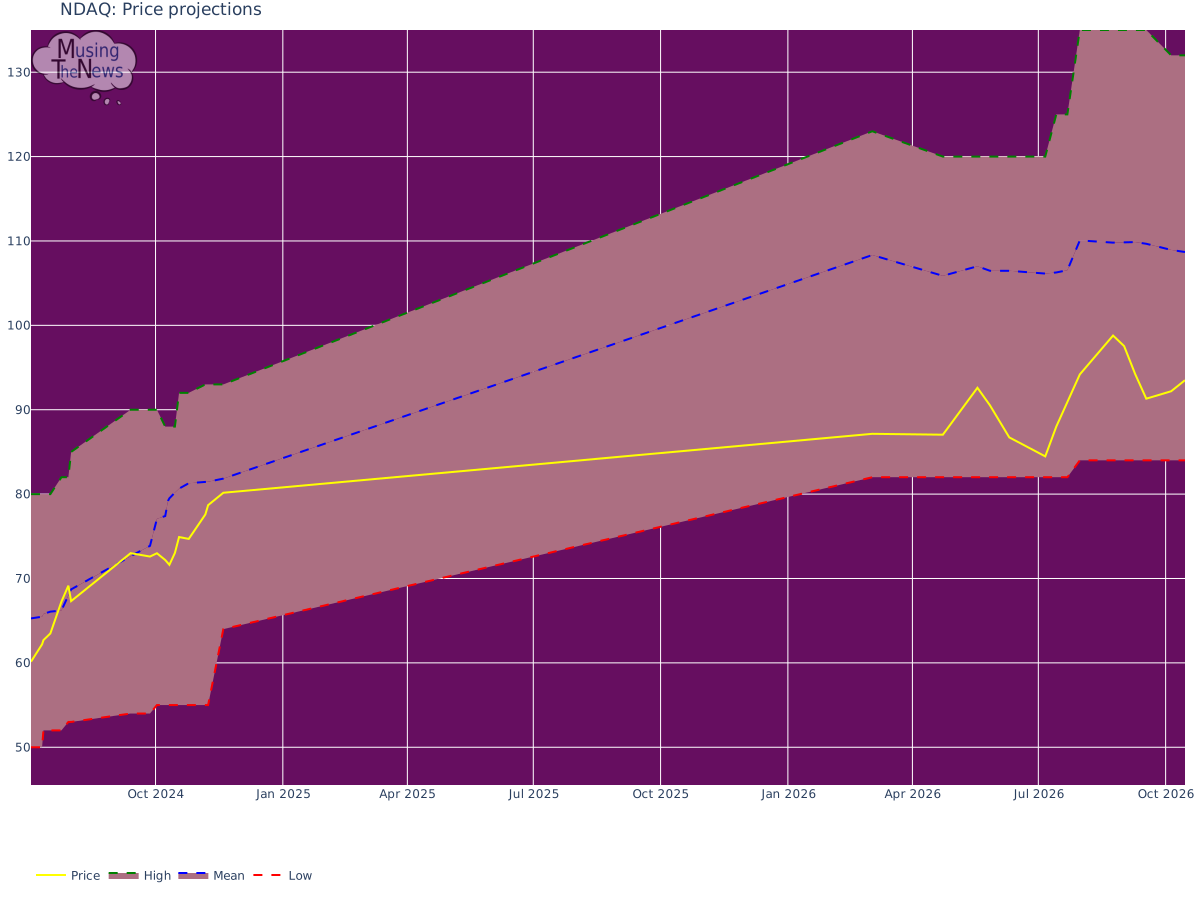
Price projections:
Insider Transactions:
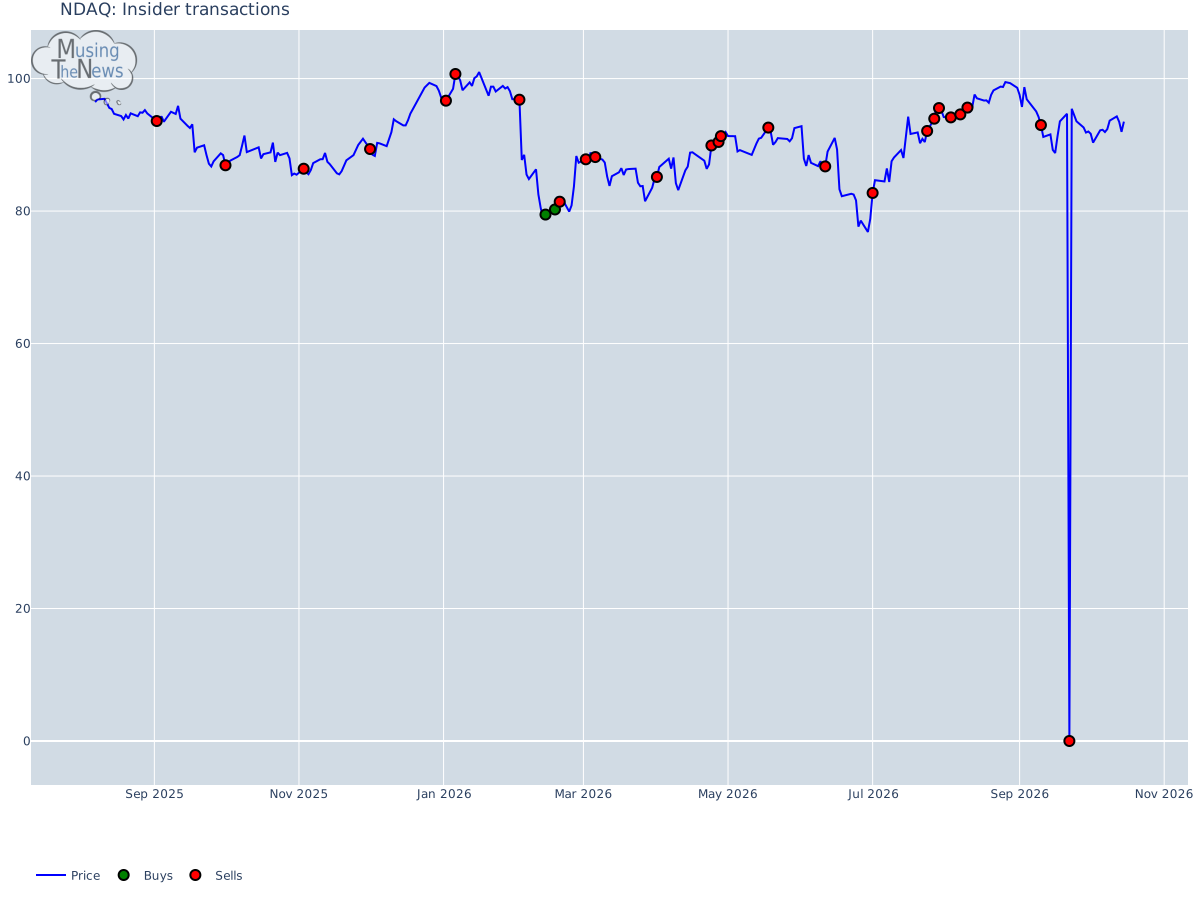
25 transactions were made to sell NDAQ shares, with market price of 87.4221109008789.2 separate transactions to buy NDAQ were completed, while market price hovered around 79.85499954223633.NDAQ's current price levels are marked by more sells than buys, potentially signaling a price decline. If this trend continues, it may suggest that investors expect the stock to drop further in value.
Recommendation changes over time:
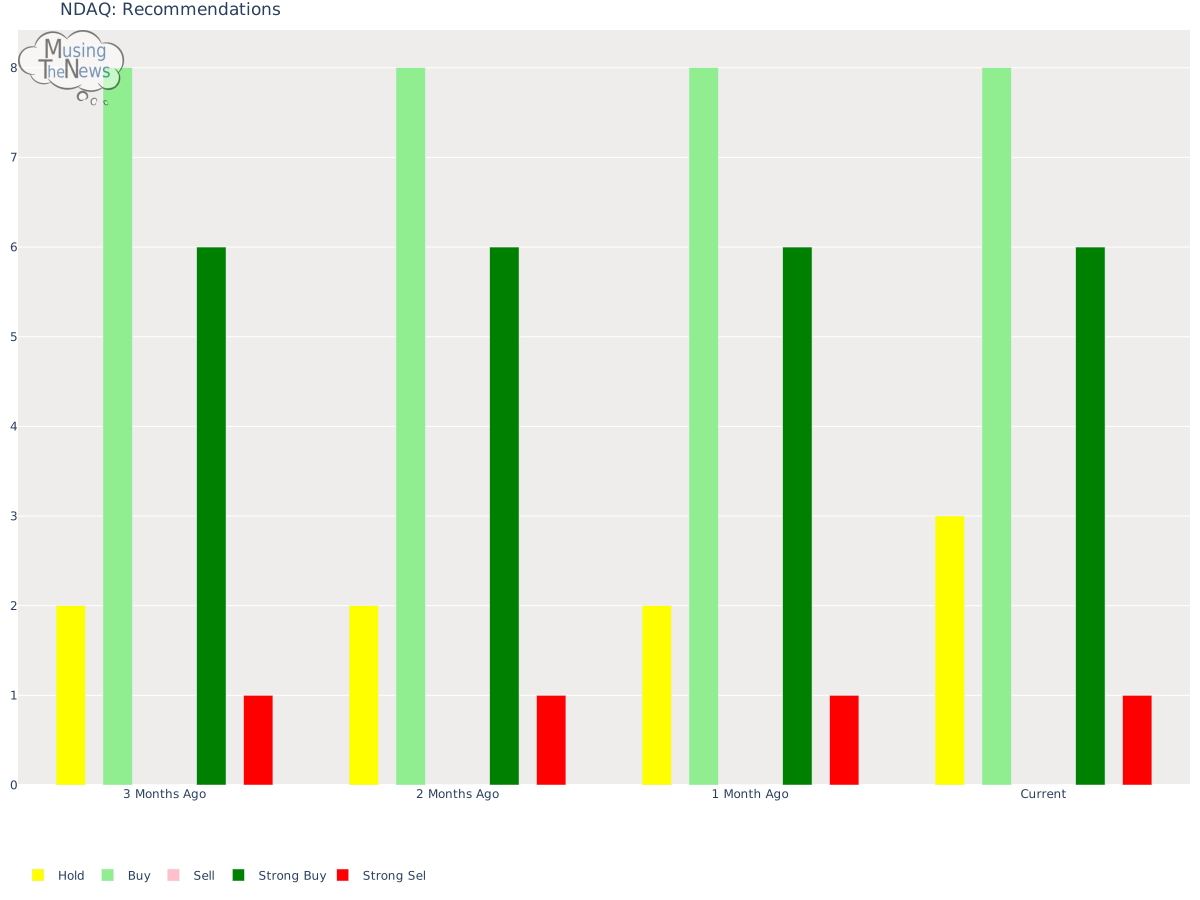
NDAQ has been receiving a buy bias from analysts, indicating confidence in its investment potential. This could drive more investors to view NDAQ as a reliable choice for their money, offering a promising avenue for future growth and financial gains.