

The Machines That Ate the Grid: Five Centuries of Power Hunger
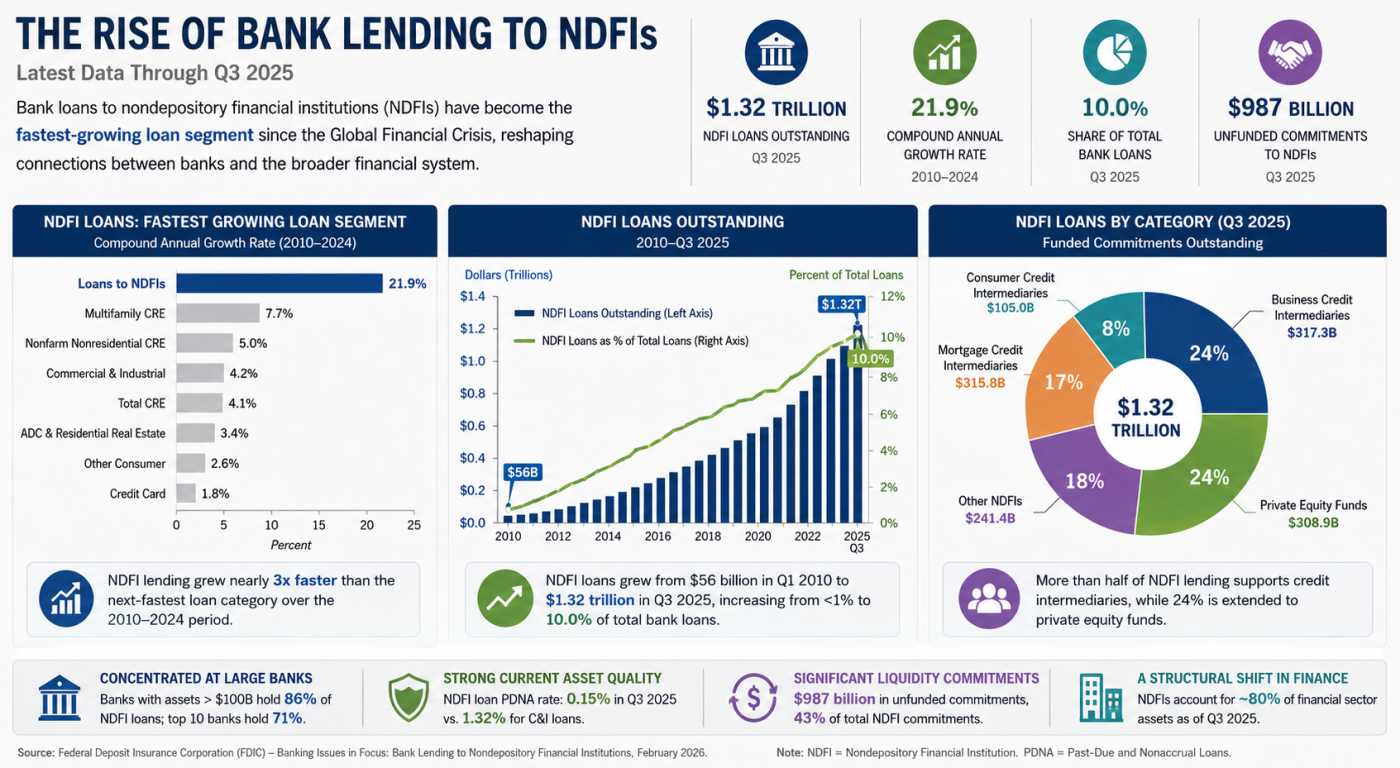
Private Credit’s Secret Banking Backbone Is Growing Faster Than Anyone Expected
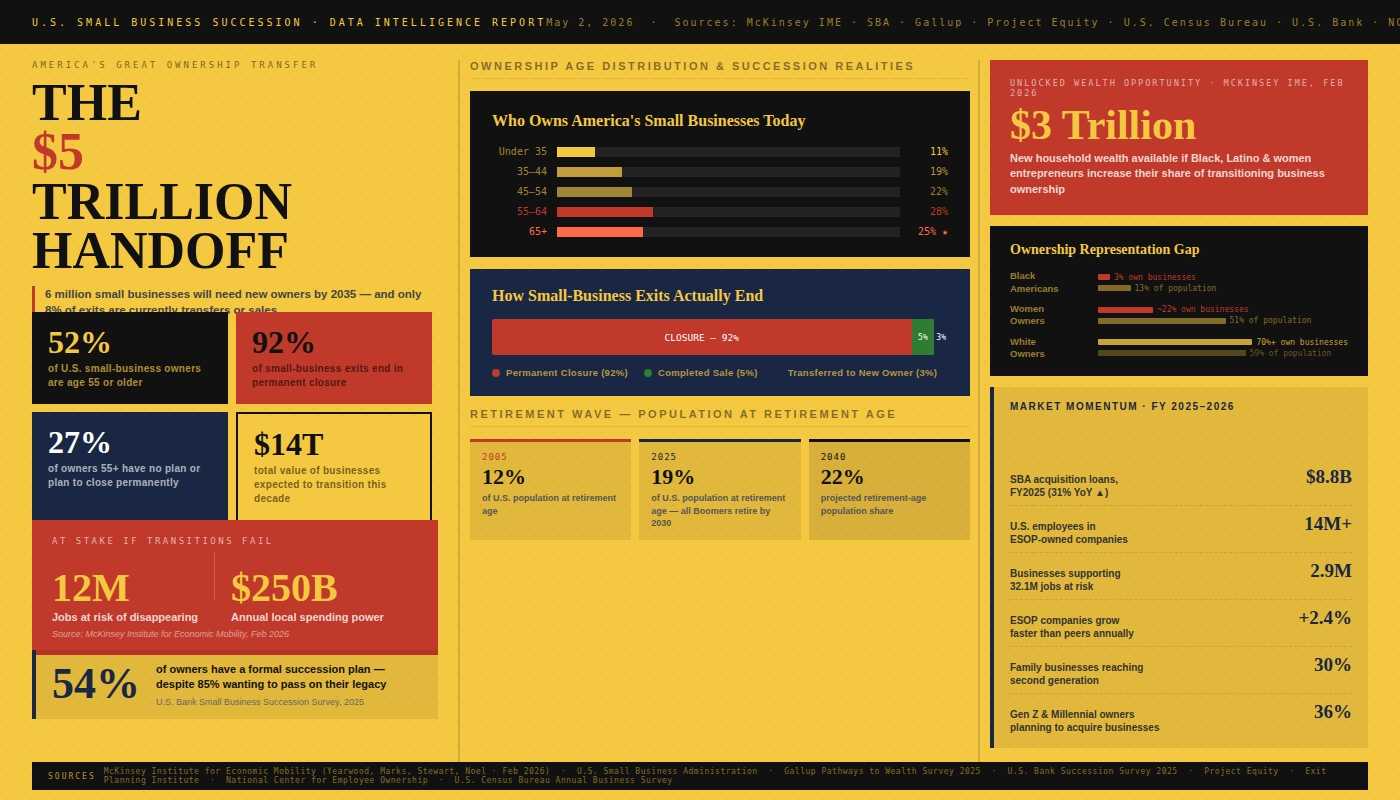
America's $5 Trillion Business Handoff Has Already Begun

The Repair Economy Boom in Rural America
Technicals for MetLife, Inc.



Price Summary
On 2026-05-08, MetLife, Inc.'s stock began at 79.05, climbed to 79.41, dropped to 77.66, and had -1.23% to end at 78.08, with a volume of 2280272 shares.Throughout the 52-week period, the stock hit a high of 82.89 and a low of 67.7.
Analysts expect the price of MET to vary between 75.0 and 102.0, with an average expected price near 89.0625.
Technicals
Support and Resistance: At 78.08, the price is held up by support at 77.08 and faces resistance at 79.47 for MET. This suggests a trading range where 77.08 provides a base and 79.47 limits upward movement.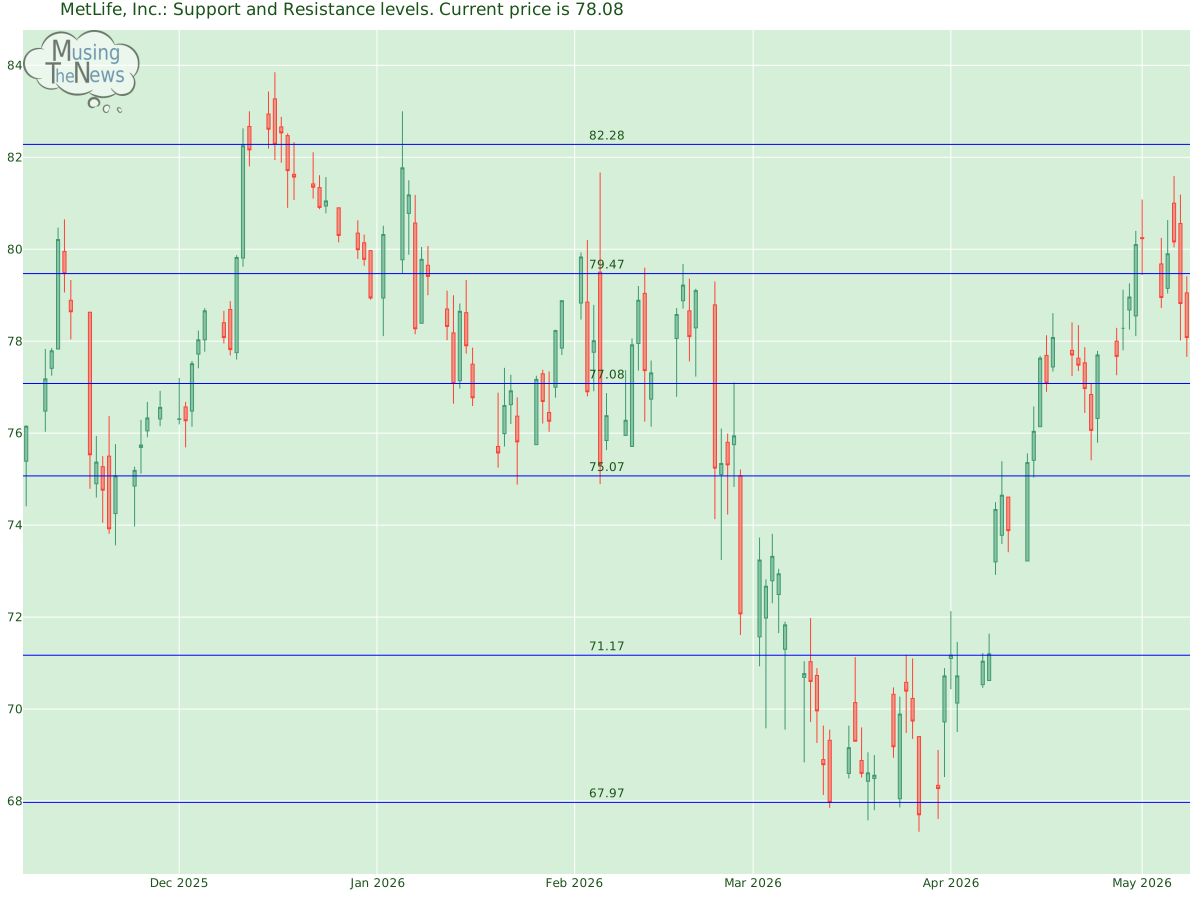
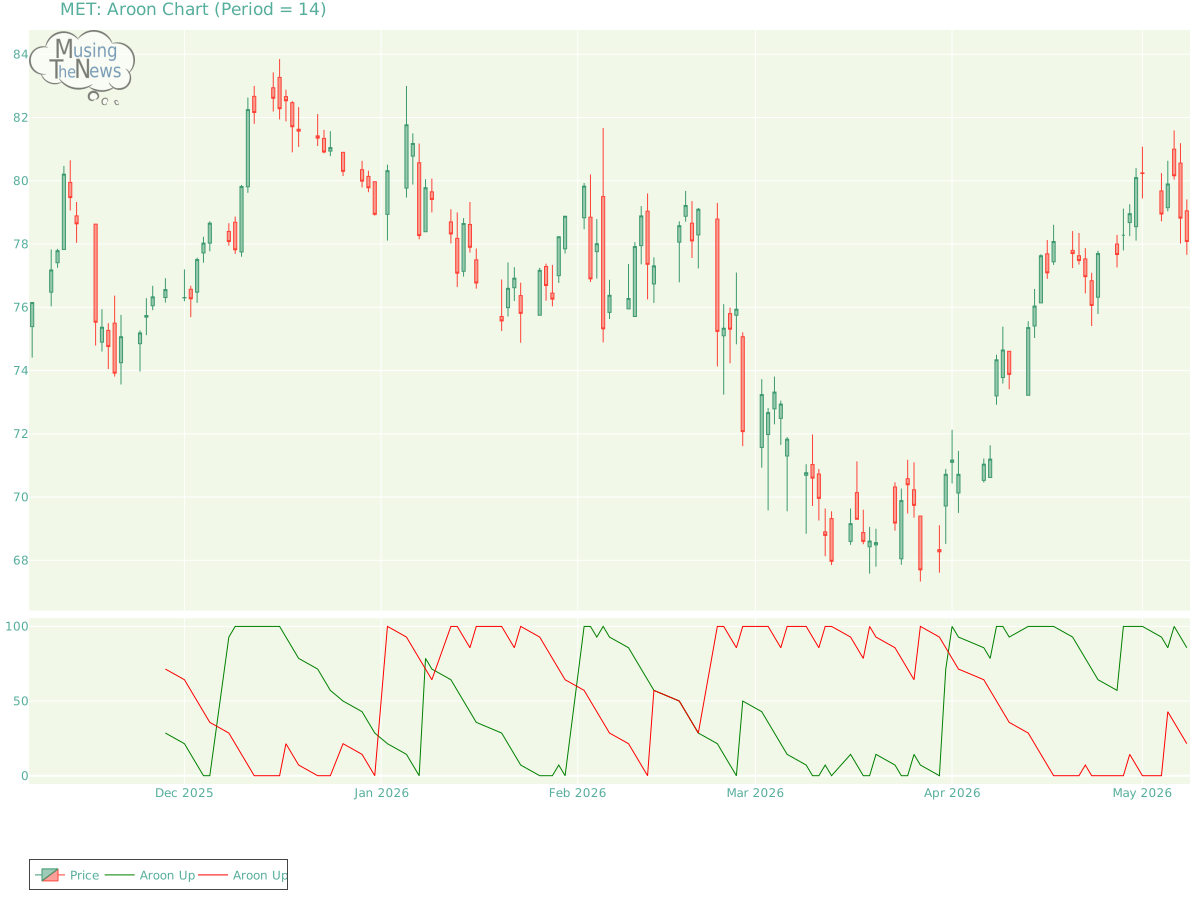
Aroon: The AROON is showing a neutral stance, with no definitive indication of an upward or downward trend for MET. This neutral position suggests a period of indecision in the market, making it difficult to predict the next move.
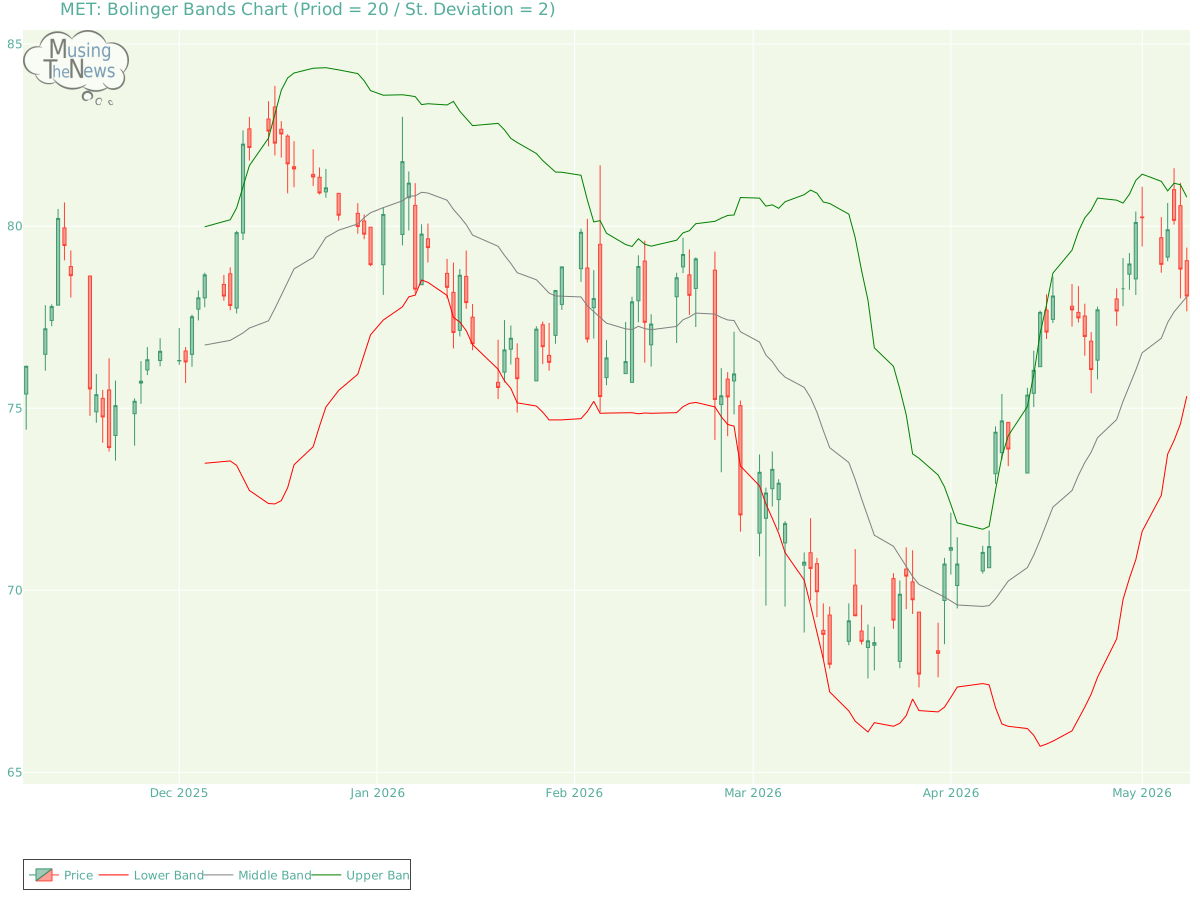
Bol. Bands: The BOLL BANDS is in a neutral stance, with no clear direction indicated for the market. This lack of clarity suggests that the market may be in a state of equilibrium for MET, with no strong trend emerging.
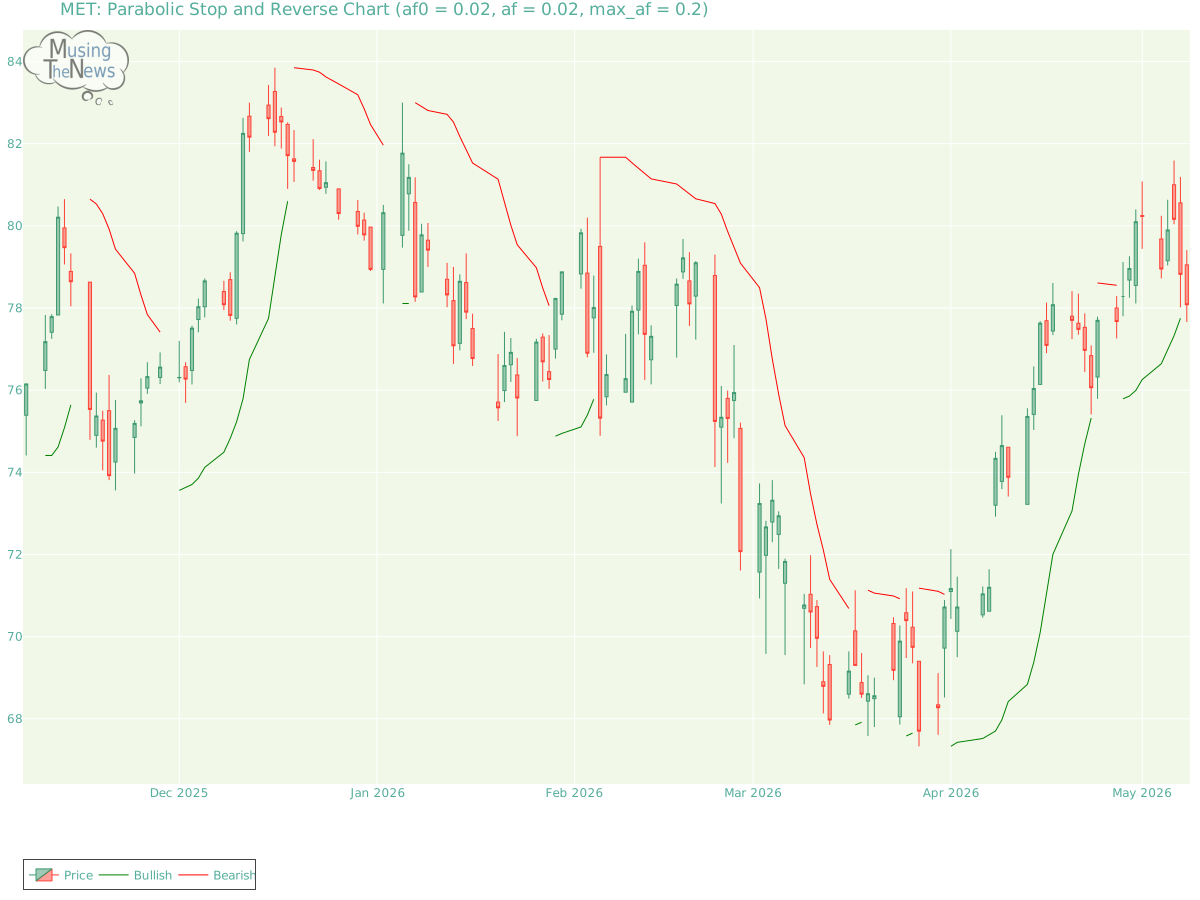
Parabolic SAR: The PSAR has shifted from bullish to bearish in its latest move, potentially signaling a downward trend for MET. This reversal could be a strong bearish indicator if it aligns with other trends. Investors should consider this development carefully and look for additional confirmation before acting.
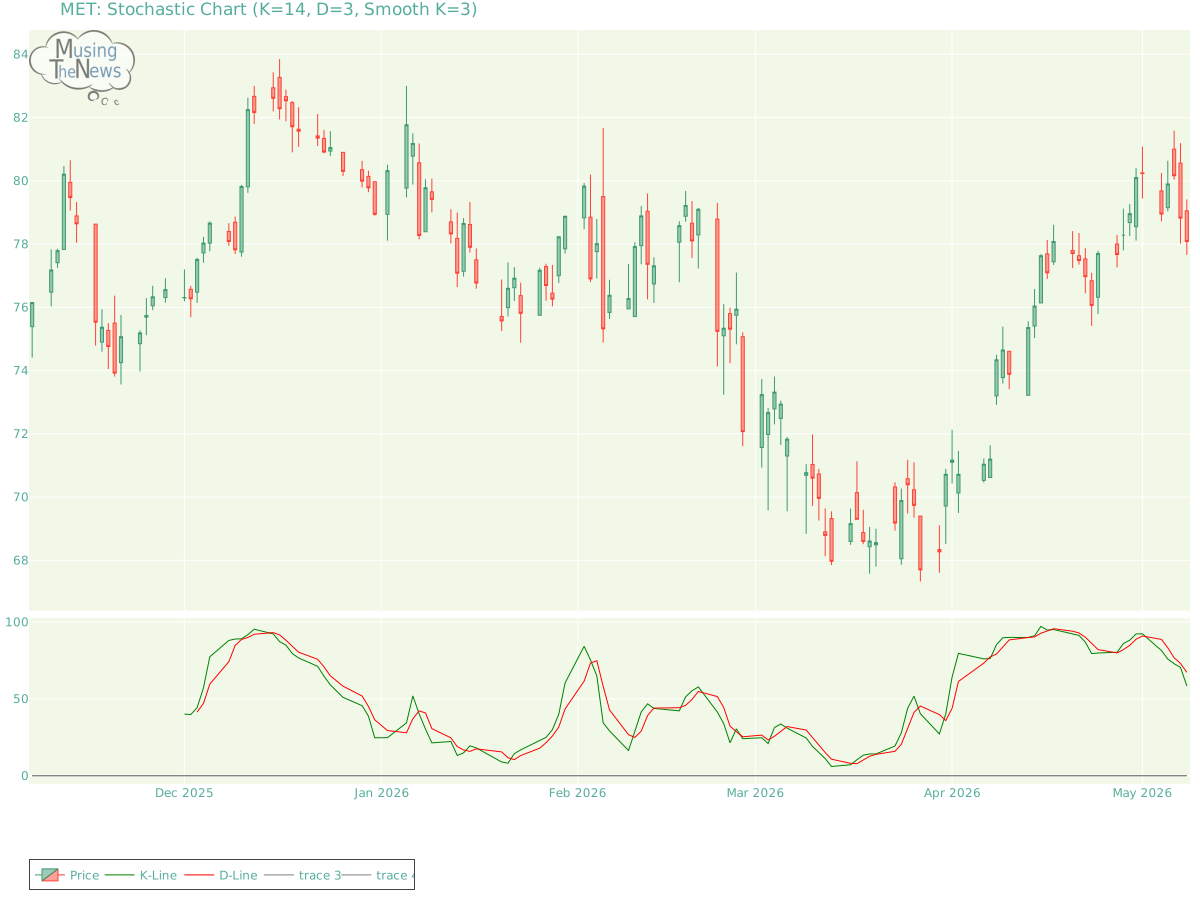
Stochastic: The STOCHASTIC is neutral, showing no definitive signals of a trend either upward or downward. This neutral stance indicates a period of market indecision, where the direction is unclear.
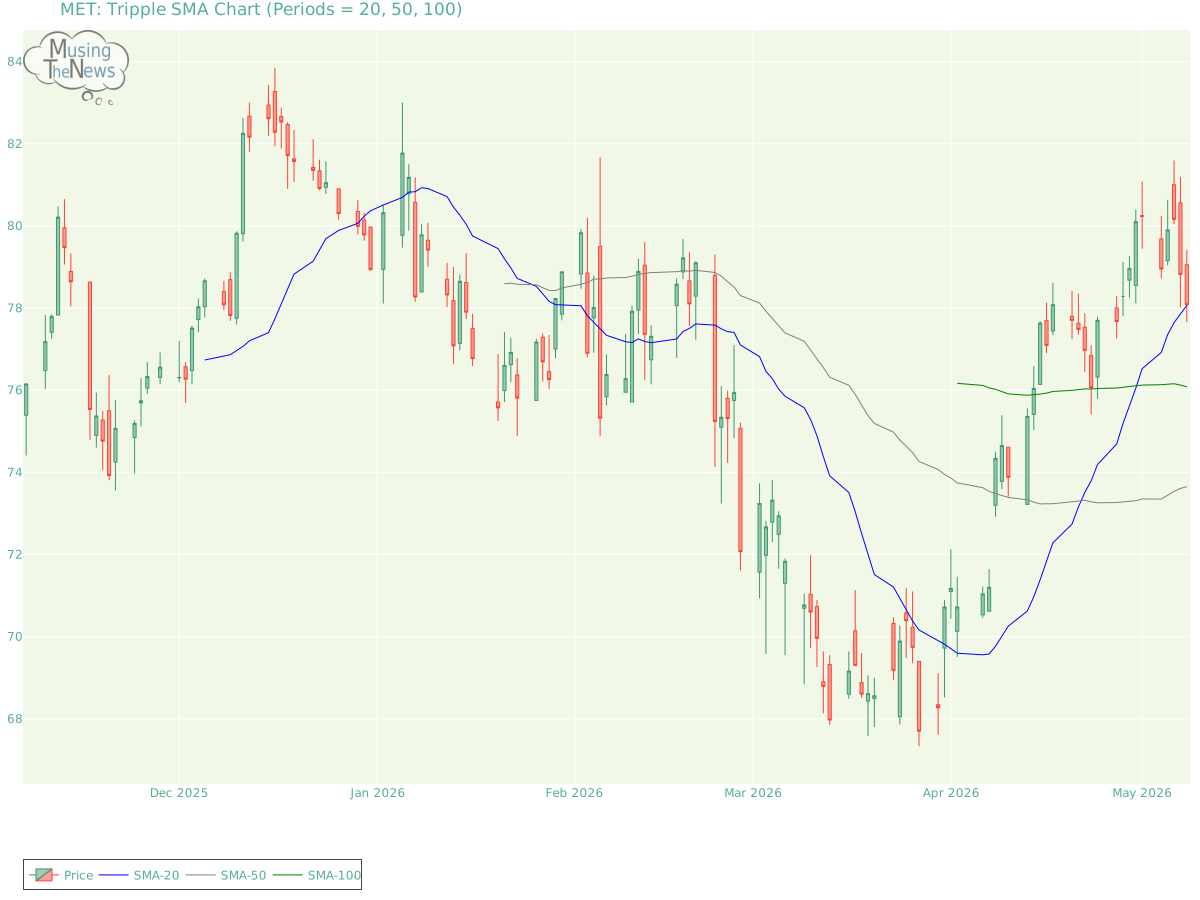
Tripple Moving Agerage: The Tripple MOVING AVG is neutral, showing no definitive signals of a trend either upward or downward. This neutral stance indicates a period of market indecision, where the direction is unclear.
Before diving into the technical aspects of a company, such as stock price charts or volume trends, it's important to understand its fundamentals. These fundamentals include financial stability, growth potential, and strategic positioning. Additionally, knowing the broader industry landscape, including competitive pressures and regulatory factors, offers deeper insights. When this fundamental analysis is combined with technical indicators, it leads to more informed, accurate evaluations of the company's overall performance.
DISCLAIMER: We provide information and our musings based on events, but nothing on this site can be considered professional advice of any kind.
If you have enjoyed reading, spread the word:
Good prospects:
Companies with the best and the worst technicals.
Latest Regulatory Filings for SP5
Companies with the best and the worst fundamentals.

Debt, Deficits & Disaster: The Bond Market Crisis

Not Wall Street, But AI: The Real Force Democratizing Finance Across America

When Flooding Pays: A New Financial Bet