
More about Southwest Airlines Co.
Regulatory Filings for Southwest Airlines Co.
Fundamentals for Southwest Airlines Co.

Breakfast for Life How Local Diners and Hardware Stores are Outsmarting Amazon
Before They Can Walk, They're Invested: How Trump Accounts Are Transforming Financial Culture
The Appalachian Energy Reboot: Inside the Unexpected Nuclear Startup Boom

Theatrical Finance: Credit Unions Use Drama to Attract Youth
Technicals for Southwest Airlines Co.



Price Summary
On 2026-04-28, Southwest Airlines Co.'s stock began at 37.96, peaked at 38.53, declined to 37.82, and ended the day 0.13% higher at 38.01, with 4593661 shares traded.The stock reached its highest price of 54.8 and lowest price of 27.96 over the last 52 weeks.
23 analysts forecast that the price of LUV will range from 24.4 to 60.0, with an average expected price near 44.33913.
Technicals
Support and Resistance: At 38.01, the price is supported at 35.06 and faces resistance at 38.75. This range suggests that the price for LUV might stay between these levels, with 35.06 acting as a floor and 38.75 as a ceiling.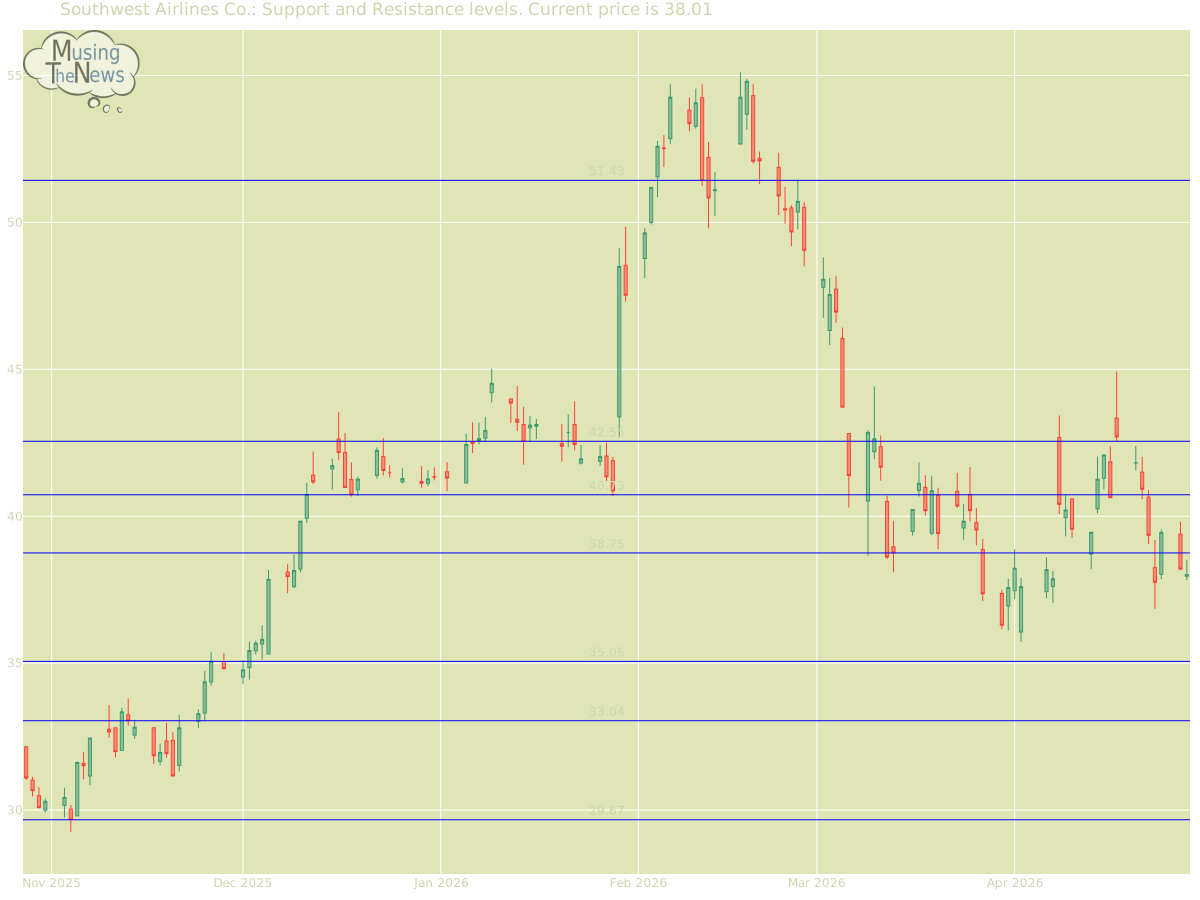
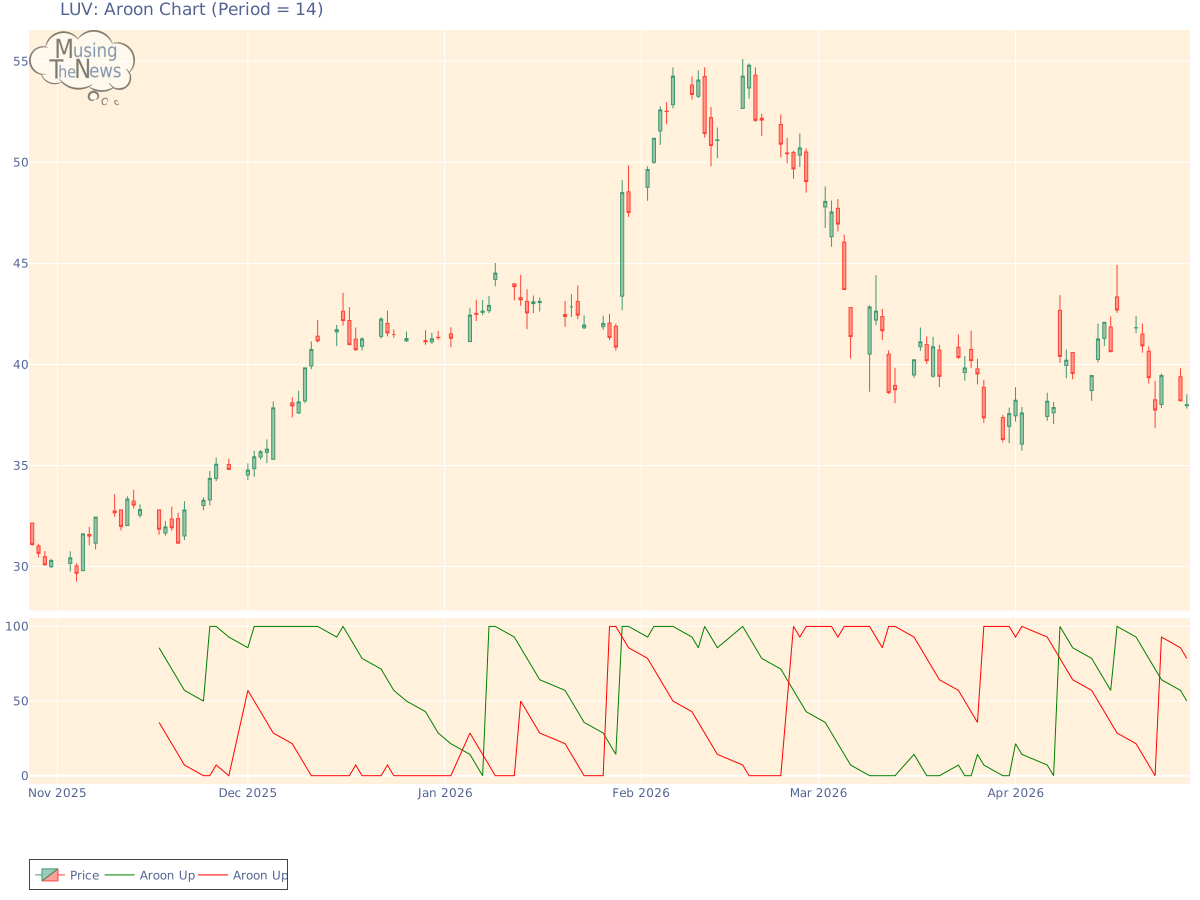
Aroon: The AROON is neutral, showing no definitive signals of a trend either upward or downward. This neutral stance indicates a period of market indecision, where the direction is unclear.
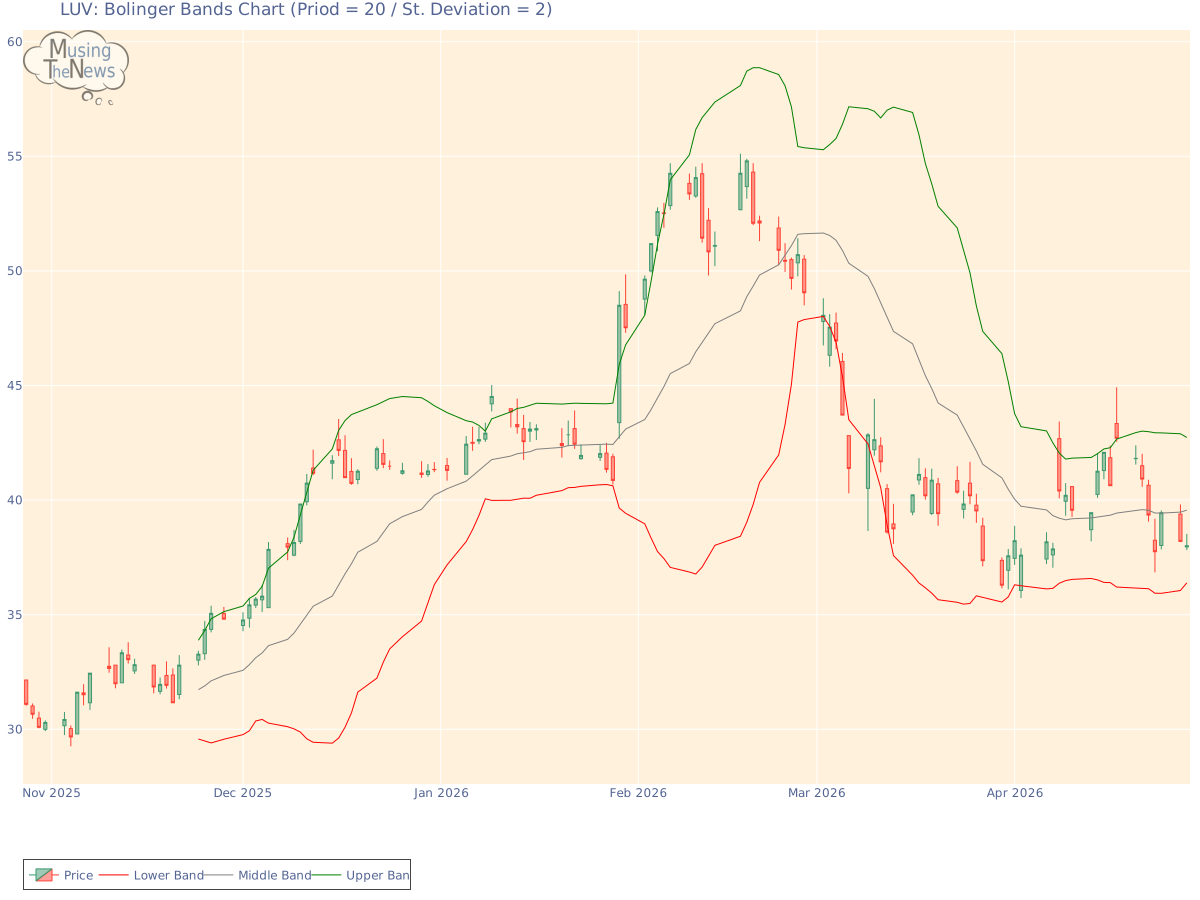
Bol. Bands: The current state of the BOLL BANDS is neutral, with no clear trend direction indicated. This lack of directional bias suggests that the market may be in a phase of consolidation or uncertainty.
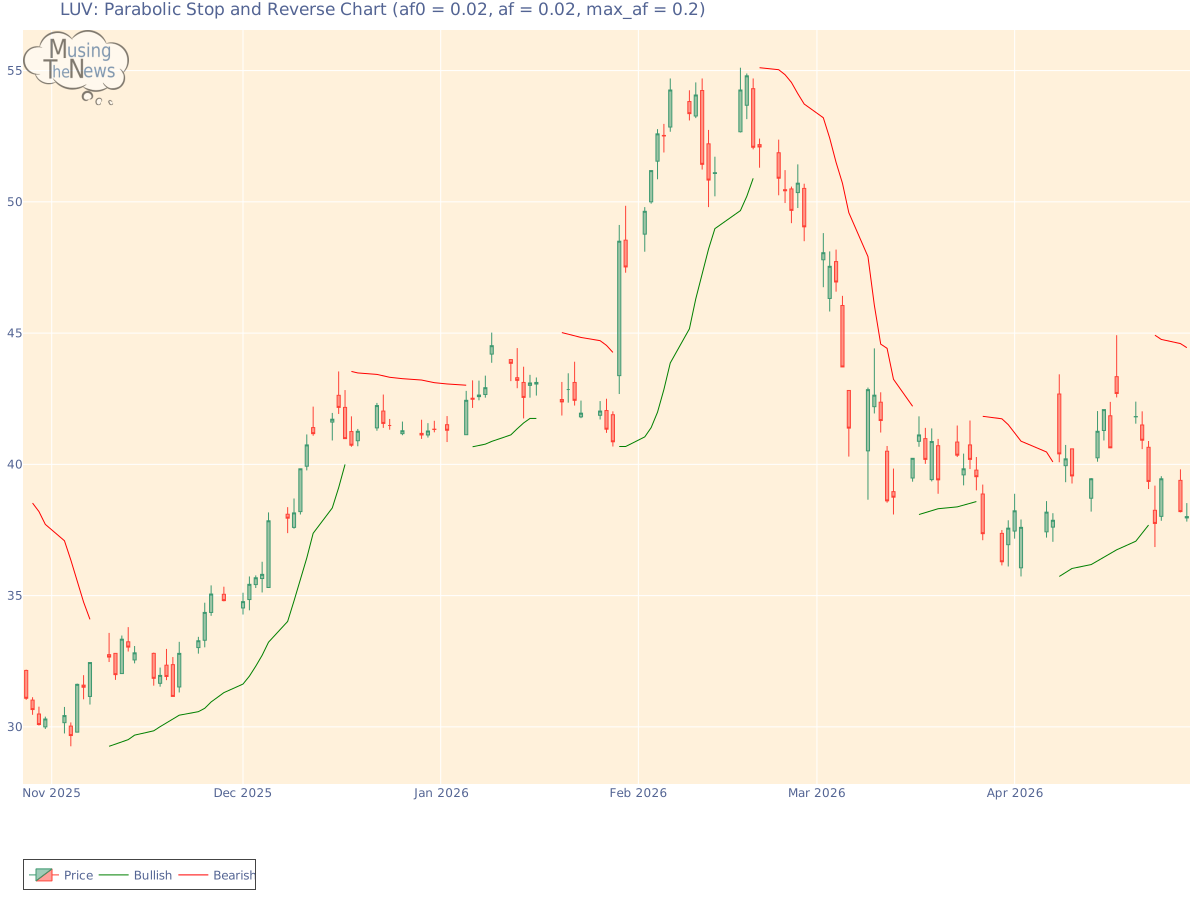
Parabolic SAR: The PSAR for LUV continues to indicate a bearish outlook, reinforcing a resistance level that could limit upward potential. This suggests that the market may remain under bearish control, with resistance acting as a barrier to significant upward movement.
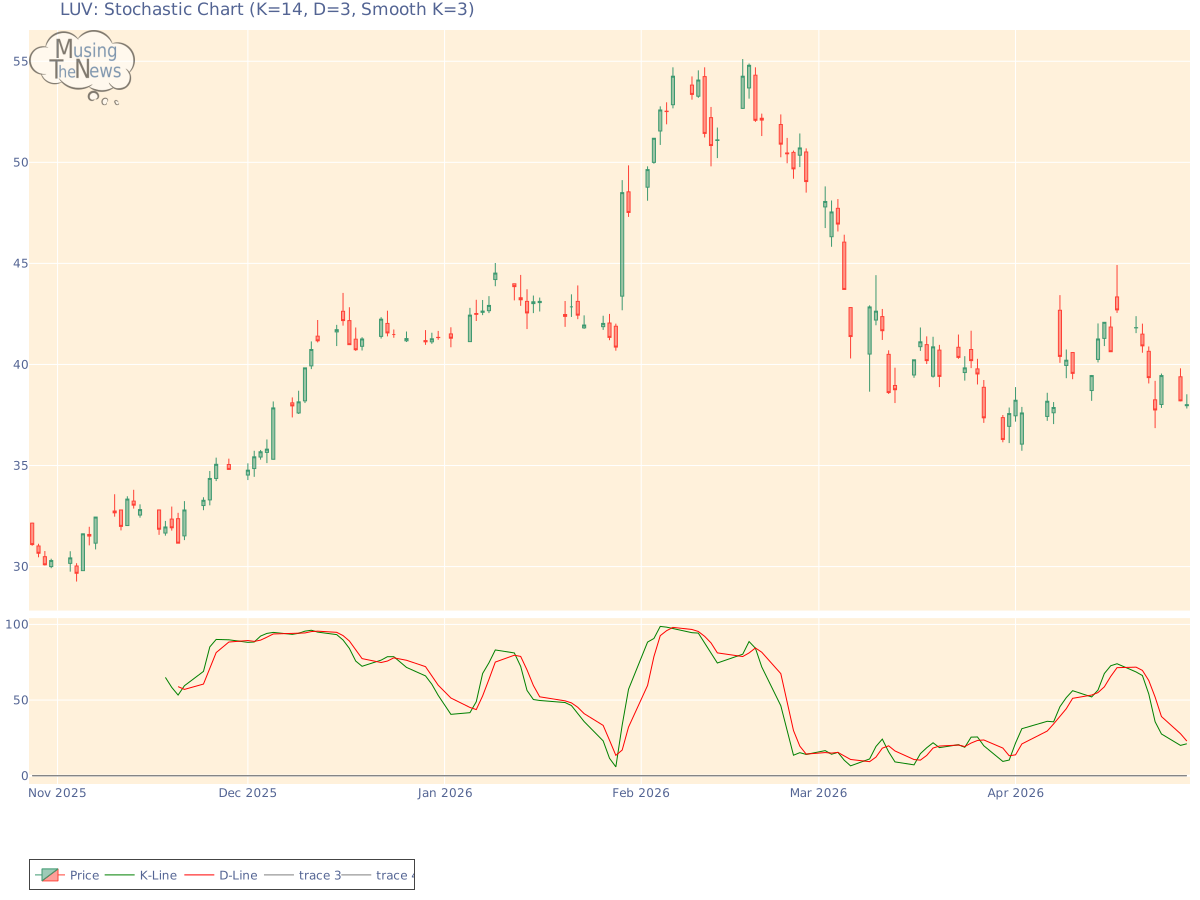
Stochastic: The STOCHASTIC is showing a neutral reading, with no clear direction indicated for upward or downward movement. This neutral position suggests a possible period of consolidation.
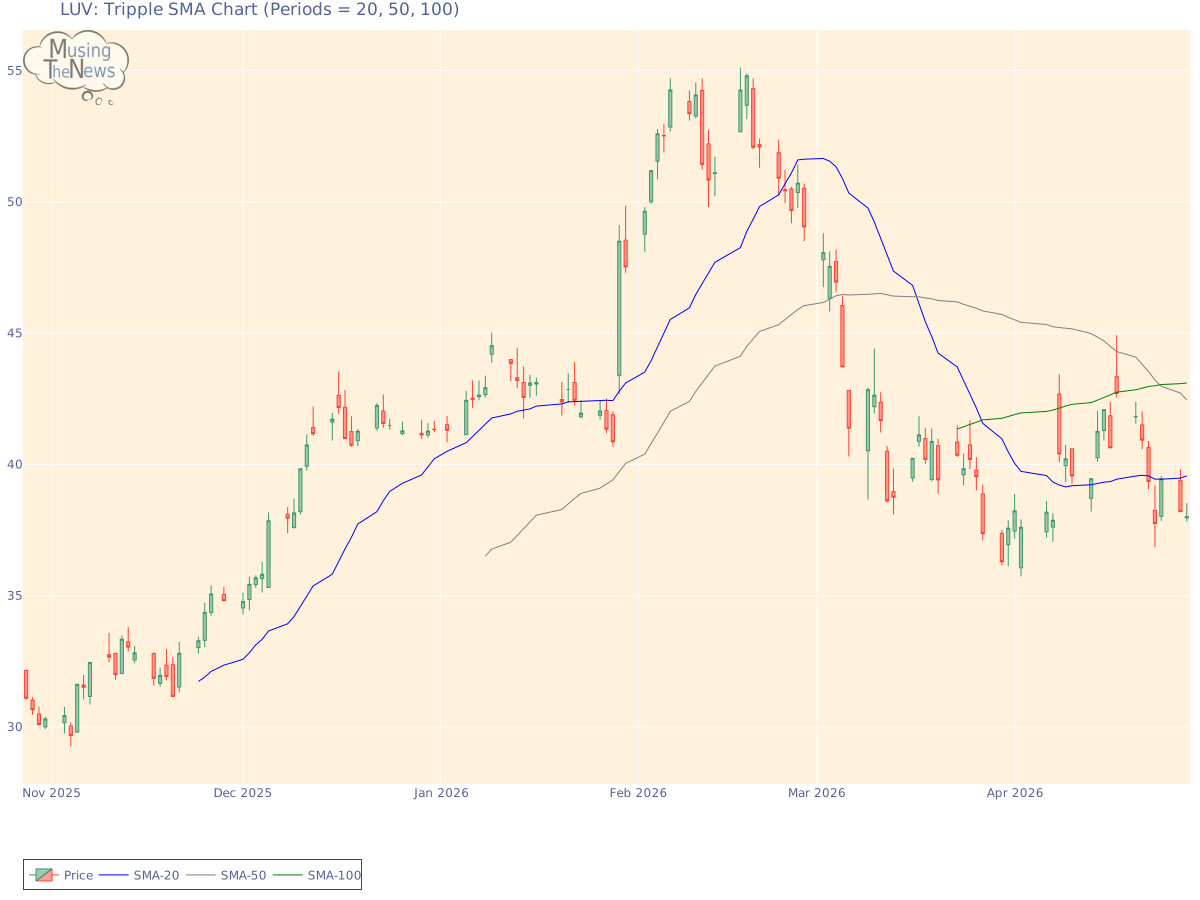
Tripple Moving Agerage: The Tripple MOVING AVG is in a neutral stance, not pointing to a clear trend in either direction. This suggests that the market may be lacking strong momentum, making it difficult to predict the next move.
A thorough analysis of a company involves looking at both its fundamentals and technical data. The fundamentals, including revenue, profitability, and management quality, offer insight into the company's long-term value. Additionally, understanding the broader industry context, such as market competition and regulatory challenges, helps to better interpret the company's stock performance. By combining both fundamental and technical analysis, you can derive more meaningful inferences about the company's future prospects.
DISCLAIMER: We provide information and our musings based on events, but nothing on this site can be considered professional advice of any kind.
If you have enjoyed reading, spread the word:
Good prospects:
Companies with the best and the worst technicals.
Latest Regulatory Filings for SP5
Companies with the best and the worst fundamentals.

Fraud, Delays, and High Fees—Gone: The Underrated Fintech Shift Reshaping U.S. Local Economies
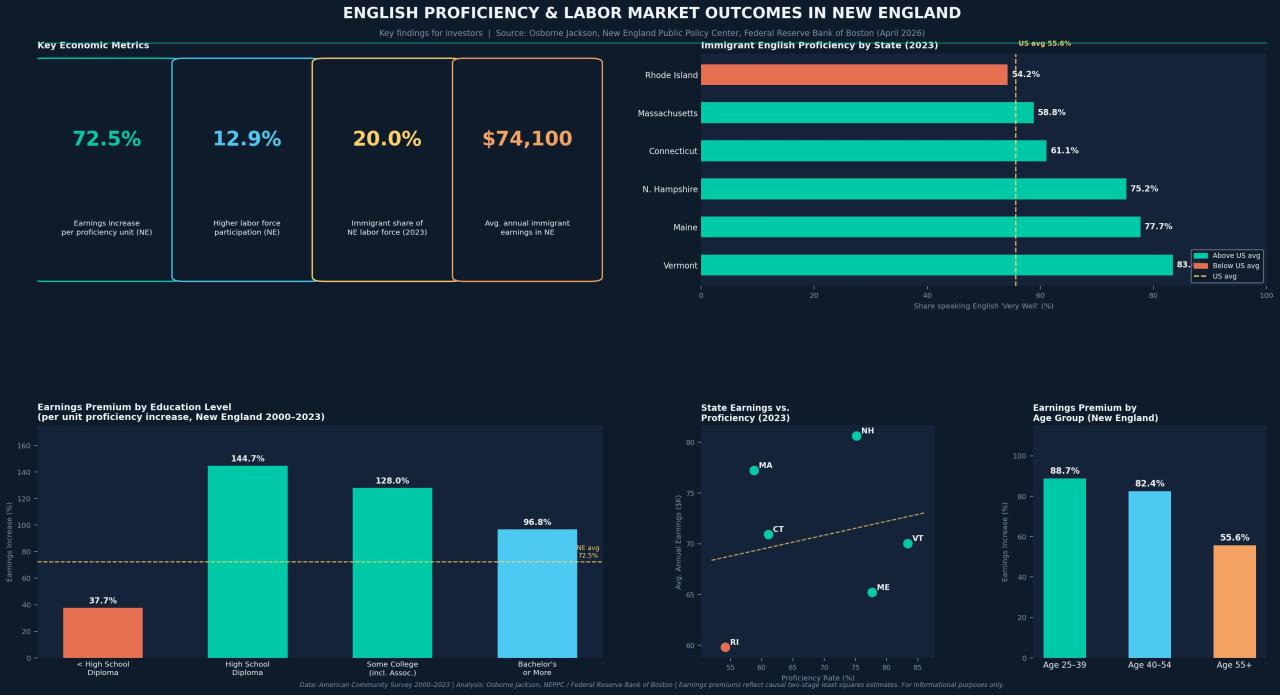
From Rhode Island to Vermont: The Proficiency Gap That's Quietly Dividing New England's Workforce
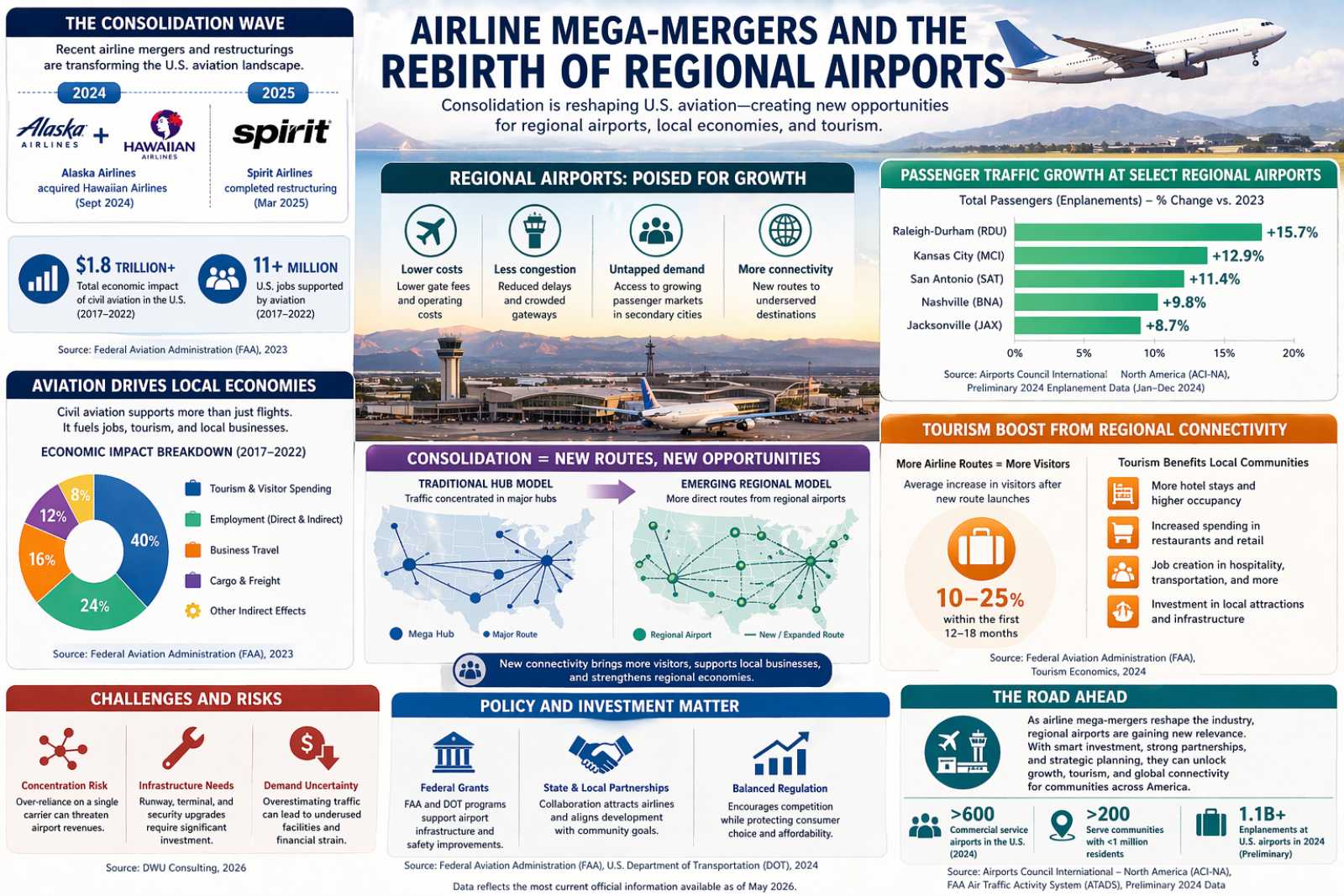
Regional Airports Poised for Growth Amid Airline Shakeups