Fundamentals for Alliant Energy Corporation
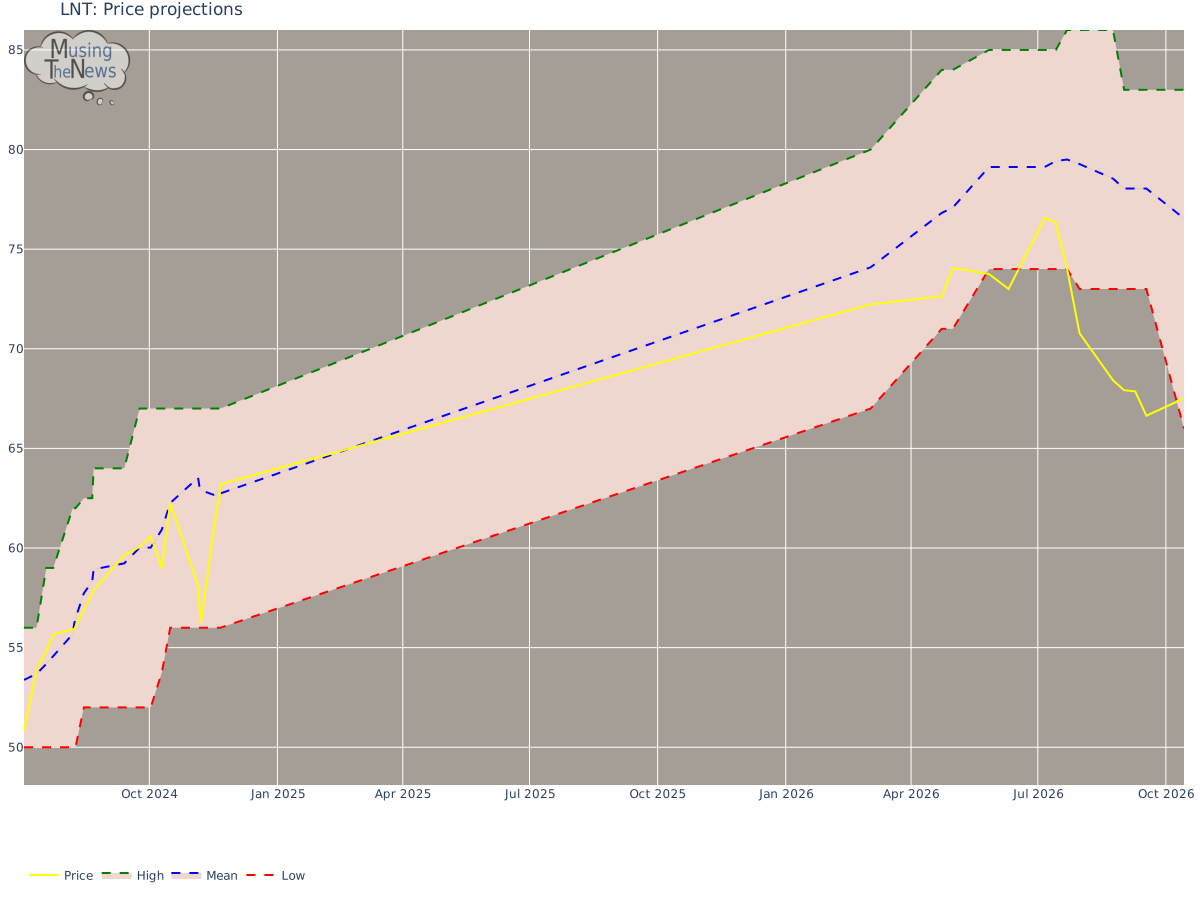
LNT's price has consistently hovered around the lower limit of price projections. This pattern suggests that the stock may be underperforming relative to expectations, whic...






Business Operations:
Sector: UtilitiesIndustry: Utilities - Regulated Electric
Alliant Energy Corporation operates as a utility holding company that provides regulated electric and natural gas services in the United States. It operates through IPL and WPL segments. The company's IPL segment engages primarily in the generation and distribution of electricity and the distribution and transportation of natural gas to retail customers in select markets in Iowa. This segment also sells electricity to wholesale customers in Minnesota, Illinois and Iowa; and generates and distributes steam for two customers in Cedar Rapids, Iowa. Its WPL segment generates and distributes electricity, and distributes and transports natural gas to retail customers in select markets in Wisconsin; and sells electricity to wholesale customers in Wisconsin. It serves retail customers in the farming, agriculture, industrial manufacturing, chemical, packaging, and food industries, as well as wholesale customers comprising municipalities and rural electric cooperatives. In addition, the company owns and operates a short-line rail freight service in Iowa; a Mississippi River barge, rail, and truck freight terminal in Illinois; freight brokerage services; wind turbine blade recycling services; and a rail-served warehouse in Iowa. Further, it holds interests in a natural gas-fired electric generating unit near Sheboygan Falls, Wisconsin; and a wind farm located in Oklahoma. The company was formerly known as Interstate Energy Corp. and changed its name to Alliant Energy Corporation in May 1999. Alliant Energy Corporation is headquartered in Madison, Wisconsin.
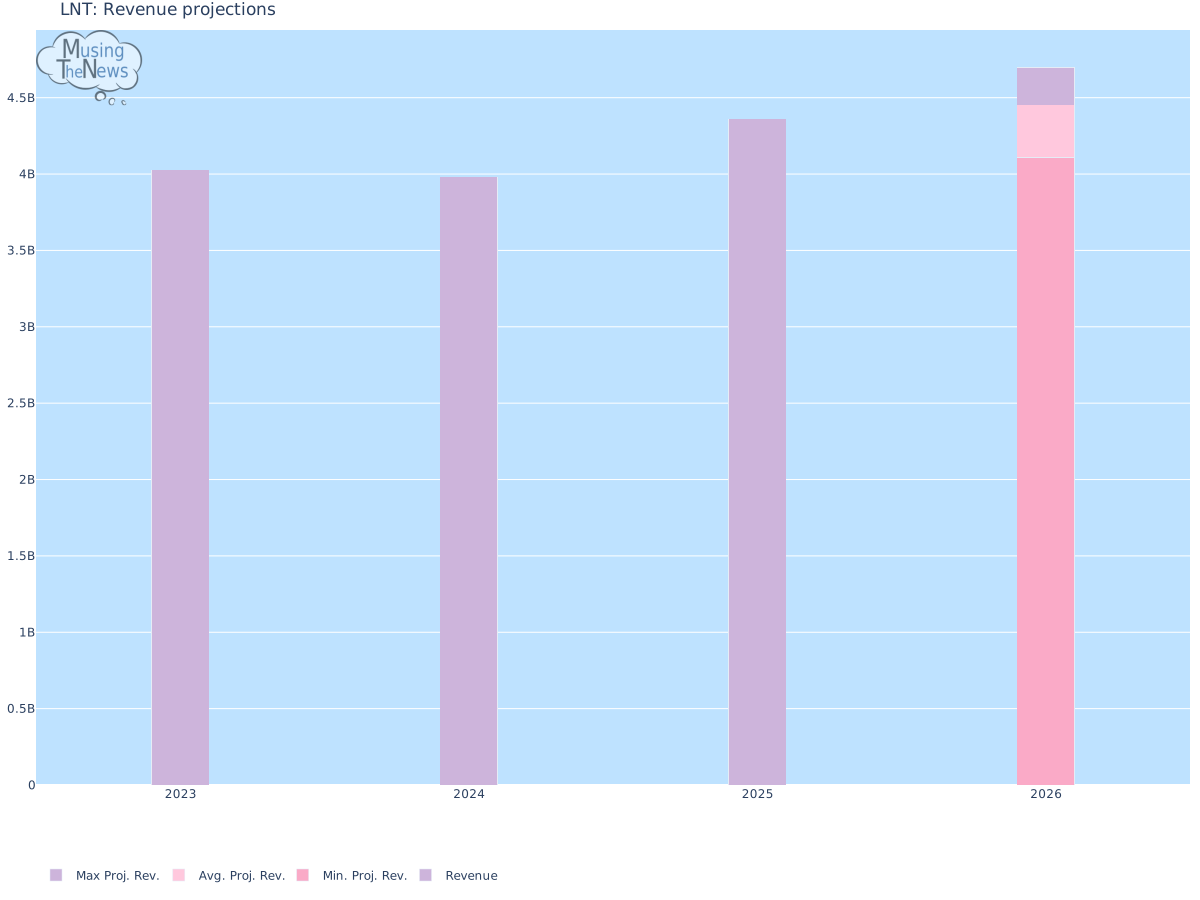
Revenue projections:
Financial Ratios:
| currentRatio | 0.466000 |
|---|---|
| forwardPE | 18.164505 |
| debtToEquity | 160.951000 |
| earningsGrowth | -0.040000 |
| revenueGrowth | 0.010000 |
| grossMargins | 0.445020 |
| operatingMargins | 0.190530 |
| trailingEps | 3.160000 |
| forwardEps | 3.686310 |
With a current ratio of 0.466, LNT may face challenges covering its short-term liabilities using available cash and assets. This points to potential liquidity concerns, as the company might need to seek alternative financing to meet its near-term debt obligations.
LNT's Forward PE ratio suggests that the stock is priced appropriately in relation to its earnings. Not being overpriced, it offers room for growth, signaling potential upside for investors looking for a stock with reasonable valuation and growth potential.
LNT's elevated debt-to-equity ratio suggests the company is leveraging debt heavily, increasing its financial risk. While this can support growth, it could also lead to challenges if the company's profitability or cash flow weakens.
Alliant Energy Corporation's low earnings and revenue growth highlight potential profit shrinkage. This suggests that the company may struggle to maintain its financial performance, raising concerns about its future profitability.
LNT's negative gross and operating margins indicate that the company is currently unprofitable at both the production and operational levels. This suggests significant challenges in managing costs and generating revenue, which could impact its overall financial health.
LNT's forward EPS surpassing its trailing EPS signals that the company is anticipated to be more profitable this year than last. This growth expectation highlights LNT's potential for increased earnings and a stronger financial performance in the upcoming year.
Price projections:
Insider Transactions:
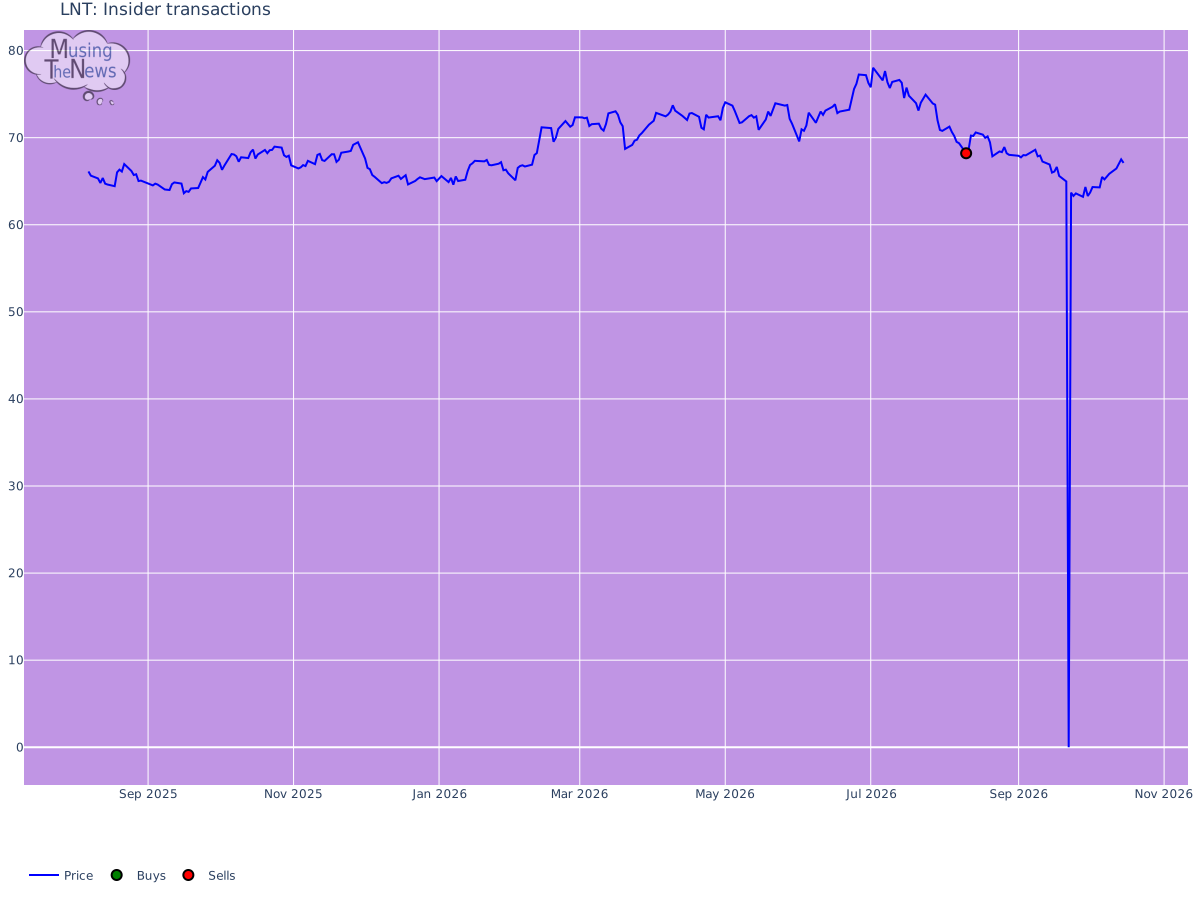
LNT had 1 sell transactions, while the market price was at 68.20999908447266 per share.No sell transactions were carried out during the period under review.Investors have been purchasing LNT more than selling it at current price levels, which may reflect optimism. This pattern suggests that the market expects favorable outcomes for the stock, leading to increased buying interest.
Recommendation changes over time:
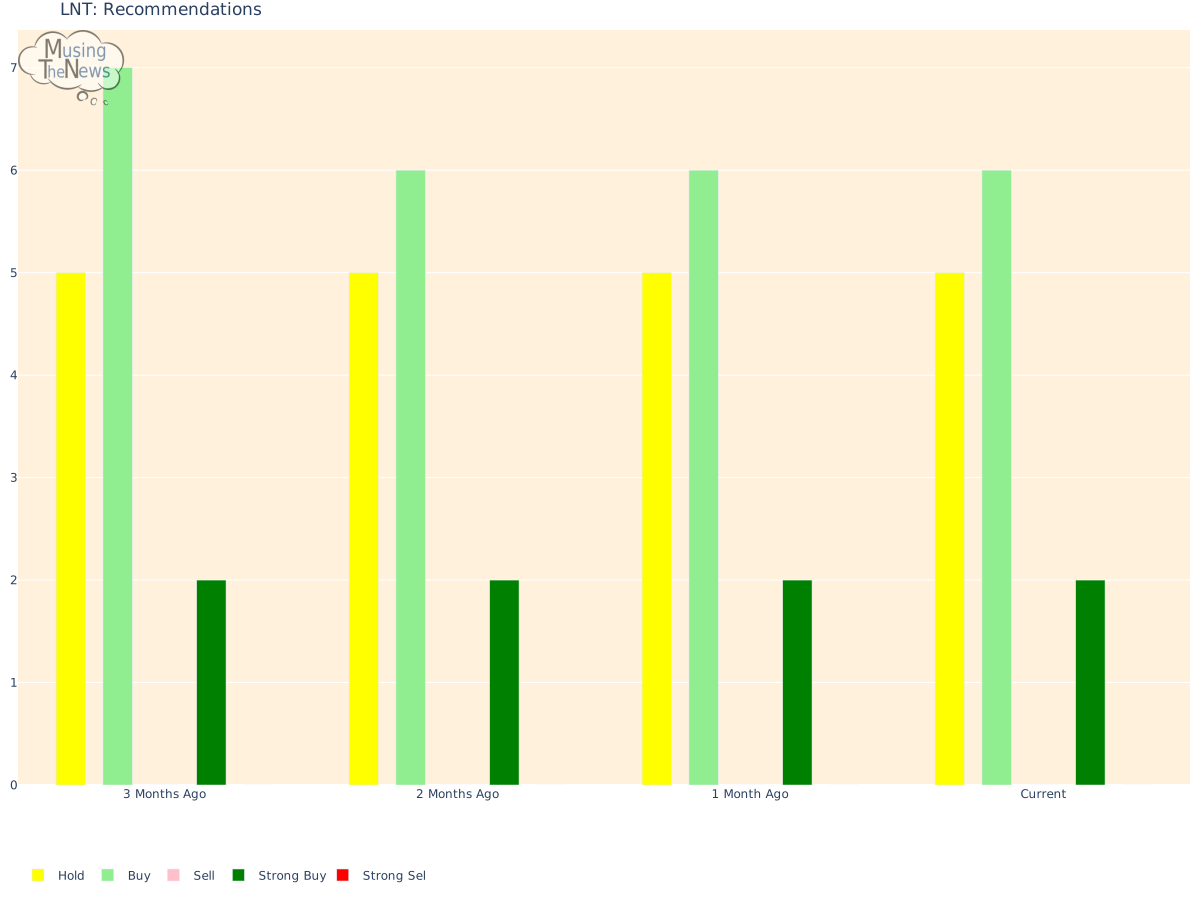
LNT has recently received a buy bias from analysts, indicating that the stock is being perceived as a favorable investment. This positive sentiment could encourage investors to see LNT as a wise place to allocate their funds, potentially leading to increased interest in the company's stock.