More about Lennar Corporation
Regulatory Filings for Lennar Corporation
Fundamentals for Lennar Corporation
America's $5 Trillion Business Handoff Has Already Begun

The Repair Economy Boom in Rural America

Debt, Deficits & Disaster: The Bond Market Crisis

Not Wall Street, But AI: The Real Force Democratizing Finance Across America
Technicals for Lennar Corporation



Price Summary
On 2026-05-05, LEN's stock began at 84.97, peaked at 87.51, dipped to 84.64, and closed up 1.45% at 86.2, with a volume of 2011124 shares.In the past year, the highest stock price was 142.4, and the lowest was 84.36.
14 analysts forecast that the price of LEN will range from 74.0 to 159.0, with an average expected price near 94.0.
Technicals
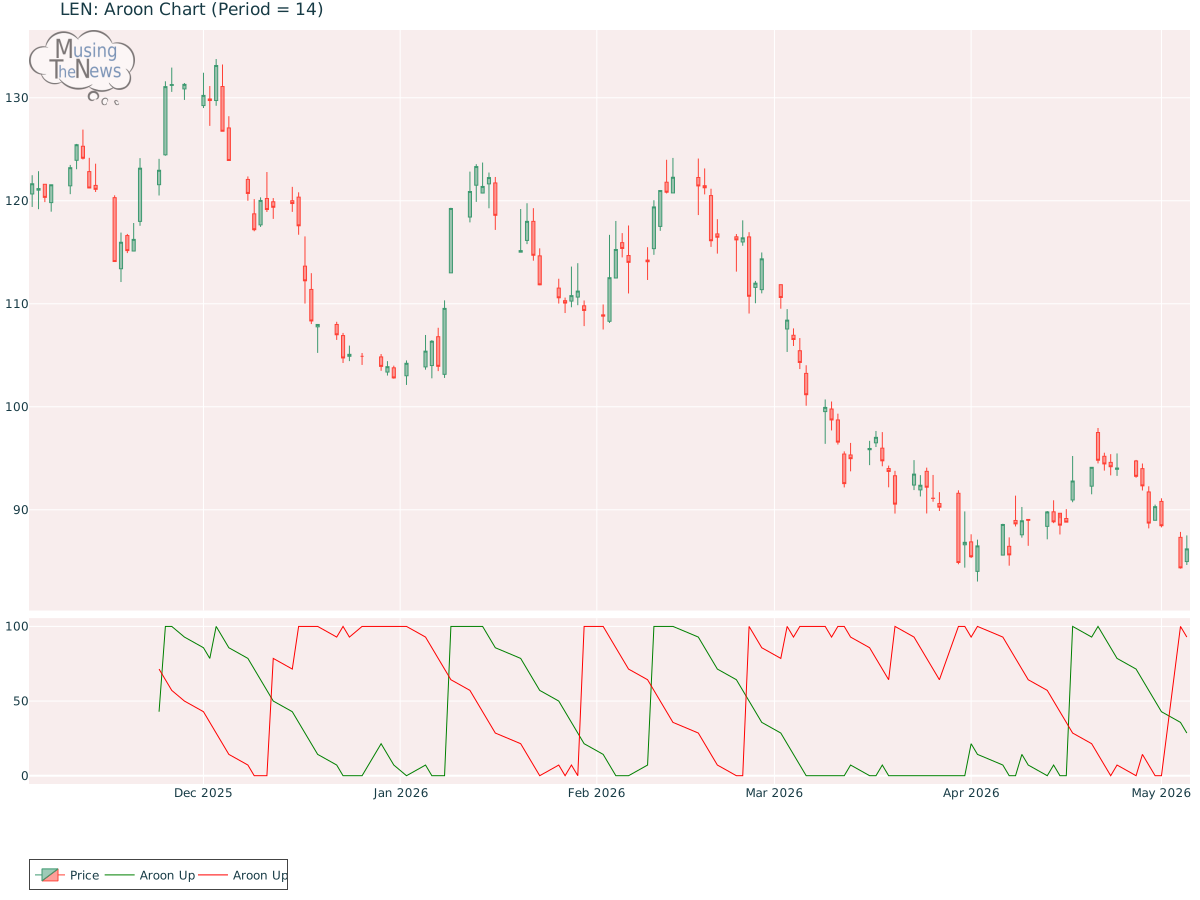
Aroon: The current reading of the AROON indicator suggests a neutral stance, with no clear signals indicating an upward or downward direction. This lack of directional bias suggests the market may be in a period of consolidation or uncertainty.
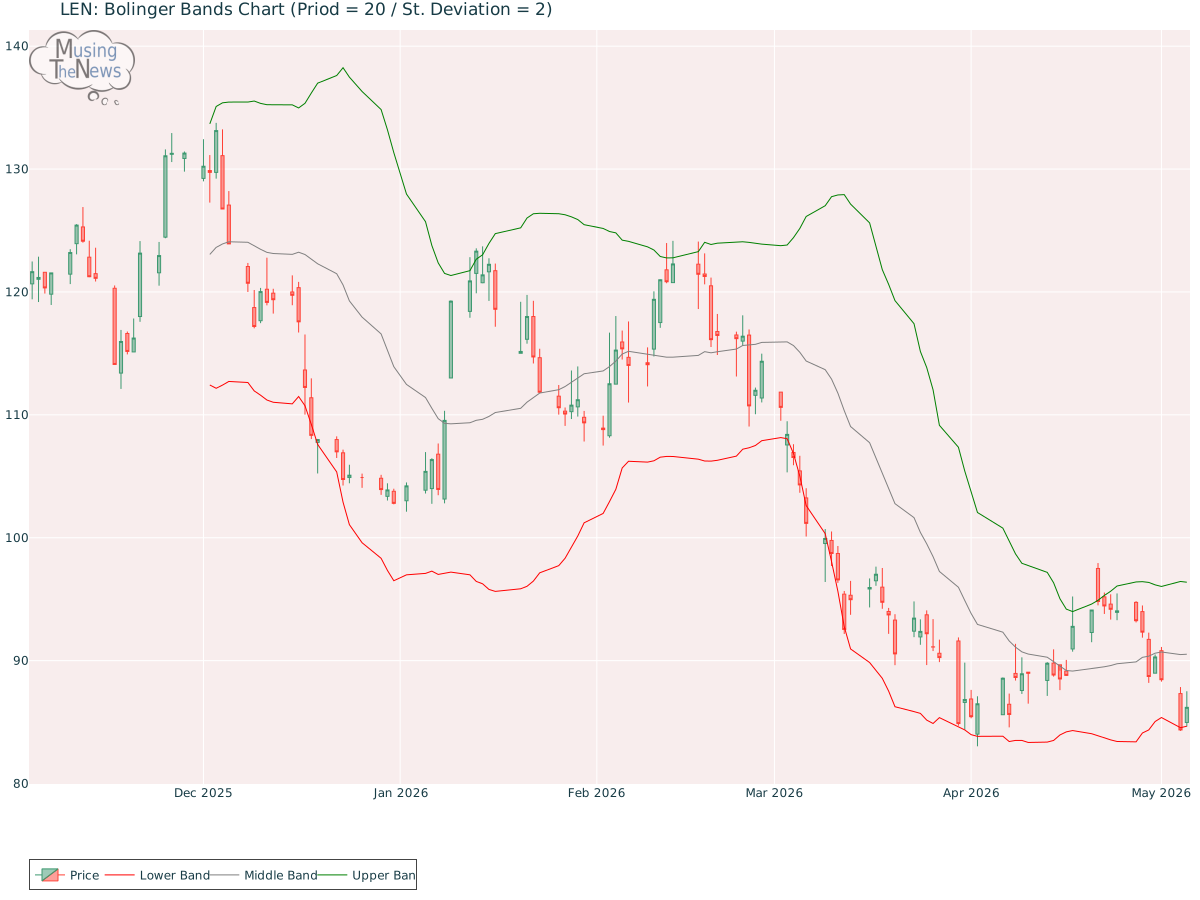
Bol. Bands: The current state of the BOLL BANDS is neutral, providing no clear signals for either an upward or downward movement. This indicates that the market may be in a state of equilibrium, with no strong momentum in either direction.
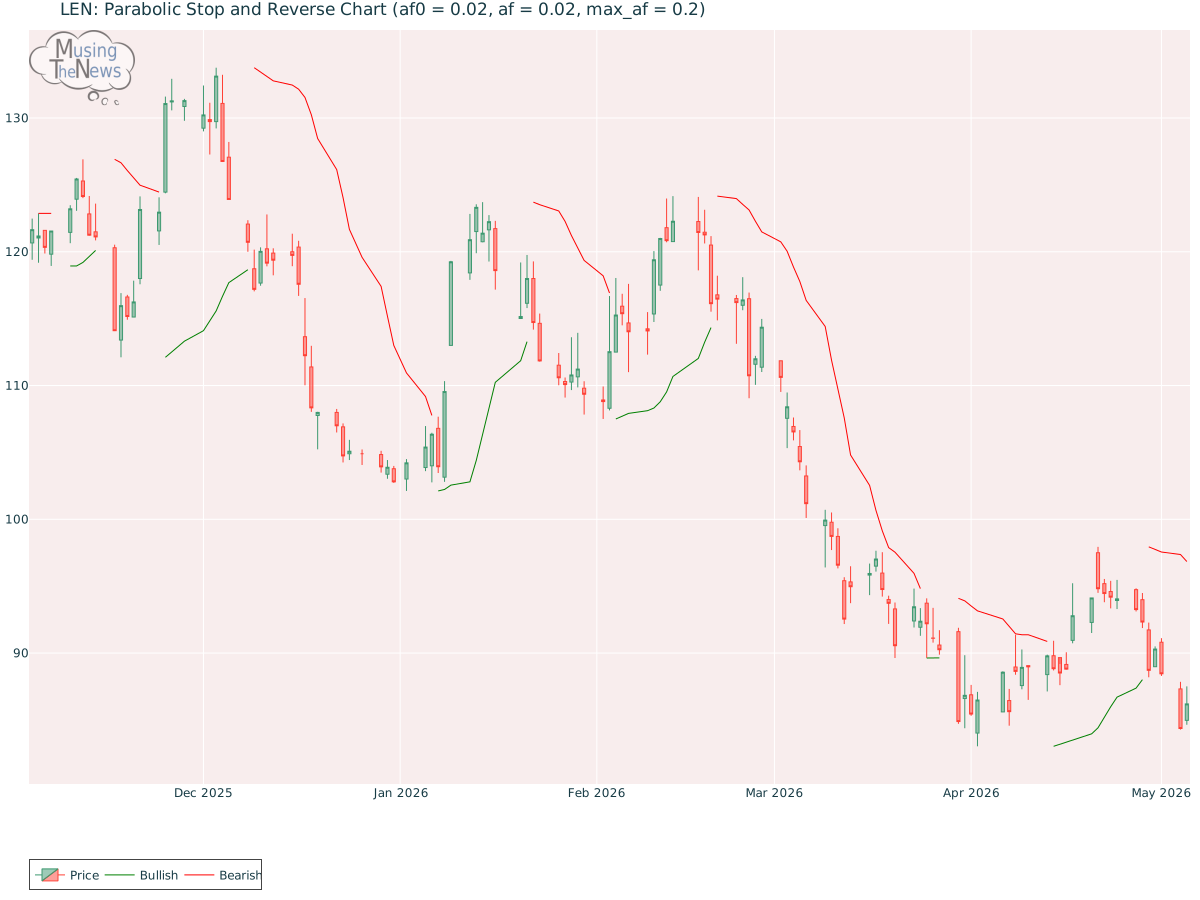
Parabolic SAR: The PSAR maintains its bearish outlook, setting a resistance level that could act as a ceiling for upward momentum. This ongoing bearish trend suggests that the market may struggle to overcome this resistance, keeping prices subdued.
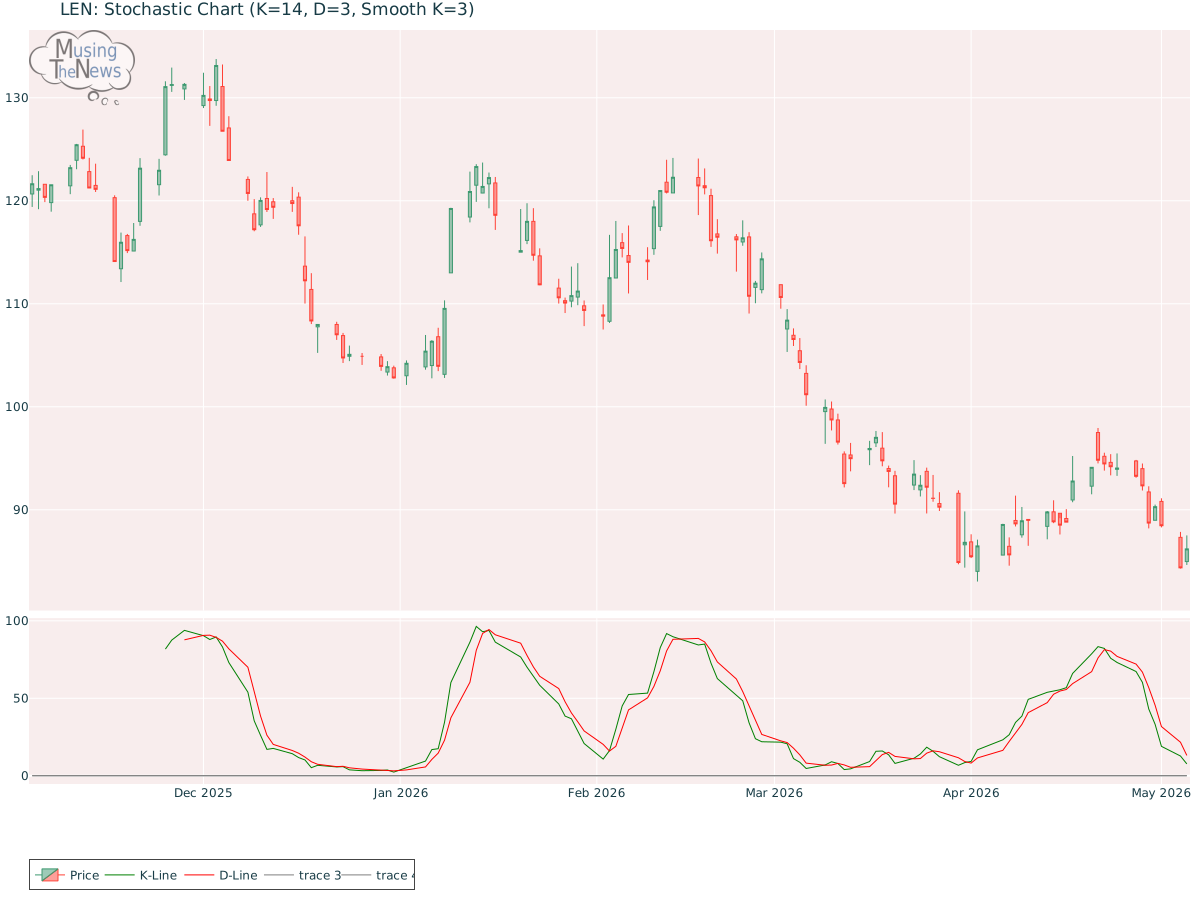
Stochastic: With the Stochastic K-line below the D-line and under 20, the market shows signs of a mildly bearish trend. This configuration suggests possible weakness for LEN, but the bearish sentiment is not overly strong. Traders should be aware of this potential shift and look for further confirmation.
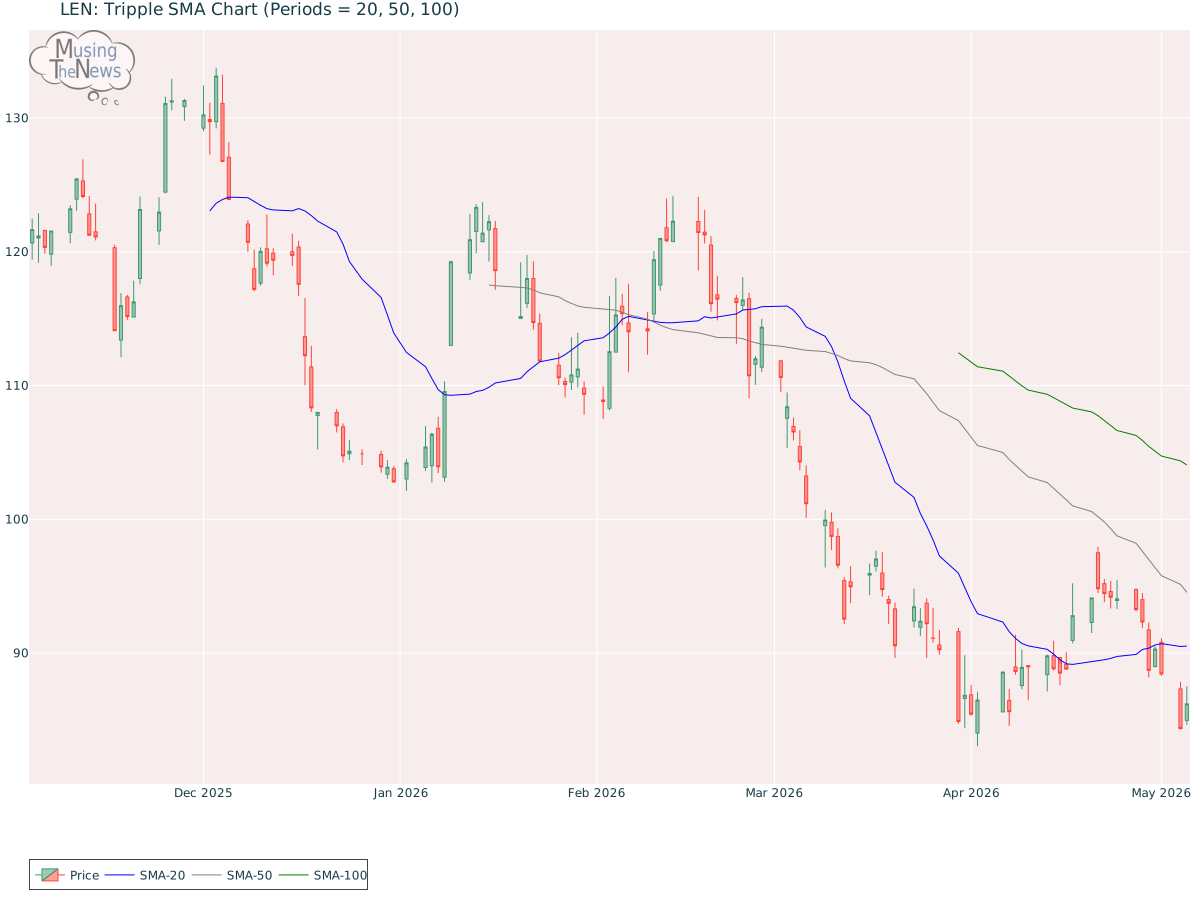
Tripple Moving Agerage: The Tripple MOVING AVG is currently in a neutral position, offering no clear indication of movement up or down. This suggests that the market may be experiencing a period of equilibrium, with no strong trend in play.
In order to draw meaningful inferences from a company's technical data, it is essential to first consider its fundamentals. This includes reviewing financial metrics like revenue, profit margins, and debt-to-equity ratios. Additionally, understanding the broader industry landscape, including market trends and competitive pressures, is crucial. By integrating these insights with the company's technical performance, such as stock price fluctuations and trading volume, one can make more informed investment decisions.
DISCLAIMER: We provide information and our musings based on events, but nothing on this site can be considered professional advice of any kind.
If you have enjoyed reading, spread the word:
Good prospects:
Companies with the best and the worst technicals.
Latest Regulatory Filings for SP5
Companies with the best and the worst fundamentals.

When Flooding Pays: A New Financial Bet
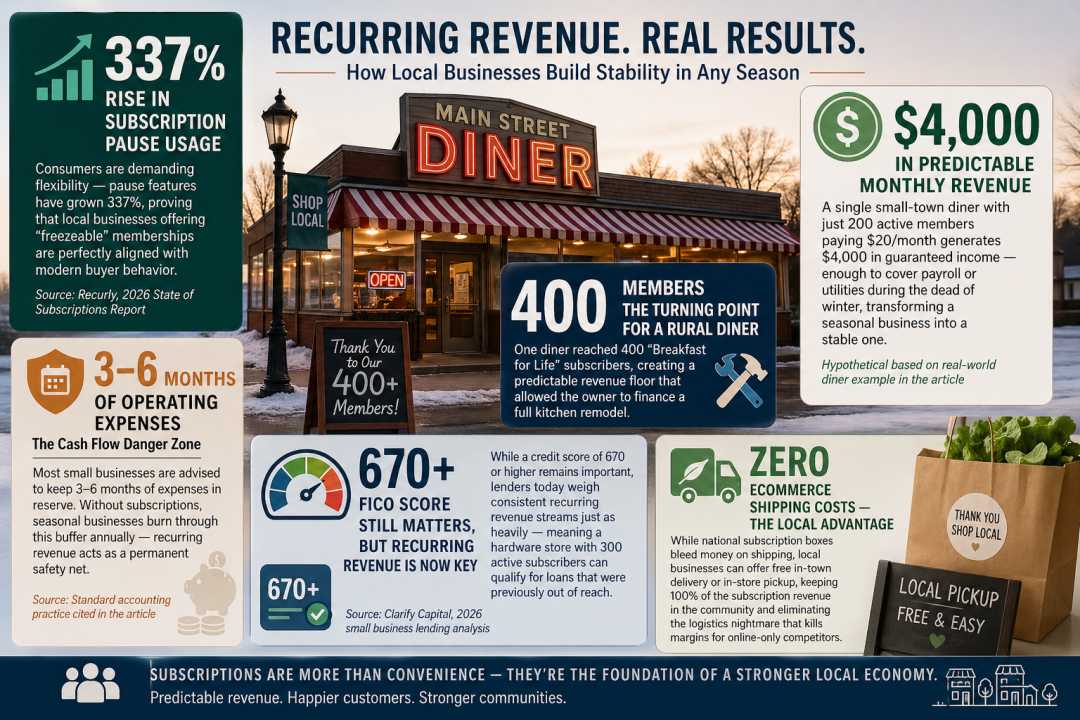
Breakfast for Life How Local Diners and Hardware Stores are Outsmarting Amazon

Before They Can Walk, They're Invested: How Trump Accounts Are Transforming Financial Culture