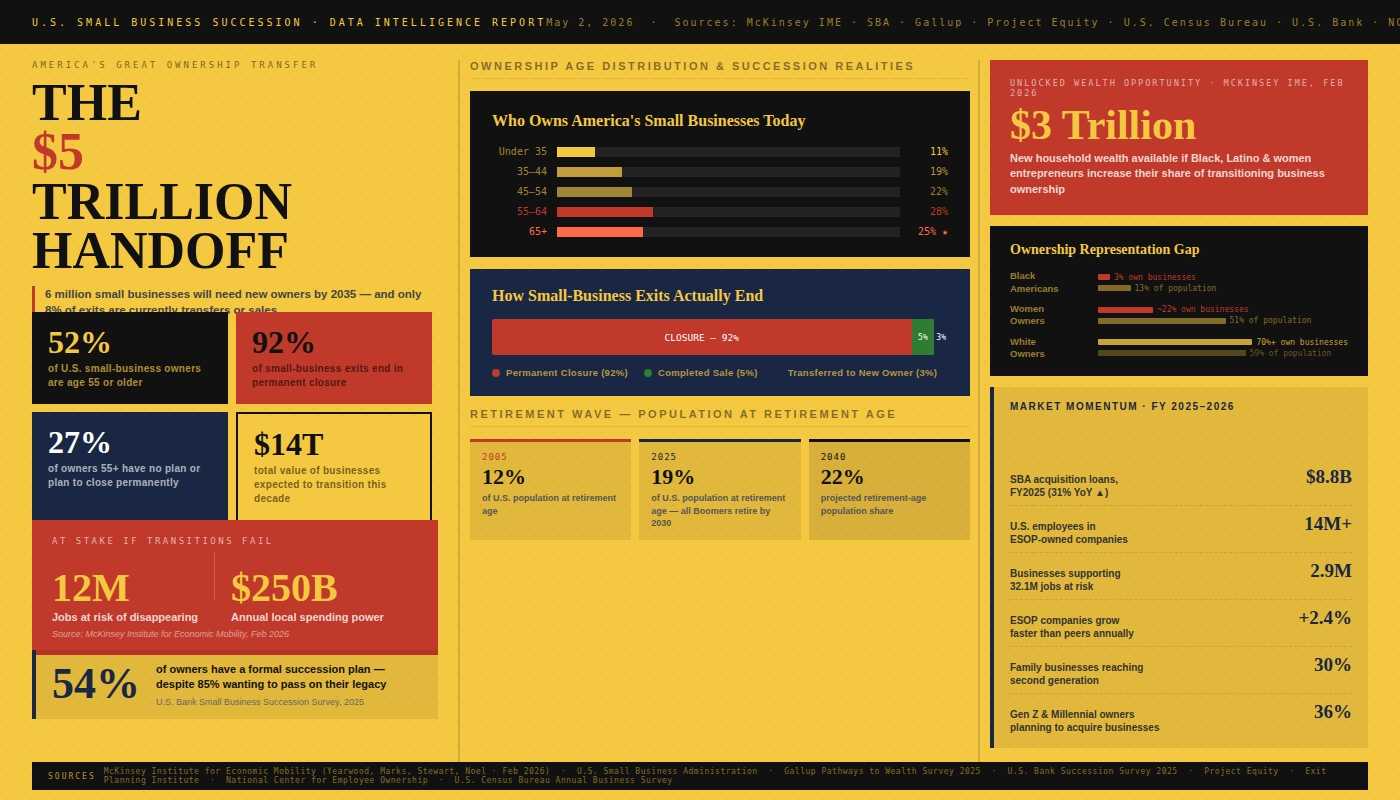
America's $5 Trillion Business Handoff Has Already Begun
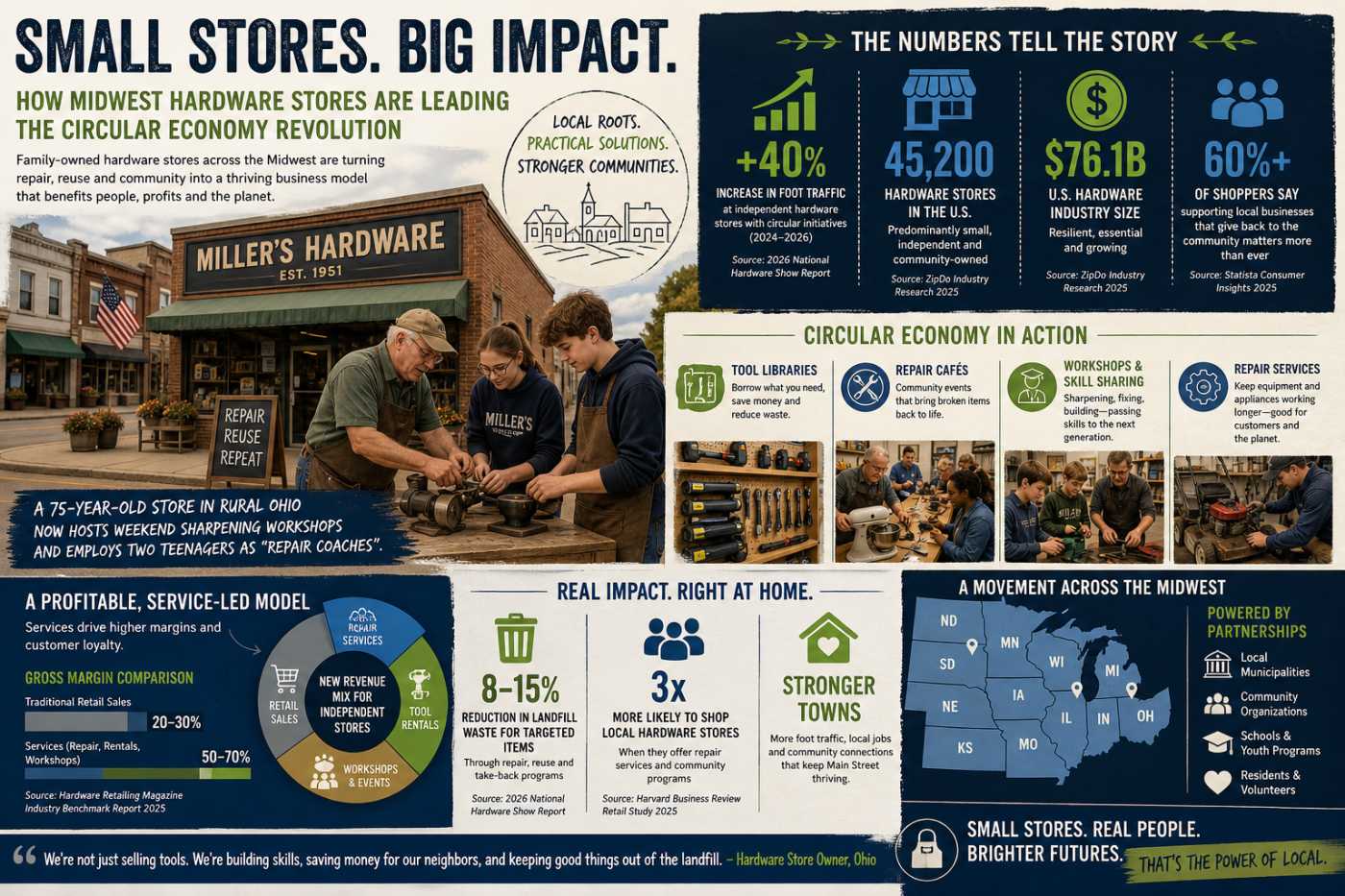
The Repair Economy Boom in Rural America
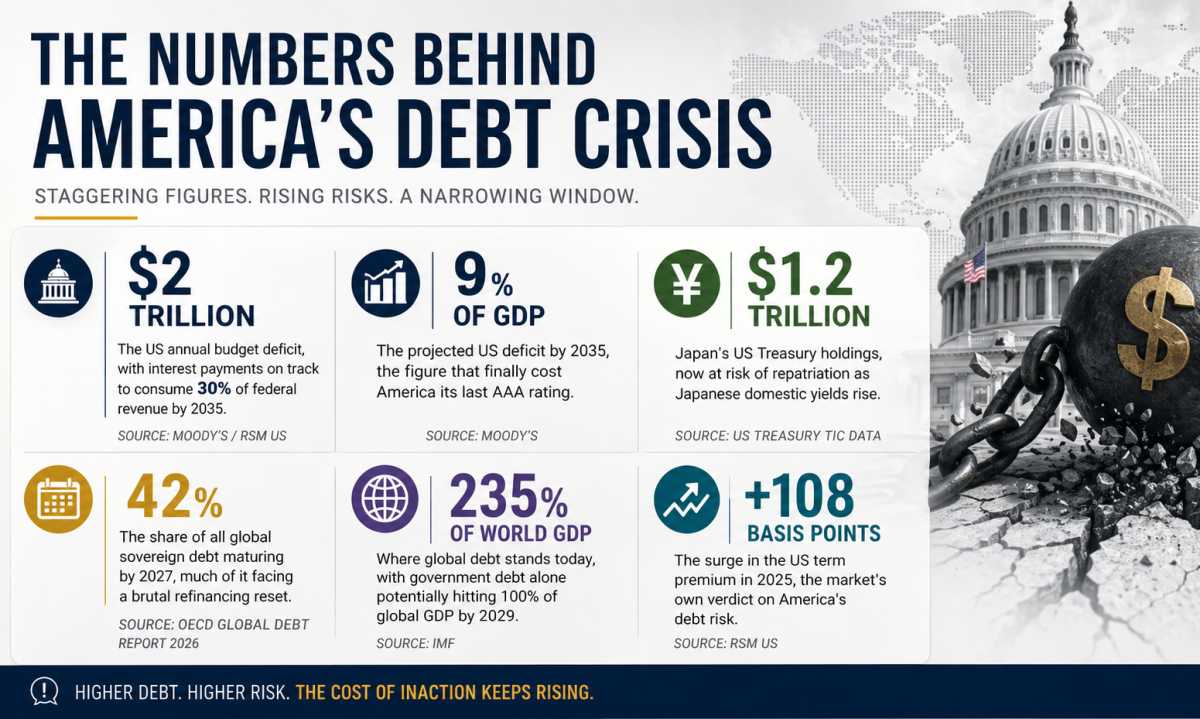
Debt, Deficits & Disaster: The Bond Market Crisis

Not Wall Street, But AI: The Real Force Democratizing Finance Across America
Technicals for KKR & Co. Inc.



Price Summary
KKR & Co. Inc.'s stock started trading at 103.01 on 2026-05-05, climbed to 104.45, fell to 100.0, and closed -0.98% down at 102.0, with 4802614 shares traded.Over the past year, the stock's highest price was 152.16, and its lowest was 83.88.
Technicals
Support and Resistance: The price for KKR is 102.0, with support at 99.17 and resistance at 107.21. This suggests a range where 99.17 acts as a base, preventing declines, and 107.21 caps gains, defining key trading levels.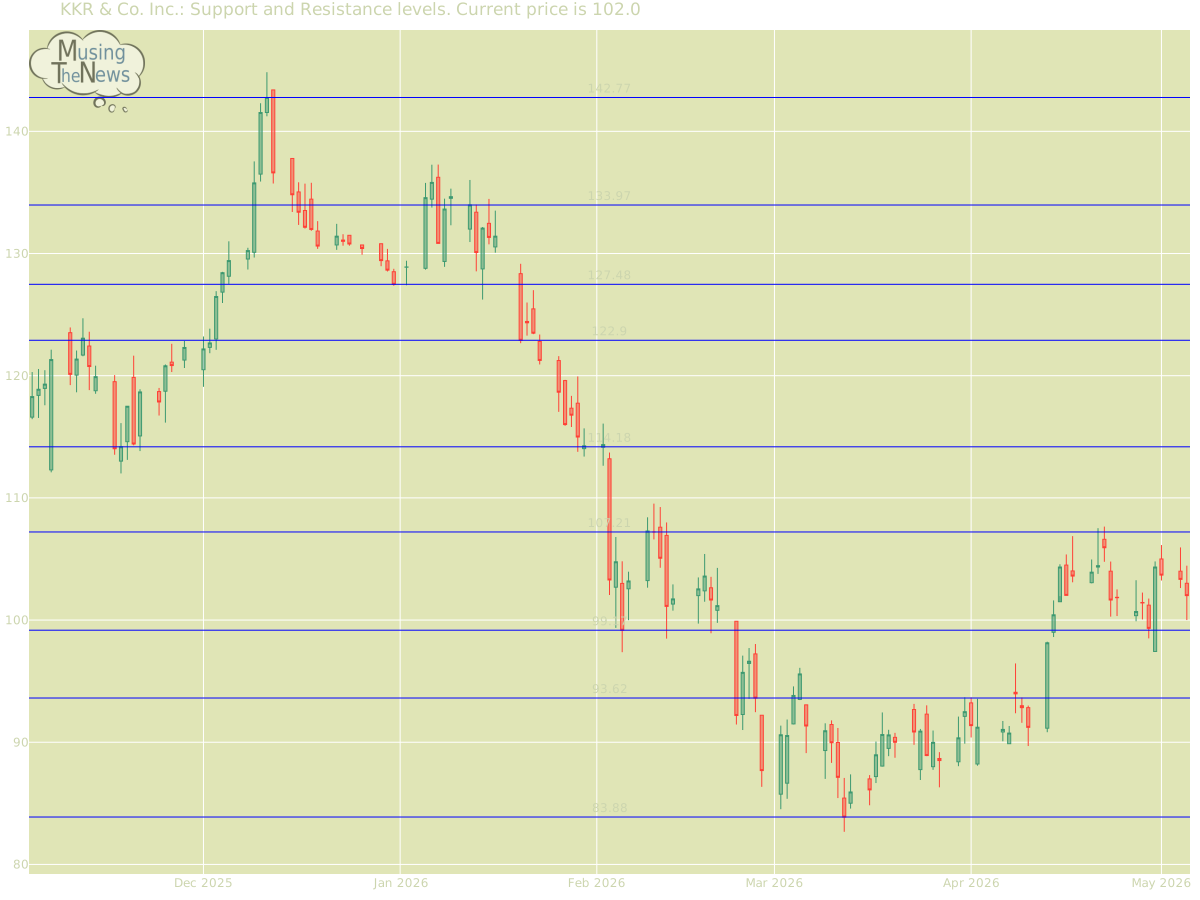
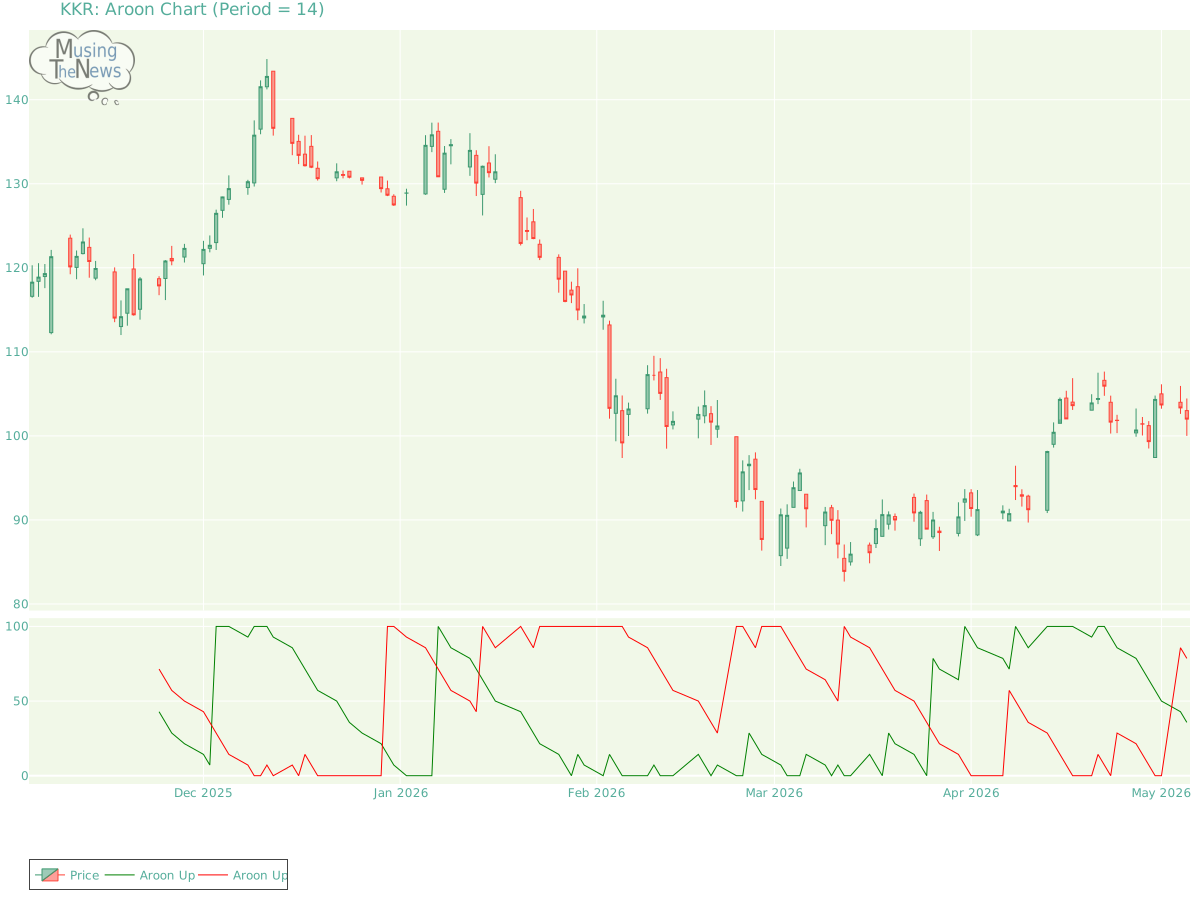
Aroon: The AROON is showing a neutral reading, with no clear direction indicated for upward or downward movement. This neutral position suggests a possible period of consolidation.
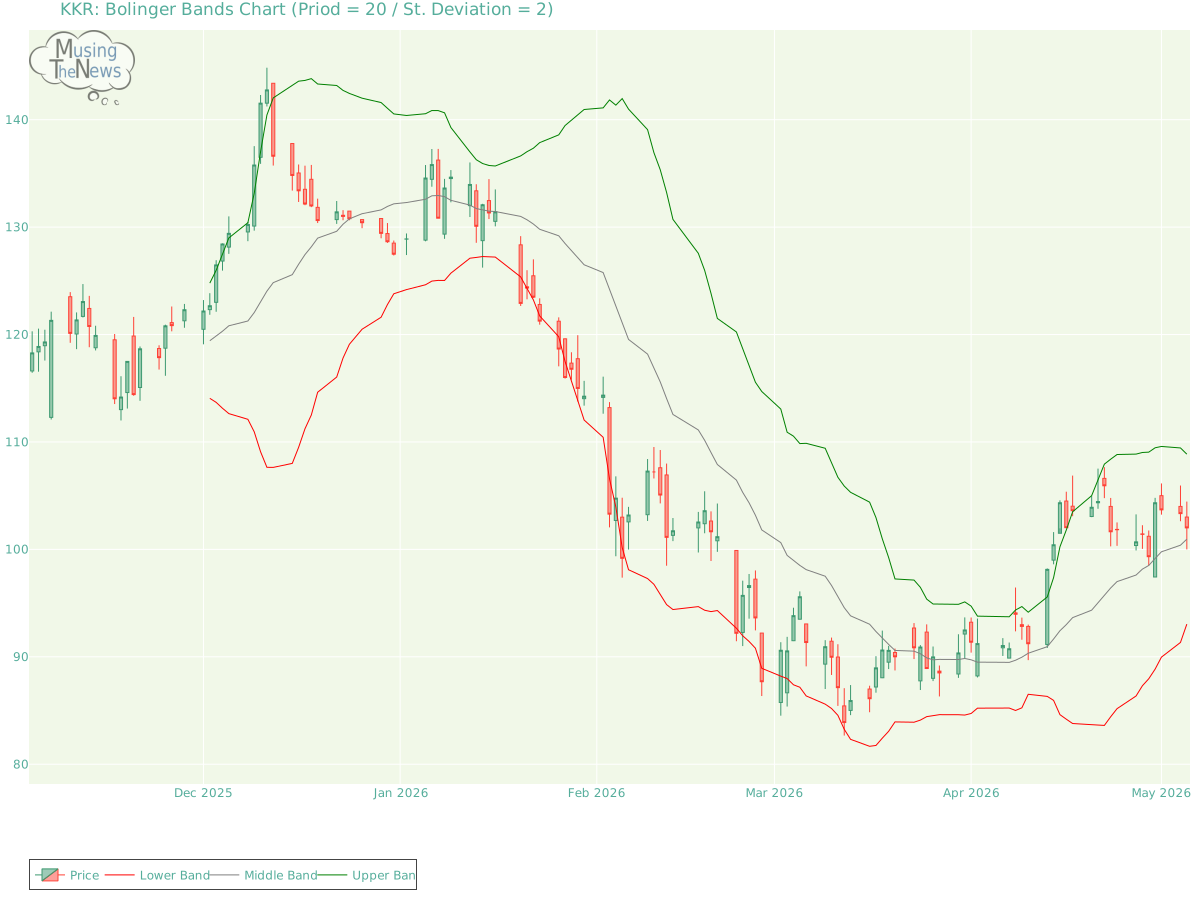
Bol. Bands: The current state of the BOLL BANDS is neutral for KKR, providing no clear indication of a trend in either direction. This suggests that the market may be lacking momentum, making it difficult to predict future movements.
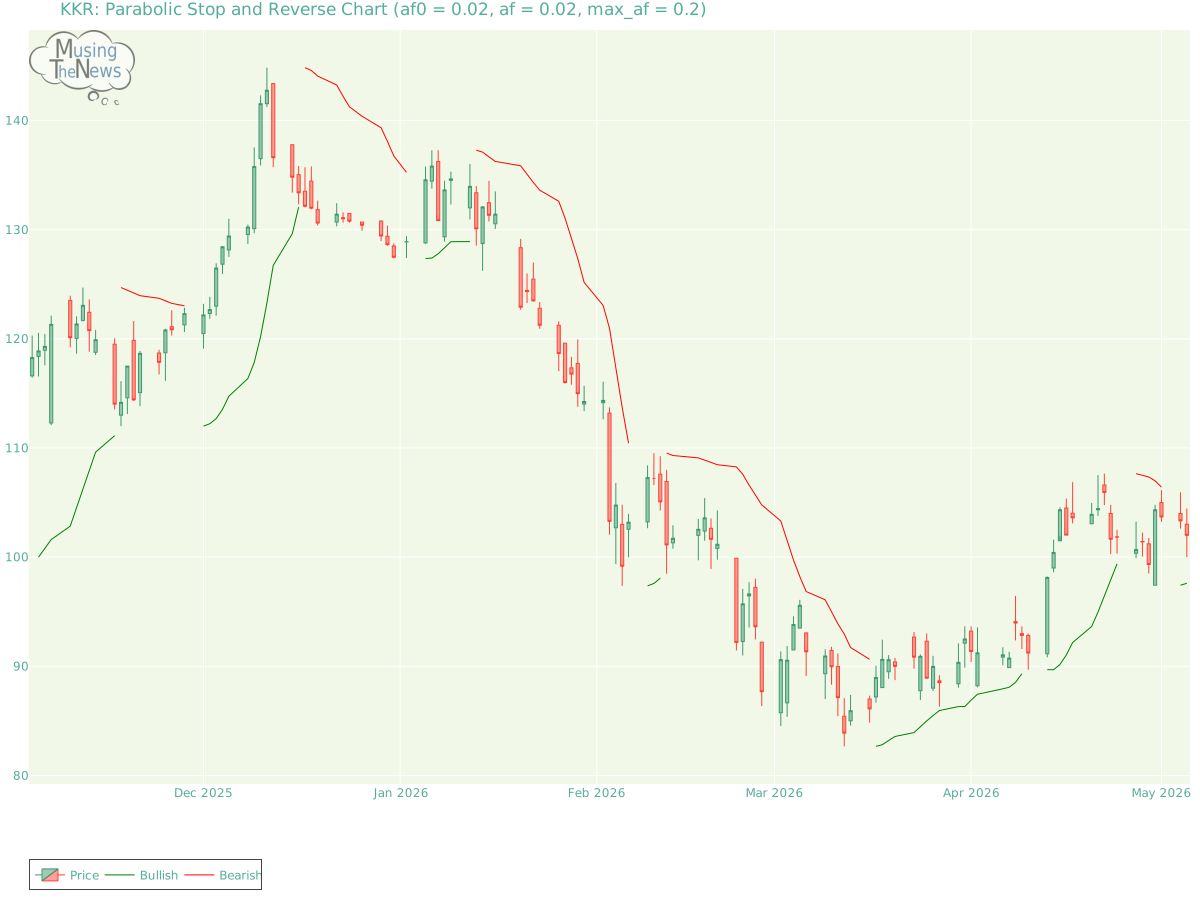
Parabolic SAR: The PSAR maintains its bullish stance, setting a significant support level that could help sustain the market's upward movement. This strong support suggests that KKR & Co. Inc. is likely to continue trending higher, providing investors with confidence in the ongoing bullish momentum.
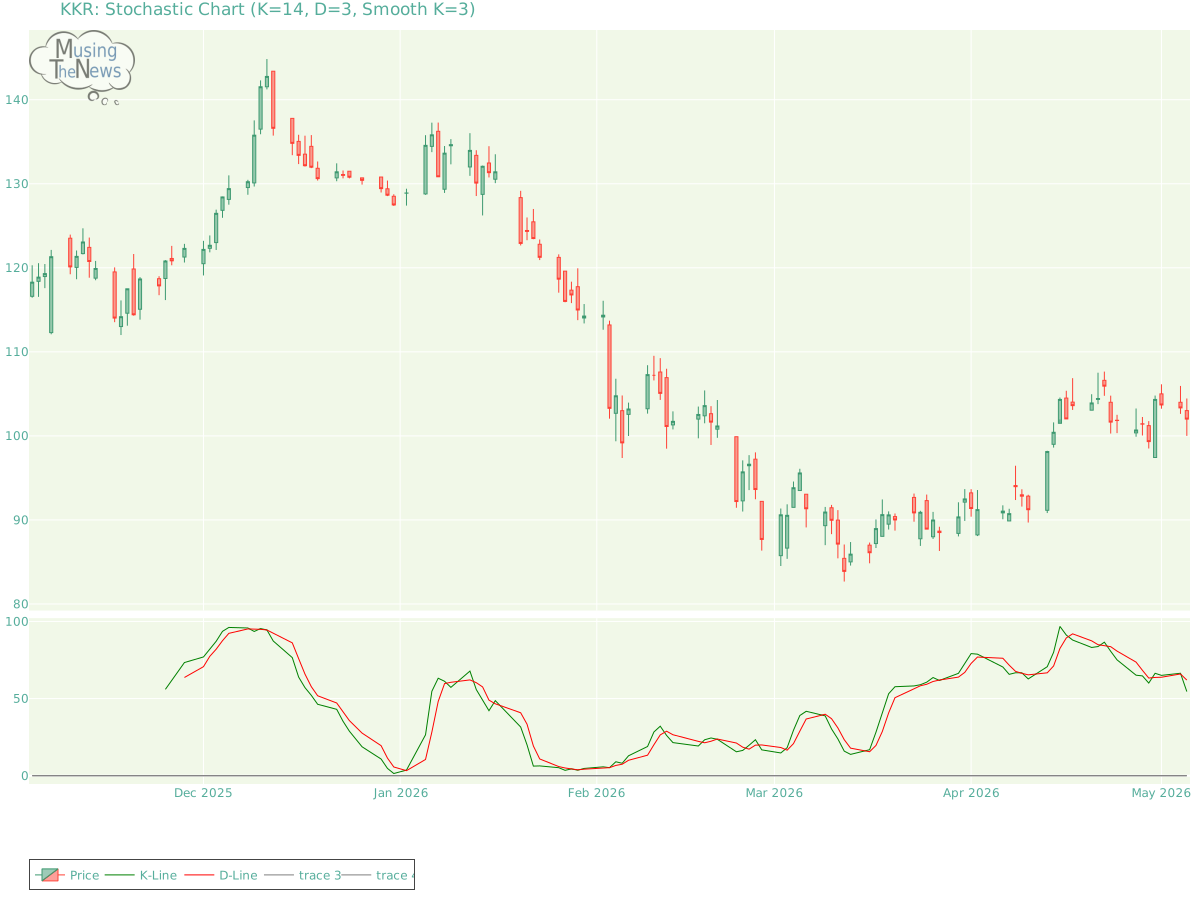
Stochastic: The current reading of the STOCHASTIC is neutral for KKR, with no clear signals for an upward or downward trend. This indicates that the market may be in a state of uncertainty, with no dominant force driving the direction.
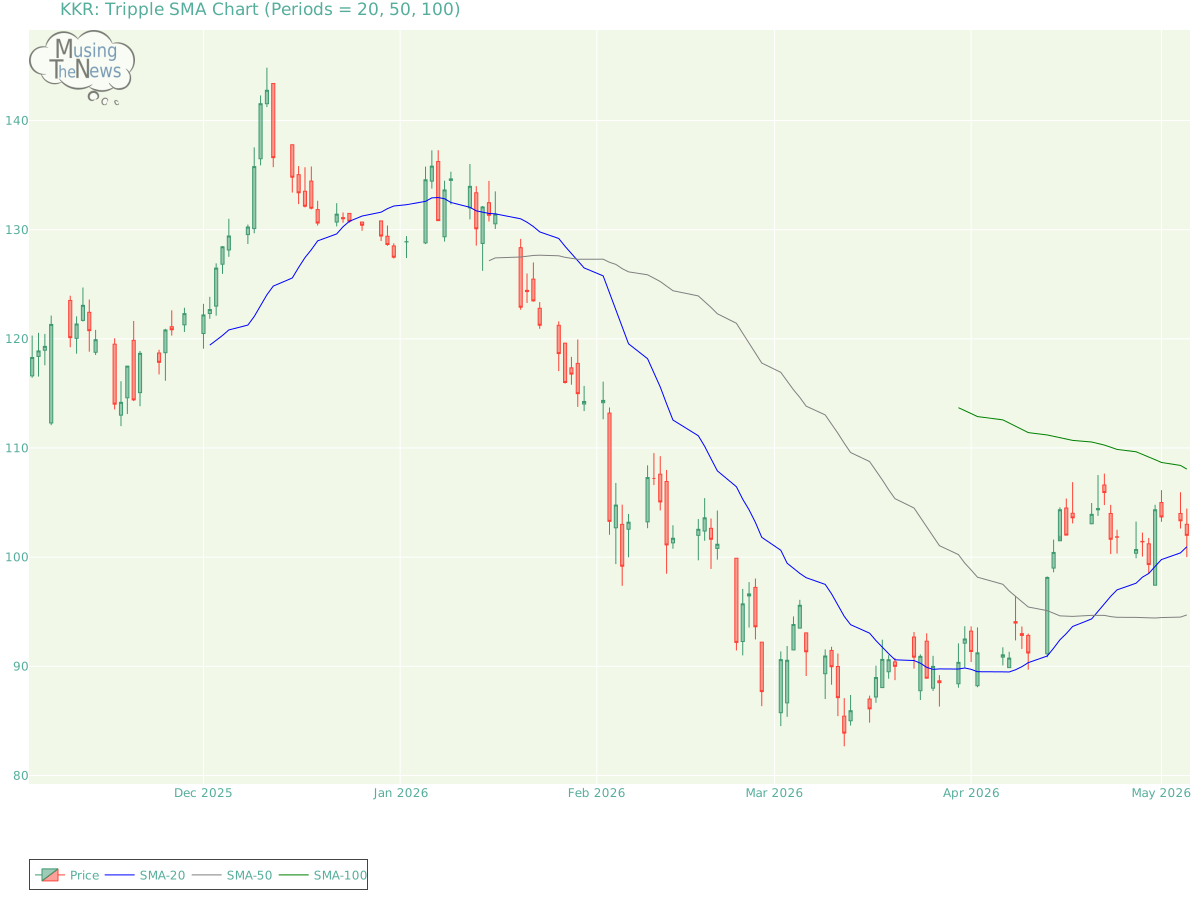
Tripple Moving Agerage: The Tripple MOVING AVG is showing a neutral stance, not indicating a clear upward or downward trend for KKR & Co. Inc.. This suggests a period of market balance, where neither side is showing dominance.
Before focusing on technical indicators like stock price and volume, it's important to consider a company's fundamentals. These include financial metrics such as profitability, revenue growth, and debt levels. Furthermore, understanding the industry landscape, including competition and consumer trends, provides essential context. By combining this fundamental analysis with technical data, investors can make more informed decisions and draw deeper conclusions about the company's potential for future growth and success.
DISCLAIMER: We provide information and our musings based on events, but nothing on this site can be considered professional advice of any kind.
If you have enjoyed reading, spread the word:
Good prospects:
Companies with the best and the worst technicals.
Latest Regulatory Filings for SP5
Companies with the best and the worst fundamentals.
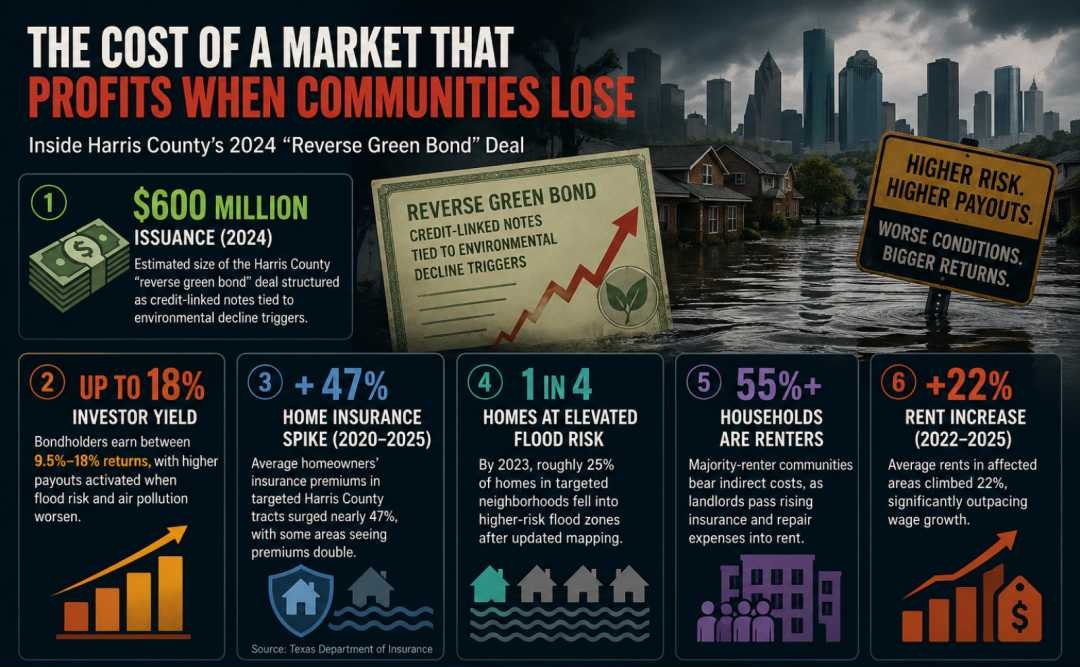
When Flooding Pays: A New Financial Bet
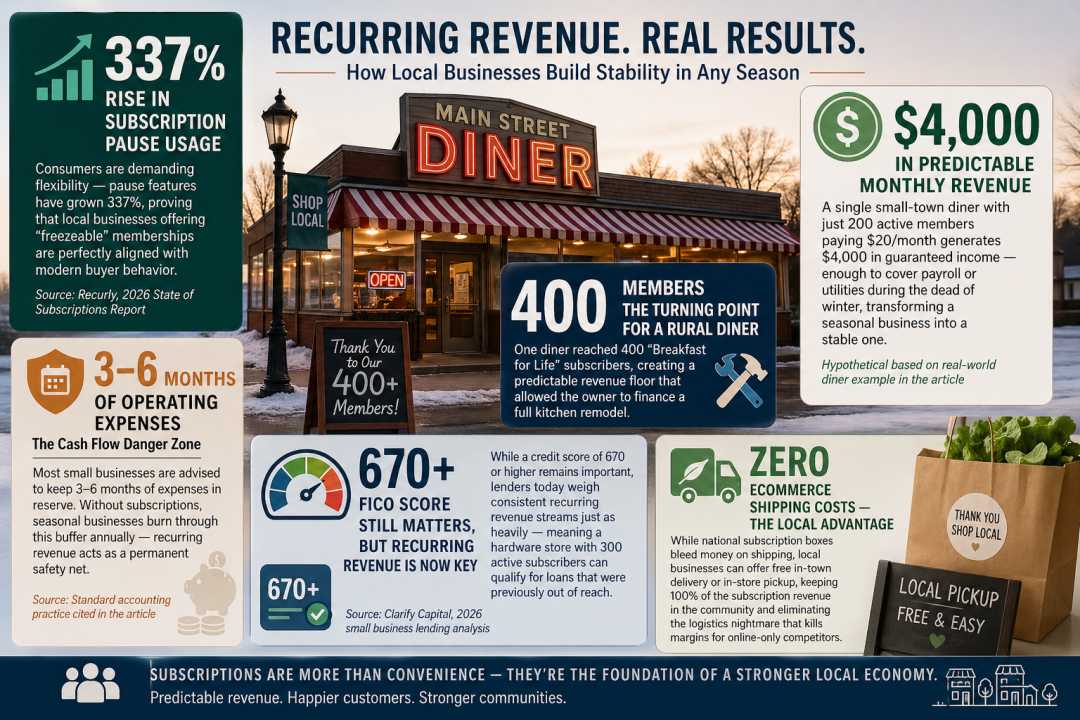
Breakfast for Life How Local Diners and Hardware Stores are Outsmarting Amazon
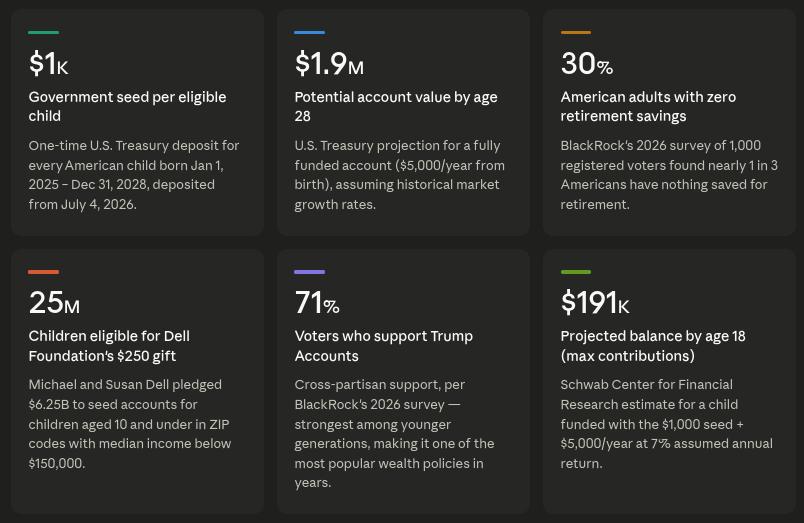
Before They Can Walk, They're Invested: How Trump Accounts Are Transforming Financial Culture