Fundamentals for The Kraft Heinz Company
The Kraft Heinz Company's Forward PE is at a healthy level, indicating that the stock price is well-positioned relative to its earnings. With the stock not being overvalued...






Business Operations:
Sector: Consumer DefensiveIndustry: Packaged Foods
The Kraft Heinz Company, together with its subsidiaries, manufactures and markets food and beverage products in North America and internationally. Its products include condiments, sauces, dressings, and spreads; cheese, frozen potato products, and other frozen meals; meal kits, frozen snacks, and pickles; dry packaged desserts, refrigerated ready to eat desserts, and other dessert toppings; ready to drink and powdered beverages, and liquid concentrates; American sliced and recipe cheeses; mainstream coffee, coffee pods, and premium coffee; and cold cuts, bacon, and hot dogs. It offers its products under the Kraft, Oscar Mayer, Heinz, Philadelphia, Lunchables, Velveeta, Ore-Ida, Capri Sun, Maxwell House, Kool-Aid, Jell-O, ABC, Master, Quero, Golden Circle, Wattie's, Pudliszki, and Plasmon brands, as well as Bagel Bites, Claussen, A1, and Cool Whip. It sells its products through its own sales organizations, as well as through independent brokers, agents, and distributors to chain, wholesale, cooperative, and independent grocery accounts; convenience, value, and club stores; pharmacies and drug stores; mass merchants; foodservice distributors; institutions, including hotels, restaurants, bakeries, hospitals, health care facilities, and government agencies; and various e-commerce platforms and retailers. The company was formerly known as H.J. Heinz Holding Corporation and changed its name to The Kraft Heinz Company in July 2015. The company was founded in 1869 and is headquartered in Pittsburgh, Pennsylvania.
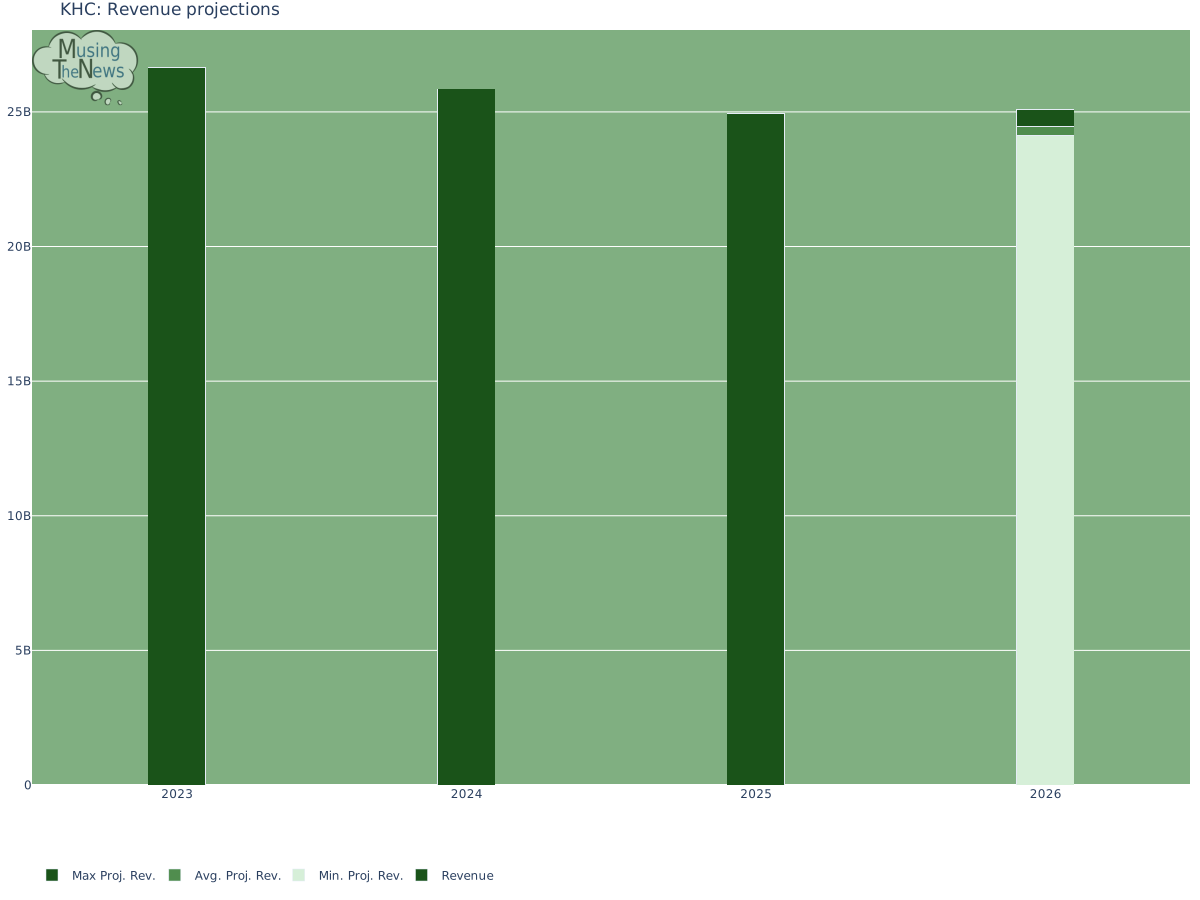
Revenue projections:
Financial Ratios:
| currentRatio | 1.061000 |
|---|---|
| forwardPE | 10.775521 |
| debtToEquity | 52.591000 |
| earningsGrowth | 0.000000 |
| revenueGrowth | -0.014000 |
| grossMargins | 0.334980 |
| operatingMargins | 0.154900 |
| trailingEps | -2.870000 |
| forwardEps | 2.081570 |
KHC's current ratio of 1.061, indicating that the company can meet its short-term debt obligations with ease. This high liquidity level is a positive sign, as KHC has enough cash and current assets to handle its immediate liabilities comfortably.
The Kraft Heinz Company's Forward PE is at a healthy level, indicating that the stock price is well-positioned relative to its earnings. With the stock not being overvalued, there remains room for future growth, suggesting a balanced opportunity for investors seeking potential upside.
KHC's low growth in both earnings and revenue indicates potential profit shrinkage. This downward trend could be a sign of weakening financial health, signaling challenges for the company's future profitability.
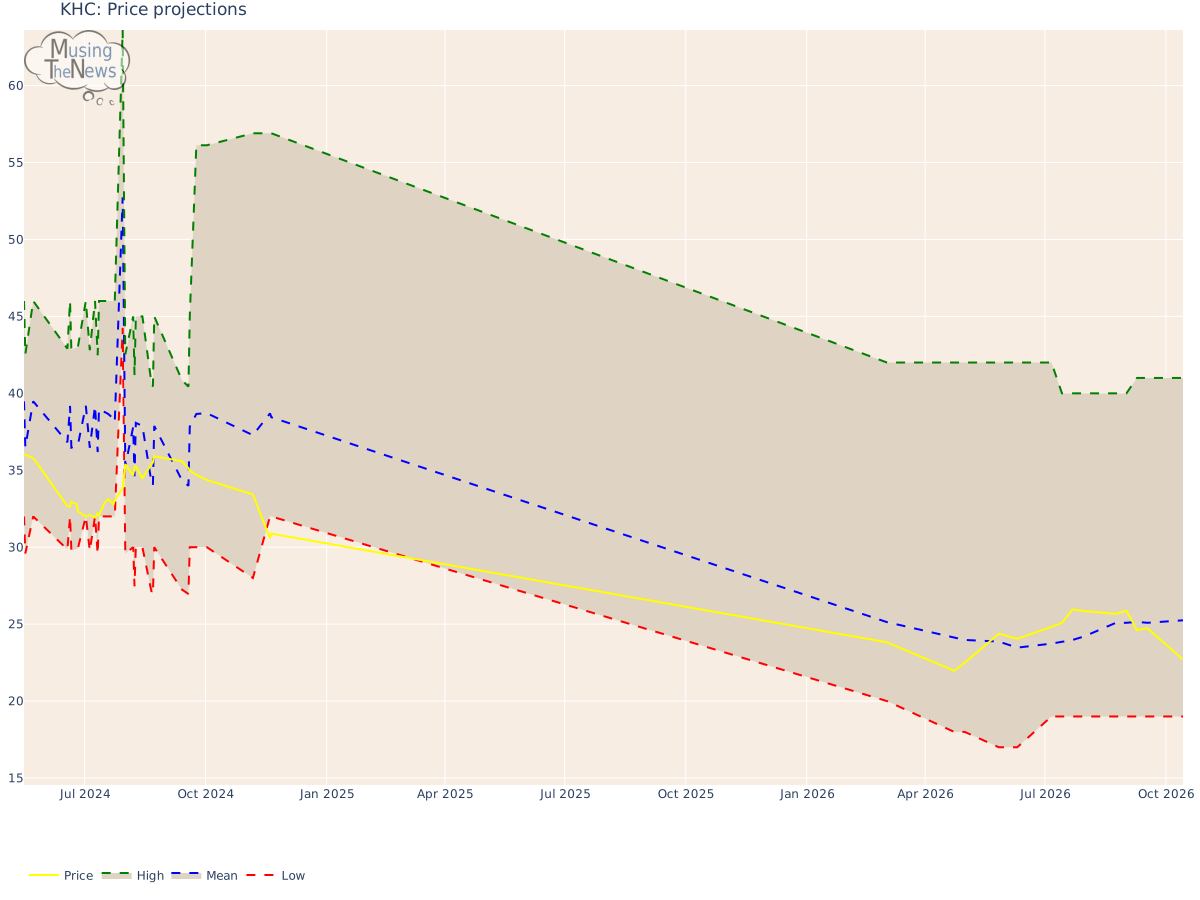
Price projections:
Insider Transactions:
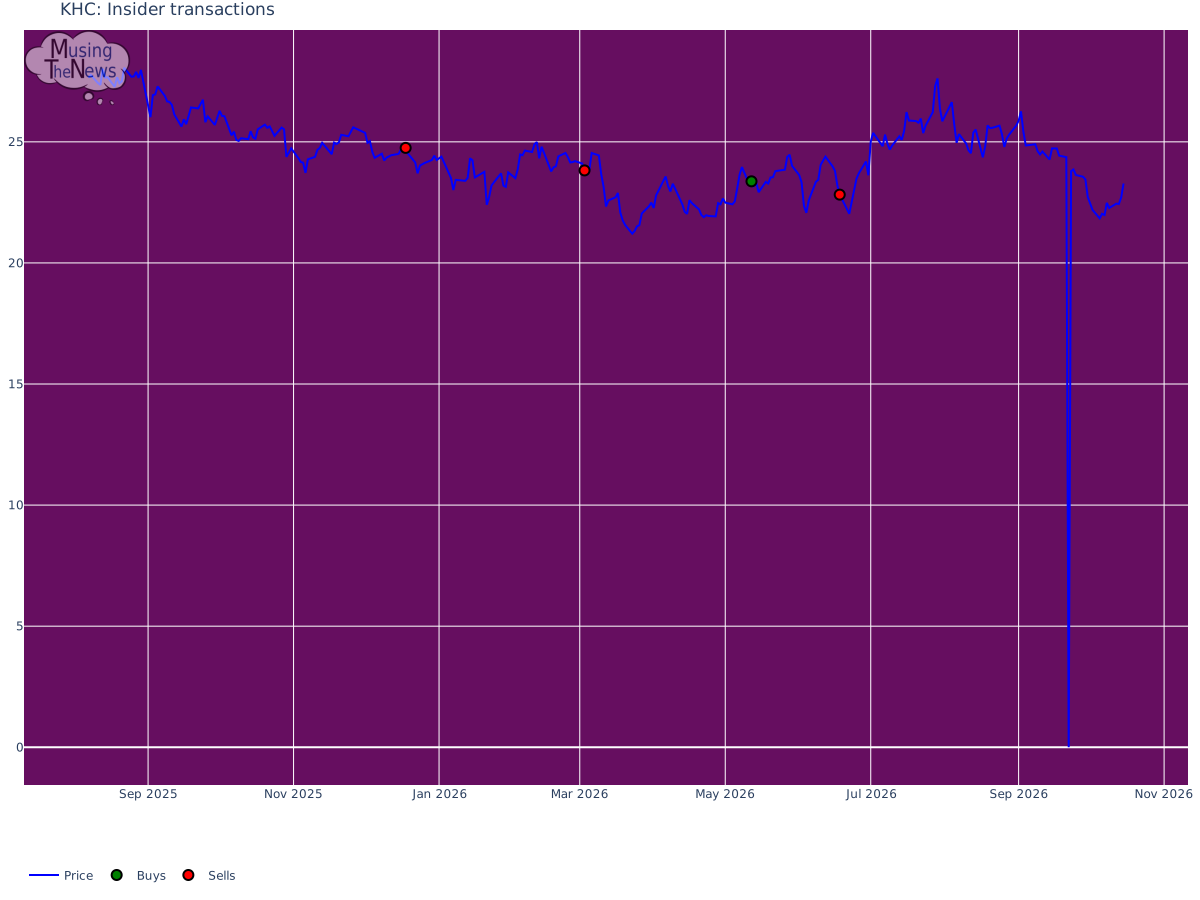
There were 3 KHC sales transactions, at market price of 23.79672114054362.KHC had 1 buy transactions, with market price of 23.3700008392334.The higher volume of buys compared to sells near current KHC price levels may suggest optimism among investors. This could point to a favorable market outlook, as more people are willing to invest at these prices, anticipating potential future growth or strong performance.
Recommendation changes over time:
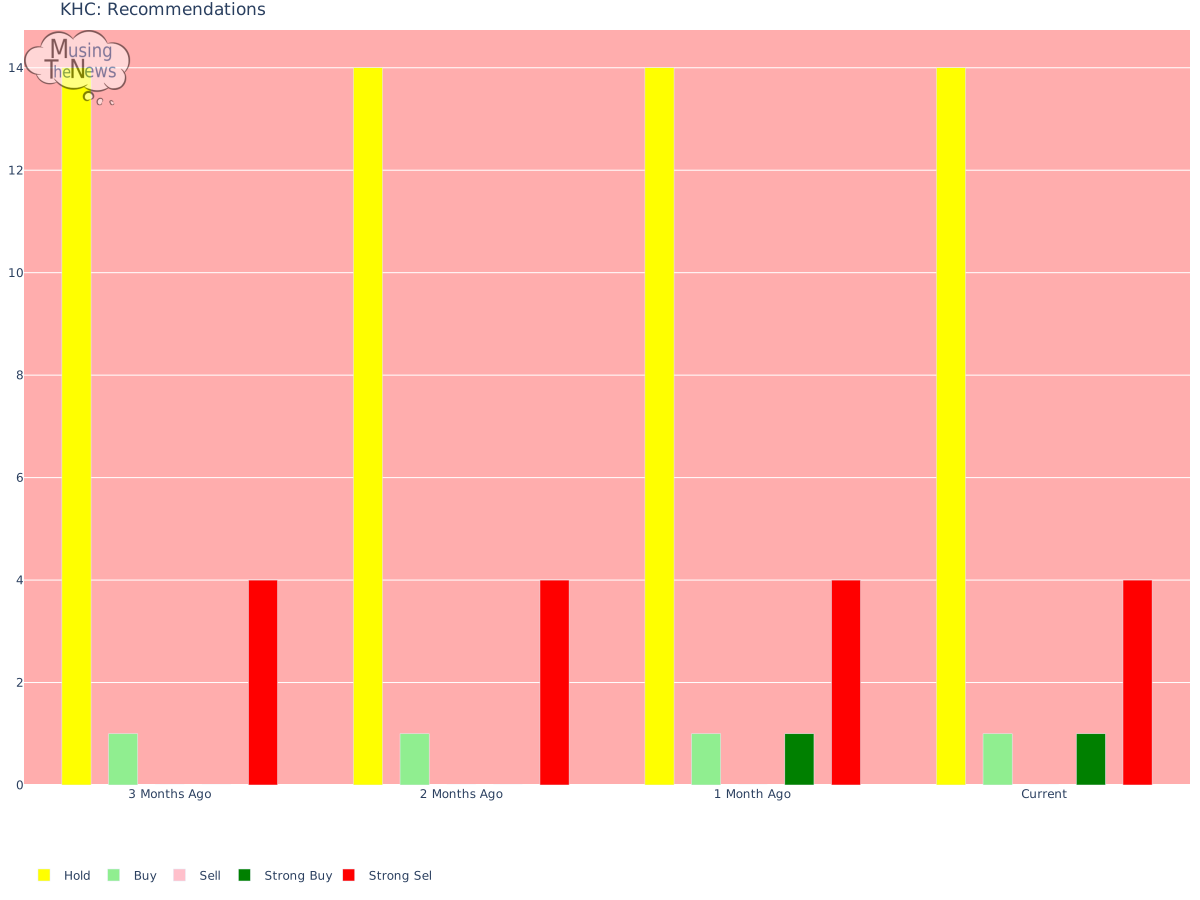
The analysts' sell bias for KHC suggests caution for investors, but it's essential to make decisions based on a wide array of market indicators. This approach ensures a comprehensive view of KHC's position, helping to navigate any potential risks more effectively.