Fundamentals for JPMorgan Chase & Co.
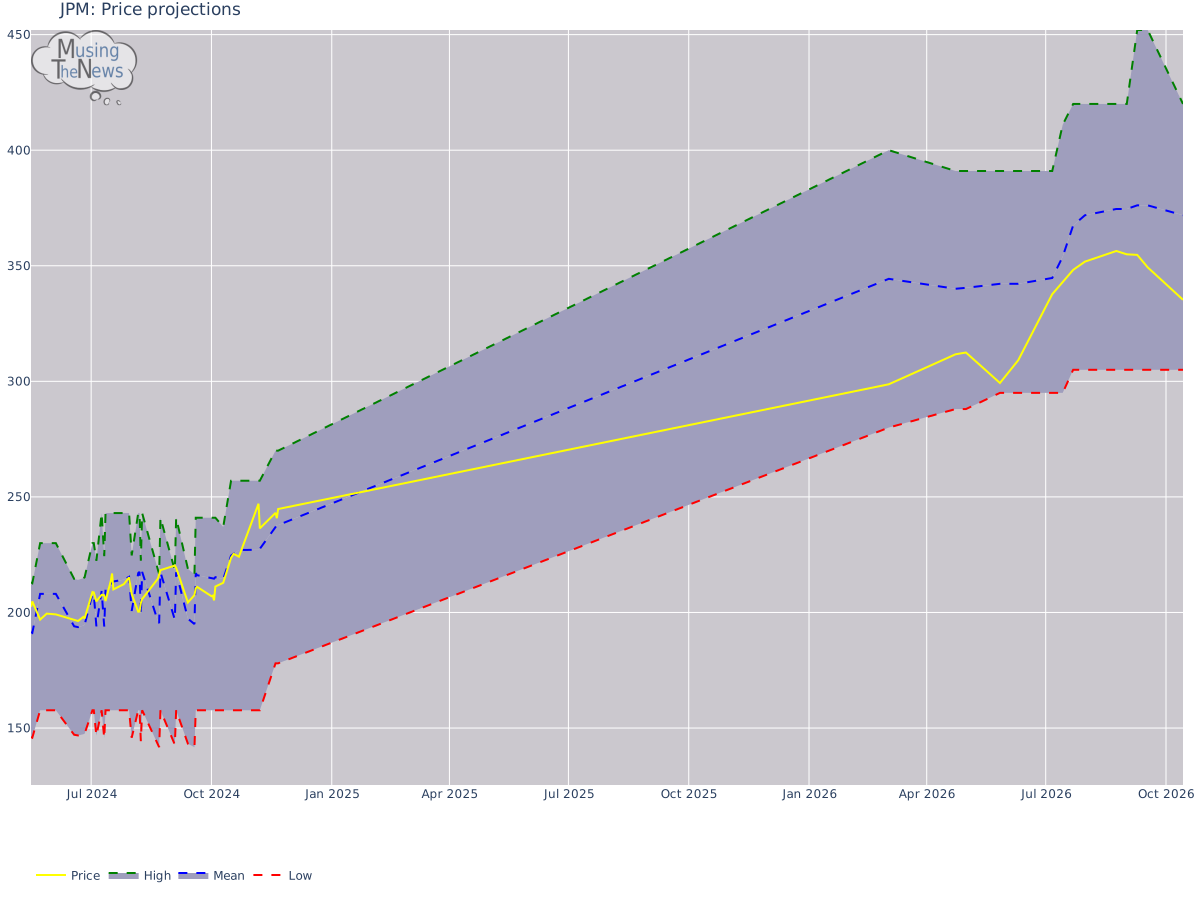
JPM's stock price has regularly been near the lower end of projections, indicating that it may be struggling to attract investor interest. This pattern suggests a cautious ...






Business Operations:
Sector: Financial ServicesIndustry: Banks - Diversified
JPMorgan Chase & Co. operates as a bank and financial holding company in the United States, rest of North America, Europe, the Middle East, Africa, the Asia Pacific, Latin America, and the Caribbean. It operates in three segments: Consumer & Community Banking, Commercial & Investment Bank, and Asset & Wealth Management. The company offers deposit, investment and lending products, and cash management; mortgage origination and servicing activities; residential mortgages and home equity loans; and credit cards, payment solutions, travel services, merchant offers, lifestyle benefits, auto loans, and leases to consumers and small businesses through bank branches, ATMs, and digital and telephone banking. It also provides investment banking, market-making, financing, custody, and securities products and services; corporate strategy and structure advisory, equity and debt market capital-raising, and loan origination and syndication services; cash and derivative instruments, risk management solutions, prime brokerage, clearing, and research; and fund services, liquidity and trading services, and data solutions products for large corporations, financial institutions, merchants, start-ups, small and midsized companies, local governments, municipalities, nonprofits, and commercial real estate clients. In addition, the company offers multi-asset investment management solutions in equities, fixed income, alternatives, and money market funds to institutional clients and retail investors; retirement products and services, estate planning, lending, deposits, and investment management products to high-net-worth clients; and financial transaction processing. JPMorgan Chase & Co. was founded in 1799 and is headquartered in New York, New York.
Revenue projections:
Financial Ratios:
| currentRatio | 0.000000 |
|---|---|
| forwardPE | 13.188073 |
| debtToEquity | 0.000000 |
| earningsGrowth | 0.469000 |
| revenueGrowth | 0.304000 |
| grossMargins | 0.000000 |
| operatingMargins | 0.503940 |
| trailingEps | 23.140000 |
| forwardEps | 25.131040 |
JPM's Forward PE is in an attractive range, meaning its stock price aligns well with earnings and isn't inflated. This creates room for growth, making it a solid investment opportunity for those looking to benefit from potential price appreciation.
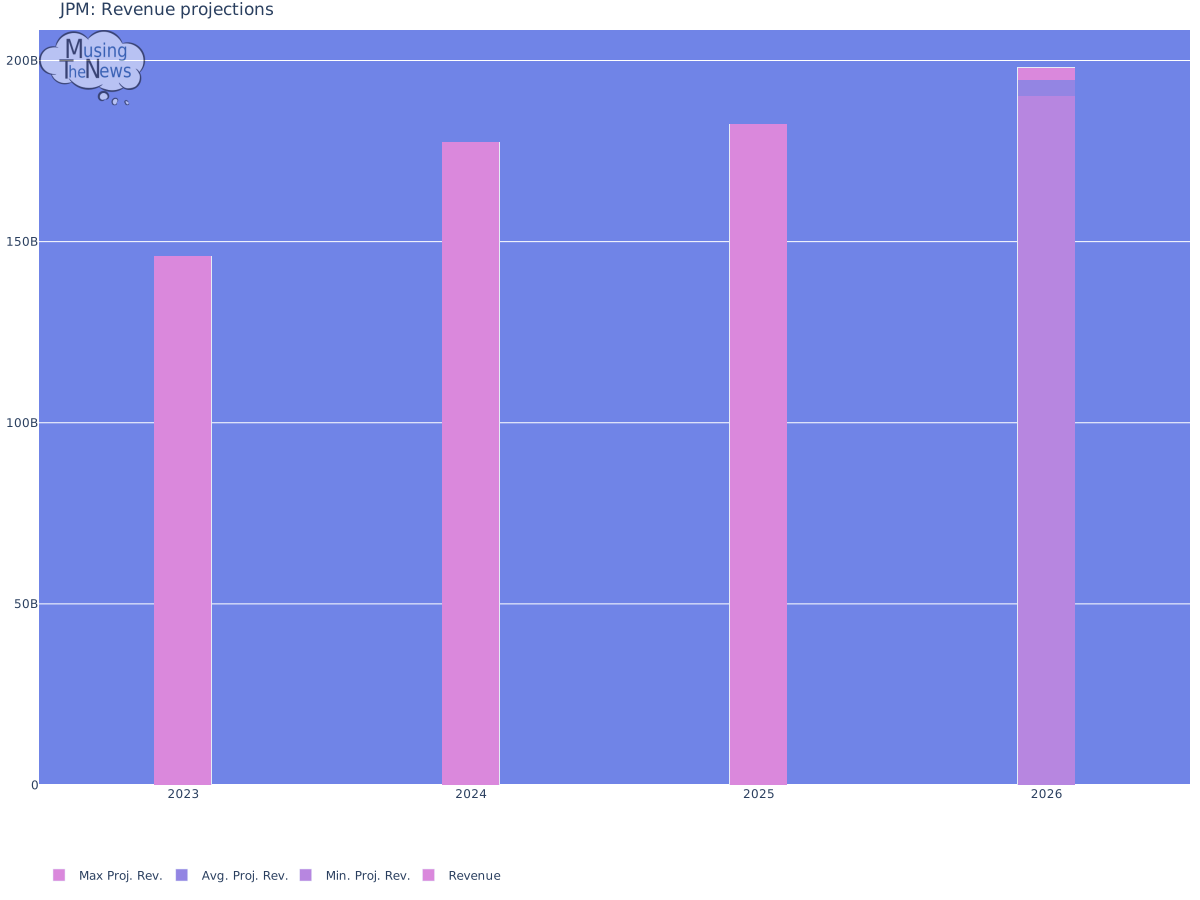
JPMorgan Chase & Co.'s positive growth in earnings and revenue suggests the company is on track to expand its business. These indicators highlight a healthy financial performance, with JPMorgan Chase & Co. expected to increase its market presence and profitability.
JPM's forward EPS surpasses its trailing EPS, reflecting expectations of higher profitability in the current year. This suggests that JPM is projected to generate stronger earnings, indicating an optimistic financial outlook compared to the prior year's results.
Price projections:
Insider Transactions:
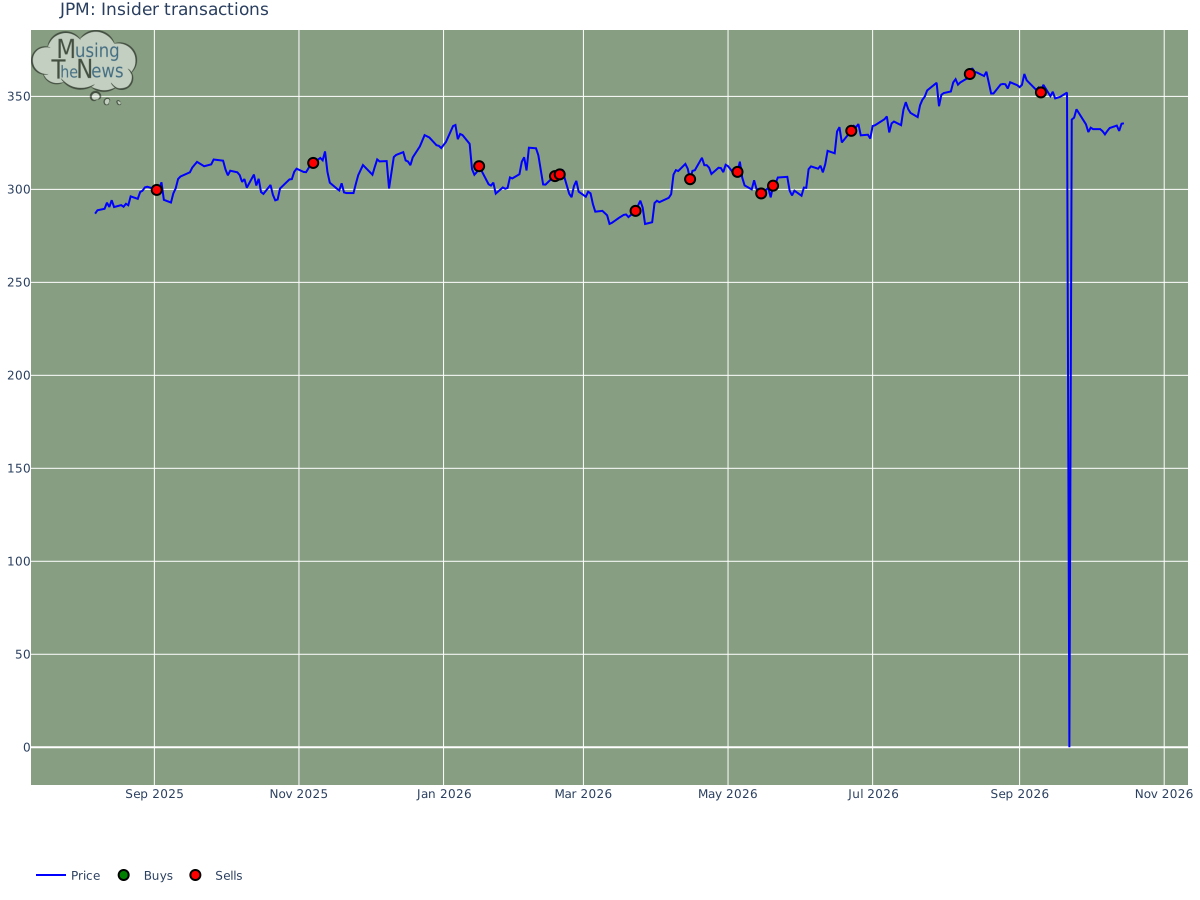
13 sales of JPM stock were made, with market price at 314.6387610802284 per share.No sell transactions occurred during the period under consideration.More buys than sells near the current price levels of JPM might signal a favorable outlook for the stock. Investors seem to be showing confidence by purchasing more, potentially expecting positive future performance.
Recommendation changes over time:
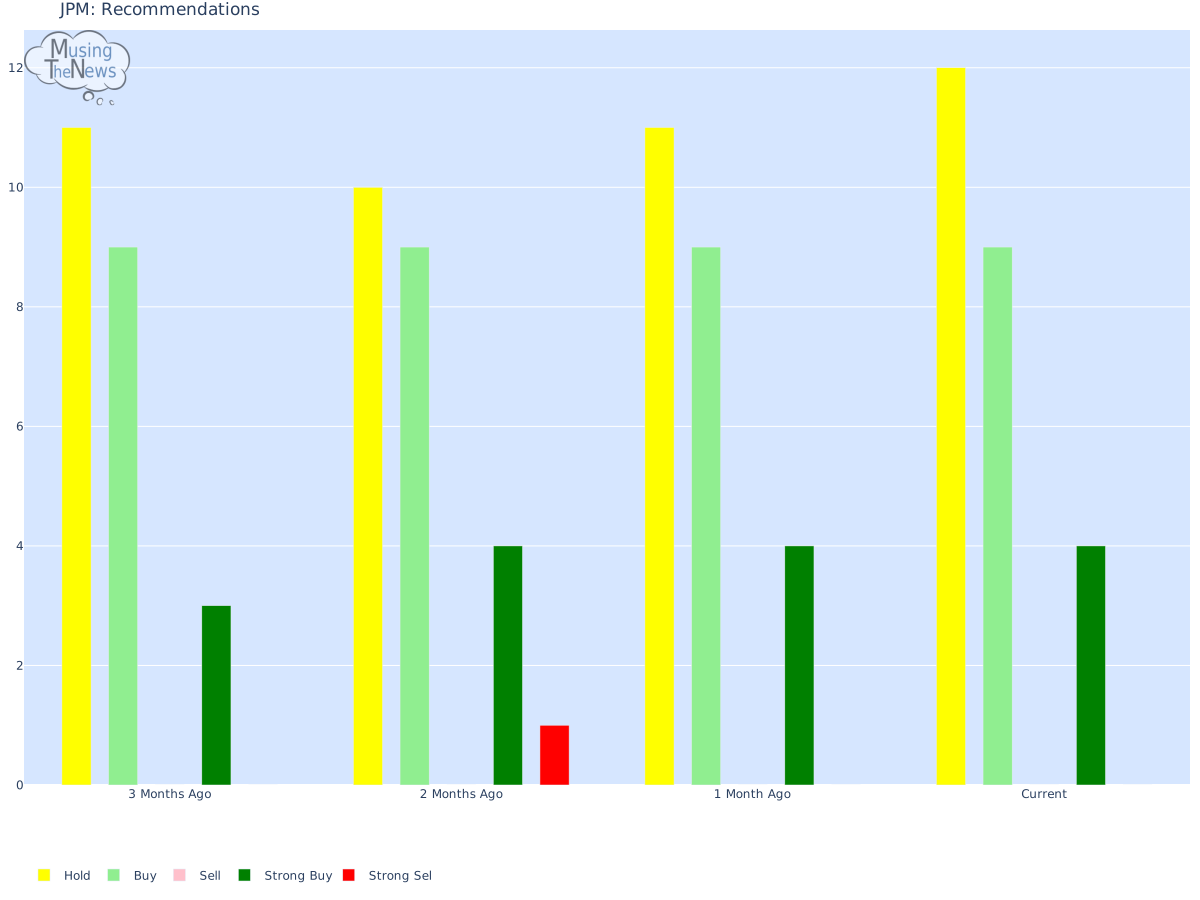
A recent buy bias from analysts toward JPMorgan Chase & Co. indicates strong confidence in the stock's future performance. This could encourage investors to park their money in JPMorgan Chase & Co., viewing it as a stable and potentially rewarding investment opportunity with promising long-term growth prospects.