More about Johnson & Johnson
Regulatory Filings for Johnson & Johnson
Fundamentals for Johnson & Johnson

Fraud, Delays, and High Fees—Gone: The Underrated Fintech Shift Reshaping U.S. Local Economies
From Rhode Island to Vermont: The Proficiency Gap That's Quietly Dividing New England's Workforce

Regional Airports Poised for Growth Amid Airline Shakeups

From Fuel Shock to Factory Revival: The Surprising Rise of Hyper-Local Supply Chains in the U.S.
Technicals for Johnson & Johnson



Price Summary
Johnson & Johnson's stock opened at 229.03 on 2026-04-24, surged to 229.99, hit a low of 227.02, and closed up -0.67% at 227.5, with 5778847 shares traded.For the 52-week period, the stock's highest price is 248.56, and the lowest price is 146.36.
The future price of JNJ is anticipated to range from 155.0 to 285.0, with an expected mean price of 252.41667, according to the recommendations of 24 analysts.
Technicals
Support and Resistance: At 227.5, the price is held up by support at 218.66 and faces resistance at 235.27 for JNJ. This suggests a trading range where 218.66 provides a base and 235.27 limits upward movement.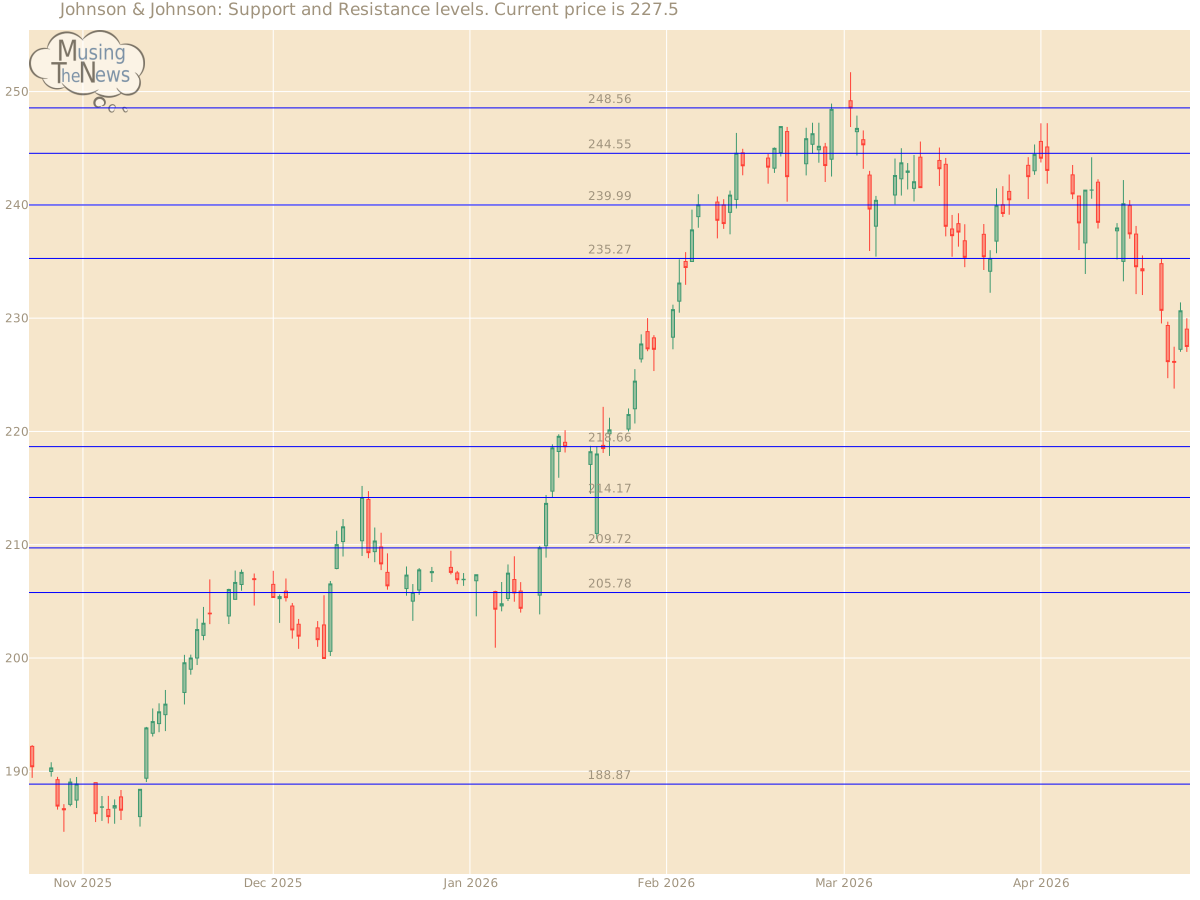
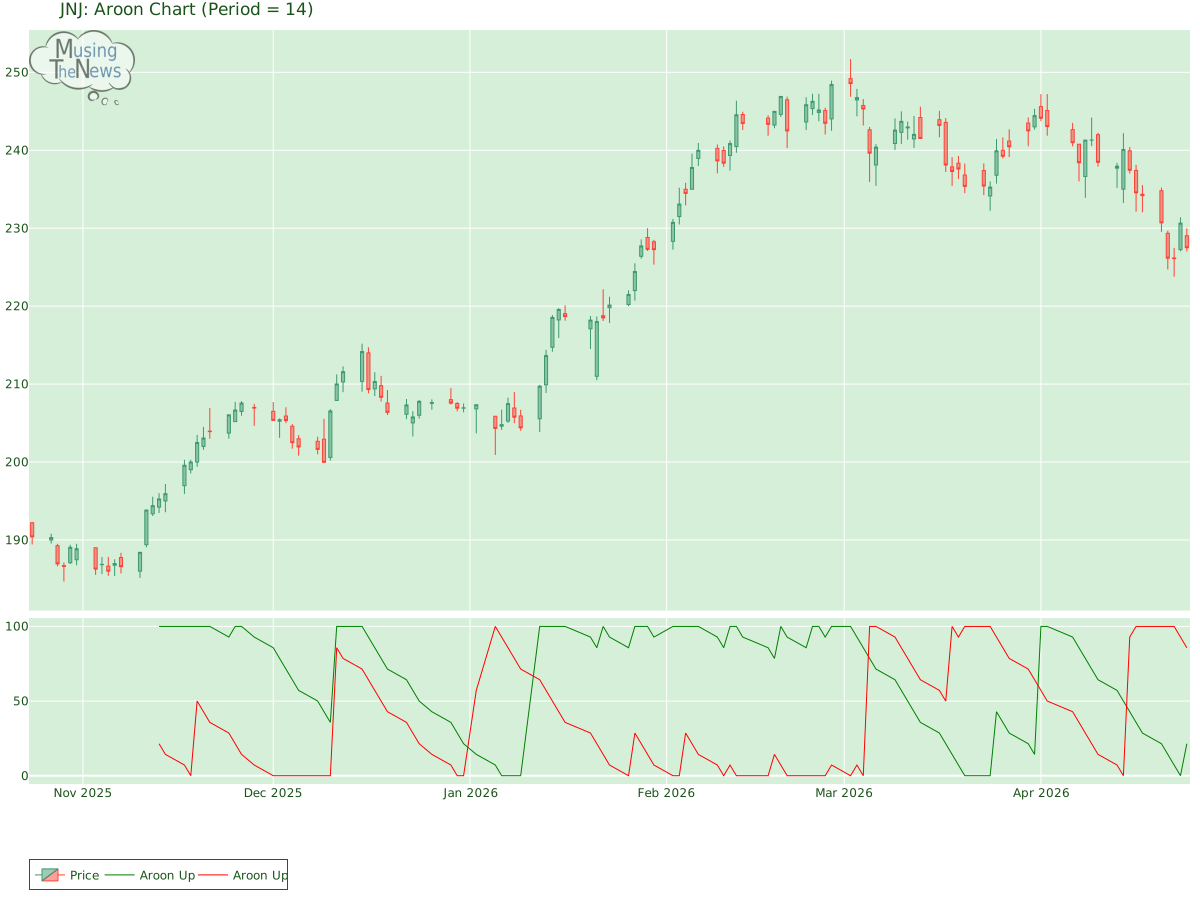
Aroon: The current state of the AROON is neutral, with no clear trend direction indicated. This lack of directional bias suggests that the market may be in a phase of consolidation or uncertainty.
Bol. Bands: The BOLL BANDS is in a neutral stance, with no clear signals for movement up or down. This neutral position indicates a potential period of consolidation or uncertainty in the market.
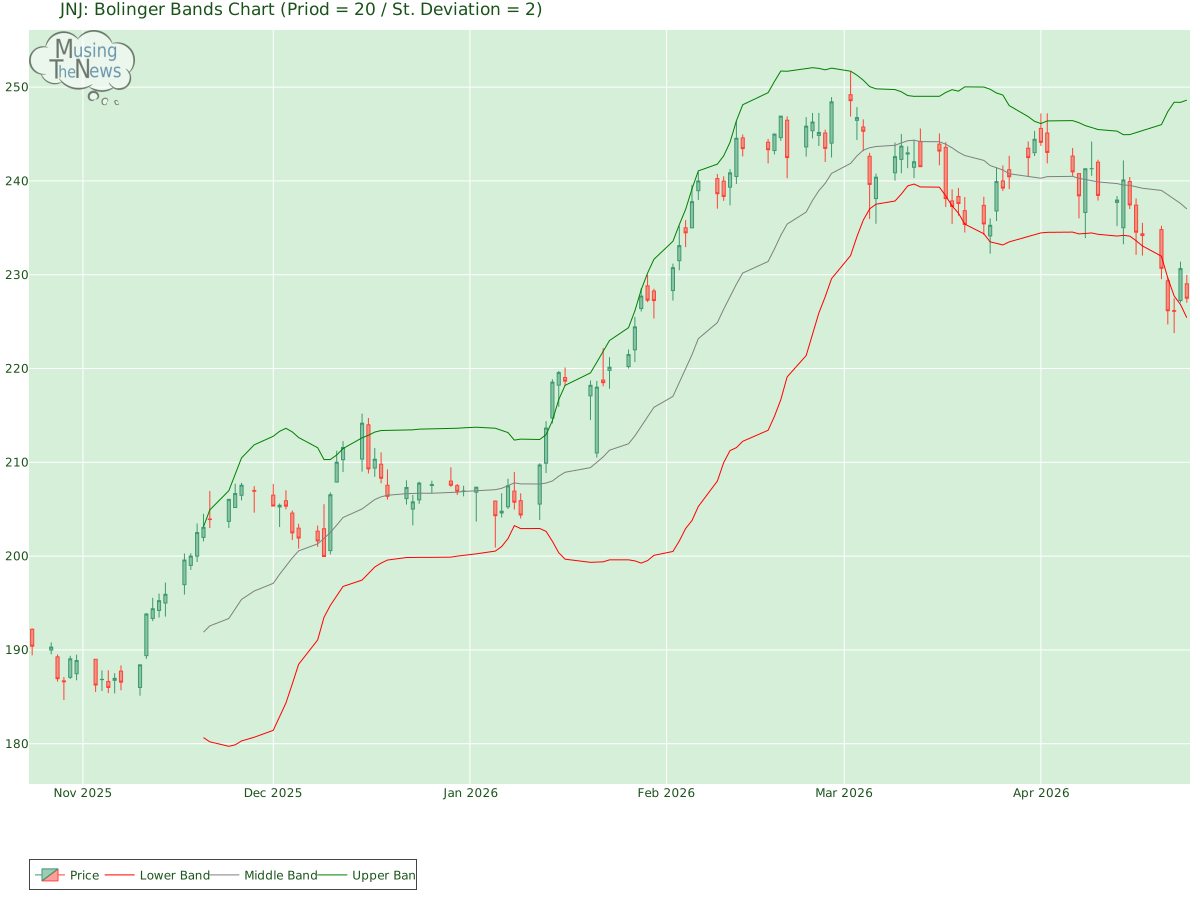
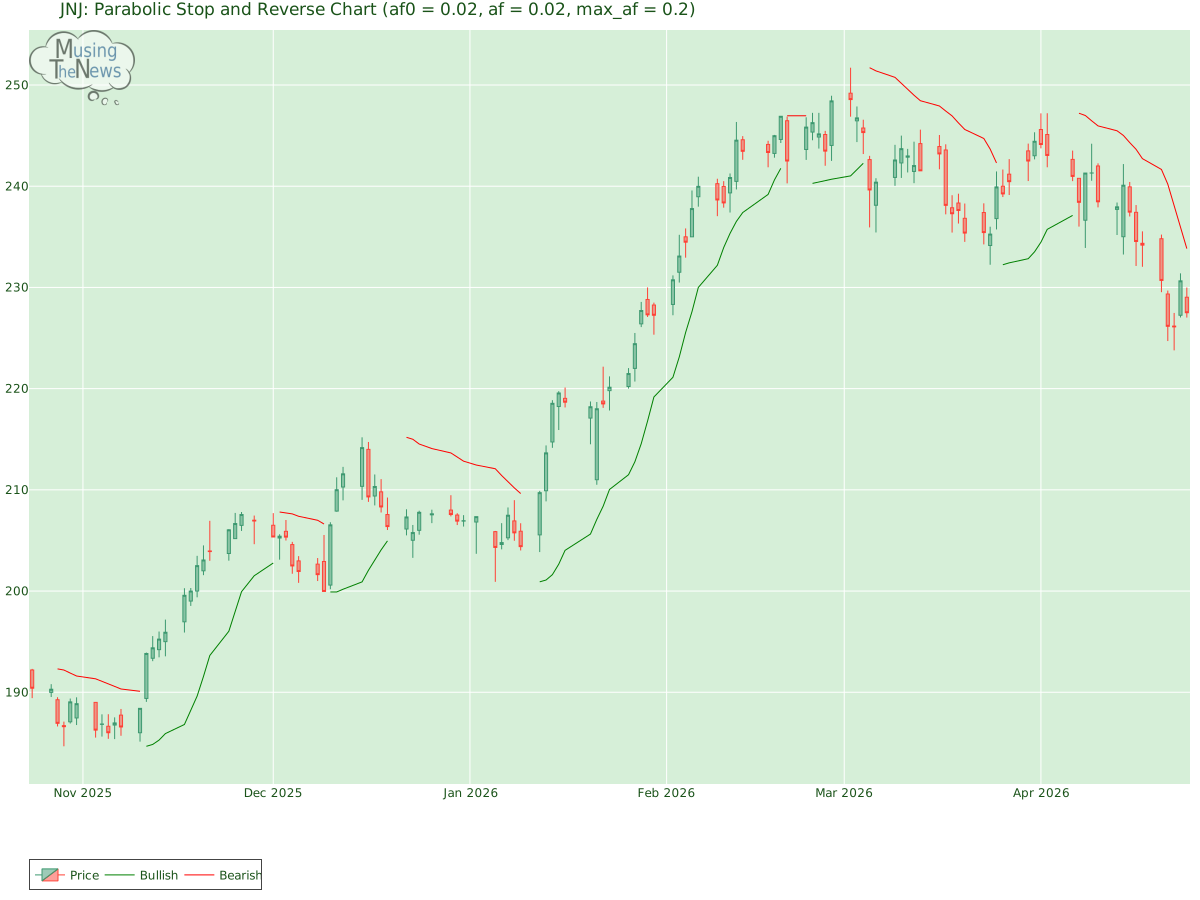
Parabolic SAR: The PSAR continues its bearish trend for Johnson & Johnson, setting a resistance level that could hinder upward momentum. This resistance suggests that the market may face challenges in breaking higher, reflecting persistent bearish sentiment.
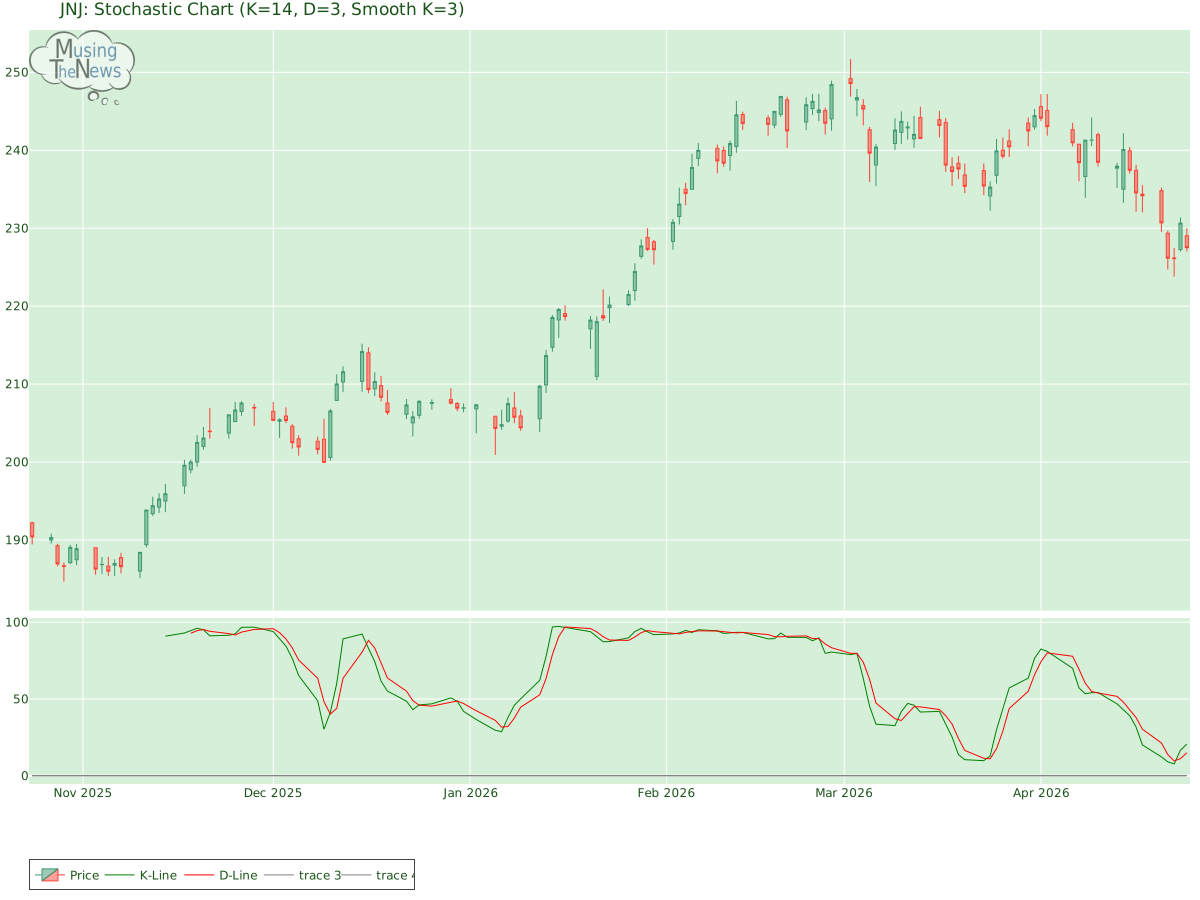
Stochastic: The STOCHASTIC is currently in a neutral position for Johnson & Johnson, offering no clear guidance on whether the market is likely to move up or down. This neutral stance suggests that further observation may be necessary before a trend becomes apparent.
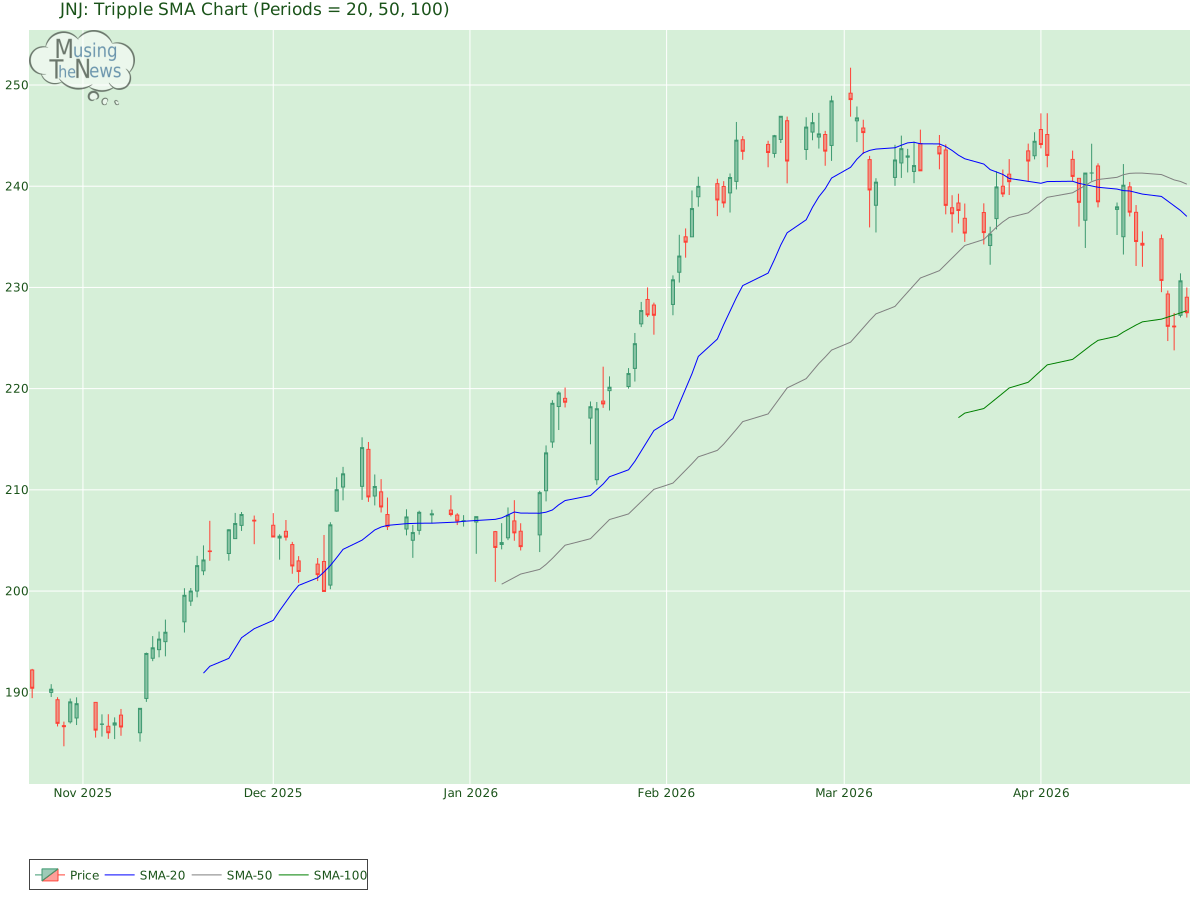
Tripple Moving Agerage: The Tripple MOVING AVG is currently in a neutral position, offering no clear indication of movement up or down. This suggests that the market may be experiencing a period of equilibrium, with no strong trend in play.
Analyzing the technical indicators of a company, such as stock price and trading volume, requires first understanding its fundamentals. These fundamentals include profitability, growth potential, and market position. Furthermore, knowing the broader industry trends and competitive landscape provides critical context. When both the company's internal data and the external environment are considered, it allows for more meaningful conclusions about the company's technical performance and future trajectory.
DISCLAIMER: We provide information and our musings based on events, but nothing on this site can be considered professional advice of any kind.
If you have enjoyed reading, spread the word:
Good prospects:
Companies with the best and the worst technicals.
Latest Regulatory Filings for SP5
Companies with the best and the worst fundamentals.

AI Data Centers Transform Small-Town USA: Jobs, Taxes, and Tech Ecosystems Explode
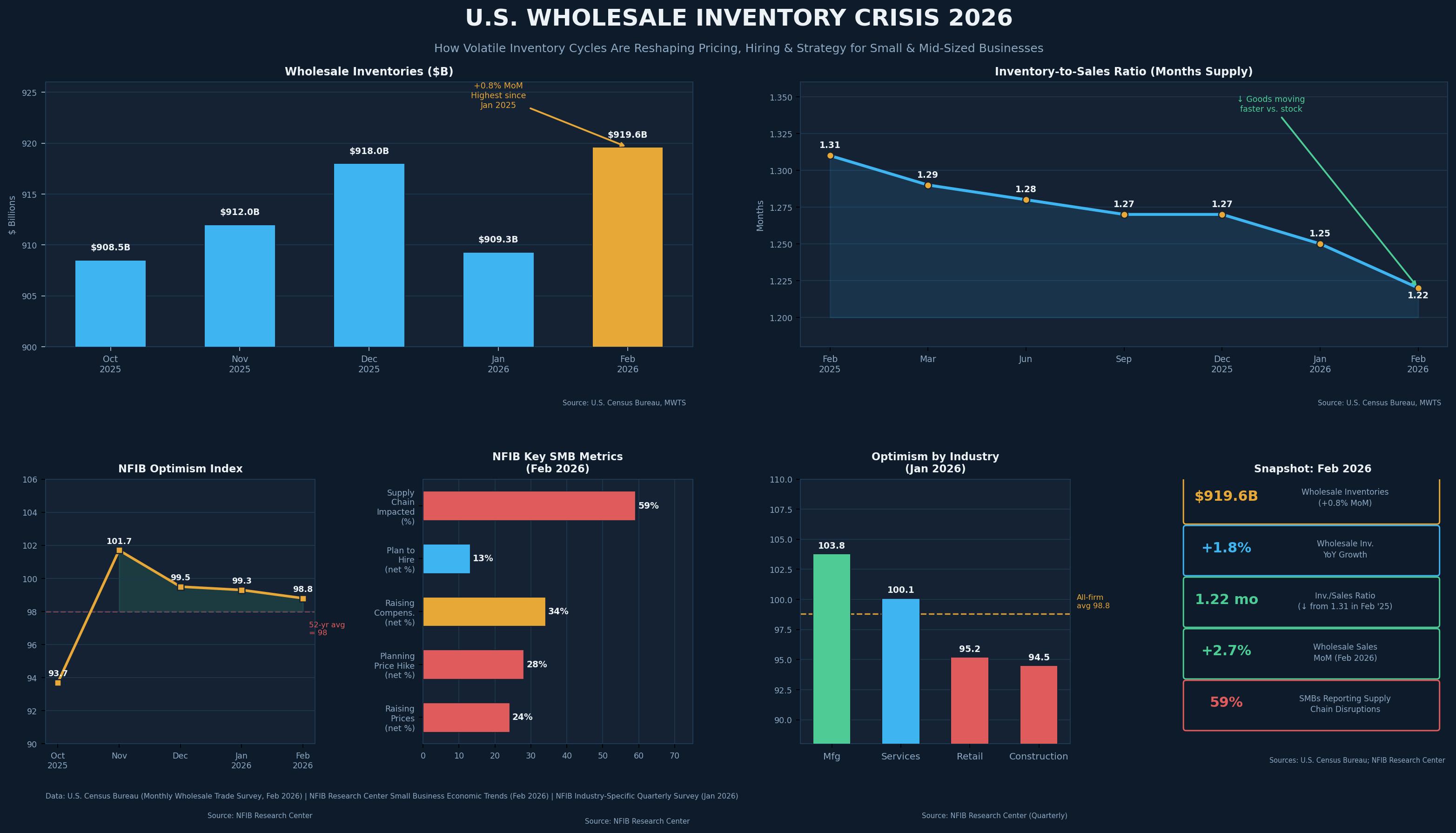
The $919 Billion Warning: What the Wholesale Inventory Explosion Really Means for Main Street

How U.S. Cities Are Turning Data and Infrastructure into Billion-Dollar Opportunities