More about Robinhood Markets, Inc.
Regulatory Filings for Robinhood Markets, Inc.
Fundamentals for Robinhood Markets, Inc.

Not Wall Street, But AI: The Real Force Democratizing Finance Across America

When Flooding Pays: A New Financial Bet

Breakfast for Life How Local Diners and Hardware Stores are Outsmarting Amazon

Before They Can Walk, They're Invested: How Trump Accounts Are Transforming Financial Culture
Technicals for Robinhood Markets, Inc.



Price Summary
On 2026-04-29, Robinhood Markets, Inc.'s stock opened at 72.3, spiked to 73.59, declined to 69.93, and closed -1.52% lower at 71.2, with 79233153 shares traded.The stock reached its highest price of 152.46 and its lowest price of 46.62 during the 52-week period.
24 analysts estimate that the future price of HOOD will fall between 50.0 and 155.0, with an average price expectation of approximately 101.39625.
Technicals
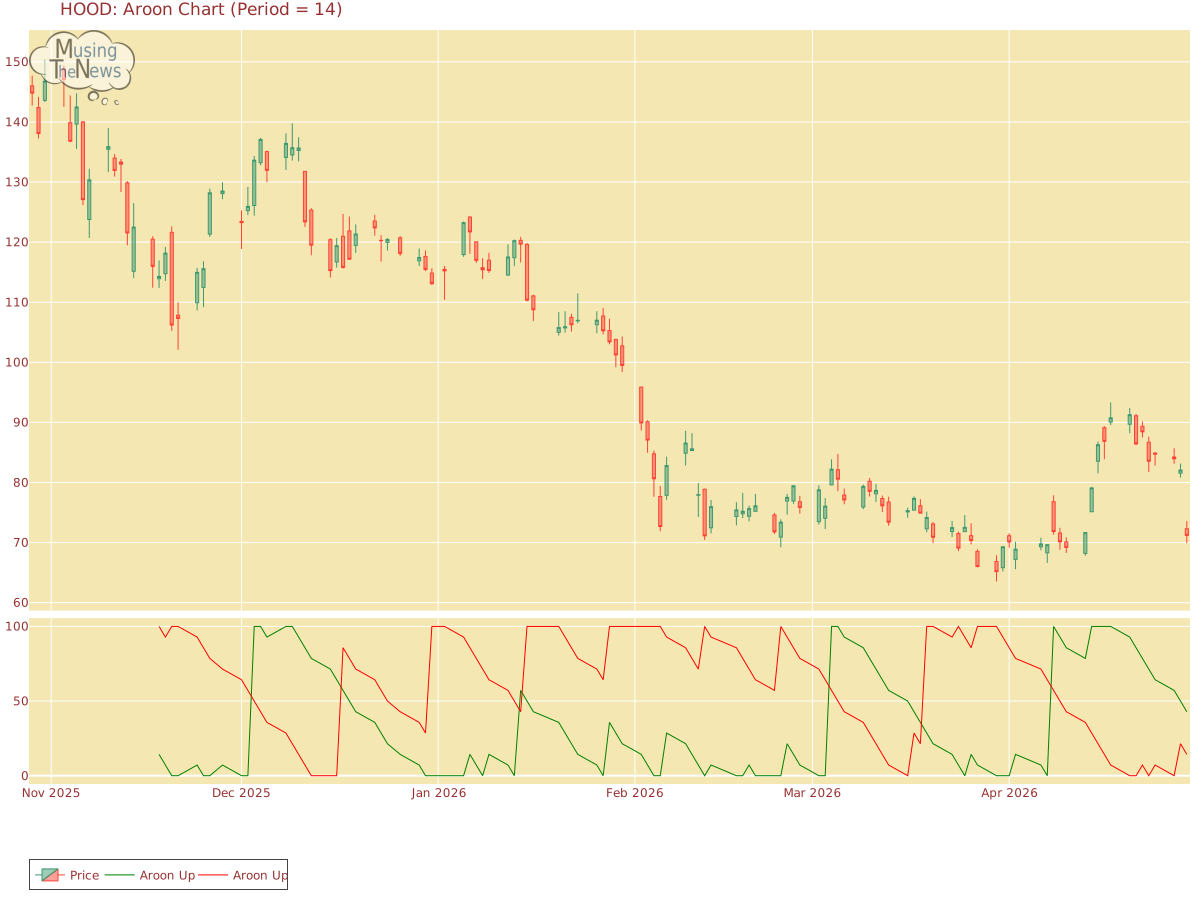
Aroon: The current state of the AROON is neutral, offering no clear signals of movement in either direction. This suggests a potential pause in market activity, with no strong trend emerging at the moment.
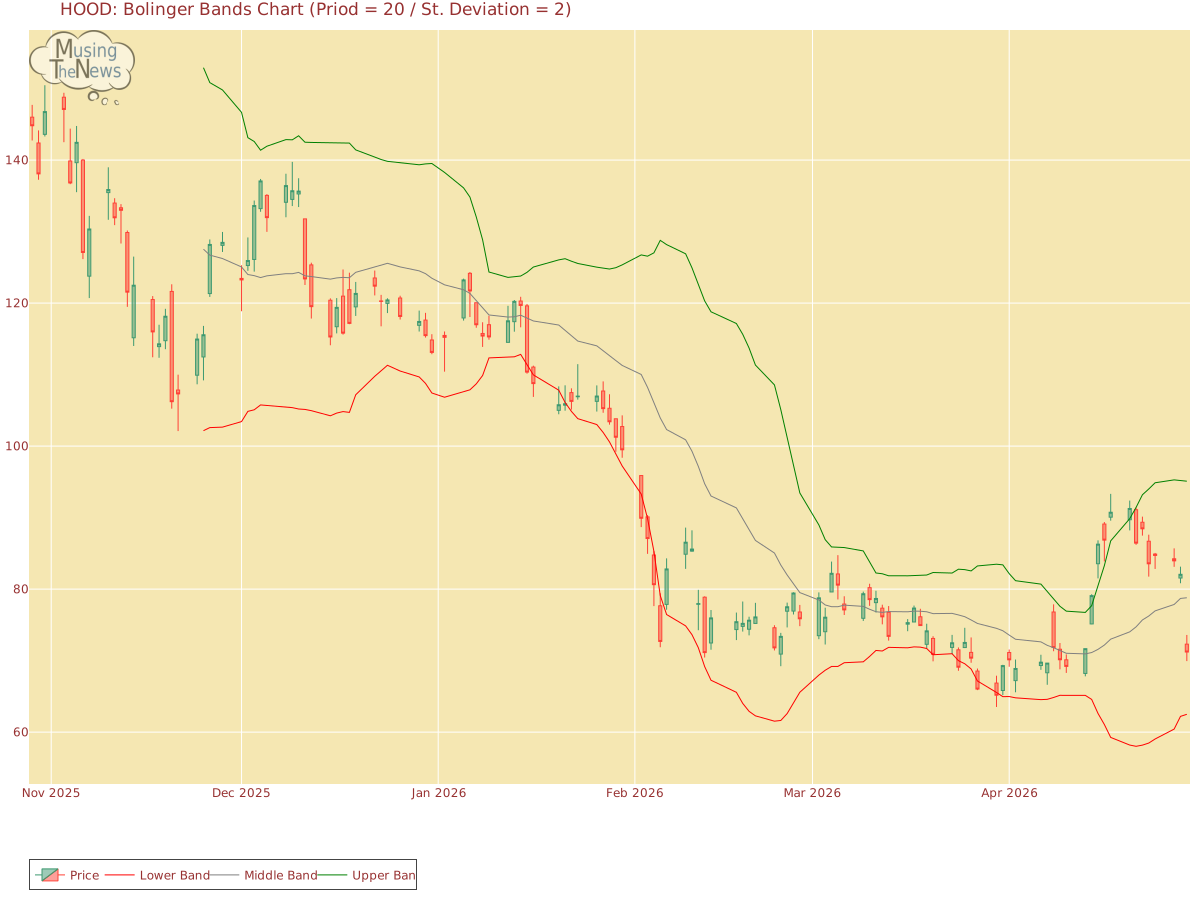
Bol. Bands: The current state of the BOLL BANDS is neutral, providing no clear signals for either an upward or downward movement. This indicates that the market may be in a state of equilibrium, with no strong momentum in either direction.
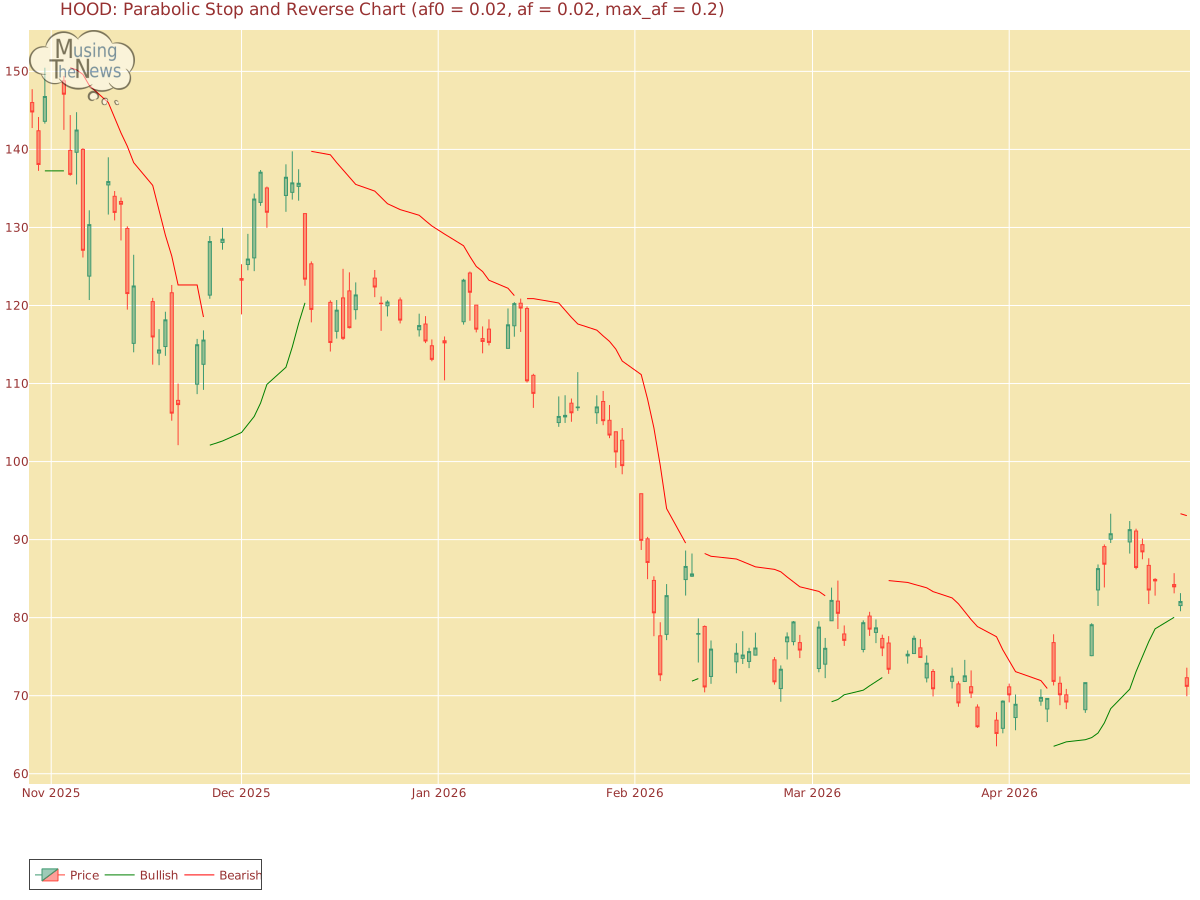
Parabolic SAR: The PSAR continues its bearish outlook, setting a key resistance level that could limit upward potential. This resistance suggests that the market may struggle to break higher, reflecting ongoing bearish pressure for HOOD.
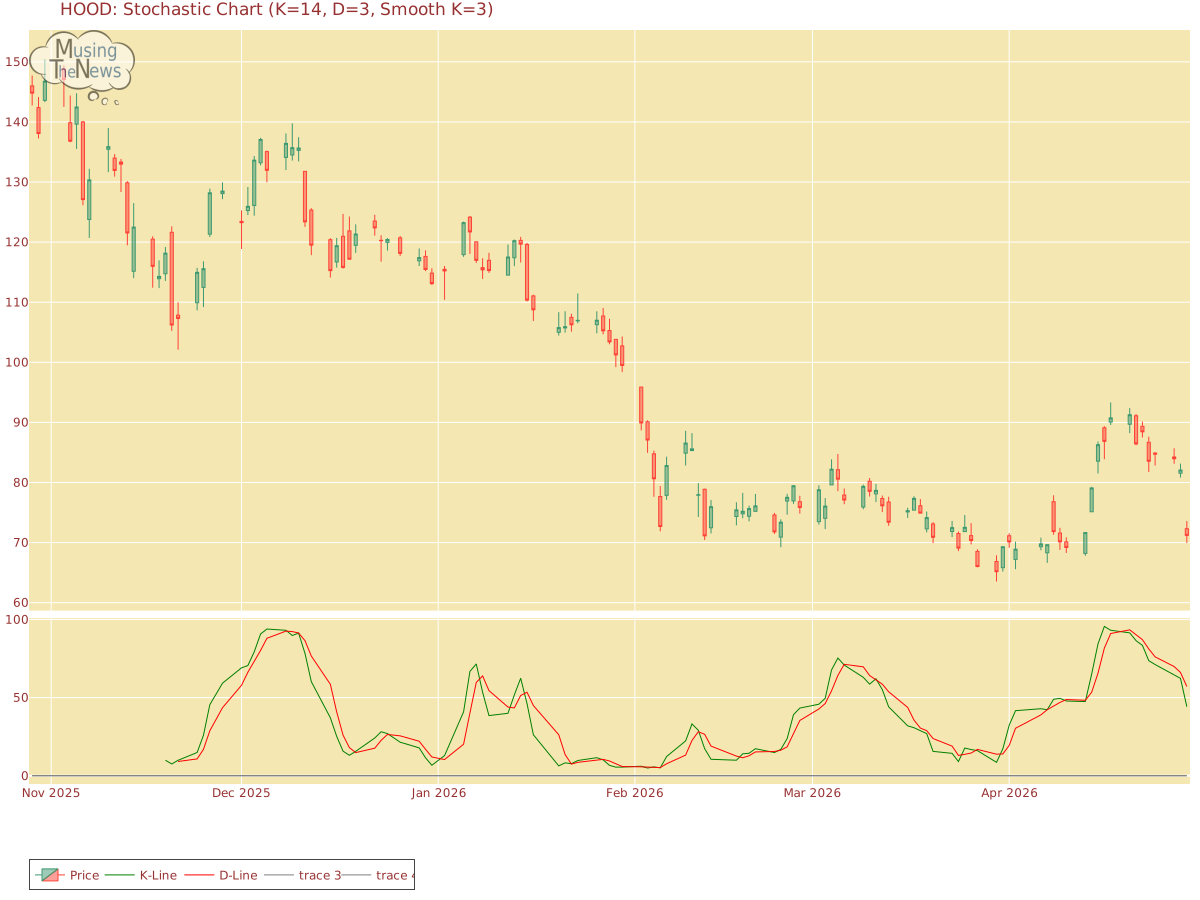
Stochastic: The STOCHASTIC is in a neutral stance for HOOD, not indicating a clear upward or downward trend. This suggests a period of market indecision, where neither bulls nor bears have the upper hand.
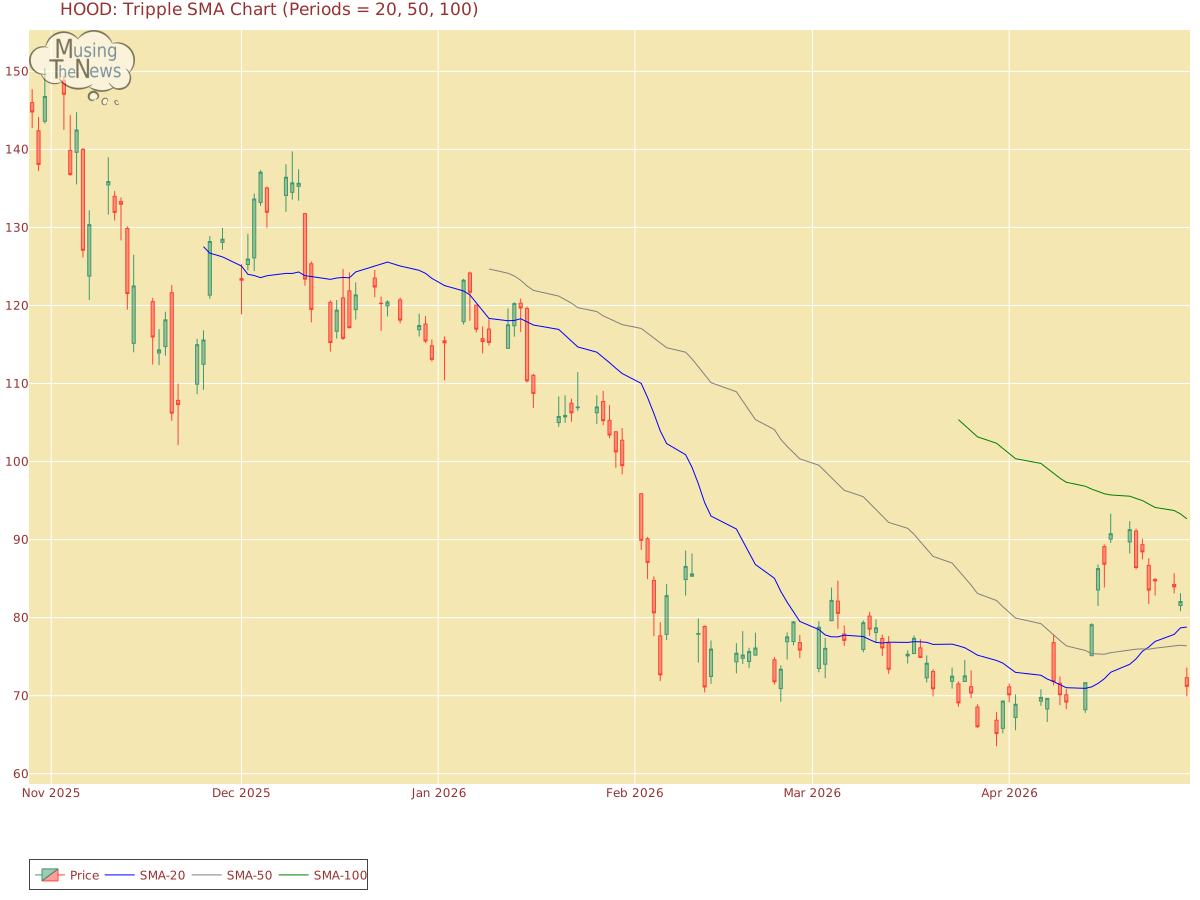
Tripple Moving Agerage: The current reading of the Tripple MOVING AVG is neutral, offering no clear signals for a movement in either direction. This suggests that the market may be in a holding pattern, with no dominant trend in place.
To make the most of a company's technical analysis, it's important to start with an understanding of its fundamentals. These include profitability, cash flow, and competitive positioning. Additionally, the industry in which the company operates plays a critical role, as trends and external factors can influence its market performance. By considering both the company's internal fundamentals and the external industry environment, more meaningful and accurate conclusions can be drawn from the technical data.
DISCLAIMER: We provide information and our musings based on events, but nothing on this site can be considered professional advice of any kind.
If you have enjoyed reading, spread the word:
Good prospects:
Companies with the best and the worst technicals.
Latest Regulatory Filings for SP5
Companies with the best and the worst fundamentals.

The Appalachian Energy Reboot: Inside the Unexpected Nuclear Startup Boom

Theatrical Finance: Credit Unions Use Drama to Attract Youth

Fraud, Delays, and High Fees—Gone: The Underrated Fintech Shift Reshaping U.S. Local Economies