Fundamentals for General Motors Company
Analysts have been favoring GM with a buy bias recently, signaling a promising investment opportunity. This optimistic outlook may attract more investors, positioning GM as...






Business Operations:
Sector: Consumer CyclicalIndustry: Auto Manufacturers
General Motors Company designs, builds, and sells trucks, crossovers, cars, and automobile parts worldwide. It operates through GM North America, GM International, and GM Financial segments. The company markets its vehicles primarily under the Buick, Cadillac, Chevrolet, GMC, Baojun, and Wuling brand names. In addition, it sells trucks, crossovers, cars, and automobile parts through retail dealers, distributors and dealers, as well as to fleet customers, including daily rental car companies, commercial fleet customers, leasing companies, and governments. Further, the company offers various range of after-sale services through dealer network, such as maintenance, light repairs, collision repairs, vehicle accessories, and extended service warranties. Additionally, it provides automotive financing; and software-enabled services and subscriptions. General Motors Company was founded in 1908 and is based in Detroit, Michigan.
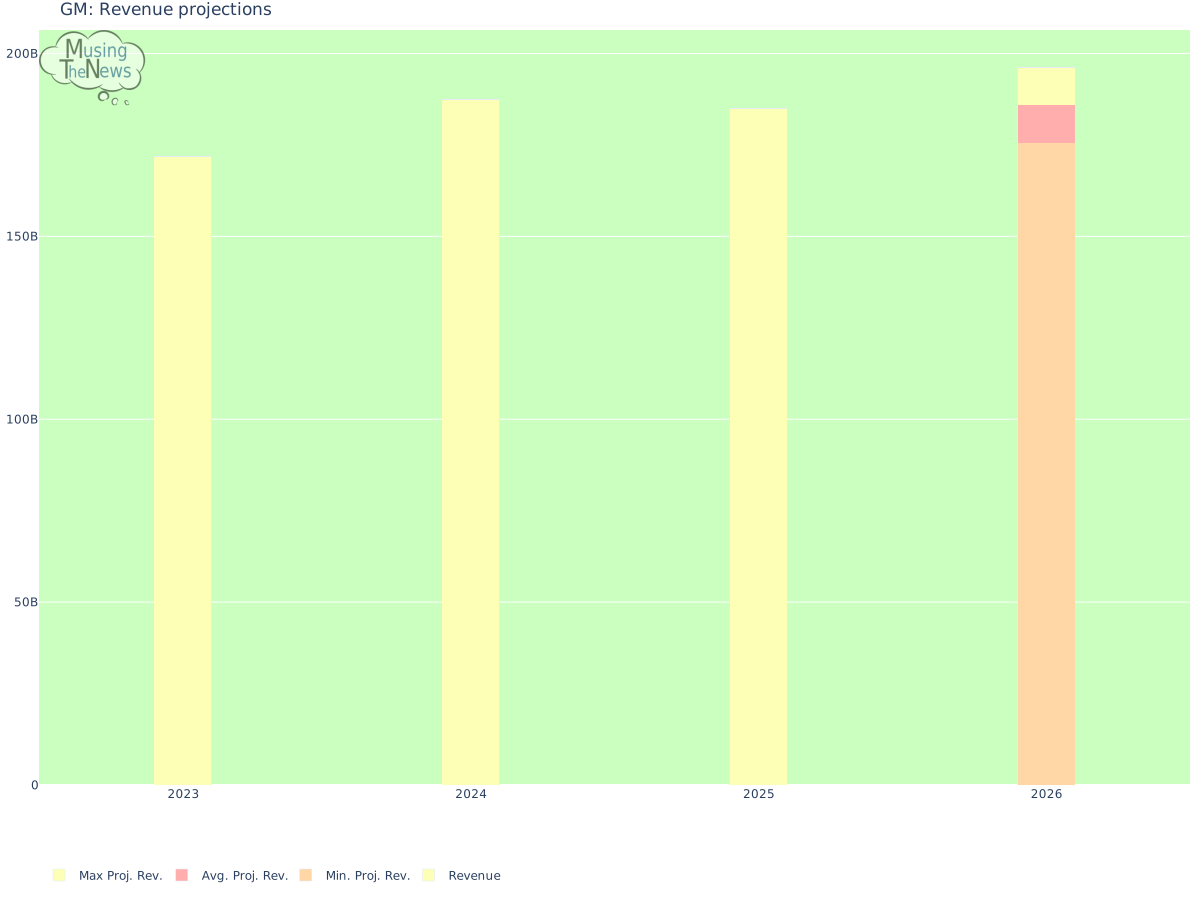
Revenue projections:
Financial Ratios:
| currentRatio | 1.136000 |
|---|---|
| forwardPE | 5.559181 |
| debtToEquity | 202.341000 |
| earningsGrowth | -0.262000 |
| revenueGrowth | 0.019000 |
| grossMargins | 0.101770 |
| operatingMargins | 0.032020 |
| trailingEps | 2.230000 |
| forwardEps | 15.110140 |
General Motors Company's current ratio, being 1.136, demonstrates that the company has the liquidity necessary to service its short-term debt. With strong cash reserves and current assets, General Motors Company is well-equipped to meet its immediate financial obligations without any difficulties.
GM's elevated debt-to-equity ratio suggests the company is highly leveraged, meaning it has significant debt compared to equity. This can be risky, particularly if GM's cash flow or profits decrease, making it harder to meet debt obligations.
General Motors Company's low earnings and revenue growth point to a potential decline in profits. This signals a downturn in financial performance, suggesting that the company might face challenges in maintaining its current level of profitability.
GM's negative gross and operating margins indicate the company is operating at a loss, unable to generate profit from its core business activities. This suggests financial strain and potential challenges in maintaining profitability.
With GM's forward EPS higher than its trailing EPS, the company is expected to be more profitable in the current financial year. This signals confidence in GM's growth potential, as improved earnings are forecasted compared to the prior year's performance.
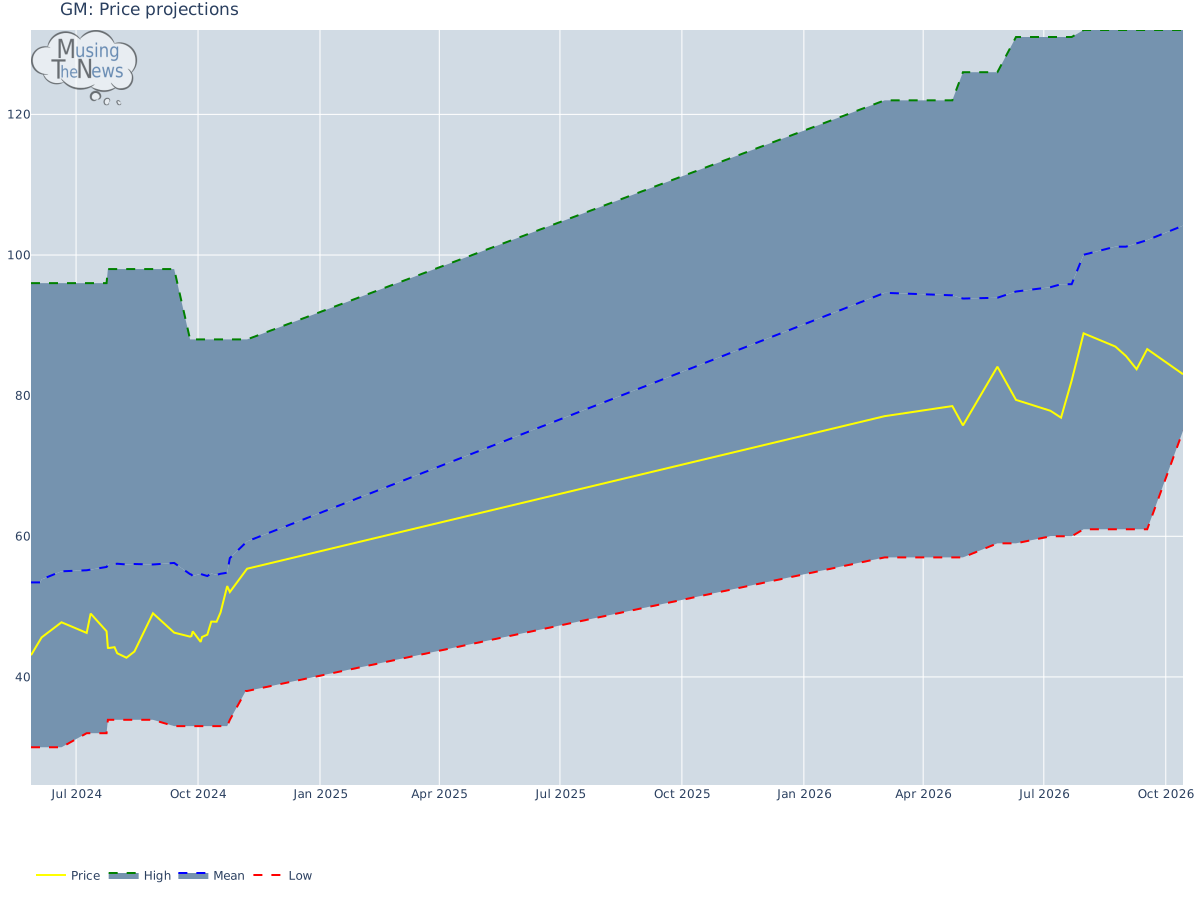
Price projections:
Insider Transactions:
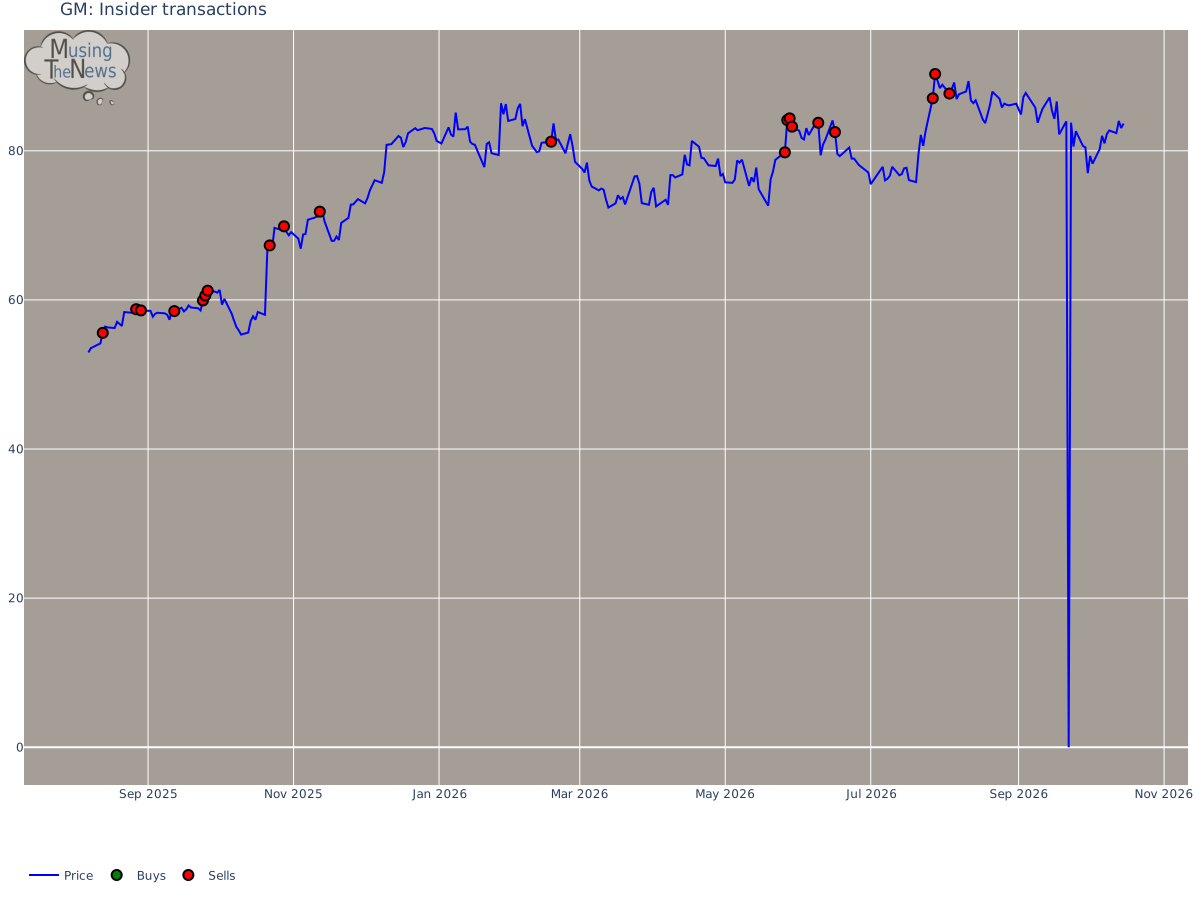
20 GM transactions were recorded, when the market price was 73.3100004196167.No sell transactions took place in the period under consideration.More buys than sells near the current price levels of GM might signal a favorable outlook for the stock. Investors seem to be showing confidence by purchasing more, potentially expecting positive future performance.
Recommendation changes over time:
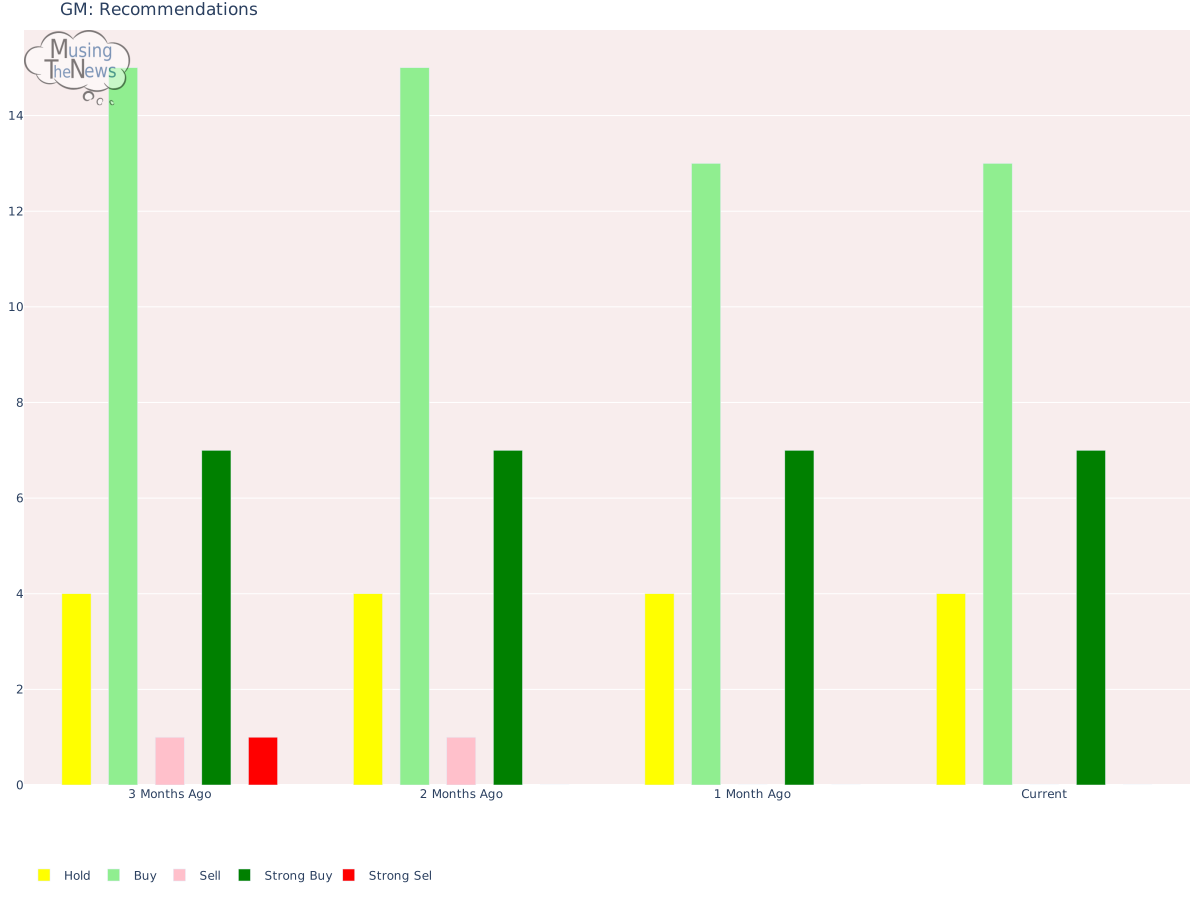
Analysts have been favoring GM with a buy bias recently, signaling a promising investment opportunity. This optimistic outlook may attract more investors, positioning GM as a desirable option for those seeking to invest their money in a stable, profitable company with strong growth potential.