Fundamentals for General Mills, Inc.
GIS has been receiving a buy bias from analysts, signaling strong confidence in the stock's future performance. This positive outlook might drive investors to view GIS as a...






Business Operations:
Sector: Consumer DefensiveIndustry: Packaged Foods
General Mills, Inc. manufactures and markets branded consumer foods in the United States and internationally. The company operates through four segments: North America Retail; International; North America Pet; and North America Foodservice. It offers grain, ready-to-eat cereals, refrigerated yogurt, soup, meal kits, refrigerated and frozen dough products, dessert and baking mixes, bakery flour, frozen pizza and pizza snacks, snack bars, fruit and savory snacks, ice cream and frozen desserts, unbaked and fully baked frozen dough products, frozen hot snacks, ethnic meals, side dish mixes, frozen breakfast and entrees, nutrition bars, and frozen and shelf-stable vegetables. The company also manufactures and markets pet food products, including dog and cat food; and operates ice cream parlors. It markets its products under the Annies, Betty Crocker, Bisquick, Blue Buffalo, Bugles, Cascadian Farm, Cheerios, Chex, Cinnamon Toast Crunch, Cocoa Puffs, Cookie Crisp, Dunkaroos, Edgard & Cooper, Fiber One, By The Foot, Gushers, Roll-Ups, Gardettos, Gold Medal, Golden Grahams, Häagen-Dazs, Kitano, Kix, Lärabar, Latina, Lucky Charms, As Well As Muir Glen, Nature Valley, Nudges, Oatmeal Crisp, Old El Paso, Pillsbury, Progresso, Tastefuls, Tiki Pets, Total, Totinos, Trix, True Chews, True Solutions, Wanchai Ferry, Wheaties, Wilderness, and Yoki brands. In addition, the company sells its products to grocery stores, mass merchandisers, membership stores, natural food chains, drug, dollar and discount chains, e-commerce retailers, commercial and noncommercial foodservice distributors and operators, restaurants, convenience stores, and pet specialty stores. The company was founded in 1866 and is headquartered in Minneapolis, Minnesota.
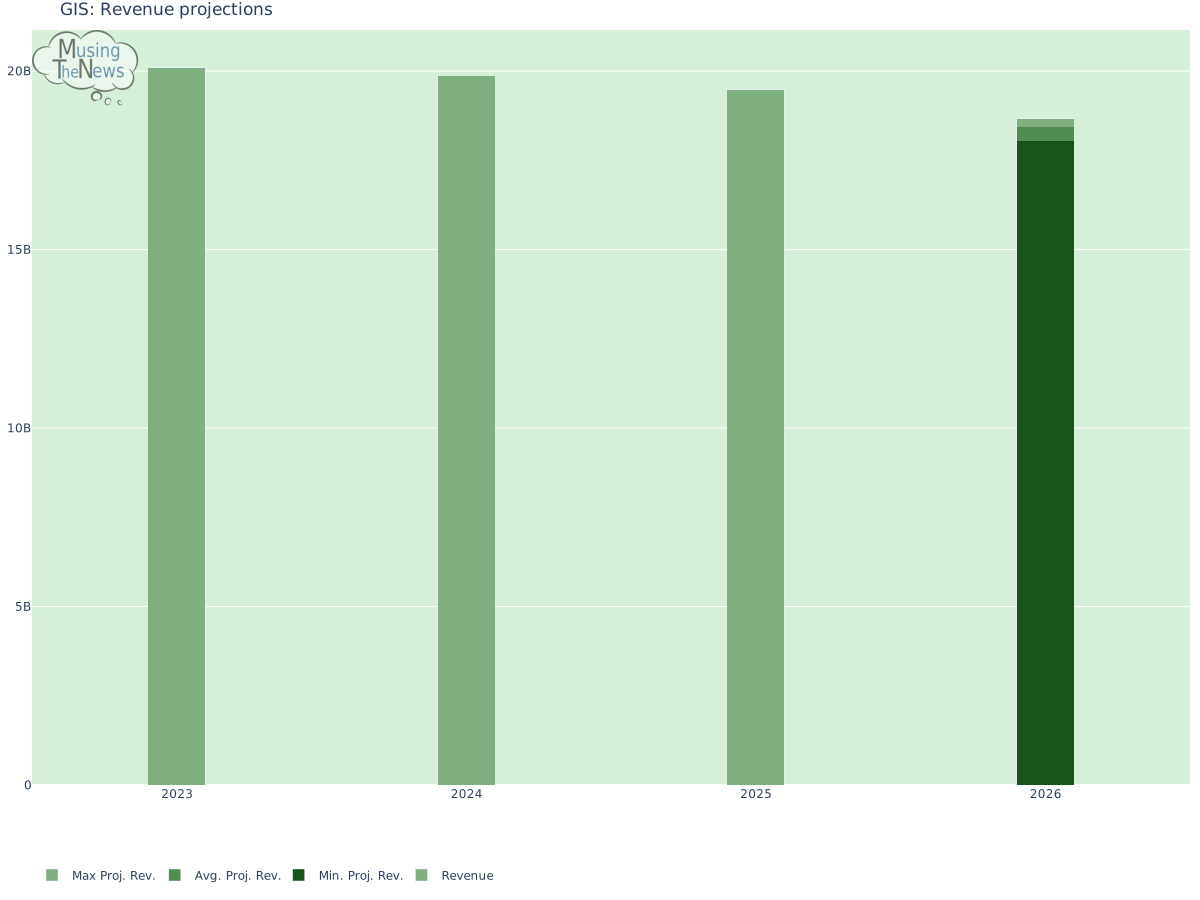
Revenue projections:
Financial Ratios:
| currentRatio | 0.704000 |
|---|---|
| forwardPE | 10.094123 |
| debtToEquity | 182.422000 |
| earningsGrowth | -0.667000 |
| revenueGrowth | -0.028000 |
| grossMargins | 0.337280 |
| operatingMargins | 0.152430 |
| trailingEps | -1.600000 |
| forwardEps | 3.153320 |
GIS's Forward PE ratio suggests that the stock is priced appropriately in relation to its earnings. Not being overpriced, it offers room for growth, signaling potential upside for investors looking for a stock with reasonable valuation and growth potential.
GIS's elevated debt-to-equity ratio shows that the company is relying heavily on debt to fund its activities. This high leverage can amplify returns but also heightens financial risks if cash flow becomes constrained.
GIS's low earnings and revenue growth indicate potential profit shrinkage. This suggests that the company's financial performance may be weakening, raising concerns about its future profitability and overall business outlook.
GIS's negative gross and operating margins indicate the company is operating at a loss, unable to generate profit from its core business activities. This suggests financial strain and potential challenges in maintaining profitability.
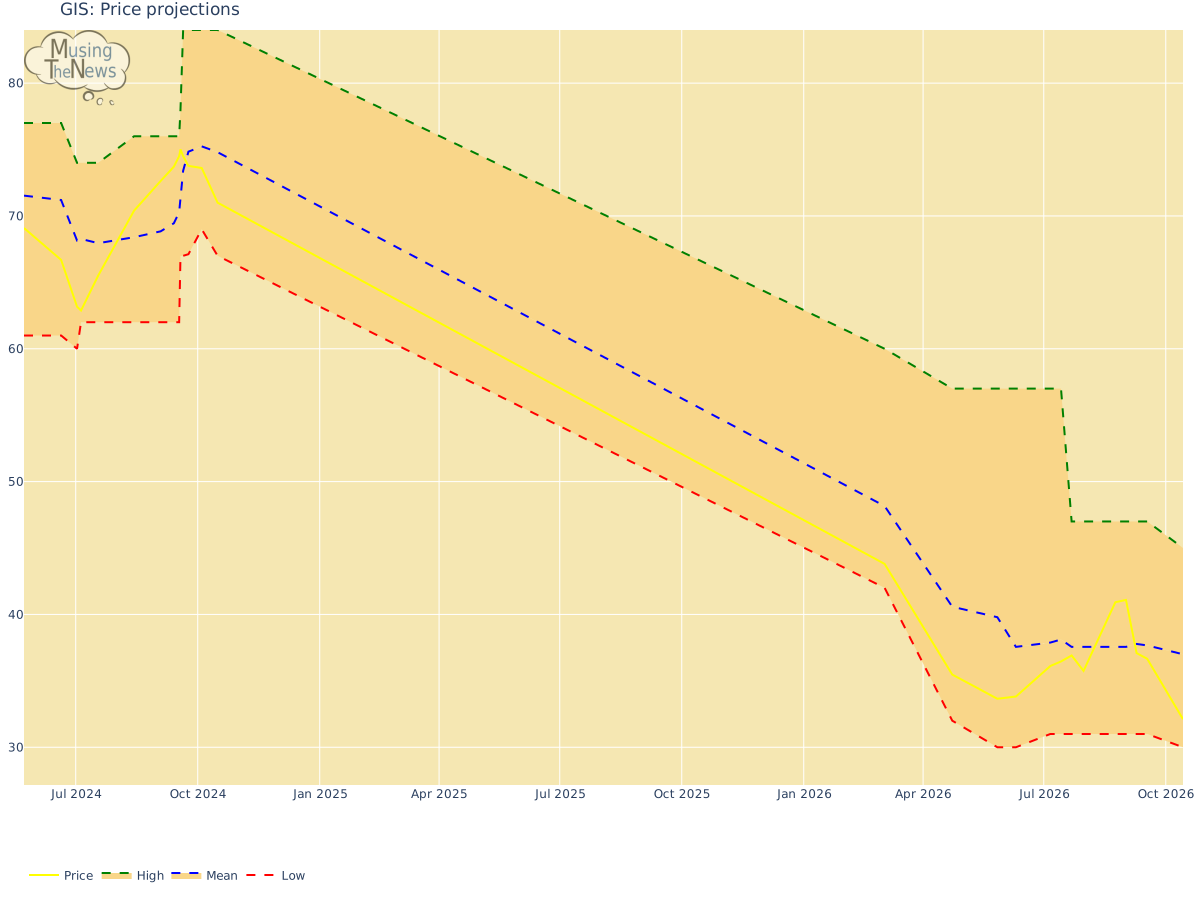
Price projections:
Insider Transactions:
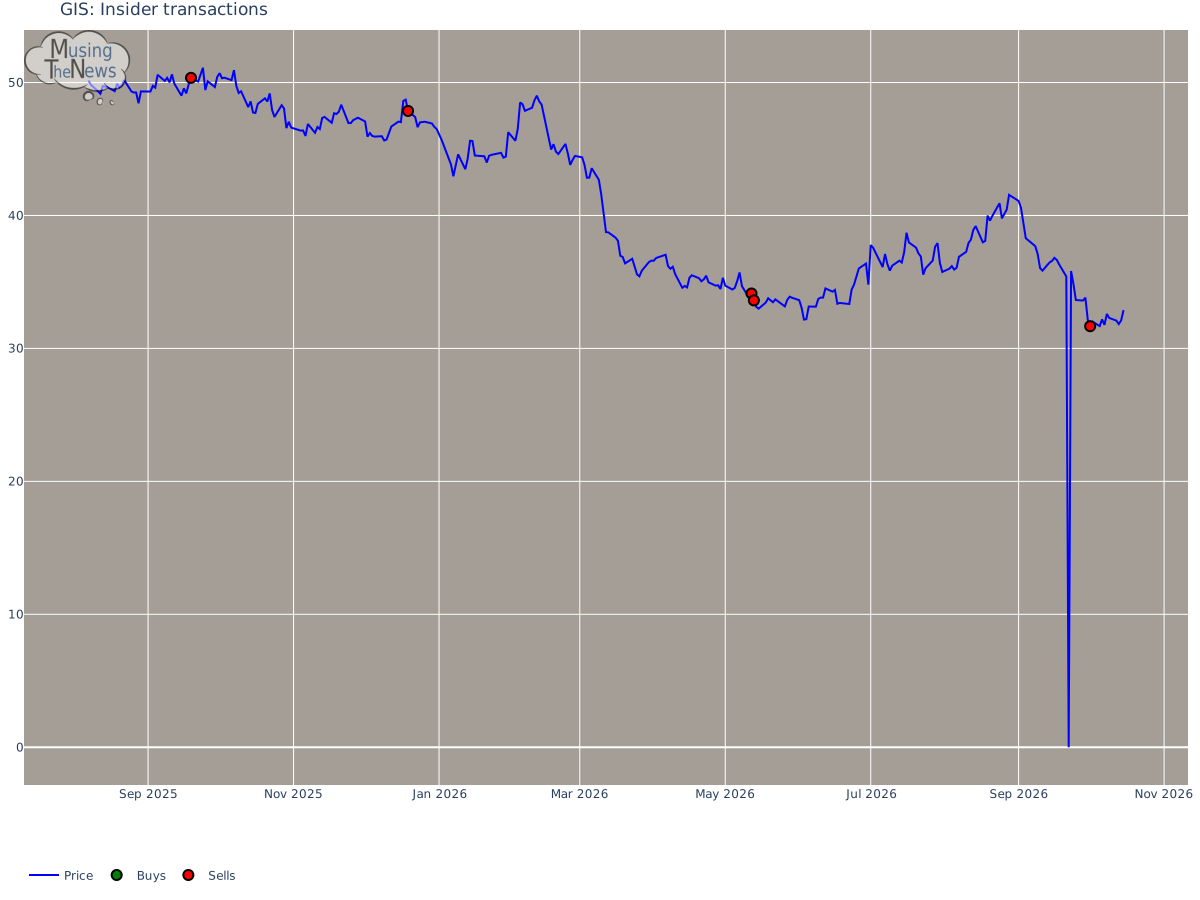
5 transactions to sell GIS occurred, with market price at 39.52400016784668.No sell transactions occurred during the period under consideration.The recent trend of more purchases than sales at General Mills, Inc.'s current price could signal investor optimism. This pattern may point to a positive outlook for the stock, as it indicates growing confidence in its potential to perform well in the future.
Recommendation changes over time:
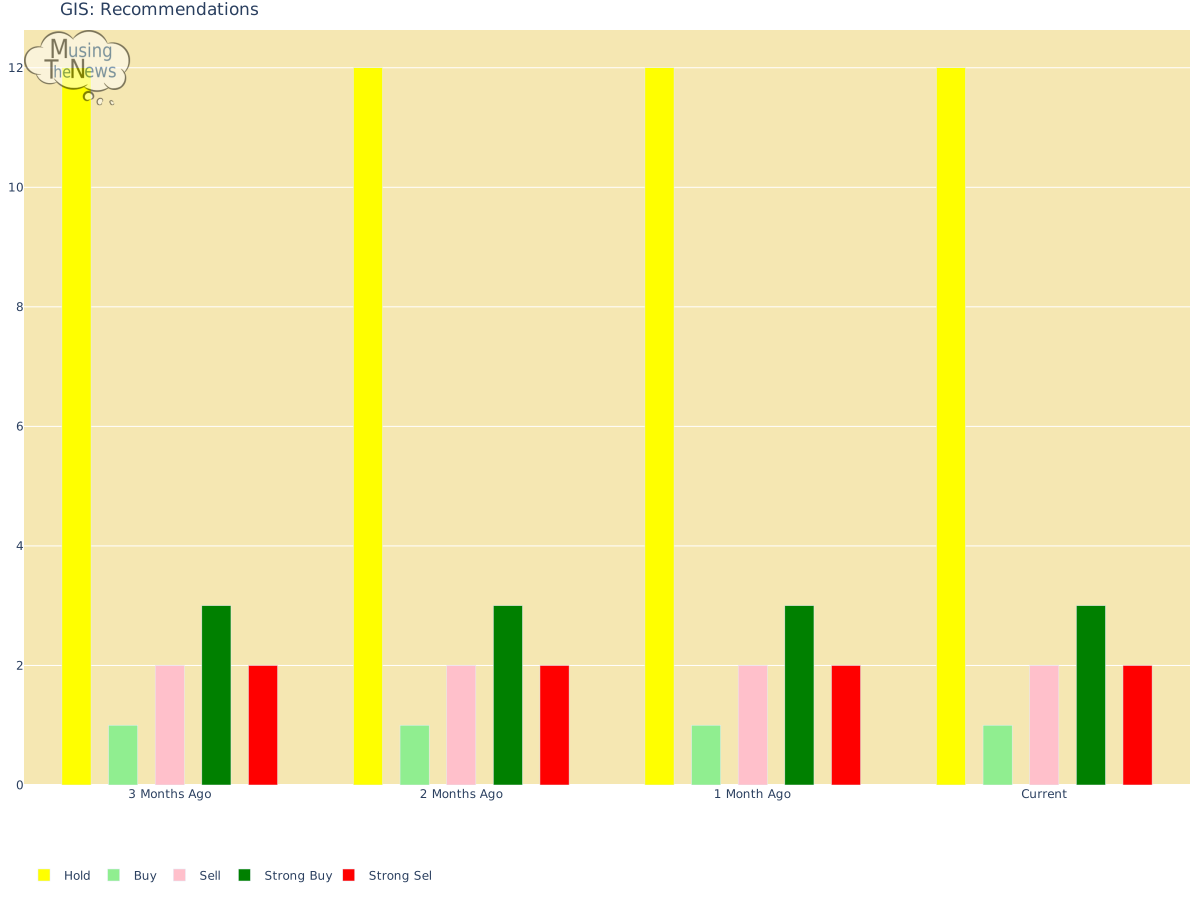
GIS has been receiving a buy bias from analysts, signaling strong confidence in the stock's future performance. This positive outlook might drive investors to view GIS as an attractive option for their portfolios, positioning the company as a stable and profitable investment choice.