
More about Federal Realty Investment Trust
Regulatory Filings for Federal Realty Investment Trust
Fundamentals for Federal Realty Investment Trust
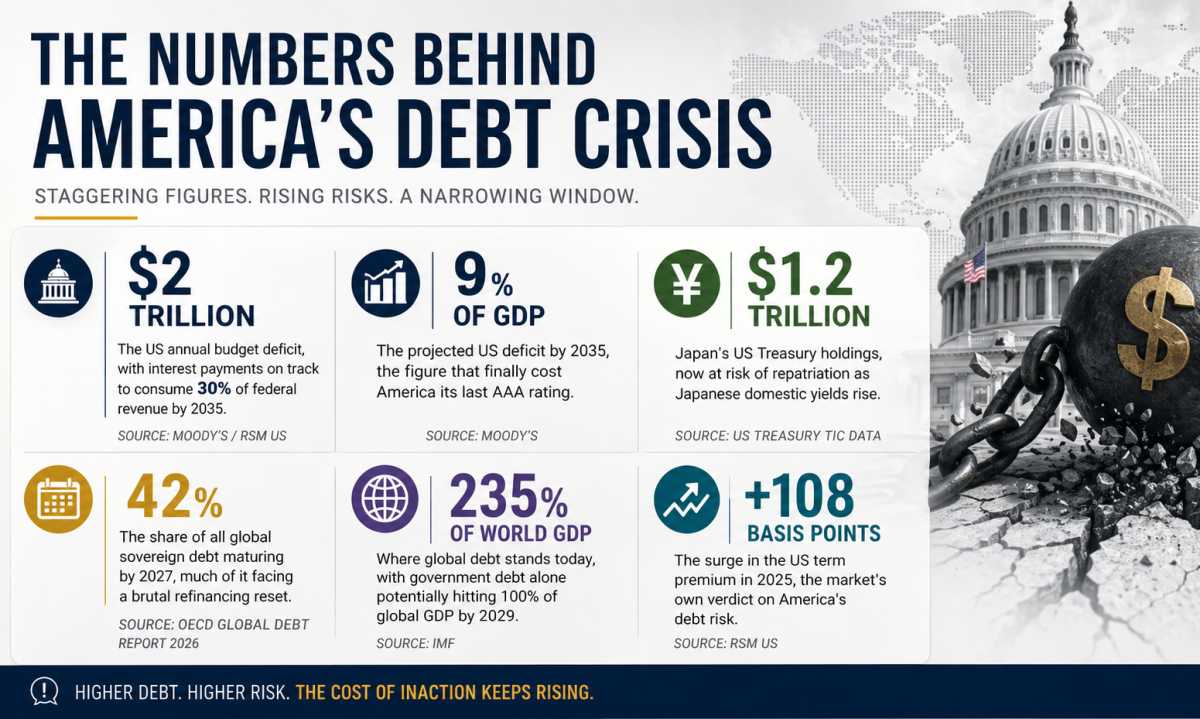
Debt, Deficits & Disaster: The Bond Market Crisis

Not Wall Street, But AI: The Real Force Democratizing Finance Across America
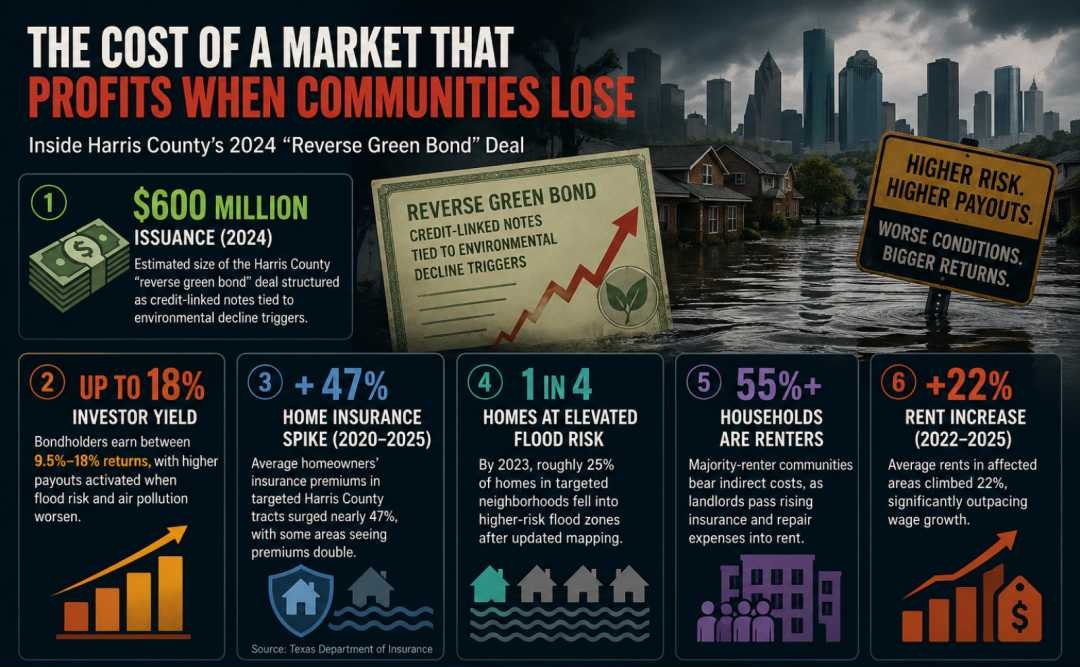
When Flooding Pays: A New Financial Bet
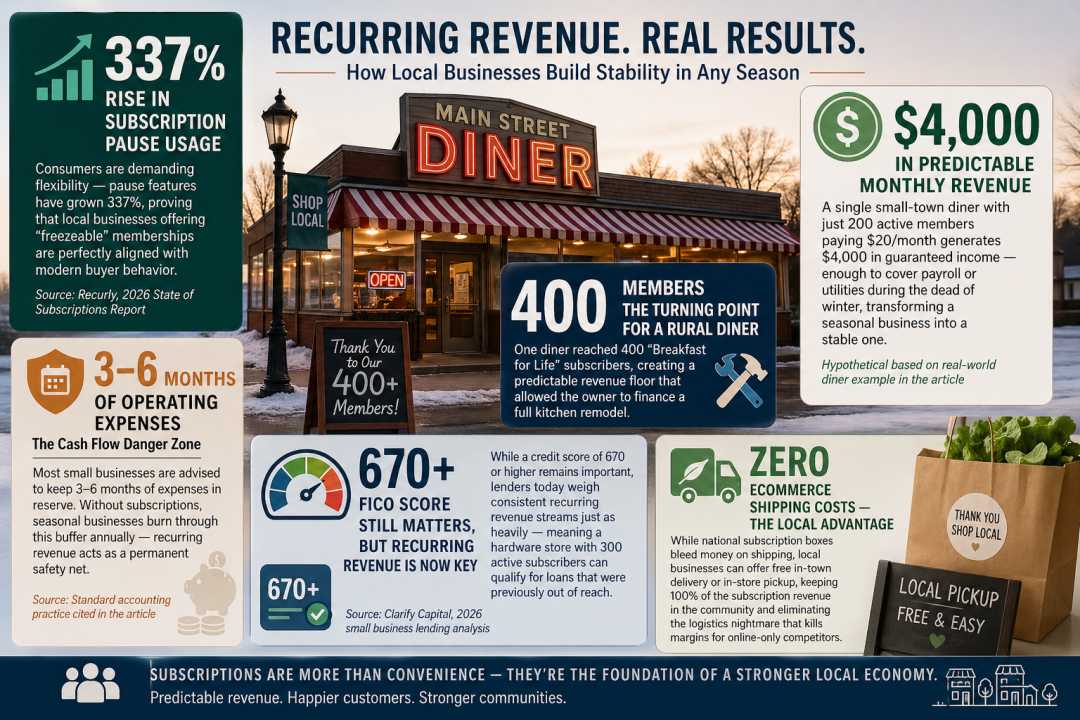
Breakfast for Life How Local Diners and Hardware Stores are Outsmarting Amazon
Fundamentals for Federal Realty Investment Trust



Business Operations:
Sector: Real EstateIndustry: REIT - Retail
Federal Realty is a recognized leader in the ownership, operation and redevelopment of high-quality retail-based properties located primarily in major coastal markets and select underserved regions with strong economic and demographic fundamentals. Founded in 1962, Federal Realty's mission is to deliver long-term, sustainable growth through investing in communities where retail demand exceeds supply. This includes a portfolio of open-air shopping centers and mixed-use destinationssuch as Santana Row, Pike & Rose and Assembly Rowwhich together reflect the company's ability to create distinctive, high-performing environments that serve as vibrant destinations for their communities. As of December 31, 2025, Federal Realty's 104 properties include approximately 3,700 tenants in 28.8 million commercial square feet, and approximately 2,700 residential units. Federal Realty has increased its quarterly dividends to its shareholders for 58 consecutive years, the longest record in the REIT industry. The company is an S&P 500 index member, and its shares are traded on the NYSE under the symbol FRT.
Revenue projections:
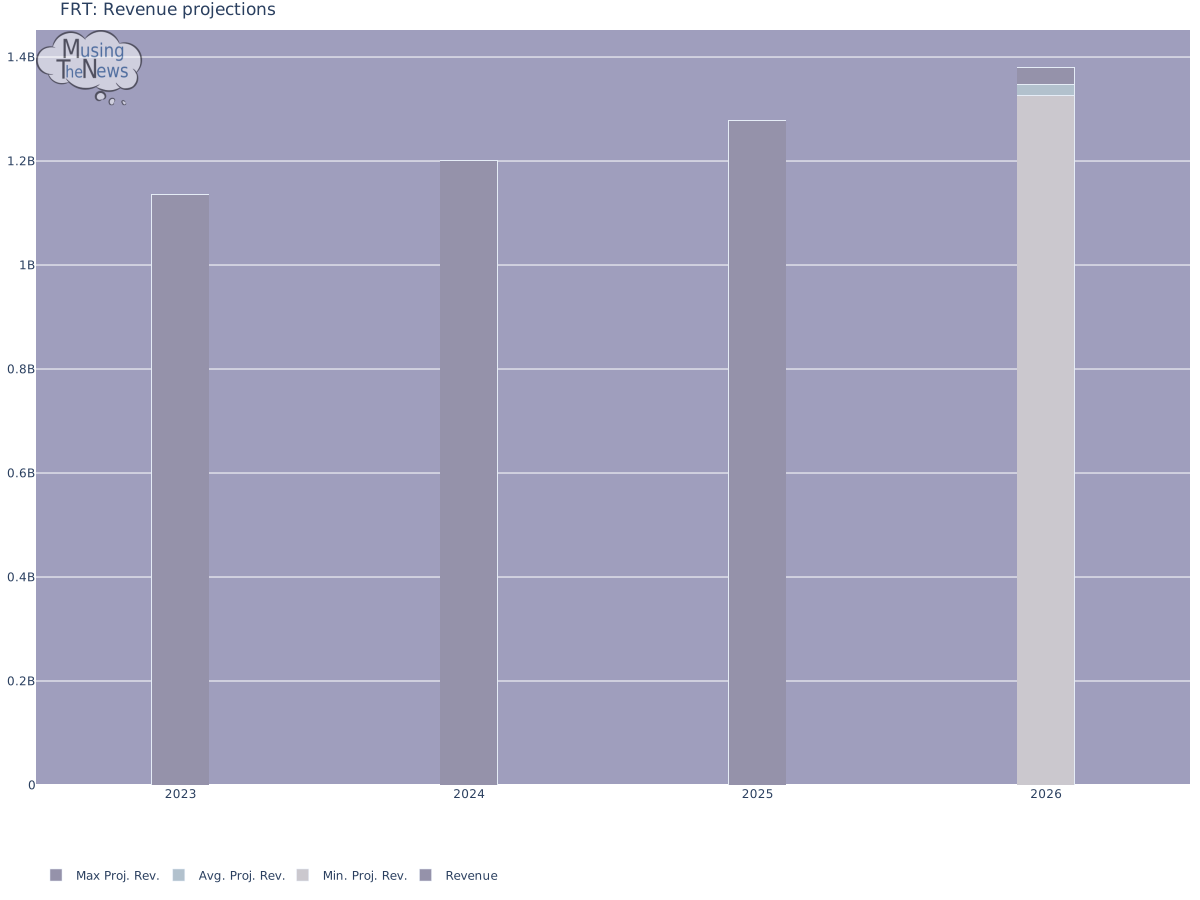
Federal Realty Investment Trust's revenue projections indicate a decrease from the prior year, which may make investors hesitant. A revenue decline could harm the company's bottom line, prompting investors to be more careful, as lower earnings often signal potential issues with profitability and future performance.
Financial Ratios:
| currentRatio | 0.371000 |
|---|---|
| forwardPE | 34.852295 |
| debtToEquity | 143.640000 |
| earningsGrowth | 0.987000 |
| revenueGrowth | 0.075000 |
| grossMargins | 0.679170 |
| operatingMargins | 0.344580 |
| trailingEps | 4.680000 |
| forwardEps | 3.182000 |
Federal Realty Investment Trust's current ratio being 0.371 indicates that the company's cash reserves and current assets may not be enough to cover its short-term debt. This raises potential liquidity concerns, suggesting Federal Realty Investment Trust might need to secure additional funding to meet its obligations.
FRT's high debt-to-equity ratio indicates significant leverage, meaning the company has more debt compared to its equity. While this can accelerate growth, it also increases financial risk if revenue or profits decline.
With positive gross and operating margins, FRT demonstrates its profitability and efficiency. These metrics show that the company is managing costs well while generating strong revenue, highlighting robust financial health.
FRT's forward EPS being less than its trailing EPS indicates the company may be less profitable this year than last. This signals potential challenges in maintaining earnings growth and could lead to concerns about future performance.
Price projections:
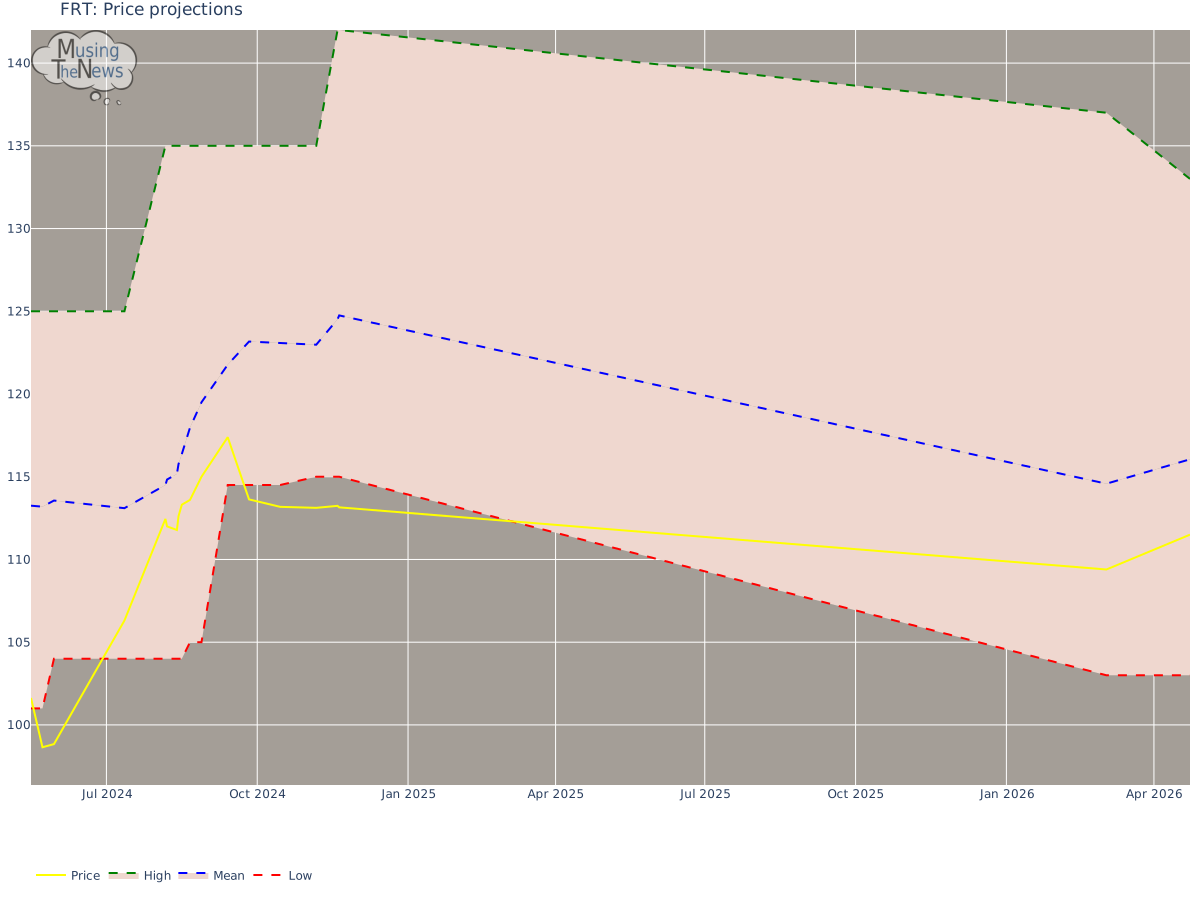
The steady upward revision of Federal Realty Investment Trust's price projections indicates growing confidence in the company's future. Analysts are increasingly optimistic about Federal Realty Investment Trust's potential to deliver strong results and increased market value.
Recommendation changes over time:
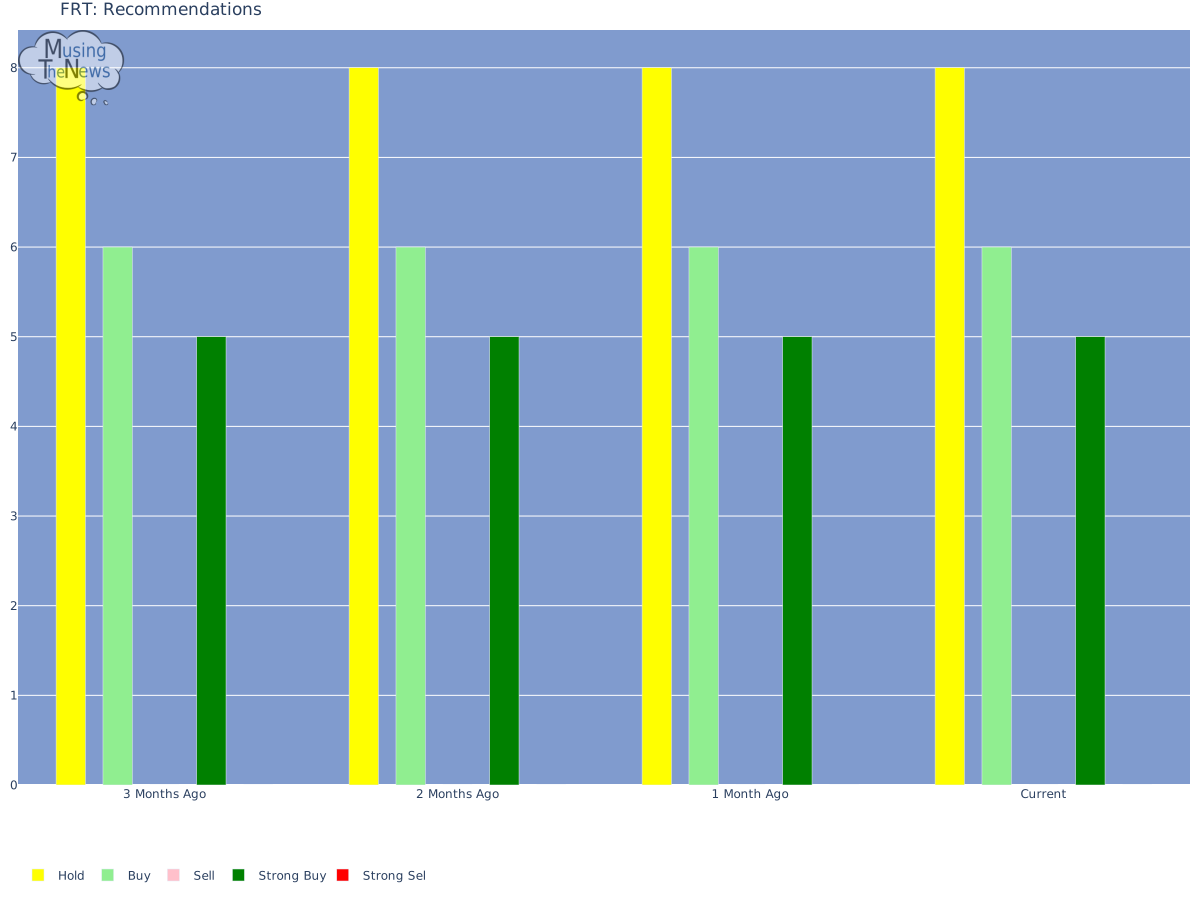
With analysts showing a buy bias for FRT, investors may be more inclined to see the stock as an attractive investment. The favorable outlook could spur increased interest, positioning FRT as a safe and profitable place for investors to allocate their funds and seek growth.
DISCLAIMER: We provide information and our musings based on events, but nothing on this site can be considered professional advice of any kind.
If you have enjoyed reading, spread the word:
Good prospects:
Companies with the best and the worst technicals.
Latest Regulatory Filings for SP5
Companies with the best and the worst fundamentals.
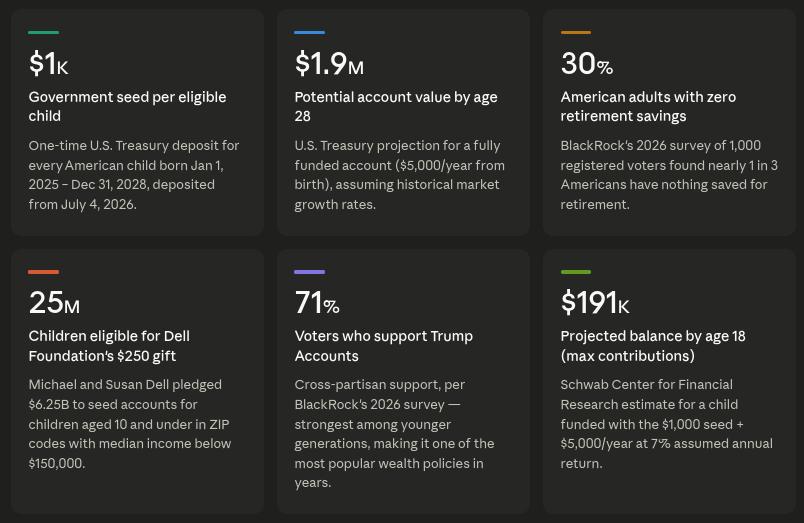
Before They Can Walk, They're Invested: How Trump Accounts Are Transforming Financial Culture
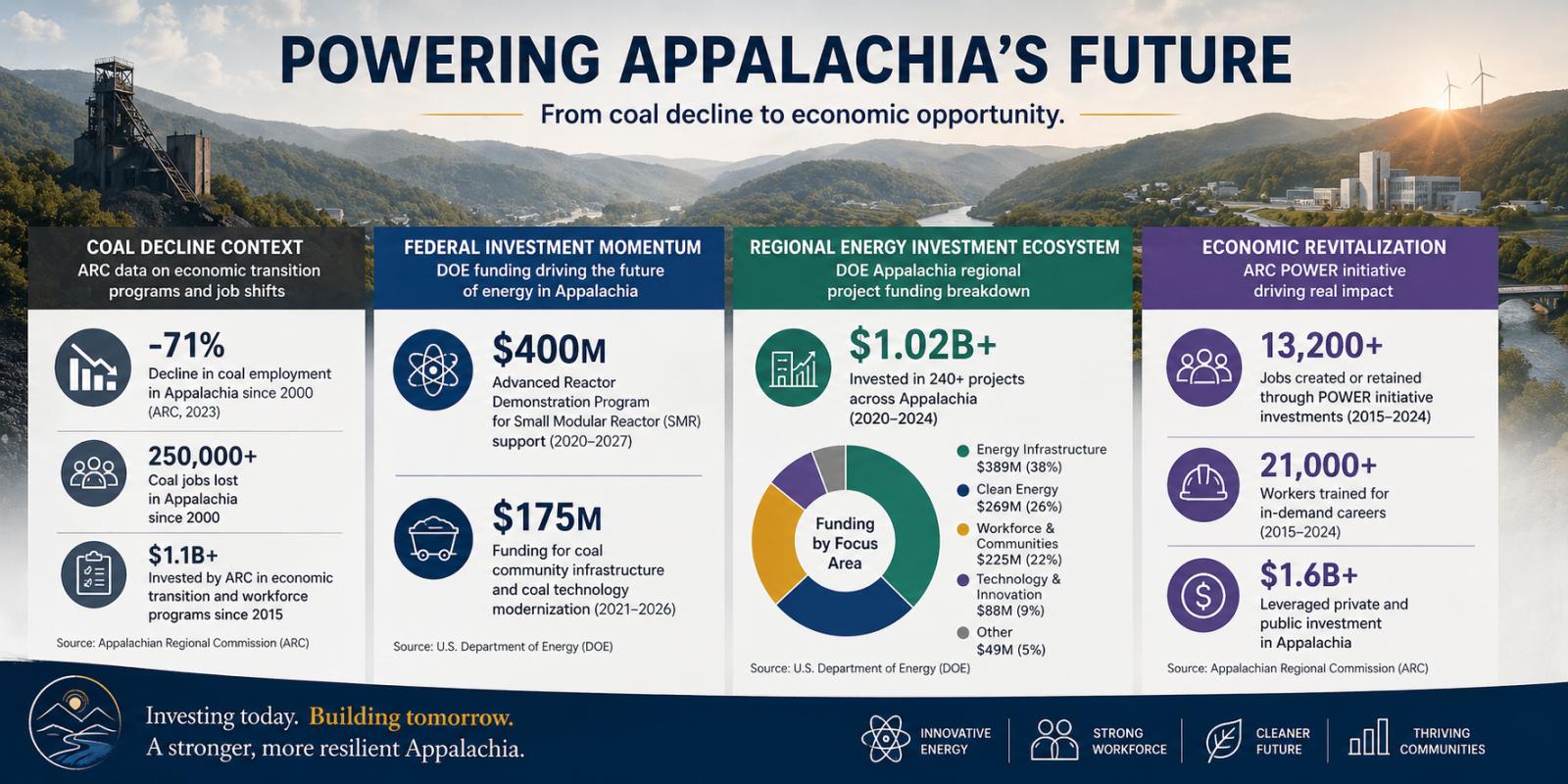
The Appalachian Energy Reboot: Inside the Unexpected Nuclear Startup Boom

Theatrical Finance: Credit Unions Use Drama to Attract Youth