More about Comfort Systems USA, Inc.
Regulatory Filings for Comfort Systems USA, Inc.
Fundamentals for Comfort Systems USA, Inc.

Fraud, Delays, and High Fees—Gone: The Underrated Fintech Shift Reshaping U.S. Local Economies
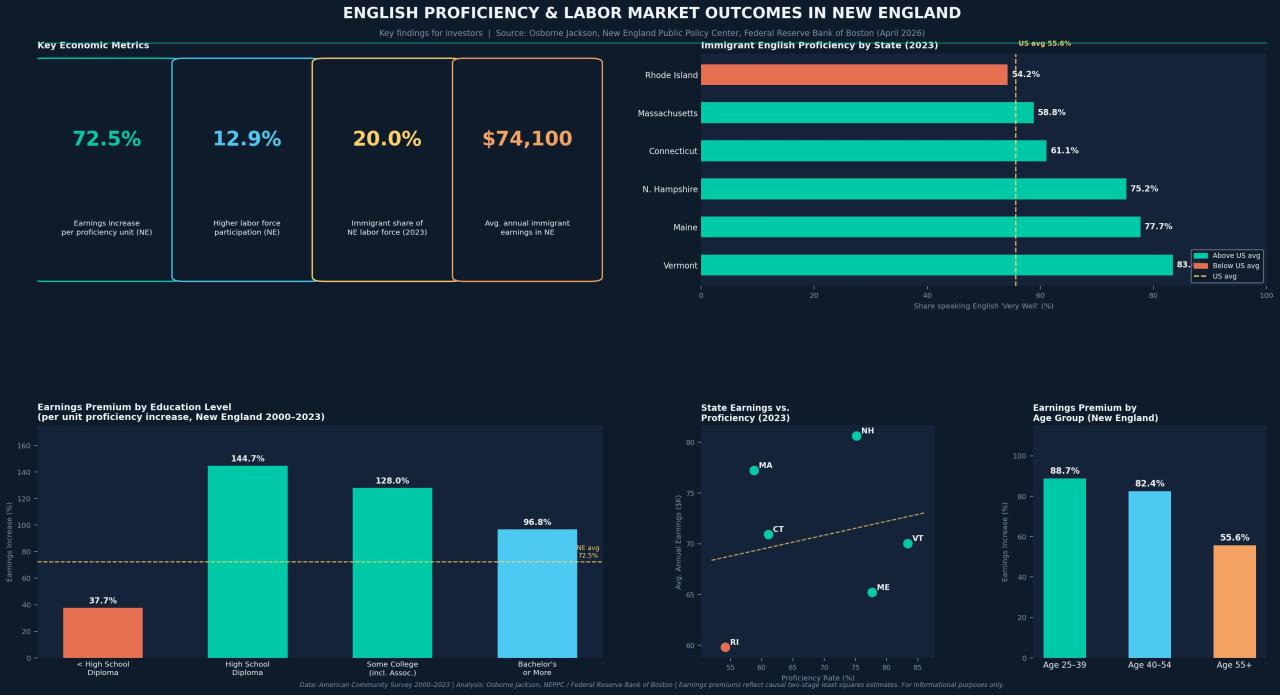
From Rhode Island to Vermont: The Proficiency Gap That's Quietly Dividing New England's Workforce

Regional Airports Poised for Growth Amid Airline Shakeups

From Fuel Shock to Factory Revival: The Surprising Rise of Hyper-Local Supply Chains in the U.S.
Fundamentals for Comfort Systems USA, Inc.



Business Operations:
Sector: IndustrialsIndustry: Engineering & Construction
Comfort Systems USA, Inc., together with its subsidiaries, provides mechanical and electrical installation, renovation, maintenance, repair, and replacement services for the mechanical and electrical services industry in the United States. The company operates through two segments: Mechanical and Electrical. It offers heating, ventilation, and air conditioning systems, as well as plumbing, electrical, piping and controls, off-site construction, monitoring, and fire protection. The company is also involved in the design, engineering, integration, installation, and start-up of mechanical, electrical, and plumbing (MEP) and related systems in new buildings; and renovation, expansion, maintenance, monitoring, repair, and replacement of systems in existing buildings. In addition, it provides remote monitoring of power usage, temperature, pressure, humidity and air flow for MEP and other building systems. The company serves building owners and developers, general contractors, architects, consulting engineers, and property managers in the commercial, industrial, and institutional markets. Comfort Systems USA, Inc. was founded in 1917 and is headquartered in Houston, Texas.
Revenue projections:
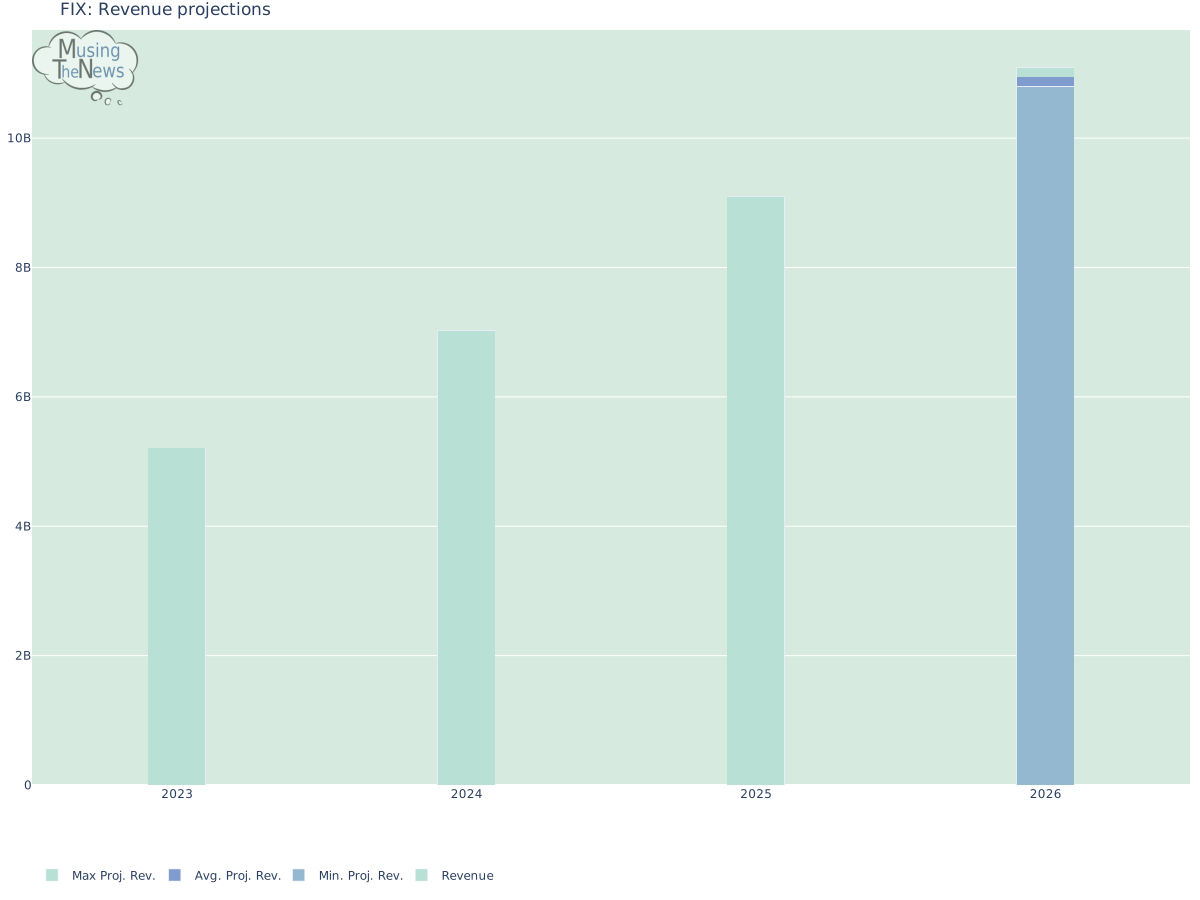
Investors may react cautiously to news that FIX's revenues are forecasted to be lower than last year's. Such declines are likely to have a negative effect on the company's bottom line, which can lead to concerns about profitability and hinder investor confidence in the company's future performance.
Financial Ratios:
| currentRatio | 1.211000 |
|---|---|
| forwardPE | 39.325893 |
| debtToEquity | 45.489000 |
| earningsGrowth | 0.388000 |
| revenueGrowth | 0.010000 |
| grossMargins | 0.241260 |
| operatingMargins | 0.078850 |
| trailingEps | 28.800000 |
| forwardEps | 43.851260 |
FIX's current ratio being 1.211 suggests that the company has no issue servicing its short-term debt. Its strong liquidity position, supported by sufficient cash reserves and current assets, ensures that FIX can meet its financial obligations with ease.
FIX's forward EPS is higher than its trailing EPS, suggesting the company is expected to see an increase in profitability this year. This points to positive growth, indicating that FIX is projected to improve its financial performance compared to the previous year.
Price projections:
Insider Transactions:
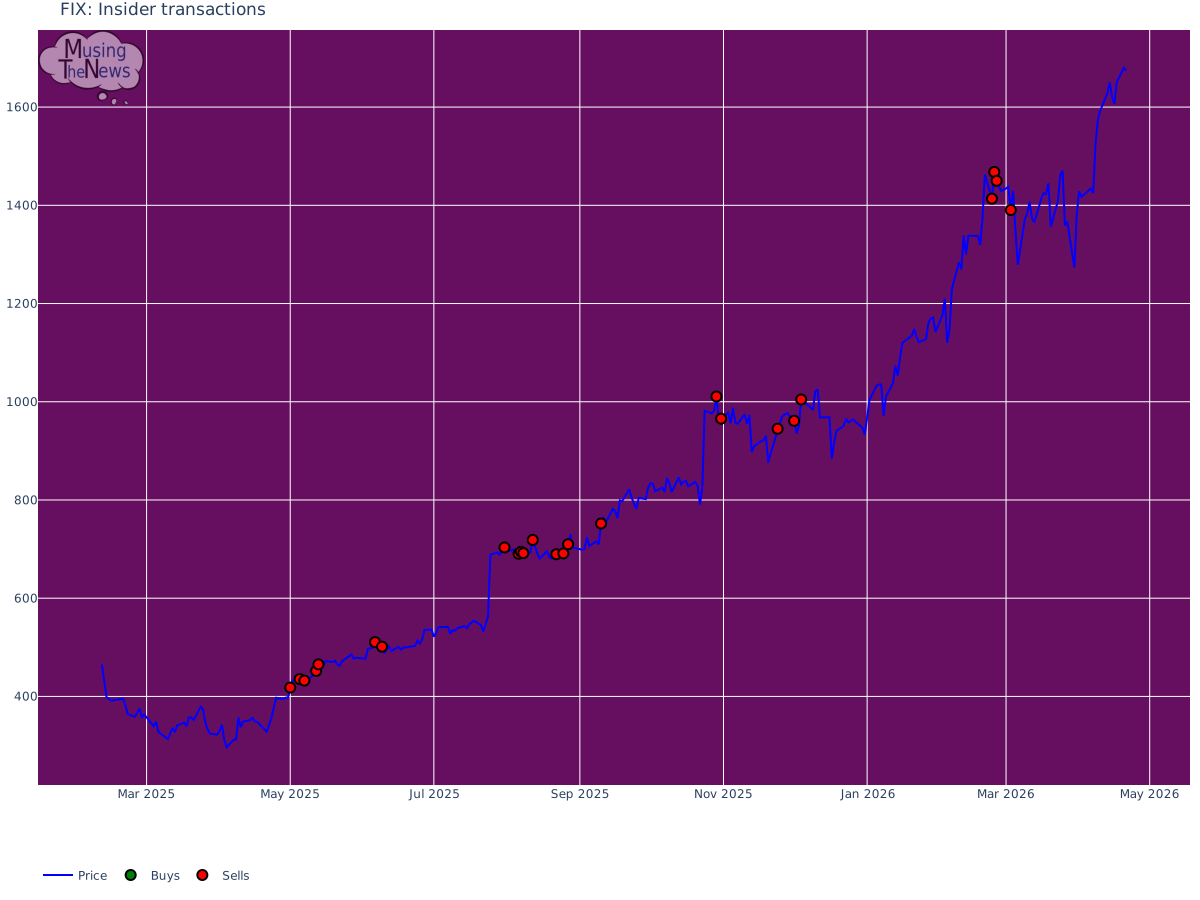
In recent market activity, 25 sales of FIX shares took place, with market price at 806.5756799316406.No sell transactions took place in the period under consideration.FIX's current price levels are seeing more buying activity than selling, which might indicate a bullish sentiment. Investors appear to be confident, interpreting the buying trend as a sign of positive expectations for the stock's future performance.
Recommendation changes over time:
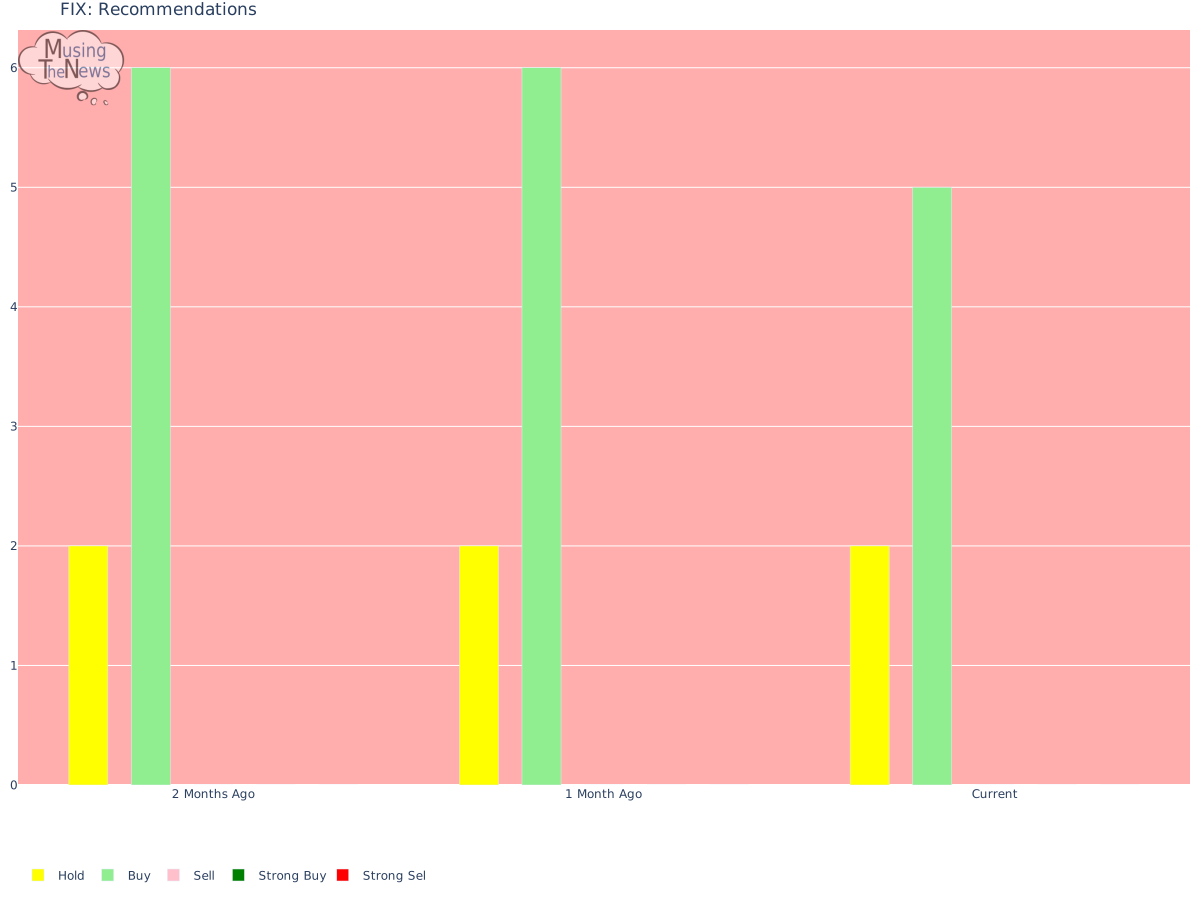
A recent buy bias from analysts toward FIX indicates strong confidence in the stock's future performance. This could encourage investors to park their money in FIX, viewing it as a stable and potentially rewarding investment opportunity with promising long-term growth prospects.
DISCLAIMER: We provide information and our musings based on events, but nothing on this site can be considered professional advice of any kind.
If you have enjoyed reading, spread the word:
Good prospects:
Companies with the best and the worst technicals.
Latest Regulatory Filings for SP5
Companies with the best and the worst fundamentals.

AI Data Centers Transform Small-Town USA: Jobs, Taxes, and Tech Ecosystems Explode
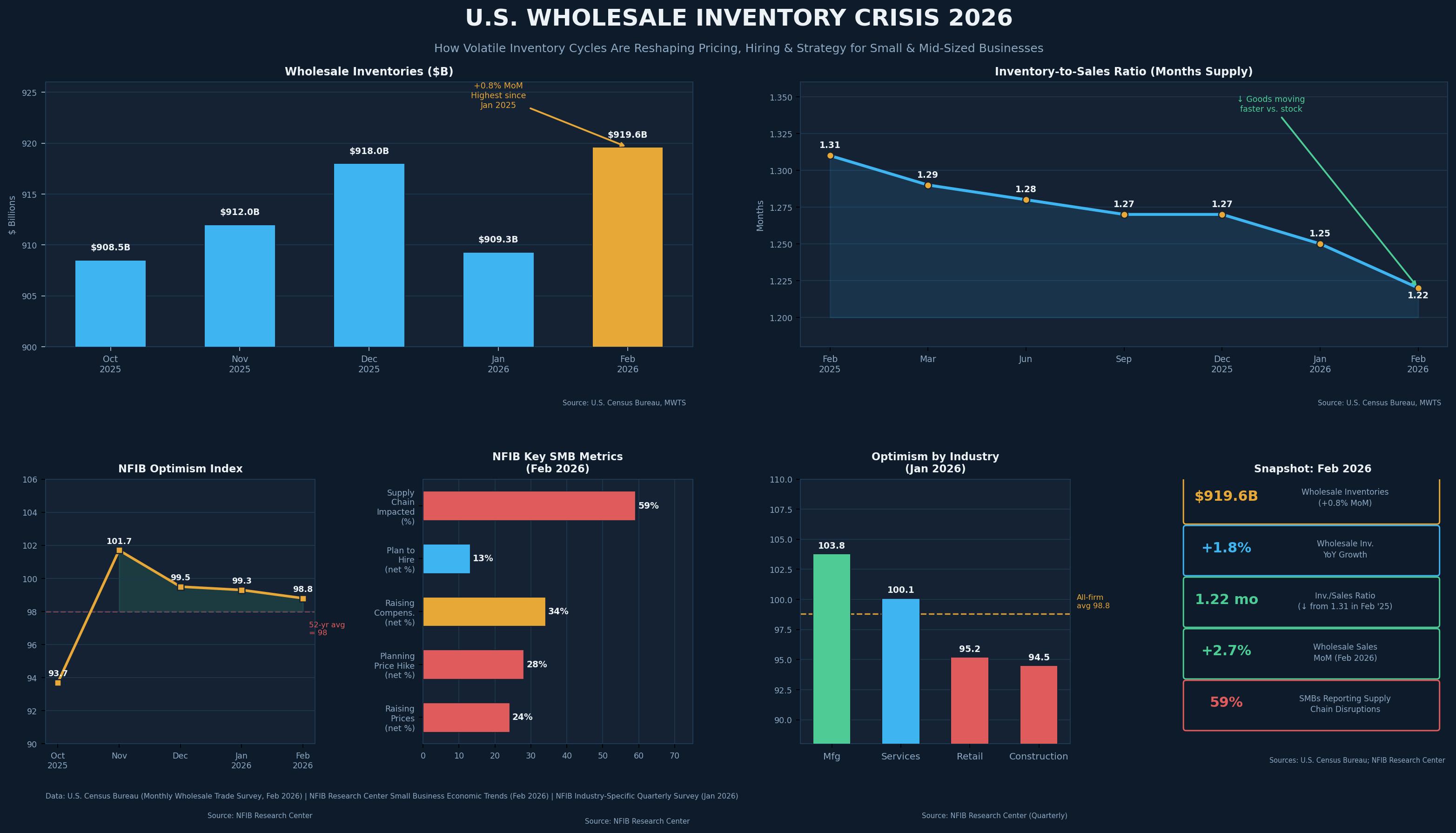
The $919 Billion Warning: What the Wholesale Inventory Explosion Really Means for Main Street
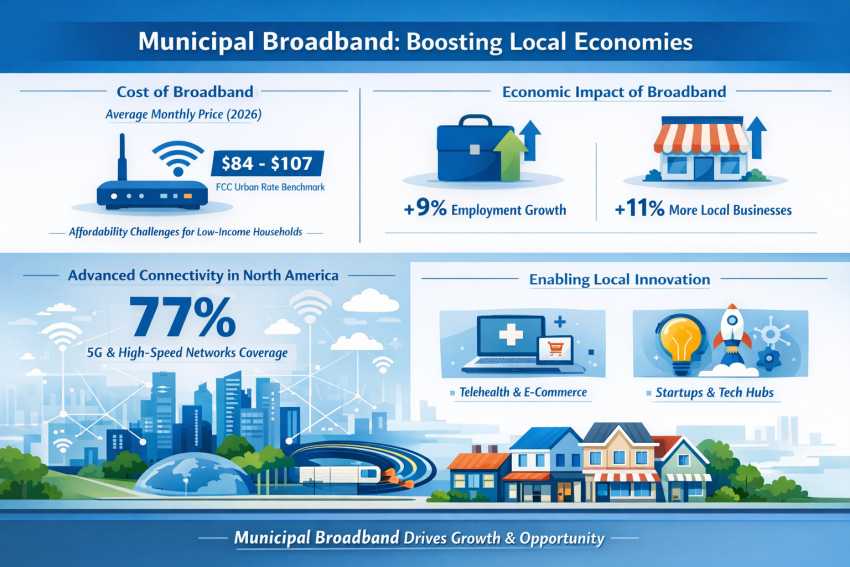
How U.S. Cities Are Turning Data and Infrastructure into Billion-Dollar Opportunities