More about Fifth Third Bancorp
Regulatory Filings for Fifth Third Bancorp
Fundamentals for Fifth Third Bancorp

AI Learns to Read the Federal Reserve

AI Subscriptions Rewrite the Inflation Playbook

Diversification Shielded U.S. Banks

Repo, Debt and Risk: The Fed's Untold Warning for 2026
Fundamentals for Fifth Third Bancorp



Business Operations:
Sector: Financial ServicesIndustry: Banks - Regional
Fifth Third Bancorp operates as the bank holding company for Fifth Third Bank, National Association that provides a range of financial products and services in the United States. It operates through three segments: Commercial Banking, Consumer and Small Business Banking, and Wealth and Asset Management. The Commercial Banking segment offers credit intermediation, cash management, and financial services; lending and depository products; and cash management, foreign exchange and international trade finance, derivatives and capital markets services, asset-based lending, real estate finance, public finance, commercial leasing, and syndicated finance for business, government, and professional customers. Its Consumer and Small Banking segment engages in the provision of a range of deposit and loan products to individuals and small businesses; residential mortgage activities, including the origination, retention and servicing of residential mortgage loans, sales and securitizations of loans, and associated hedging activities; home equity loans and lines of credit, credit cards, automobile and other indirect lending, and other consumer lending services; and home improvement and solar energy installation loans through contractors and installers. The Wealth and Asset Management segment provides various wealth management services, such as wealth planning, investment management, banking, insurance, trust, and estate services for for individuals, companies, and not-for-profit organizations; retail brokerage services for individual clients; and advisory services for institutional clients. Fifth Third Bancorp was founded in 1858 and is headquartered in Cincinnati, Ohio.
Revenue projections:
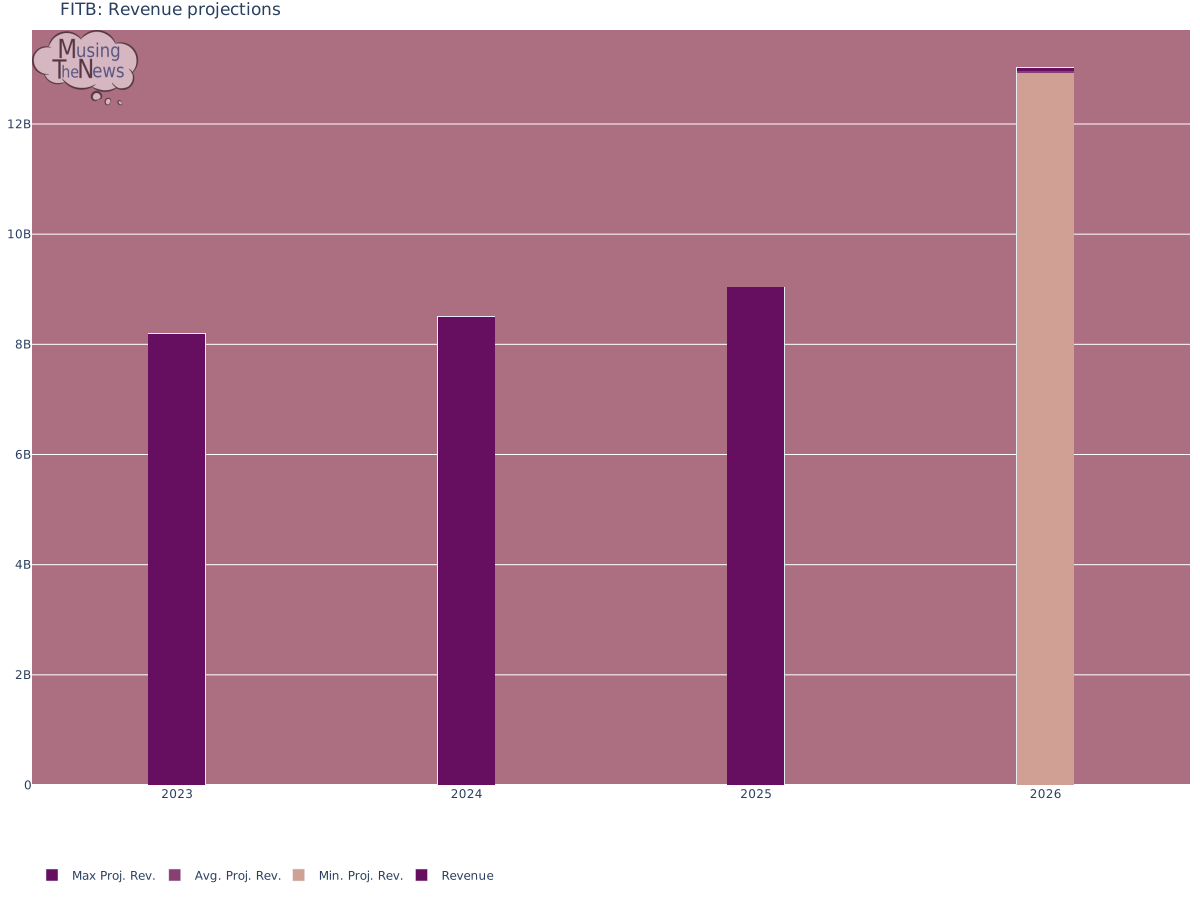
Investors may react cautiously to news that FITB's revenues are forecasted to be lower than last year's. Such declines are likely to have a negative effect on the company's bottom line, which can lead to concerns about profitability and hinder investor confidence in the company's future performance.
Financial Ratios:
| currentRatio | 0.00000 |
|---|---|
| forwardPE | 11.75444 |
| debtToEquity | 0.00000 |
| earningsGrowth | -0.05700 |
| revenueGrowth | 0.51800 |
| grossMargins | 0.00000 |
| operatingMargins | 0.39078 |
| trailingEps | 2.97000 |
| forwardEps | 4.93941 |
FITB's Forward PE being in a good range indicates that the stock is valued appropriately based on its earnings. This suggests the stock is not overpriced and leaves room for growth, providing investors with an opportunity for potential appreciation in value.
FITB's forward EPS surpasses its trailing EPS, indicating that the company is expected to be more profitable in the current financial year. This reflects growing confidence in FITB's earnings potential, suggesting stronger financial performance compared to the previous year.
Price projections:
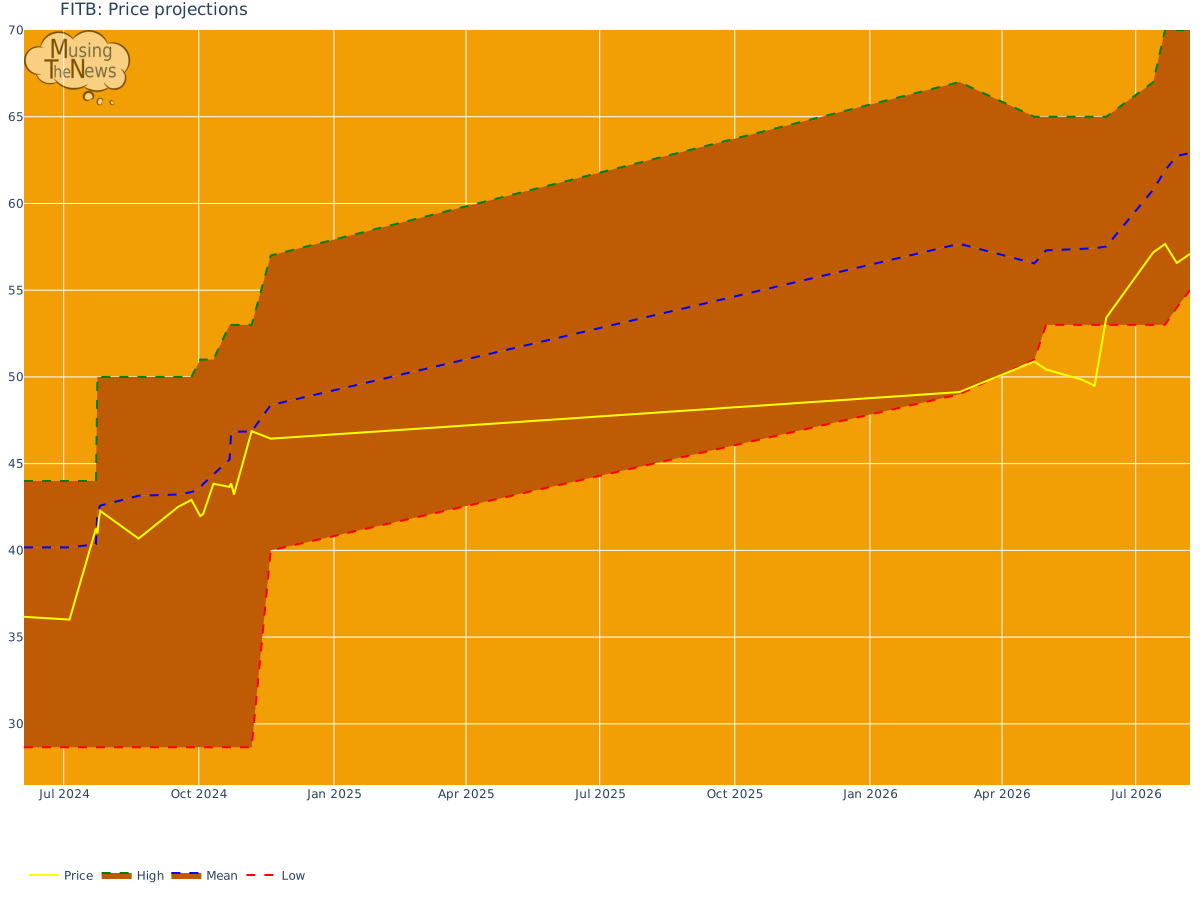
FITB's price projections have been revised upward over time, suggesting that analysts are becoming more confident in the company's future. This trend points to increased optimism about FITB's ability to grow.
Insider Transactions:
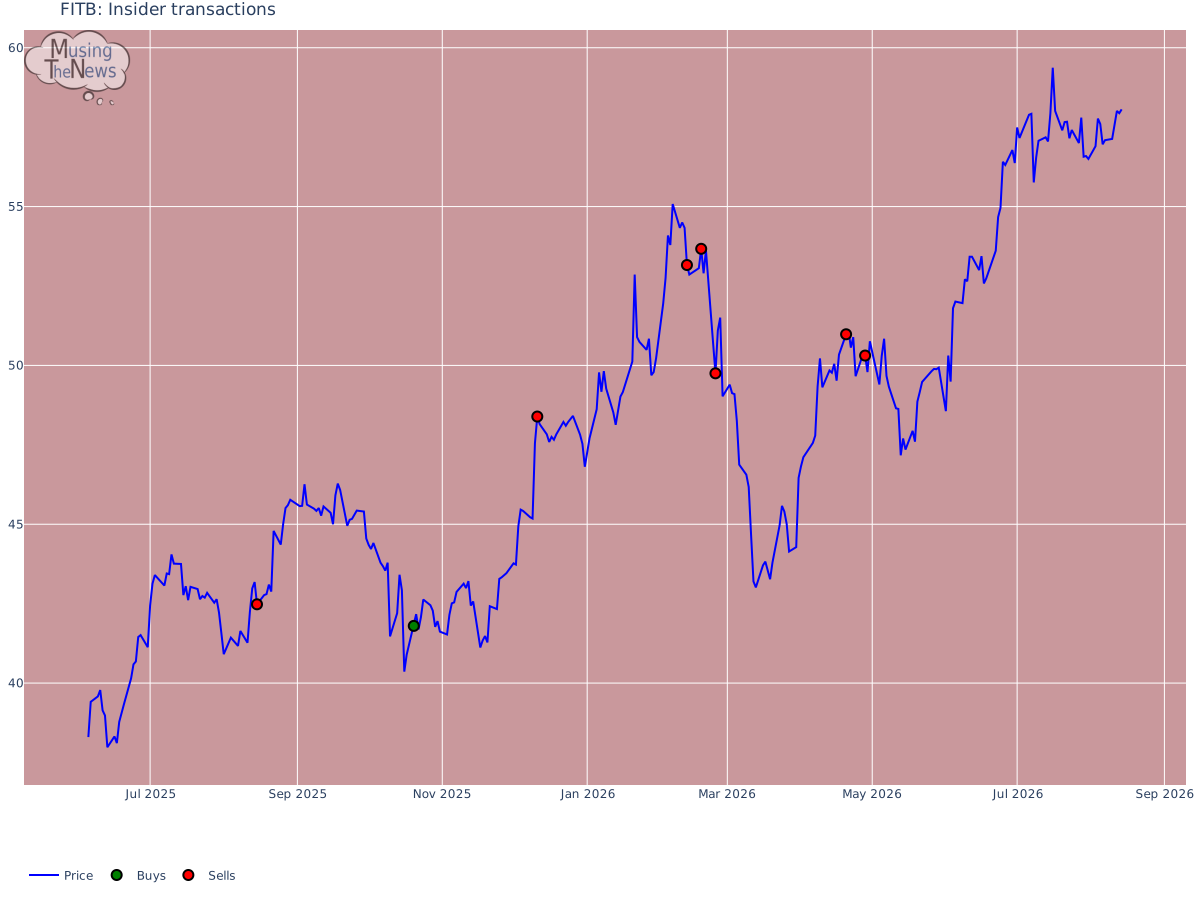
FITB saw 7 transactions in which shares were sold with market price at 49.82008307320731.1 transactions to buy FITB took place, with market price at 41.79999923706055 per share.Insider transactions show no strong upward or downward movement, offering little insight into the company's future performance or strategic direction.
Recommendation changes over time:
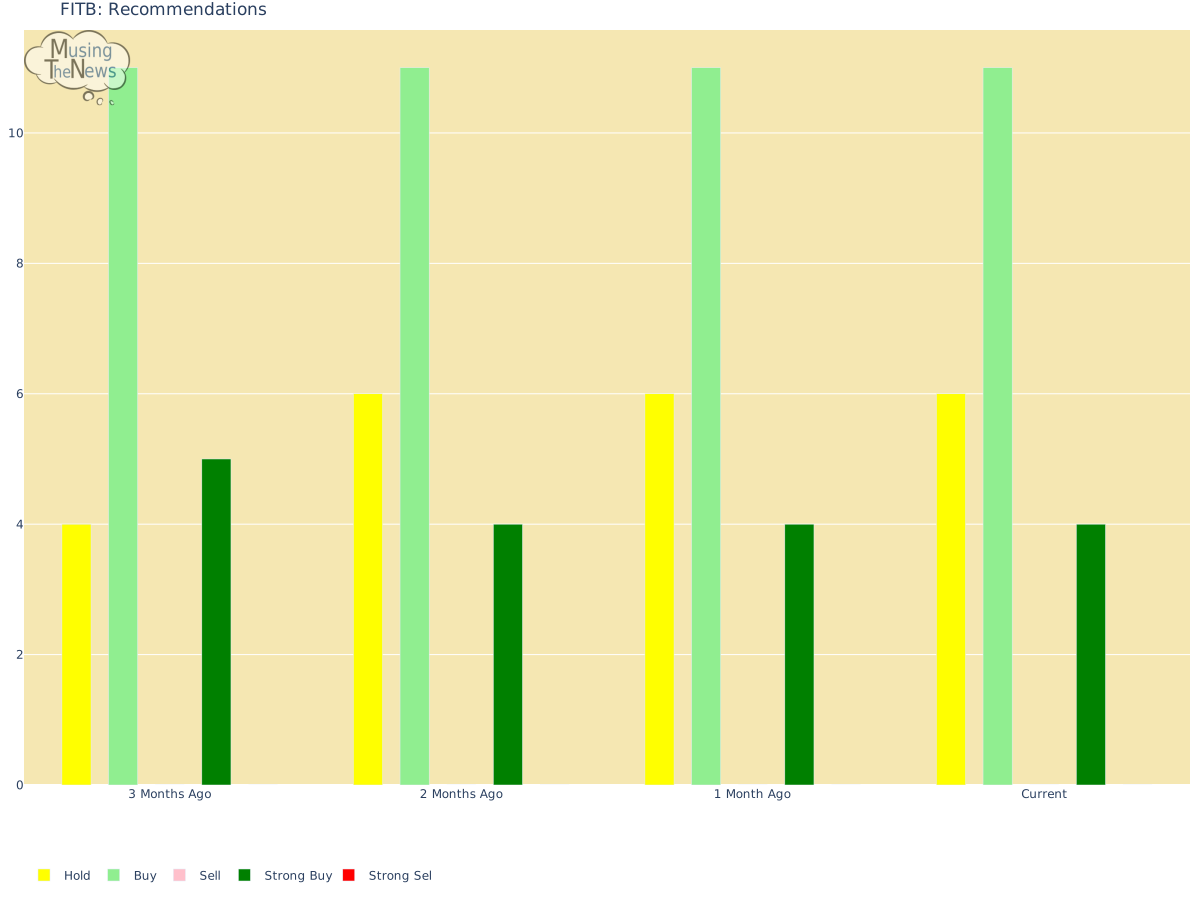
The recent buy bias for FITB from analysts signals strong confidence in the stock's potential. This positive sentiment could encourage investors to see FITB as a smart place to invest their money, especially those looking for stable, long-term returns in a well-established company.
If you have enjoyed reading, spread the word:
Good prospects:
Companies with the best and the worst technicals.
Latest Regulatory Filings for SP5
Companies with the best and the worst fundamentals.

When Losing Money Pays: America's Broken Market Logic

The Hidden Time Bomb in AI Finance
Why Electricians Now Out-Earn Software Engineers