More about Essex Property Trust, Inc.
Regulatory Filings for Essex Property Trust, Inc.
Fundamentals for Essex Property Trust, Inc.

Fraud, Delays, and High Fees—Gone: The Underrated Fintech Shift Reshaping U.S. Local Economies
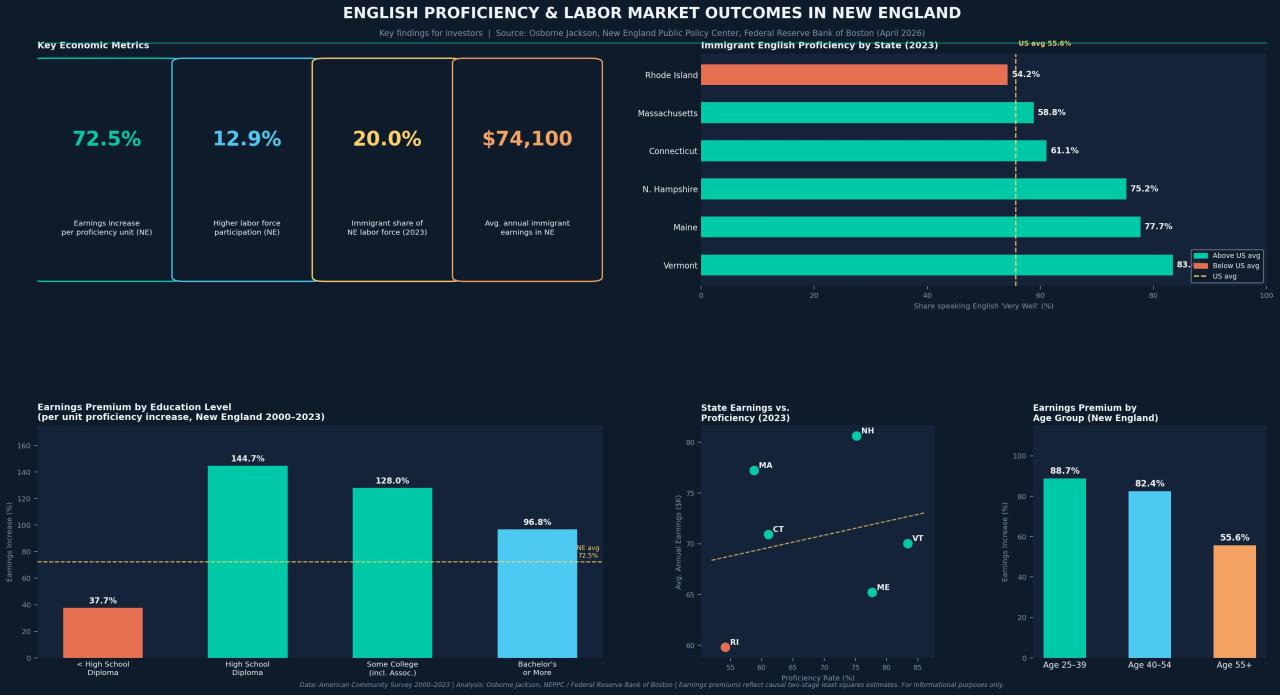
From Rhode Island to Vermont: The Proficiency Gap That's Quietly Dividing New England's Workforce

Regional Airports Poised for Growth Amid Airline Shakeups

From Fuel Shock to Factory Revival: The Surprising Rise of Hyper-Local Supply Chains in the U.S.
Fundamentals for Essex Property Trust, Inc.



Business Operations:
Sector: Real EstateIndustry: REIT - Residential
Essex Property Trust, Inc., an S&P 500 company, is a fully integrated real estate investment trust. The firm acquires, develops, redevelops, and manages multifamily residential properties in selected West Coast markets. Essex currently has ownership interests in 259 apartment communities comprising over 63,000 apartment homes with an additional property in active development.
Revenue projections:
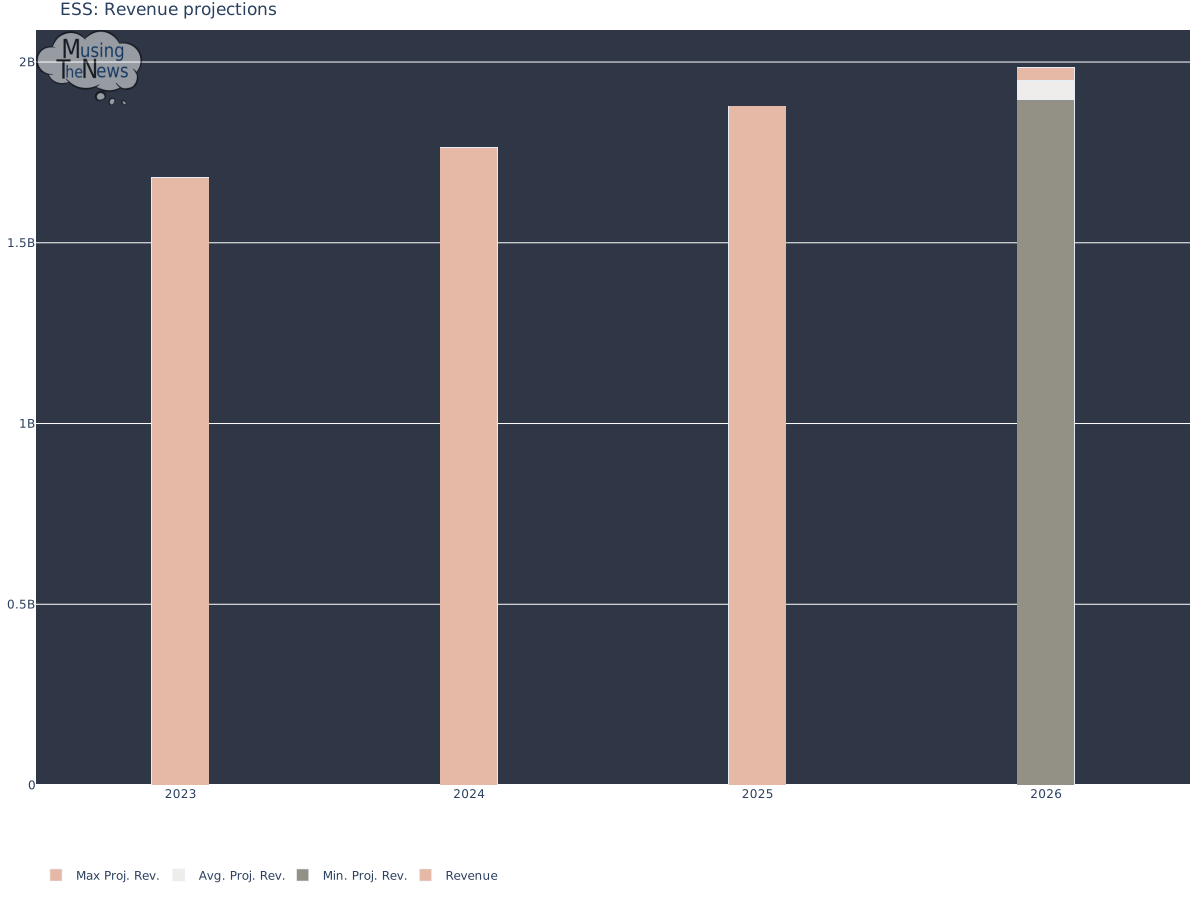
Essex Property Trust, Inc.'s revenue projections indicate a decrease from last year's performance, which could lead to investor caution. A fall in revenue is likely to negatively impact the company's profitability, causing concern for shareholders who may view this as a signal of declining financial health.
Financial Ratios:
| currentRatio | 0.15400 |
|---|---|
| forwardPE | 41.29517 |
| debtToEquity | 119.43300 |
| earningsGrowth | -0.68700 |
| revenueGrowth | 0.03200 |
| grossMargins | 0.68583 |
| operatingMargins | 0.32856 |
| trailingEps | 10.39000 |
| forwardEps | 6.10701 |
ESS's current ratio being 0.154 suggests that the company's current assets and cash reserves may not be enough to meet its short-term debt obligations. This points to possible liquidity challenges, signaling the need for additional funding.
ESS's elevated debt-to-equity ratio suggests that the company is using significant debt to finance its operations. This level of leverage can amplify financial risk, particularly if profitability decreases or external conditions become unfavorable.
Essex Property Trust, Inc.'s low earnings and revenue growth suggest shrinking profits. This negative trend could indicate that the company is struggling to maintain its financial performance and may face challenges ahead.
ESS's positive gross and operating margins highlight its strong profitability. The company's ability to control costs while generating revenue indicates efficient operations and a healthy financial position.
With forward EPS less than trailing EPS, ESS is expected to see reduced earnings. This suggests the company may face profitability challenges in the current financial year compared to the previous one.
Price projections:
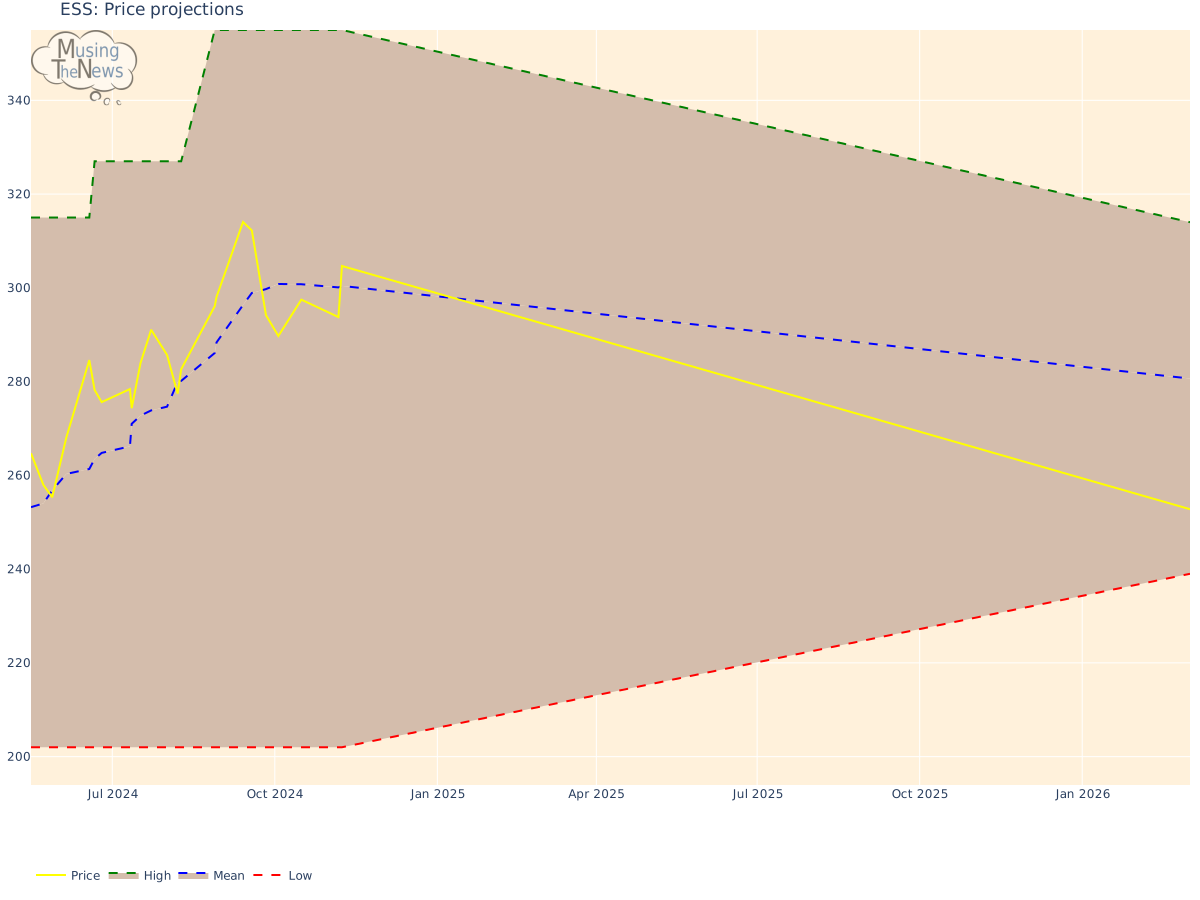
ESS's price has often been near the lower end of the projected range. This ongoing trend suggests that investor confidence might be waning, and the stock could face challenges in gaining upward momentum.
Insider Transactions:
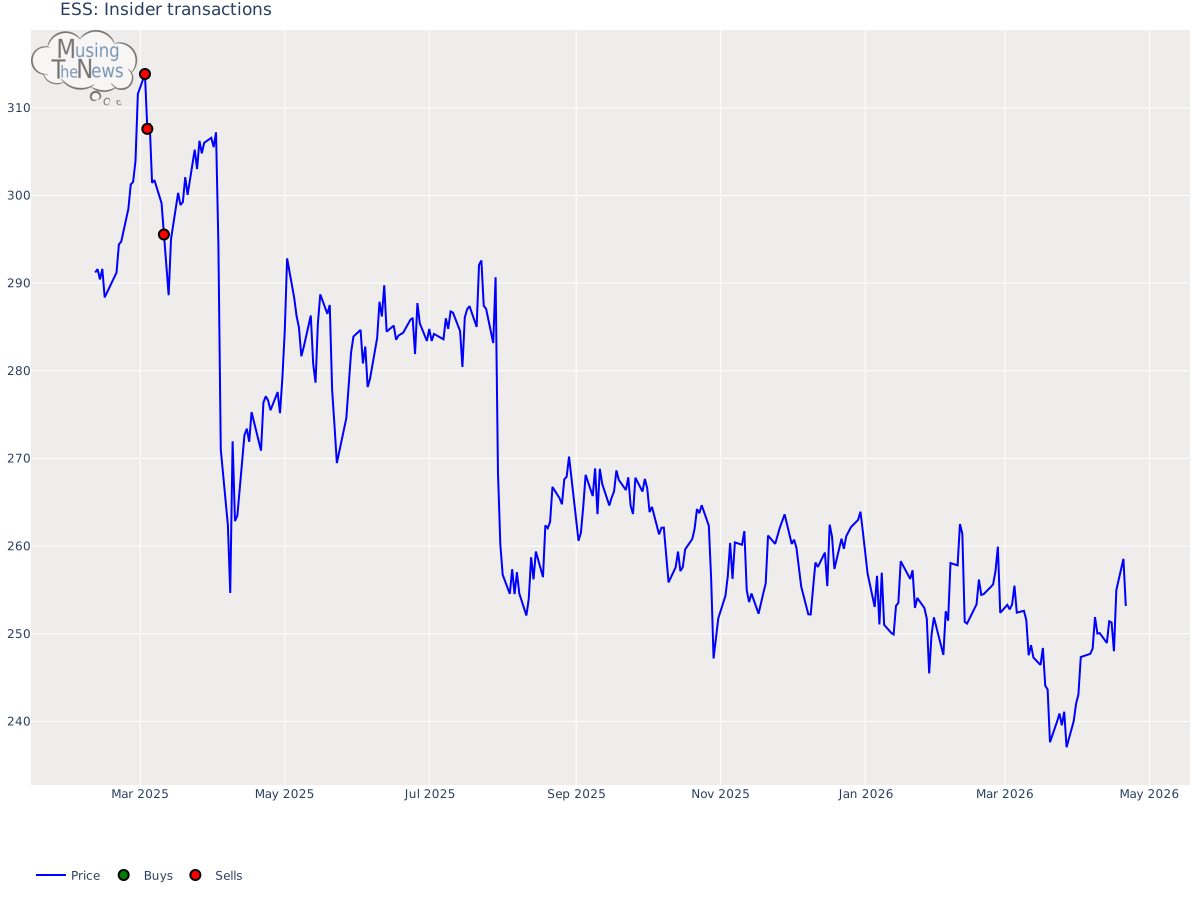
There were 3 ESS sales transactions, at market price of 305.6600036621094.There were no sell transactions recorded during the period under consideration.ESS is seeing more buys than sells at current price levels, which may indicate a positive market outlook. This trend suggests growing confidence among investors, who appear to expect favorable performance from the stock.
Recommendation changes over time:
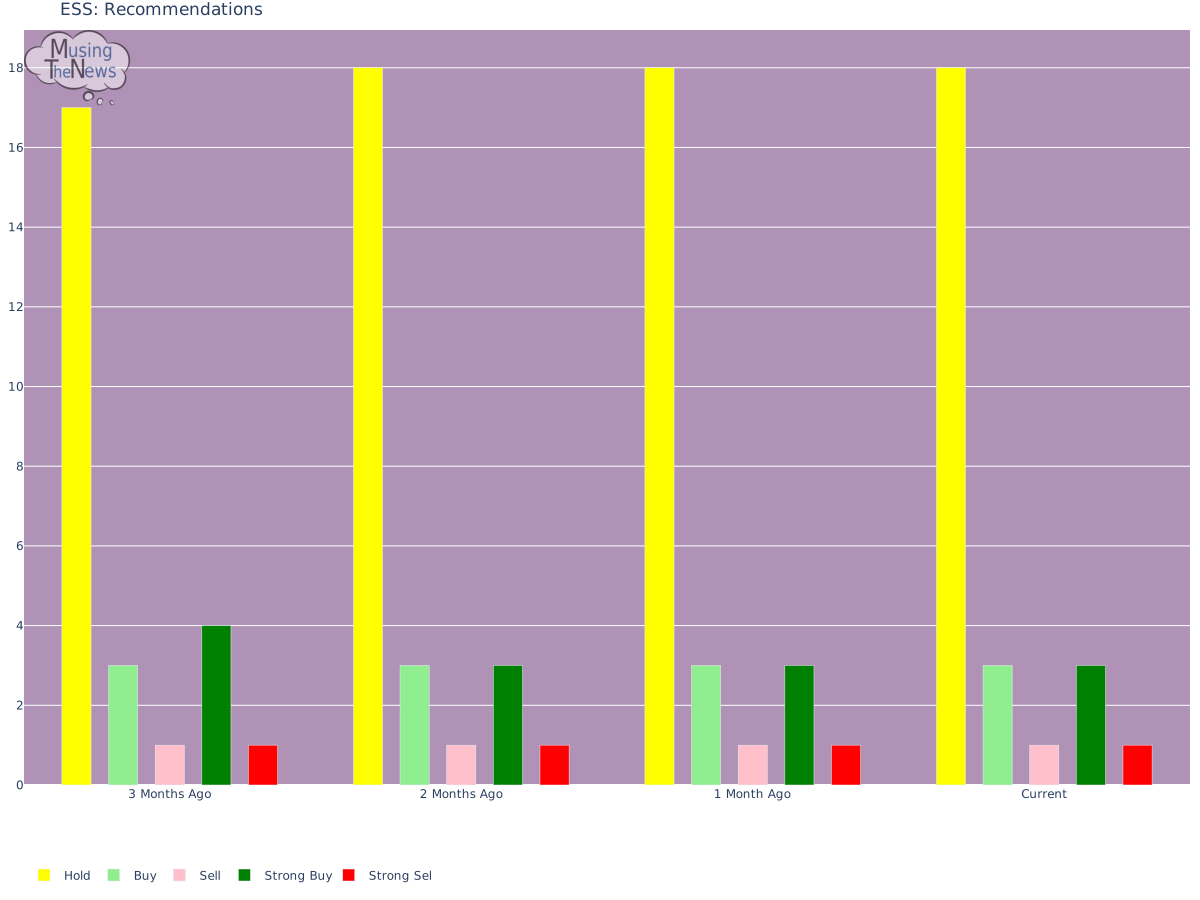
Analysts have shown a buy bias for ESS, signaling it as a strong investment choice. This positive outlook could motivate investors to allocate funds to ESS, seeing it as a reliable and potentially profitable option, especially in an environment where the stock market is highly scrutinized.
DISCLAIMER: We provide information and our musings based on events, but nothing on this site can be considered professional advice of any kind.
If you have enjoyed reading, spread the word:
Good prospects:
Companies with the best and the worst technicals.
Latest Regulatory Filings for SP5
Companies with the best and the worst fundamentals.

AI Data Centers Transform Small-Town USA: Jobs, Taxes, and Tech Ecosystems Explode
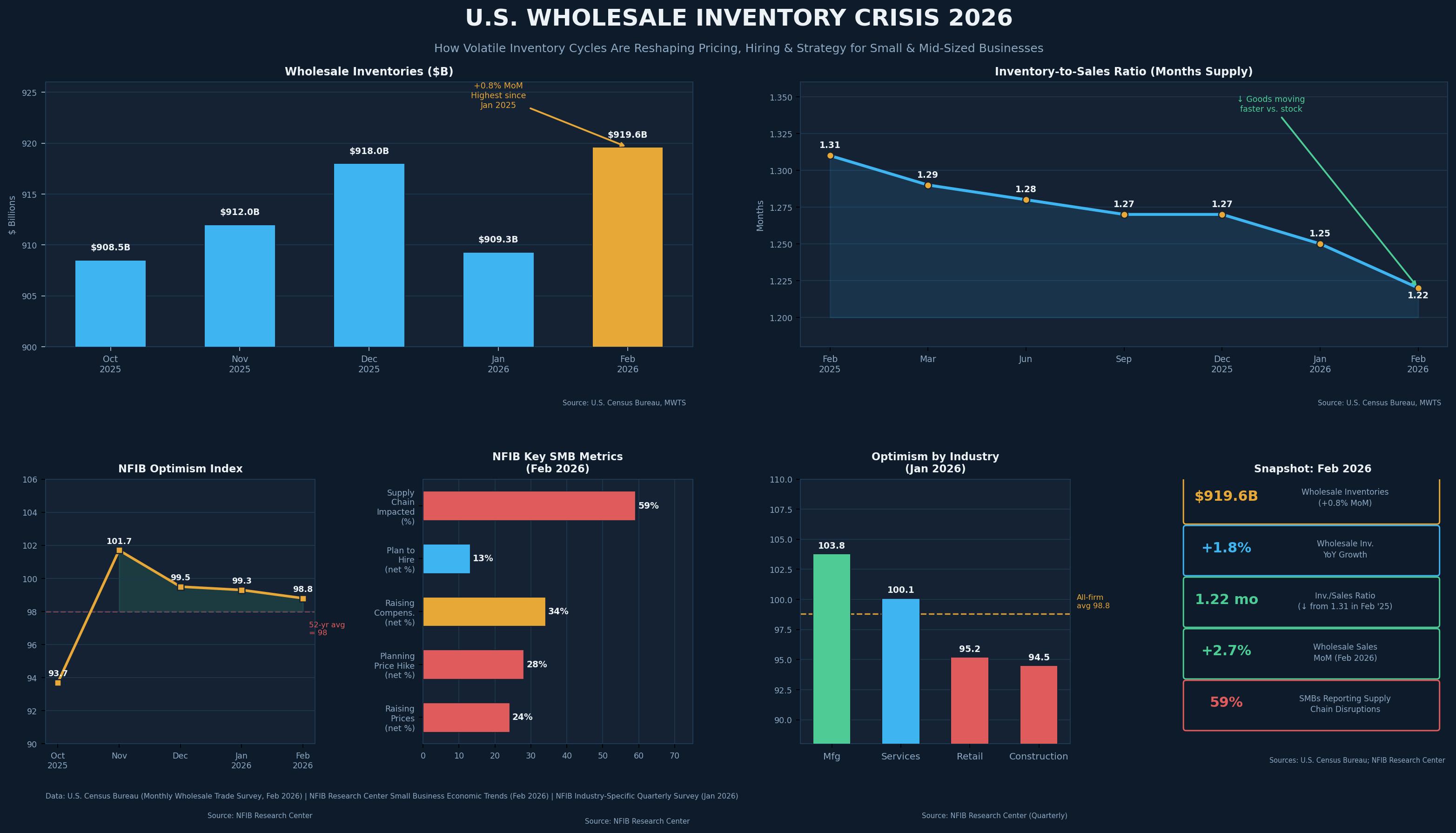
The $919 Billion Warning: What the Wholesale Inventory Explosion Really Means for Main Street
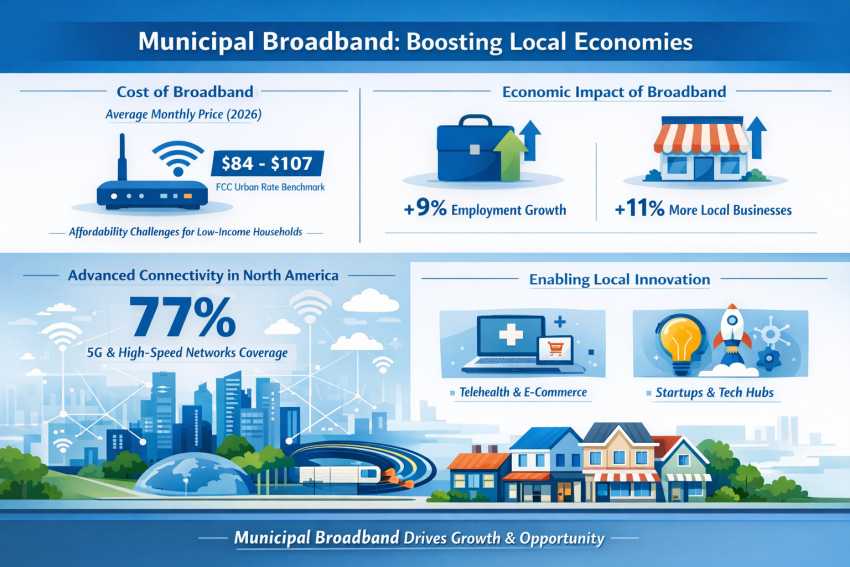
How U.S. Cities Are Turning Data and Infrastructure into Billion-Dollar Opportunities