
More about Erie Indemnity Company
Regulatory Filings for Erie Indemnity Company
Fundamentals for Erie Indemnity Company

Fraud, Delays, and High Fees—Gone: The Underrated Fintech Shift Reshaping U.S. Local Economies
From Rhode Island to Vermont: The Proficiency Gap That's Quietly Dividing New England's Workforce
Regional Airports Poised for Growth Amid Airline Shakeups

From Fuel Shock to Factory Revival: The Surprising Rise of Hyper-Local Supply Chains in the U.S.
Fundamentals for Erie Indemnity Company



Business Operations:
Sector: Financial ServicesIndustry: Insurance Brokers
Erie Indemnity Company operates as a managing attorney-in-fact for the subscribers at the Erie Insurance Exchange in the United States. It provides issuance and renewal services; sales related services, including agent compensation and sales and advertising support services; underwriting services that include underwriting and policy processing; and other services consist of customer services and administrative support services, as well as information technology services. The company was incorporated in 1925 and is based in Erie, Pennsylvania.
Revenue projections:
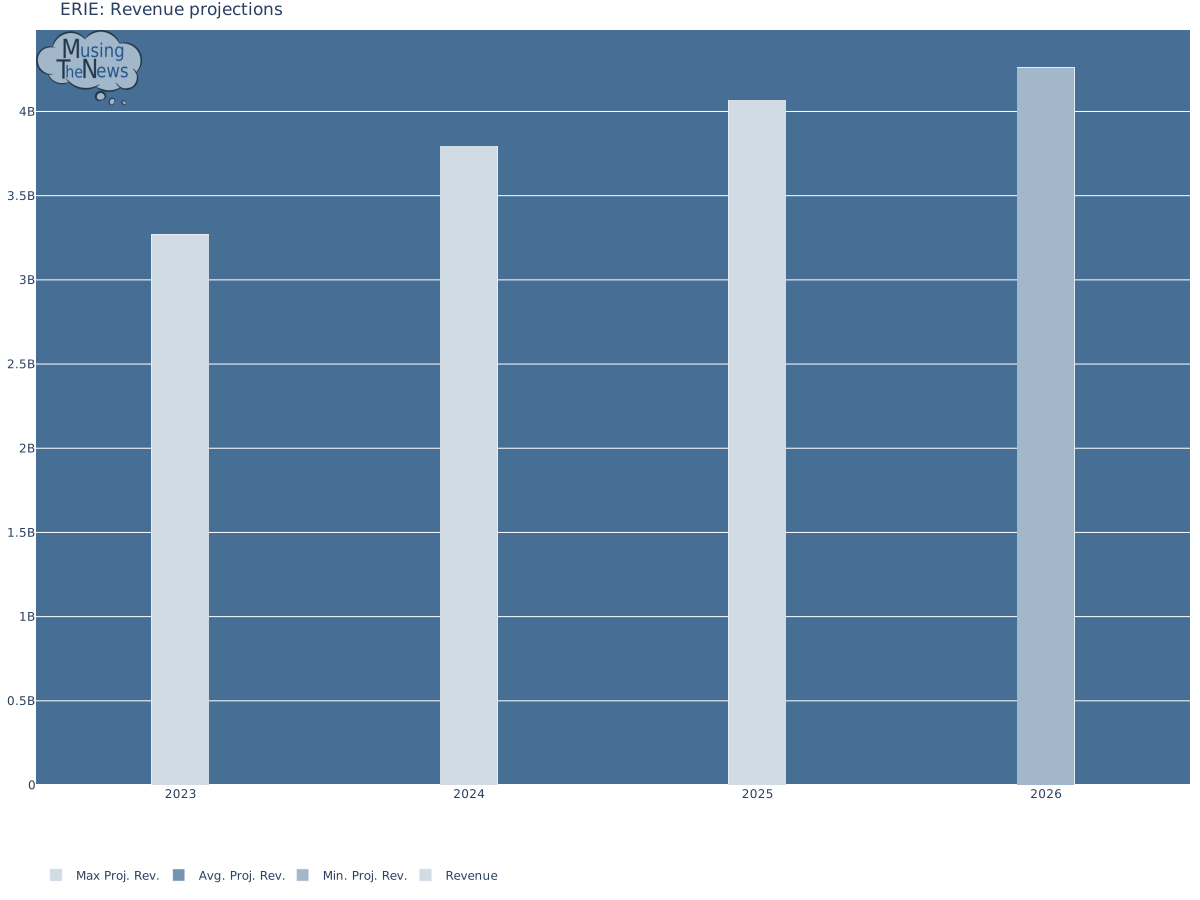
With Erie Indemnity Company's revenues expected to fall below the previous year's, investors are likely to approach the stock with caution. Declining revenues can negatively affect profitability, which makes it harder for the company to maintain investor confidence and perform well in the market.
Financial Ratios:
| currentRatio | 1.268000 |
|---|---|
| forwardPE | 17.844397 |
| debtToEquity | 2.712000 |
| earningsGrowth | -0.584000 |
| revenueGrowth | 0.029000 |
| grossMargins | 0.176330 |
| operatingMargins | 0.171640 |
| trailingEps | 10.700000 |
| forwardEps | 14.010000 |
The current ratio for Erie Indemnity Company is 1.268, indicating that the company can service its short-term debt using available cash and assets. This suggests Erie Indemnity Company has strong liquidity, with more than enough resources to meet its immediate financial commitments.
ERIE's Forward PE being in a reasonable range suggests the stock is fairly priced based on its earnings. The stock isn't overpriced, leaving room for growth, making it an attractive investment for those seeking opportunities for future value appreciation.
ERIE's low earnings and revenue growth point to a likely decrease in profits. This suggests that the company is facing financial difficulties and may struggle to maintain its current level of profitability.
Erie Indemnity Company's negative gross and operating margins suggest that the company is currently facing financial difficulties, as it is unable to cover production and operational costs. This could result in significant losses if not addressed.
Erie Indemnity Company's forward EPS exceeds its trailing EPS, indicating that the company is projected to be more profitable in the current financial year compared to the previous one. This suggests positive growth and improved earnings, signaling an optimistic outlook for Erie Indemnity Company's financial performance.
Recommendation changes over time:
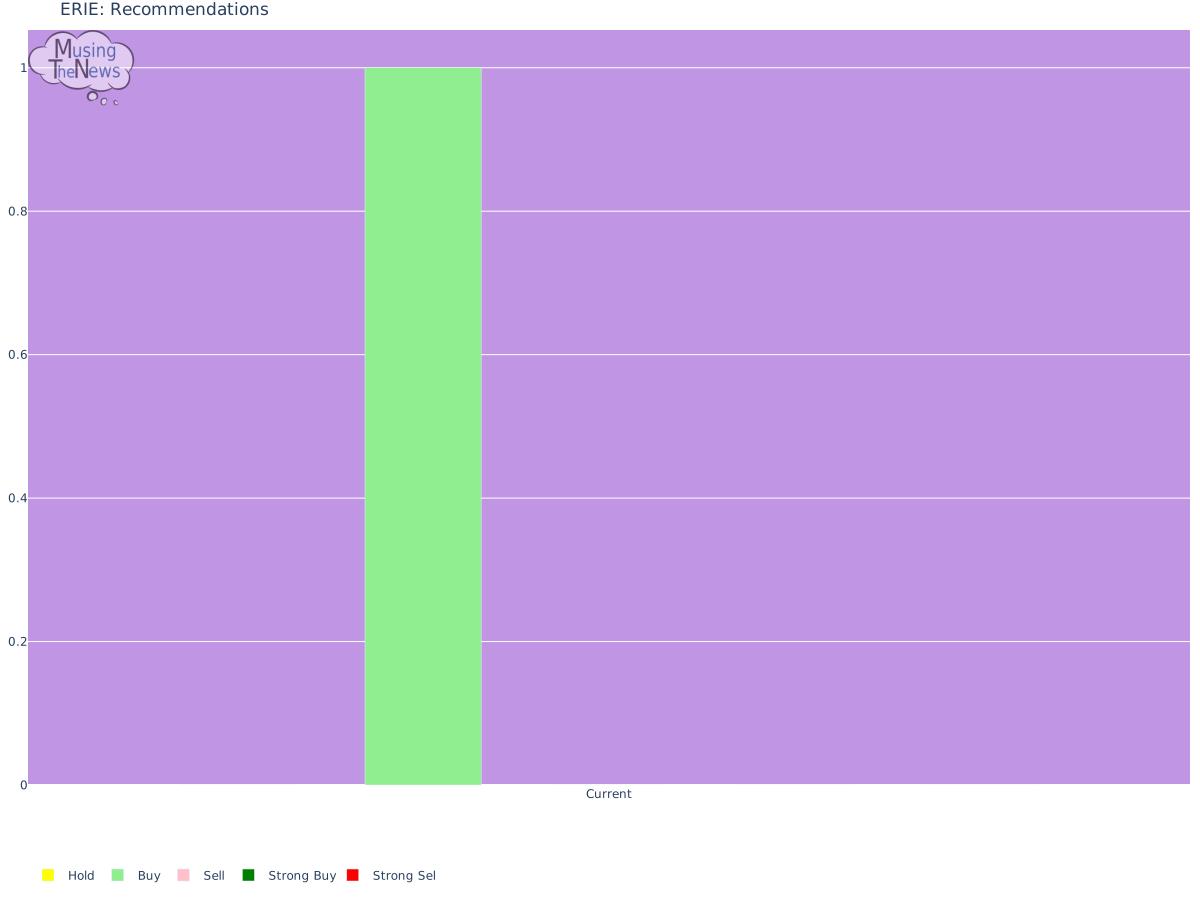
Erie Indemnity Company has been receiving a buy bias from analysts, signaling strong confidence in the stock's future performance. This positive outlook might drive investors to view Erie Indemnity Company as an attractive option for their portfolios, positioning the company as a stable and profitable investment choice.
DISCLAIMER: We provide information and our musings based on events, but nothing on this site can be considered professional advice of any kind.
If you have enjoyed reading, spread the word:
Good prospects:
Companies with the best and the worst technicals.
Latest Regulatory Filings for SP5
Companies with the best and the worst fundamentals.

AI Data Centers Transform Small-Town USA: Jobs, Taxes, and Tech Ecosystems Explode
The $919 Billion Warning: What the Wholesale Inventory Explosion Really Means for Main Street

How U.S. Cities Are Turning Data and Infrastructure into Billion-Dollar Opportunities