More about Domino's Pizza, Inc.
Regulatory Filings for Domino's Pizza, Inc.
Fundamentals for Domino's Pizza, Inc.

Fraud, Delays, and High Fees—Gone: The Underrated Fintech Shift Reshaping U.S. Local Economies
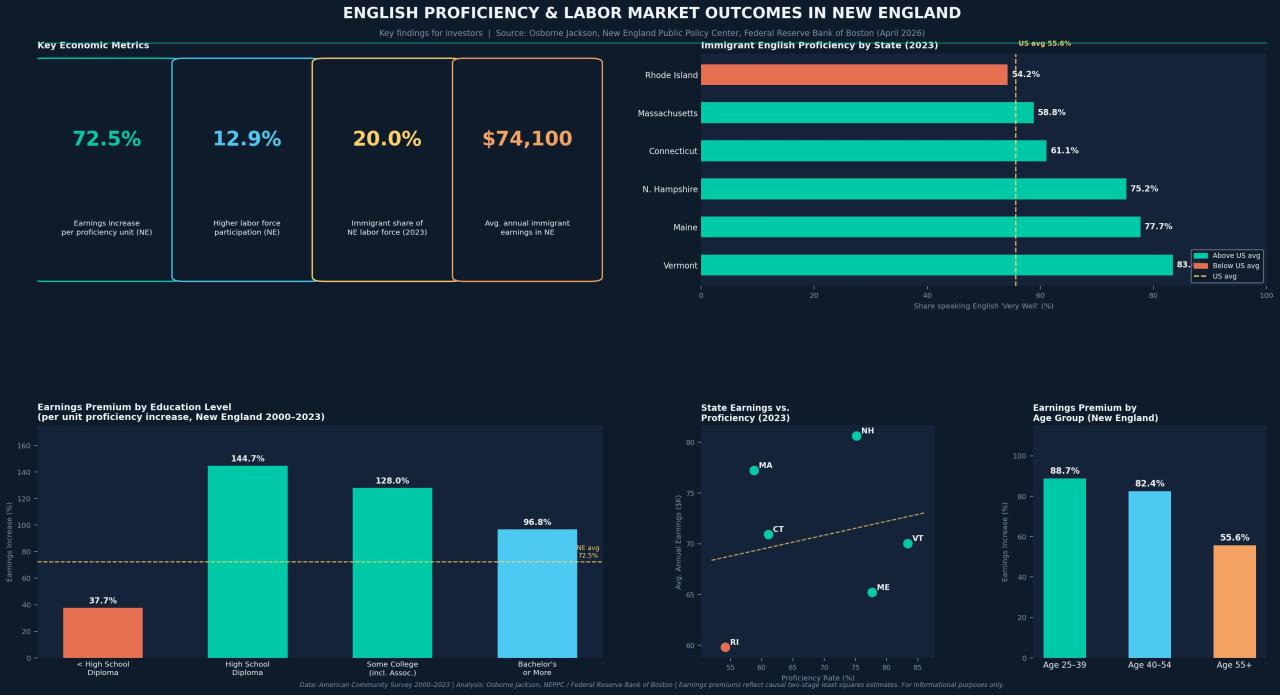
From Rhode Island to Vermont: The Proficiency Gap That's Quietly Dividing New England's Workforce
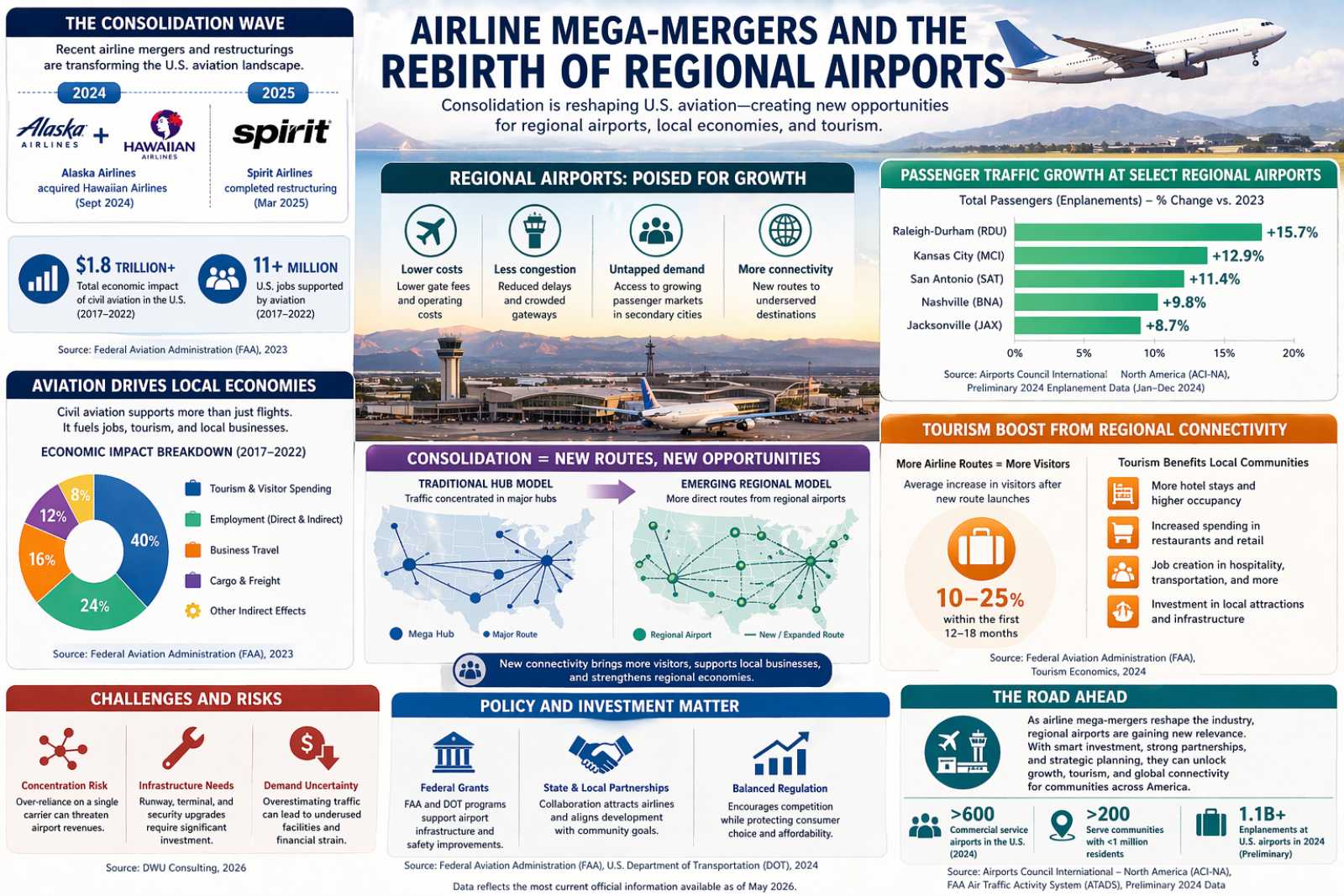
Regional Airports Poised for Growth Amid Airline Shakeups
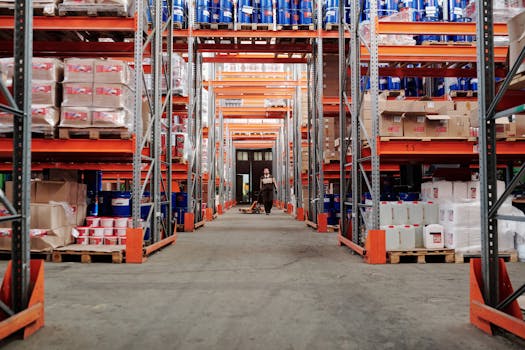
From Fuel Shock to Factory Revival: The Surprising Rise of Hyper-Local Supply Chains in the U.S.
Fundamentals for Domino's Pizza, Inc.



Business Operations:
Sector: Consumer CyclicalIndustry: Restaurants
Domino's Pizza, Inc. operates as a pizza company worldwide. The company operates through three segments: U.S. Stores, International Franchise, and Supply Chain. It offers pizzas under the Domino's brand name through company-owned and franchised stores. The company also provides bread products, wings, boneless chicken, pastas, oven-baked sandwiches, soft drink products and desserts. In addition, it offers parmesan stuffed crust pizza; spicy chicken bacon ranch specialty pizza; and garlic, and cinnamon bread bites, as well as croissant, chocolate volcano, and chicken burst pizzas. Domino's Pizza, Inc. was founded in 1960 and is based in Ann Arbor, Michigan.
Revenue projections:
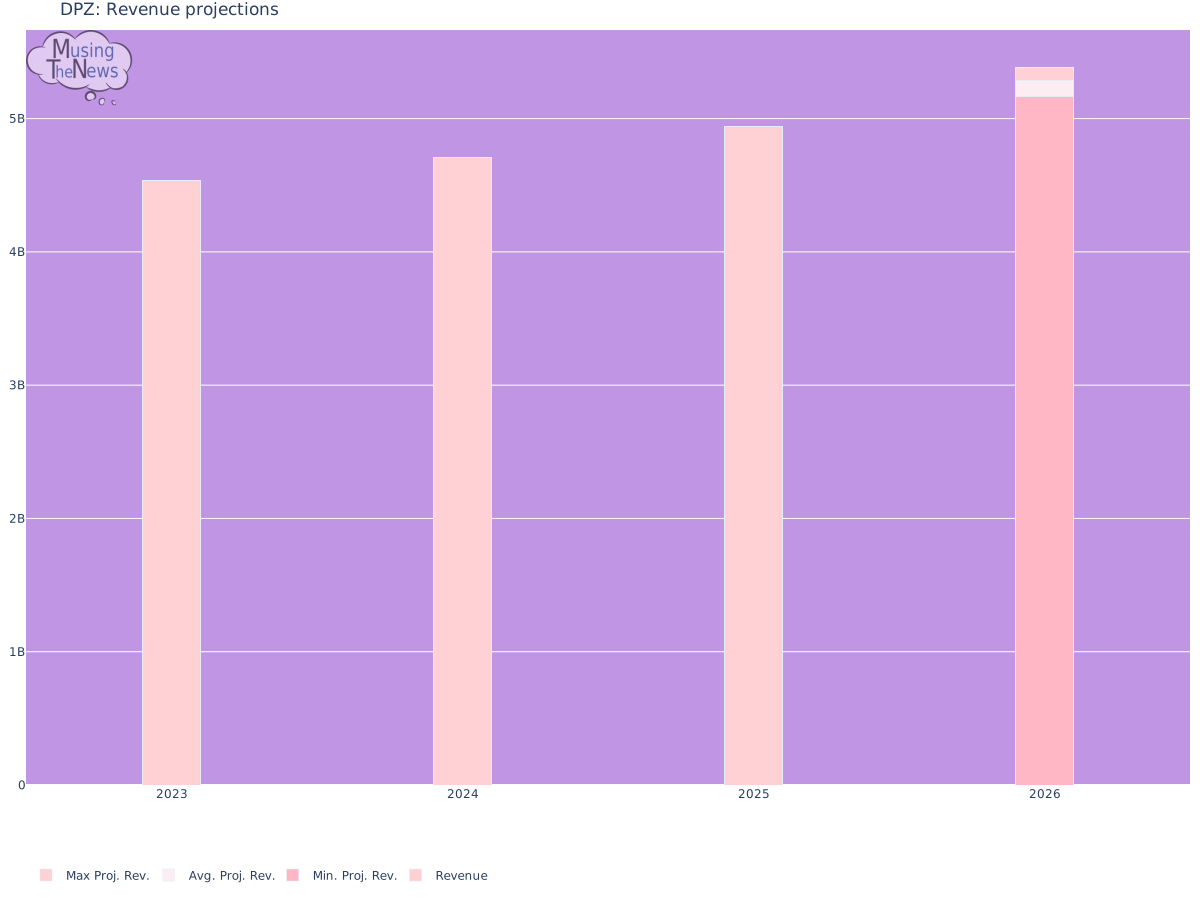
Investors are expected to be cautious with DPZ, as its revenues are projected to fall compared to last year. A decline in revenue often results in a negative impact on profitability, prompting concerns about the company's financial stability and making investors more conservative in their approach.
Financial Ratios:
| currentRatio | 1.651000 |
|---|---|
| forwardPE | 17.066507 |
| debtToEquity | 0.000000 |
| earningsGrowth | 0.095000 |
| revenueGrowth | 0.064000 |
| grossMargins | 0.286250 |
| operatingMargins | 0.192430 |
| trailingEps | 17.560000 |
| forwardEps | 21.441410 |
DPZ's current ratio is 1.651, showing the company's capacity to service its short-term debt through its cash reserves and current assets. This is a positive indicator of liquidity, suggesting DPZ has no trouble covering its short-term financial obligations.
DPZ's Forward PE is positioned well, reflecting a favorable balance between stock price and earnings. The stock isn't overpriced, offering room for growth and making it a potentially rewarding investment as its value has room to rise further.
DPZ's forward EPS surpasses its trailing EPS, indicating that the company is expected to be more profitable in the current financial year. This reflects growing confidence in DPZ's earnings potential, suggesting stronger financial performance compared to the previous year.
Price projections:
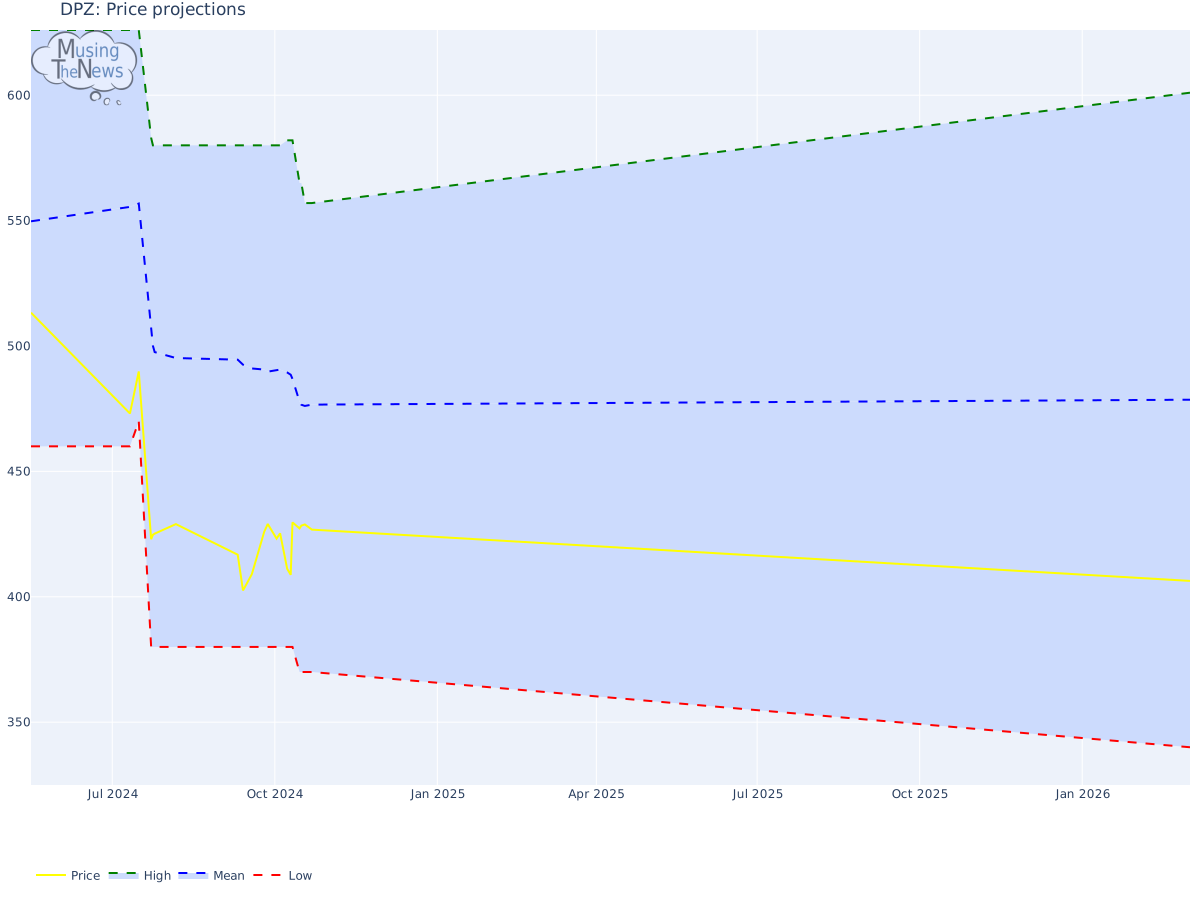
The price of Domino's Pizza, Inc. has consistently remained close to the lower end of price projections. This trend may reflect uncertainty in the market regarding the company's ability to deliver on growth expectations.
Insider Transactions:
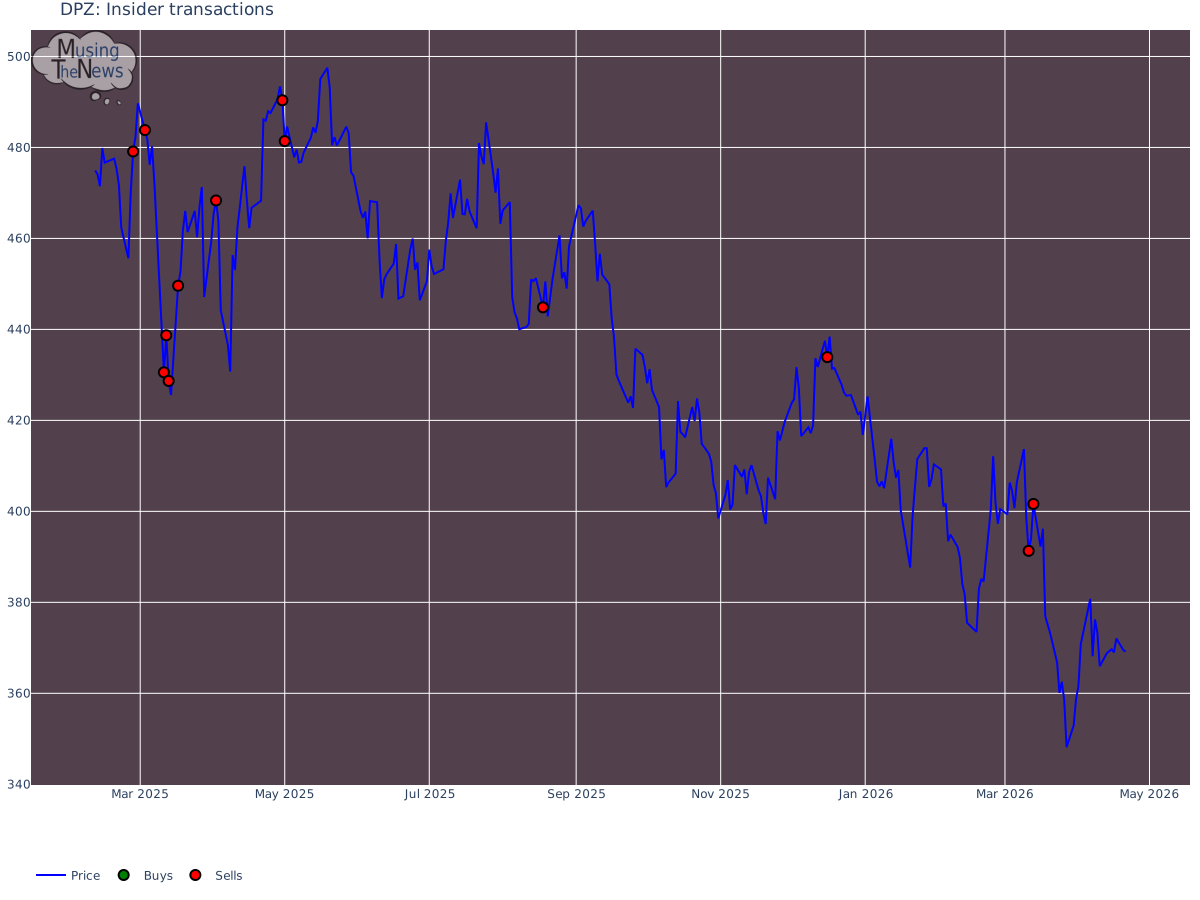
13 DPZ sales were executed, with market price at 447.86719689002405.There were no sell transactions during the given timeframe.Domino's Pizza, Inc.'s current price levels are experiencing more buying activity than selling, which may point to a favorable outlook. This trend suggests investor confidence in the stock's future, potentially indicating expectations of continued growth.
Recommendation changes over time:
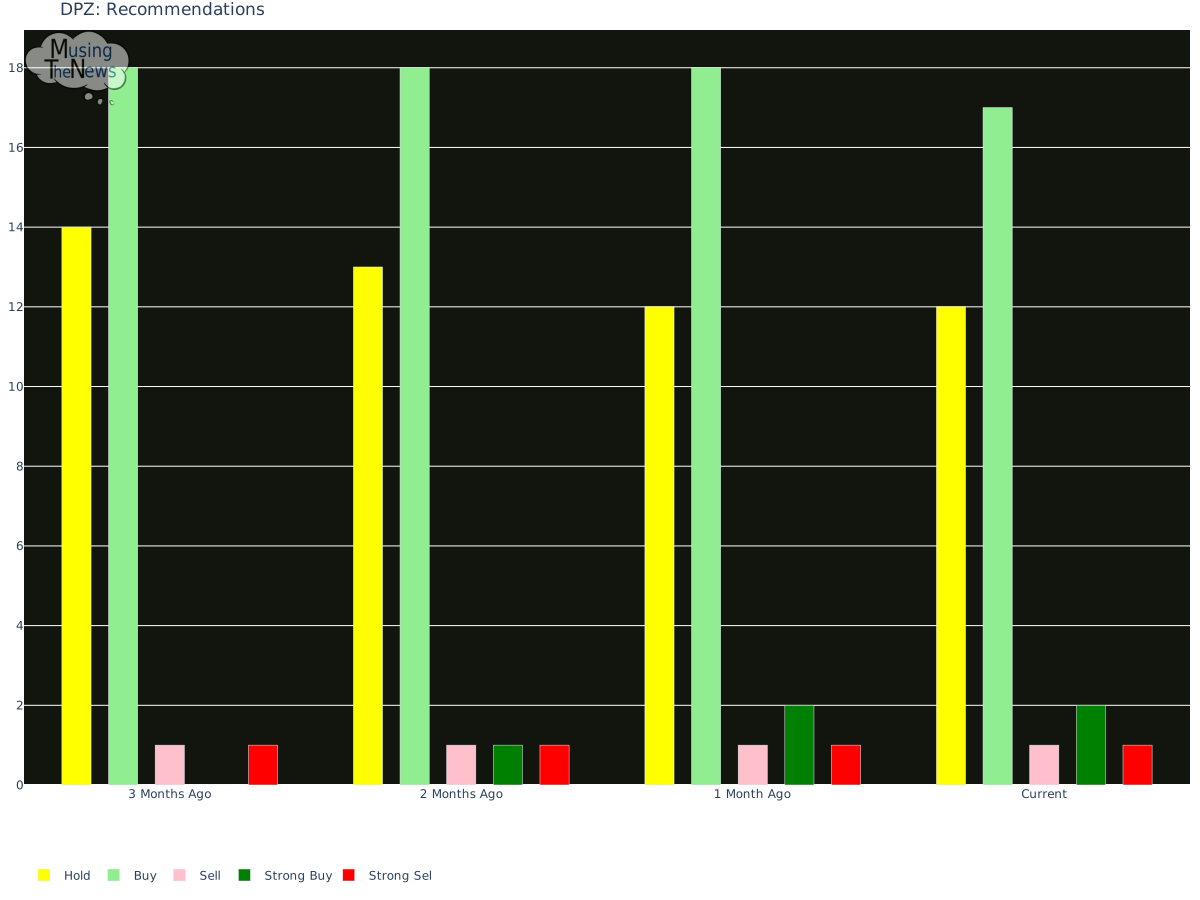
Analysts' buy bias toward DPZ suggests the stock is seen as a solid investment, potentially motivating investors to consider it for their portfolios. With this positive outlook, DPZ is likely to be viewed as a secure place to allocate funds, driving further interest in the stock.
DISCLAIMER: We provide information and our musings based on events, but nothing on this site can be considered professional advice of any kind.
If you have enjoyed reading, spread the word:
Good prospects:
Companies with the best and the worst technicals.
Latest Regulatory Filings for SP5
Companies with the best and the worst fundamentals.

AI Data Centers Transform Small-Town USA: Jobs, Taxes, and Tech Ecosystems Explode
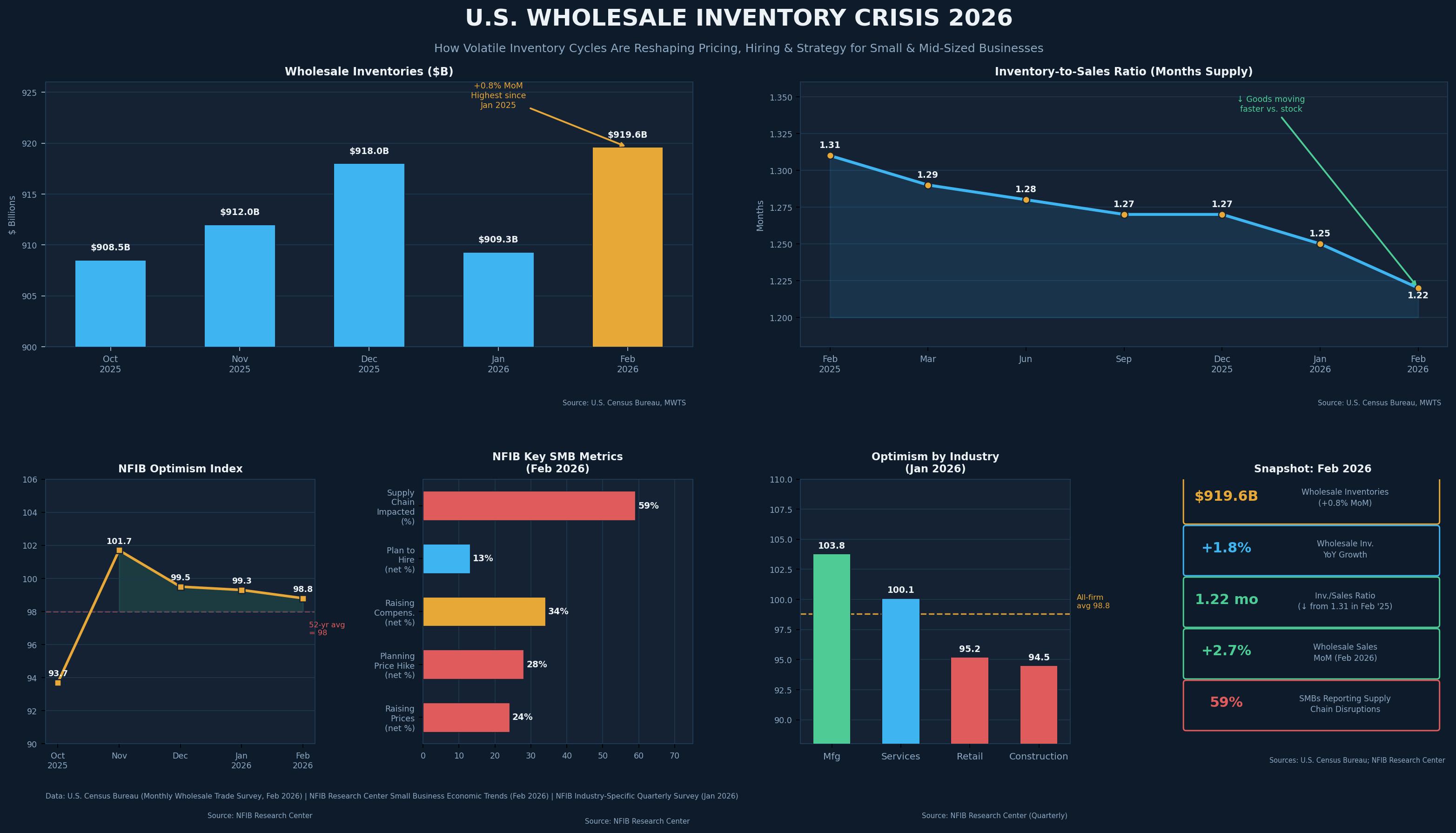
The $919 Billion Warning: What the Wholesale Inventory Explosion Really Means for Main Street
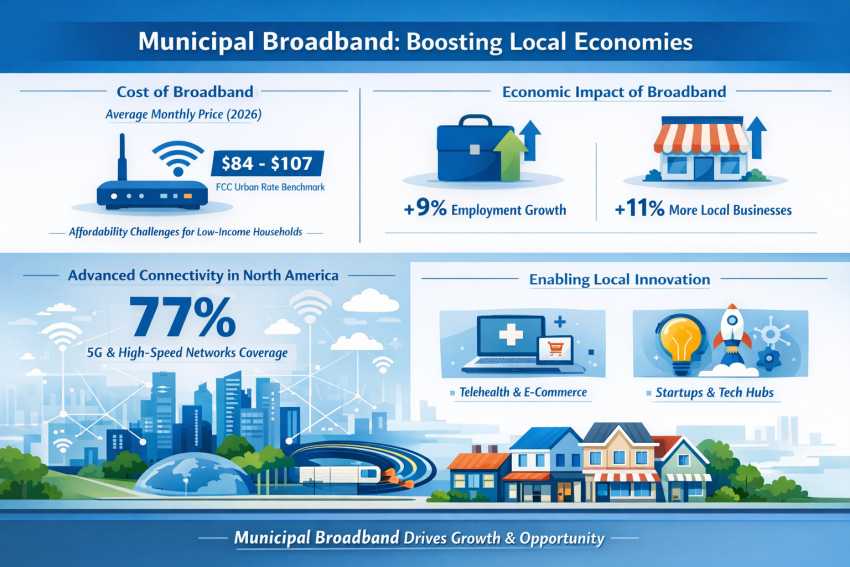
How U.S. Cities Are Turning Data and Infrastructure into Billion-Dollar Opportunities