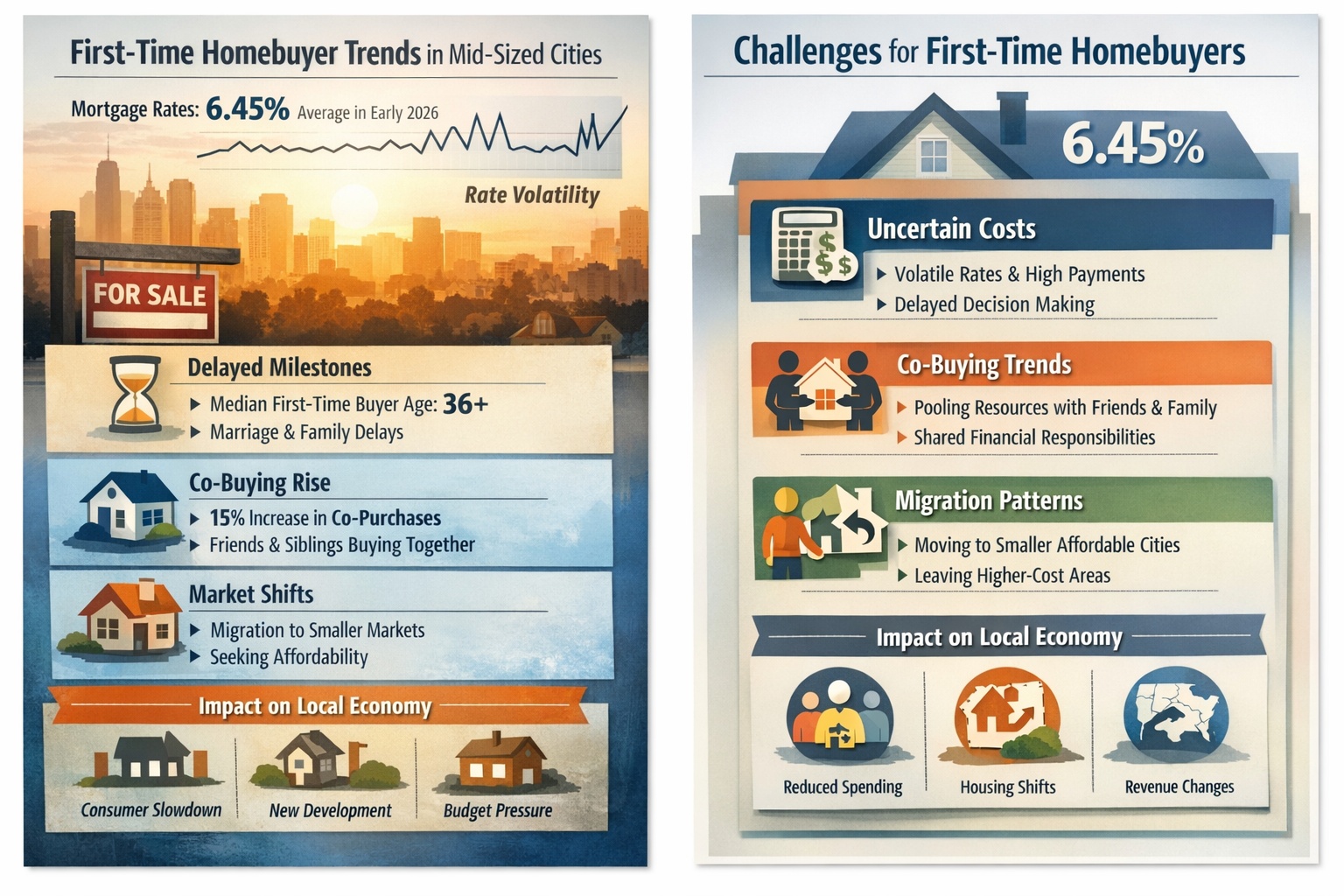

Fraud, Delays, and High Fees—Gone: The Underrated Fintech Shift Reshaping U.S. Local Economies
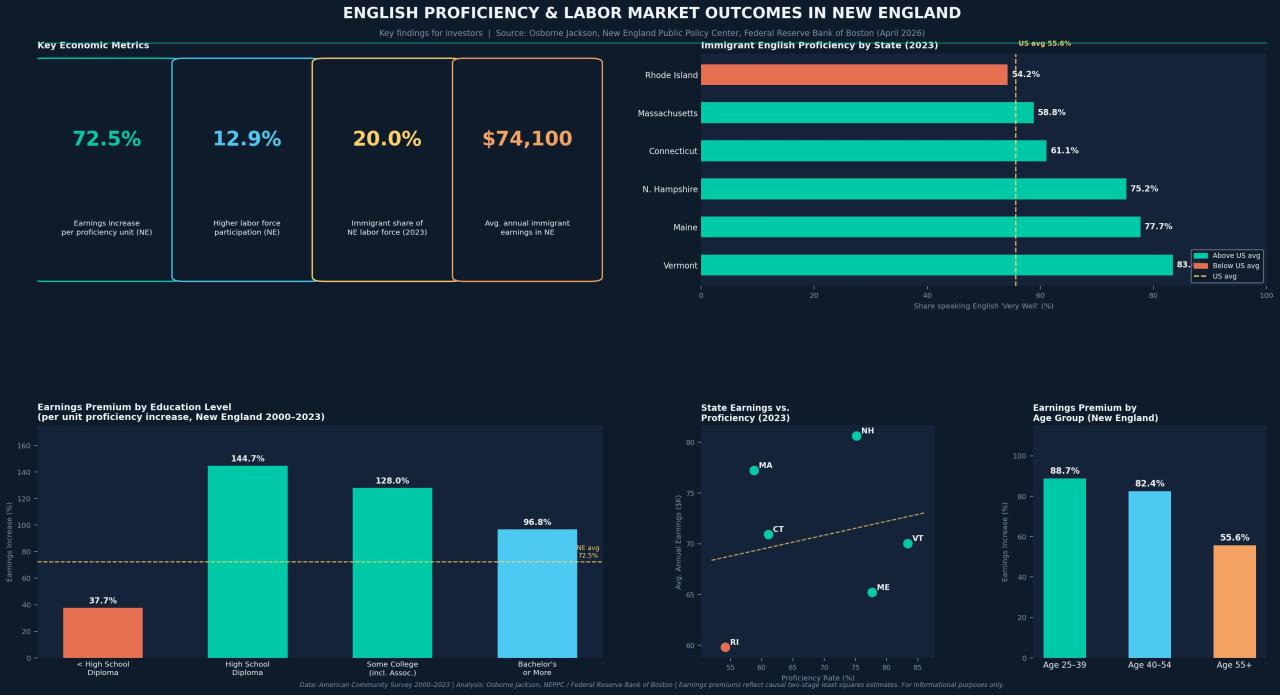
From Rhode Island to Vermont: The Proficiency Gap That's Quietly Dividing New England's Workforce
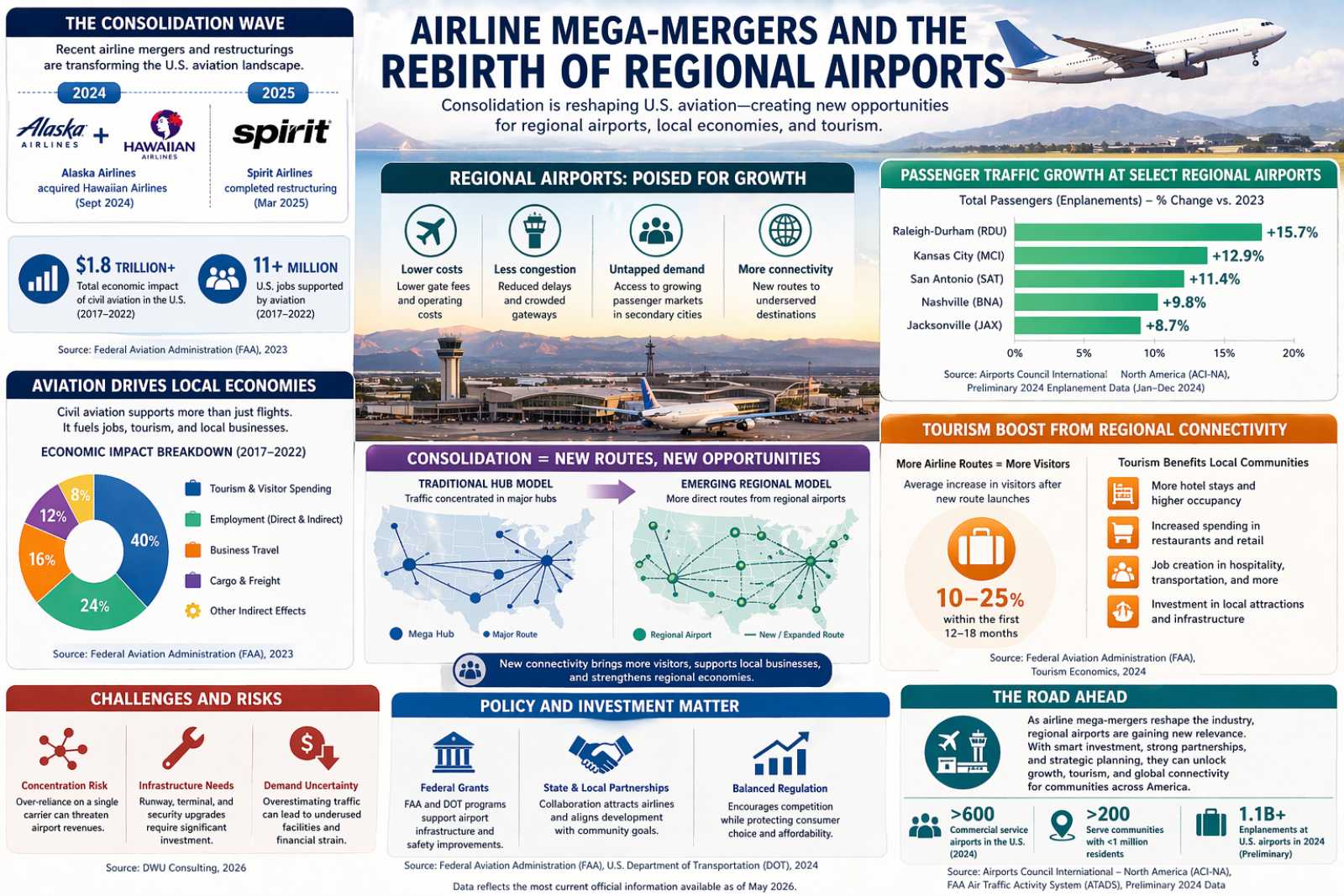
Regional Airports Poised for Growth Amid Airline Shakeups
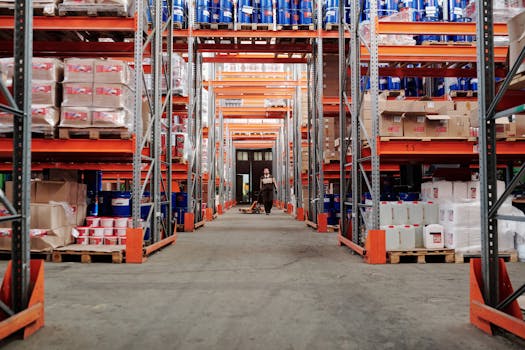
From Fuel Shock to Factory Revival: The Surprising Rise of Hyper-Local Supply Chains in the U.S.
Fundamentals for Dow Inc.



Business Operations:
Sector: Basic MaterialsIndustry: Chemicals
Dow Inc., through its subsidiaries, provides various materials science solutions for packaging, infrastructure, mobility, and consumer applications in the United States, Canada, Europe, the Middle East, Africa, India, the Asia Pacific, and Latin America. The company operates through Packaging & Specialty Plastics, Industrial Intermediates & Infrastructure, and Performance Materials & Coatings segments. The Packaging & Specialty Plastics segment provides ethylene, propylene, polyethylene, and aromatics products; and other ethylene derivatives, such as polyolefin elastomers, ethylene vinyl acetate, and ethylene propylene diene monomer rubber. The Industrial Intermediates & Infrastructure segment offers polyurethanes, including propylene oxide, propylene glycol, and polyether polyols; aromatic isocyanates and fully formulated polyurethane systems; and chlor-alkali and vinyl comprising chlorine and caustic soda, ethylene dichloride, and vinyl chloride monomer; and construction chemicals consisting of cellulose ethers, redispersible latex powders, and acrylic emulsions, as well as coatings, adhesives, sealants, elastomers, and composites. The Performance Materials & Coatings segment provides architectural paints and coatings, and industrial coatings; and acrylics-based building blocks, silicon metals, siloxanes, and intermediates. The company also engages in the property and casualty insurance, as well as reinsurance business. The company was founded in 1897 and is headquartered in Midland, Michigan.
Revenue projections:
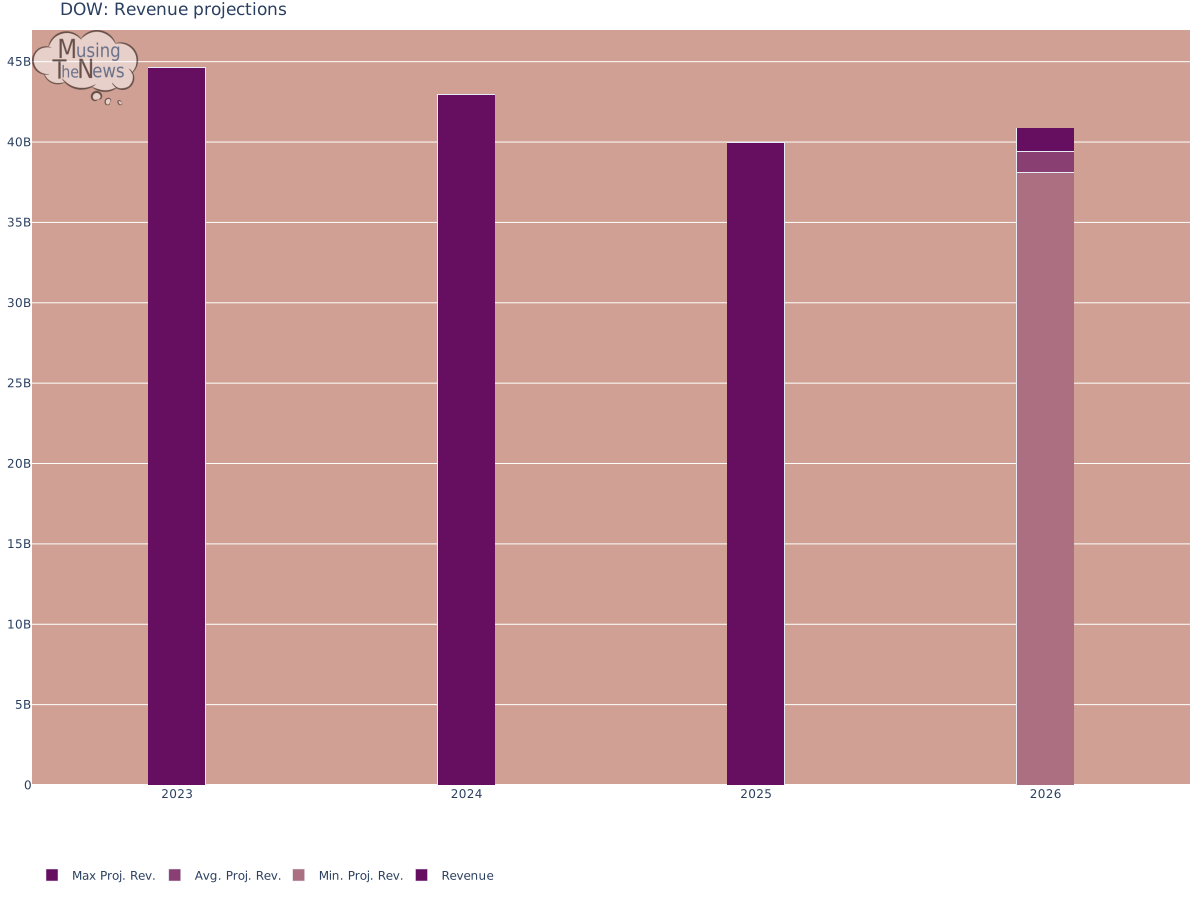
DOW's revenue is forecasted to dip below last year's figures, raising concerns for investors who are typically wary of declining financial performance. Such drops can directly affect the company's bottom line, potentially leading to a decrease in overall profitability, making investors more cautious in their decisions.
Financial Ratios:
| currentRatio | 1.967000 |
|---|---|
| forwardPE | 23.252052 |
| debtToEquity | 111.871000 |
| earningsGrowth | 0.000000 |
| revenueGrowth | -0.091000 |
| grossMargins | 0.062320 |
| operatingMargins | -0.031400 |
| trailingEps | -3.700000 |
| forwardEps | 1.669100 |
DOW's current ratio of 1.967 means the company has enough liquidity to meet its short-term debt obligations. With sufficient cash reserves and current assets, DOW can comfortably cover its liabilities, reflecting a strong financial outlook.
Dow Inc.'s Forward PE is in a favorable range, suggesting the stock is reasonably priced relative to its earnings. This indicates the stock is not overpriced, providing room for potential growth and making it an attractive option for investors looking for solid value and future upside.
Dow Inc.'s high debt-to-equity ratio suggests a heavily leveraged capital structure. The company relies on debt to fund operations, which could heighten financial risks, particularly if economic conditions deteriorate or profitability declines.
Dow Inc.'s low earnings and revenue growth suggest that the company may face shrinking profits. This could indicate underlying financial challenges, making it difficult for Dow Inc. to sustain its current profitability.
Price projections:
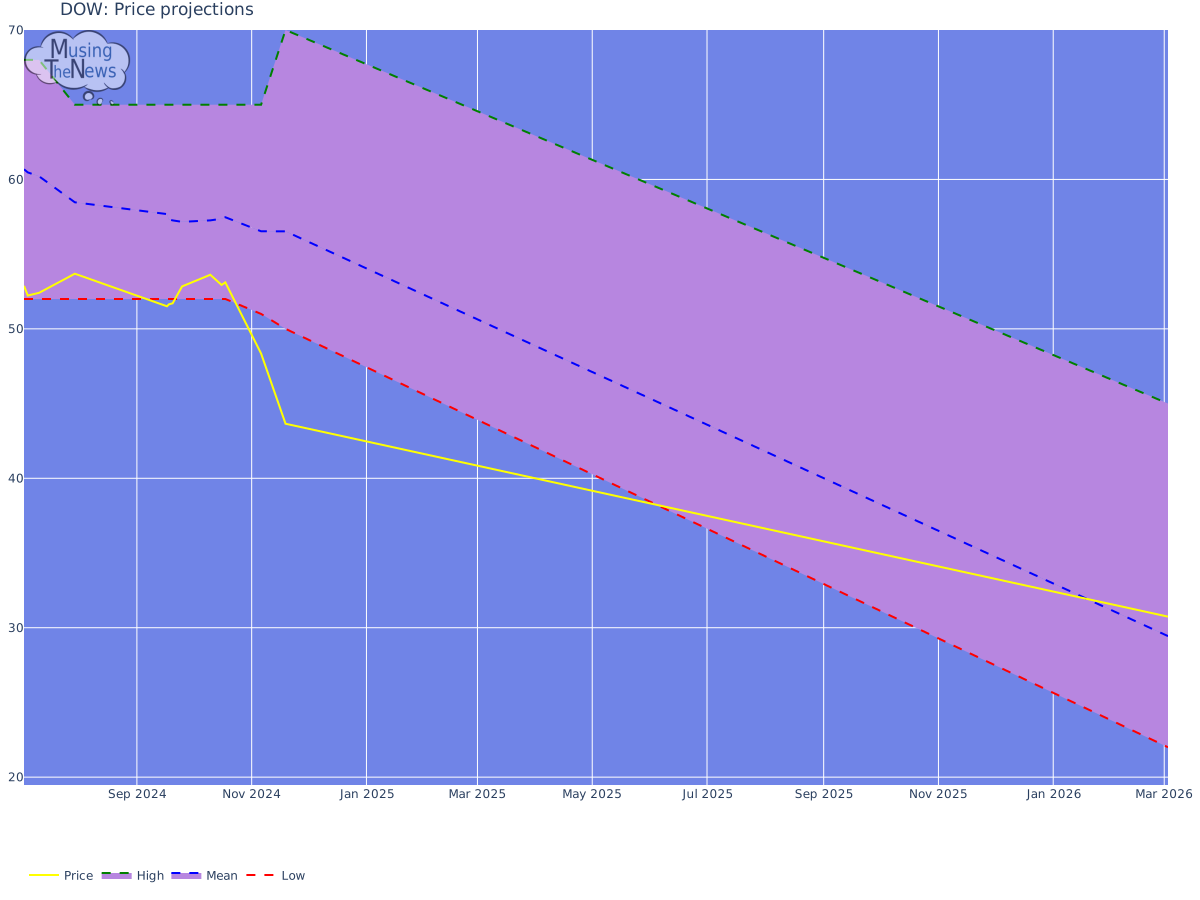
Over time, DOW's price projections have steadily declined, reflecting reduced confidence in the company's future performance. The downward revisions suggest analysts are becoming more conservative in their assessments.
Recommendation changes over time:
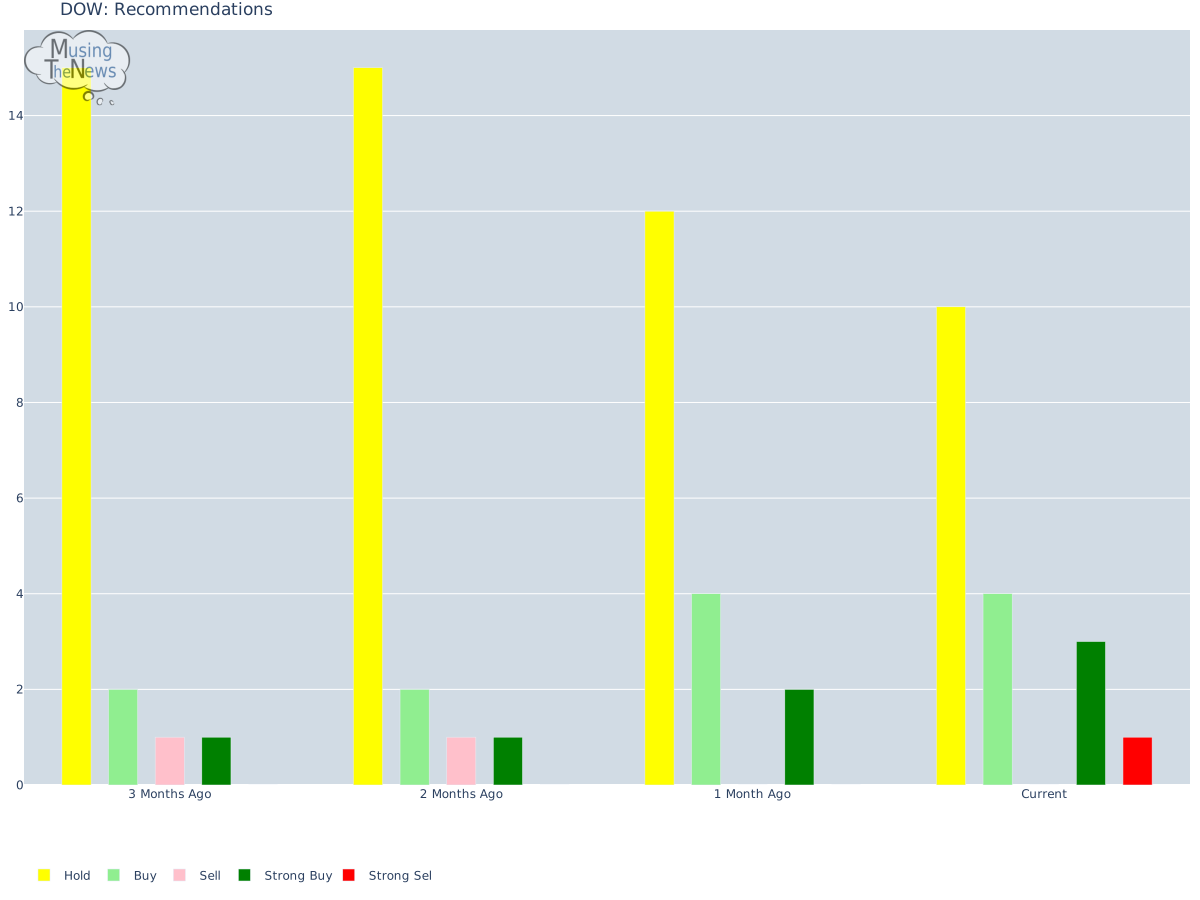
Analysts have shown a buy bias for DOW, marking it as a favorable investment option. This could inspire investors to see DOW as a strong place to park their money, given the positive outlook and growth potential associated with the stock in recent evaluations.
DISCLAIMER: We provide information and our musings based on events, but nothing on this site can be considered professional advice of any kind.
If you have enjoyed reading, spread the word:
Good prospects:
Companies with the best and the worst technicals.
Latest Regulatory Filings for SP5
Companies with the best and the worst fundamentals.

AI Data Centers Transform Small-Town USA: Jobs, Taxes, and Tech Ecosystems Explode
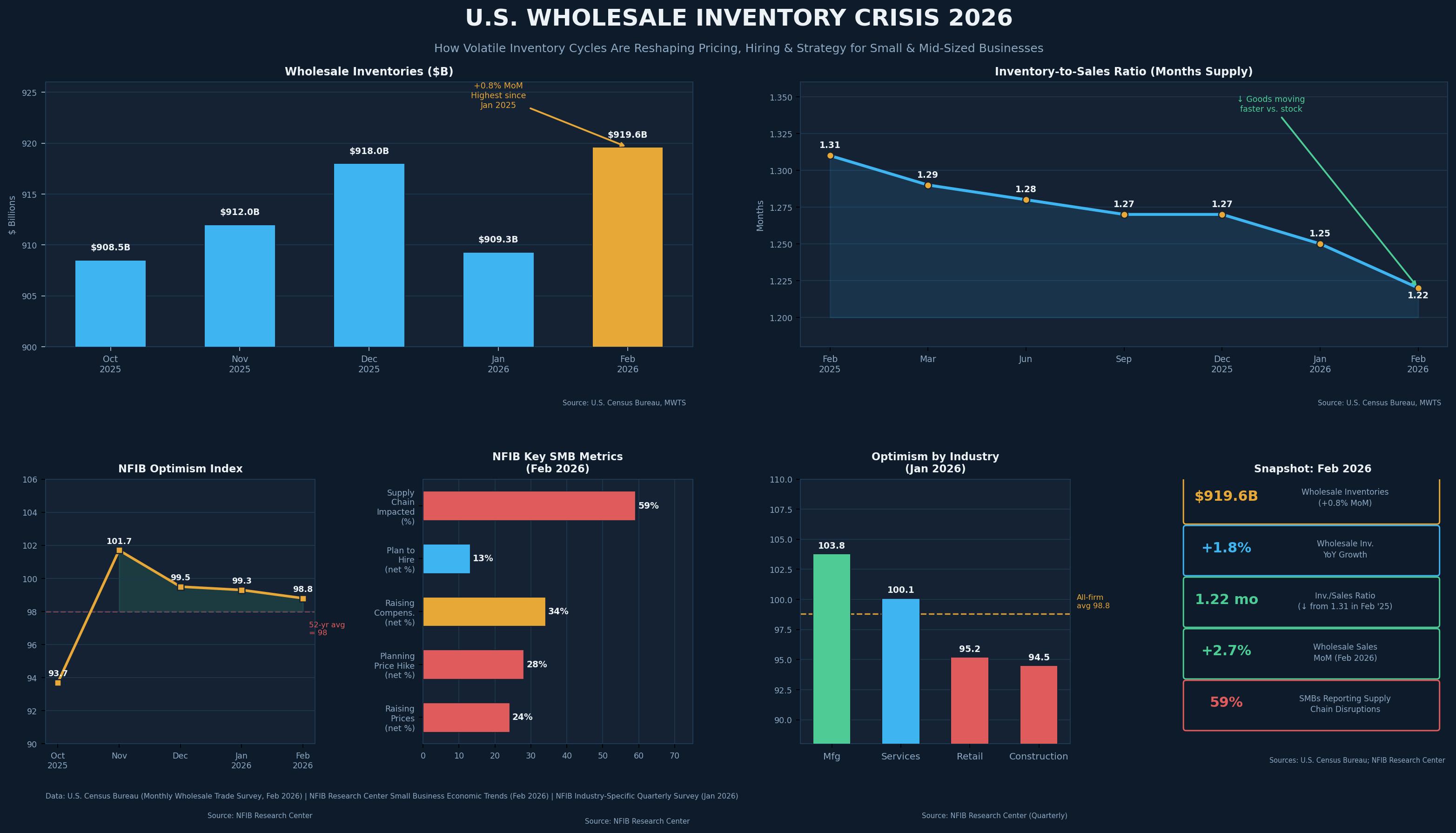
The $919 Billion Warning: What the Wholesale Inventory Explosion Really Means for Main Street
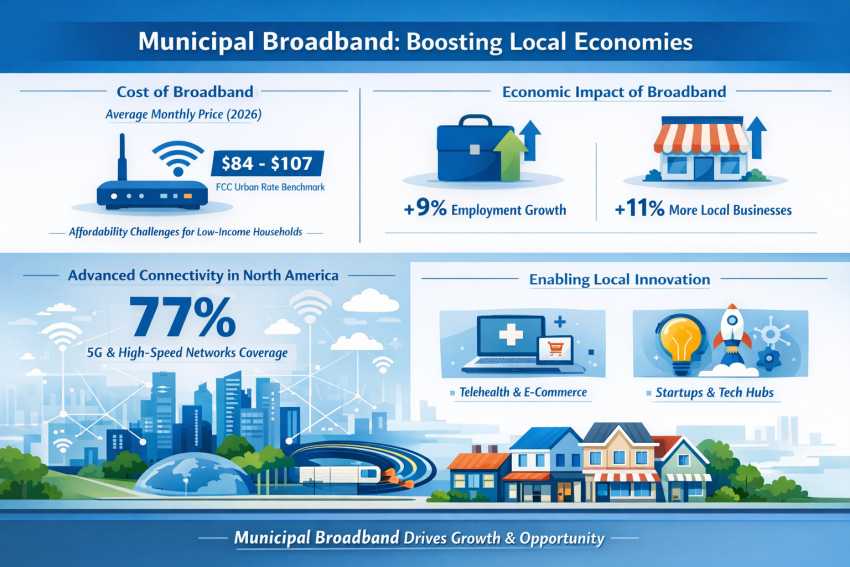
How U.S. Cities Are Turning Data and Infrastructure into Billion-Dollar Opportunities