More about Digital Realty Trust, Inc.
Regulatory Filings for Digital Realty Trust, Inc.
Fundamentals for Digital Realty Trust, Inc.

Fraud, Delays, and High Fees—Gone: The Underrated Fintech Shift Reshaping U.S. Local Economies
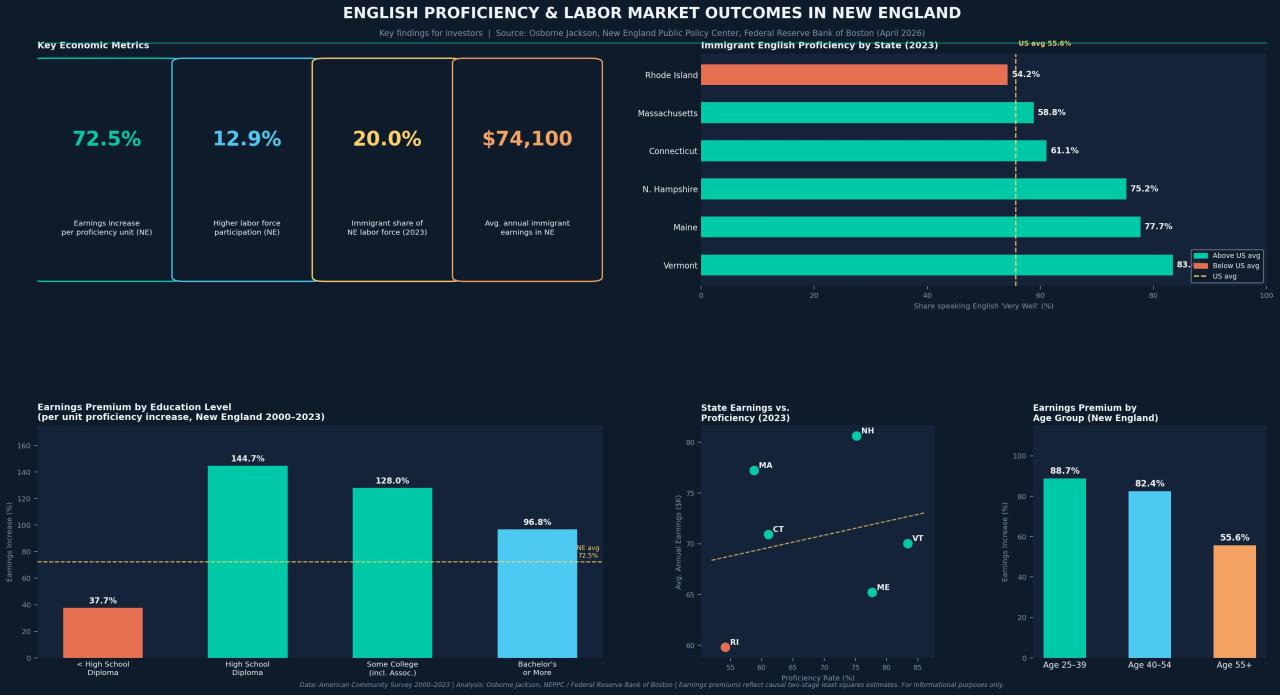
From Rhode Island to Vermont: The Proficiency Gap That's Quietly Dividing New England's Workforce

Regional Airports Poised for Growth Amid Airline Shakeups

From Fuel Shock to Factory Revival: The Surprising Rise of Hyper-Local Supply Chains in the U.S.
Technicals for Digital Realty Trust, Inc.



Price Summary
Digital Realty Trust, Inc.'s stock opened at 201.93 on 2026-04-24, surged to a high of 208.14, hit a low of 199.35, and closed up -0.96% at 200.0, with 4501877 shares traded.The highest price the stock achieved in the past 52 weeks is 203.91, while the lowest price it saw is 147.93.
30 analysts estimate that the future price of DLR will fall between 170.0 and 225.0, with an average price expectation of approximately 201.7.
Technicals
Support and Resistance: The current price of 200.0 is supported at 177.48, with resistance at 201.27. This suggests that the price for DLR might remain between these levels, where 177.48 acts as a floor and 201.27 as a ceiling in the market.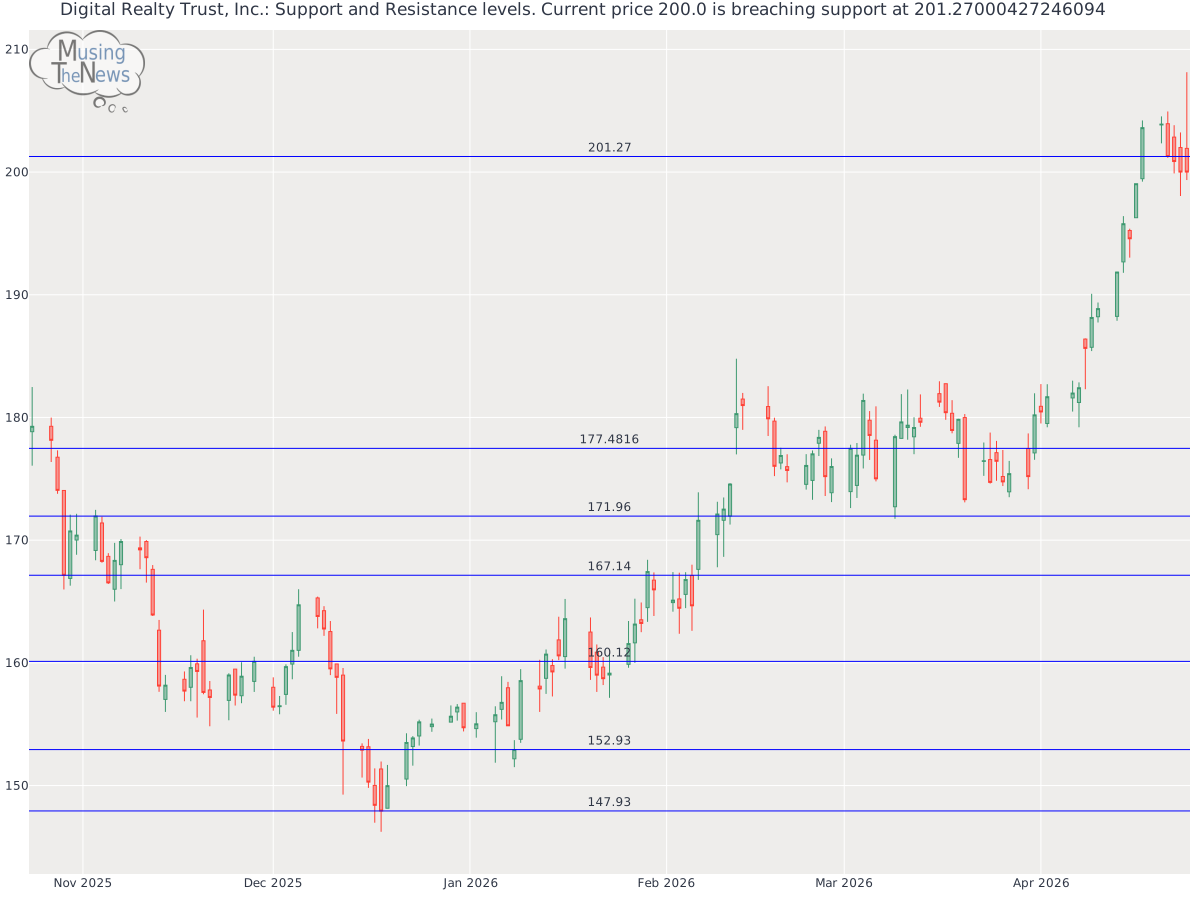
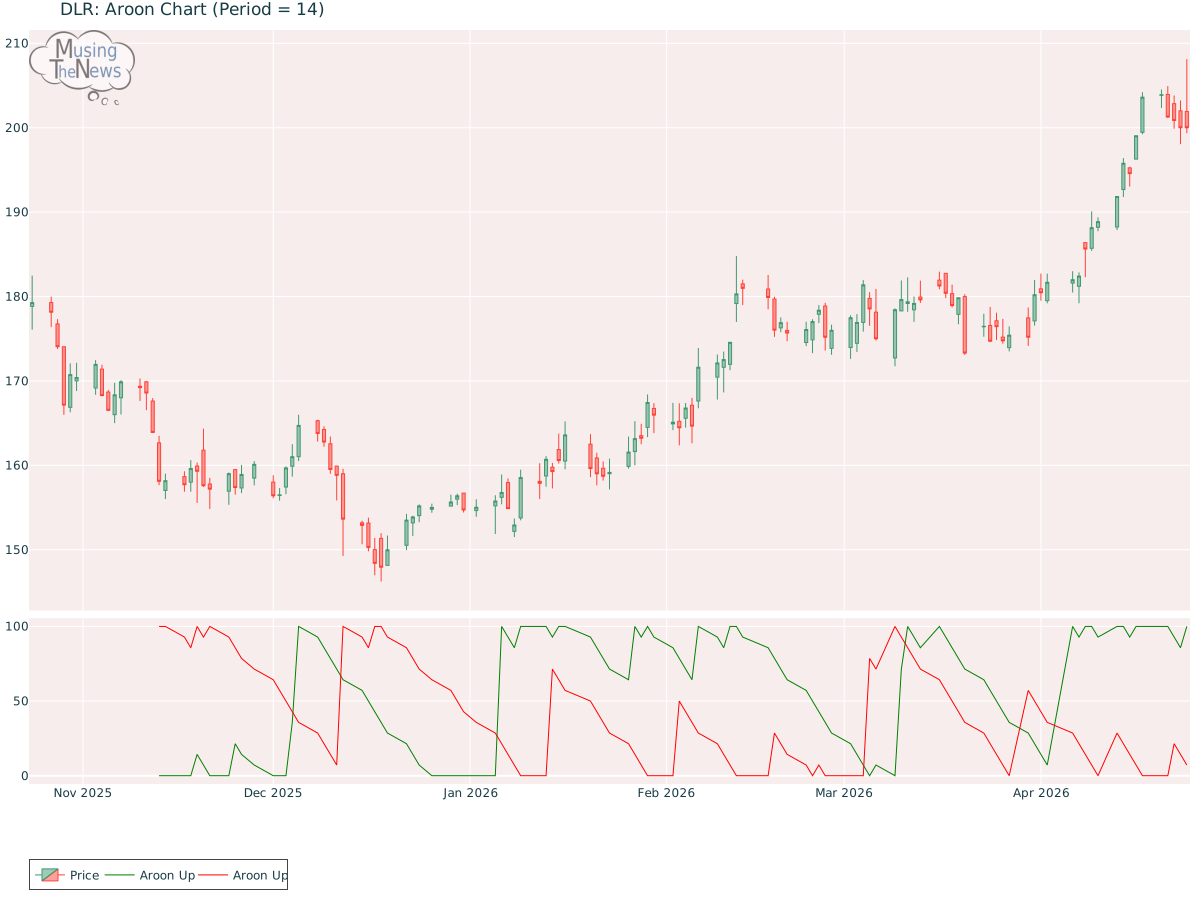
Aroon: Aroon's bullish trend persists, with Aroon Up staying at the 100 level. This indicates strong market momentum, but further analysis using additional indicators is necessary to determine the trend's sustainability and future direction.
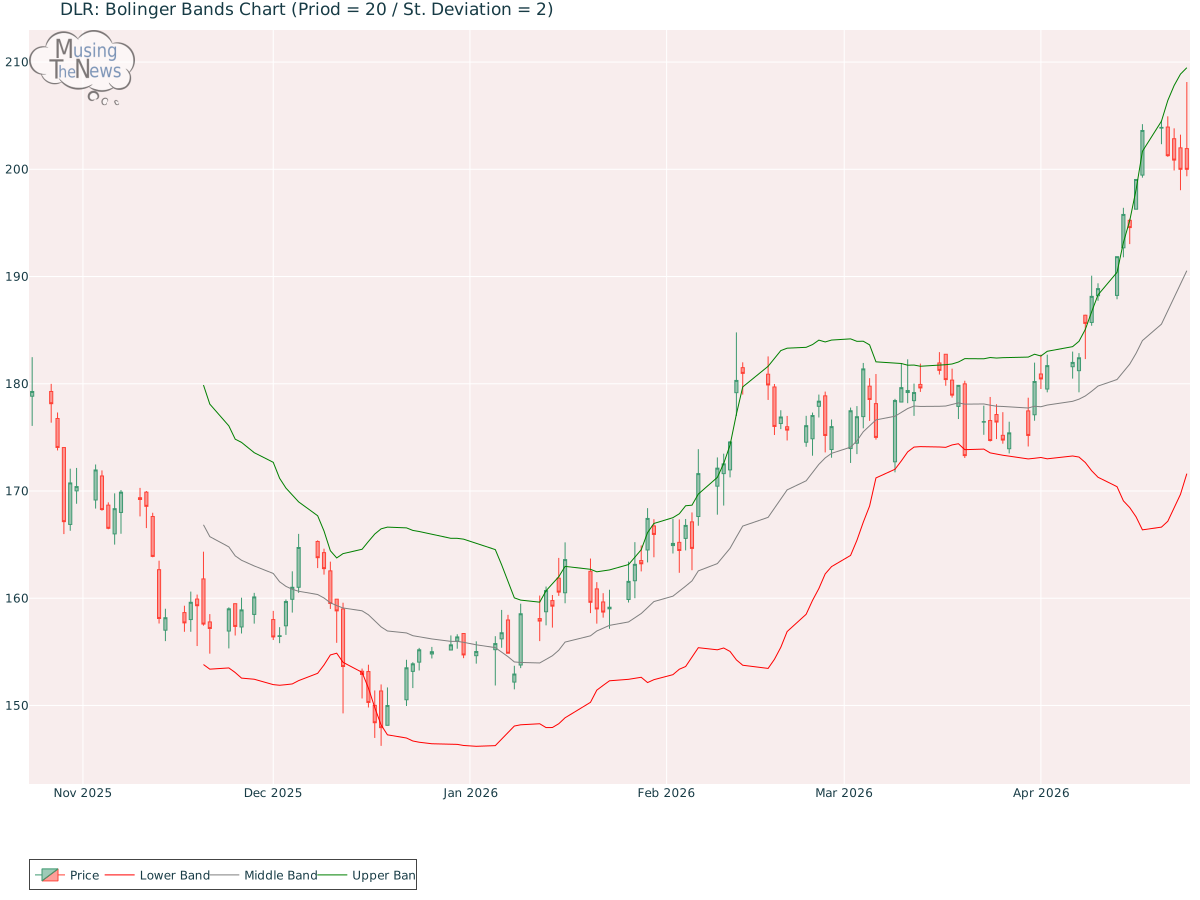
Bol. Bands: The BOLL BANDS is showing a neutral reading, with no clear direction indicated for upward or downward movement. This neutral position suggests a possible period of consolidation.
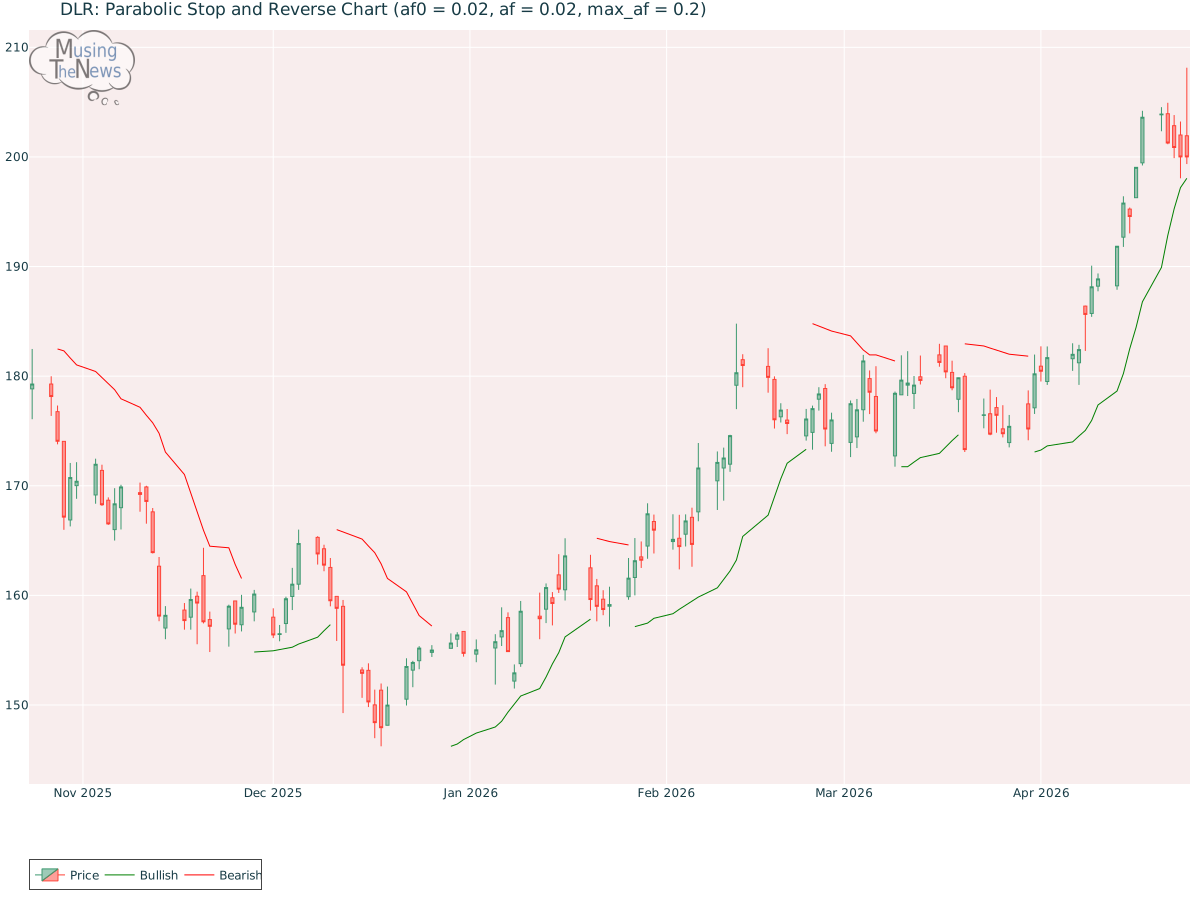
Parabolic SAR: The PSAR for DLR continues to be bullish, establishing a crucial support level that may help maintain the current upward trend. This level of support suggests that the market is poised to continue its positive trajectory, offering a foundation for further growth.
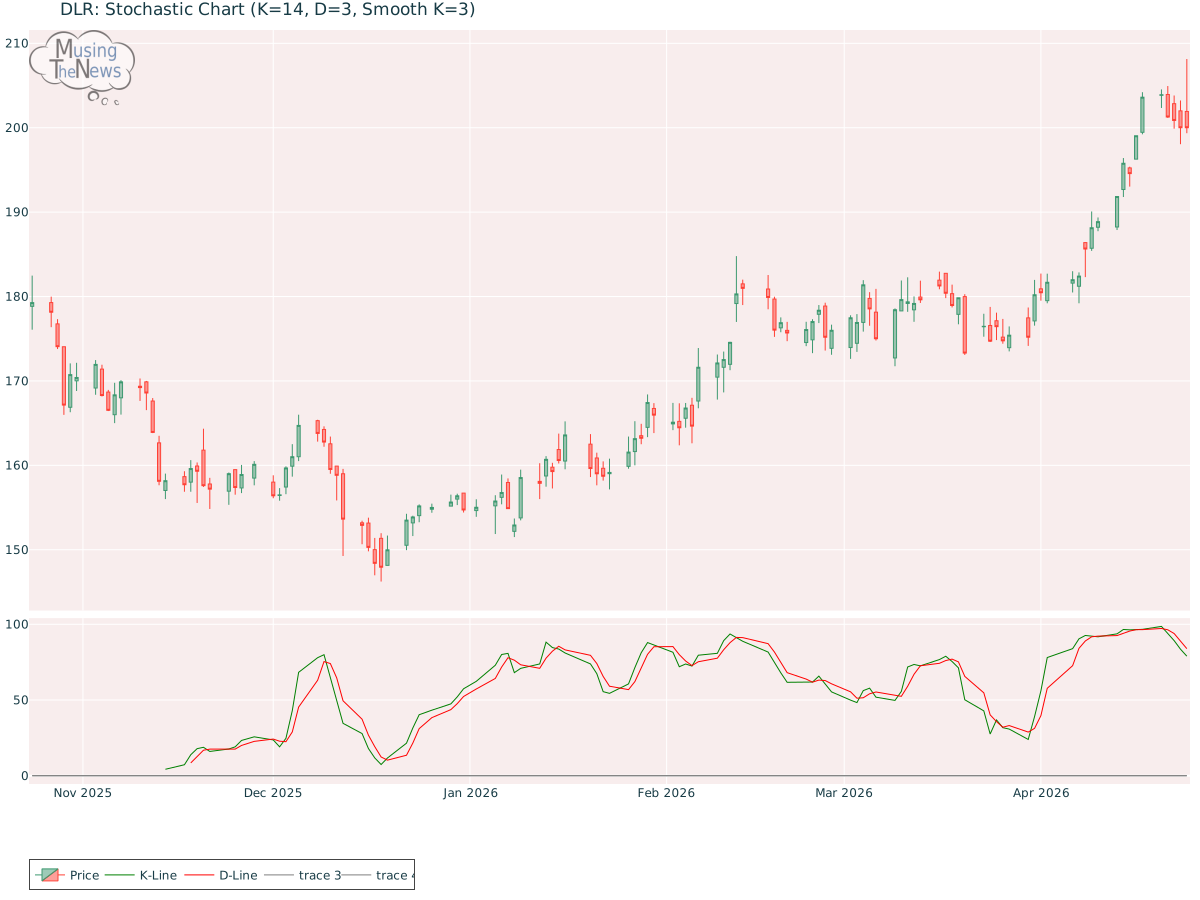
Stochastic: The STOCHASTIC is currently in a neutral position for Digital Realty Trust, Inc., offering no clear guidance on whether the market is likely to move up or down. This neutral stance suggests that further observation may be necessary before a trend becomes apparent.
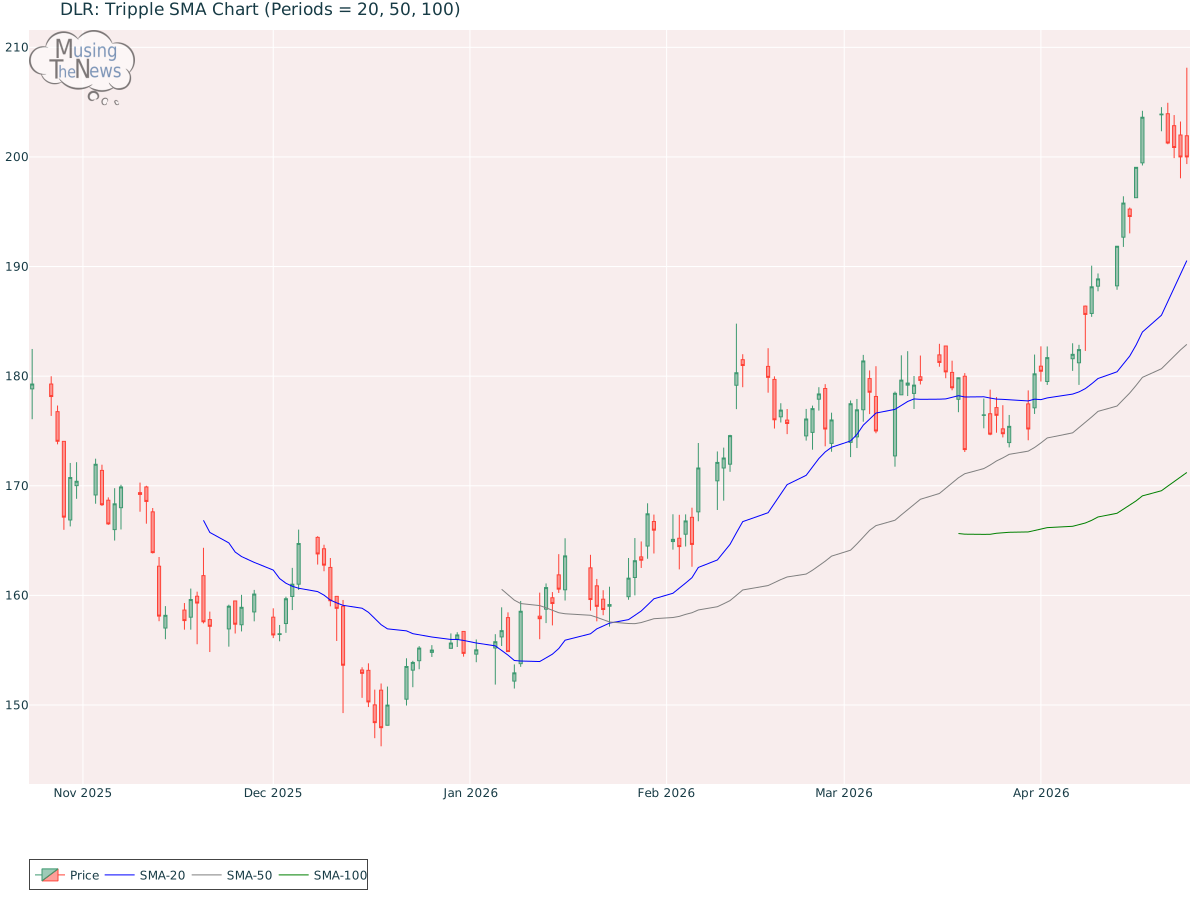
Tripple Moving Agerage: The alignment of the 20, 50, and 100 moving averages suggests a bearish trend, but the wavering slopes of the 20 and 50 SMAs hint at a potential shift. This weakening momentum could indicate that the bearish trend is running out of steam, possibly leading to a bullish reversal in the near future. Investors should be aware of the possibility of a market turnaround as the current downtrend begins to falter.
Before focusing on a company's technical data, such as stock price movements, it's essential to analyze its fundamentals. These include factors like profitability, cash flow, and debt management. Additionally, considering the broader industry landscape—including market trends, competition, and regulatory changes—offers deeper insights. This comprehensive approach allows for a more meaningful interpretation of the company's technical indicators, providing a clearer picture of its financial health and future prospects.
DISCLAIMER: We provide information and our musings based on events, but nothing on this site can be considered professional advice of any kind.
If you have enjoyed reading, spread the word:
Good prospects:
Companies with the best and the worst technicals.
Latest Regulatory Filings for SP5
Companies with the best and the worst fundamentals.

AI Data Centers Transform Small-Town USA: Jobs, Taxes, and Tech Ecosystems Explode
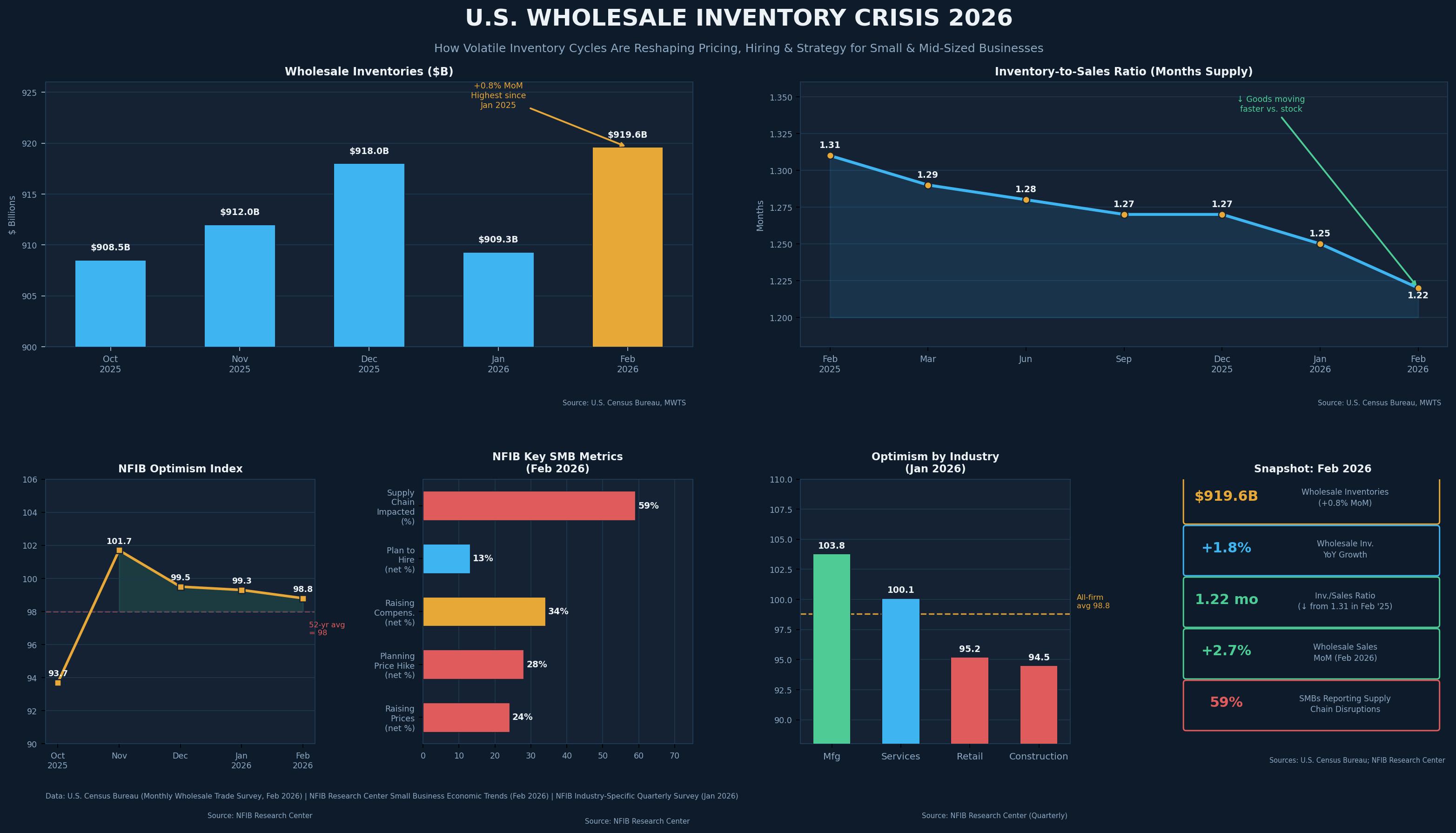
The $919 Billion Warning: What the Wholesale Inventory Explosion Really Means for Main Street

How U.S. Cities Are Turning Data and Infrastructure into Billion-Dollar Opportunities