
More about The Walt Disney Company
Regulatory Filings for The Walt Disney Company
Fundamentals for The Walt Disney Company
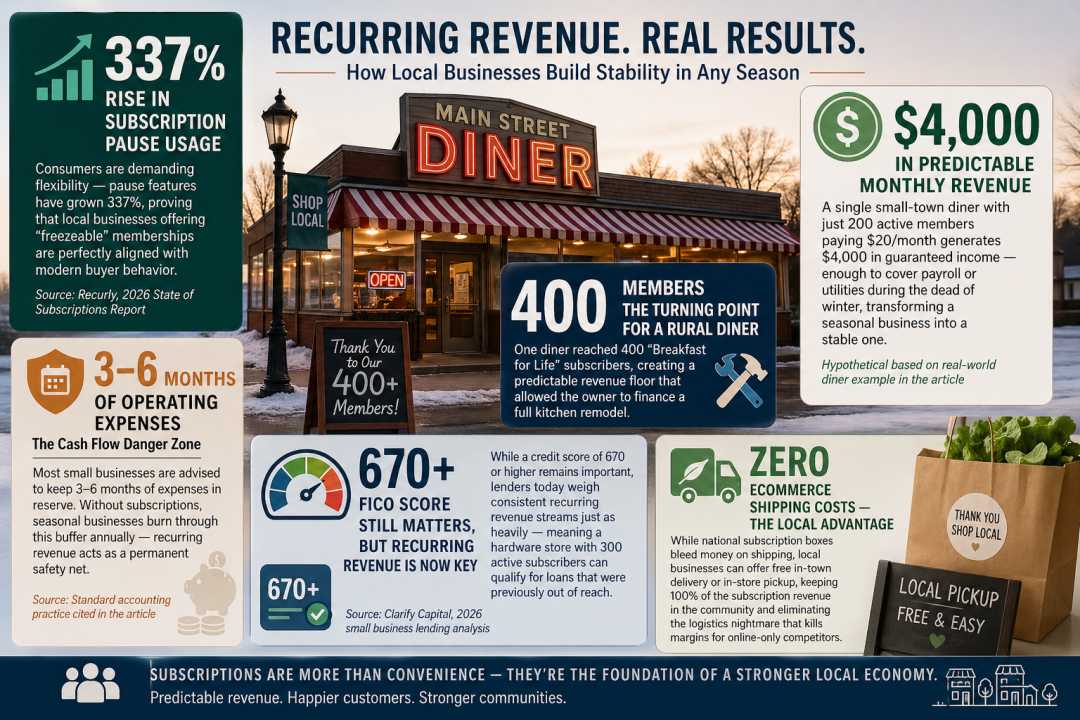
Breakfast for Life How Local Diners and Hardware Stores are Outsmarting Amazon
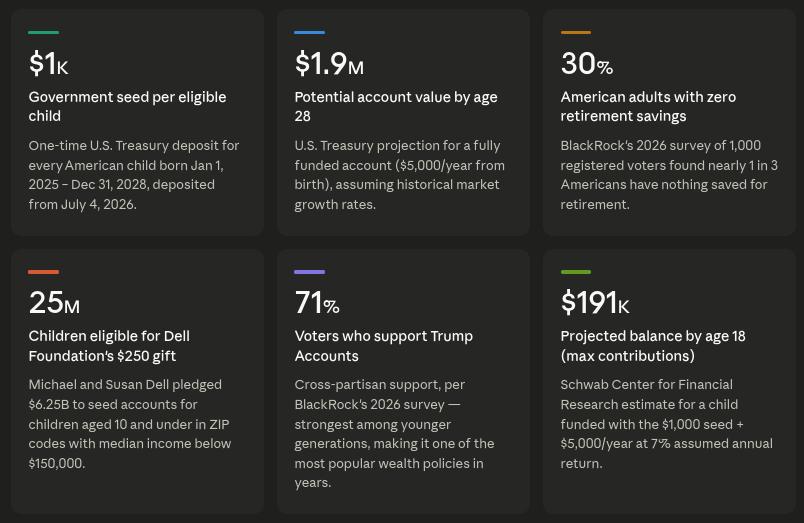
Before They Can Walk, They're Invested: How Trump Accounts Are Transforming Financial Culture
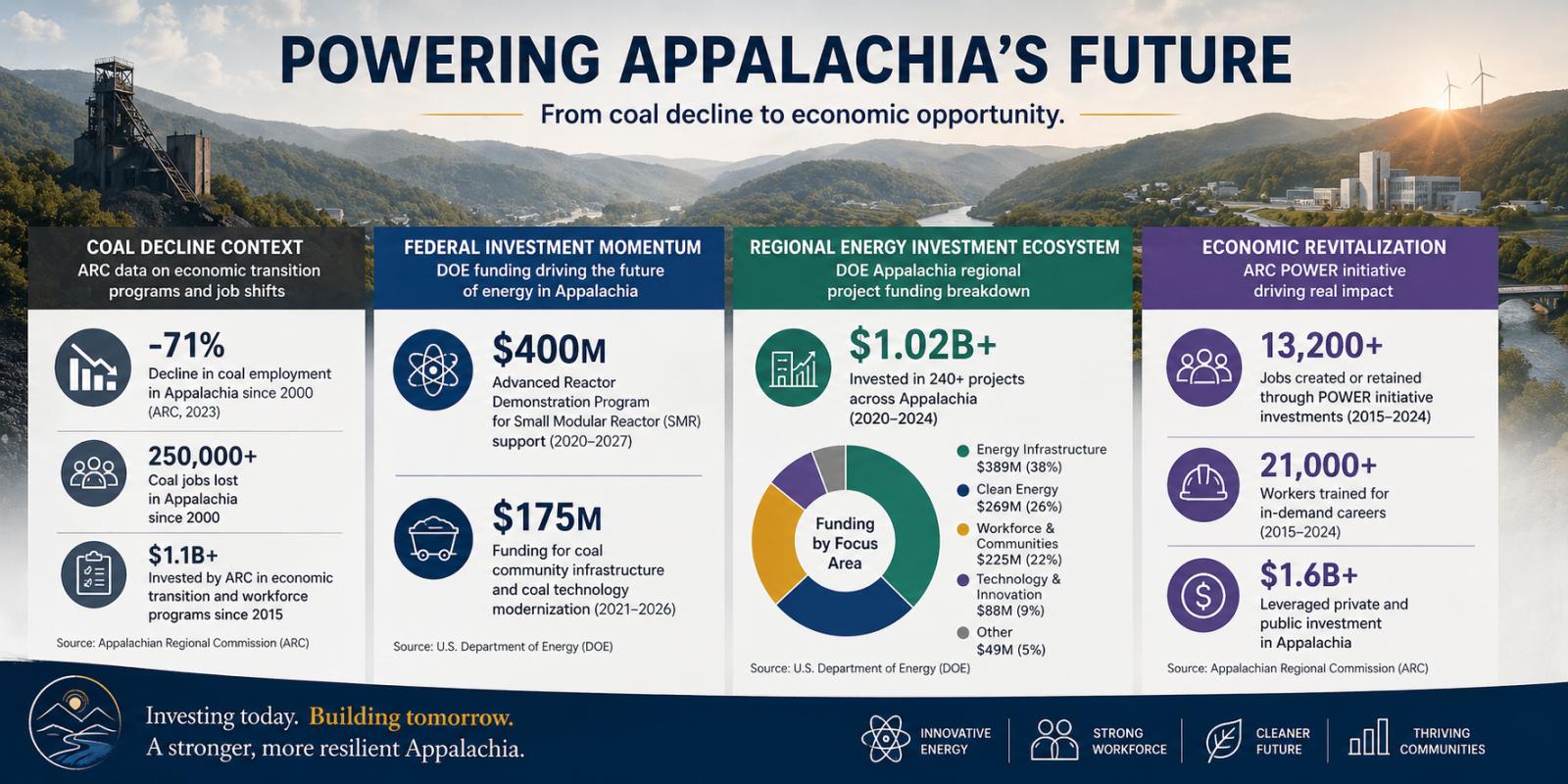
The Appalachian Energy Reboot: Inside the Unexpected Nuclear Startup Boom

Theatrical Finance: Credit Unions Use Drama to Attract Youth
Technicals for The Walt Disney Company



Price Summary
The Walt Disney Company's stock opened at 102.66 on 2026-04-28, surged to 103.29, hit a low of 100.61, and closed up -1.16% at 101.47, with 5373383 shares traded.Over the previous 52 weeks, the stock reached a high of 124.01 and a low of 90.81.
Based on recommendations from 29 analysts, the future price of DIS is expected to range from 77.0 to 160.0, with an average price expectation around 128.25172.
Technicals
Support and Resistance: The price for DIS is 101.47, with support at 96.56 and resistance at 101.66. This suggests a range where 96.56 acts as a base, preventing declines, and 101.66 caps gains, defining key trading levels.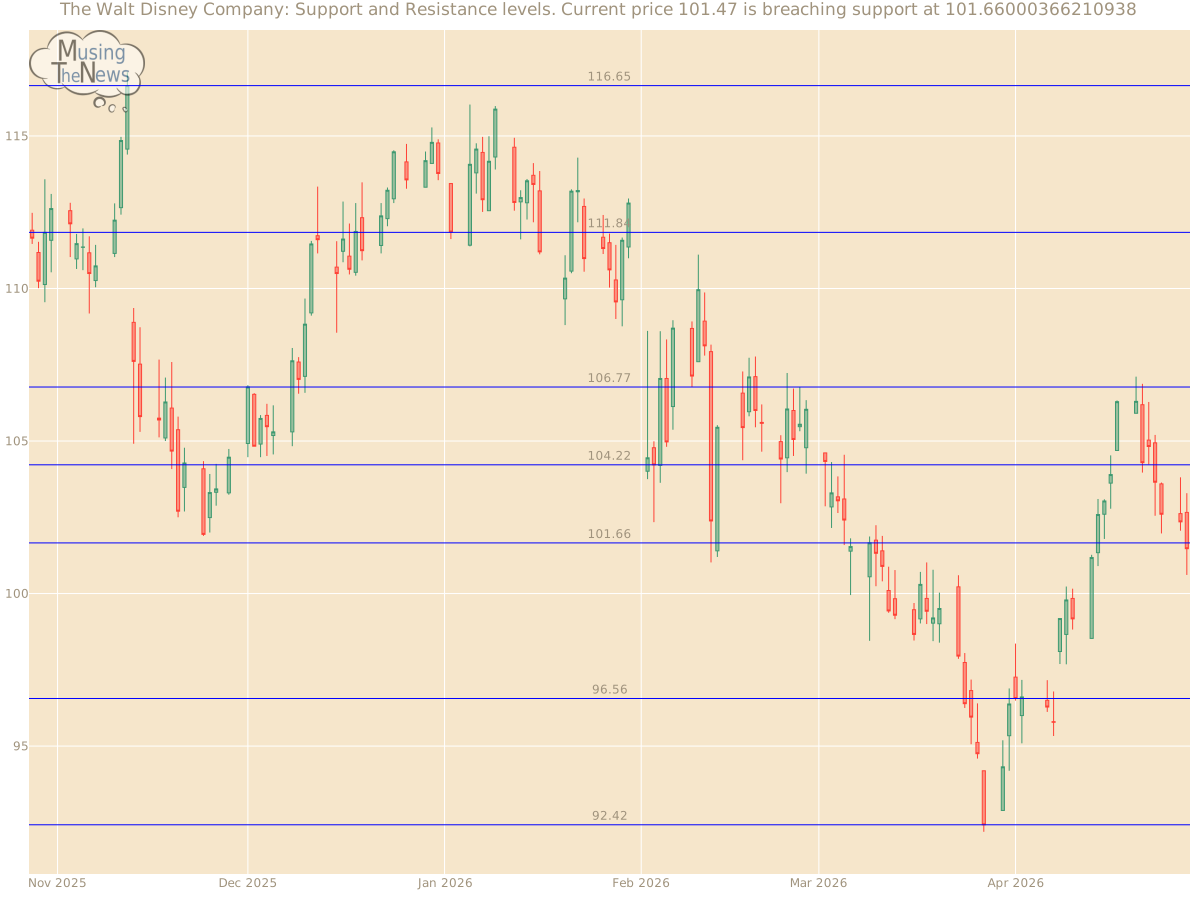
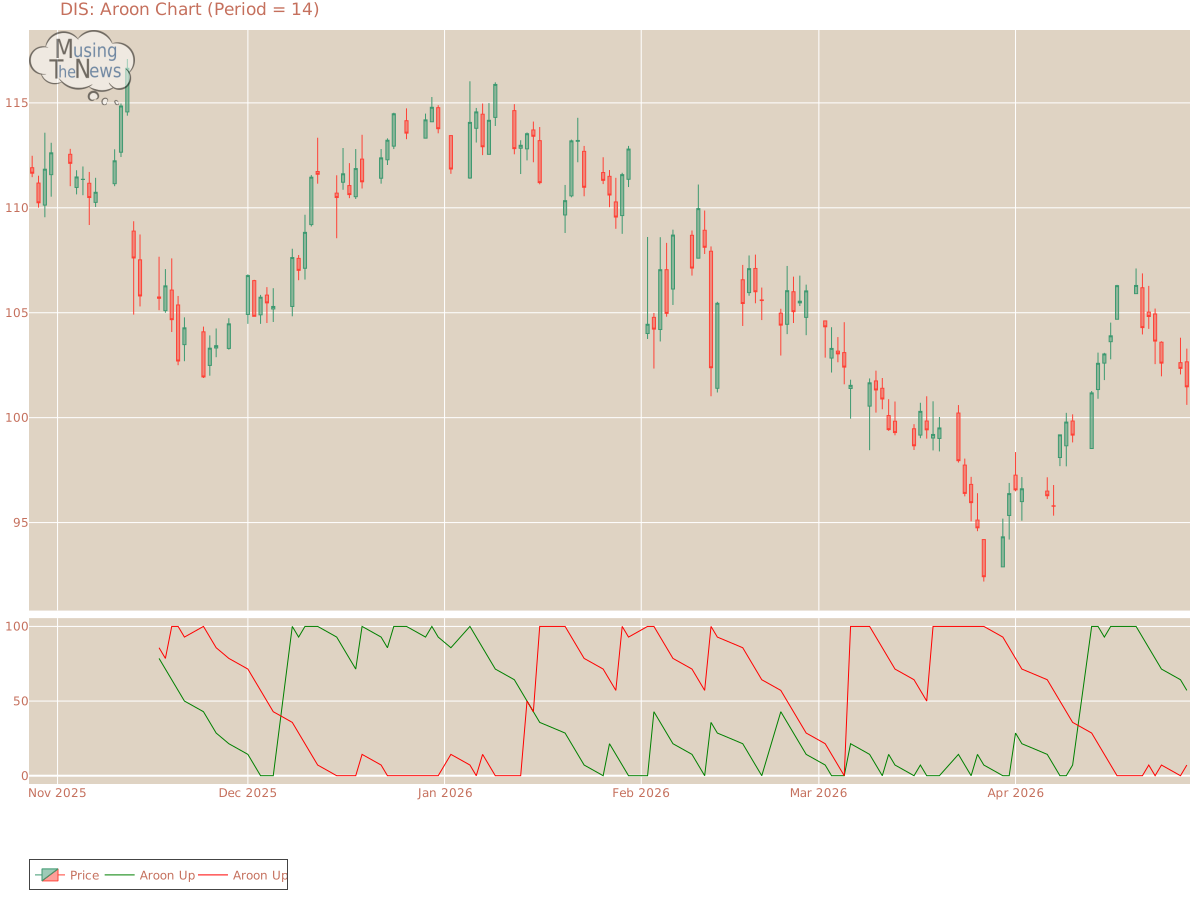
Aroon: The current state of the AROON is neutral, providing no clear signals for either an upward or downward movement. This indicates that the market may be in a state of equilibrium, with no strong momentum in either direction.
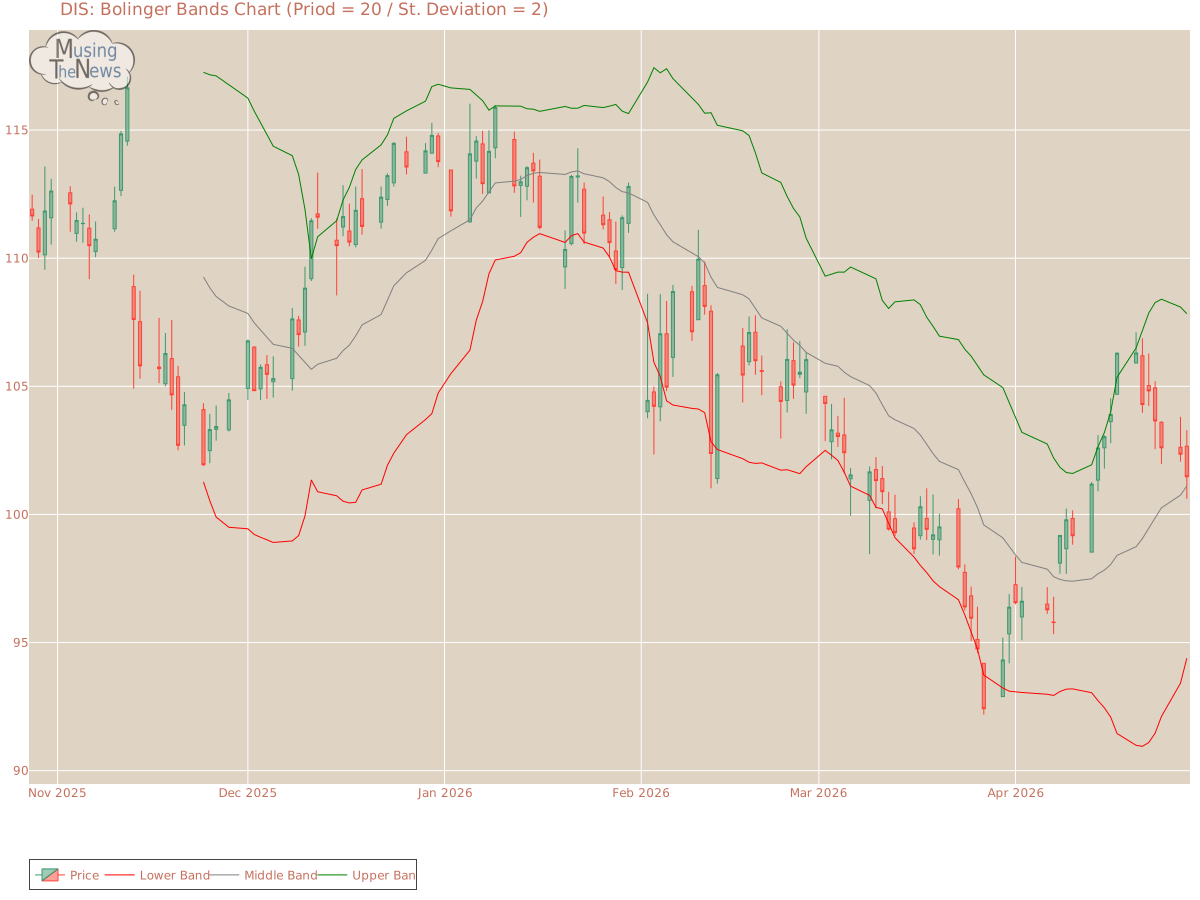
Bol. Bands: The BOLL BANDS is in a neutral stance, not pointing to a clear trend in either direction. This suggests that the market may be lacking strong momentum, making it difficult to predict the next move.
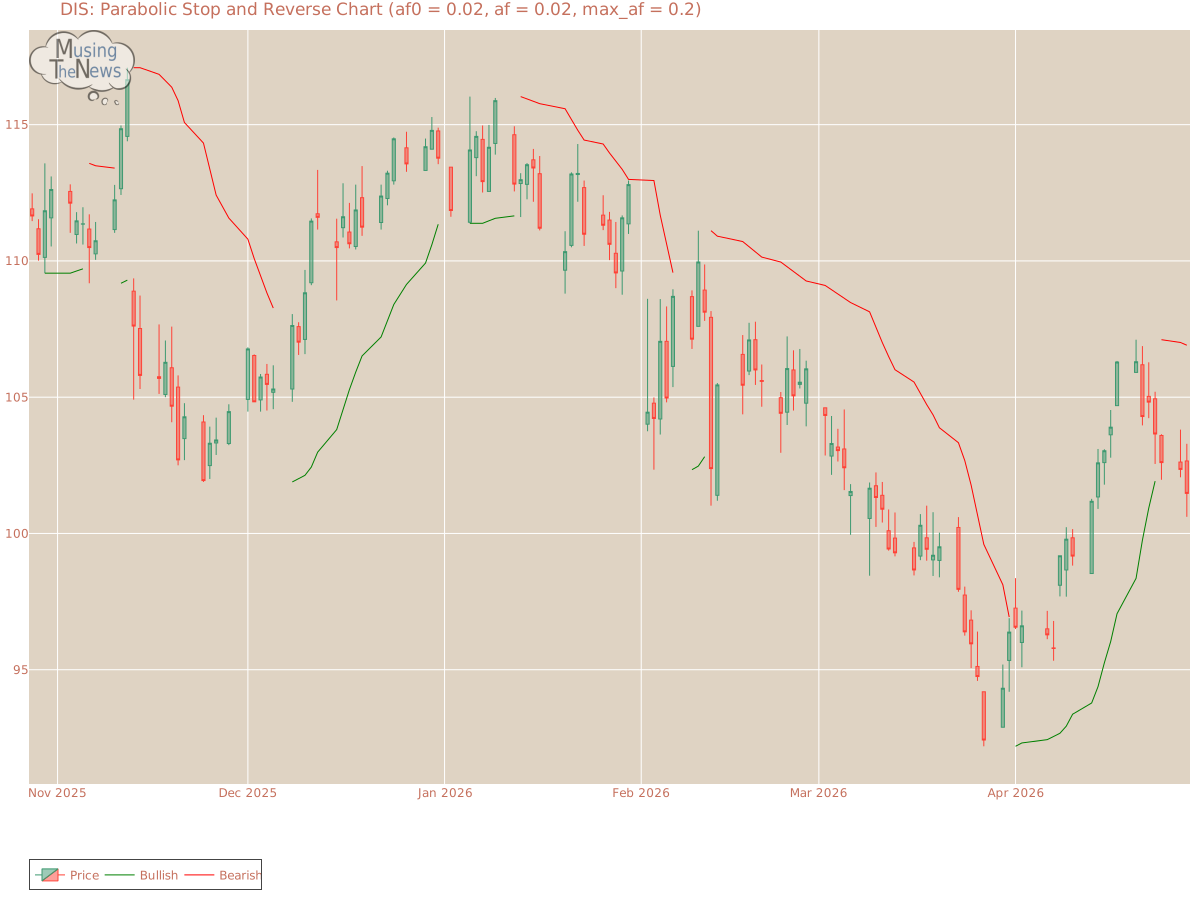
Parabolic SAR: The PSAR maintains its bearish outlook, setting a resistance level that could act as a ceiling for upward momentum. This ongoing bearish trend suggests that the market may struggle to overcome this resistance, keeping prices subdued.
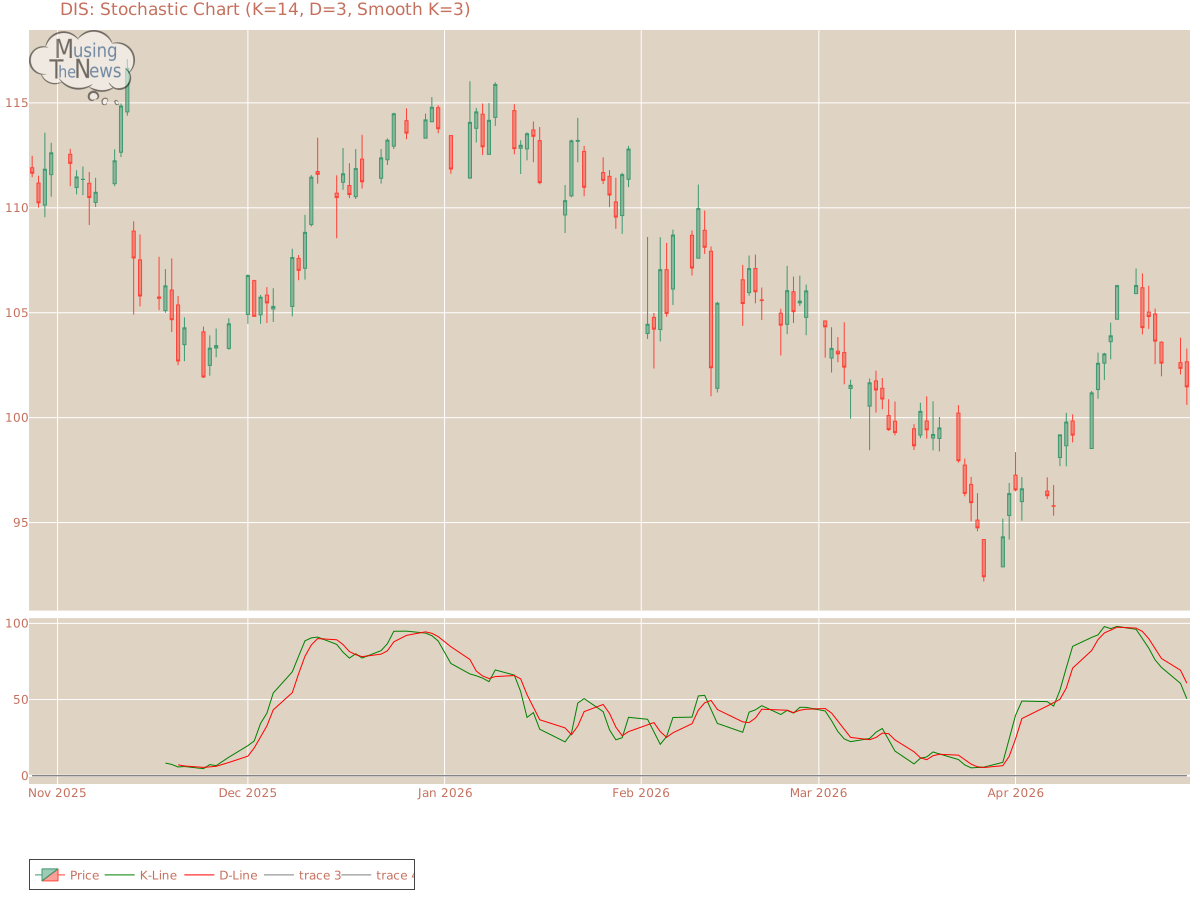
Stochastic: The STOCHASTIC is in a neutral stance, not pointing to a clear trend in either direction. This suggests that the market may be lacking strong momentum, making it difficult to predict the next move.
Tripple Moving Agerage: The current state of the Tripple MOVING AVG is neutral for DIS, providing no clear indication of a trend in either direction. This suggests that the market may be lacking momentum, making it difficult to predict future movements.
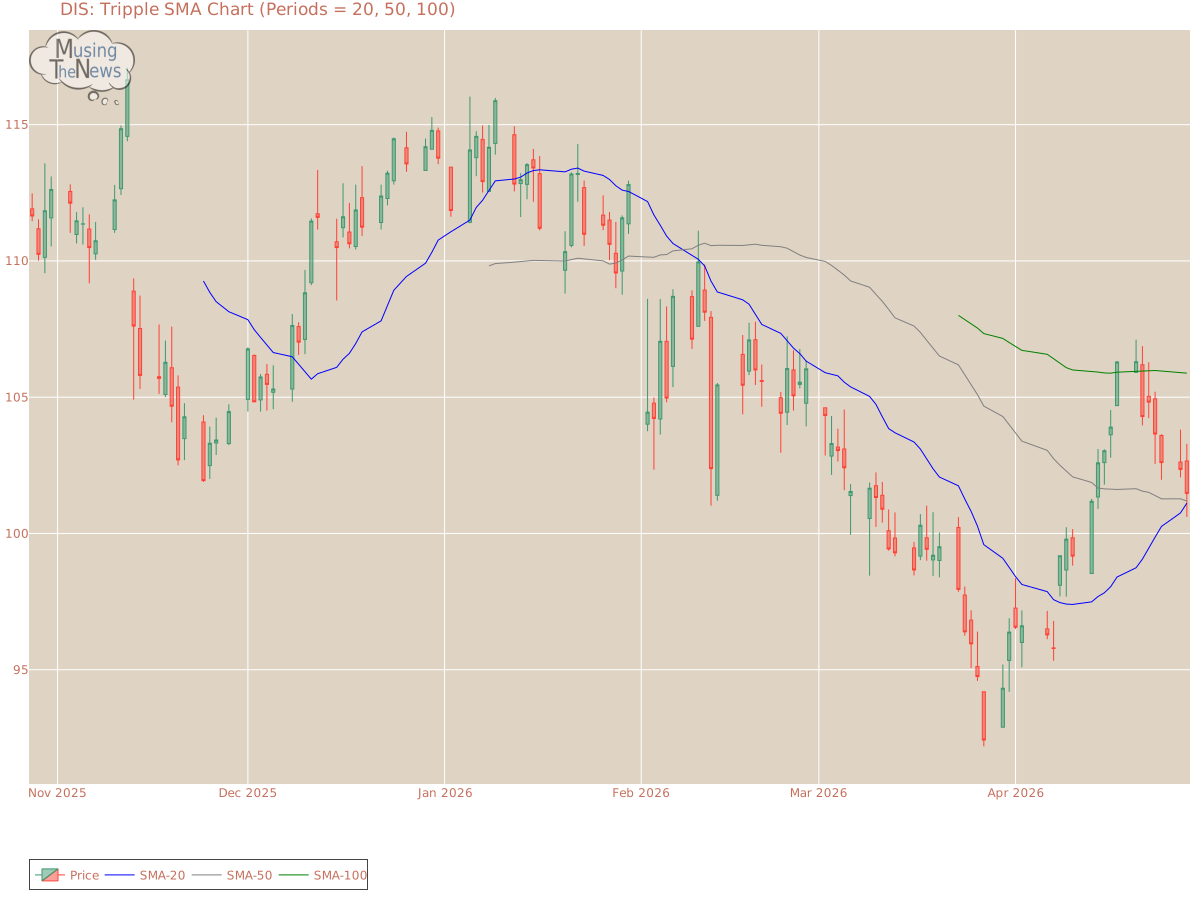
In order to draw meaningful inferences from a company's technical data, it is essential to first consider its fundamentals. This includes reviewing financial metrics like revenue, profit margins, and debt-to-equity ratios. Additionally, understanding the broader industry landscape, including market trends and competitive pressures, is crucial. By integrating these insights with the company's technical performance, such as stock price fluctuations and trading volume, one can make more informed investment decisions.
DISCLAIMER: We provide information and our musings based on events, but nothing on this site can be considered professional advice of any kind.
If you have enjoyed reading, spread the word:
Good prospects:
Companies with the best and the worst technicals.
Latest Regulatory Filings for SP5
Companies with the best and the worst fundamentals.

Fraud, Delays, and High Fees—Gone: The Underrated Fintech Shift Reshaping U.S. Local Economies
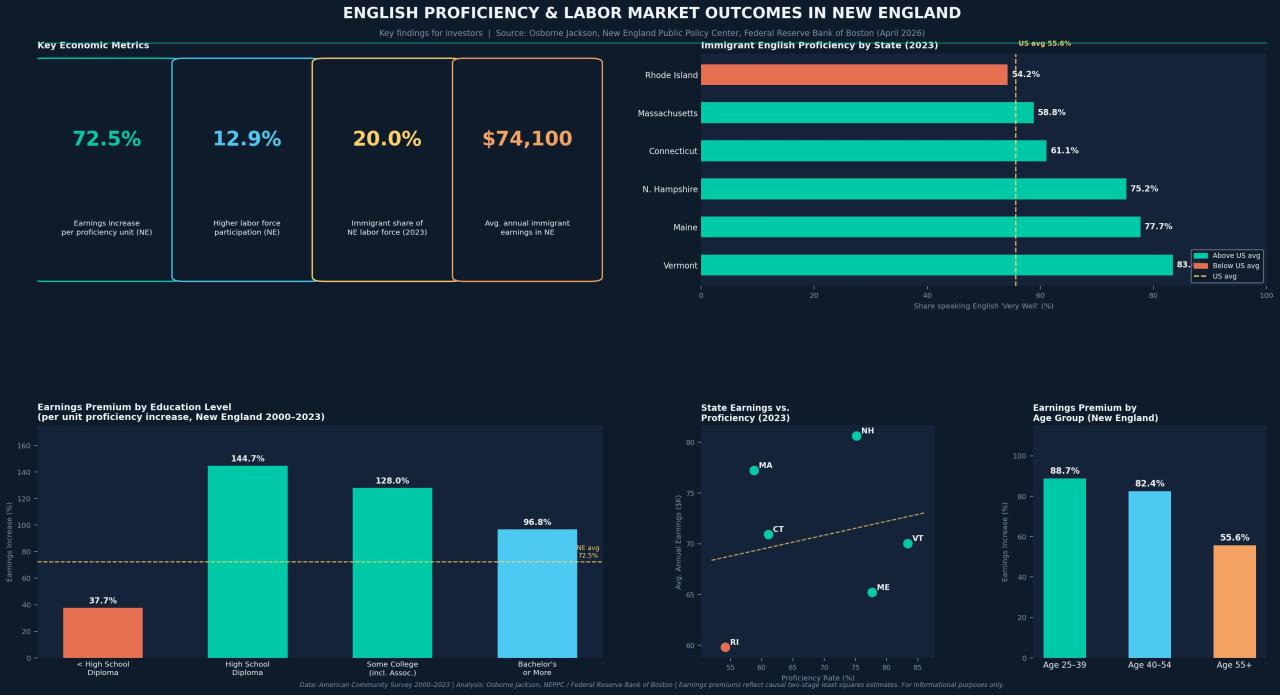
From Rhode Island to Vermont: The Proficiency Gap That's Quietly Dividing New England's Workforce
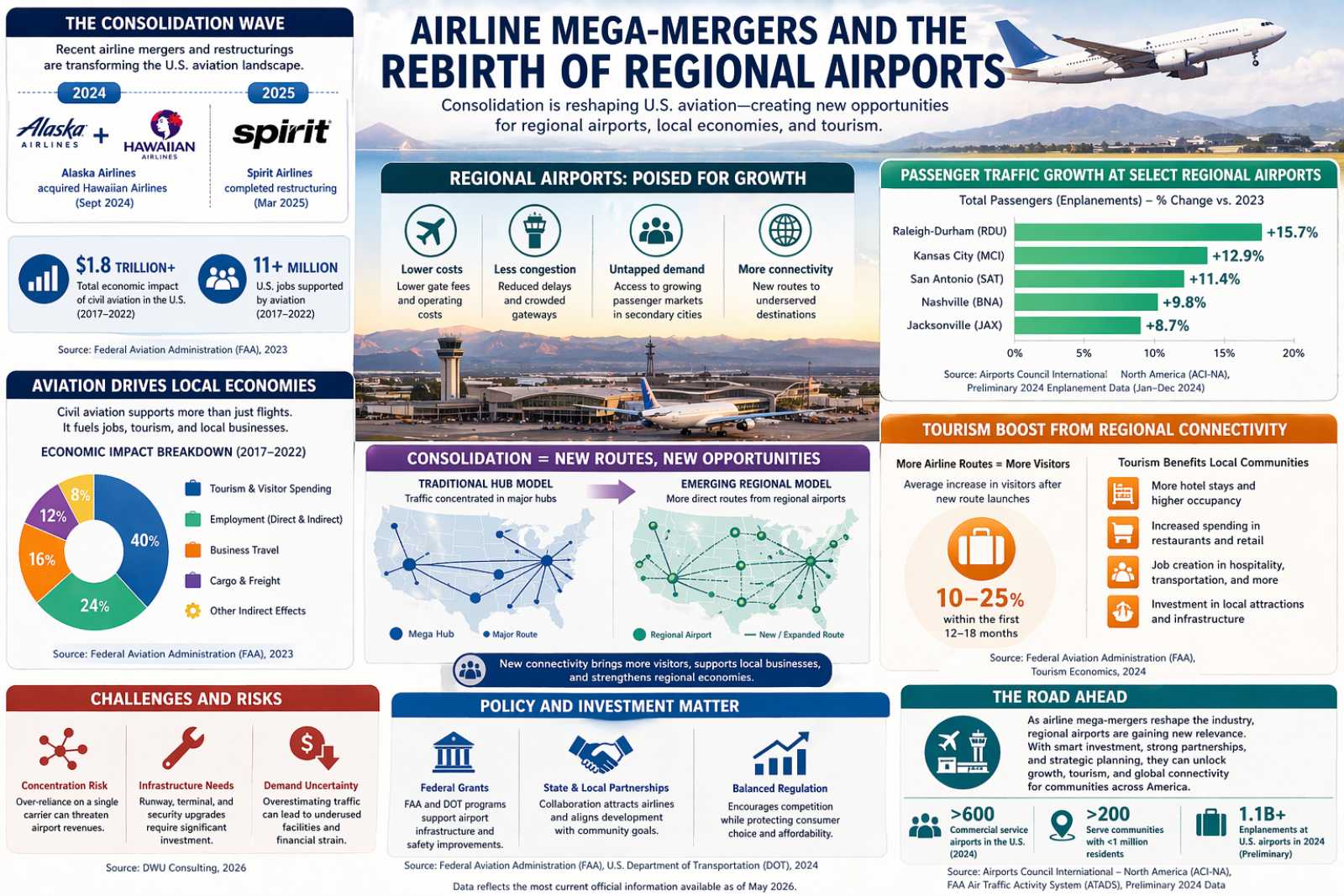
Regional Airports Poised for Growth Amid Airline Shakeups