

Debt, Deficits & Disaster: The Bond Market Crisis

Not Wall Street, But AI: The Real Force Democratizing Finance Across America

When Flooding Pays: A New Financial Bet

Breakfast for Life How Local Diners and Hardware Stores are Outsmarting Amazon
Technicals for Citigroup Inc.



Price Summary
Citigroup Inc.'s stock opened at 128.64 on 2026-05-01, surged to 130.48, hit a low of 126.86, and closed up -0.93% at 127.44, with 7342522 shares traded.In the past year, the highest stock price was 133.05, and the lowest was 69.47.
Technicals
Support and Resistance: The price of 127.44 is supported at 121.56 and capped by resistance at 128.51. These levels mark key points for Citigroup Inc. where the price could find stability, with 121.56 as a floor and 128.51 as a ceiling.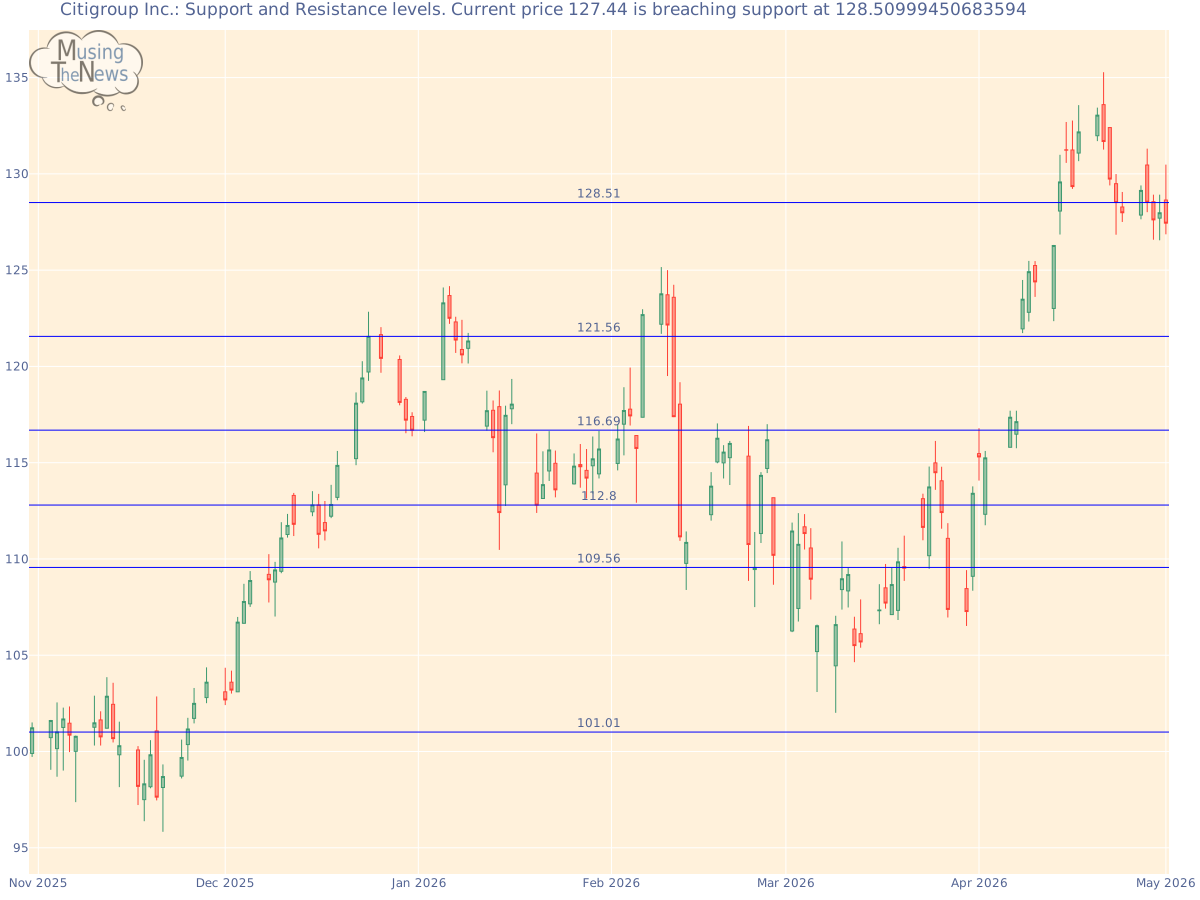
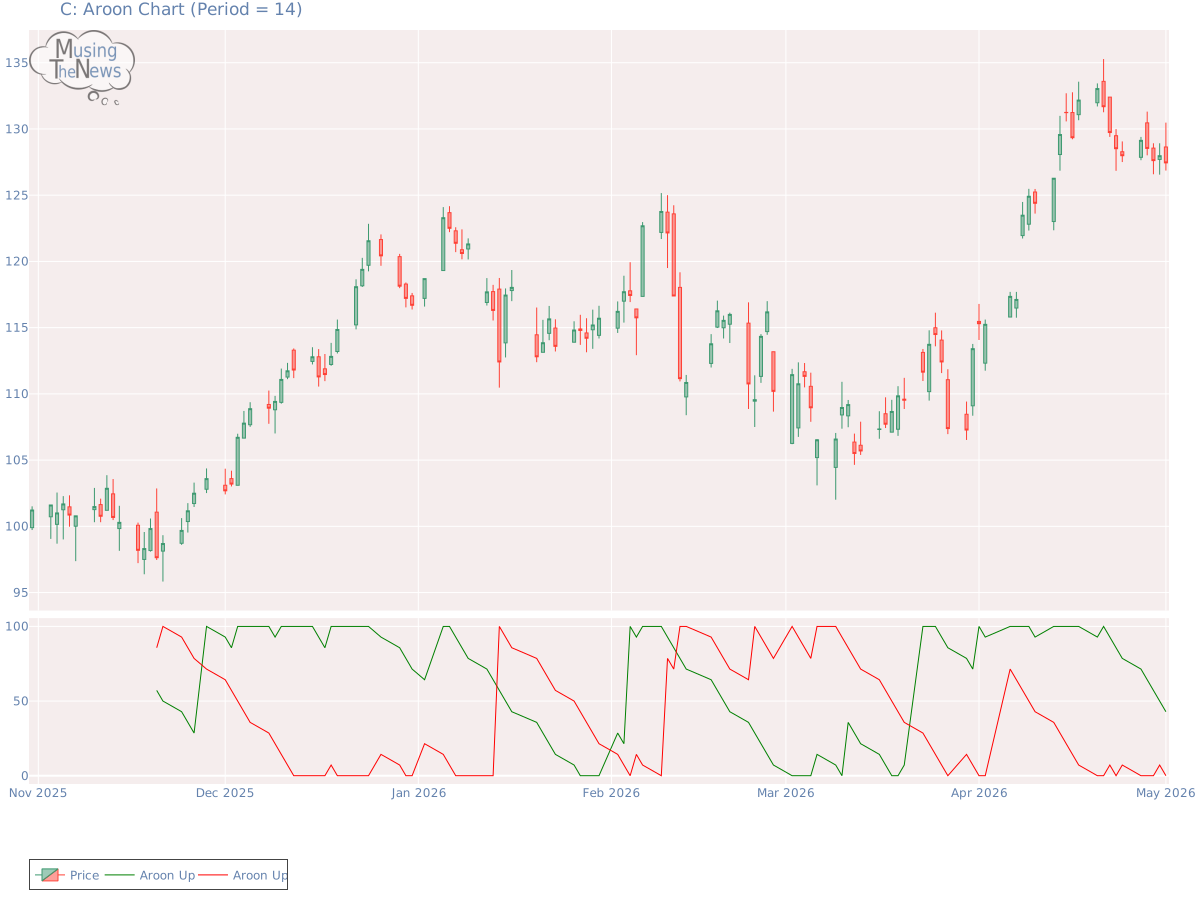
Aroon: The AROON is showing a neutral reading, with no clear direction indicated for upward or downward movement. This neutral position suggests a possible period of consolidation.
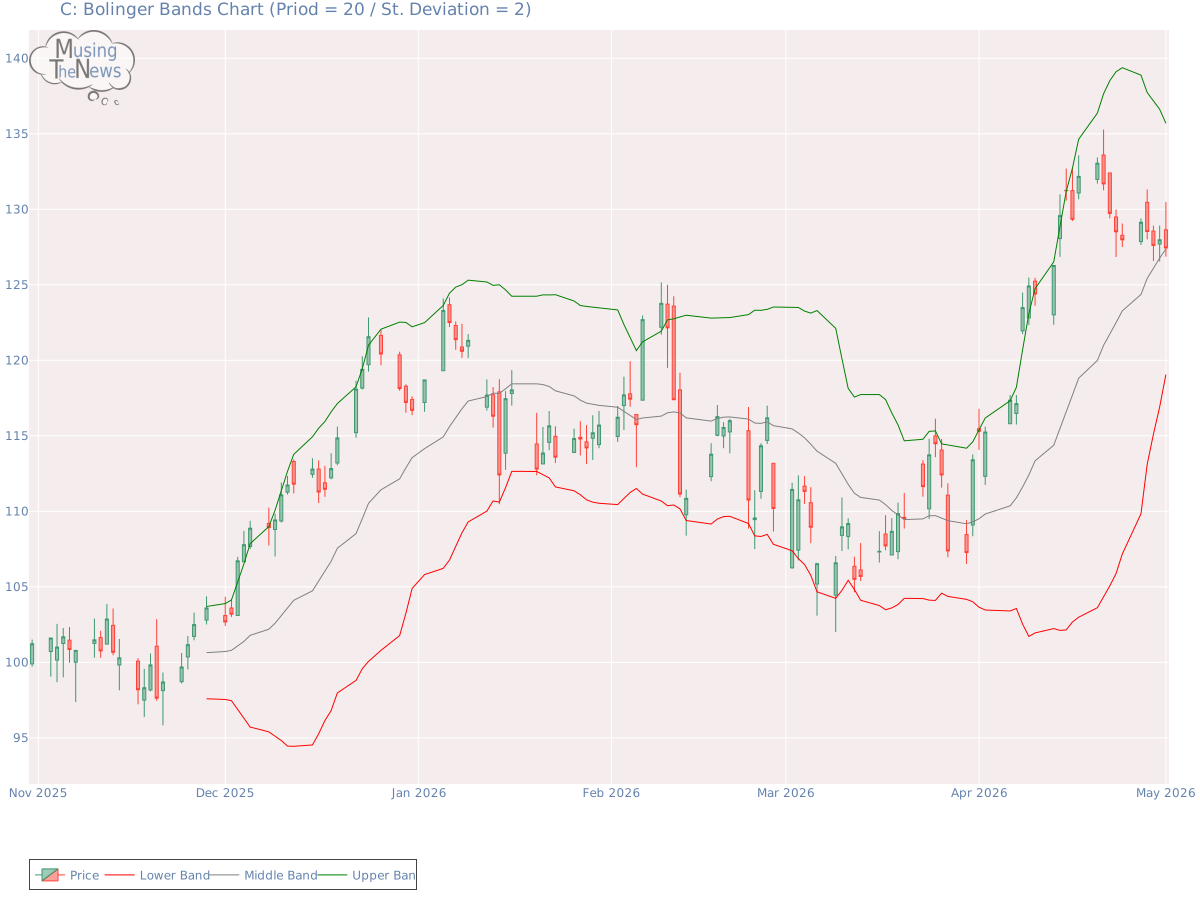
Bol. Bands: The current state of the BOLL BANDS is neutral, with no clear trend direction indicated. This lack of directional bias suggests that the market may be in a phase of consolidation or uncertainty.
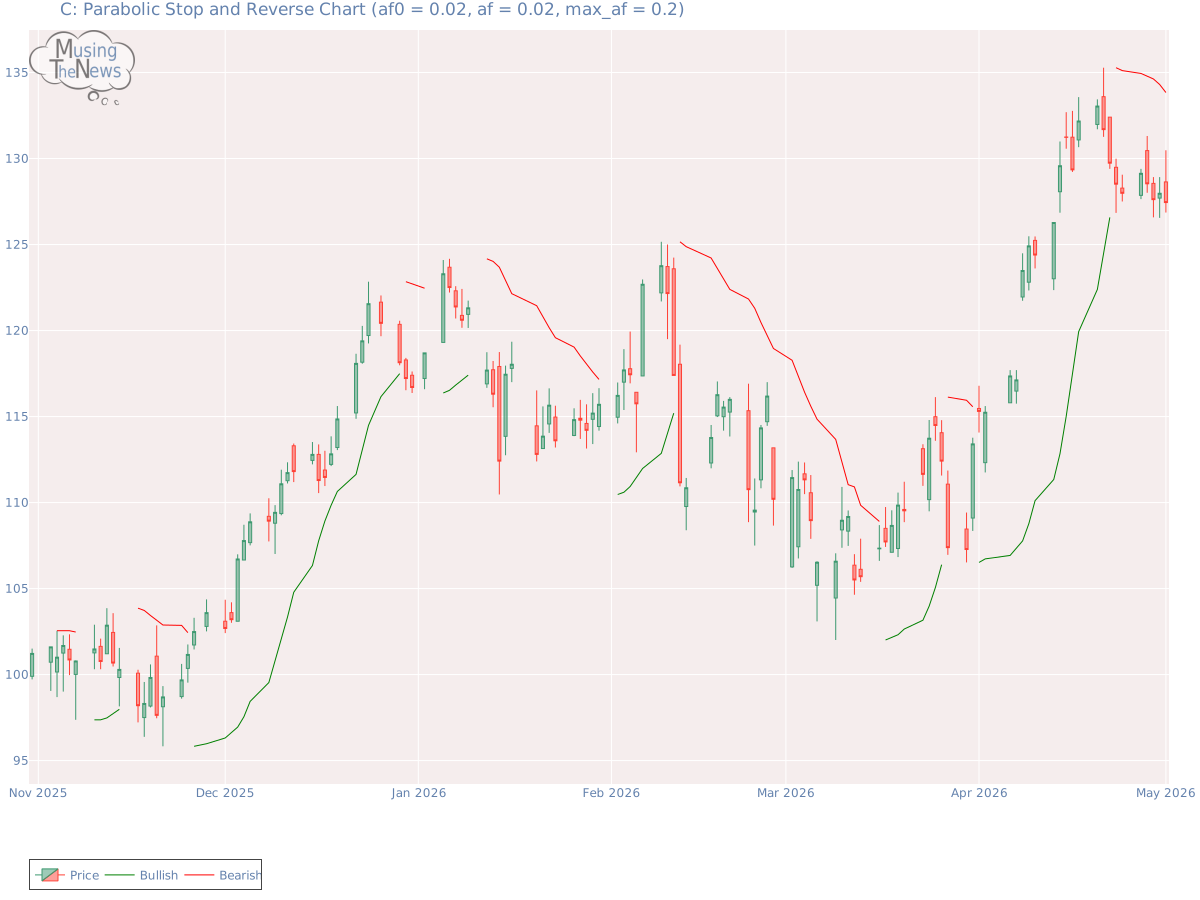
Parabolic SAR: The PSAR remains in a bearish mode, setting a strong resistance level that could impede any upward trends. This resistance indicates that the market may struggle to break higher, reflecting ongoing bearish sentiment for C.
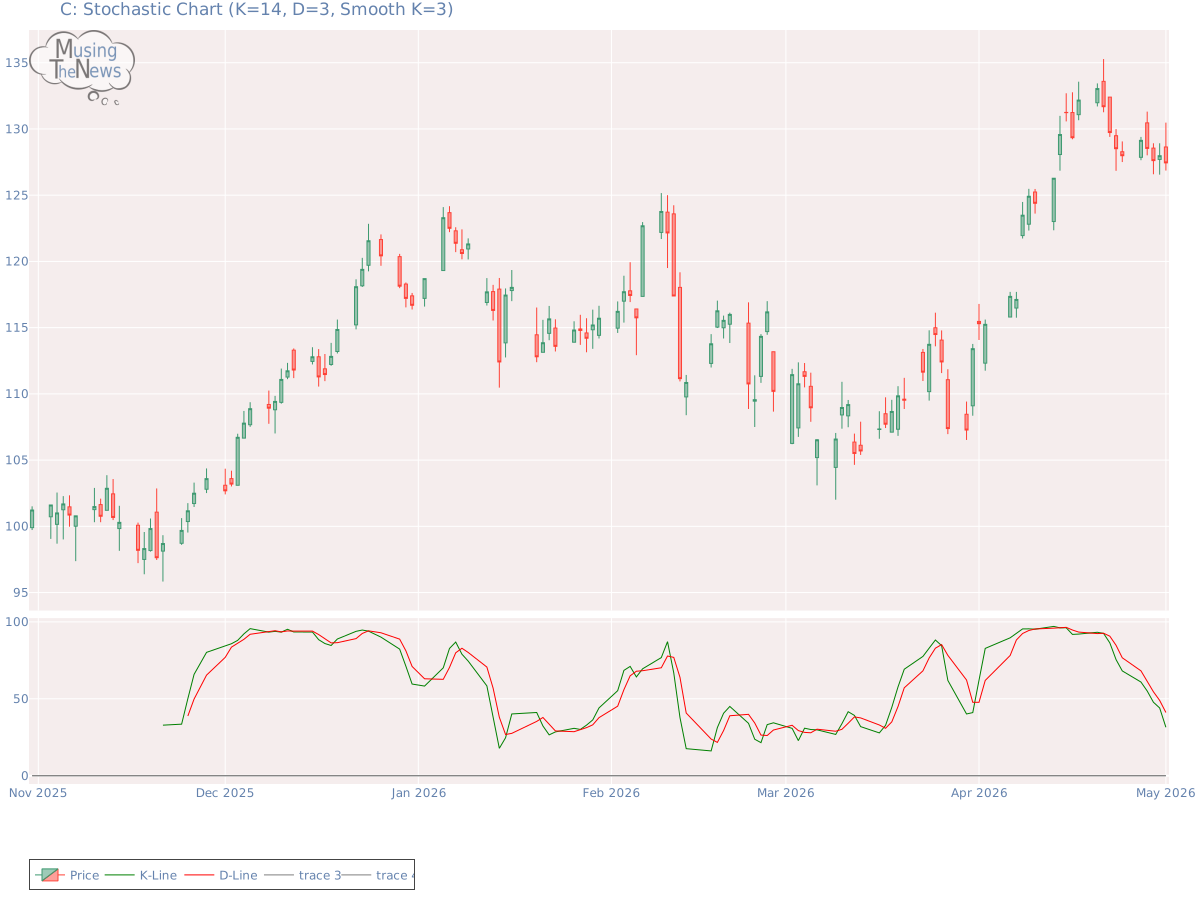
Stochastic: The current state of the STOCHASTIC is neutral, with no clear trend direction indicated. This lack of directional bias suggests that the market may be in a phase of consolidation or uncertainty.
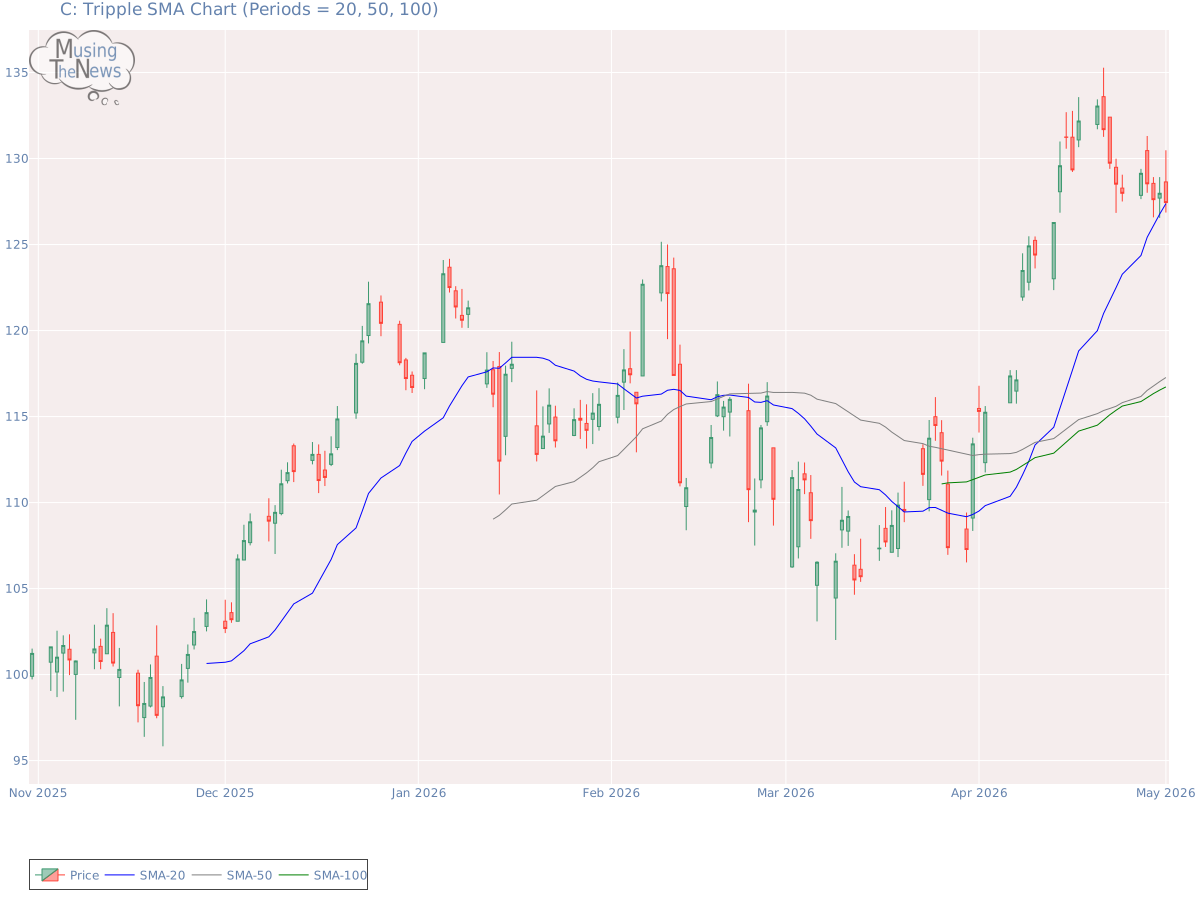
Tripple Moving Agerage: The alignment of the 20, 50, and 100 moving averages suggests a bearish trend, but the wavering slopes of the 20 and 50 SMAs hint at a potential shift. This weakening momentum could indicate that the bearish trend for C is losing steam, possibly leading to a bullish reversal in the near future. Investors should watch for signs of a market turnaround as the current downtrend shows signs of faltering.
In order to draw meaningful inferences from a company's technical data, it is essential to first consider its fundamentals. This includes reviewing financial metrics like revenue, profit margins, and debt-to-equity ratios. Additionally, understanding the broader industry landscape, including market trends and competitive pressures, is crucial. By integrating these insights with the company's technical performance, such as stock price fluctuations and trading volume, one can make more informed investment decisions.
DISCLAIMER: We provide information and our musings based on events, but nothing on this site can be considered professional advice of any kind.
If you have enjoyed reading, spread the word:
Good prospects:
Companies with the best and the worst technicals.
Latest Regulatory Filings for SP5
Companies with the best and the worst fundamentals.

Before They Can Walk, They're Invested: How Trump Accounts Are Transforming Financial Culture

The Appalachian Energy Reboot: Inside the Unexpected Nuclear Startup Boom

Theatrical Finance: Credit Unions Use Drama to Attract Youth