More about Centene Corporation
Regulatory Filings for Centene Corporation
Fundamentals for Centene Corporation

Fraud, Delays, and High Fees—Gone: The Underrated Fintech Shift Reshaping U.S. Local Economies
From Rhode Island to Vermont: The Proficiency Gap That's Quietly Dividing New England's Workforce
Regional Airports Poised for Growth Amid Airline Shakeups

From Fuel Shock to Factory Revival: The Surprising Rise of Hyper-Local Supply Chains in the U.S.
Fundamentals for Centene Corporation



Business Operations:
Sector: HealthcareIndustry: Healthcare Plans
Centene Corporation operates as a managed care company that provides programs and services to under-insured families, and commercial organizations in the United States. It operates through four segments: Medicaid, Medicare, Commercial, and Other. The Medicaid segment offers the temporary assistance for needy families; medicaid expansion; aged, blind, or disabled; and children's health insurance programs, as well as long-term services and supports; foster care; and medicare-medicaid plans. This segment also provides healthcare products and services. The Medicare segment offers special needs and medicare supplement, and prescription drug plans. The Commercial segment provides health insurance marketplace product for individual and commercial group. The Other segment operates clinical healthcare and pharmacies, as well as offers vision and dental, behavioral health, and centralized services. It provides services through primary and specialty care physicians, hospitals, behavioral health practitioners, and ancillary providers. The company was founded in 1984 and is headquartered in Saint Louis, Missouri.
Revenue projections:
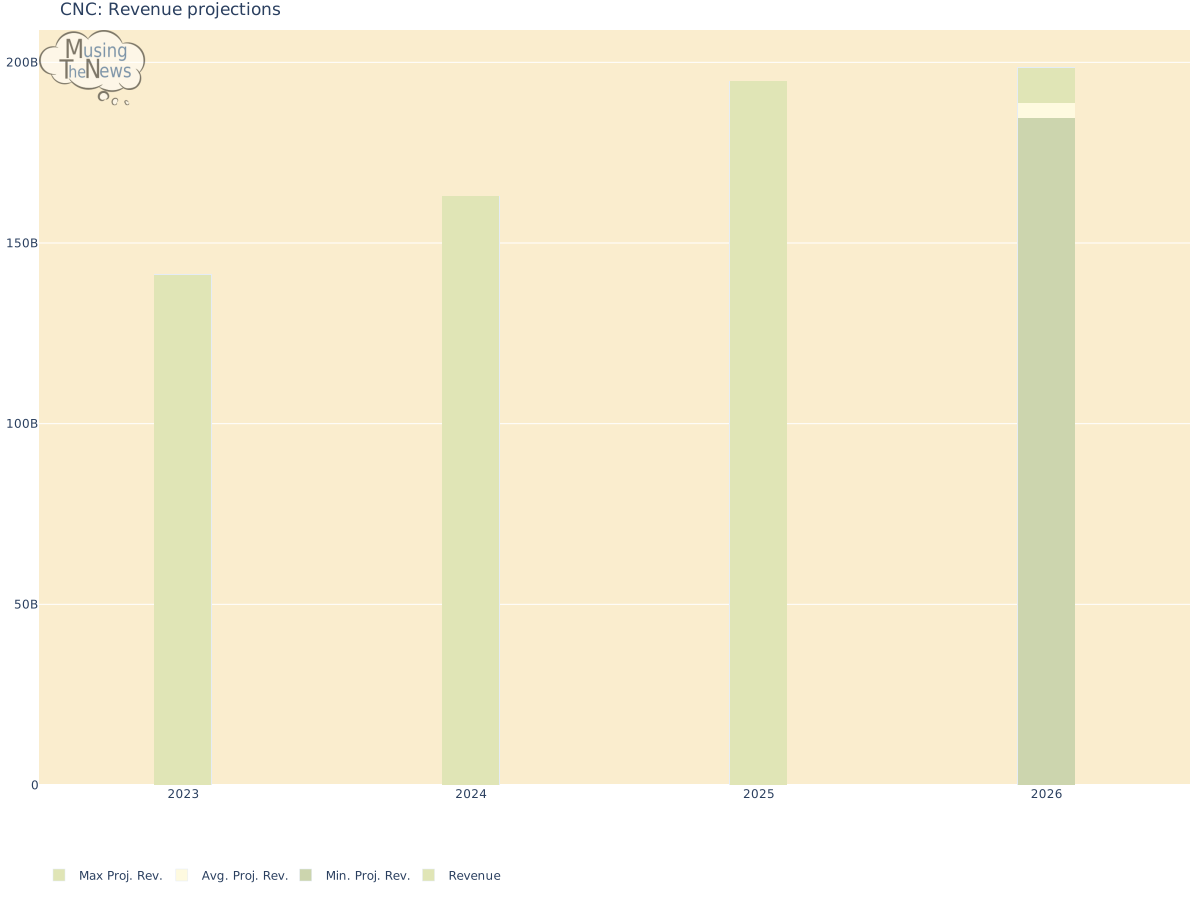
CNC is projected to experience a revenue decline compared to last year, a development that often leads to investor caution. The drop could negatively impact the company's bottom line, as lower revenues typically signal reduced profitability, prompting more conservative investment strategies.
Financial Ratios:
| currentRatio | 1.100000 |
|---|---|
| forwardPE | 9.658302 |
| debtToEquity | 90.556000 |
| earningsGrowth | 0.000000 |
| revenueGrowth | 0.232000 |
| grossMargins | 0.104730 |
| operatingMargins | -0.018780 |
| trailingEps | -13.530000 |
| forwardEps | 3.978960 |
CNC's current ratio being 1.1 suggests that it has more than enough liquidity to cover short-term debt obligations. The company's cash reserves and current assets are sufficient to meet immediate liabilities, signaling solid financial health and minimal risk.
CNC's elevated debt-to-equity ratio suggests the company is highly leveraged, meaning it has significant debt compared to equity. This can be risky, particularly if CNC's cash flow or profits decrease, making it harder to meet debt obligations.
Price projections:
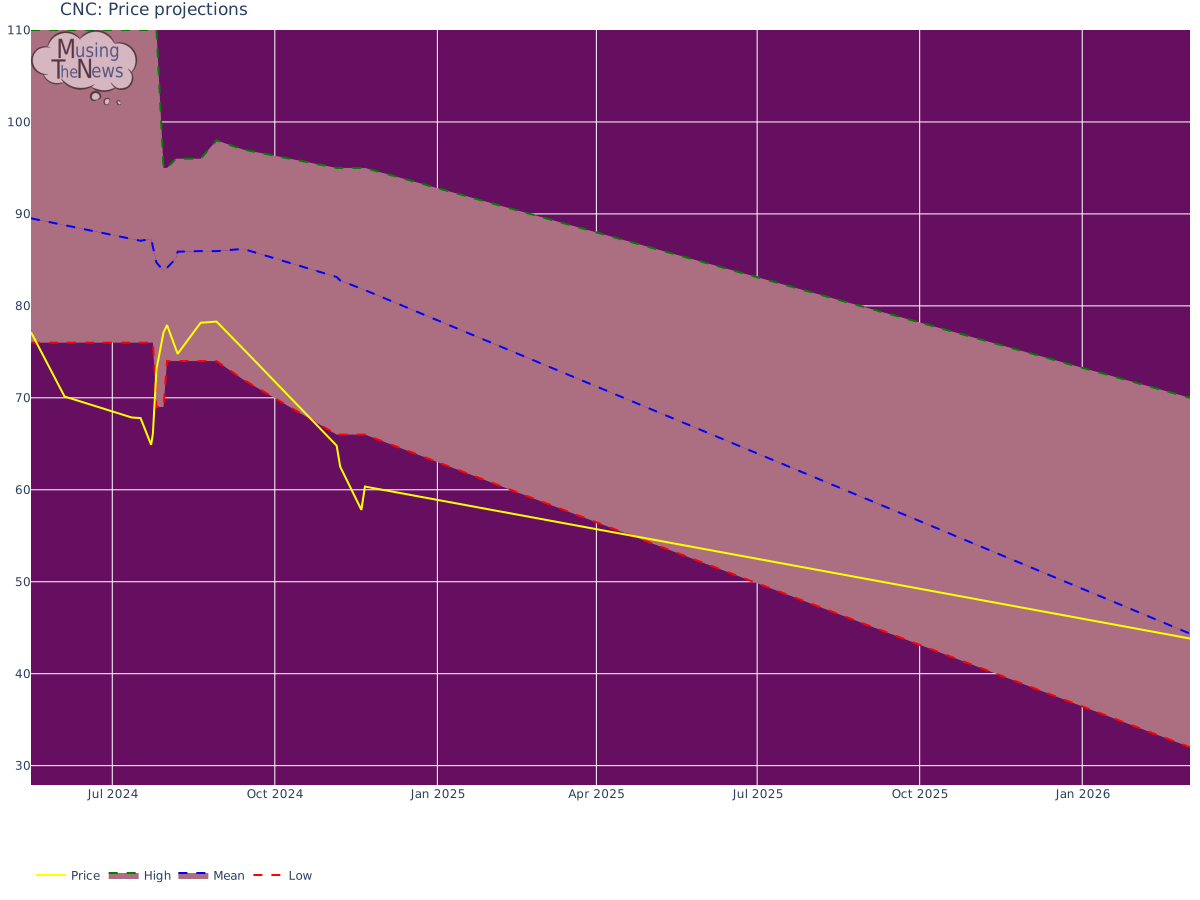
Over time, analysts have gradually revised CNC's price projections downward. This suggests growing concerns about the company's ability to meet previous expectations, pointing to a more conservative outlook.
Insider Transactions:
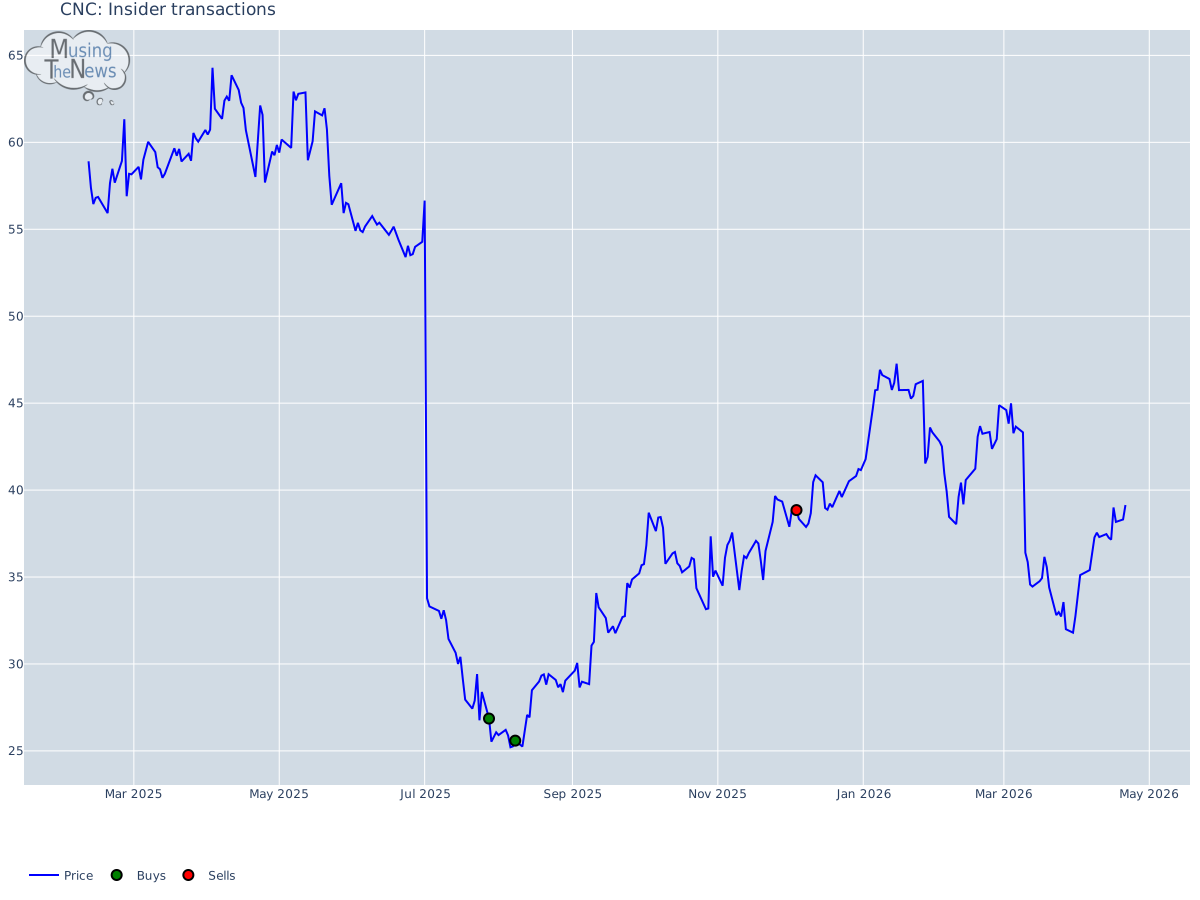
1 separate sales of CNC shares were executed, with the market price hovering at 38.849998474121094.There were 2 transactions to buy CNC stock, with market price of 26.225000381469727.CNC has seen more sells at current price levels, which could indicate a potential decline. If this trend continues, investors may expect the stock's price to drop further as more people exit their positions.
Recommendation changes over time:
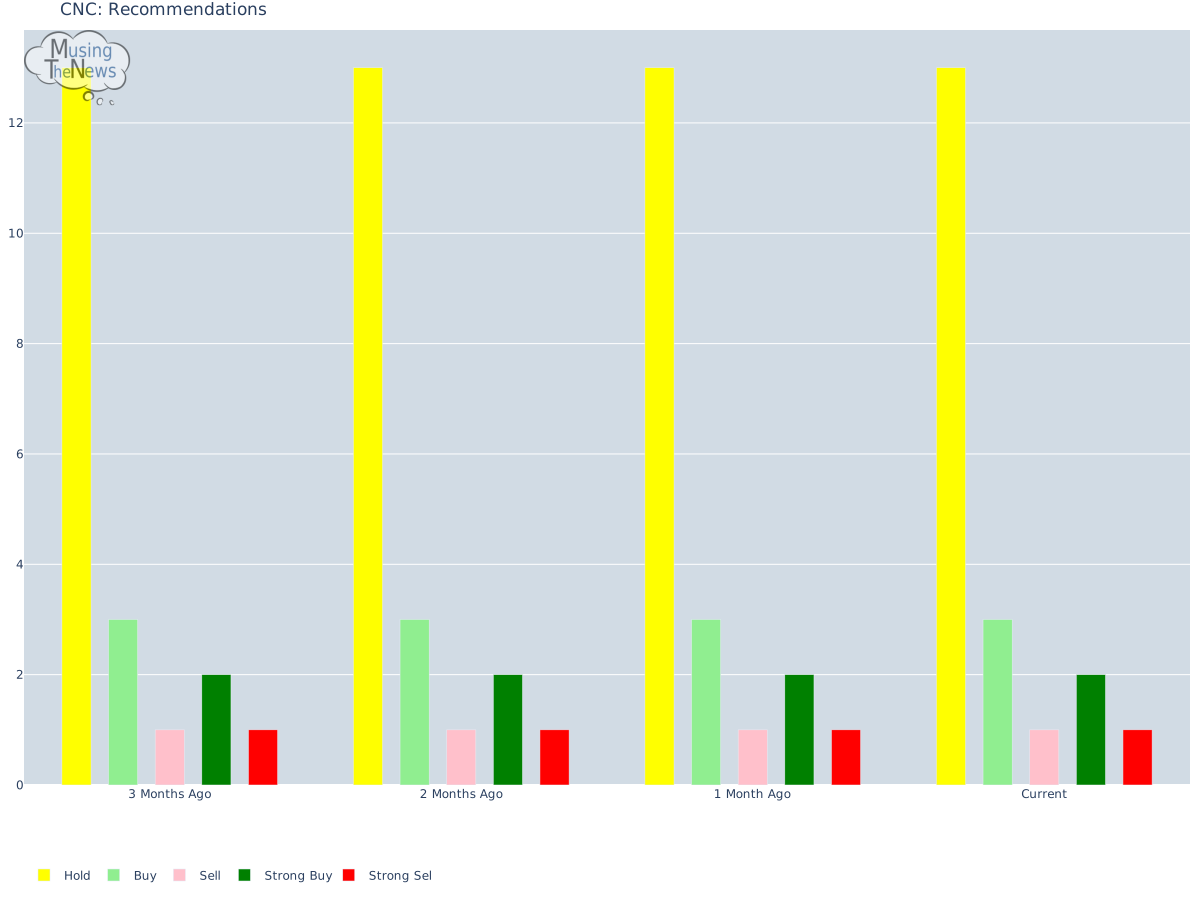
Analysts' buy bias toward CNC suggests the stock is seen as a solid investment, potentially motivating investors to consider it for their portfolios. With this positive outlook, CNC is likely to be viewed as a secure place to allocate funds, driving further interest in the stock.
DISCLAIMER: We provide information and our musings based on events, but nothing on this site can be considered professional advice of any kind.
If you have enjoyed reading, spread the word:
Good prospects:
Companies with the best and the worst technicals.
Latest Regulatory Filings for SP5
Companies with the best and the worst fundamentals.

AI Data Centers Transform Small-Town USA: Jobs, Taxes, and Tech Ecosystems Explode
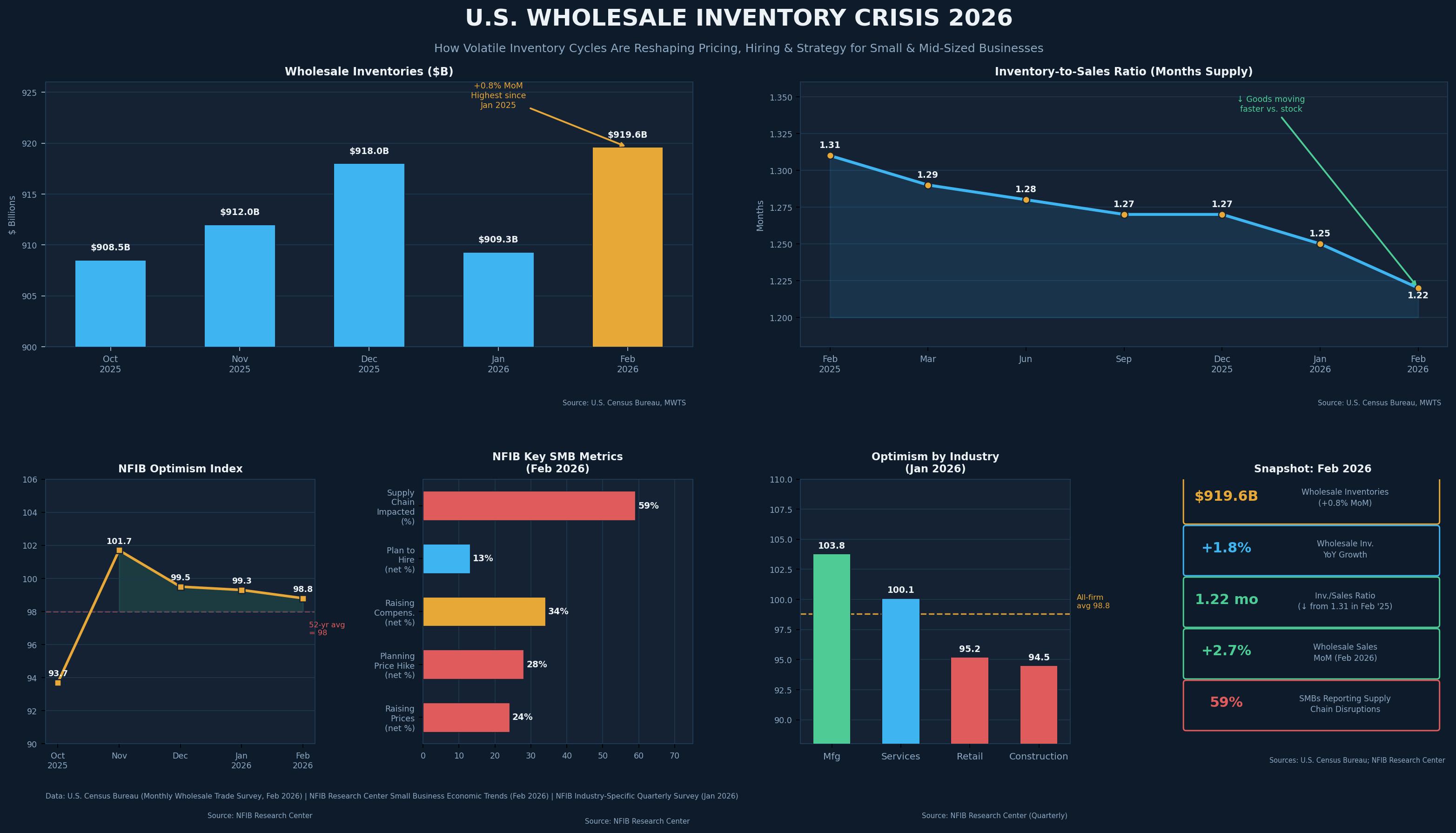
The $919 Billion Warning: What the Wholesale Inventory Explosion Really Means for Main Street
How U.S. Cities Are Turning Data and Infrastructure into Billion-Dollar Opportunities