More about Baker Hughes Company
Regulatory Filings for Baker Hughes Company
Fundamentals for Baker Hughes Company

Fraud, Delays, and High Fees—Gone: The Underrated Fintech Shift Reshaping U.S. Local Economies
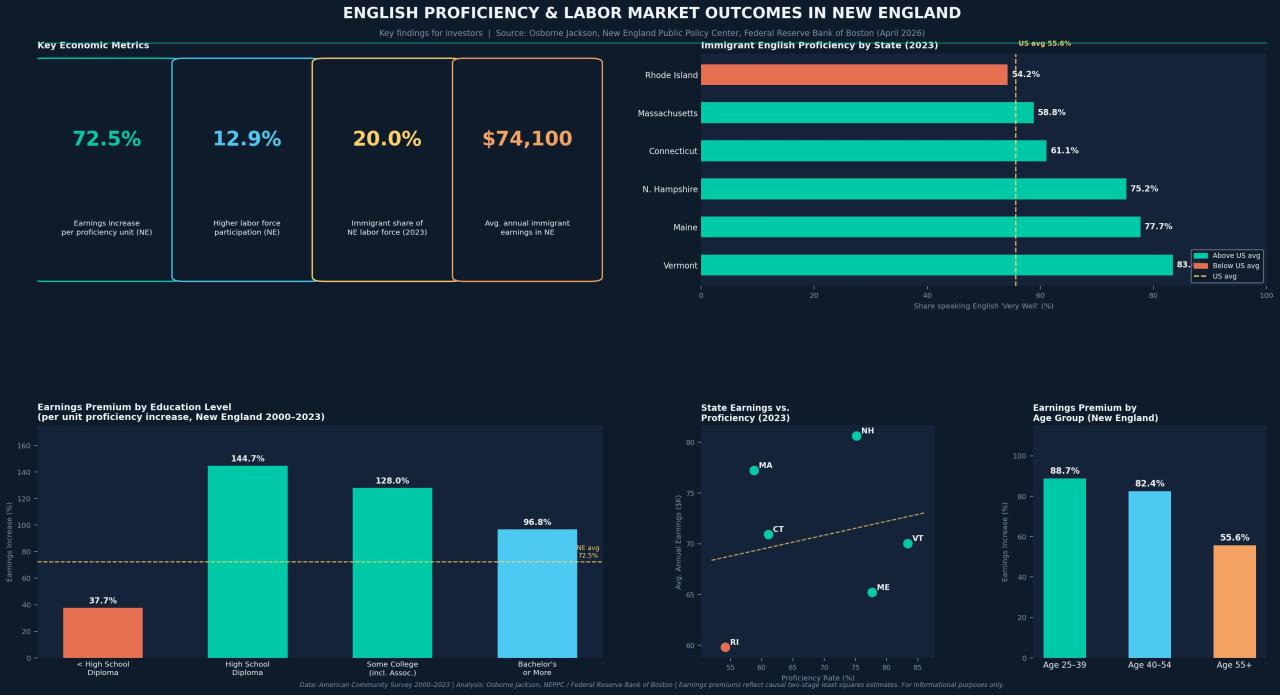
From Rhode Island to Vermont: The Proficiency Gap That's Quietly Dividing New England's Workforce
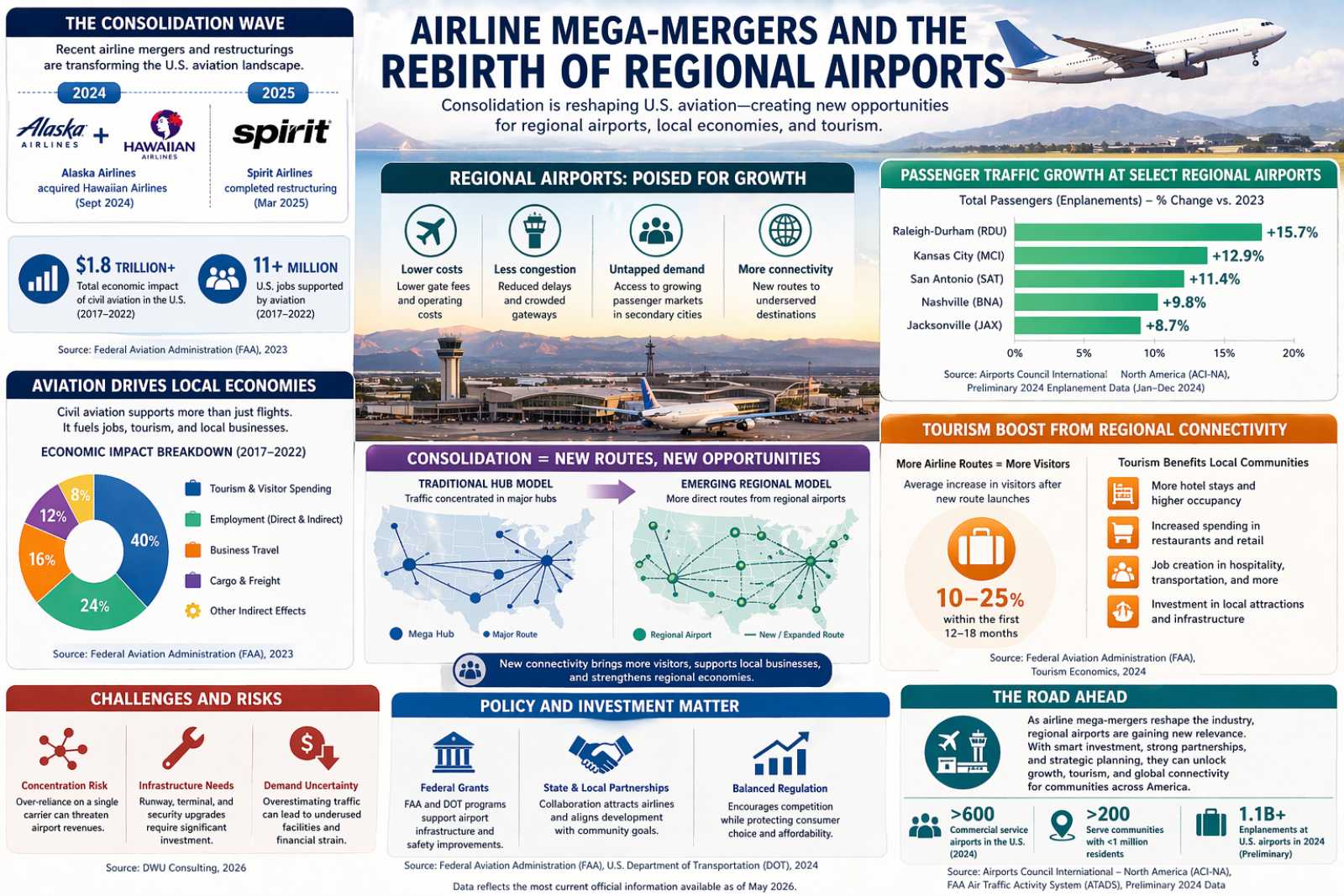
Regional Airports Poised for Growth Amid Airline Shakeups
From Fuel Shock to Factory Revival: The Surprising Rise of Hyper-Local Supply Chains in the U.S.
Fundamentals for Baker Hughes Company



Business Operations:
Sector: EnergyIndustry: Oil & Gas Equipment & Services
Baker Hughes Company provides a portfolio of technologies and services to energy and industrial value chain. Its Oilfield Services & Equipment segment designs and manufactures exploration, appraisal, development, production, rejuvenation, and decommissioning products and related services for onshore and offshore oilfield operations. This segment also provides drilling services, drill bits, and drilling and completions fluids; completions, intervention, measurements, pressure pumping, and wireline services; artificial lift systems, and oilfield and industrial chemicals; subsea projects and services, flexible pipe systems, and surface pressure control systems; and integrated well services and solutions. It serves oil and natural gas companies; the United States and international independent oil and natural gas companies; national or state-owned oil companies; engineering, procurement, and construction contractors; geothermal companies; and other oilfield service companies. The company's Industrial & Energy Technology segment offers gas technology equipment, such as drivers, driven equipment, and turnkey solutions for the mechanical and electric-drive, compression, and power-generation applications; aftermarket support and uptime gas technology services; non-destructive testing technologies, software, and services; pre-commissioning and maintenance services; flow control and safety solutions; mechanical and electromechanical gear transmission systems; Cordant, a software solution to optimize assets, processes, and energy use; Bently Nevada, a sensing and protection hardware for rack-based vibrating monitoring equipment and sensors; and climate technology solutions. It serves industrial, upstream, midstream, downstream, onshore, offshore, and small-to-large scale customers. The company was formerly known as Baker Hughes, a GE company and changed its name to Baker Hughes Company in October 2019. The company was incorporated in 2016 and is based in Houston, Texas.
Revenue projections:
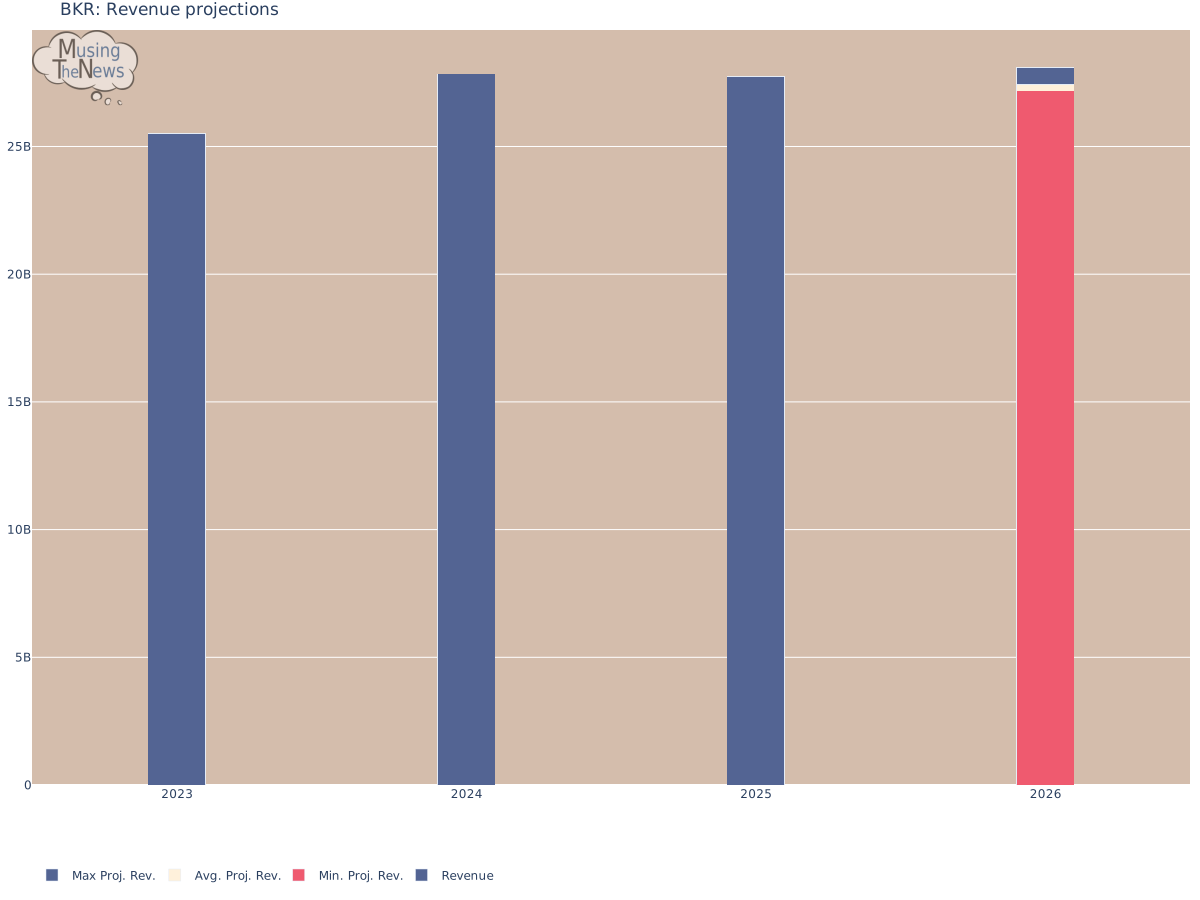
Revenues for BKR are expected to drop compared to the previous year, which could be a cause for concern for investors. A decline in earnings may negatively impact the company's profitability, leading cautious investors to reconsider their positions, as it often signals challenges in overall financial health.
Financial Ratios:
| currentRatio | 1.357000 |
|---|---|
| forwardPE | 21.907589 |
| debtToEquity | 35.255000 |
| earningsGrowth | -0.256000 |
| revenueGrowth | 0.003000 |
| grossMargins | 0.236760 |
| operatingMargins | 0.125100 |
| trailingEps | 2.600000 |
| forwardEps | 2.840340 |
Baker Hughes Company's current ratio 1.357, suggesting the company has sufficient liquidity to service its short-term debt. With its cash reserves and current assets in good shape, Baker Hughes Company can comfortably meet its immediate liabilities, reflecting a healthy financial standing.
BKR's Forward PE ratio is favorable, meaning the stock price aligns well with earnings and isn't overvalued. This allows room for growth, making it an attractive investment for those seeking potential upside while ensuring the stock is not overpriced.
BKR's low earnings and revenue growth point to a potential decline in profits. This signals a downturn in financial performance, suggesting that the company might face challenges in maintaining its current level of profitability.
BKR's negative gross and operating margins point to losses in both production and operations. This suggests the company is facing financial challenges and may need to address cost management or improve revenue generation.
Baker Hughes Company's forward EPS is higher than its trailing EPS, suggesting the company is expected to improve its profitability this financial year. This reflects growing confidence in Baker Hughes Company's earnings potential, with forecasts indicating better financial performance than in the prior year.
Price projections:
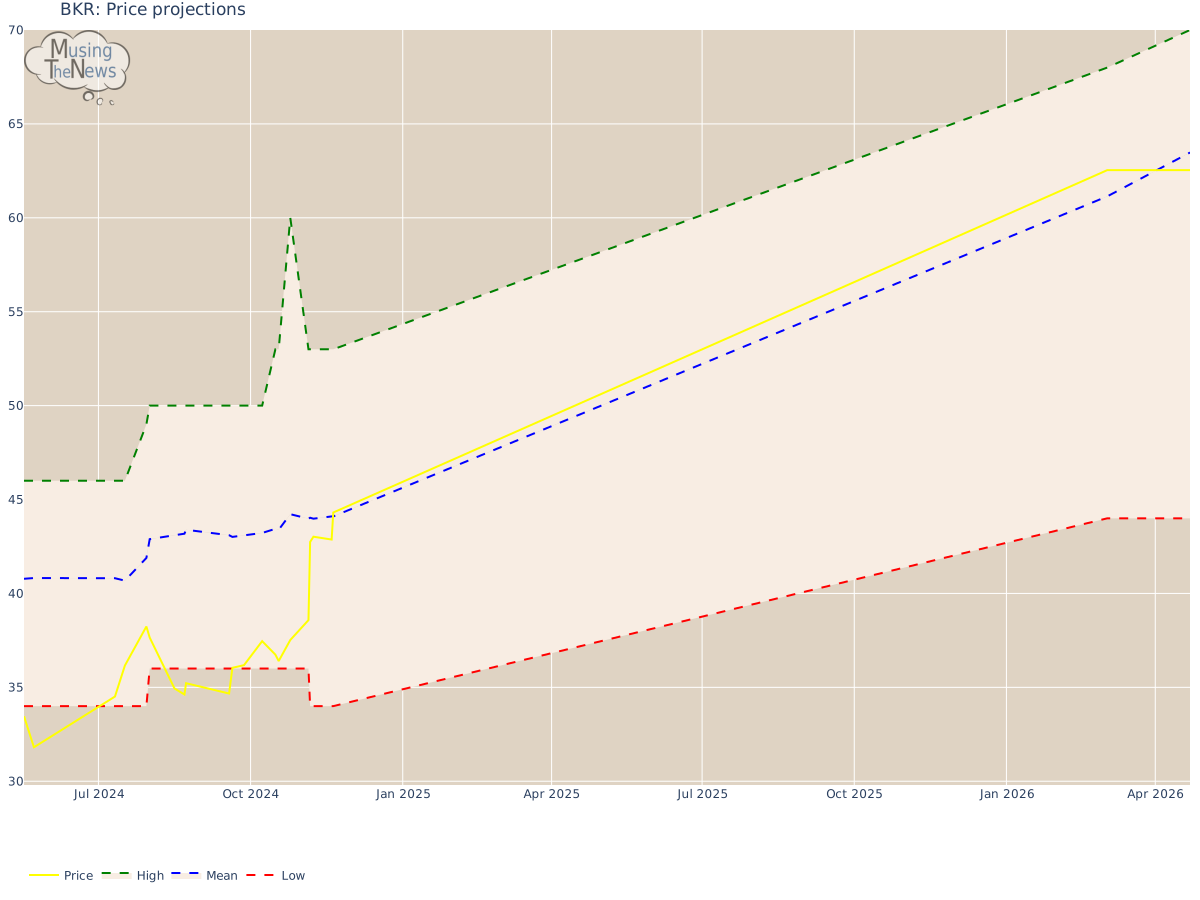
Over time, price projections for Baker Hughes Company have been gradually revised upward, reflecting increasing optimism about the company's future performance. This trend suggests analysts are growing more confident in Baker Hughes Company's ability to deliver strong results and achieve higher market value.
Insider Transactions:
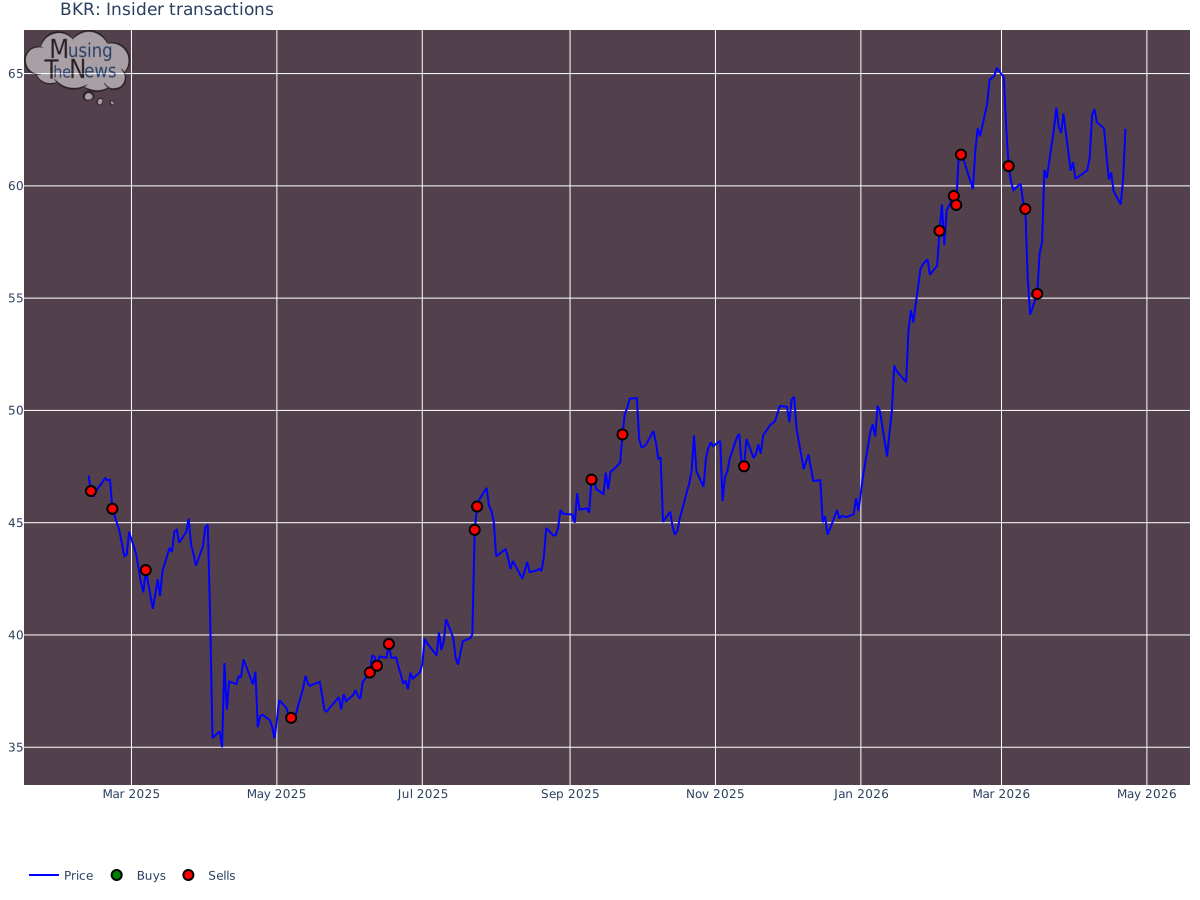
BKR saw 19 transactions in which shares were sold with market price at 49.193684226588196.There were no sell transactions recorded during the period under consideration.The higher volume of buys compared to sells near current BKR price levels may suggest optimism among investors. This could point to a favorable market outlook, as more people are willing to invest at these prices, anticipating potential future growth or strong performance.
Recommendation changes over time:
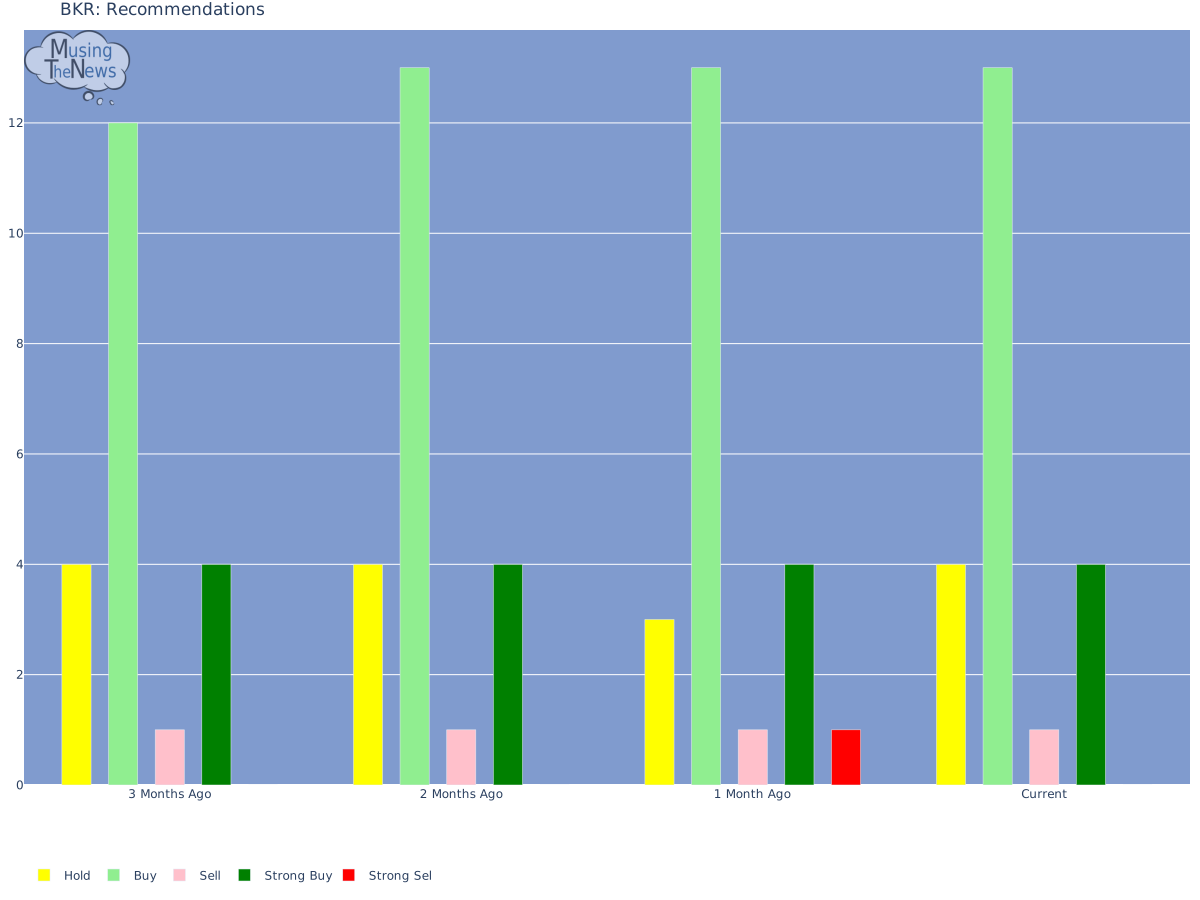
Analysts have shown a buy bias for BKR, signaling it as a strong investment choice. This positive outlook could motivate investors to allocate funds to BKR, seeing it as a reliable and potentially profitable option, especially in an environment where the stock market is highly scrutinized.
DISCLAIMER: We provide information and our musings based on events, but nothing on this site can be considered professional advice of any kind.
If you have enjoyed reading, spread the word:
Good prospects:
Companies with the best and the worst technicals.
Latest Regulatory Filings for SP5
Companies with the best and the worst fundamentals.

AI Data Centers Transform Small-Town USA: Jobs, Taxes, and Tech Ecosystems Explode
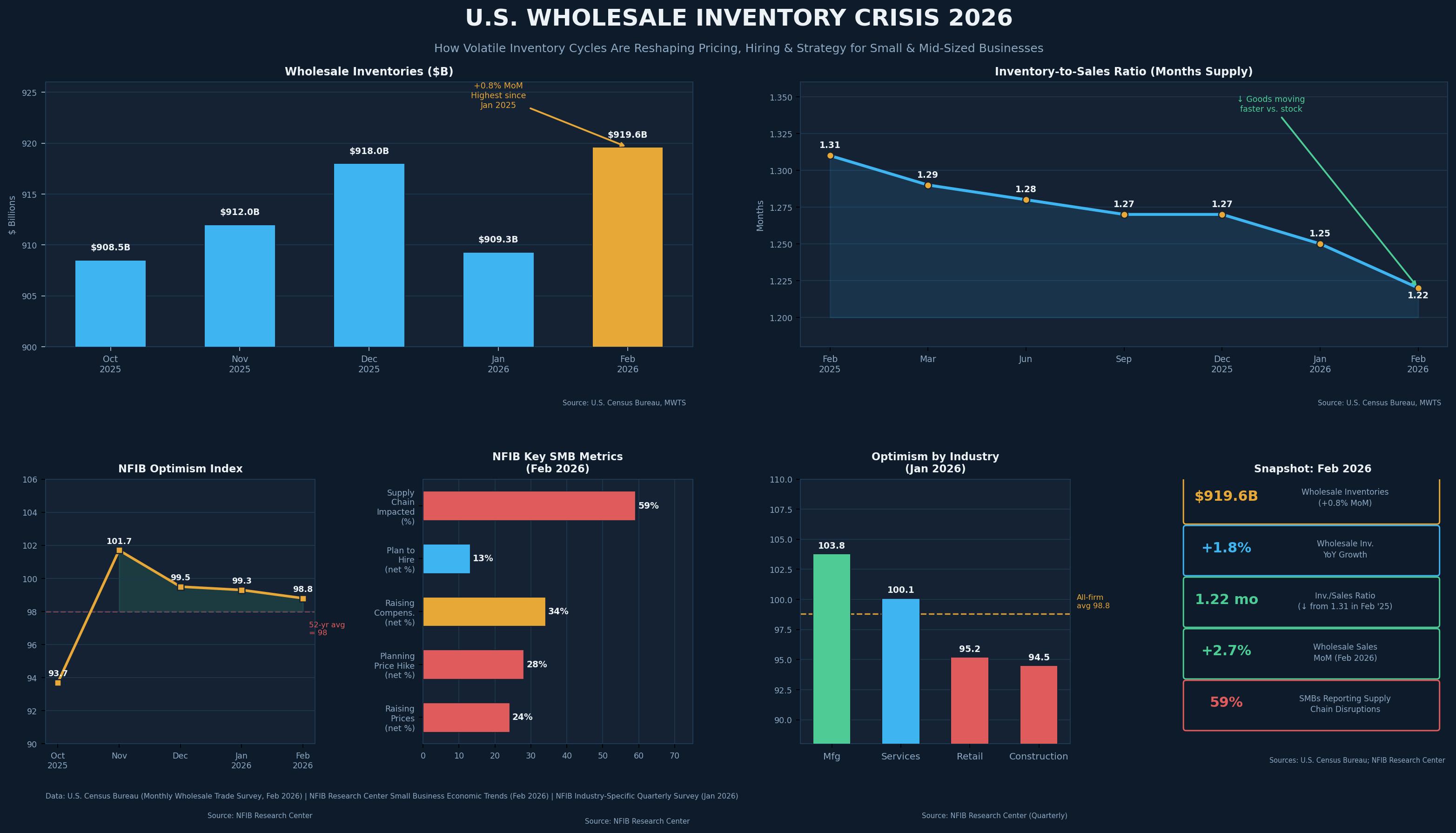
The $919 Billion Warning: What the Wholesale Inventory Explosion Really Means for Main Street
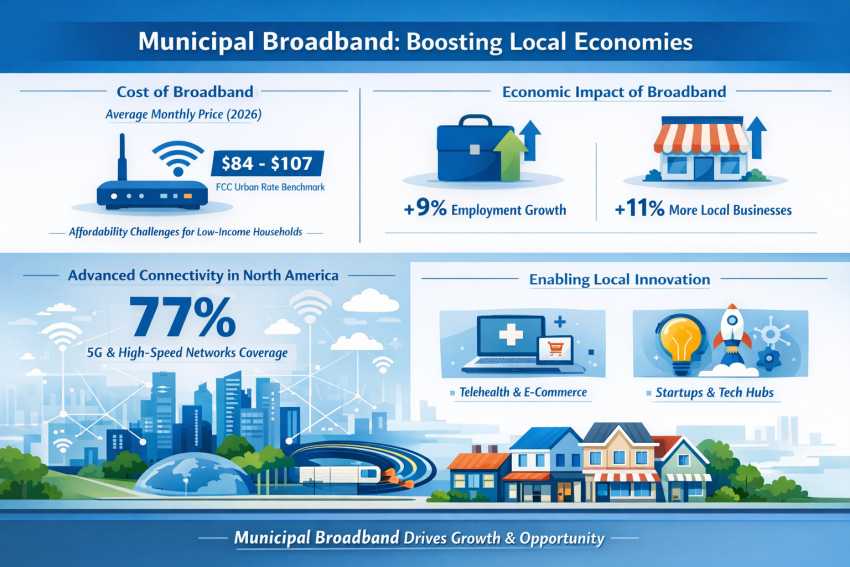
How U.S. Cities Are Turning Data and Infrastructure into Billion-Dollar Opportunities