
More about The Boeing Company
Regulatory Filings for The Boeing Company
Fundamentals for The Boeing Company

America’s Empty Offices Hit Pensions Hard

Rural Hospitals Buckle Under Private Equity
Fake Brokers, Spoofed GPS: Who Pays for Cargo Crime?

Crypto’s $2.4T Reality Check in 2026
Technicals for The Boeing Company



Price Summary
The Boeing Company's stock, on 2026-05-19 opened at 218.84, climbed to a high of 220.05, dropped to a low of 214.01, and closed up -1.75% at 215.01, with 5282448 shares traded.Throughout the 52-week period, the stock hit a high of 252.15 and a low of 179.12.
Technicals
Support and Resistance: At 215.01, the price is held up by support at 210.82 and faces resistance at 218.16 for BA. This suggests a trading range where 210.82 provides a base and 218.16 limits upward movement.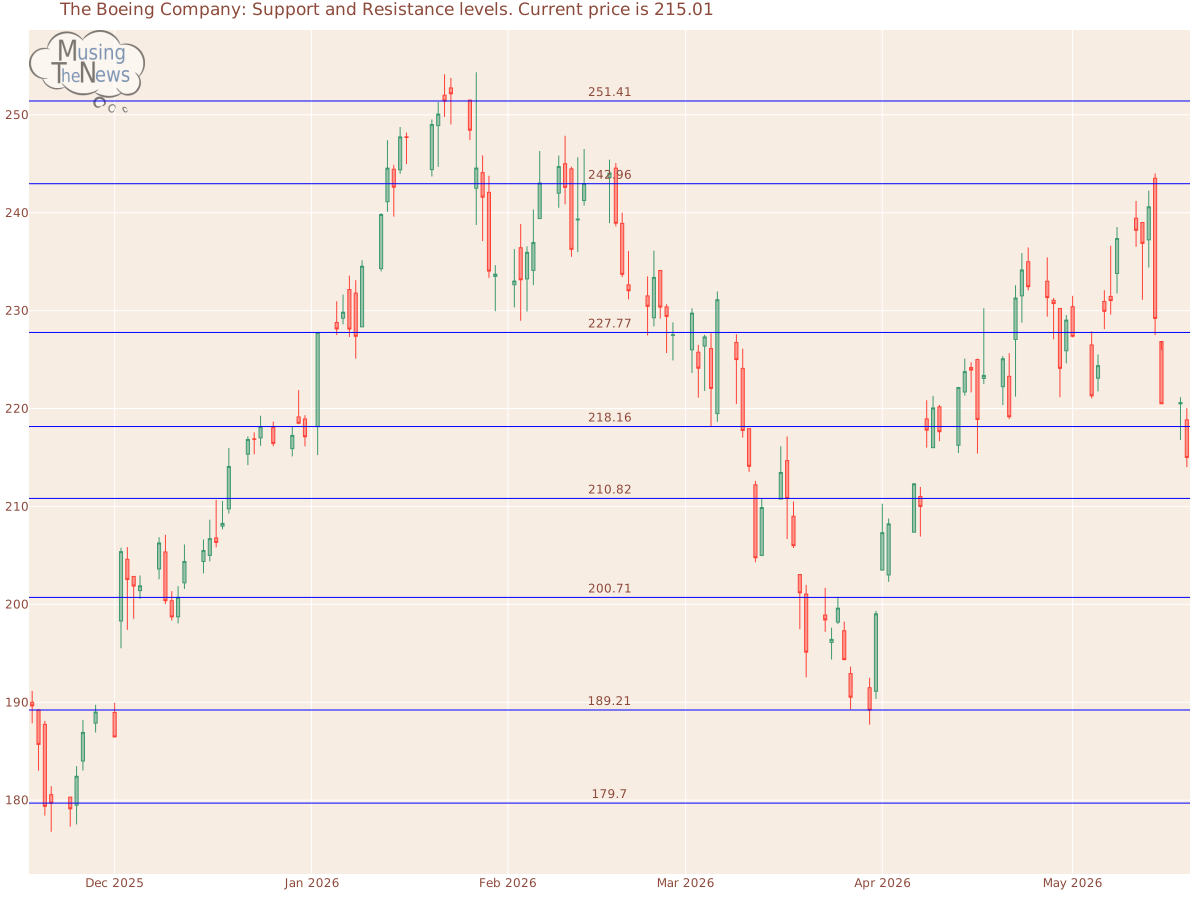
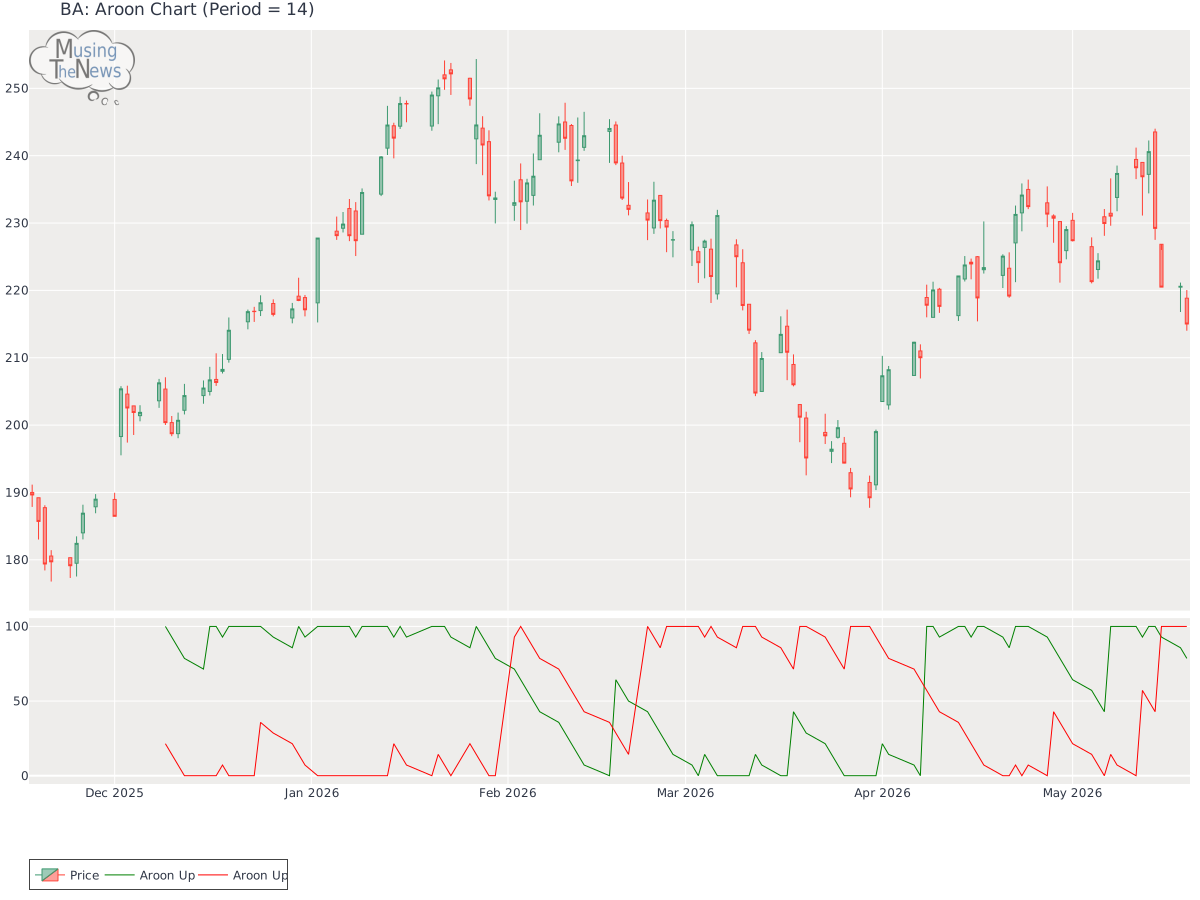
Aroon: Aroon's bearish trend continues, with Aroon Down holding steady at the 100 level. This suggests ongoing weakness, but further exploration with other indicators is needed to fully assess the trend's implications.
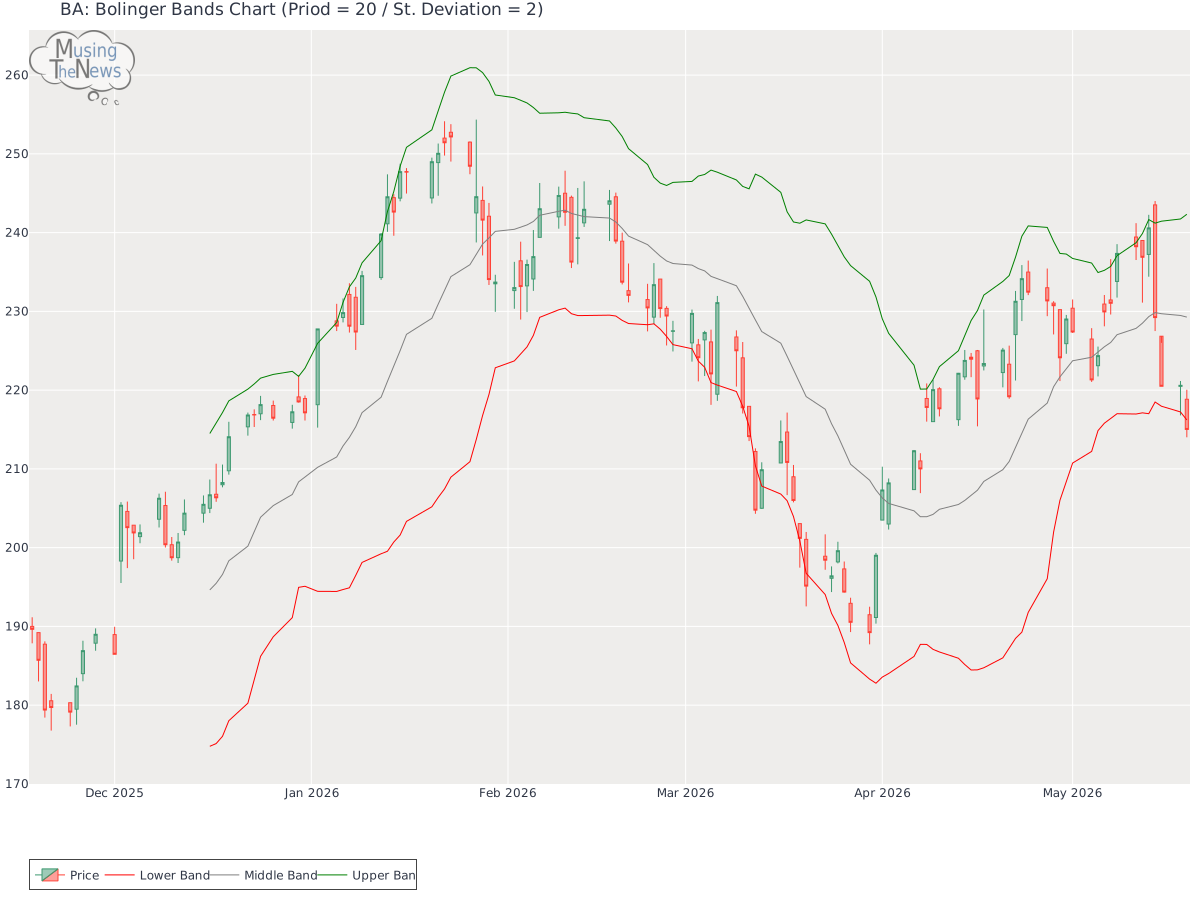
Bol. Bands: The current price has broken below the lower Bollinger Band, signaling potential oversold conditions for The Boeing Company. This move suggests that selling pressure has intensified, pushing prices to unusually low levels. Traders often watch for such breaches as indicators of either a continued downtrend or a potential reversal if the market rebounds from these oversold conditions.
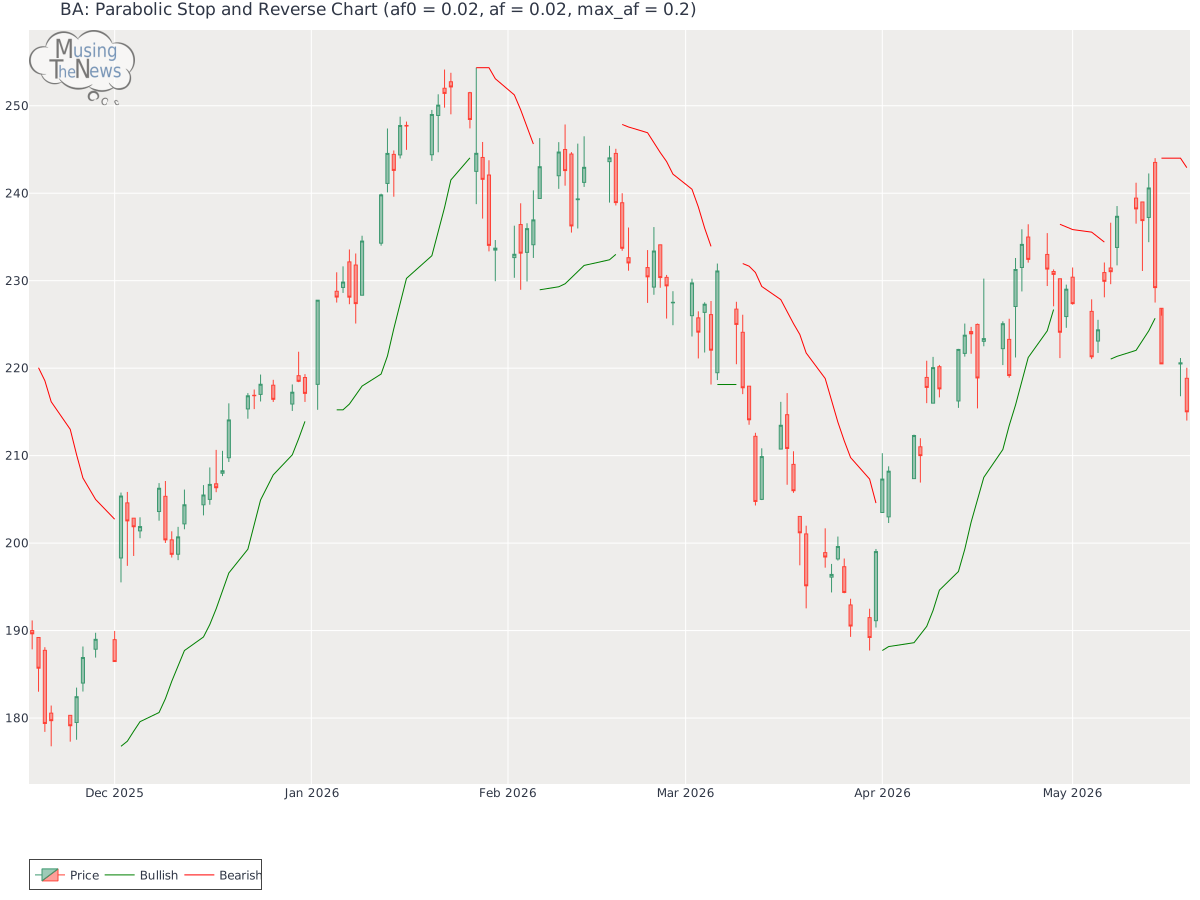
Parabolic SAR: The PSAR for BA continues to signal a bearish stance, reinforcing a resistance level that could restrict upward movement. This resistance suggests that the market may remain under bearish pressure, with limited potential for breaking higher.
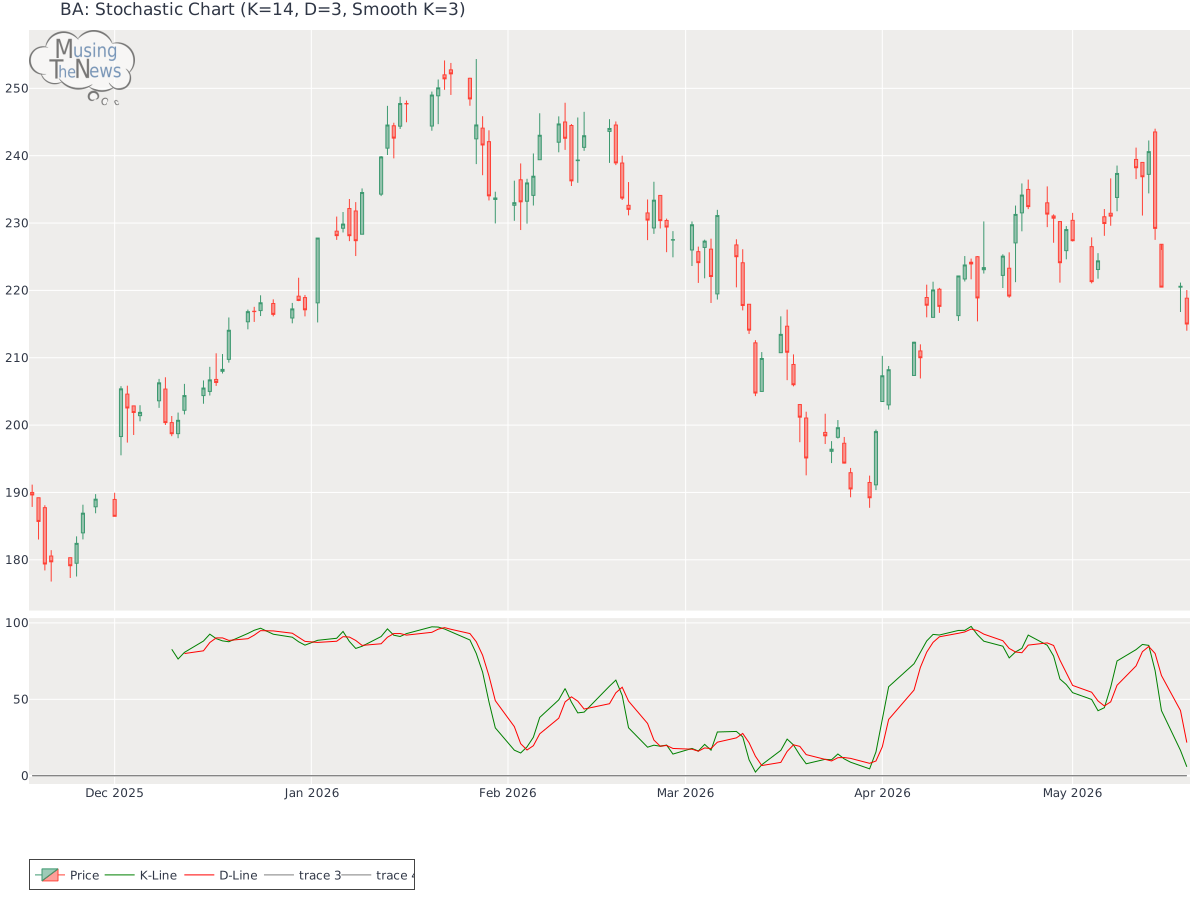
Stochastic: The Stochastic K-line for BA has moved below the D-line and sits under 20, indicating a mildly bearish signal. This suggests that the market might experience some weakness, though the bearish sentiment is not particularly strong. Investors should stay alert for any additional signals.
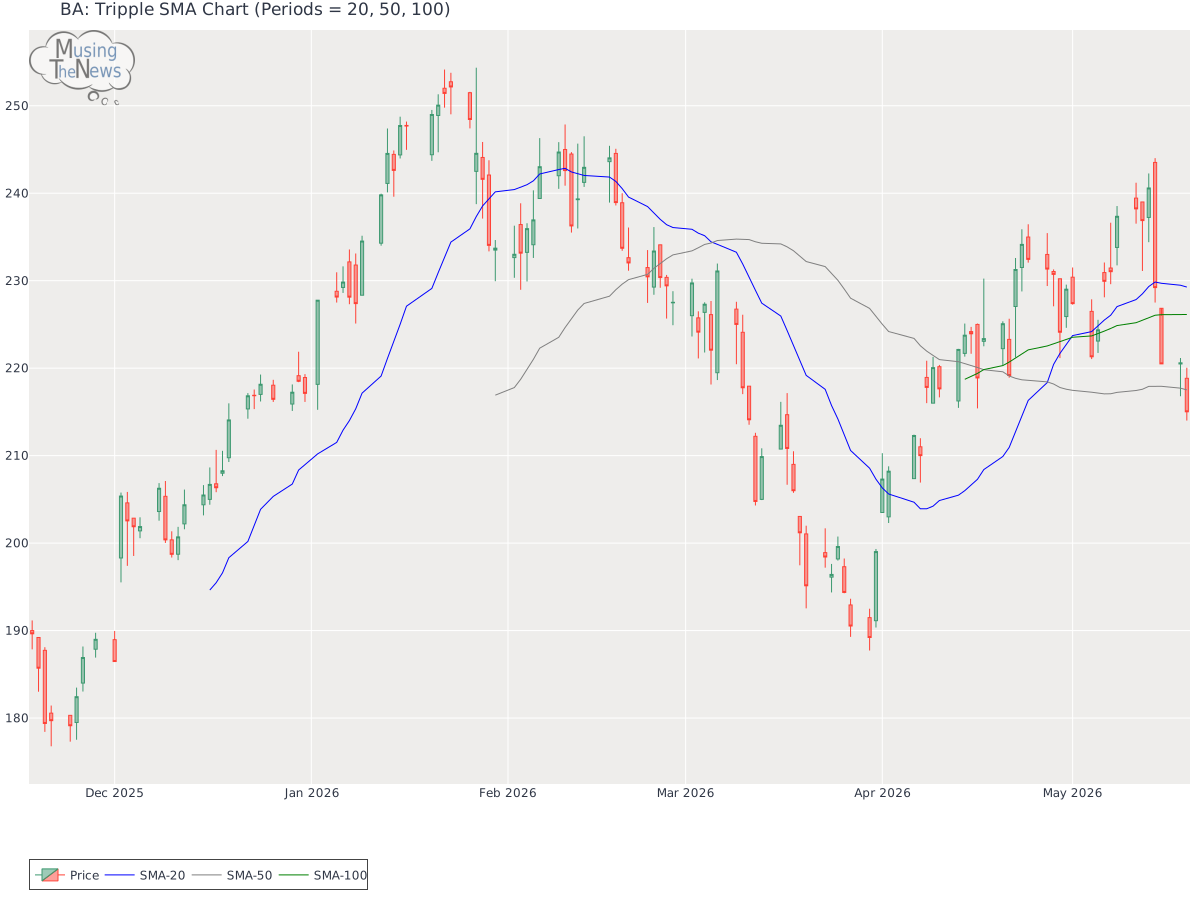
Tripple Moving Agerage: The Tripple MOVING AVG is currently neutral, offering no clear guidance on market direction. This suggests that the market may be in a state of pause, with no strong trend emerging.
To accurately interpret a company's technical data, it is important to first examine its fundamentals. These include financial performance, management quality, and growth prospects. In addition, understanding the dynamics of the industry in which the company operates—such as competition, market trends, and regulatory factors—provides further insights. This combined analysis helps create a fuller picture, allowing for more precise conclusions to be drawn from the company's technical performance and stock behavior.
If you have enjoyed reading, spread the word:
Good prospects:
Companies with the best and the worst technicals.
Latest Regulatory Filings for SP5
Companies with the best and the worst fundamentals.

The Machines That Ate the Grid: Five Centuries of Power Hunger
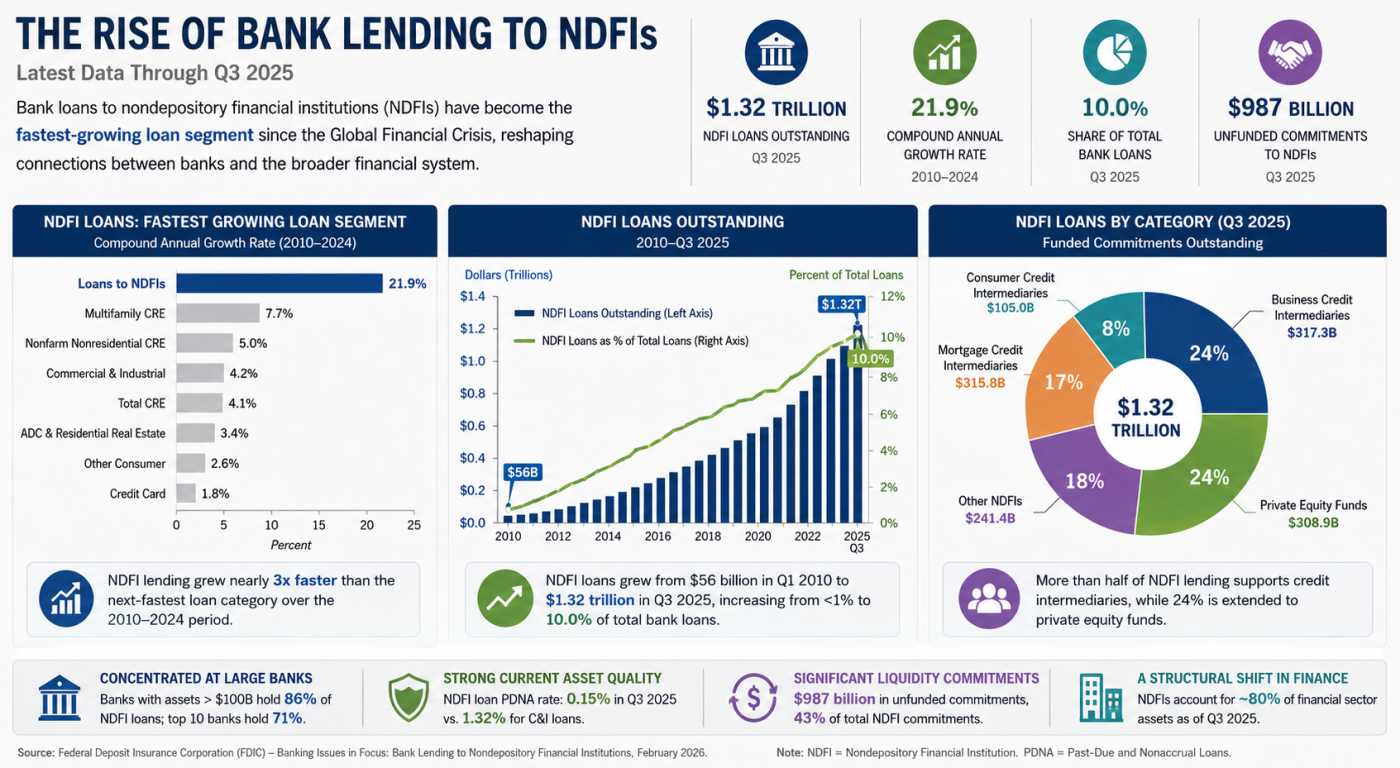
Private Credit’s Secret Banking Backbone Is Growing Faster Than Anyone Expected
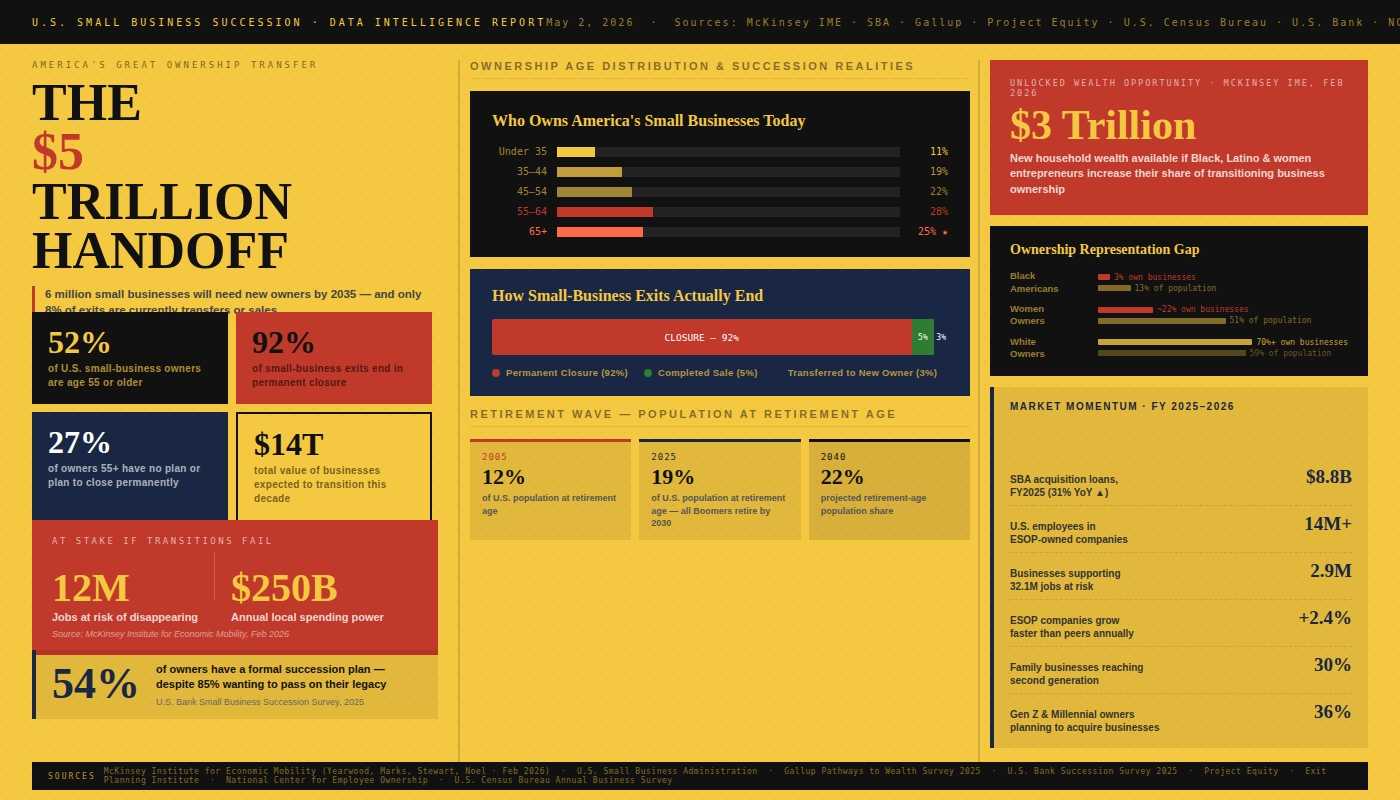
America's $5 Trillion Business Handoff Has Already Begun