More about Avery Dennison Corporation
Regulatory Filings for Avery Dennison Corporation
Fundamentals for Avery Dennison Corporation

Fraud, Delays, and High Fees—Gone: The Underrated Fintech Shift Reshaping U.S. Local Economies
From Rhode Island to Vermont: The Proficiency Gap That's Quietly Dividing New England's Workforce
Regional Airports Poised for Growth Amid Airline Shakeups

From Fuel Shock to Factory Revival: The Surprising Rise of Hyper-Local Supply Chains in the U.S.
Fundamentals for Avery Dennison Corporation



Business Operations:
Sector: Consumer CyclicalIndustry: Packaging & Containers
Avery Dennison Corporation operates as a materials science and digital identification solutions company in the North America, Europe, the Middle East, North Africa, Asia, and Latin America. It offers pressure-sensitive label materials, which consist of papers, plastic films, and metal foils; performance tapes products, including mechanical fasteners, which are precision-extruded and injection-molded plastic devices; and other pressure-sensitive adhesive-based materials and converted products under the Fasson, JAC, and Avery Dennison brands. The company provides graphics and reflective products that include films and other products for the architectural, commercial sign, digital printing, and other related market segments; durable cast and reflective films to the construction, automotive, and fleet transportation markets; sign shops, commercial printers, and designers for pressure-sensitive materials; reflective films for traffic and safety applications; and pressure-sensitive vinyl and specialty materials for digital imaging, screen printing, and sign cutting applications under the Avery Dennison and Mactac brand names. In addition, it offers branding solutions, which include brand embellishments, graphic tickets, tags, labels, and sustainable packaging; information solutions, such as item-level RFID, visibility and loss prevention, price ticketing and marking, productivity and media, and brand protection and security solutions; and shelf-edge productivity and media solutions under the Vestcom brand names, as well as care, content, and country of origin compliance solutions. It serves home and personal care, apparel, general retail, e-commerce, logistics, food and grocery, pharmaceuticals, and automotive industries. The company was formerly known as Avery International Corporation and changed its name to Avery Dennison Corporation in 1990. The company was founded in 1935 and is headquartered in Mentor, Ohio.
Revenue projections:
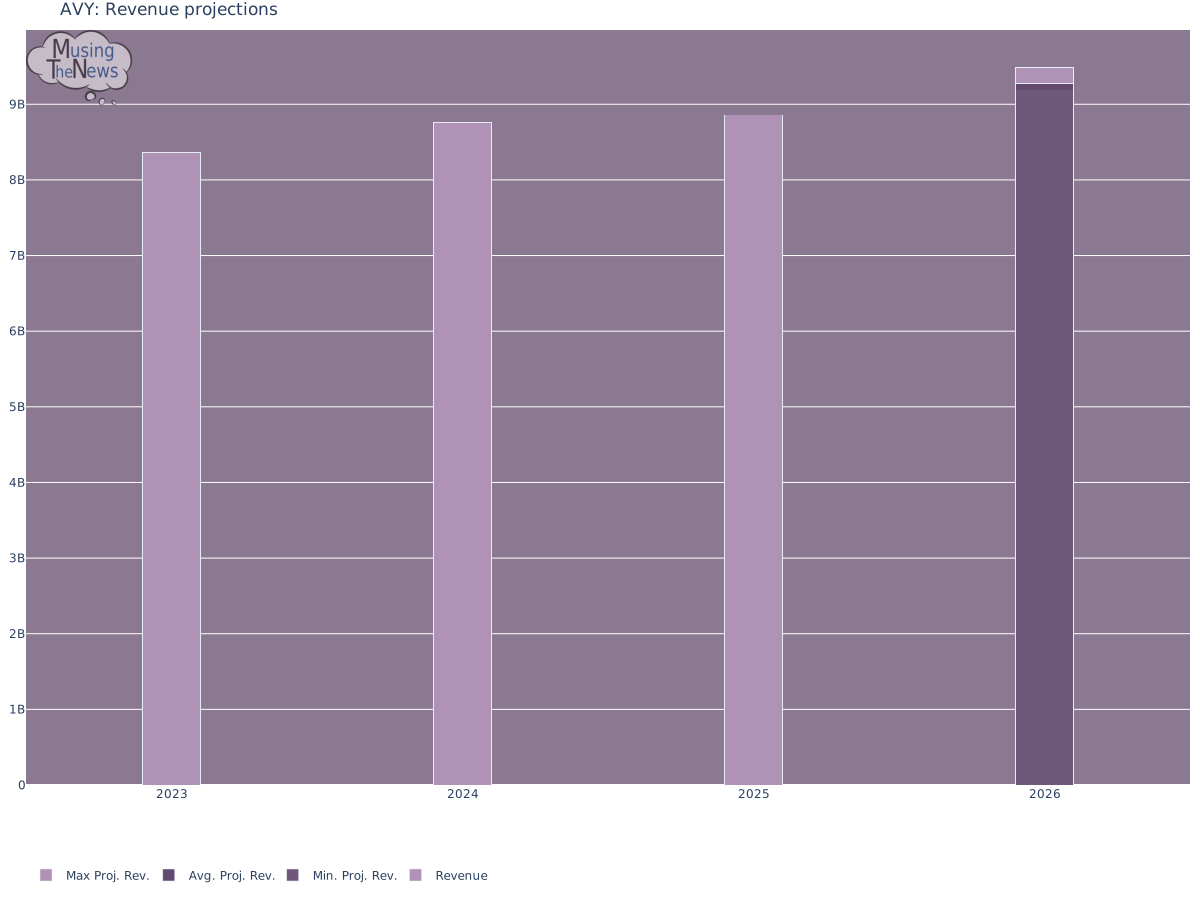
Investors may be wary of AVY as its revenues are expected to fall below the prior year's levels. A revenue decrease often leads to concerns about profitability, as it is likely to affect the company's bottom line, prompting investors to take a more cautious approach.
Financial Ratios:
| currentRatio | 1.127000 |
|---|---|
| forwardPE | 14.832728 |
| debtToEquity | 176.335000 |
| earningsGrowth | -0.006000 |
| revenueGrowth | 0.039000 |
| grossMargins | 0.287540 |
| operatingMargins | 0.127070 |
| trailingEps | 8.790000 |
| forwardEps | 11.274730 |
Avery Dennison Corporation's current ratio is 1.127, showing the company's capacity to service its short-term debt through its cash reserves and current assets. This is a positive indicator of liquidity, suggesting Avery Dennison Corporation has no trouble covering its short-term financial obligations.
AVY's Forward PE is positioned well, reflecting a favorable balance between stock price and earnings. The stock isn't overpriced, offering room for growth and making it a potentially rewarding investment as its value has room to rise further.
AVY's elevated debt-to-equity ratio suggests the company is leveraging debt heavily, increasing its financial risk. While this can support growth, it could also lead to challenges if the company's profitability or cash flow weakens.
AVY's low earnings and revenue growth suggest shrinking profits. This negative trend could indicate that the company is struggling to maintain its financial performance and may face challenges ahead.
Avery Dennison Corporation's negative gross and operating margins indicate that the company is currently unprofitable at both the production and operational levels. This suggests significant challenges in managing costs and generating revenue, which could impact its overall financial health.
Avery Dennison Corporation's forward EPS is higher than its trailing EPS, suggesting the company is expected to see an increase in profitability this year. This points to positive growth, indicating that Avery Dennison Corporation is projected to improve its financial performance compared to the previous year.
Price projections:
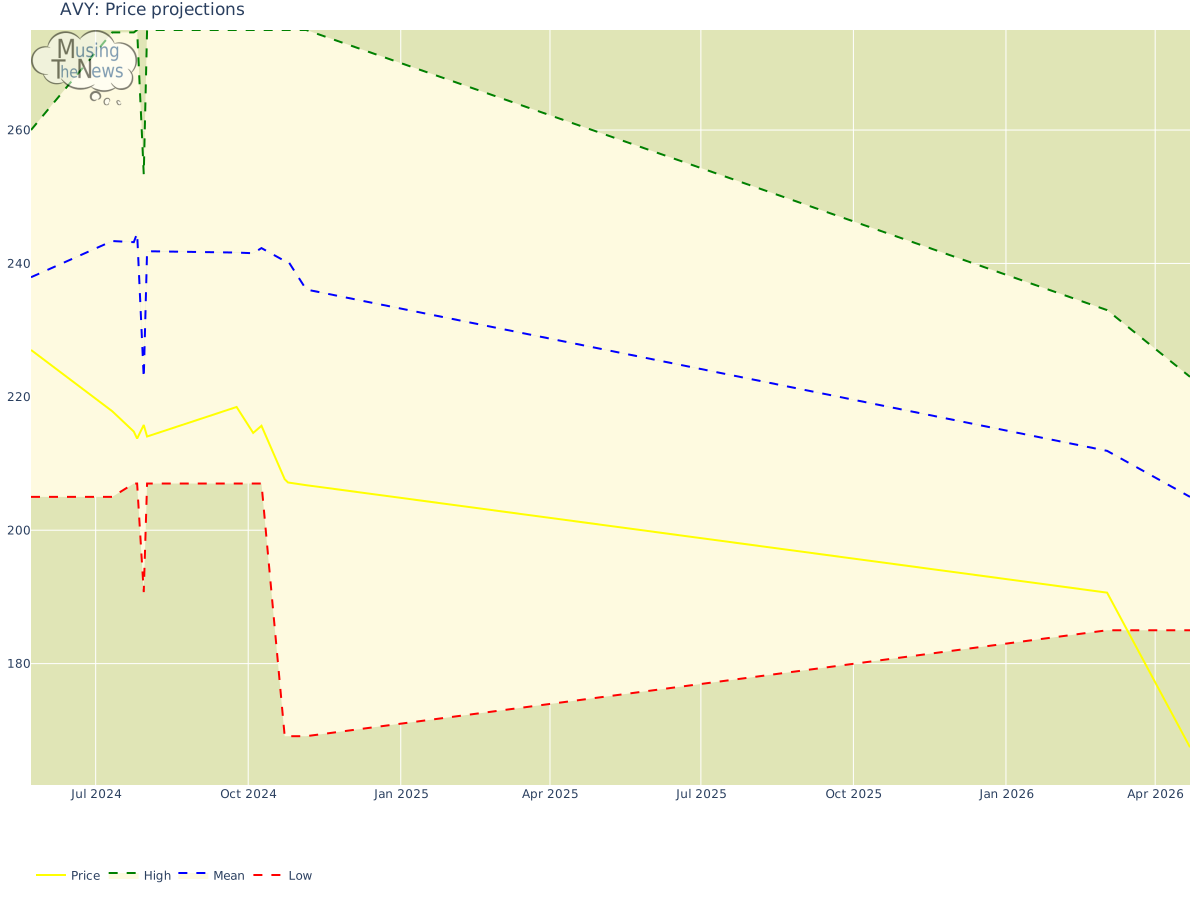
Price projections for Avery Dennison Corporation have been gradually reduced, reflecting growing uncertainty about the company's future performance. The downward revisions indicate analysts are lowering their expectations for Avery Dennison Corporation's market trajectory.
Insider Transactions:
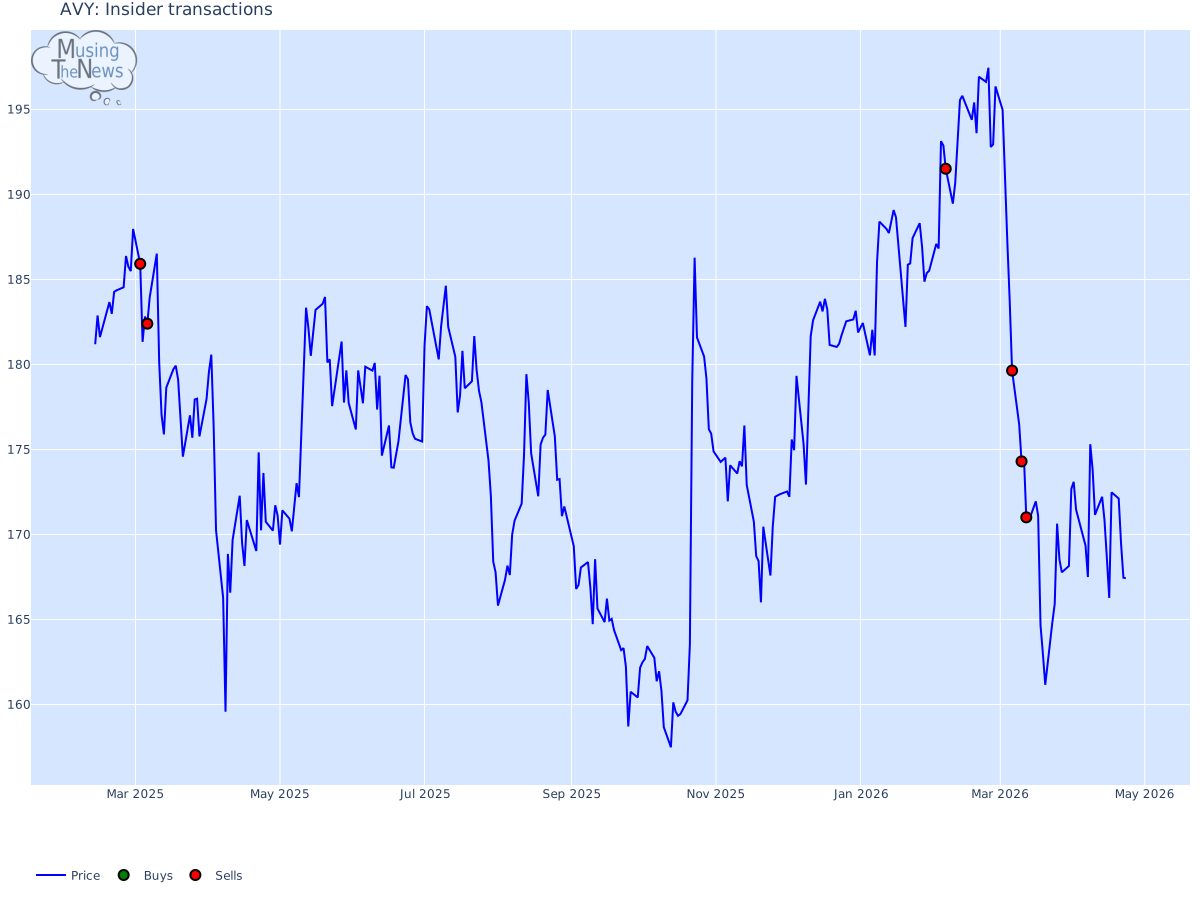
6 AVY transactions were recorded, when the market price was 180.79666392008463.During the period under consideration, there were no sell transactions.The trend of more buys compared to sells around Avery Dennison Corporation's current price levels may signal investor optimism. This behavior suggests that the market is expecting a favorable outcome for the stock, leading to increased buying activity.
Recommendation changes over time:
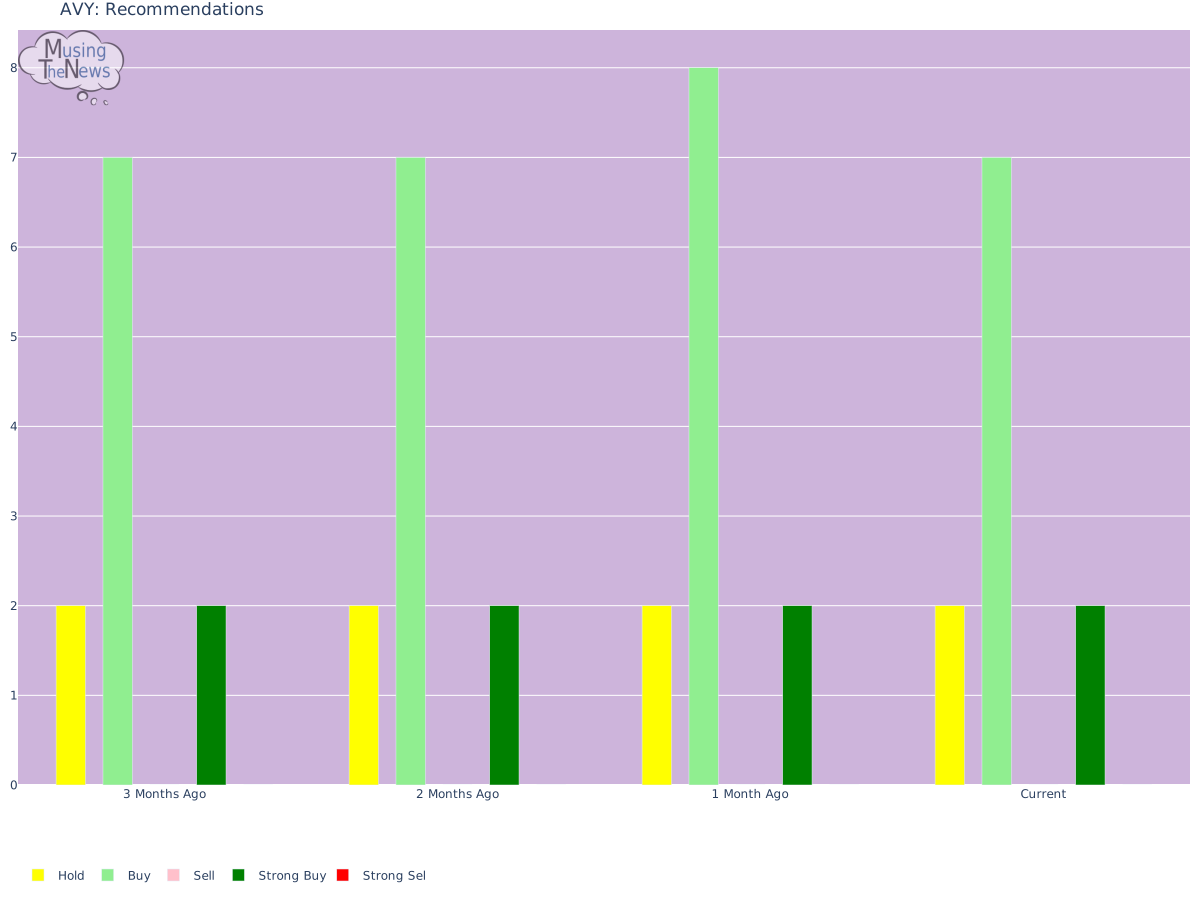
Analysts have shown a buy bias for AVY, signaling it as a strong investment choice. This positive outlook could motivate investors to allocate funds to AVY, seeing it as a reliable and potentially profitable option, especially in an environment where the stock market is highly scrutinized.
DISCLAIMER: We provide information and our musings based on events, but nothing on this site can be considered professional advice of any kind.
If you have enjoyed reading, spread the word:
Good prospects:
Companies with the best and the worst technicals.
Latest Regulatory Filings for SP5
Companies with the best and the worst fundamentals.

AI Data Centers Transform Small-Town USA: Jobs, Taxes, and Tech Ecosystems Explode
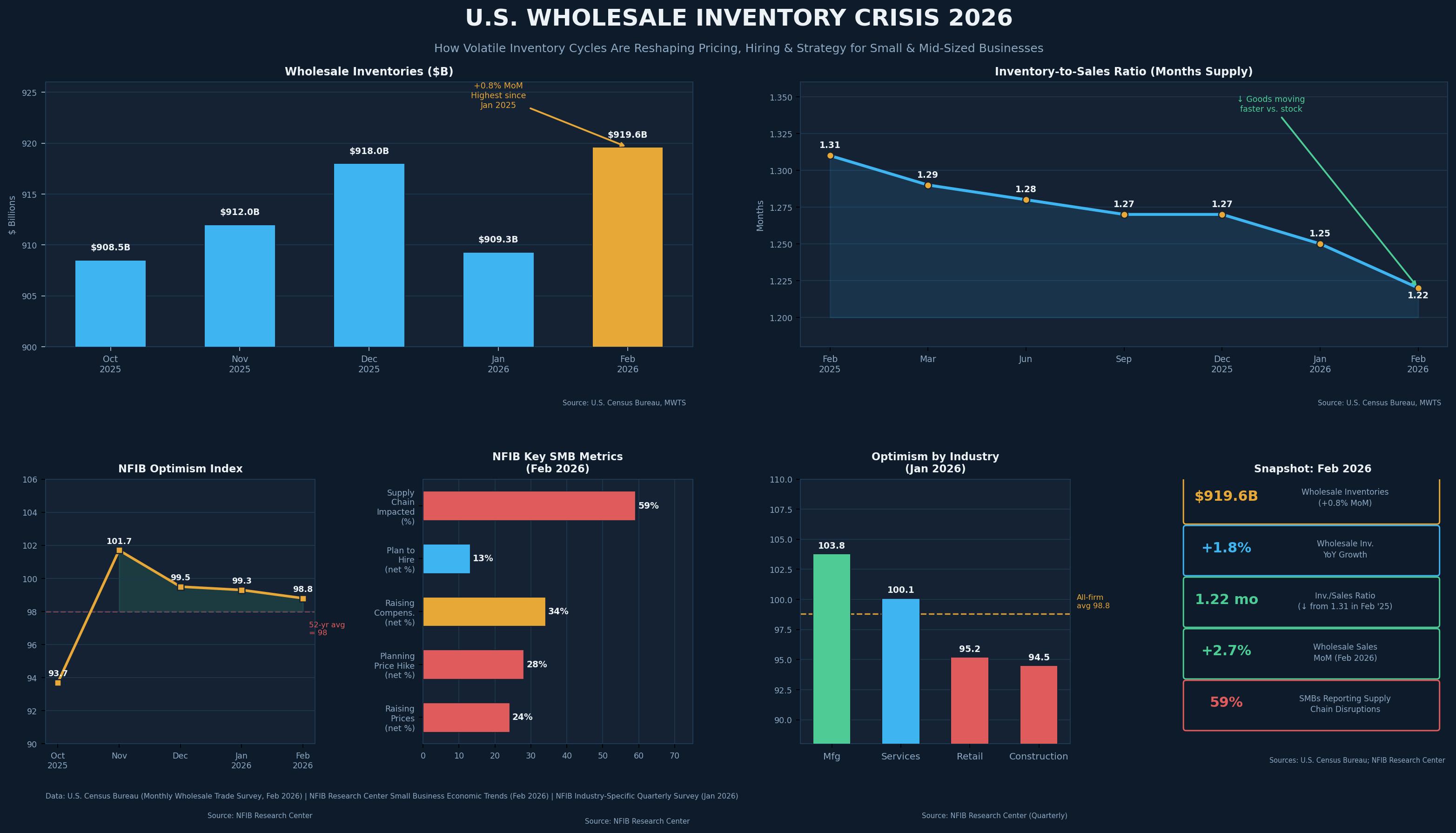
The $919 Billion Warning: What the Wholesale Inventory Explosion Really Means for Main Street
How U.S. Cities Are Turning Data and Infrastructure into Billion-Dollar Opportunities