More about A. O. Smith Corporation
Regulatory Filings for A. O. Smith Corporation
Fundamentals for A. O. Smith Corporation

Not Wall Street, But AI: The Real Force Democratizing Finance Across America

When Flooding Pays: A New Financial Bet

Breakfast for Life How Local Diners and Hardware Stores are Outsmarting Amazon
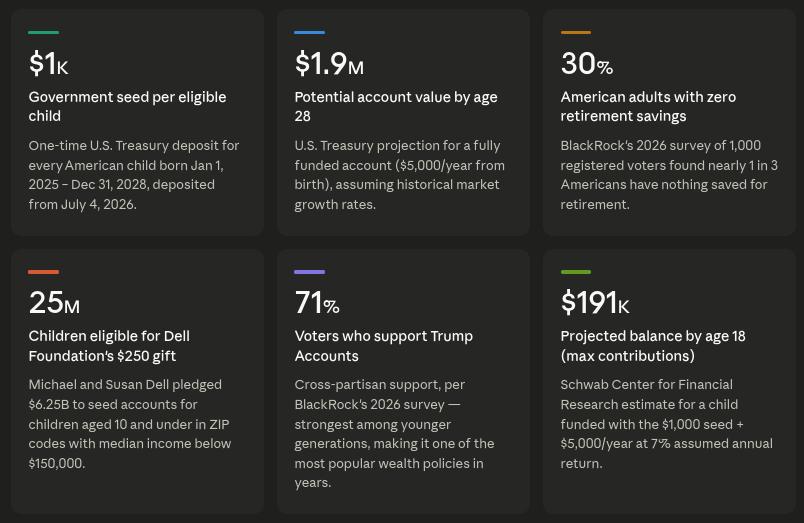
Before They Can Walk, They're Invested: How Trump Accounts Are Transforming Financial Culture
Technicals for A. O. Smith Corporation



Price Summary
A. O. Smith Corporation's stock began trading at 63.91 on 2026-04-29, soared to 64.38, dipped to 63.12, and finished the day -0.36% lower at 63.68, with 2615144 shares exchanged.Throughout the 52-week period, the stock hit a high of 80.47 and a low of 62.74.
The price outlook for AOS is between 61.0 and 100.0, with an average expectation of 78.3, as estimated by 10 analysts.
Technicals
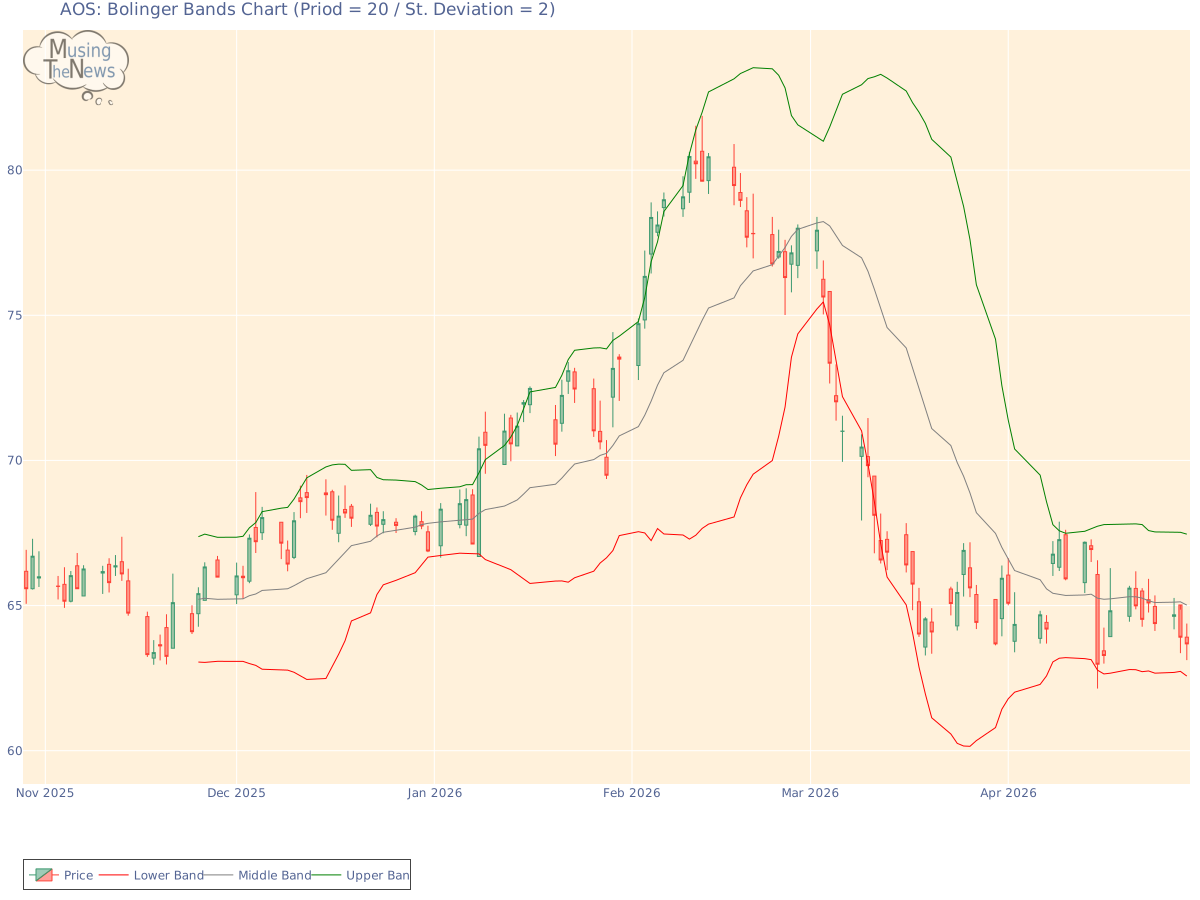
Aroon: The AROON is in a neutral stance, with no clear signals for movement up or down. This neutral position indicates a potential period of consolidation or uncertainty in the market.
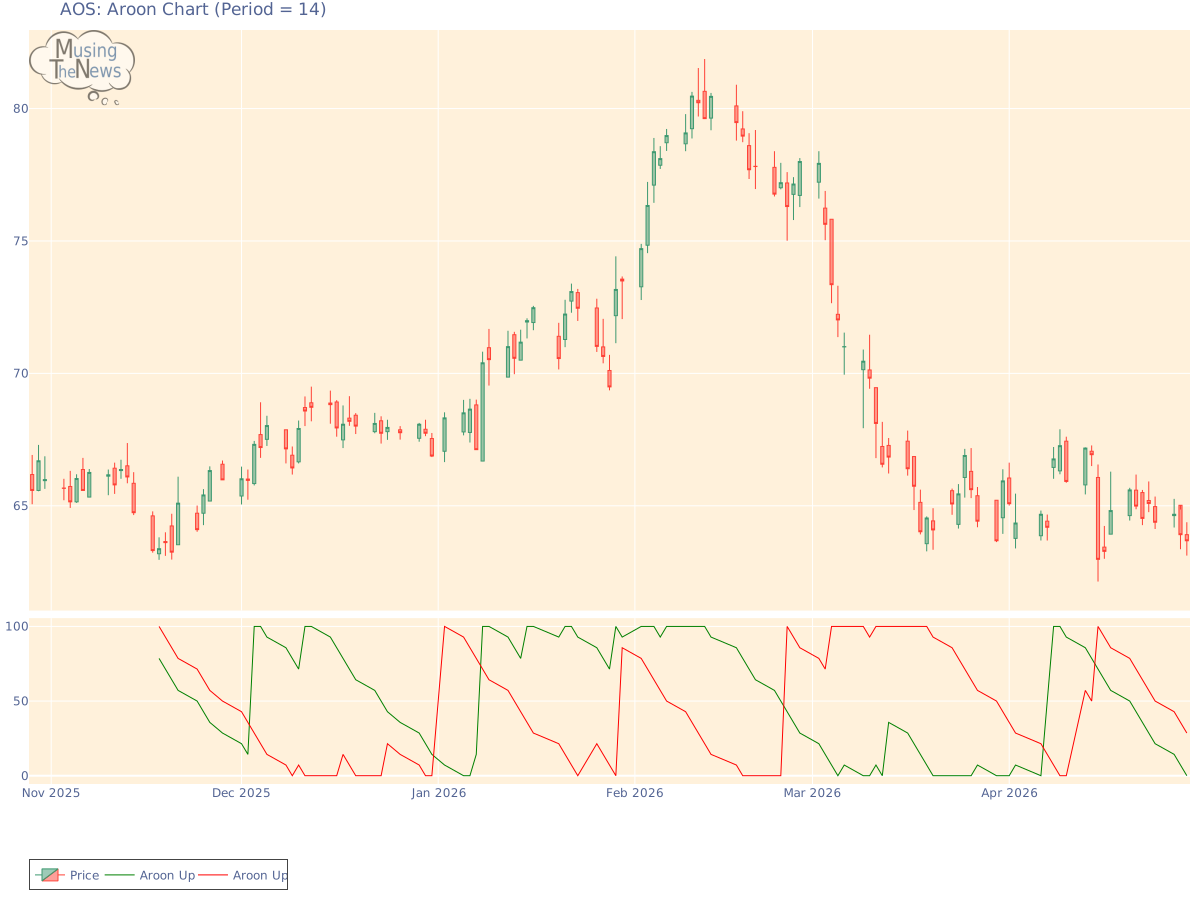
Bol. Bands: The BOLL BANDS is showing a neutral stance, with no definitive indication of an upward or downward trend for AOS. This neutral position suggests a period of indecision in the market, making it difficult to predict the next move.
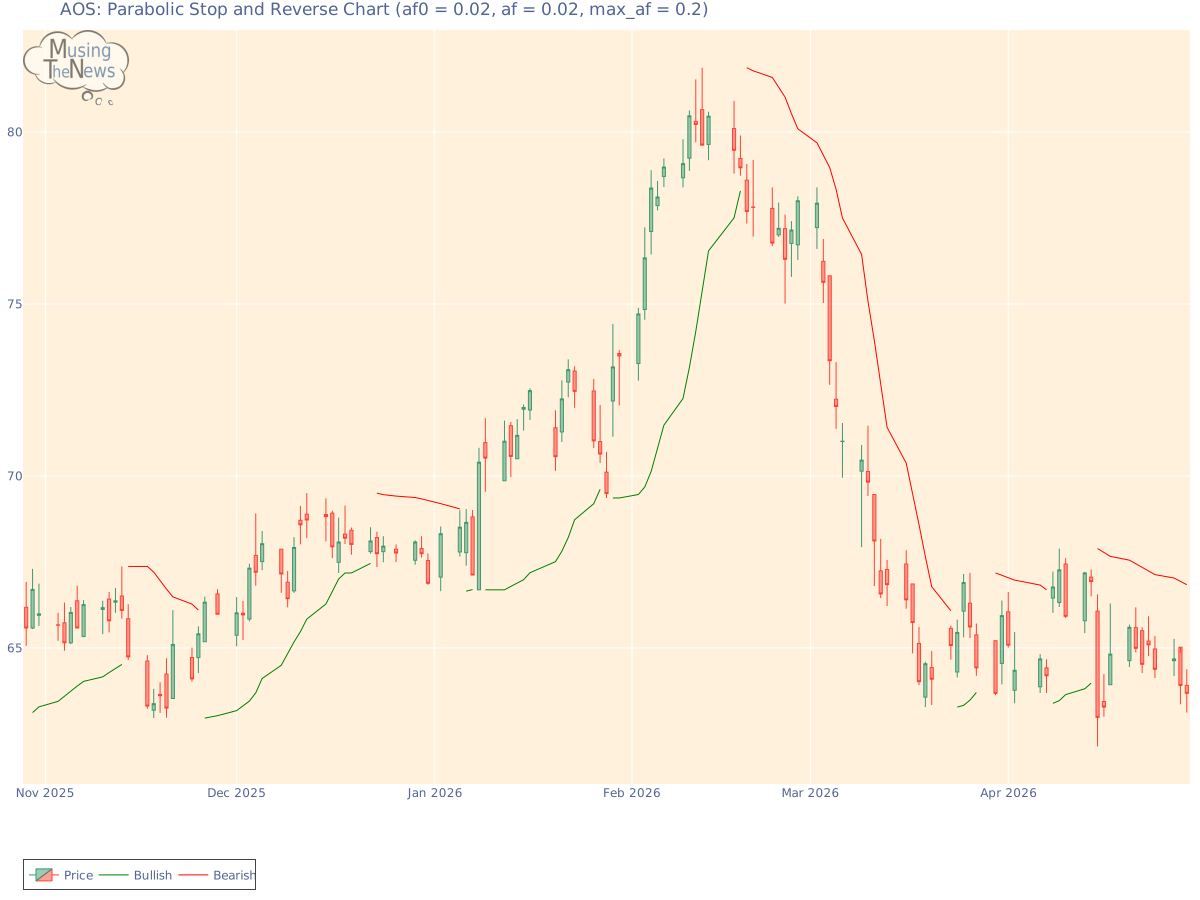
Parabolic SAR: The PSAR remains in a bearish mode, setting a resistance level that could impede any upward movement. This resistance indicates that the market may continue to face bearish pressure, with limited potential for breaking higher.
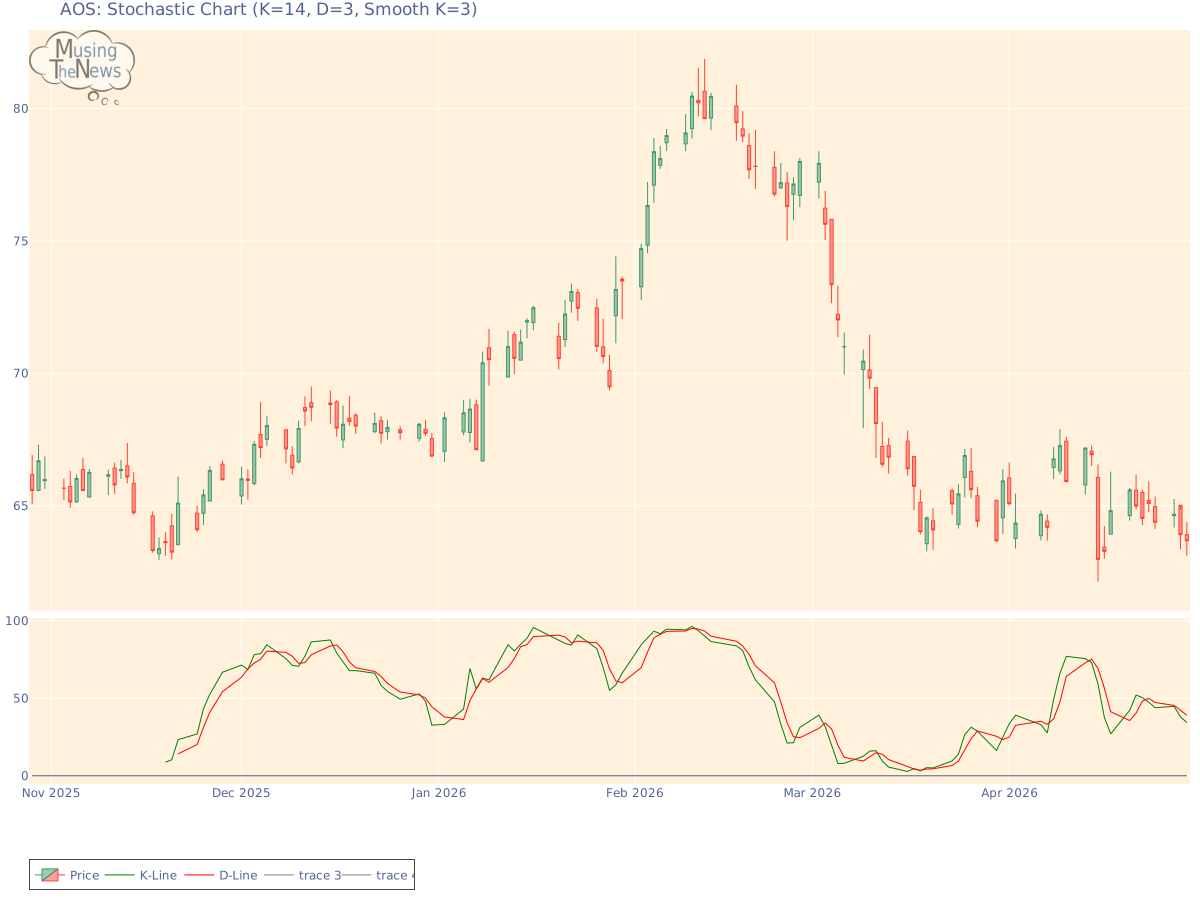
Stochastic: The STOCHASTIC is in a neutral stance, with no clear direction indicated for the market. This lack of clarity suggests that the market may be in a state of equilibrium for AOS, with no strong trend emerging.
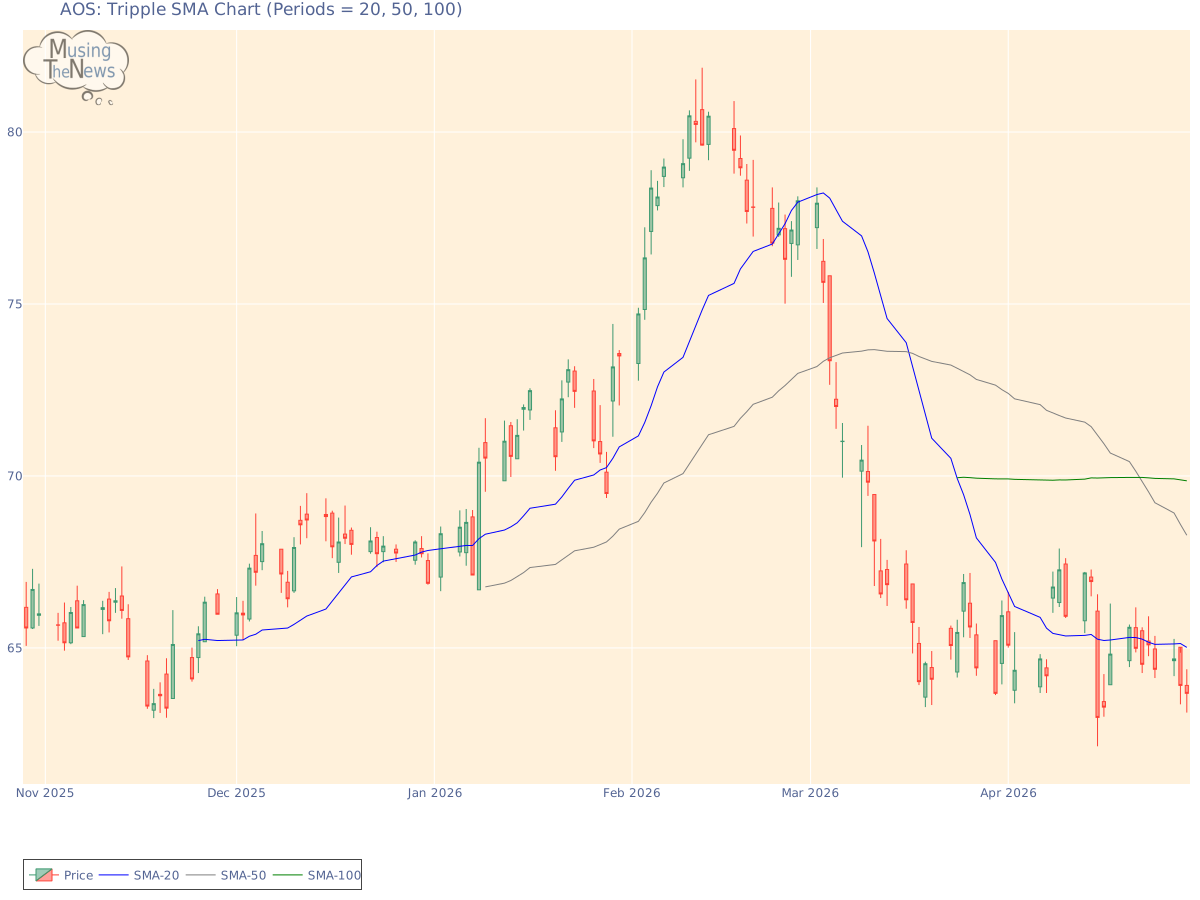
Tripple Moving Agerage: A bullish trend is signaled by the alignment of the 20-50-100 period moving averages, but the slopes of the faster averages suggest a potential reversal. The weakening momentum in the shorter-term averages hints that the current upward trend might be nearing its end, signaling the possibility of a shift in direction.
Before focusing on a company's technical data, such as stock price movements, it's essential to analyze its fundamentals. These include factors like profitability, cash flow, and debt management. Additionally, considering the broader industry landscape—including market trends, competition, and regulatory changes—offers deeper insights. This comprehensive approach allows for a more meaningful interpretation of the company's technical indicators, providing a clearer picture of its financial health and future prospects.
DISCLAIMER: We provide information and our musings based on events, but nothing on this site can be considered professional advice of any kind.
If you have enjoyed reading, spread the word:
Good prospects:
Companies with the best and the worst technicals.
Latest Regulatory Filings for SP5
Companies with the best and the worst fundamentals.
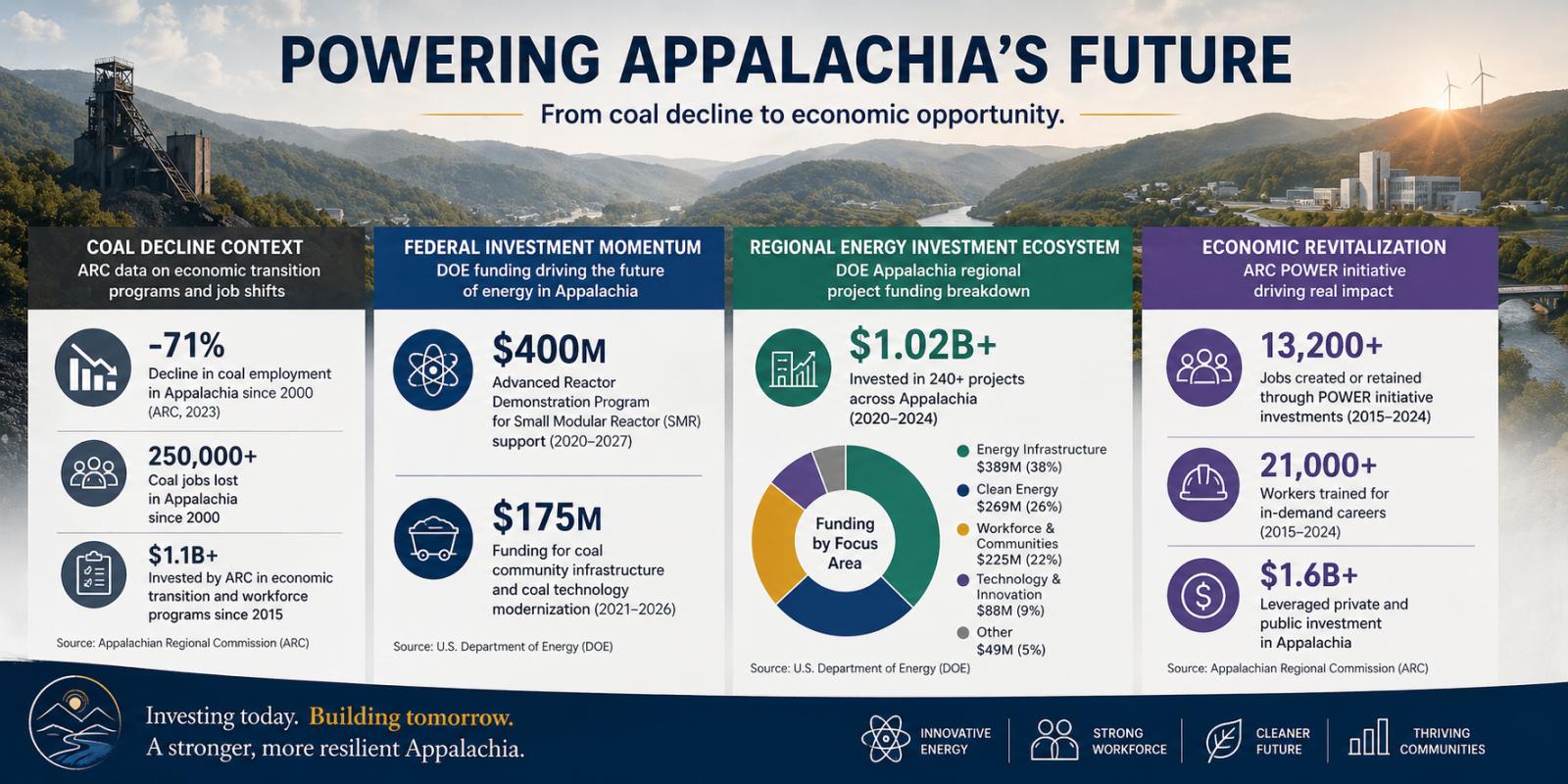
The Appalachian Energy Reboot: Inside the Unexpected Nuclear Startup Boom

Theatrical Finance: Credit Unions Use Drama to Attract Youth

Fraud, Delays, and High Fees—Gone: The Underrated Fintech Shift Reshaping U.S. Local Economies