
More about The AES Corporation
Regulatory Filings for The AES Corporation
Fundamentals for The AES Corporation

Diversification Shielded U.S. Banks

Repo, Debt and Risk: The Fed's Untold Warning for 2026

When Losing Money Pays: America's Broken Market Logic

The Hidden Time Bomb in AI Finance
Fundamentals for The AES Corporation



Business Operations:
Sector: UtilitiesIndustry: Utilities - Diversified
The AES Corporation, together with its subsidiaries, operates as a power generation and utility company in the United States and internationally. The company owns and/or operates power plants to generate and sell power to customers, such as utilities, industrial users, and other intermediaries; owns and/or operates utilities to generate or purchase, distribute, transmit, and sell electricity to end-user customers in the residential, commercial, industrial, and governmental sectors; and generates and sells electricity on the wholesale market. It uses various fuels and technologies to generate electricity, such as coal, gas, hydro, wind, solar, and biomass, as well as renewables comprising energy storage and landfill gas. The company owns and/or operates a generation portfolio of approximately 32,109 megawatts and distributes power to 2.7 million customers. The company was formerly known as Applied Energy Services, Inc. and changed its name to The AES Corporation in April 2000. The AES Corporation was incorporated in 1981 and is headquartered in Arlington, Virginia.
Revenue projections:
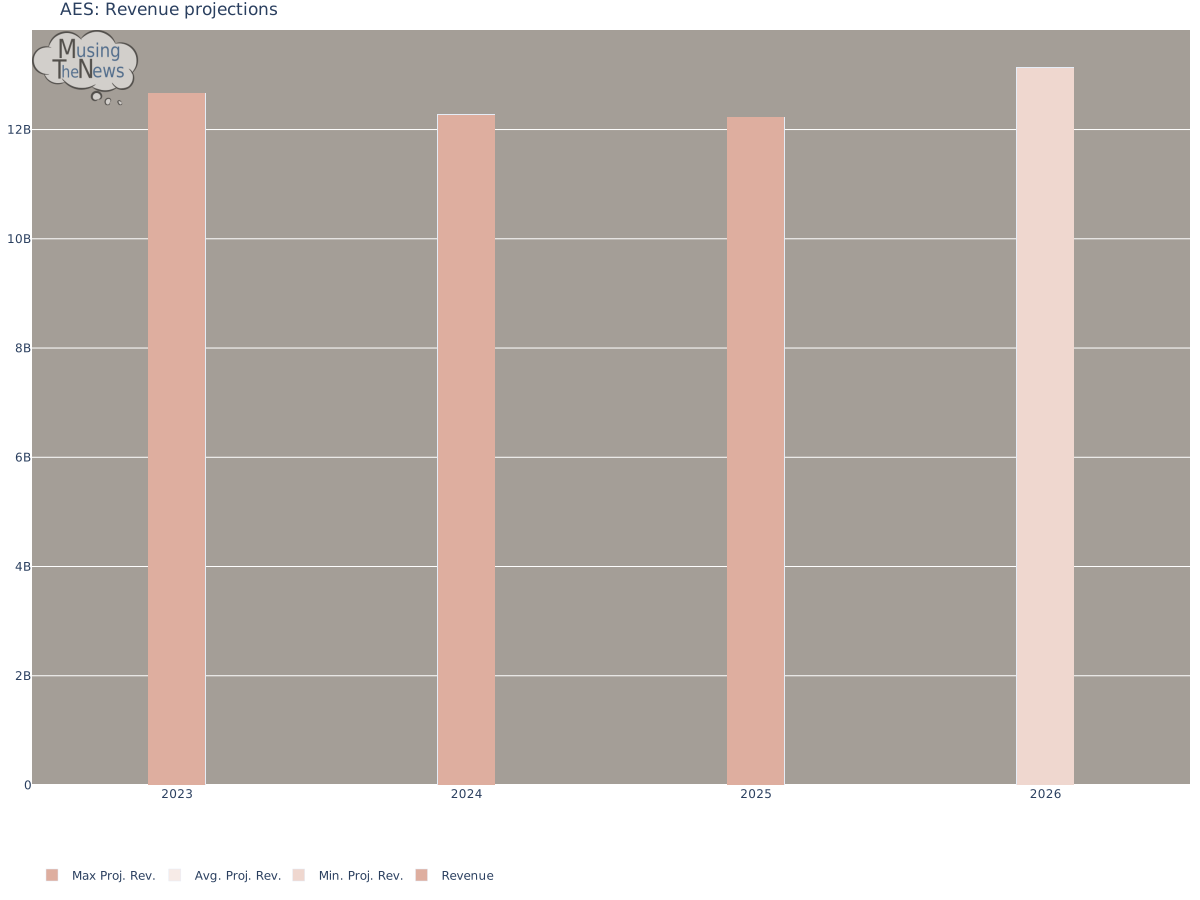
Investors are expected to be cautious with The AES Corporation, as its revenues are projected to fall compared to last year. A decline in revenue often results in a negative impact on profitability, prompting concerns about the company's financial stability and making investors more conservative in their approach.
Financial Ratios:
| currentRatio | 0.73000 |
|---|---|
| forwardPE | 6.21969 |
| debtToEquity | 259.60300 |
| earningsGrowth | 9.51100 |
| revenueGrowth | 0.08700 |
| grossMargins | 0.19300 |
| operatingMargins | 0.18742 |
| trailingEps | 1.92000 |
| forwardEps | 2.37954 |
AES's high debt-to-equity ratio indicates a strong reliance on debt, meaning the company is heavily leveraged. This could increase financial risks if cash flow or earnings decline, making it more difficult for AES to manage its debt obligations.
AES's forward EPS exceeding its trailing EPS means that the company is expected to increase profitability in the current financial year. This reflects improved earnings potential, signaling that AES is likely to outperform its previous year's financial performance.
Price projections:
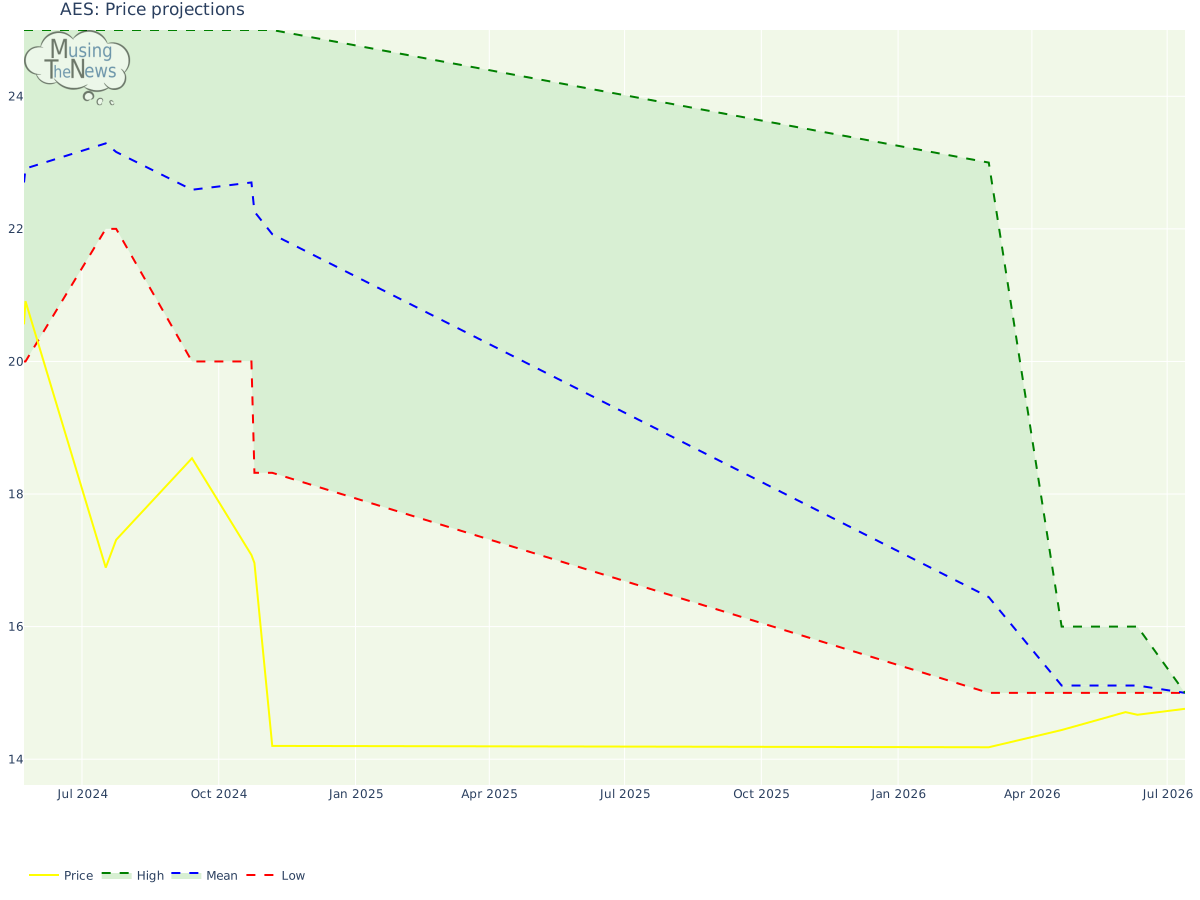
AES's price projections have been revised downward gradually, indicating that analysts are tempering their expectations. This downward shift suggests a more cautious outlook on the company's growth prospects.
Surpassing the higher limit of projections, AES's stock price reflects significant gains. Yet, the restricted potential for further rises indicates that the stock may need to consolidate, possibly leading to increased volatility in the short term.
Recommendation changes over time:
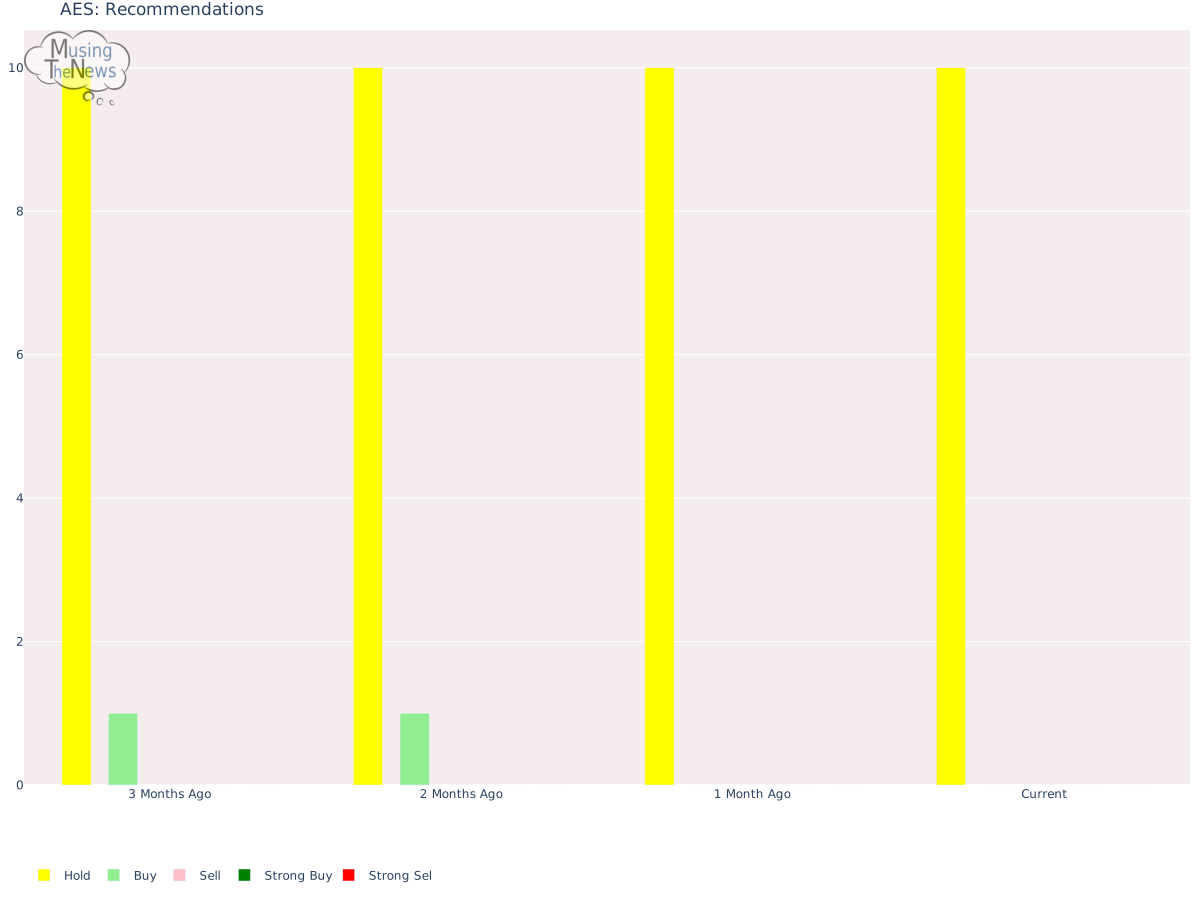
The AES Corporation has garnered mixed reviews from analysts, with no clear buy or sell stance. This lack of consensus suggests uncertainty, making it advisable for investors to look into additional market research before making any decisions about the stock.
If you have enjoyed reading, spread the word:
Good prospects:
Companies with the best and the worst technicals.
Latest Regulatory Filings for SP5
Companies with the best and the worst fundamentals.
Why Electricians Now Out-Earn Software Engineers
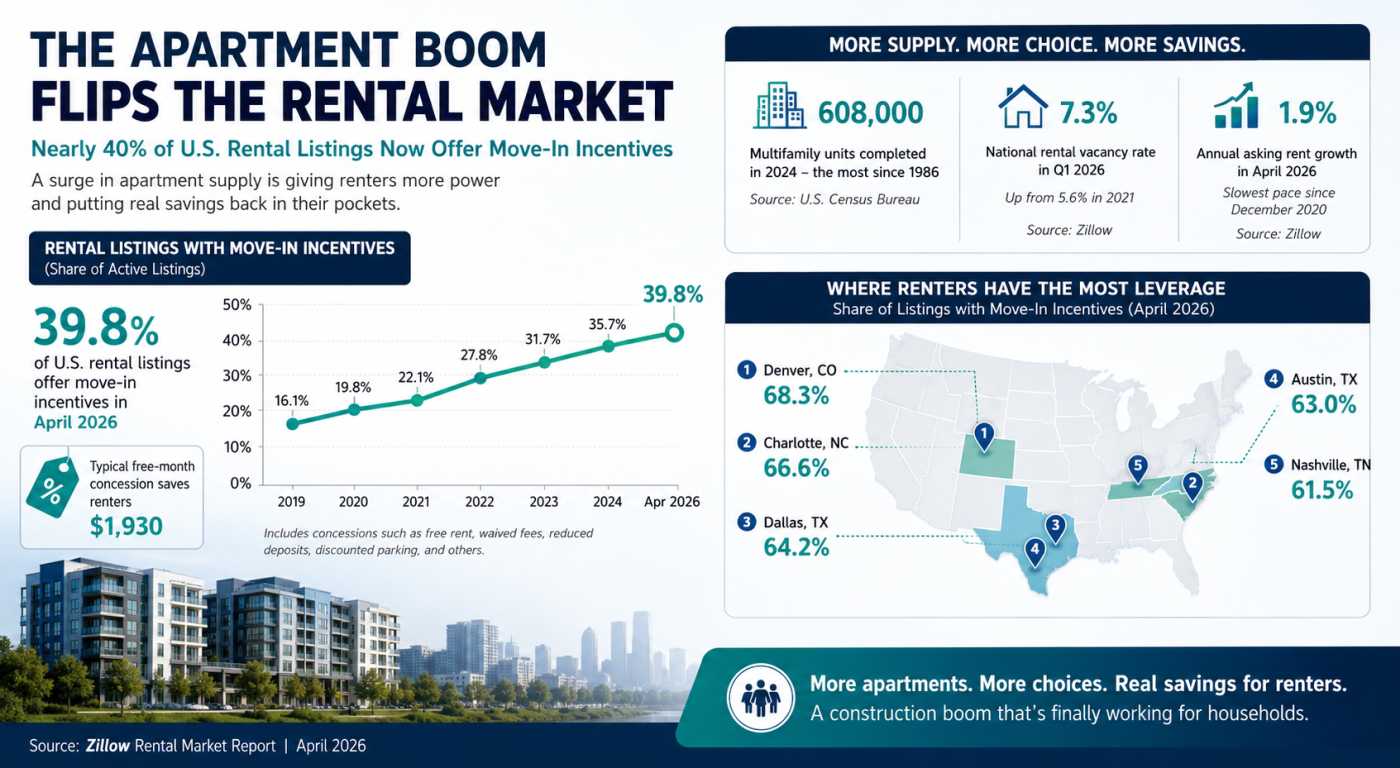
The Apartment Glut Changing America’s Rental Market
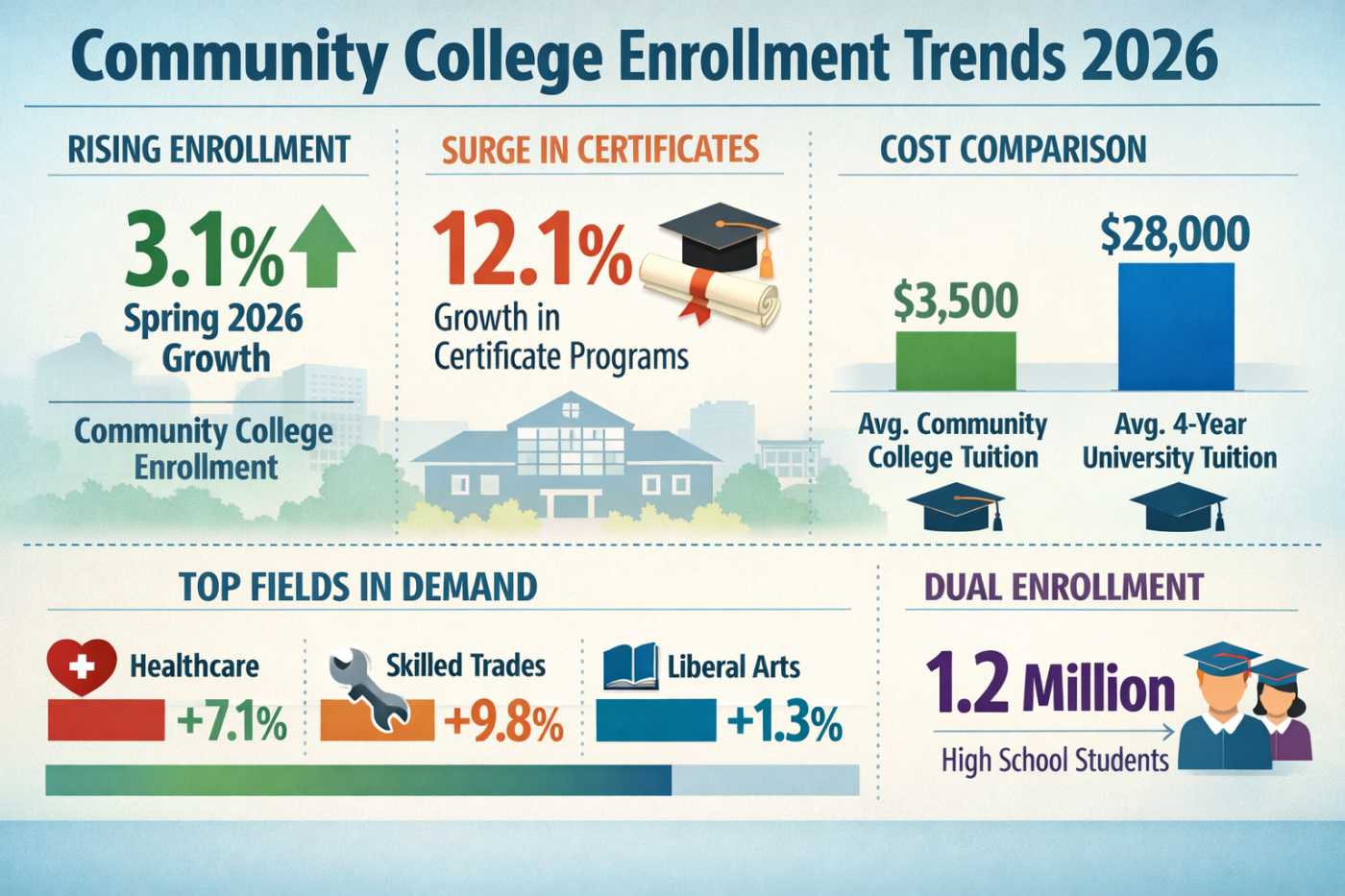
Why Community Colleges Are Winning Again