Good prospects:
Latest Regulatory Filings for SP5
Companies with the best and the worst fundamentals.
Before They Can Walk, They're Invested: How Trump Accounts Are Transforming Financial Culture
The Appalachian Energy Reboot: Inside the Unexpected Nuclear Startup Boom
Theatrical Finance: Credit Unions Use Drama to Attract Youth
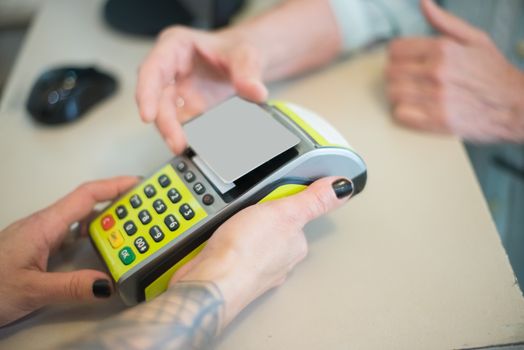
Fraud, Delays, and High Fees—Gone: The Underrated Fintech Shift Reshaping U.S. Local Economies
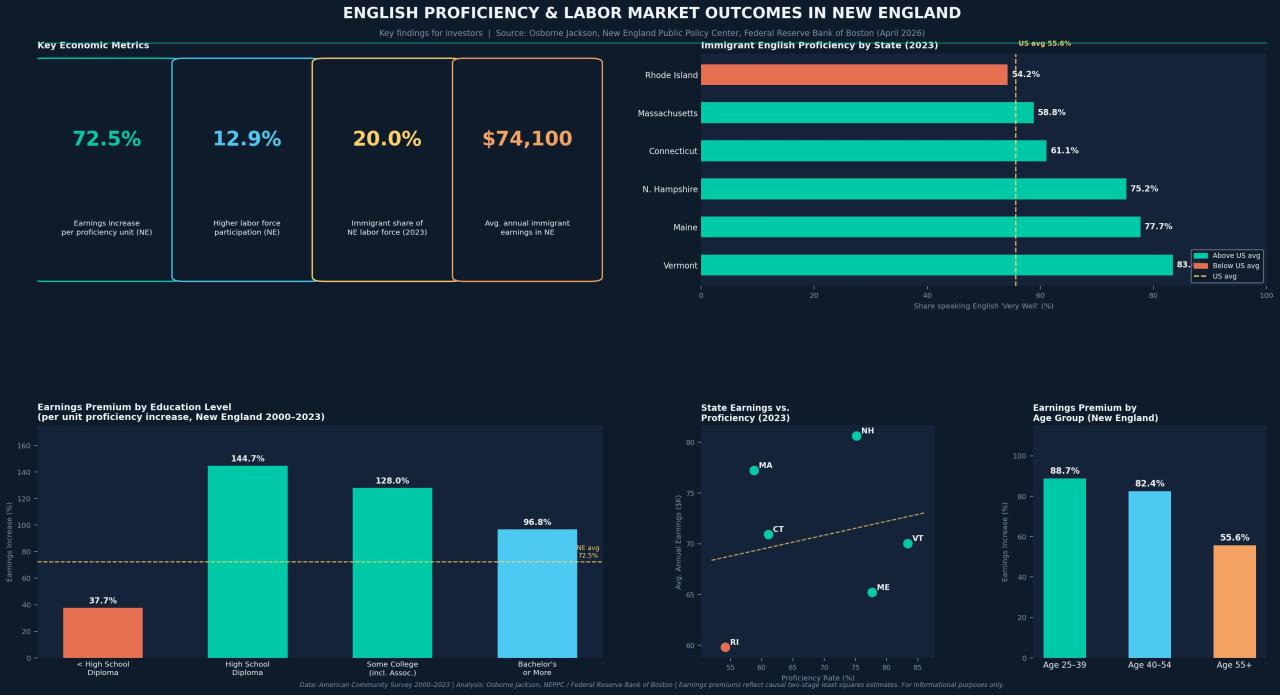
From Rhode Island to Vermont: The Proficiency Gap That's Quietly Dividing New England's Workforce
Breakfast for Life How Local Diners and Hardware Stores are Outsmarting Amazon


The death of the American small business has been greatly exaggerated. For years, the headlines have screamed about the "retail apocalypse" and the rise of Amazon, painting a picture of shuttered main streets dominated by big-box ghosts. But if you look closely, something quietly revolutionary is happening inside that old hardware store on the corner and at the vinyl booth in the local diner.
Entrepreneurs are fighting back against the brutal feast-or-famine cycle that has killed local commerce for generations. Their weapon isn't complicated algorithms or billion-dollar logistics networks. It is as old as commerce itself the subscription reimagined for the modern era.
Once the exclusive domain of Silicon Valley software giants and streaming services, the membership model has gone back to its roots. According to the 2026 State of Subscriptions report from Recurly, the landscape has shifted dramatically. We have entered a smarter, more mature era where consumers are managing their recurring payments actively, not as a "set it and forget it" expense . For the local merchant, this cultural shift is pure gold. It turns a transient passerby into a committed member of the community.
The Taming of the Seasonality Beast
Ask any owner of a seasonal business about January, and watch them wince. In rural Nebraska, winter isn't just cold; for a hardware store owner, it is a financial deep freeze. You can't sell patio furniture in a blizzard, and the foot traffic that bustles in May vanishes by Thanksgiving.
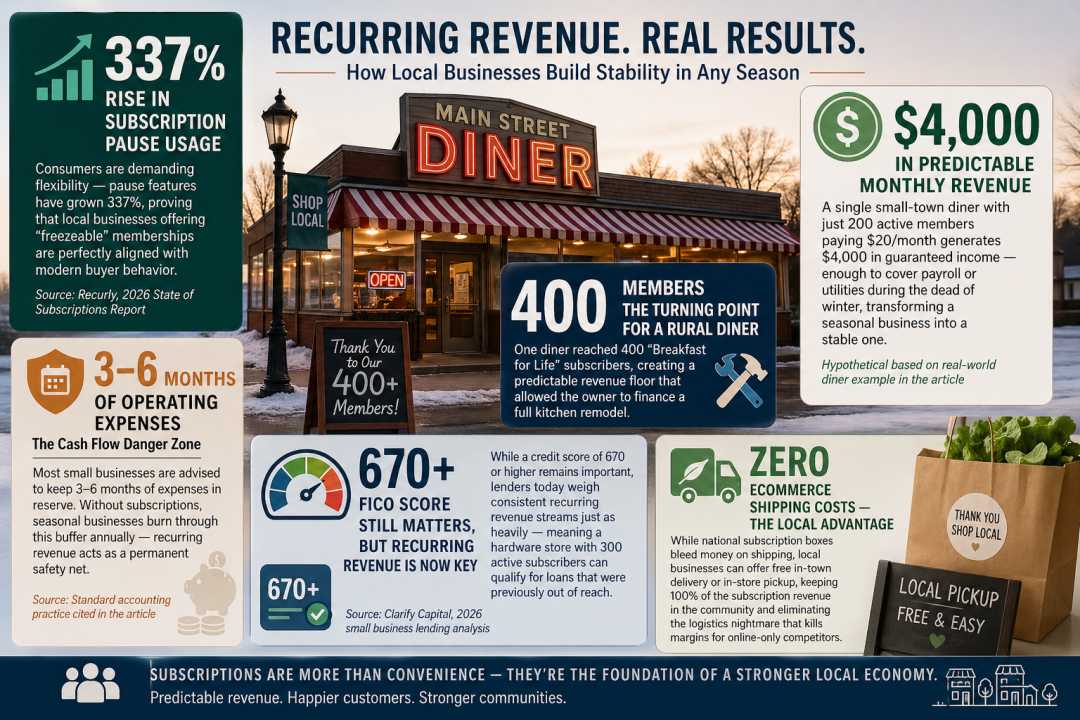
Cash flow management is the single biggest hurdle for small businesses. Standard accounting practice suggests keeping three to six months of operating expenses in reserve, but when you are fighting seasonality, that buffer gets burned through quickly .
Enter the "Handyman Hours" monthly plan. A family-owned hardware store in a town of 4,000 people was struggling to retain staff because they couldn't guarantee hours in the winter. Their solution was a $29/month subscription. For that fee, homeowners (specifically the aging population in the area who can no longer do heavy lifting) get one hour of in-store consultation and one "fix-it" ticket per month, plus a 10% discount on parts. It changes the calculus of the slow season. Instead of praying for a pipe to burst, the store now has predictable recurring revenue in Q1 that covers the electric bill and the payroll for their part-time repair guy.
Similarly, a diner in small-town Georgia realized that their cash flow was a roller coaster: packed during the summer tourist season and a ghost town in the dead of winter. Their "Breakfast for Life" membership $199 up front or $19.99 monthly seemed gimmicky to the old-timers at first. But it smoothed the curve. They now have a base of 400 members paying every month, regardless of the weather. That recurring revenue acts as a floor, preventing them from falling into the red during the lean weeks.
Across the Atlantic, major players like Pret A Manger have proven that even fast food can be subscription-driven, transforming footfall into predictable revenue . If the big chains can do it, the little guy must and they are doing it with more heart.
The Accidental Bankers: How Subscriptions Unlock Credit
The most unexpected consequence of this shift is happening at the bank. For decades, the local banker was the enemy of the seasonal owner. You couldn't get a loan for a new oven in February because your income statement from the previous quarter looked like a ski slope.
In 2026, that is changing. Lenders are evolving. Fintech innovations and automated underwriting mean lenders are increasingly looking at recurring revenue streams as a form of collateral. According to Clarify Capital, while traditional metrics like the FICO score (670 or higher is generally considered good) still matter, the approval process now heavily weighs consistent cash flow and transaction history .
If a diner can show 200 active subscriptions bringing in $4,000 a month, rain or shine, that is no longer a speculative venture; it is a utility. Bankers in Georgia and Nebraska are now viewing these membership rolls as more valuable than real estate. A predictable recurring revenue model lowers the risk profile. Suddenly, the business qualifies for an SBA loan or a line of credit that was previously unattainable because the owner can prove they have a guaranteed income floor.
This is a massive unlock for capital expenditure. That hardware store in Nebraska? They used their subscription revenue as proof of stability to secure a loan for a new forklift. The diner? They financed a full kitchen remodel. The subscription isn't just a loyalty program; it is a financial passport.
The Art of the Reinvention: From Product to Promise
What makes this trend a love letter to ingenuity is the creativity involved. These aren't boring SaaS dashboards; they are tactile, human offers. A local pet store in Hamilton, Ontario, represents the frontier of this struggle. They desperately want to offer subscriptions on their cat food, but they face the classic local dilemma: shipping costs kill the deal. They can't use standard ecommerce logic because their value prop is free local delivery. So, they are manually processing thousands of dollars in invoices to keep the recurring relationship alive while waiting for tech to catch up . That is grit.
Meanwhile, others are getting the tech mix right. The subscription economy is now supported by automated billing systems that handle dunning management (retrying failed payments) and account updaters that refresh expired cards . For the bar owner selling a "Mug Club" membership, these tools automate the headache of chasing down renewals.
We are also seeing the rise of the "micro-subscription." Recurly's data shows that short-term passes and pause options are exploding pause usage rose 337% because consumers want flexibility . Smart diners have caught on. They aren't locking you into a year-long breakfast contract; they are offering rolling monthly memberships that you can freeze when you go on vacation. By giving the customer control, the business earns trust, and trust converts into lifetime value.
Building Community, One Auto-Pay at a Time
Ultimately, this isn't a story about technology or finance; it is a story about belonging. When you buy a hammer from a hardware store, the transaction ends at the parking lot. But when you pay $29 a month for the hardware store to be your personal handyman, you are buying peace of mind. You are buying a relationship.
Customers love the community feeling these subscriptions create. In an era of algorithmic isolation, paying a monthly fee to a local diner feels like patronage. It feels like keeping a lifeline open. The loyalty isn't manufactured by points; it is manufactured by survival. The customer knows the diner needs their $20 this month to keep the lights on, and the customer gets value in return often discounted coffee, a reserved seat, or just the warm feeling of being an insider.
As the Trust Payments blog notes, the relationship shifts from transactional to ongoing, and that changes how customers think about your brand . The hardware store owner in Nebraska knows which subscribers have leaky faucets. The diner owner knows which members take their coffee black.
We are witnessing the rise of what you might call "Relationship Revenue." It is the most powerful business model of the digital age, hiding in plain sight. It turns out you don't need a disruption. You just need a handshake, a credit card reader, and the courage to ask your neighbors to bet on you. And in 2026, they are saying yes.
DISCLAIMER: We provide information and our musings based on events, but nothing on this site can be considered professional advice of any kind.
If you have enjoyed reading, spread the word:
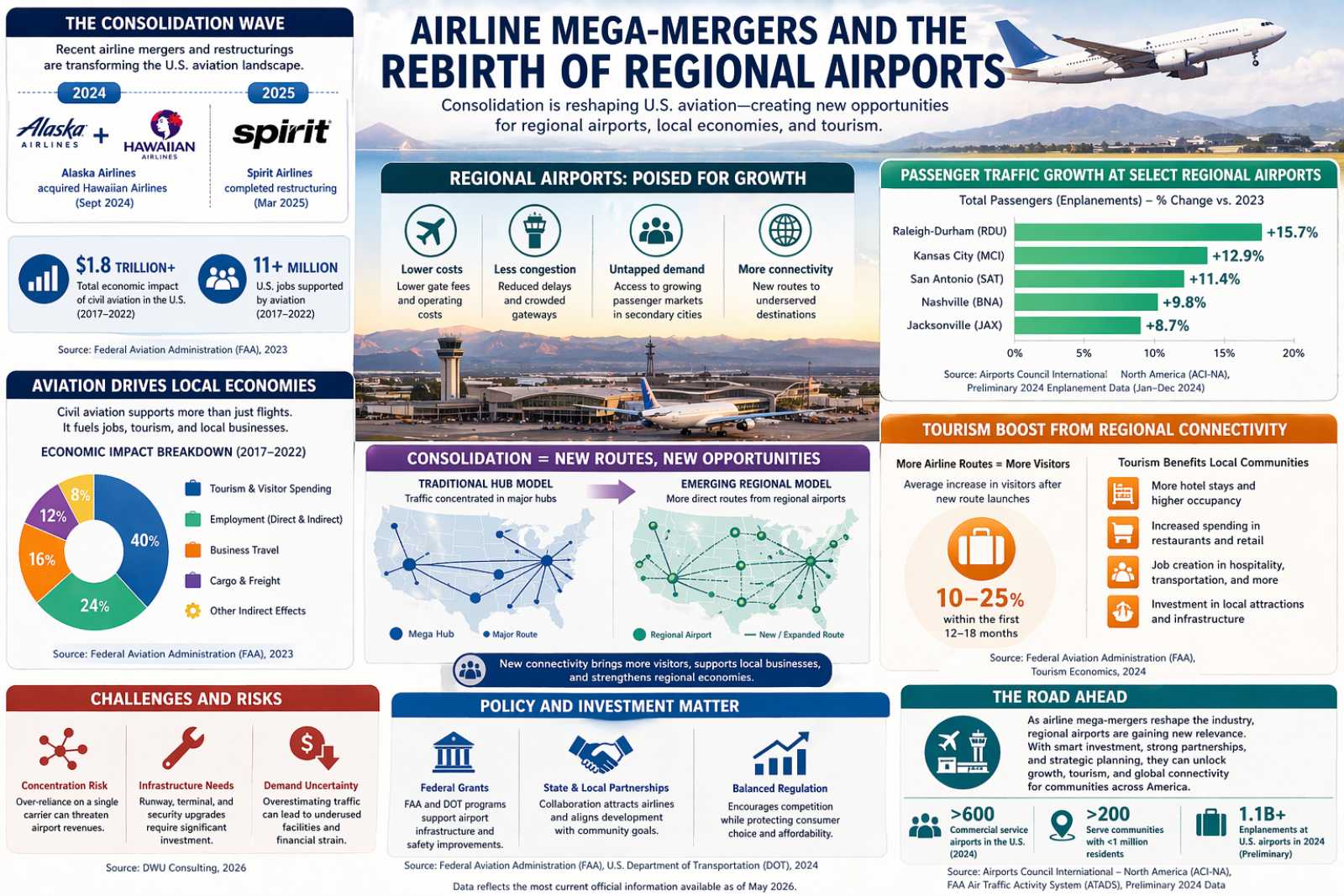
Regional Airports Poised for Growth Amid Airline Shakeups
From Fuel Shock to Factory Revival: The Surprising Rise of Hyper-Local Supply Chains in the U.S.
AI Data Centers Transform Small-Town USA: Jobs, Taxes, and Tech Ecosystems Explode
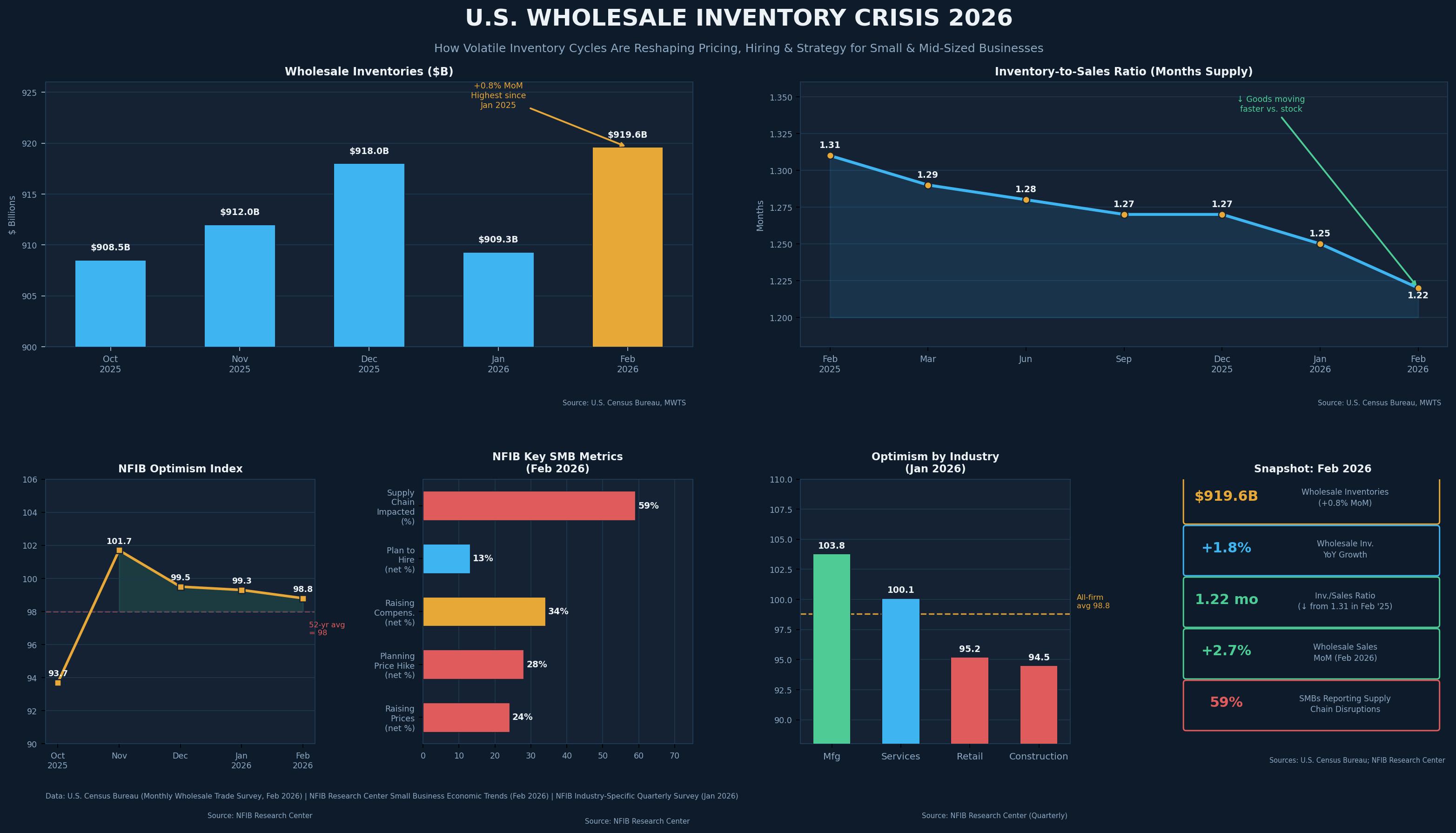
The $919 Billion Warning: What the Wholesale Inventory Explosion Really Means for Main Street