
Good prospects:
Latest Regulatory Filings for NSE500
Companies with the best and the worst technicals.

Apollo FY26: When Healthcare Becomes a Flywheel
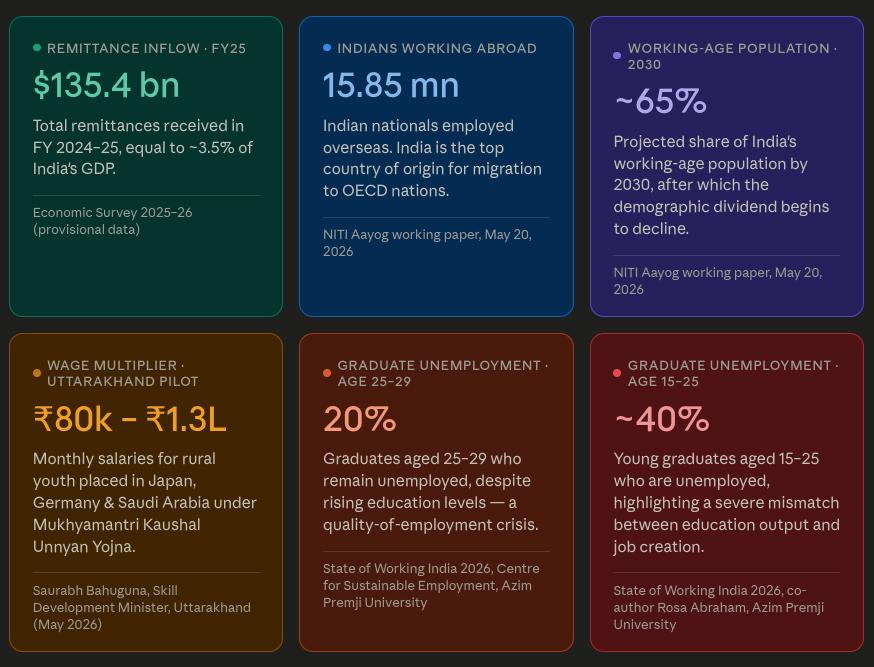
NITI Blueprint Could Turn Brain Drain Into $135Bn Engine
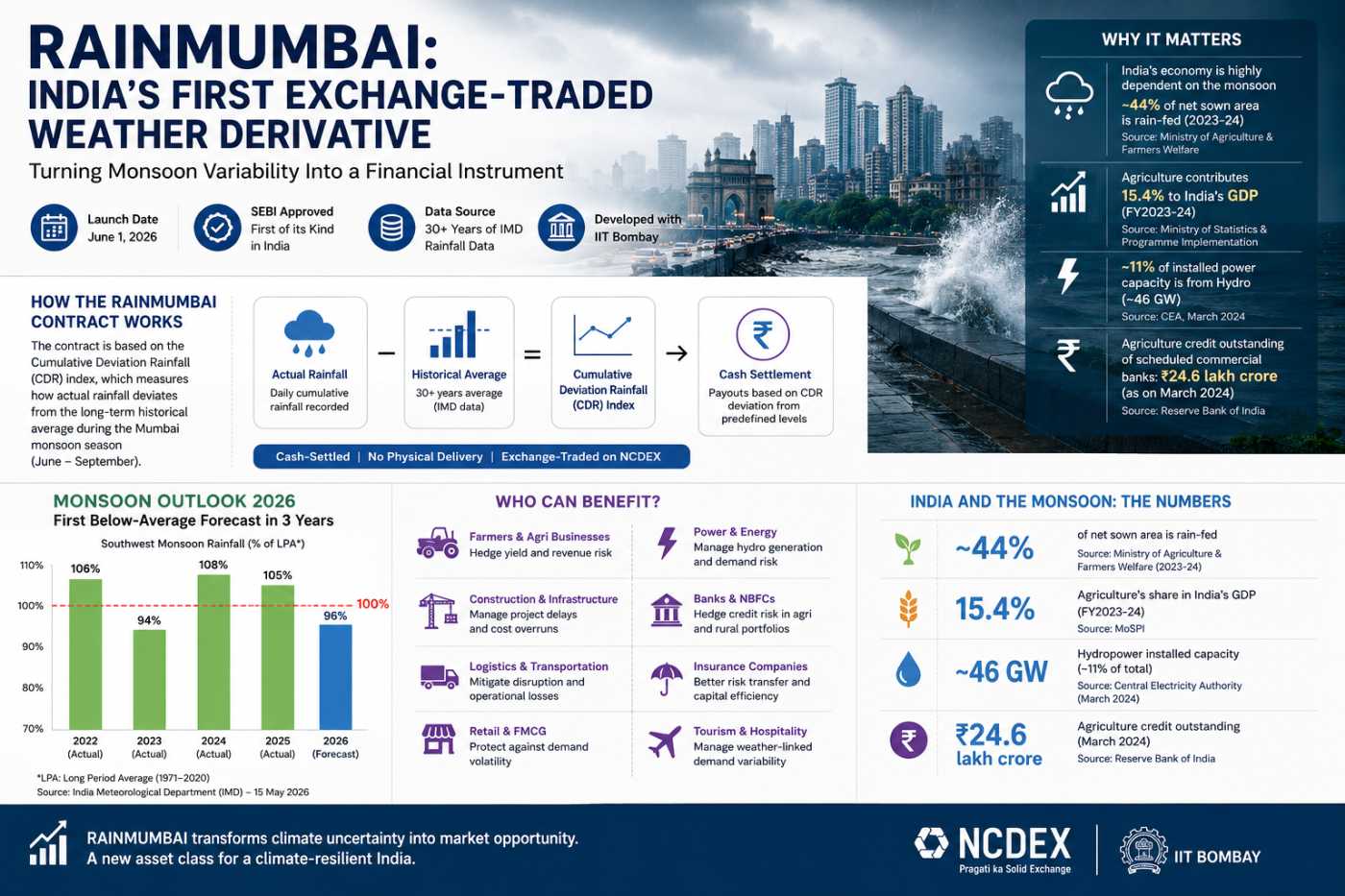
RAINMUMBAI Turns Rain Into a Financial Asset

India’s IT Sector Faces a Historic Breaking Point

How Independent Directors Failed Rs 2,500 Crore in Value
From Price Pressures to Profit Power: The MSME Playbook Redefining India’s Economy


India’s economic landscape is navigating a complex but opportunity-rich phase. Recent commentary from the (RBI) has highlighted the risk of “second-round effects” from global inflationary pressures where initial price shocks in commodities and logistics begin to cascade into wages, services, and broader domestic pricing. While such warnings often evoke caution, a closer look at India’s micro, small, and medium enterprises (MSMEs) reveals a more constructive narrative: one of adaptation, innovation, and long-term competitiveness building at the grassroots level.
Inflation as a Catalyst, Not Just a Constraint
India’s inflation trajectory in early 2026 has remained relatively contained compared to global peers, with headline CPI hovering in the RBI’s tolerance band, supported by moderating food prices and calibrated monetary policy. However, imported inflation driven by energy costs, shipping disruptions, and geopolitical tensions continues to exert pressure on input costs.
For MSMEs, which contribute nearly 30% to India’s GDP and over 45% to exports (according to the ), such pressures are not new. What is changing is the strategic response. Instead of reacting passively, many businesses are embedding resilience into their operating models, effectively converting inflation into a forcing function for efficiency and innovation.
Dynamic Pricing: From Survival Tactic to Strategic Tool
One of the most visible shifts has been in pricing strategies. Traditionally, MSMEs operated with rigid pricing due to competitive pressures and customer sensitivity. However, inflation has accelerated the adoption of more dynamic pricing models.
Small manufacturers and service providers are increasingly leveraging digital tools ranging from simple ERP systems to AI-enabled demand forecasting to adjust prices in near real-time. For instance, textile units in Gujarat and auto-component manufacturers in Pune are using input cost tracking dashboards to recalibrate pricing on shorter cycles, protecting margins without alienating customers.
Interestingly, this shift is also fostering transparency. Businesses are communicating price changes more proactively, often linking them to raw material indices. This has led to a subtle but important change in customer behavior: buyers are becoming more accepting of variable pricing when backed by data. Over time, this could reduce the “race to the bottom” pricing mentality that has historically constrained MSME profitability.
Localized Sourcing: Rewiring Supply Chains
Global supply chain disruptions intensified by shipping bottlenecks and geopolitical realignments have pushed Indian MSMEs to rethink sourcing strategies. The result is a growing emphasis on localization and supplier diversification.
Data from the and the suggests that a significant proportion of MSMEs have increased their domestic sourcing ratios over the past two years. This trend is particularly visible in sectors such as electronics assembly, chemicals, and engineering goods.
At a local level, this is creating new economic clusters. Smaller towns are emerging as specialized supplier bases, reducing dependence on imports while shortening lead times. For example, ancillary industries in regions like Rajkot and Coimbatore are benefiting from increased demand for locally manufactured components.
This shift is not merely defensive. By reducing exposure to currency volatility and logistics costs, localized sourcing is enhancing cost predictability a critical advantage in an inflationary environment. Moreover, it aligns with national initiatives such as “Make in India,” reinforcing the broader industrial policy framework.
Energy Efficiency: The Quiet Game-Changer
Among the most transformative responses to inflation has been the focus on energy efficiency. With energy costs constituting a significant portion of operating expenses especially for manufacturing MSMEs rising fuel and electricity prices have accelerated investments in efficiency upgrades.
Programs supported by the and financing initiatives from institutions like the are enabling MSMEs to adopt energy-efficient technologies. These include high-efficiency motors, waste heat recovery systems, and rooftop solar installations.
The economics are increasingly compelling. While upfront costs remain a barrier, payback periods have shortened significantly due to higher energy prices. In many cases, MSMEs are reporting cost savings of 15–25% on energy bills after implementing efficiency measures.
Beyond cost savings, there is a strategic dimension. Energy-efficient operations enhance competitiveness in export markets, where sustainability standards are becoming stricter. As global buyers place greater emphasis on carbon footprints, Indian MSMEs that invest early in green practices are positioning themselves as preferred suppliers.
Financial Discipline and Digital Integration
Inflationary pressures are also reshaping financial management practices. MSMEs are becoming more disciplined in working capital management, inventory control, and credit utilization.
The adoption of digital financial tools facilitated by platforms supported by the is playing a key role. Real-time payment systems, digital lending platforms, and GST-linked analytics are providing businesses with better visibility into cash flows and receivables.
This digital integration is reducing transaction costs and improving liquidity management, enabling MSMEs to navigate periods of cost volatility more effectively. It is also enhancing their creditworthiness, as formal financial data becomes more accessible to lenders.
Labor and Productivity: A Subtle Rebalancing
Second-round inflation effects often manifest through wage pressures. In India, while wage growth has been relatively moderate, MSMEs are proactively addressing potential cost escalations by focusing on productivity improvements.
Skill development initiatives, often supported by government programs and industry associations, are enabling workers to operate more efficiently. Automation particularly in repetitive tasks is gradually being adopted even by smaller enterprises, aided by declining technology costs.
This shift is not leading to large-scale displacement but rather a rebalancing of roles. Workers are moving towards higher-value tasks, while businesses benefit from improved output per employee. Over time, this could help contain wage-driven inflation without compromising income growth.
Regional Impact: Local Economies as Growth Engines
The cumulative effect of these adaptations is most visible at the regional level. MSMEs are deeply embedded in local economies, and their resilience translates directly into community-level stability and growth.
In states like Gujarat, Maharashtra, and Tamil Nadu, clusters of MSMEs are driving localized economic expansion. Increased sourcing from nearby suppliers, investments in energy efficiency, and adoption of digital tools are creating multiplier effects boosting employment, supporting ancillary industries, and enhancing tax revenues.
This localized growth is particularly significant in the context of global uncertainty. As external demand fluctuates, strong domestic ecosystems provide a buffer, enabling regions to sustain economic momentum.
A New Competitive Paradigm
The broader implication of these trends is a shift in the competitive paradigm for Indian MSMEs. Inflation, traditionally viewed as a headwind, is catalyzing structural improvements that could yield long-term benefits.
Businesses that successfully integrate dynamic pricing, localized sourcing, and energy efficiency are not just surviving they are building capabilities that enhance resilience and scalability. These capabilities are likely to remain relevant even as inflation moderates.
Moreover, the alignment between micro-level adaptations and macro-level policy objectives is noteworthy. The RBI’s focus on price stability, combined with government initiatives to support MSMEs, is creating an environment where prudent risk management and innovation can coexist.
As India continues to navigate the evolving global economic landscape, the experience of its MSMEs offers an instructive perspective. Rather than being passive recipients of inflationary shocks, they are actively shaping their response turning challenges into opportunities and reinforcing the foundations of local competitiveness.
If you have enjoyed reading, spread the word:

India’s Stock Market May Be Sitting on a Trap

Beyond Sugar: India's Bio-Economy Bets Big on Biofuel
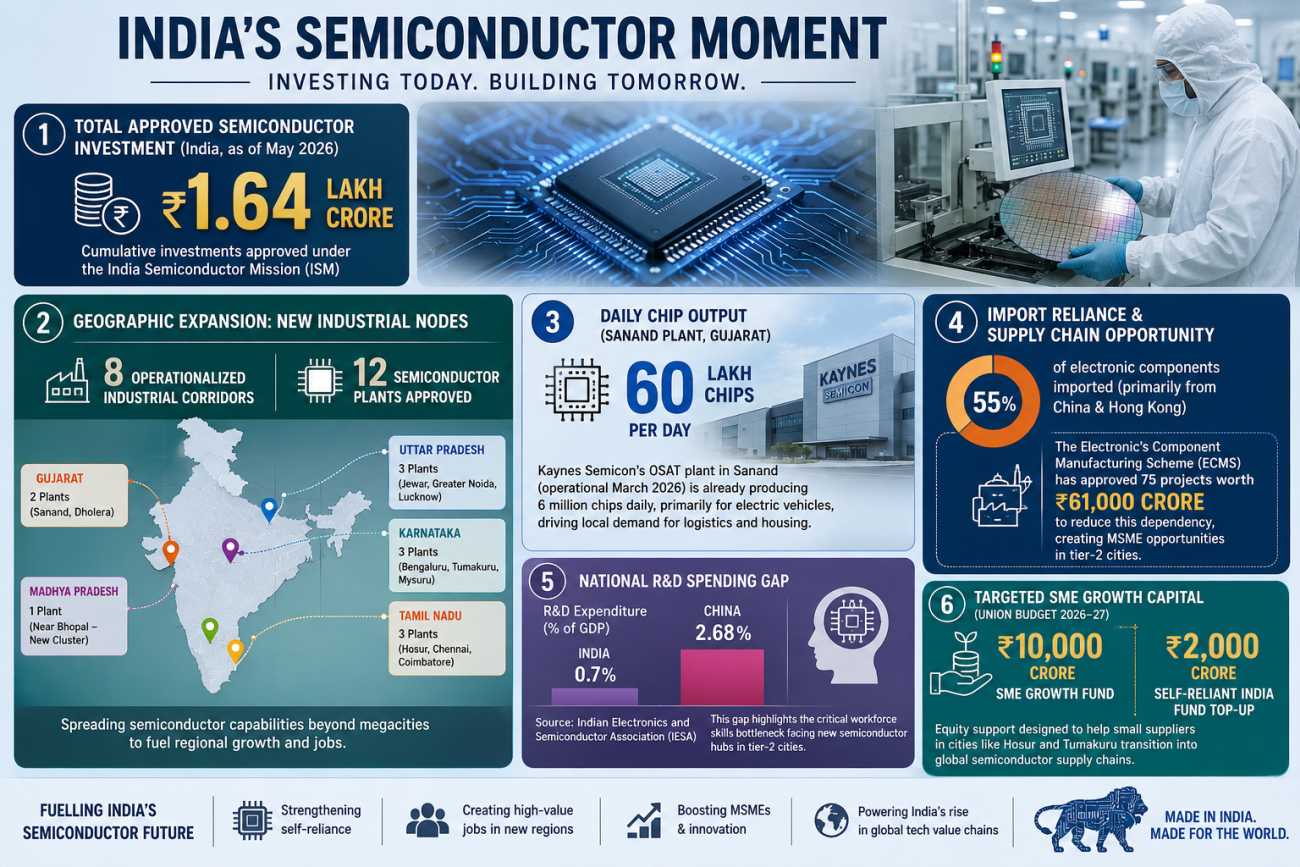
MSMEs & Corridors: India's New Economic Engine
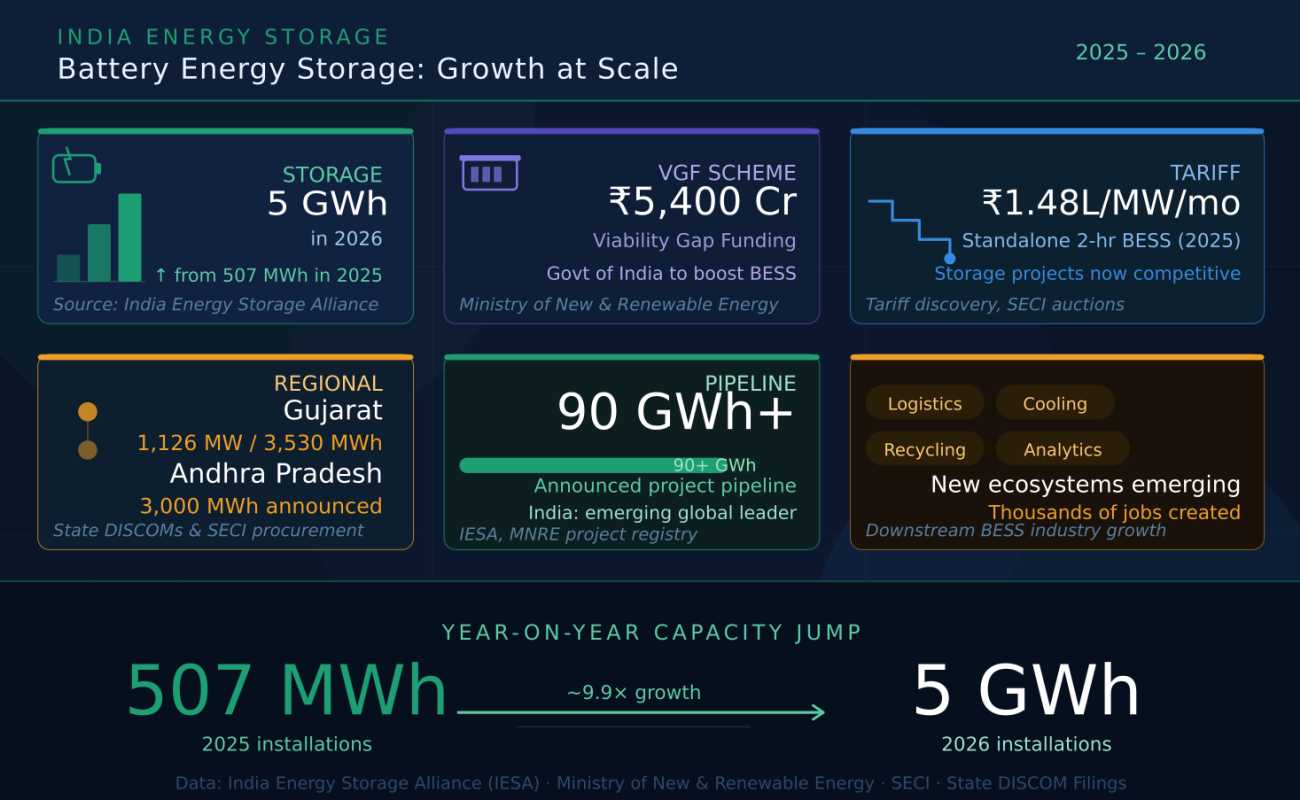
India's Grid-Scale Storage Revolution 2026